Introduction
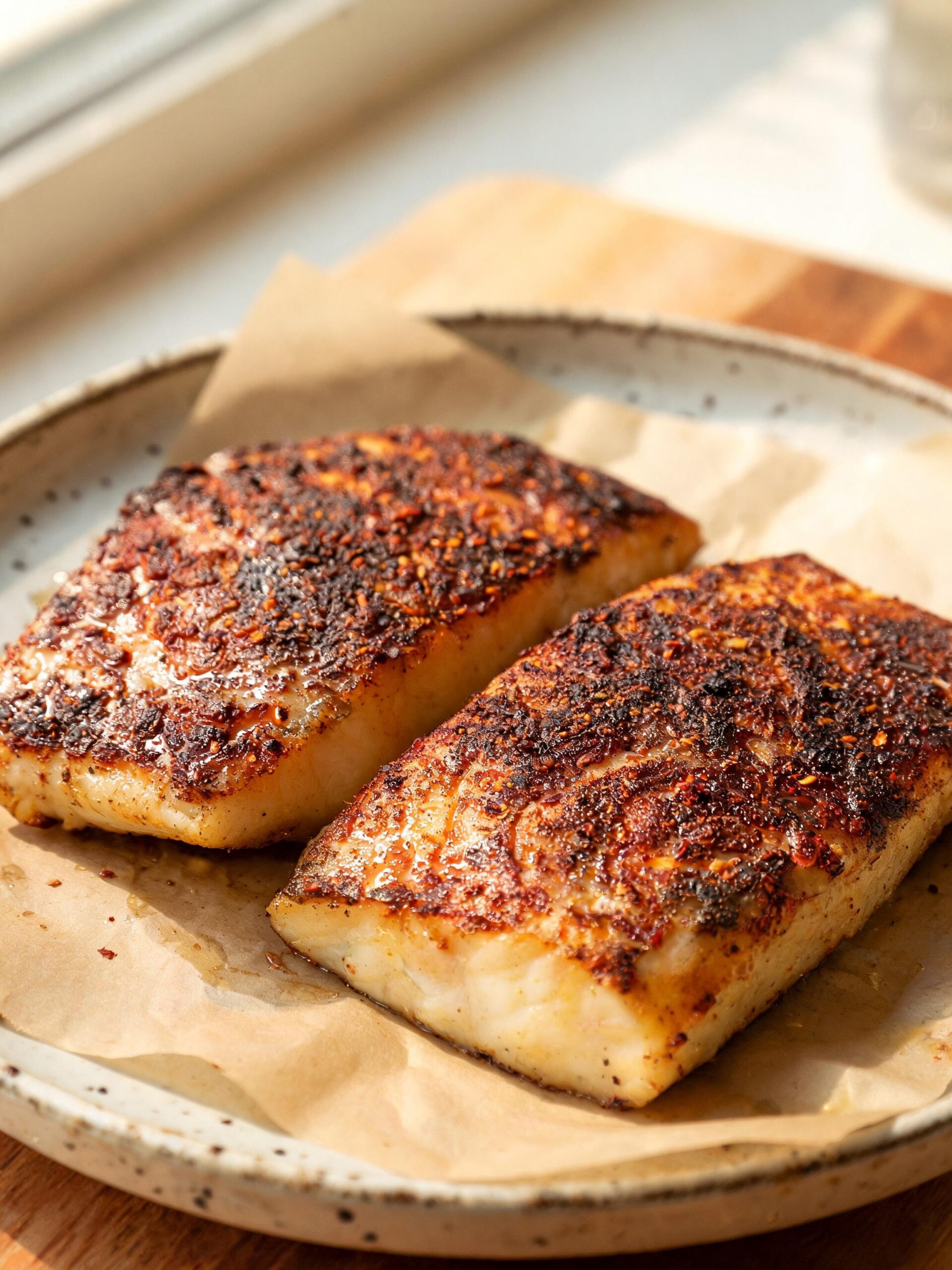
If you’re looking to master a restaurant-quality seafood dish at home, this blackened mahi mahi is your answer. For twenty years, I’ve worked with seafood, and I can tell you that few preparations deliver this level of explosive flavor with such little effort. This isn’t about burning fish; it’s a classic American culinary technique born in Louisiana, designed to create an intensely flavorful, dark crust by searing a custom spice blend onto the fish at high heat. The result is a fillet that’s incredibly juicy and tender on the inside with a spicy, smoky, and savory crust on the outside. We’re going to walk through every single step, from picking the right fillet to getting that perfect sear without filling your kitchen with smoke. Forget timid, bland fish. This recipe, much like our quick baked garlic butter shrimp, is for anyone who wants a bold, memorable main course that comes together in under 30 minutes.
Why You’ll Love This Recipe
- Incredibly Fast: From prepping the spice blend to plating the fish, this entire dish is ready in about 20 minutes, making it a perfect weeknight dinner that feels like a special occasion.
- Bold, Layered Flavor: The homemade Cajun-style blackening seasoning is the star. It’s a perfectly balanced mix of smoky paprika, spicy cayenne, earthy herbs, and savory garlic and onion powders that creates a crust you can’t get from a store-bought mix.
- Healthy and Versatile: Mahi mahi is a lean, protein-packed fish. This recipe is naturally low-carb and gluten-free. It’s also incredibly versatile—serve it over rice, on a salad, or as the main event for incredible fish tacos.
Ingredients List
The key to great blackened fish is a high-quality fillet and a seasoning blend where every ingredient has a purpose. Here’s what you’ll need and why:
For the Mahi Mahi:
- Mahi Mahi Fillets: 4 fillets, 6 ounces each, about 1-inch thick. Look for firm, moist fillets with a translucent pinkish hue. If using frozen, make sure they are fully thawed and patted completely dry. The thickness is important for preventing the fish from overcooking before the crust forms.
For the Blackening Spice Blend:
- Smoked Paprika: 2 tablespoons. This is the backbone of the color and smoky flavor. Don’t substitute with sweet or hot paprika; the smoked variety is essential.
- Garlic Powder: 1 tablespoon. Provides a savory, aromatic base note that complements the fish.
- Onion Powder: 1 tablespoon. Adds a subtle sweetness and depth to the savory profile.
- Dried Thyme: 1 ½ teaspoons. Brings an earthy, slightly minty flavor that cuts through the richness.
- Dried Oregano: 1 teaspoon. Adds a peppery, robust herbaceousness common in Cajun cooking.
- Cayenne Pepper: 1 to 2 teaspoons, to taste. This is your heat source. Use 1 teaspoon for a solid kick and 2 for a fiery, authentic experience.
- Kosher Salt: 1 ½ teaspoons. Crucial for enhancing all the other flavors.
- Coarsely Ground Black Pepper: 1 ½ teaspoons. Provides a different kind of pungent heat than the cayenne.
For Cooking:
- Unsalted Butter: 4 tablespoons, melted. The milk solids in butter help create the classic dark crust and add a rich, nutty flavor.
- High-Smoke-Point Oil: 2 tablespoons (e.g., avocado, grapeseed, or canola oil). The oil prevents the butter from burning too quickly under the high heat required for blackening.
Step-by-Step Instructions
Follow these steps precisely for a perfect result. The process moves quickly once you start cooking, so have everything ready to go.
- Prepare the Fish: If your mahi mahi fillets are frozen, thaw them completely in the refrigerator overnight. Before you begin, use paper towels to pat each fillet completely dry on all sides. Moisture is the enemy of a good sear, so be thorough. Let the fish sit at room temperature for about 10-15 minutes while you prepare the seasoning.
- Mix the Spice Blend: In a small bowl, combine the smoked paprika, garlic powder, onion powder, dried thyme, dried oregano, cayenne pepper, kosher salt, and black pepper. Whisk them together until the color is uniform and there are no clumps.
- Coat the Fillets: Pour the spice blend onto a large plate or shallow dish. Melt your 4 tablespoons of butter in a separate small bowl. Brush a light layer of melted butter onto all sides of each mahi mahi fillet. Then, press each side of the buttered fillets firmly into the spice mixture, ensuring a thick, even coating. Set the coated fillets aside.
- Heat the Skillet: Place a large, heavy-bottomed skillet (cast iron is highly recommended) over medium-high heat. Add the 2 tablespoons of high-smoke-point oil. Let the pan get very hot. You’ll know it’s ready when the oil shimmers and you see faint wisps of smoke. This preheating step is critical and takes about 3-5 minutes. **Turn on your kitchen’s exhaust fan now.**
- Sear the Mahi Mahi: Carefully place two fillets in the hot skillet, making sure not to overcrowd the pan. They should sizzle immediately. Cook for 3-4 minutes on the first side, undisturbed. You want to see the edges turning opaque and the bottom developing a dark, almost black, crust.
- Flip and Finish Cooking: Using a thin fish spatula, flip the fillets. Add about 1 tablespoon of the remaining melted butter to the pan for each fillet. Cook for another 3-4 minutes on the second side. The fish is done when it’s opaque throughout and flakes easily with a fork. The internal temperature should reach 137-140°F.
- Cook the Second Batch and Rest: Remove the cooked fish from the skillet and place it on a clean plate. Tent loosely with foil. If needed, carefully wipe out any burnt bits from the pan with a paper towel, add a bit more oil, and repeat the searing process with the remaining two fillets. Let all the fish rest for 5 minutes before serving. This allows the juices to redistribute, ensuring a moist fillet.
Chef’s Pro Tips for Success
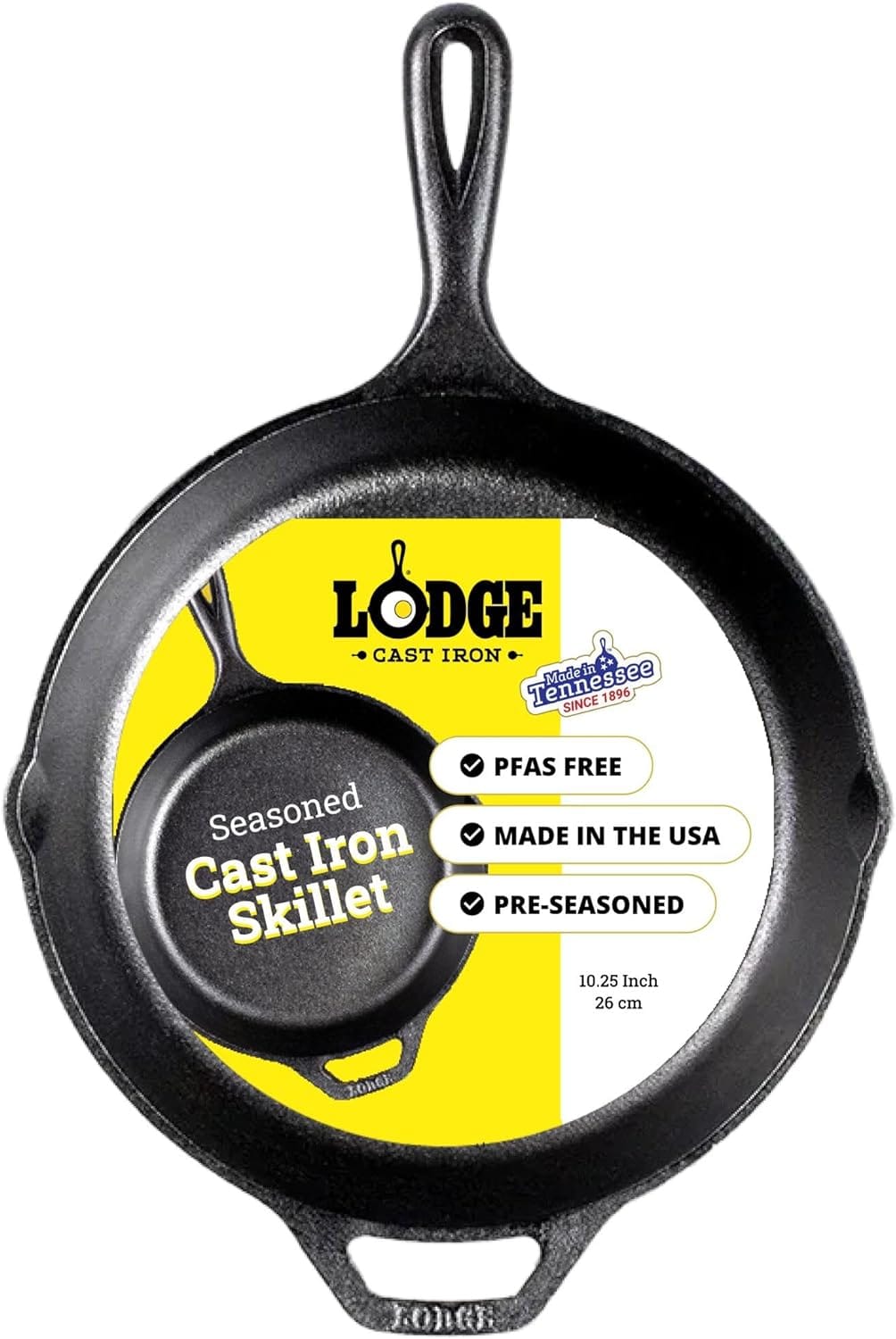
After years of cooking seafood, I’ve learned a few non-negotiable rules for getting blackening right. To get that perfect, dark crust without overcooking the delicate fish inside, you need a skillet that can get screaming hot and stay that way. My go-to, the one I trust for this blackened mahi mahi every single time, is my Lodge Cast Iron Skillet. It holds and distributes heat better than anything else, which is the key to creating that signature spicy, savory crust instantly. These tips separate a decent meal from a spectacular one.
If you want to stop guessing and start searing like a pro, this is the single most important tool for the job. Get the skillet I use and trust in my own kitchen.
Lodge 10.25 Inch Cast Iron Skillet with Assist Handle
✓ prime
We earn a commission if you make a purchase, at no additional cost to you.
- 1. Master Your Pan Temperature: ‘Blackened’ does not mean ‘burnt.’ The goal is to toast the spices and sugar (from the butter’s milk solids) into a crust so fast that the inside of the fish gently steams. The perfect crust on your blackened mahi mahi depends on this. Your pan must be screaming hot *before* the fish touches it. A cast-iron skillet is your best tool because it holds heat incredibly well. If you don’t have one, a heavy stainless steel pan will work. The oil should be shimmering, not smoking heavily. If it’s smoking like a chimney, it’s too hot.
- 2. The Fish Must Be Bone-Dry: I can’t stress this enough. Any surface moisture will immediately turn to steam when it hits the hot pan. Steam is the direct enemy of a sear. It will cool the pan surface and boil the fish instead of creating that iconic crust. Pat your fillets with a paper towel until they feel tacky to the touch. This single step makes a world of difference.
- 3. Use a Two-Part Fat System: Never use only butter for blackening. Butter has a low smoke point (around 300-350°F) due to its milk solids, and it will burn and become acrid at the temperatures needed for a good sear. By starting with a high-smoke-point oil like avocado or grapeseed oil (smoke point ~500°F), you create a stable cooking surface. The melted butter is then used to coat the fish and add to the pan later for its flavor and browning capabilities. This combination gives you the best of both worlds: high-heat stability and rich flavor.
- 4. Give the Fish Space: A common pitfall when making blackened mahi mahi is overcrowding the pan. Placing too many fillets in the skillet at once dramatically drops the temperature. This leads to that dreaded steaming effect we just talked about. The fish will release moisture, and you’ll end up with gray, soggy fish instead of a dark, crispy crust. Cook in two batches if your pan isn’t large enough to hold all four fillets with at least an inch of space between them.
- 5. Don’t Touch It: Once you place the fish in the hot pan, resist the urge to move it, shake the pan, or peek underneath for at least 3 minutes. The crust needs time to form. When it’s properly seared, the fish will release itself from the pan. If you try to flip it and it’s sticking, it’s not ready. Give it another 30-60 seconds. Forcing it will only tear the fillet and ruin that beautiful crust you’ve worked to create.
Common Mistakes to Avoid
I’ve seen these simple mistakes trip up even experienced home cooks. Avoid them, and you’re guaranteed success.
- 1. Not Ventilating Your Kitchen: The blackening process, by definition, creates smoke. The spices and butter solids toast at high heat, and that produces a significant amount of aromatic smoke. If you don’t turn on your exhaust fan to its highest setting and maybe even crack a window, you will set off your smoke alarm. This is not a sign you’re burning the food; it’s a natural part of the technique. Prepare for it.
- 2. Using Old Spices: That jar of paprika that’s been in your cabinet for three years will not work here. The spice blend is the entire flavor profile of the dish. Ground spices lose their potency over time. For this recipe to truly shine, use fresh, vibrant spices. You should be able to smell their distinct aromas as soon as you open the jars. If they smell like dust, it’s time to replace them.
- 3. Uneven Spice Coating: Simply sprinkling the seasoning on top can lead to a patchy crust with some spots being bland and others being overly salty or spicy. The professional method is to press the fish into a plate of the seasoning. This ensures every square inch of the fillet is coated in a thick, even layer, which is essential for developing a consistent crust.
- 4. Overcooking the Fish: Mahi mahi is a lean fish. It goes from perfectly cooked to dry and tough in less than a minute. The total cook time is only about 6-8 minutes. The visual cue is key: the flesh should be opaque and flake easily when prodded with a fork. If you have an instant-read thermometer, pull the fish off the heat when it reaches 137°F. It will continue to cook from residual heat (carryover cooking) as it rests, reaching a perfect 140-145°F.
Variations and Serving Ideas
This recipe is a fantastic base. Once you’ve mastered the technique, you can adapt it in countless ways.
- Blackened Mahi Mahi Tacos: This is my favorite way to use leftovers. Flake the cooked fish into warm corn tortillas. Top with a crunchy cilantro-lime slaw, some crumbled cotija cheese, a slice of avocado, and a drizzle of chipotle crema. The cooling, creamy toppings are a perfect contrast to the spicy fish.
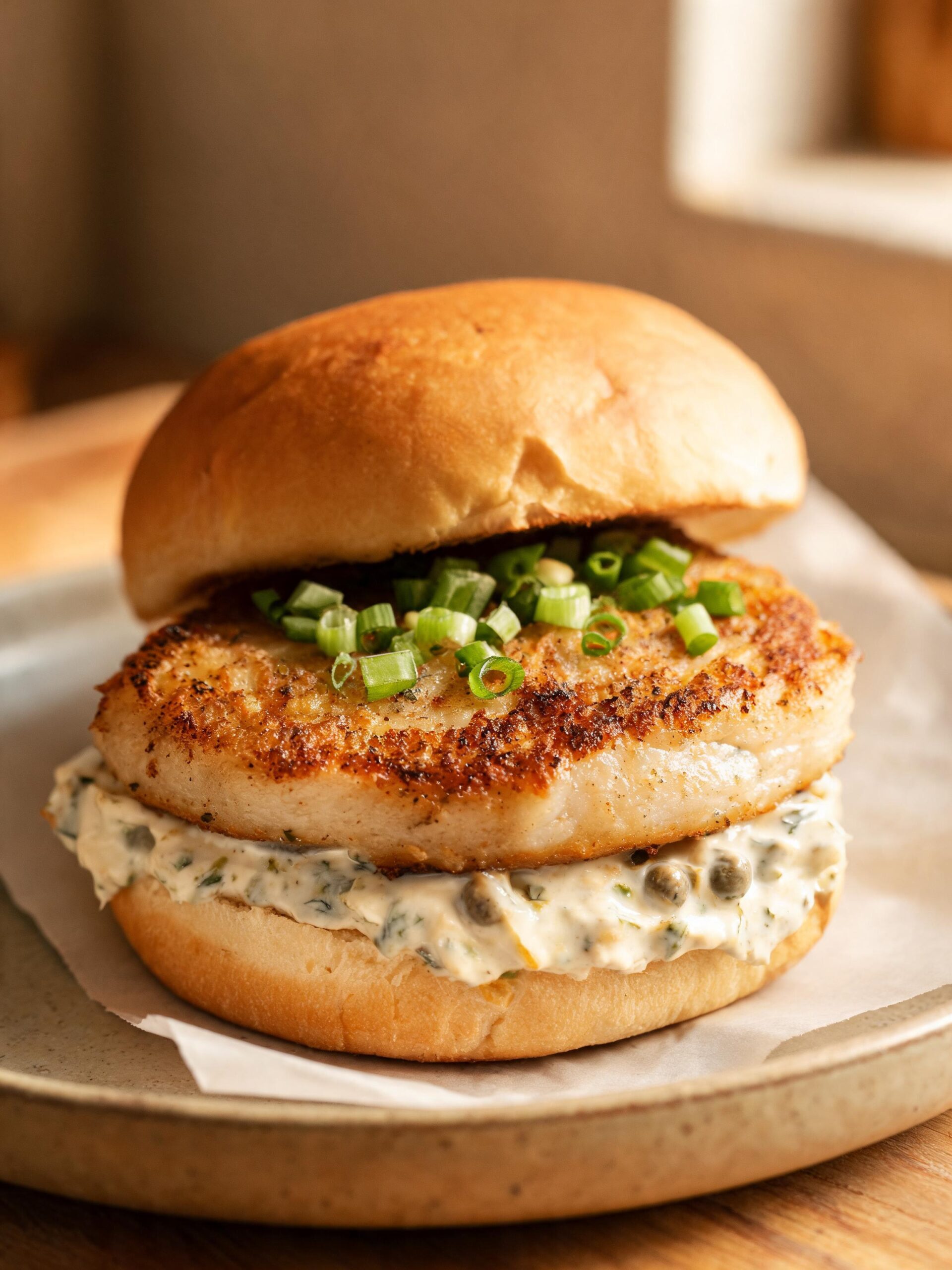
- Spicy Fish Sandwich: Serve a whole fillet on a toasted brioche bun. Slather the bun with a spicy remoulade or tartar sauce and top with crisp lettuce and a thick slice of tomato. It’s a hundred times better than any fast-food fish sandwich and rivals even the best homemade air fryer crab cakes served on a bun.
- Cajun-Style Salad: Let the cooked fillet cool slightly, then flake it over a bed of mixed greens. Add corn, black beans, cherry tomatoes, red onion, and avocado. A creamy avocado-lime dressing or a zesty vinaigrette works beautifully.
- Customize the Spice: Don’t be afraid to tweak the spice blend. If you love heat, add a pinch of ground habanero or ghost pepper powder. For a smokier flavor, add a teaspoon of chipotle powder. For a more herbaceous note, increase the thyme and oregano.
What to Serve With
The bold flavor of blackened mahi mahi pairs best with sides that are either cooling and fresh or starchy and neutral to balance the spice.
- Mango Avocado Salsa: A sweet and creamy salsa with mango, avocado, red onion, cilantro, and lime juice is the ultimate pairing. The sweetness of the mango cuts through the heat of the cayenne perfectly.
- Coconut Rice: Simple white rice cooked with coconut milk instead of water. Its subtle sweetness and creamy texture are a fantastic counterpoint to the spicy crust of the fish.
- Grilled Asparagus with Lemon: The clean, earthy flavor of quickly grilled or roasted asparagus, finished with a squeeze of fresh lemon juice, provides a healthy and refreshing side that doesn’t compete with the fish.
- Cilantro Lime Slaw: A simple, vinegar-based slaw (no mayo) made with shredded cabbage, carrots, cilantro, and a sharp lime vinaigrette adds a much-needed crunchy texture and acidic bite.
Storage and Reheating
Seafood is always best fresh, but if you have leftovers, proper storage is key to preserving its texture and flavor.
- Storage: Allow the cooked fillets to cool completely to room temperature. Store them in an airtight container in the refrigerator for up to 2 days. Don’t wait longer than that; the quality of fish degrades quickly.
- Reheating: The microwave is your enemy here; it will make the fish rubbery and dry. The best way to reheat is in the oven. Preheat your oven to 300°F (150°C). Place the fillets on a small baking sheet and add a splash of water or broth to the pan to create a little steam. Cover loosely with foil and heat for 10-15 minutes, or until just warmed through. This gentle heating method helps it retain moisture.
FAQs (People Also Ask)
Here are answers to some of the most common questions I get about making this dish.
- Is ‘blackened’ the same as ‘burnt’?
Absolutely not. This is the biggest misconception. Burnt food is the result of uncontrolled burning of the food itself, which creates bitter, acrid flavors. Blackening is a controlled cooking method where the dark color comes from the spices and milk solids in the butter toasting in a very hot pan, creating a deeply savory and spicy crust. The fish inside should remain perfectly cooked and juicy. - Can I use frozen mahi mahi fillets?
Yes, you can. High-quality flash-frozen fish can be excellent. The most important step is to thaw it correctly. The best method is to let it thaw overnight in the refrigerator. Never thaw it in the microwave or in hot water. Once thawed, you must pat it exceptionally dry with paper towels, as frozen fish tends to release more moisture. - How do I know when my blackened mahi mahi is cooked through?
There are two reliable methods. The first is the visual/texture test: insert a fork into the thickest part of the fillet and gently twist. If the fish is cooked, it will flake apart easily and the flesh will be uniformly opaque, with no translucent or raw-looking center. The second, and most accurate, method is to use an instant-read digital thermometer. The internal temperature should be between 137°F and 145°F. I pull mine at the lower end of that range and let it rest. - What is the best type of pan to use for blackening?
A well-seasoned cast-iron skillet is, without a doubt, the best tool for the job. It retains extremely high heat and distributes it evenly, which is essential for creating the crust quickly without overcooking the fish. If you don’t have cast iron, your next best option is a heavy-bottomed stainless steel or carbon steel pan. Avoid thin or non-stick pans, as they can’t handle the high heat required and non-stick coatings can release fumes at these temperatures. - Can I make the blackening spice blend ahead of time?
Yes, and I highly recommend it. You can make a large batch of this seasoning and store it in an airtight container (like a glass jar) in a cool, dark pantry for up to 6 months. Having it on hand makes this recipe even faster. It’s also fantastic on chicken, shrimp, or even steak.
Nutrition
Nutrition Facts
(Per serving. Estimates only, varies by exact ingredients used)
Conclusion
You now have all the tools and techniques to create an absolutely phenomenal seafood dinner. This recipe is more than just a set of instructions; it’s a lesson in flavor building and high-heat cooking. Trust the process, get your pan hot, and don’t be afraid of a little smoke. The reward is a perfectly cooked, incredibly flavorful piece of fish that will impress anyone, including yourself. Enjoy your perfectly cooked blackened mahi mahi.
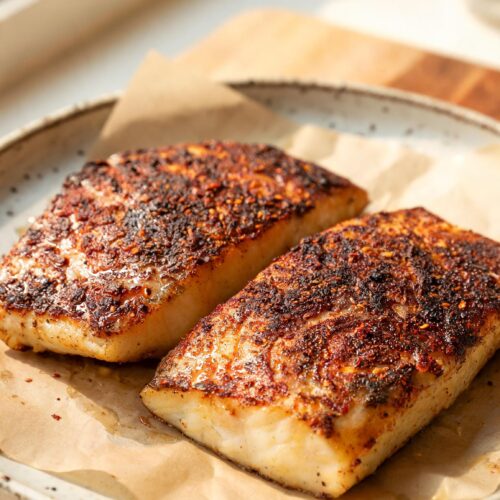
Best Blackened Mahi Mahi Recipe | Spicy Cajun Style Fish with Bold Flavor
Ingredients
- 4 mahi mahi fillets, 6 ounces each
- 2 tablespoons smoked paprika
- 1 tablespoon garlic powder
- 1 tablespoon onion powder
- 1 ½ teaspoons dried thyme
- 1 teaspoon dried oregano
- 1-2 teaspoons cayenne pepper
- 1 ½ teaspoons kosher salt
- 1 ½ teaspoons coarsely ground black pepper
- 4 tablespoons unsalted butter, melted
- 2 tablespoons high-smoke-point oil (e.g., avocado oil)
Instructions
- Pat mahi mahi fillets completely dry with paper towels. Let them sit at room temperature for 10-15 minutes.
- In a small bowl, whisk together smoked paprika, garlic powder, onion powder, thyme, oregano, cayenne, salt, and black pepper.
- Pour the spice blend onto a large plate. Brush each fillet with melted butter, then press firmly into the spice mix to coat all sides evenly.
- Heat a large cast-iron skillet over medium-high heat. Add the high-smoke-point oil and heat for 3-5 minutes until it shimmers and just begins to smoke.
- Carefully place two fillets in the hot skillet. Cook for 3-4 minutes per side, undisturbed, until a dark crust forms.
- Flip the fillets, add 1 tablespoon of melted butter per fillet to the pan, and cook for another 3-4 minutes, or until the fish is opaque and flakes easily (internal temp of 137-140°F).
- Remove fish from the pan, repeat with the remaining fillets, and let all fillets rest for 5 minutes before serving.