Introduction
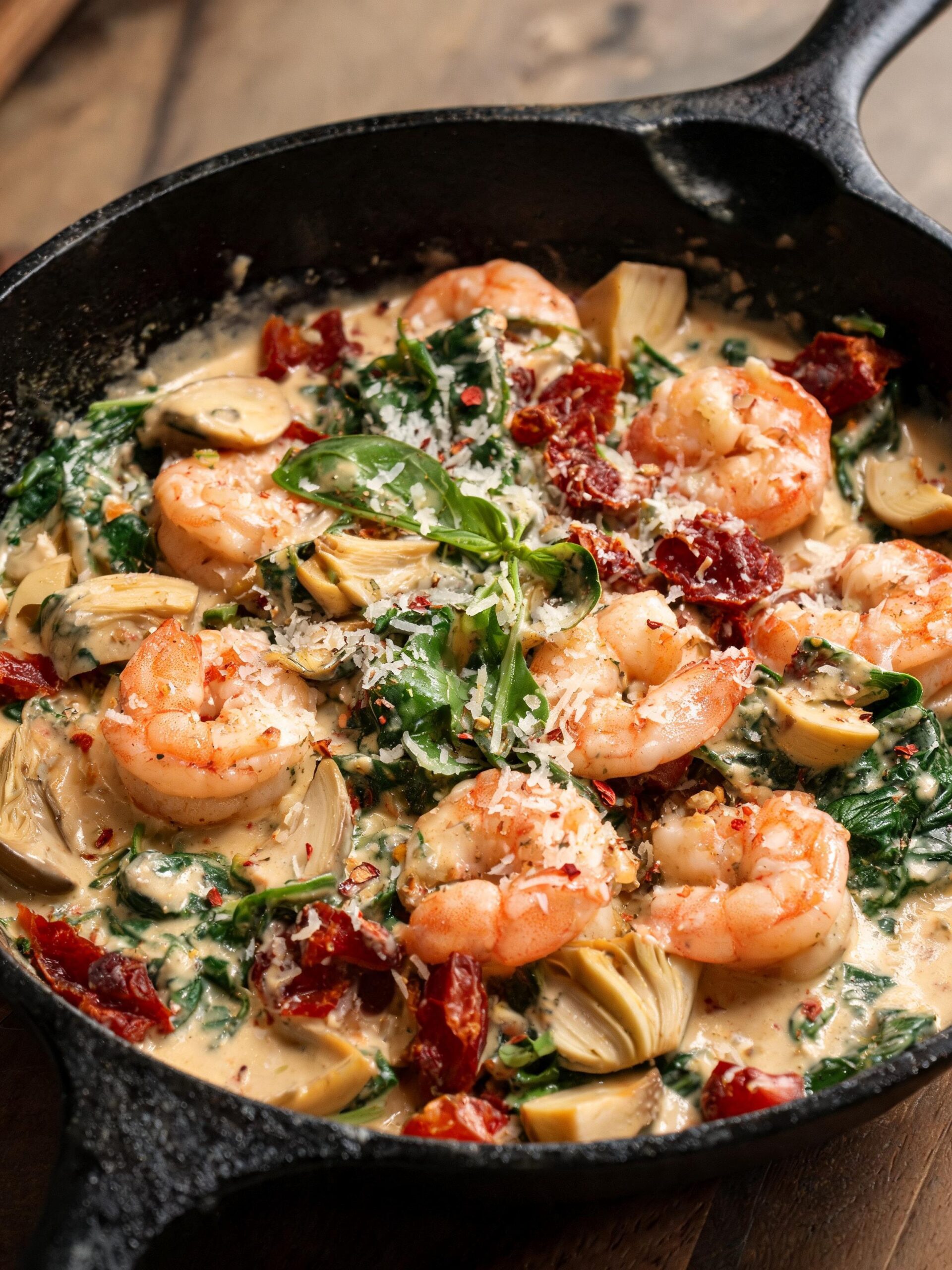
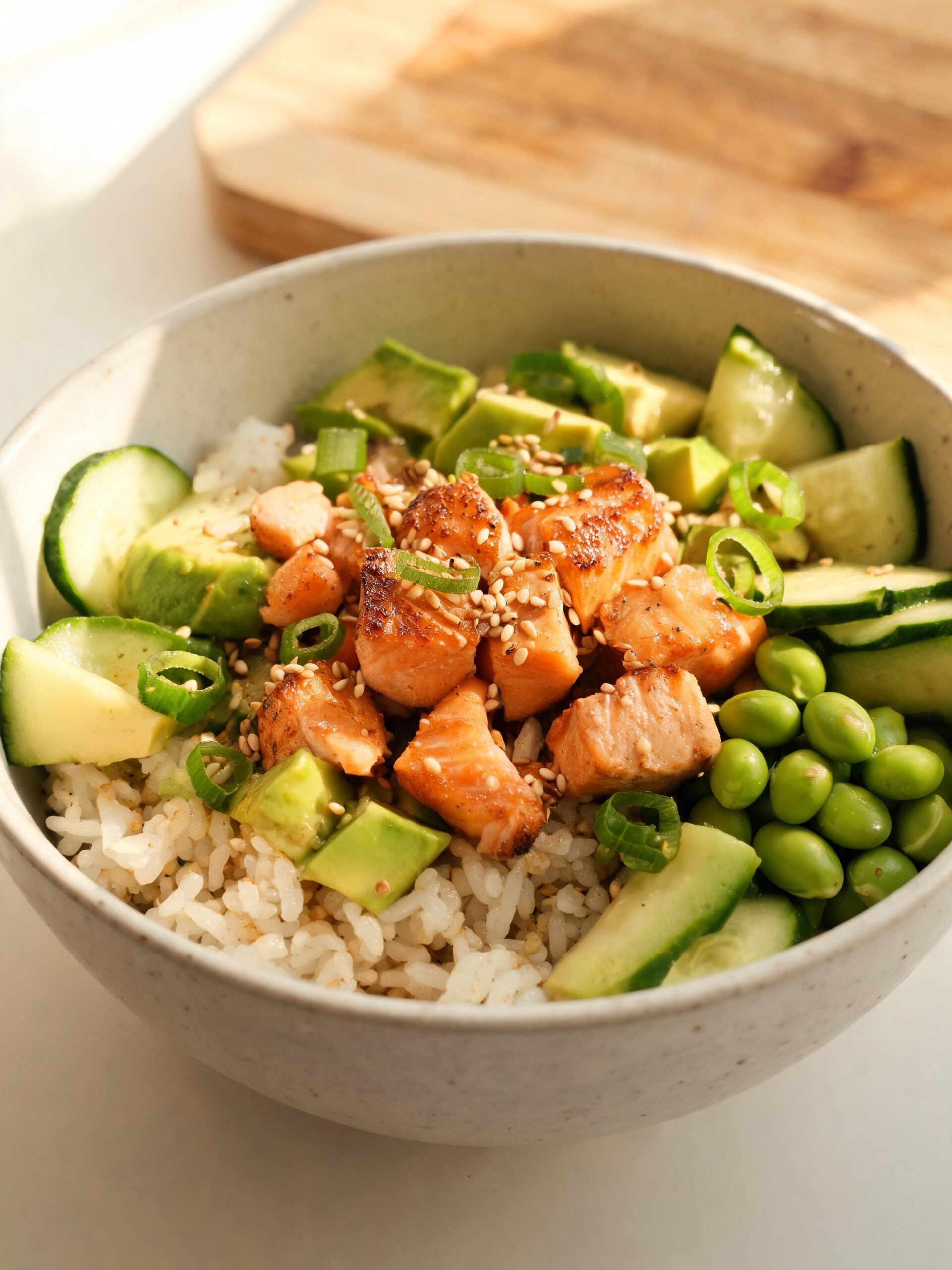
Alright, let’s get straight to it. You’re here for a real-deal salmon poke bowl recipe that tastes as good as what you’d get at a high-end seafood spot, and I’m here to deliver just that. With two decades of experience working with fresh seafood, from simple weeknight meals like quick baked garlic butter shrimp to more intricate dishes, I can tell you that the difference between a mediocre poke bowl and an unforgettable one comes down to two things: quality ingredients and proper technique. Forget the fancy jargon; this is about simple, clean flavors and respecting the fish. This guide is built from years of professional kitchen experience, streamlined for your home. We’ll cover everything from selecting the right salmon to balancing the marinade and building a bowl with perfect texture and flavor in every single bite. This isn’t just a list of ingredients; it’s a blueprint for success.
Why You’ll Love This Recipe
- Incredibly Fast: Aside from cooking the rice, the entire meal comes together in about 15 minutes. It’s the perfect solution for a busy weeknight when you’re craving something fresh and satisfying without spending hours in the kitchen.
- Packed with Flavor and Texture: This bowl is a masterclass in balance. You get the rich, buttery salmon, the savory umami from the sauce, the creamy avocado, the crisp cucumber, and the warm, seasoned rice. Every spoonful is a new experience.
- Completely Customizable: Think of this recipe as your starting point. I’ll give you the rock-solid foundation, but you can swap out toppings, add spice, or change the base to match exactly what you’re in the mood for. It’s a new meal every time you make it.
Ingredients List
Precision is key in a dish this simple. Every ingredient needs to pull its weight. This recipe serves four.
For the Salmon and Marinade:
- Sushi-Grade Salmon: 1.5 lbs, skinless and boneless. Ask your fishmonger for center-cut sockeye or king salmon for the best flavor and texture. It must be explicitly labeled as sushi- or sashimi-grade.
- Low-Sodium Soy Sauce (or Tamari): 1/2 cup. Low sodium gives you control over the saltiness. Tamari is a great gluten-free alternative.
- Toasted Sesame Oil: 2 tablespoons. This is for flavor, not for cooking. The ‘toasted’ part is non-negotiable; it has a deep, nutty aroma that regular sesame oil lacks.
- Rice Vinegar: 1 tablespoon. Use unseasoned rice vinegar. It adds a bright, acidic note that cuts through the richness of the salmon.
- Fresh Ginger: 1 teaspoon, finely grated. Use a microplane for a smooth paste that incorporates easily.
- Scallions: 1/4 cup, thinly sliced, plus more for garnish. Use both the white and green parts for a full onion flavor.
- Sesame Seeds: 1 tablespoon, toasted. Toasting them in a dry pan for a minute or two makes a world of difference.
For the Sushi Rice:
- Short-Grain Sushi Rice: 2 cups, uncooked. This is essential for the right sticky, fluffy texture. Do not substitute with long-grain rice like basmati or jasmine.
- Water: 2.5 cups, for cooking the rice.
- Rice Vinegar: 1/4 cup.
- Granulated Sugar: 2 tablespoons.
- Salt: 1 teaspoon.
For Assembly and Toppings:
- Ripe Avocados: 2, peeled, pitted, and diced.
- Persian Cucumbers: 2, thinly sliced or diced. Their skin is thin and they have fewer seeds, making them ideal.
- Edamame: 1 cup, shelled and cooked (frozen works perfectly).
- Pickled Ginger: For serving.
- Spicy Mayo (Optional): 1/4 cup mayonnaise mixed with 1-2 tablespoons sriracha.
- Nori (Dried Seaweed): 1 sheet, cut into thin strips (chiffonade).
Step-by-Step Instructions
- Cook the Sushi Rice: First, rinse the rice. Place the 2 cups of sushi rice in a fine-mesh strainer and rinse under cold water, swishing it with your hands, until the water runs clear. This removes excess starch and is critical for fluffy, non-gummy rice. Combine the rinsed rice and 2.5 cups of water in a medium saucepan. Bring to a boil, then reduce the heat to the lowest setting, cover, and simmer for 15-20 minutes, or until the water is fully absorbed. Do not lift the lid while it’s simmering. Once done, remove from heat and let it stand, covered, for 10 minutes.
- Season the Rice: While the rice is standing, prepare the seasoning. In a small bowl, whisk together the 1/4 cup rice vinegar, 2 tablespoons sugar, and 1 teaspoon salt until dissolved. You can gently heat it to help the sugar dissolve faster. Transfer the cooked rice to a large, non-metallic bowl (wood or glass is best). Gently drizzle the vinegar mixture over the rice and use a rice paddle or spatula to ‘cut’ and fold it in, being careful not to mash the grains. Let the rice cool to room temperature.
- Prepare the Salmon: Place the sushi-grade salmon on a clean cutting board. Using a very sharp knife, cut the fish into uniform 1/2-inch to 3/4-inch cubes. A sharp knife is crucial to avoid tearing the delicate flesh. Place the cubed salmon in a medium bowl and chill in the refrigerator while you prepare the sauce.
- Mix the Marinade: In a separate small bowl, whisk together the 1/2 cup low-sodium soy sauce, 2 tablespoons toasted sesame oil, 1 tablespoon rice vinegar, and 1 teaspoon grated ginger. Pour this mixture over the chilled salmon cubes. Add the 1/4 cup of sliced scallions and 1 tablespoon of toasted sesame seeds. Gently fold everything together until the salmon is evenly coated.
- Assemble the Bowls: Divide the cooled sushi rice evenly among four bowls, creating a base. Arrange the marinated salmon over one side of the rice. Artfully place the toppings—diced avocado, sliced cucumber, and edamame—around the salmon. Garnish with extra scallions, strips of nori, and a side of pickled ginger. Drizzle with spicy mayo if you’re using it. Serve immediately for the best texture and temperature contrast.
Chef’s Pro Tips for Success
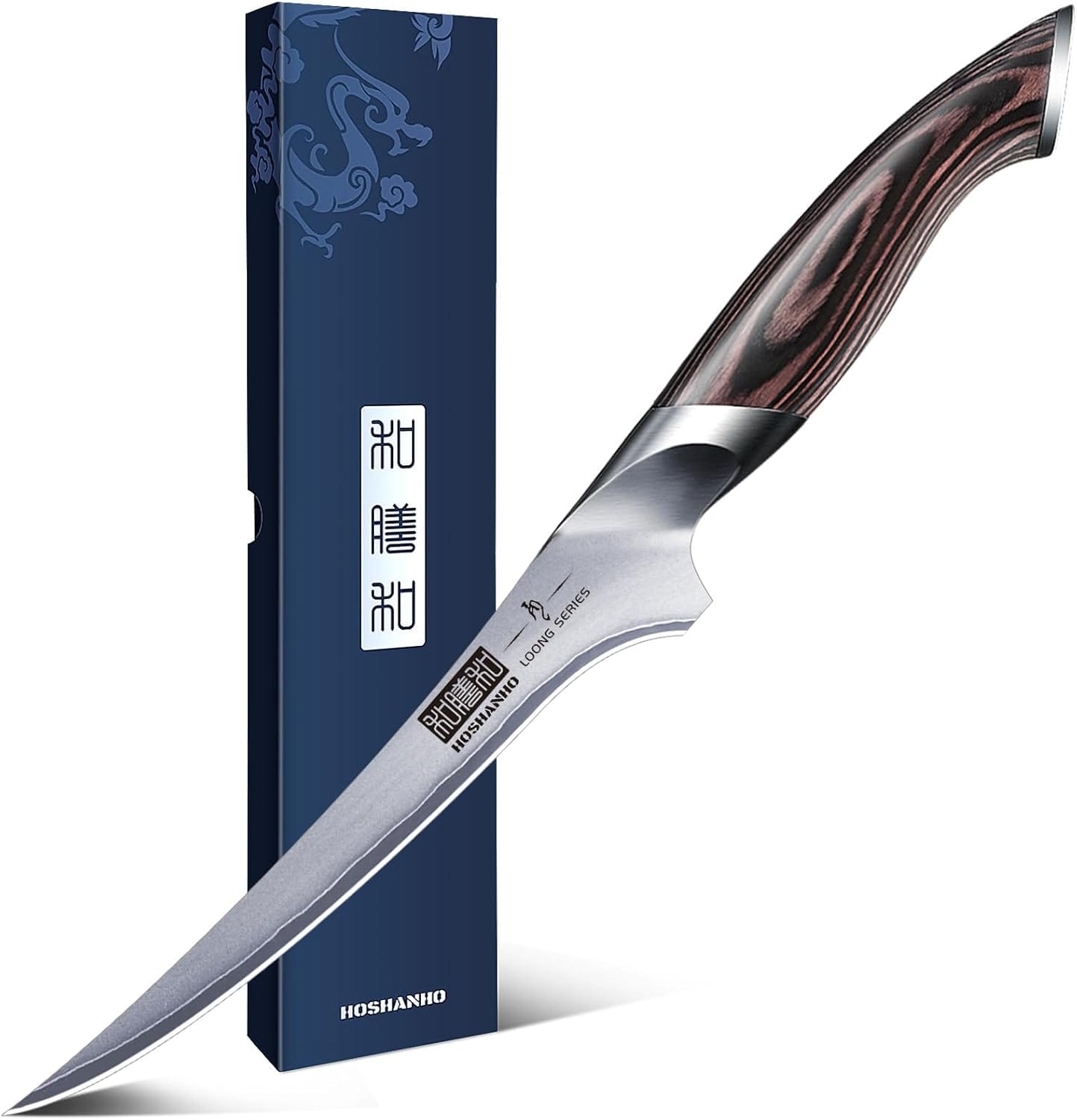
I can’t stress this enough: your knife is the most important tool for this recipe. A dull blade will mash and tear the delicate salmon, ruining its texture. To get those perfect, clean-edged cubes that look and taste like they came from a high-end poke bar, I rely on a razor-sharp fillet knife. The HOSHANHO Professional Japanese Fillet Knife is my go-to because its long, thin blade glides through the fish without friction, preserving that buttery texture we’re after. If you’re serious about making restaurant-quality poke, this is the one tool you shouldn’t compromise on. Check it out on Amazon and see what a game-changer a proper knife is!
HOSHANHO Professional Japanese Fillet Knife
✓ prime
We earn a commission if you make a purchase, at no additional cost to you.
After years of making poke, I’ve learned a few things that separate the good from the great. Pay attention to these details.
- The Salmon is Everything: ‘Sushi-grade’ isn’t a regulated term, but it implies the fish is high-quality and safe to eat raw. This usually means it was flash-frozen to kill parasites. Build a relationship with your fishmonger. Ask them, “What do you have today that’s best for sashimi or poke?” Look for firm, vibrant, translucent flesh with no gapping or fishy odor. If you press it lightly, it should spring back.
- The Knife Cut Matters: Don’t just hack at the fish. For perfect cubes, first slice the fillet into 1/2-inch thick strips. Then, rotate the strips and cut them into 1/2-inch cubes. A long, sharp blade (like a Yanagiba, or just your sharpest chef’s knife) allows you to slice in one fluid motion, not saw. This clean cut preserves the salmon’s delicate texture. Also, make sure the salmon is very cold; it makes it much easier to cut cleanly.
- Don’t Drown the Fish: The marinade is meant to season the salmon, not cook it. The acid from the rice vinegar will start to denature the proteins in the fish over time (like in ceviche), turning it opaque and firm. For this salmon poke bowl recipe, you want the fish to retain its raw, buttery texture. Dress the salmon right before you assemble the bowls. Never let it sit for more than 15-20 minutes.
- Master the Rice Temperature: The perfect poke bowl has a delightful temperature contrast. The rice should be slightly warm or at room temperature, which makes the cold, fresh salmon pop. Never use hot rice, as it will start to cook the fish on contact. And never use cold, refrigerated rice, as it becomes hard and dry. The timing of cooling your rice is a key step.
- Layer Textures Intelligently: A great bowl is more than just a pile of ingredients. Think like a chef when you assemble. You need crunch, creaminess, and chewiness. The soft rice, the buttery salmon, the creamy avocado, the snappy cucumber, the firm edamame—they all play a role. Don’t just dump them in. Arrange them so you can get a little of everything in each bite. The sprinkle of sesame seeds and crispy nori on top isn’t just a garnish; it’s a final textural element.
Common Mistakes to Avoid
I’ve seen these mistakes made by home cooks and even some restaurants. Avoid them, and your poke will be leagues better.
- Using the Wrong Grade of Fish: This is the most critical error. Using a standard salmon fillet meant for cooking is a food safety risk. It hasn’t been handled or frozen with the intention of being eaten raw and can contain harmful bacteria or parasites. The flavor and texture will also be inferior. If you can’t find trusted sushi-grade salmon, it’s better to make a cooked salmon bowl instead. Don’t risk it.
- Making Gummy or Bland Rice: Rice is half the dish. Two common failures: not rinsing the rice, which leaves excess surface starch and results in a gummy, porridge-like texture; and not seasoning it. The vinegar, sugar, and salt mixture is what makes it ‘sushi rice’. It provides a tangy, sweet, and savory foundation that balances the richness of the fish. Skipping this step leaves you with a bland, starchy base.
- Over-Marinating the Salmon: As mentioned in the tips, acid and salt will cure the fish. I once saw someone marinate their poke for an hour, thinking it would add more flavor. They ended up with firm, opaque, ceviche-style salmon. The texture was completely wrong for a poke bowl. The goal is a light coating that seasons the exterior while the interior remains pristine and raw. Mix and serve.
- Ignoring Ratios and Balance: More is not always better. A common mistake is to overload the bowl with too much sauce, too many toppings, or a giant portion of fish. A proper salmon poke bowl recipe is about balance. Too much soy sauce will overwhelm the delicate salmon flavor. Too many crunchy toppings will mask the buttery texture of the fish. Aim for a harmonious mix where each component can be tasted.
Variations and Serving Ideas
Once you’ve mastered the classic, feel free to get creative. This dish is a fantastic canvas.
- Protein Swaps: The same marinade works beautifully with sushi-grade ahi tuna (the classic poke fish), hamachi (yellowtail), or even scallops. For a cooked option, grilled shrimp or baked tofu cubes are excellent.
- Spice It Up: Add some heat to your marinade with a teaspoon of sriracha, a pinch of red pepper flakes, or some gochujang for a Korean-inspired twist. You can also add thinly sliced jalapeños or serrano peppers as a topping for a fresh, sharp heat.
- Change the Base: If you’re not in the mood for rice, this recipe works great over other bases. Try chilled soba noodles, quinoa for a protein boost, or a bed of mixed greens for a low-carb, salad-style bowl.
- Experiment with Sauces: Instead of the classic shoyu base, try a ponzu (citrus-soy) marinade for a brighter flavor. A wasabi-aioli drizzle adds a creamy, pungent kick. For a completely different profile, mix the salmon with a sauce of coconut aminos, lime juice, and a touch of chili garlic sauce. This is a fantastic soy-free version of the salmon poke bowl recipe.
- Topping Overload: The sky’s the limit here. Add some tropical flavor with diced mango or pineapple. For more crunch, try crispy fried onions, wonton strips, or macadamia nuts. Other great additions include seaweed salad (wakame), masago (smelt roe) for a briny pop, or furikake seasoning.
What to Serve With
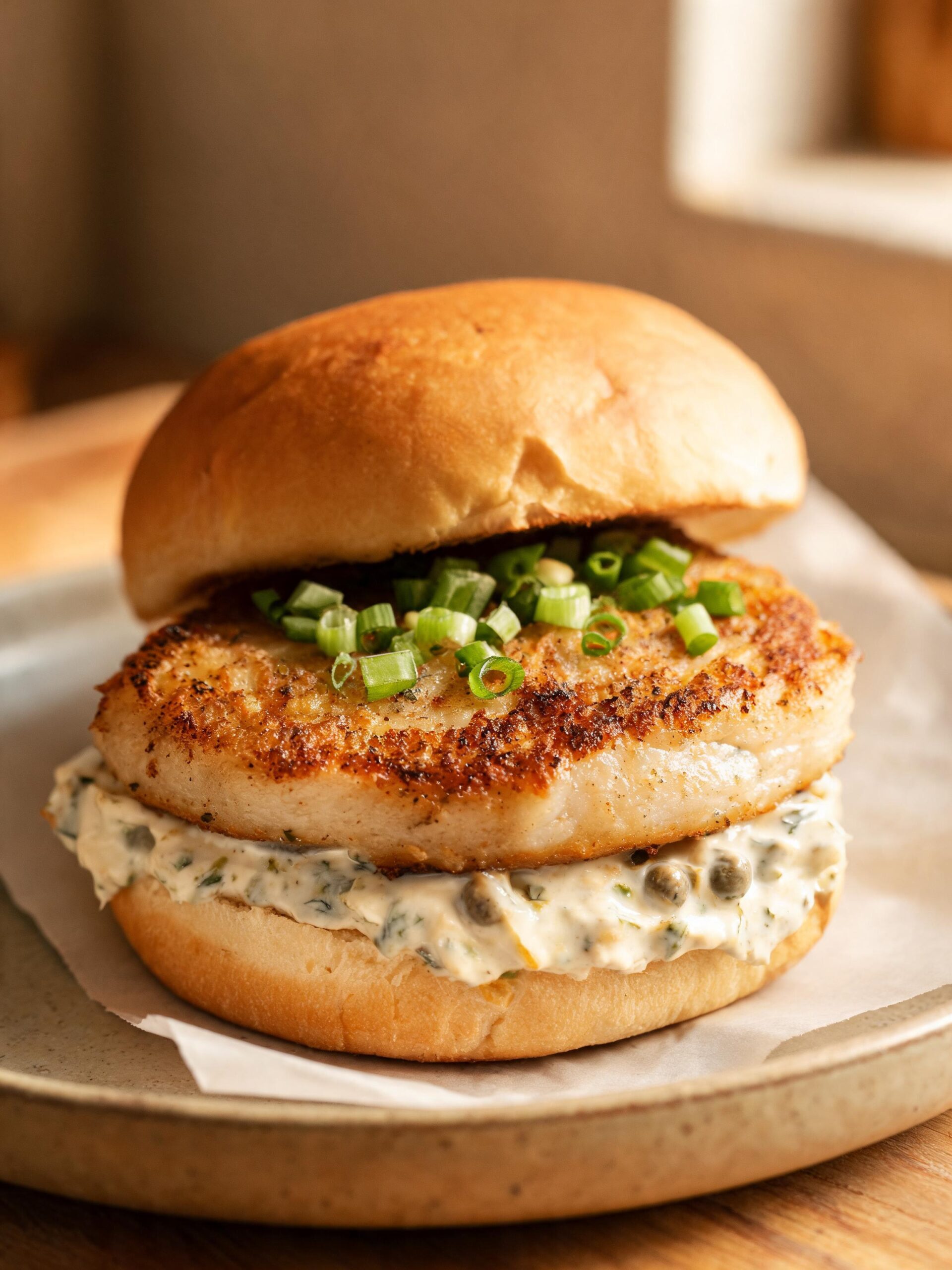
A poke bowl is a complete meal, but if you want to round it out, keep the sides light and complementary. Simple options like a seaweed salad work well, or you could offer another seafood appetizer like these homemade air fryer crab cakes for a more substantial meal.
- Miso Soup: A small bowl of classic miso soup is the perfect starter. Its warm, savory flavor profile primes the palate for the fresh poke.
- Seaweed Salad: A simple Japanese seaweed salad (Goma Wakame) adds another layer of oceanic flavor and a pleasant chewy texture.
- Drinks: For beverages, you can’t go wrong with classic pairings. A crisp Japanese lager like Sapporo or Asahi cuts through the richness of the salmon. A dry sake or a glass of unoaked Sauvignon Blanc also works beautifully. For a non-alcoholic option, iced green tea or a yuzu-flavored sparkling water is refreshing.
Storage and Reheating
Let’s be very direct about this: poke is meant to be eaten fresh. Its quality degrades quickly.
- Storing an Assembled Bowl: I strongly advise against this. Once assembled, the sauce will make the rice soggy, the avocado will brown, and the texture of the fish will change. It should be eaten within an hour of assembly, max.
- Storing Components: If you must store leftovers, store them separately. The seasoned rice can be stored in an airtight container in the fridge for up to 2 days, but it will be firm. The marinated salmon should be eaten the same day it’s made; I do not recommend storing raw, marinated fish overnight. Toppings like cucumber and edamame can be stored in the fridge.
- Reheating: Do not reheat a poke bowl. The dish is served with cold fish and room-temperature rice. If you have leftover rice, you can sprinkle it with a little water and microwave it briefly to soften it up before letting it cool down again to assemble a new bowl. Never microwave the salmon.
FAQs (People Also Ask)
1. Can I use frozen salmon for this recipe?
Yes, absolutely, and in many cases, it’s safer. ‘Sushi-grade’ fish has typically been flash-frozen to extremely low temperatures (-35°F or below) to kill any potential parasites. High-quality frozen salmon from a reputable source that is specified for raw consumption is an excellent choice. Thaw it overnight in the refrigerator, never at room temperature or in the microwave. Pat it completely dry before cubing.
2. How do I know if my salmon is truly ‘sushi-grade’?
Since the term isn’t government-regulated, it’s about trust and transparency with your supplier. Ask your fishmonger directly if the fish is safe to be eaten raw. Look for signs of quality: vibrant color, firm texture, and a fresh, clean smell of the ocean, not a ‘fishy’ odor. It should be sold from a very clean, reputable market. If you have any doubt, don’t buy it for this purpose.
3. Can I make this salmon poke bowl recipe ahead of time for meal prep?
You can prep the components, but do not assemble the bowl until you are ready to eat. You can cook and season the rice, chop the vegetables (except the avocado, which will brown), and mix the sauce ingredients. Store them in separate airtight containers in the fridge. When it’s time to eat, dice your fresh salmon, mix it with the sauce, slice your avocado, and assemble your bowl. This ‘meal kit’ approach works well.
4. What is a good substitute for soy sauce if I have a soy allergy?
Coconut aminos are the best substitute. They provide a similar savory, umami flavor but are slightly sweeter and soy-free/gluten-free. You might want to slightly reduce any other sweeteners in the marinade (like honey or maple syrup, if you add them) to compensate. Start with an equal amount and adjust to taste.
5. Is a salmon poke bowl healthy?
Yes, it’s generally a very healthy and well-balanced meal. You get high-quality protein and omega-3 fatty acids from the salmon, complex carbohydrates from the rice, healthy fats from the avocado, and vitamins from the vegetables. The main things to watch are portion sizes of the rice and high-sodium or high-sugar sauces. Using low-sodium soy sauce and being mindful of sugary additions like spicy mayo keeps it firmly in the healthy category.
Nutrition Facts
(Per serving. Estimates only, varies by exact ingredients used)
Conclusion
You now have the complete professional playbook for an exceptional salmon poke bowl recipe. It’s not about complicated steps; it’s about respecting high-quality ingredients and understanding a few key techniques. This fresh, vibrant meal is one of the most rewarding dishes you can make, and now you have the confidence to nail it every time. Get in the kitchen, build your perfect bowl, and enjoy the incredible flavors of a job well done.
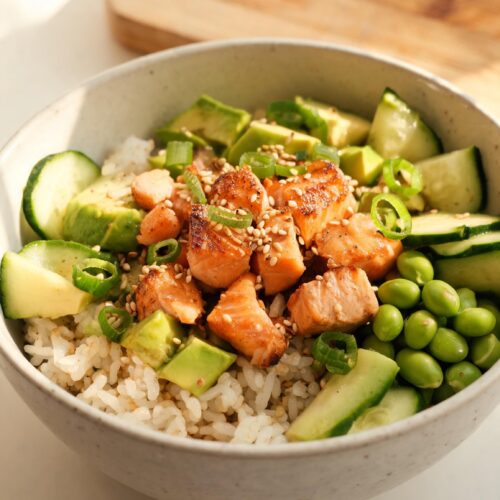
Salmon Poke Bowl Recipe | Fresh, Healthy and Easy Hawaiian-Style Meal
Ingredients
- 1.5 lbs sushi-grade salmon, skinless and boneless
- 1/2 cup low-sodium soy sauce (or Tamari)
- 2 tablespoons toasted sesame oil
- 1 tablespoon rice vinegar
- 1 teaspoon fresh ginger, finely grated
- 1/4 cup scallions, thinly sliced, plus more for garnish
- 1 tablespoon sesame seeds, toasted
- 2 cups short-grain sushi rice, uncooked
- 2.5 cups water
- 1/4 cup rice vinegar (for rice)
- 2 tablespoons granulated sugar
- 1 teaspoon salt
- 2 ripe avocados, diced
- 2 Persian cucumbers, thinly sliced
- 1 cup edamame, shelled and cooked
- Pickled ginger, for serving
- Spicy mayo (optional)
- 1 sheet nori, cut into thin strips
Instructions
- Rinse the sushi rice under cold water until the water runs clear. In a saucepan, combine rinsed rice and 2.5 cups of water. Bring to a boil, reduce heat to low, cover, and simmer for 15-20 minutes until water is absorbed. Let stand covered for 10 minutes.
- While rice stands, whisk together 1/4 cup rice vinegar, sugar, and salt for the rice seasoning. Gently fold this mixture into the cooked rice in a non-metallic bowl. Let it cool to room temperature.
- Using a very sharp knife, cut the chilled, sushi-grade salmon into uniform 1/2-inch to 3/4-inch cubes. Place in a medium bowl and return to the refrigerator.
- In a separate bowl, whisk together the low-sodium soy sauce, toasted sesame oil, 1 tablespoon of rice vinegar, and grated ginger to create the marinade.
- Pour the marinade over the chilled salmon cubes. Add the 1/4 cup of sliced scallions and toasted sesame seeds. Gently fold to combine.
- Divide the cooled sushi rice among four bowls. Arrange the marinated salmon on one side of the rice.
- Add the toppings: diced avocado, sliced cucumber, and edamame. Garnish with extra scallions, nori strips, and a side of pickled ginger. Drizzle with spicy mayo if desired and serve immediately.