Introduction
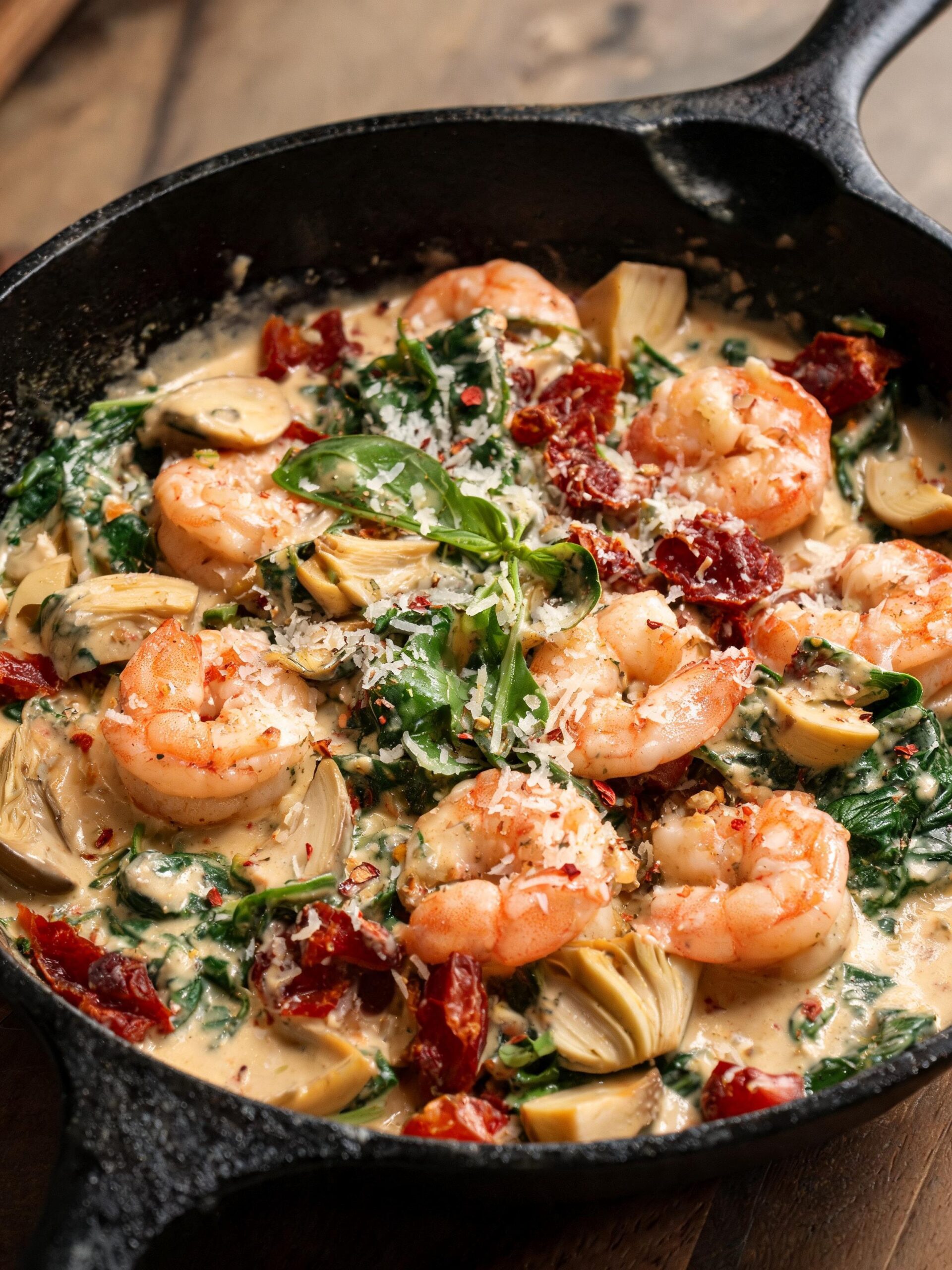
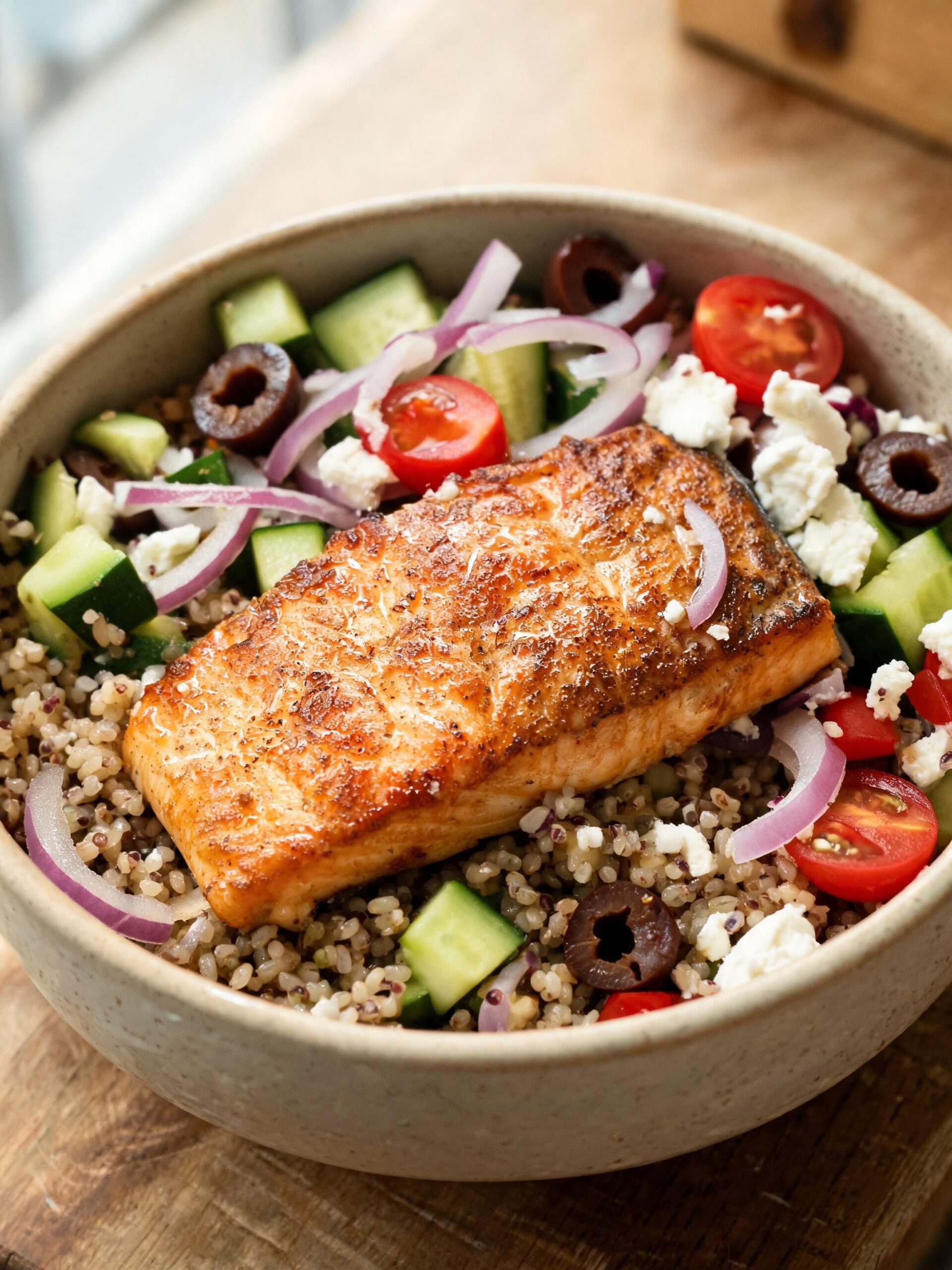
After two decades searing, grilling, and baking fish in professional kitchens, I can tell you that few dishes hit the mark like a perfectly constructed mediterranean salmon bowl. It’s not just a meal; it’s a complete system of flavor, texture, and nutrition that works every single time. This isn’t some fussy restaurant dish. This is the kind of food I cook at home after a long shift—it’s satisfying, incredibly fresh, and relies on good ingredients treated simply, much like this quick baked garlic butter shrimp. We’re talking flaky, perfectly cooked salmon with that crisp skin, sitting on a bed of fluffy quinoa, surrounded by crunchy cucumbers, juicy tomatoes, sharp red onion, and briny olives. The whole thing is tied together with a bright, zesty lemon-dill vinaigrette and a crumble of good feta cheese. This recipe will show you how to nail every component, from cooking the quinoa so it’s not mushy to getting that perfect sear on the salmon. Forget takeout; this is your new weeknight go-to.
Why You’ll Love This Recipe
- Fast and Efficient: From start to finish, you can have this on the table in about 35 minutes. The components cook simultaneously, making it a perfect weeknight dinner without a mountain of dishes.
- Packed with Flavor and Texture: You get the rich, flaky salmon, the fluffy quinoa, the crisp crunch of fresh vegetables, the salty bite of feta and olives, and the bright acidity of the lemon dressing. It’s a dish that never gets boring.
- Healthy and Customizable: This bowl is loaded with Omega-3s, protein, and fiber. It’s also incredibly easy to adapt. Swap the grain, add different vegetables, or change up the herbs based on what you have on hand.
Ingredients List
Precision is key in the kitchen. Use these exact measurements for a balanced bowl that serves four people perfectly.
For the Salmon:
- 4 skin-on salmon fillets (6 ounces each, about 1-inch thick)
- 1 tablespoon extra virgin olive oil
- 1 teaspoon dried oregano
- 1/2 teaspoon garlic powder
- 1/2 teaspoon kosher salt
- 1/4 teaspoon black pepper
For the Quinoa:
- 1 cup uncooked quinoa, rinsed well
- 2 cups water or low-sodium vegetable broth
- 1/2 teaspoon kosher salt
For the Bowl Assembly:
- 1 large English cucumber, diced
- 1 pint cherry tomatoes, halved
- 1/2 medium red onion, thinly sliced
- 1/2 cup Kalamata olives, pitted and halved
- 1/2 cup crumbled feta cheese
- Fresh dill and parsley for garnish
For the Lemon-Dill Vinaigrette:
- 1/3 cup extra virgin olive oil
- 1/4 cup fresh lemon juice (from about 2 lemons)
- 1 tablespoon chopped fresh dill
- 1 clove garlic, minced
- 1/2 teaspoon Dijon mustard
- 1/4 teaspoon kosher salt
- 1/4 teaspoon black pepper
Step-by-Step Instructions
- Cook the Quinoa: Thoroughly rinse the quinoa under cold water using a fine-mesh sieve. This removes the natural saponin coating, which can taste bitter. In a medium saucepan, combine the rinsed quinoa, 2 cups of water (or broth), and 1/2 teaspoon of salt. Bring to a boil, then reduce the heat to a low simmer. Cover and cook for 15 minutes, or until the water is absorbed. Remove from heat and let it stand, covered, for 5 minutes. Fluff with a fork.
- Prepare the Vegetables and Dressing: While the quinoa cooks, prep your bowl components. Dice the cucumber, halve the tomatoes and olives, and slice the red onion. In a small bowl or jar, whisk together all the vinaigrette ingredients: olive oil, lemon juice, fresh dill, minced garlic, Dijon mustard, salt, and pepper. Set aside.
- Season the Salmon: Pat the salmon fillets completely dry with a paper towel. This is non-negotiable for crispy skin. In a small bowl, mix the oregano, garlic powder, 1/2 teaspoon salt, and 1/4 teaspoon pepper. Rub this seasoning mix evenly over the flesh side of each salmon fillet.
- Cook the Salmon: Heat 1 tablespoon of olive oil in a large non-stick or cast-iron skillet over medium-high heat. The oil should shimmer but not smoke. Carefully place the salmon fillets skin-side down in the hot pan. Press down gently on each fillet with a spatula for 10-15 seconds to ensure the entire skin makes contact with the pan. Cook for 4-6 minutes, until the skin is golden brown and crispy. You can see the cooking progress up the side of the fillet.
- Finish the Salmon: Flip the salmon and cook for another 2-4 minutes on the flesh side, depending on thickness. The salmon is done when it flakes easily with a fork or reaches an internal temperature of 135-140°F for medium. Avoid overcooking. Remove from the pan and let it rest for a minute.
- Assemble the Bowls: Divide the fluffed quinoa among four bowls. Top with the cooked salmon fillet. Arrange the cucumber, tomatoes, red onion, and Kalamata olives around the salmon. Drizzle generously with the lemon-dill vinaigrette. Finish with a sprinkle of crumbled feta cheese and fresh parsley and dill. Serve immediately.
Chef’s Pro Tips for Success
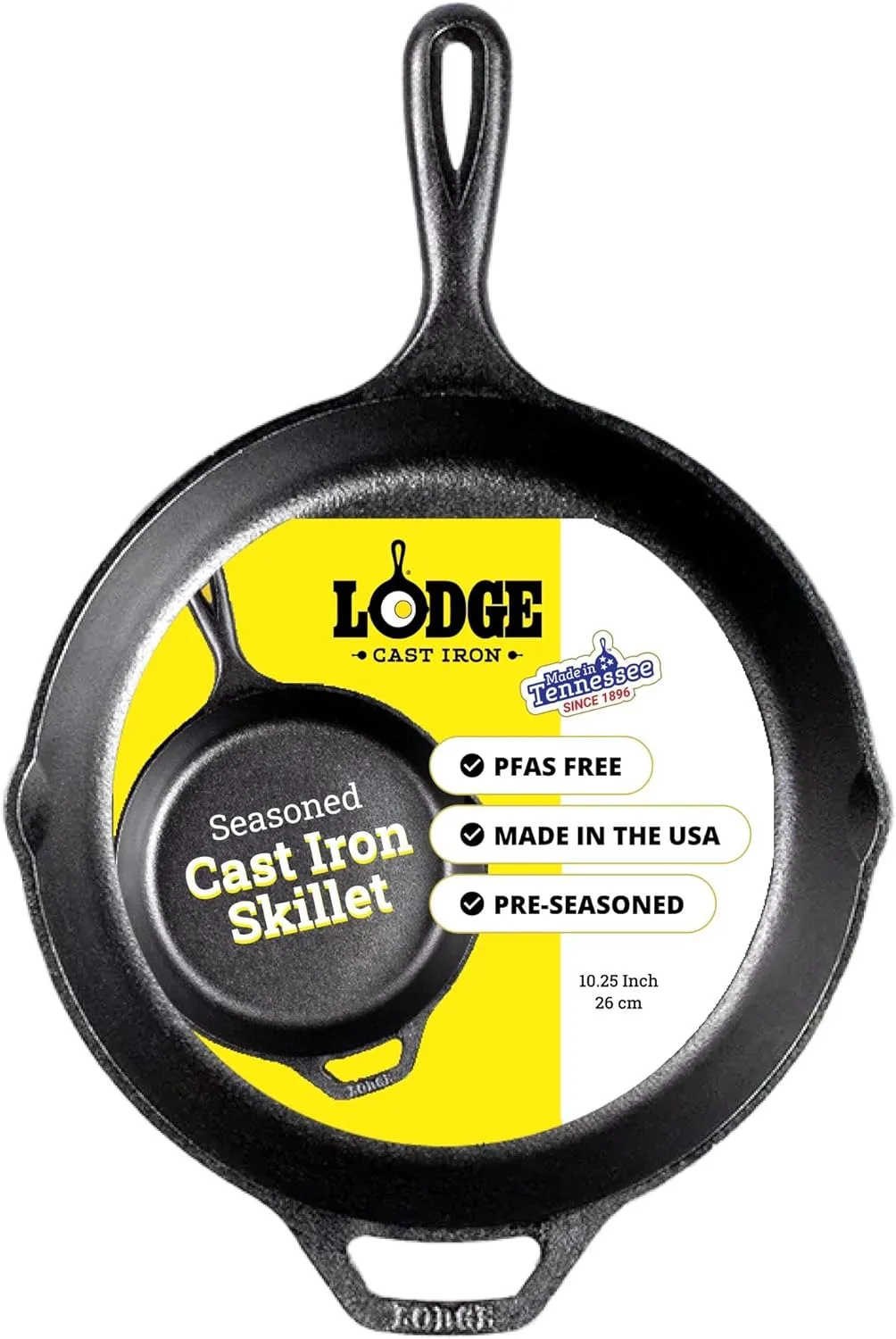
People always ask me how I get that shatteringly crisp salmon skin. The secret isn’t just a dry fillet; it’s the pan. I rely on my Lodge Cast Iron Skillet because it gets incredibly hot and holds that heat evenly. This creates an immediate, aggressive sear that renders the fat and turns the skin into a golden, cracker-like crust without overcooking the fish. It’s the most reliable tool in my kitchen for this exact job.
If you’re serious about upgrading your salmon game, this is the one piece of equipment you need.
Lodge 10.25 Inch Cast Iron Skillet with Assist Handle
✓ prime
We earn a commission if you make a purchase, at no additional cost to you.
Here are a few techniques I’ve learned over the years that will take your bowl from good to great.
- The Secret to Crispy Salmon Skin: Moisture is the enemy of crispiness. Your salmon skin must be bone dry. After patting it with paper towels, let it sit on the counter, skin-side up, for 10 minutes to air-dry further. Also, don’t be afraid of the heat. A medium-high, preheated pan is essential. When you place the salmon skin-side down, it should sizzle immediately. Do not move it for at least 4 minutes. Let that crust form.
- Perfectly Fluffy Quinoa, Every Time: Rinsing is step one, but the real trick is the 1:2 grain-to-liquid ratio and the post-cook steam. Once the liquid is absorbed, kill the heat and walk away. Don’t lift the lid. Let it sit covered for 5-10 minutes. This allows the grains to steam and separate, resulting in a fluffy texture instead of a watery, mushy mess. Using broth instead of water also layers in flavor from the ground up.
- Balance Your Vinaigrette: A good dressing is about ratios. The standard is 3 parts oil to 1 part acid. I like mine a bit punchier, closer to 2:1, especially for a rich fish like salmon. The Dijon mustard isn’t just for flavor; it’s an emulsifier. It helps bind the oil and lemon juice together so the dressing doesn’t separate and coat everything evenly. Always taste your dressing before you dress the salad. It should taste slightly too acidic on its own; it will mellow out when tossed with the other ingredients.
- The Art of the Bowl Build: Don’t just dump everything in. Layering builds a better eating experience. Start with the warm quinoa as a base. This slightly wilts the greens you might add and warms the whole bowl. Arrange the cold, crunchy veggies around the perimeter. Place the warm, flaky salmon on top as the star. Drizzle the dressing over everything, then finish with the feta and fresh herbs. This way, you get a perfect mix of hot, cold, crunchy, and soft in every bite. This is how you build a restaurant-quality mediterranean salmon bowl.
- Choosing Your Salmon: Talk to your fishmonger. Ask for center-cut fillets. They are more uniform in thickness, which means they cook more evenly. For this dish, King salmon is fantastic for its high fat content, but Coho or Sockeye work well too; just be mindful that they are leaner and will cook faster. If you see a fillet with a lot of white gunk (albumin) seeping out as it cooks, you’re overcooking it. Pull it off the heat sooner next time.
Common Mistakes to Avoid
I see these mistakes all the time, both with home cooks and new line cooks. Avoid them, and you’ll be ahead of the game.
- Overcooking the Salmon: This is the cardinal sin of seafood cookery. Salmon goes from perfect to dry and chalky in less than a minute. People cook it until it’s completely opaque all the way through, but carryover cooking is real. The fish continues to cook even after you take it off the heat. Pull it from the pan when the center is still slightly translucent, around 135°F. It will finish cooking to a perfect medium (145°F) as it rests. Use a thermometer if you’re unsure.
- Soggy, Water-Logged Vegetables: Don’t prep your salad components too far in advance, especially the cucumber and tomatoes. And absolutely do not dress them until you are ready to serve. Salt draws moisture out of vegetables. If you mix your cucumbers, tomatoes, and dressing together and let them sit, you’ll end up with a watery pool at the bottom of your bowl and limp veggies. Prep them, build the bowls, then dress right before serving for maximum crunch. This is a critical step for a quality mediterranean salmon bowl.
- Under-seasoning the Base Layer: A common mistake is focusing all the seasoning on the protein while neglecting the grain. The quinoa is the foundation of your bowl; if it’s bland, the whole dish suffers. Salting the cooking water is the bare minimum. Using broth is better. For even more flavor, toss the cooked quinoa with a squeeze of lemon juice and a little olive oil before you build your bowl. Every single component should taste good on its own.
- Crowding the Pan: When you’re cooking the salmon, give each fillet plenty of space in the skillet. If you cram them in, they will steam instead of sear. The temperature of the pan will drop, and you’ll never get that beautiful, crispy skin you’re looking for. Cook in two batches if your pan isn’t big enough. It takes a few extra minutes, but the result is a thousand times better. This is a non-negotiable rule for any recipe, but especially for this mediterranean salmon bowl where texture is key.
Variations and Serving Ideas
Once you master the base recipe, you can get creative. This bowl is a template, not a strict rulebook.
- Grain Swaps: Not a fan of quinoa? Use farro for a chewier, nuttier texture. Couscous is a faster-cooking alternative. Brown rice works well for a heartier feel. You could even use a bed of mixed greens or peppery arugula for a low-carb version.
- Protein Variations: This method works beautifully for other types of fish. Try it with sea bass, cod, or swordfish steaks. Grilled chicken breast or shrimp are also excellent substitutes. For a vegetarian option, use a block of firm tofu (pressed and pan-seared with the same seasonings) or a can of chickpeas tossed in the spice blend and roasted until crispy.
- Vegetable Add-ins: The sky’s the limit. Add in some roasted red peppers, marinated artichoke hearts, or a handful of baby spinach stirred into the warm quinoa. Grilled zucchini or eggplant would also be a fantastic addition. Don’t be afraid to use what’s in season.
- Dressing Twists: Change the fresh herb in your vinaigrette. Mint, parsley, or basil would all be delicious. For a creamy version, whisk a tablespoon of tahini into the lemon vinaigrette or make a simple tzatziki sauce with Greek yogurt, grated cucumber, garlic, and lemon. This creamy element completely changes the dynamic of the mediterranean salmon bowl.
What to Serve With
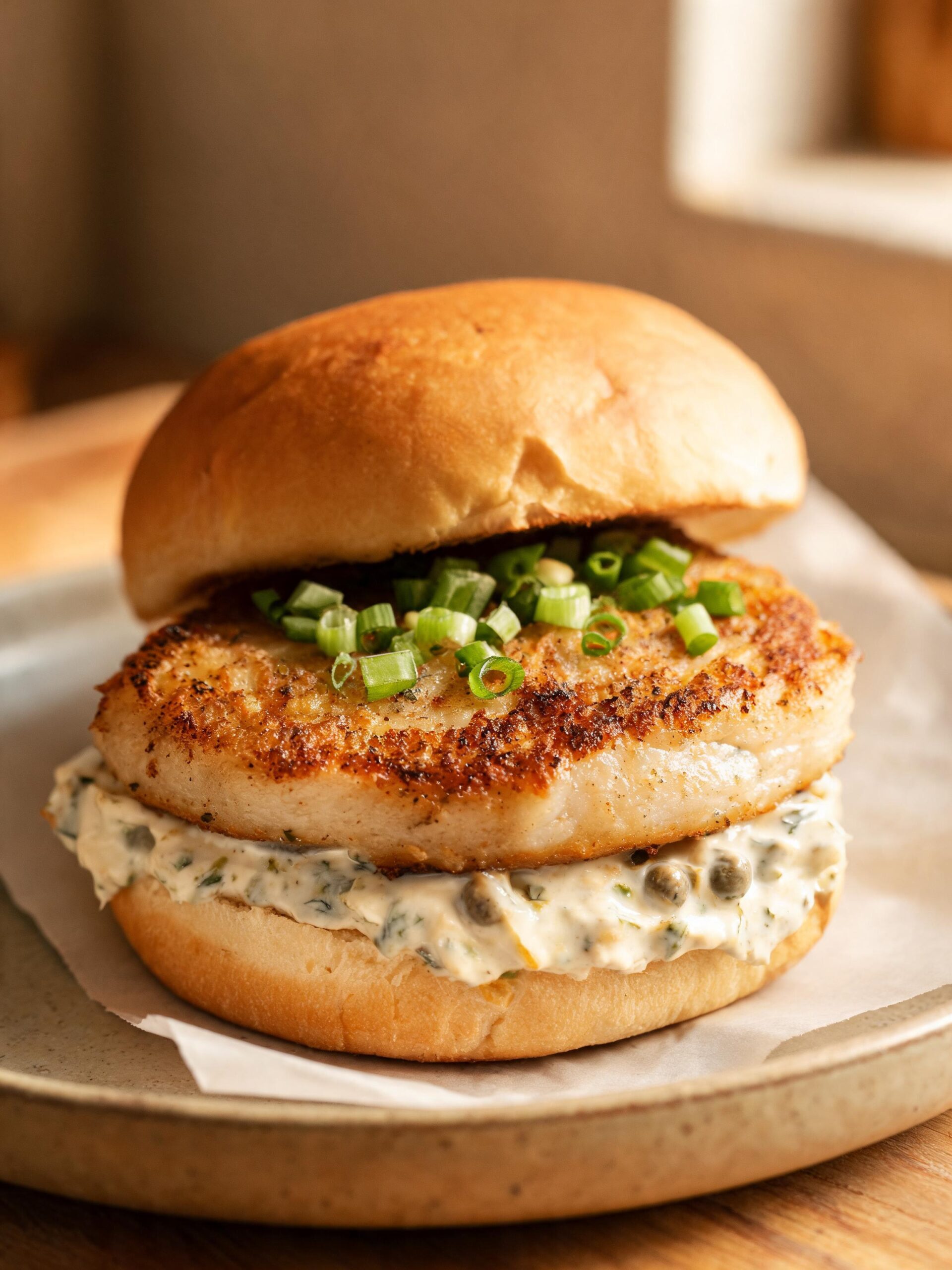
While this bowl is a complete meal, a few simple additions can round it out, especially if you’re serving guests. For a fantastic starter, consider serving some homemade air fryer crab cakes before the main course.
- Warm Pita Bread: Serve warm, soft pita bread on the side for scooping up any leftover bits of quinoa and dressing. A side of hummus or baba ghanoush would be a perfect accompaniment.
- Wine Pairing: A crisp, dry white wine is the perfect partner for this dish. I’d recommend a Sauvignon Blanc from the Loire Valley or a Greek Assyrtiko. Their bright acidity cuts through the richness of the salmon and complements the lemon vinaigrette.
- A Simple Green Salad: If you want to add more greens, a simple side salad of arugula with a light lemon vinaigrette is all you need. It adds a fresh, peppery bite without competing with the main dish.
Storage and Reheating
Handling leftovers correctly is crucial for a dish with so many different components and temperatures.
- Storage: The key is to store the components separately. Keep the cooked quinoa in one airtight container, the salmon in another, and the chopped vegetables (undressed) in a third. The dressing should be stored in a sealed jar. Everything will last in the refrigerator for up to 3 days this way. If you store it all mixed together, the quinoa will get mushy and the vegetables will become soggy.
- Reheating: Never microwave the salmon. It will become rubbery and overcooked. The best way to reheat it is in a covered skillet over low heat with a splash of water for a few minutes until just warmed through. You can also flake the cold salmon and enjoy it that way. The quinoa can be microwaved for a minute or eaten cold or at room temperature. Assemble the bowl just before eating and add the dressing last.
FAQs (People Also Ask)
1. Can I make this Mediterranean salmon bowl for meal prep?
Absolutely. This is a fantastic meal prep recipe. Cook the salmon and quinoa ahead of time. Chop all the vegetables and store them in an airtight container (keep the tomatoes separate if you can to prevent other veggies from getting soft). Portion everything into separate containers. When you’re ready to eat, gently reheat the salmon and quinoa, or enjoy them cold, and assemble your bowl with the fresh veggies and dressing.
2. What is the best type of salmon to use?
I prefer using wild-caught King or Coho salmon for its robust flavor and firm texture. However, high-quality farmed Atlantic salmon is also a great choice and often has a higher fat content, making it more forgiving if you slightly overcook it. The most important factor is freshness. Look for fillets that are vibrant in color, firm to the touch, and don’t have a strong ‘fishy’ smell.
3. How do I keep my cucumbers from making the bowl watery?
This is a great technical question. For maximum crunch and minimum water, you can ‘sweat’ the cucumbers. After dicing them, toss them with a pinch of salt and let them sit in a colander in the sink for 15-20 minutes. The salt will draw out excess water. Give them a quick rinse to remove the excess salt and pat them thoroughly dry before adding them to your bowl.
4. Is this recipe gluten-free?
Yes, as written, this recipe is naturally gluten-free. Quinoa is a gluten-free seed, and all other ingredients (salmon, vegetables, olive oil, herbs, feta) are gluten-free. Just be sure to double-check the label on your vegetable broth if you choose to use it, as some brands can contain gluten additives.
5. Can I use an air fryer or oven to cook the salmon?
Of course. For the oven, preheat to 400°F (200°C). Place the seasoned salmon on a parchment-lined baking sheet and bake for 12-15 minutes. For an air fryer, preheat to 390°F (198°C). Place the salmon skin-side up in the basket and cook for 7-9 minutes. You won’t get the same perfectly seared skin as a cast-iron pan, but both are excellent, hands-off methods.
Nutrition Facts
(Per serving. Estimates only, varies by exact ingredients used)
Conclusion
This isn’t just a recipe; it’s a method for creating a delicious, healthy, and satisfying meal any night of the week. By focusing on quality ingredients and solid technique, you can build a truly exceptional dish. I hope this detailed guide helps you feel confident in the kitchen and inspires you to make this fantastic mediterranean salmon bowl a regular part of your rotation. Enjoy it.
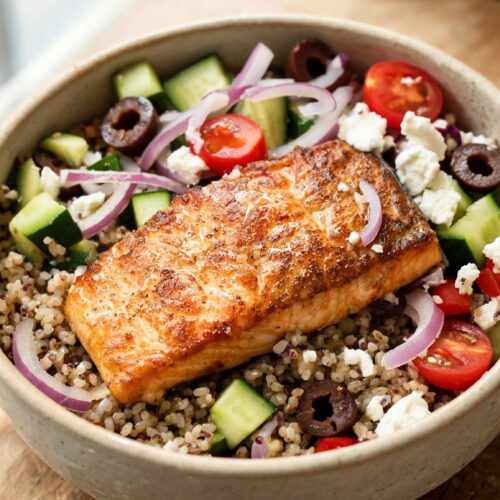
Mediterranean Salmon Bowl Recipe | Healthy Bowl with Quinoa, Veggies and Herbs
Ingredients
- 4 skin-on salmon fillets (6 ounces each)
- 1 tablespoon extra virgin olive oil
- 1 teaspoon dried oregano
- 1/2 teaspoon garlic powder
- 1/2 teaspoon kosher salt
- 1/4 teaspoon black pepper
- 1 cup uncooked quinoa, rinsed
- 2 cups water or low-sodium vegetable broth
- 1/2 teaspoon kosher salt
- 1 large English cucumber, diced
- 1 pint cherry tomatoes, halved
- 1/2 medium red onion, thinly sliced
- 1/2 cup Kalamata olives, pitted and halved
- 1/2 cup crumbled feta cheese
- 1/3 cup extra virgin olive oil (for dressing)
- 1/4 cup fresh lemon juice
- 1 tablespoon chopped fresh dill
- 1 clove garlic, minced
- 1/2 teaspoon Dijon mustard
- 1/4 teaspoon kosher salt (for dressing)
- 1/4 teaspoon black pepper (for dressing)
- Fresh dill and parsley for garnish
Instructions
- Rinse quinoa under cold water. In a saucepan, combine quinoa, 2 cups of water or broth, and 1/2 tsp salt. Bring to a boil, then reduce to a simmer. Cover and cook for 15 minutes until water is absorbed. Remove from heat and let stand, covered, for 5 minutes. Fluff with a fork.
- While quinoa cooks, dice the cucumber, halve the tomatoes and olives, and slice the red onion. In a jar, combine all vinaigrette ingredients and shake well.
- Pat salmon fillets completely dry. Mix oregano, garlic powder, 1/2 tsp salt, and 1/4 tsp pepper. Rub this seasoning over the flesh side of the salmon.
- Heat 1 tbsp olive oil in a large non-stick skillet over medium-high heat. Place salmon skin-side down. Press gently for 10 seconds to ensure full contact. Cook for 4-6 minutes until skin is crispy and golden.
- Flip the salmon and cook for another 2-4 minutes, until it flakes easily with a fork (internal temp of 135-140°F).
- To assemble, divide the quinoa among four bowls. Top with a salmon fillet. Arrange the cucumber, tomatoes, red onion, and olives around the salmon. Drizzle with the vinaigrette and top with feta and fresh herbs.