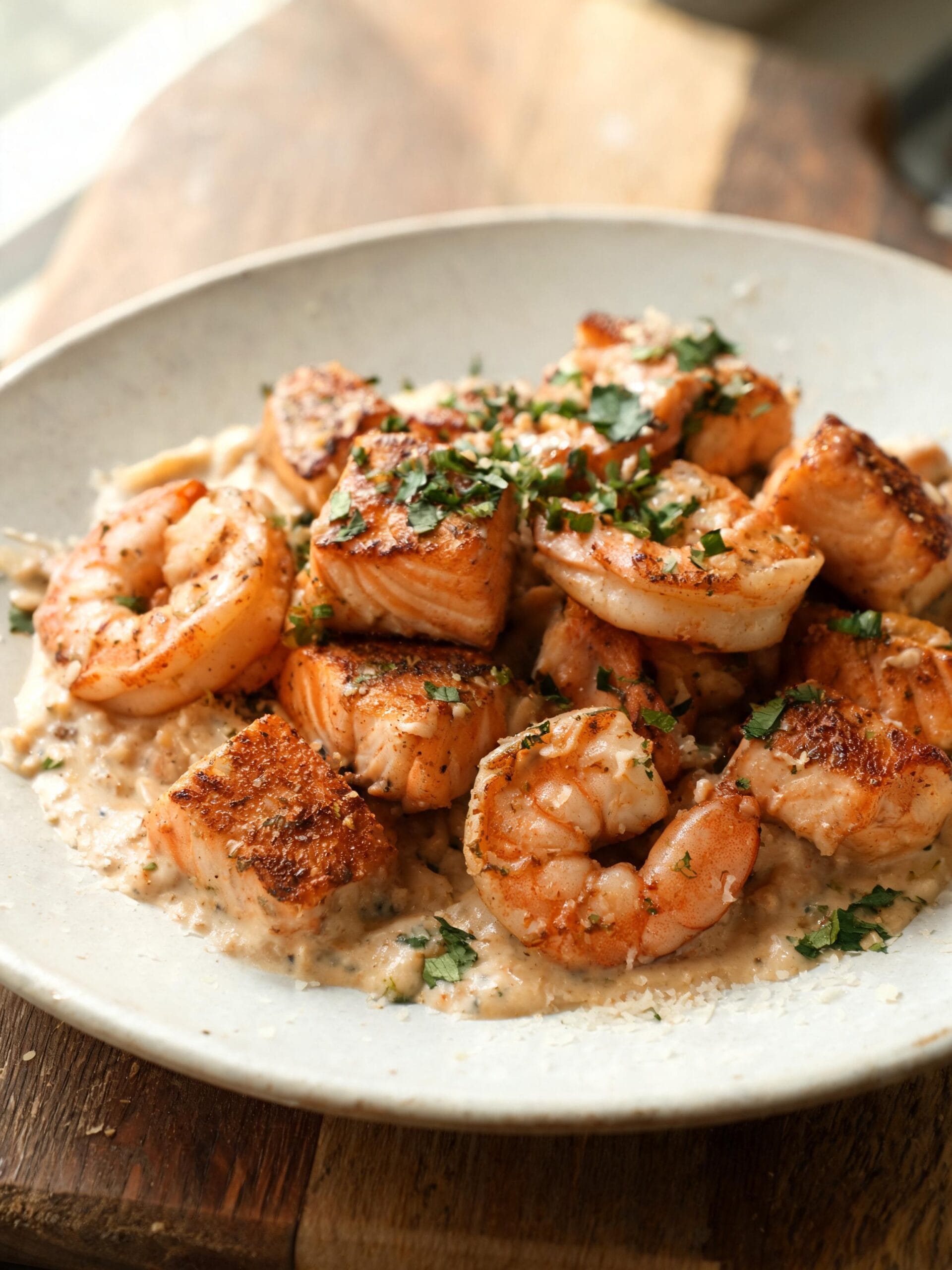
Introduction
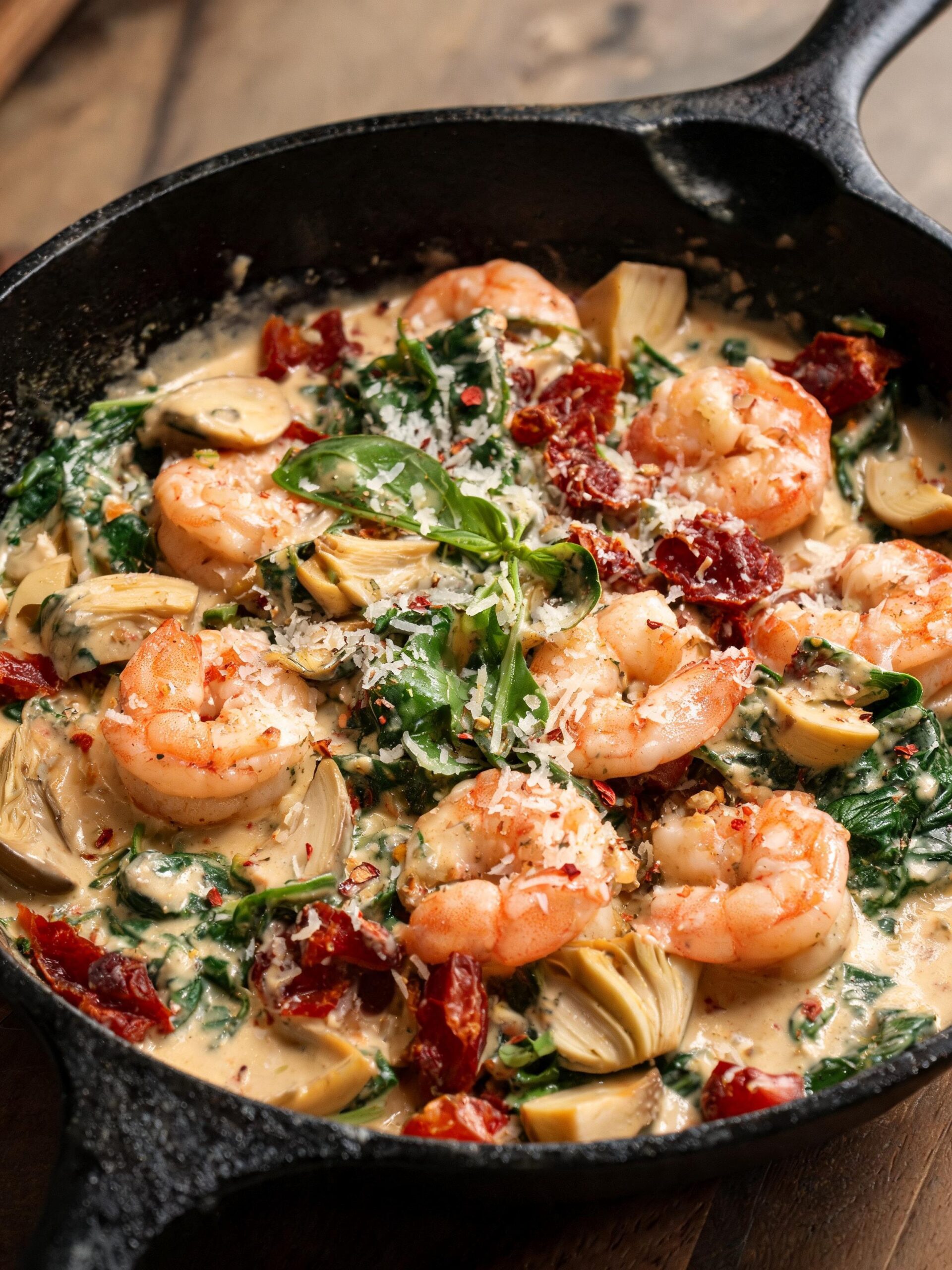
Some nights, especially after a long day out on the water when the air has that particular chill and your hands are sore, you just need something that feels like a warm blanket in a bowl. This Cajun Shrimp and Salmon with Garlic Cream Sauce is that meal for me. It’s not fancy. It doesn’t come from some high-end cookbook. It comes from my kitchen, usually made in my one trusty cast-iron skillet, with ingredients I almost always have on hand. It’s the kind of food that fills the house with the smell of garlic and spice, and it tastes like you spent hours on it, but it really comes together in about 30 minutes. It’s a memory dish, something I’ve tweaked over the years until it felt just right—hearty, creamy, with a little kick that wakes you up. This is real food for a real appetite, born from a need for something simple and deeply satisfying after a hard day’s work, especially when served with some soft and buttery cheddar bay biscuits to soak up the sauce.
Why You’ll Love This Recipe
- One-Pan Wonder: Everything comes together in a single skillet. The seafood gets seared, the sauce gets built right on top of all those good browned bits. Less mess is always a win in my book.
- Fast and Flavorful: You get this incredible, rich flavor in about 30 minutes from start to finish. It’s perfect for a weeknight when you’re tired but still want something special.
- Comfort Food with a Kick: The creamy garlic sauce is pure comfort, but the Cajun spice gives it a backbone. It’s rich and satisfying without being boring.
Ingredients List
I break this down into two parts: the seafood and the sauce. Makes it easier to get everything set up on the counter before you start.
For the Seafood:
- Salmon: 1 lb salmon fillet, skin off, patted very dry and cut into 1-inch cubes.
- Shrimp: 1 lb large shrimp (about 16-20 count), peeled and deveined, tails on or off, your call. Also patted very dry.
- Cajun Seasoning: 2 tablespoons, divided. Use your favorite brand, but taste it first—some are saltier than others.
- Olive Oil: 1 tablespoon.
- Butter: 1 tablespoon, unsalted.
For the Garlic Cream Sauce:
- Butter: 2 tablespoons, unsalted.
- Garlic: 5-6 cloves, minced. Don’t be shy with the garlic.
- Chicken Broth: 1/2 cup, low-sodium. You could use vegetable broth or even a splash of dry white wine if you have it.
- Heavy Cream: 1 cup. This is what makes the sauce rich and wonderful.
- Parmesan Cheese: 1/2 cup, freshly grated. The stuff in the green can will not melt the same.
- Lemon Juice: 1 tablespoon, from a fresh lemon. It cuts through the richness.
- Fresh Parsley: 1/4 cup, chopped, for garnish and a bit of freshness.
- Salt and Black Pepper: To taste.
Step-by-Step Instructions
This whole thing moves fast once you start cooking, so have everything chopped and measured before you turn on the stove. It makes life a lot easier.
- Season the Seafood: In a medium bowl, toss the salmon cubes and shrimp with 1 tablespoon of the Cajun seasoning. Make sure everything is lightly coated. Set it aside for a few minutes.
- Sear the Salmon: Get a large skillet (cast iron is my favorite for this) over medium-high heat. Add the 1 tablespoon of olive oil and 1 tablespoon of butter. Once the butter is melted and foamy, add the salmon cubes in a single layer. Don’t crowd the pan; cook in batches if you have to. Let them cook for about 1-2 minutes per side, just until they get a nice golden-brown crust. They won’t be cooked through. Take them out and set them on a plate.
- Cook the Shrimp: In the same skillet, add the shrimp. They cook quick. Cook for about 1 minute per side, just until they turn pink and curl up. Don’t overdo it. Add them to the plate with the salmon.
- Start the Sauce: Lower the heat to medium. Add the other 2 tablespoons of butter to the skillet. Once it melts, add the minced garlic and the remaining 1 tablespoon of Cajun seasoning. Stir it around for about 30-60 seconds until you can really smell the garlic. Be careful not to let it burn.
- Deglaze and Build: Pour in the chicken broth to deglaze the pan. Use a wooden spoon to scrape up all those tasty browned bits from the bottom of the skillet. Let it simmer and reduce by about half, which should only take a couple of minutes.
- Make it Creamy: Reduce the heat to low. Slowly pour in the heavy cream, stirring constantly. Let it gently warm up for a minute or two, then stir in the grated Parmesan cheese until it’s melted and the sauce is smooth. Don’t let it boil after you add the cheese.
- Finish the Dish: Squeeze in the fresh lemon juice. Give it a taste and add salt and pepper if you think it needs it. Now, add the seared salmon and shrimp back into the skillet with the sauce. Gently stir to coat everything. Let it all simmer together on low for just another minute or two, until the seafood is warmed through and the salmon is cooked to your liking.
- Serve it Up: Take the skillet off the heat. Sprinkle the fresh parsley over the top. Serve your Cajun Shrimp and Salmon with Garlic Cream Sauce immediately over pasta, rice, or with some good crusty bread.
Small Tricks From Cooking Fish at Home
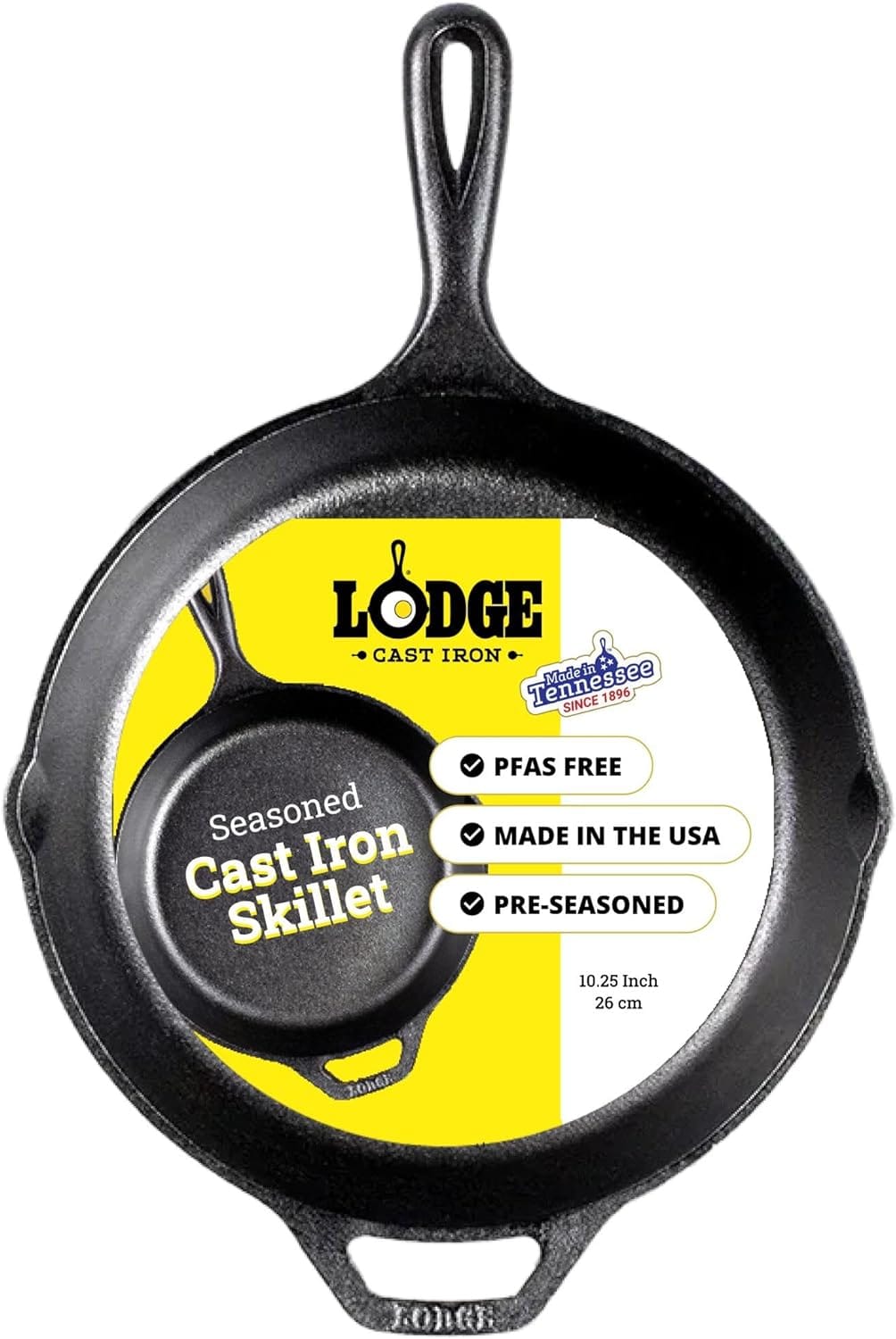
I’ve mentioned my trusty cast-iron skillet a few times, and for a reason. To get that incredible golden-brown crust on the salmon and shrimp—the one that makes all the difference—you need steady, high heat. My go-to is the Lodge 10.25 Inch Cast Iron Skillet. It gets screaming hot and stays that way, giving you a perfect sear every time. More importantly, it develops those delicious browned bits (the fond) on the bottom of the pan, which become the flavor foundation for our creamy garlic sauce. This is the real secret to a one-pan meal that tastes like it came from a professional kitchen.
If you’re ready to up your searing game and make this dish taste its absolute best, this is the one piece of equipment I can’t live without. Grab yours and see the difference it makes.
Lodge 10.25 Inch Cast Iron Skillet with Assist Handle
✓ prime
We earn a commission if you make a purchase, at no additional cost to you.
- The Dry-Off is Crucial: I can’t say this enough. Before you season anything, lay your salmon cubes and shrimp on a plate lined with paper towels and pat the tops dry, too. Moisture is the enemy of a good sear. If the seafood is wet, it will steam in the pan and you’ll get that sad, grey look instead of a beautiful golden crust. This one step makes a huge difference.
- Don’t Fear the Heat (At First): You need that pan good and hot to get a sear. Medium-high is the sweet spot. You’ll see the butter foam and shimmer. That’s when you add the seafood. But as soon as you start the sauce, especially the garlic, you have to pull that heat way back. Garlic goes from fragrant to burnt and bitter in a heartbeat.
- Cook Seafood in Batches: If your skillet isn’t massive, don’t try to cram all the salmon and shrimp in at once. If they’re too close together, they’ll steam each other. Give them space. It might take an extra three minutes, but the texture you get is worth it. This is maybe the most common mistake I see.
- Use Freshly Grated Parmesan: I know the pre-shredded stuff is easy, but it’s often coated in anti-caking agents like cellulose that prevent it from melting smoothly into a sauce. It can get clumpy. A block of Parmesan and a grater will give you a much creamier, smoother sauce. It just melts better.
- Finish with Freshness: That final squeeze of lemon juice and sprinkle of parsley isn’t just for looks. The richness of the cream and butter needs something bright to cut through it. The acid from the lemon and the fresh green flavor of the parsley wake the whole dish up and keep it from feeling too heavy.
Common Mistakes to Avoid
I’ve made every one of these mistakes, so learn from my trial and error. Cooking a good Cajun Shrimp and Salmon with Garlic Cream Sauce is easy, but a few small things can trip you up.
- Overcooking the Seafood: This is the cardinal sin. Remember, the shrimp and salmon are going back into the hot sauce at the end. You want to pull them from the pan when they are slightly *underdone*. The shrimp should be just pink, the salmon just crusted on the outside. They will finish cooking in the residual heat of the sauce. If you cook them all the way through during the searing step, they’ll be tough and rubbery by the time you serve them.
- Burning the Garlic: I mentioned this before, but it’s worth saying again. When you add the garlic to the hot pan, you have to be ready to move. Have your broth or wine right there, ready to pour in. The moment the garlic smells fragrant and turns a light golden color, it’s done. If you walk away for even 30 seconds, it can burn, and that bitter taste will ruin your entire sauce. You can’t fix burnt garlic; you have to start over.
- Breaking the Sauce: This happens when you add the cream to a screaming hot pan or try to boil it too aggressively after adding the cheese. Heat management is key. Turn the heat down to low *before* you pour in the cream. Stir it in slowly. Once the Parmesan is in, keep the heat on a gentle simmer at most. Boiling can cause the fats to separate, leaving you with a greasy, broken mess instead of a velvety sauce.
- Forgetting to Taste as You Go: Cajun seasonings vary wildly. Some are pure spice, others are mostly salt. Your chicken broth has salt. Parmesan cheese has salt. If you just follow the recipe without tasting, you can end up with a dish that’s way too salty. Taste the sauce before you add the seafood back in. Does it need more spice? More salt? A little more lemon? Adjust it until it tastes right to you.
Variations and Serving Ideas
Once you get the basic method down for this Cajun Shrimp and Salmon with Garlic Cream Sauce, you can play with it. Here are a few things I do:
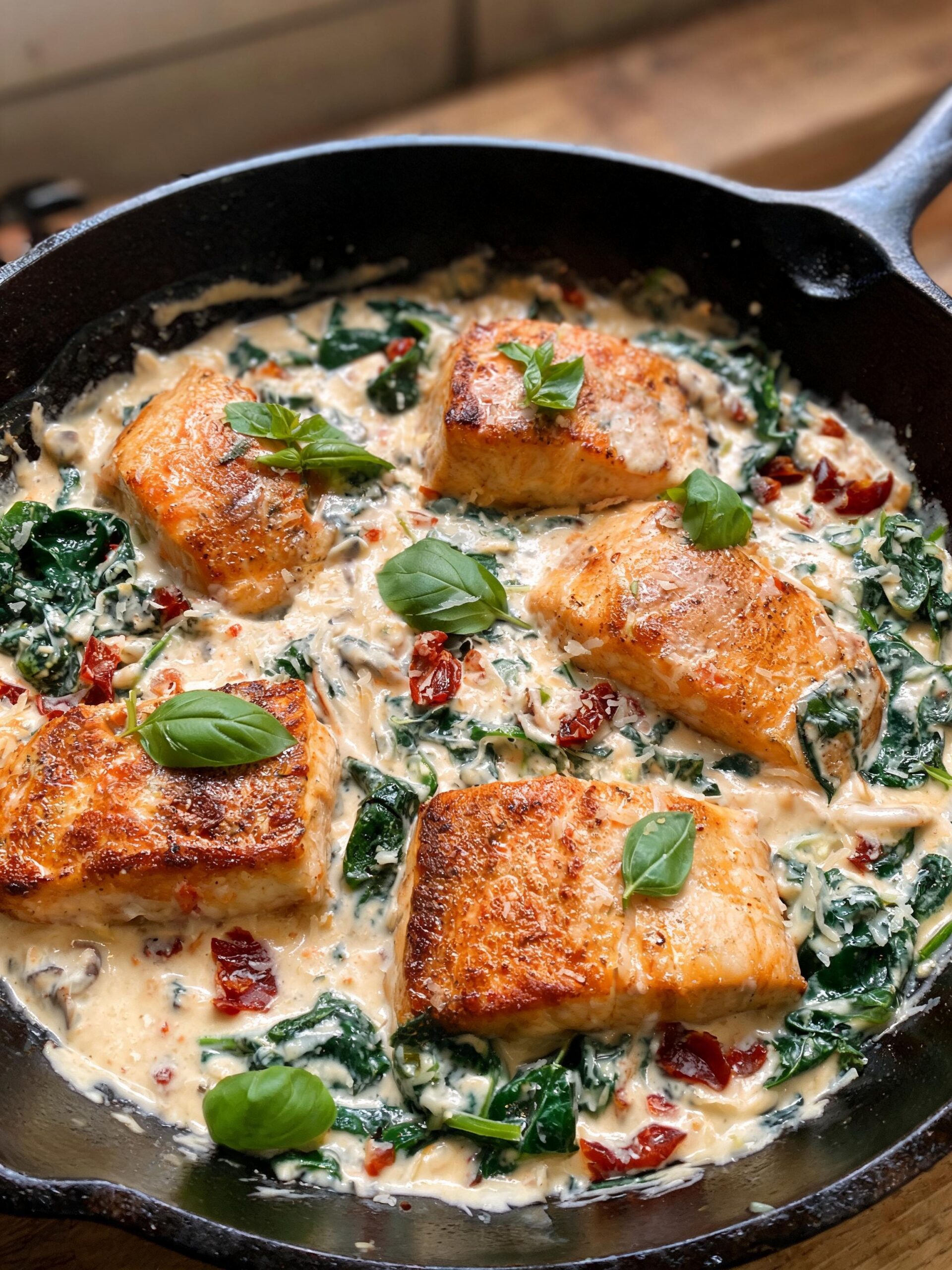
- Add Some Greens: A few big handfuls of fresh spinach or chopped kale are great in this. Add them to the sauce right after the cream and let them wilt down before you add the cheese and seafood. It adds some color and makes it feel a bit healthier.
- Bulk it Up with Veggies: Sliced mushrooms, sun-dried tomatoes (the kind packed in oil, drained), or some chopped bell peppers are fantastic additions. Sauté them after you sear the seafood, right before you add the garlic.
- Change the Protein: This sauce is amazing with almost any seafood. Try it with seared scallops, chunks of cod, or even crawfish tails if you can get them. Just adjust the cooking time for whatever you’re using.
- Adjust the Spice: If you like it extra hot, add a pinch of cayenne pepper or a few dashes of your favorite hot sauce along with the Cajun seasoning. If you’re sensitive to heat, use a milder Cajun blend or just cut back on the amount.
What to Serve With
You need something to soak up all that incredible sauce. My go-to options are always simple.
- Pasta: Linguine or fettuccine are perfect. The flat noodles hold the creamy sauce really well. Just cook it according to the package while you’re making the sauce.
- Crusty Bread: A warm, crusty baguette is non-negotiable in my house. It’s the best tool for mopping up every last bit of sauce from the plate.
- Rice: Simple steamed white rice or a wild rice blend works great as a base to absorb the flavors.
- Roasted Vegetables: To balance the richness, I like something simple and green on the side. Roasted asparagus or broccoli, tossed with a little olive oil and salt, is perfect. The slight bitterness cuts through the cream beautifully. For another fantastic salmon main course, our creamy seafood stuffed salmon recipe is a must-try.
Storage and Reheating
Let’s be honest, reheated seafood is a tricky business. It’s never quite as good as it is fresh, but sometimes you have leftovers.
- Storage: Let the dish cool down completely. Store it in an airtight container in the refrigerator. It’ll be okay for up to 2 days. I wouldn’t push it past that. The texture of the seafood starts to change.
- Reheating: Do not, under any circumstances, use the microwave. It will turn the shrimp into rubber and the salmon into chalk. The best way is to reheat it gently on the stovetop. Put the leftovers in a small saucepan over low heat. Add a splash of milk, cream, or chicken broth to loosen the sauce back up, as it will have thickened in the fridge. Stir it gently and constantly until it’s just warmed through. Don’t let it boil.
FAQs (People Also Ask)
Can I use frozen shrimp and salmon?
Absolutely. I often use frozen seafood, especially in the off-season. The key is to thaw it correctly. The best way is to let it thaw overnight in the refrigerator. If you’re in a hurry, you can place the sealed bag of frozen seafood in a bowl of cold water for about 30-60 minutes. Never use hot water. Once it’s thawed, the most important step is to pat it completely dry with paper towels before cooking.
How can I make this recipe dairy-free?
You can try substituting full-fat canned coconut milk or coconut cream for the heavy cream, and use a dairy-free butter alternative. You’ll also need to skip the Parmesan or use a vegan alternative. The flavor profile will change—it will have a noticeable coconut taste—but it can still be delicious. The sauce might not be quite as thick, but it’s a solid workaround.
My Cajun seasoning is really spicy. How can I control the heat?
If you know your seasoning packs a punch, start with less. Use half the amount called for in the recipe (so, 1/2 tablespoon for the seafood and 1/2 tablespoon for the sauce). You can always taste the sauce at the end and add more if you want. It’s easy to add heat, but impossible to take it away.
Can I use a different type of fish instead of salmon?
Yes, this recipe is flexible. A firm white fish would work well. Try it with cod, halibut, or mahi-mahi. Just cut it into 1-inch cubes like the salmon and be mindful of the cooking time, as some white fish can cook even faster than salmon. The goal is the same: sear it, remove it, and let it finish gently in the sauce.
My sauce seems too thin. How can I thicken it?
If your sauce isn’t as thick as you’d like, the easiest fix is to let it simmer for a few more minutes on low heat before you add the seafood back in. This allows some of the liquid to evaporate and the sauce to reduce and thicken naturally. Make sure you’re stirring so it doesn’t stick. The Parmesan cheese also helps thicken it, so be sure you’ve added the full amount.
Nutrition
Nutrition Facts
(Per serving. Estimates only, varies by exact ingredients used)
Conclusion
I hope this recipe brings a little bit of that coastal comfort into your home. It’s more than just a meal; it’s the kind of food that makes you want to gather around the table and stay a while. It’s simple, honest, and full of flavor. Give it a try, and I hope you love this Cajun Shrimp and Salmon with Garlic Cream Sauce as much as my family does.
Creamy Cajun Shrimp and Salmon with Garlic Sauce Recipe
Ingredients
- 1 lb salmon fillet, skin off, patted very dry and cut into 1-inch cubes
- 1 lb large shrimp (16-20 count), peeled and deveined, patted very dry
- 2 tbsp Cajun seasoning, divided
- 1 tbsp olive oil
- 3 tbsp unsalted butter, divided
- 6 cloves garlic, minced
- 1/2 cup low-sodium chicken broth
- 1 cup heavy cream
- 1/2 cup freshly grated Parmesan cheese
- 1 tbsp fresh lemon juice
- 1/4 cup chopped fresh parsley
- Salt and black pepper, to taste
Instructions
- In a bowl, toss the salmon cubes and shrimp with 1 tablespoon of Cajun seasoning.
- Heat olive oil and 1 tablespoon of butter in a large skillet over medium-high heat. Add salmon and sear for 1-2 minutes per side until golden brown. Remove from skillet and set aside.
- In the same skillet, cook the shrimp for about 1 minute per side until pink. Remove and set aside with the salmon.
- Reduce heat to medium. Add the remaining 2 tablespoons of butter. Once melted, add minced garlic and the remaining 1 tablespoon of Cajun seasoning. Cook for 30-60 seconds until fragrant.
- Pour in the chicken broth, scraping up any browned bits from the bottom of the pan. Simmer until reduced by half.
- Lower the heat to low and slowly stir in the heavy cream, followed by the grated Parmesan cheese. Stir until the sauce is smooth.
- Stir in the fresh lemon juice. Taste and season with salt and pepper if needed.
- Add the salmon and shrimp back to the skillet. Let everything simmer gently for 1-2 minutes to warm through.
- Remove from heat, garnish with fresh parsley, and serve immediately.