Introduction
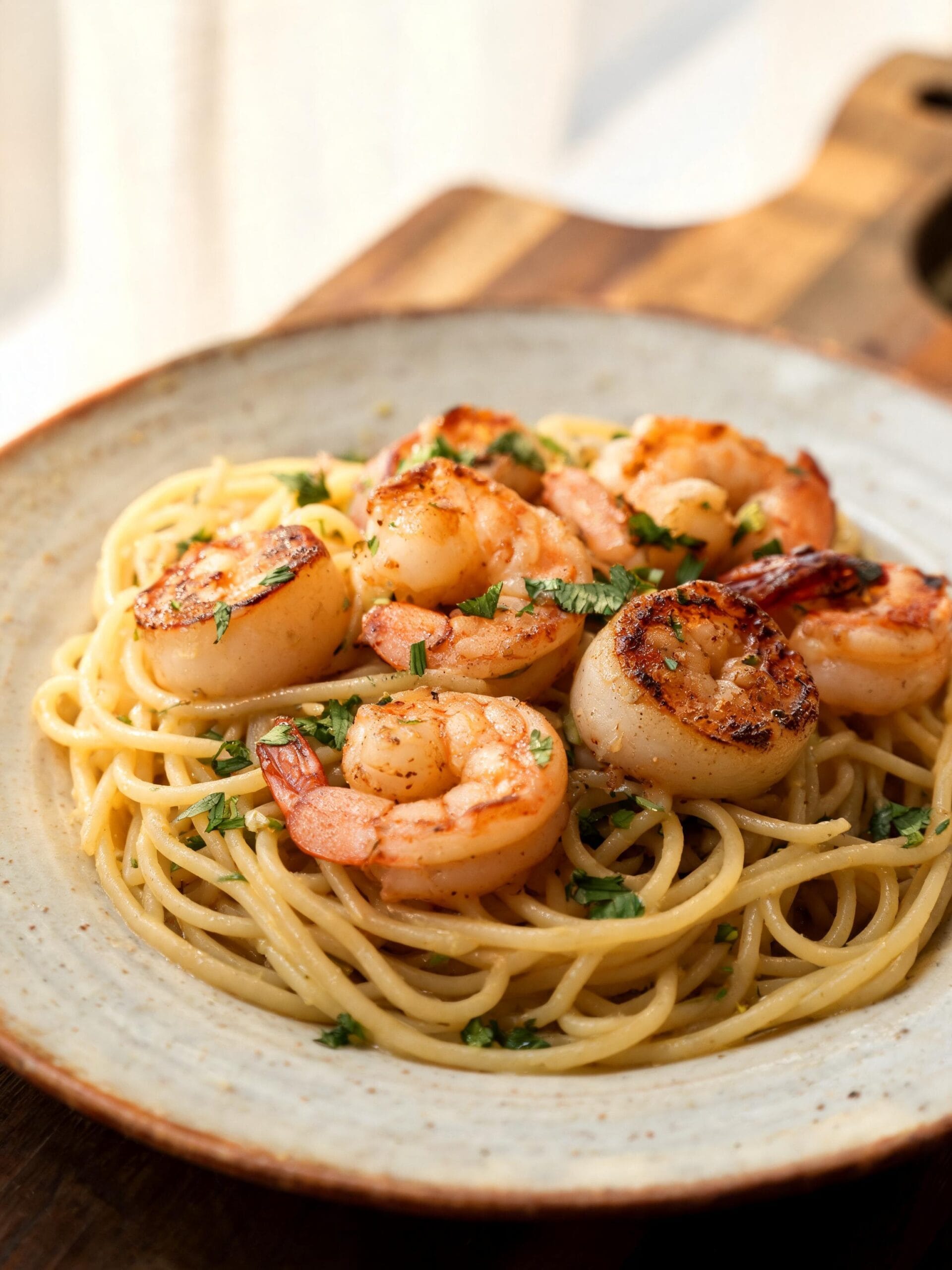
Some nights, when I get back and the boat is tied up, the air has that cool, salty bite to it. My hands are tired and all I want is something warm, something that feels like a reward. That’s when I turn to this Seafood Pasta Recipe with White Wine. It’s not fancy. It’s not complicated. It’s the kind of meal born from what’s on hand and what feels good. It’s the taste of the coast in a bowl—garlic, a good glug of white wine, butter, and whatever seafood felt right that day. This dish is more than just food; it’s the ritual of winding down, of taking the day’s work and turning it into something that nourishes you right back. It’s a simple, honest meal that never fails to make things feel right again, especially when served with some soft and buttery Red Lobster Cheddar Bay Biscuits to soak up the sauce. If you’re looking for a straightforward way to enjoy the ocean’s best, this is it.
Why You’ll Love This Recipe
- It’s Fast and Simple: From start to finish, you’re looking at about 30 minutes. It’s the perfect meal for a weeknight when you want something special without the fuss. The whole thing comes together in the time it takes to boil pasta.
- Packed with Coastal Flavor: The white wine, garlic, and butter create a light, savory sauce that lets the sweet flavor of the fresh seafood shine. It tastes like something you’d eat at a little seaside shack.
- Feels Special, But Isn’t Hard: This is the kind of dish that feels impressive enough to serve guests, but is easy enough that you can make it just for yourself on a Tuesday. It’s my secret weapon for a meal that feels like a little celebration of a long day.
Ingredients List
I don’t get too fussy with ingredients. Use what’s fresh, what’s good. This is a guide, not a strict rulebook. This serves about four hungry people.
For the Seafood:
- Shrimp: 1 lb large shrimp, peeled and deveined. I leave the tails on sometimes because it looks nice, but take them off if you prefer. Fresh is great, but good quality frozen works just fine. Just make sure they’re fully thawed and patted very dry.
- Scallops: ½ lb sea scallops. Look for the big ones if you can. Like the shrimp, they need to be completely dry before they hit the pan. That’s the secret to a good sear.
For the Sauce:
- Unsalted Butter: 6 tablespoons. This is the base of the sauce, don’t skimp here.
- Olive Oil: 2 tablespoons. A little oil helps keep the butter from browning too quickly.
- Garlic: 6 cloves, minced. I like a lot of garlic. If you’re not as keen, maybe use four. But for me, six is the magic number.
- Dry White Wine: ¾ cup. Something you’d actually drink. A Pinot Grigio or Sauvignon Blanc is perfect. It shouldn’t be sweet. The wine is for flavor, to add a bit of bright acidity that cuts through the richness of the butter.
- Red Pepper Flakes: ½ teaspoon, or to your taste. I like a little hum of heat in the background.
- Lemon: 1 whole lemon. You’ll use the juice of half for the sauce, and cut the other half into wedges for serving.
For the Pasta and Finish:
- Linguine or Spaghetti: 12 ounces of dried pasta. Anything long works well here, it grabs the sauce nicely.
- Reserved Pasta Water: About 1 cup. This starchy water is liquid gold; it helps the sauce cling to the pasta.
- Fresh Parsley: ½ cup, chopped. It adds a fresh, green flavor at the end that brightens everything up.
- Salt and Black Pepper: To taste. You’ll need it for the pasta water and for the final dish.
Step-by-Step Instructions
The key here is having everything ready to go before you start cooking the seafood. It all comes together fast at the end.
- Cook the Pasta: Get a big pot of water on the boil. Salt it generously—it should taste like the sea. This is your only chance to season the pasta itself. Add the linguine and cook according to the package directions, but pull it out a minute *before* it’s al dente. It will finish cooking in the sauce. Before you drain it, scoop out at least a cup of the starchy cooking water and set it aside.
- Sear the Scallops: While the pasta is cooking, get a large skillet or pan over medium-high heat. Add 1 tablespoon of olive oil and 1 tablespoon of butter. Once the butter is melted and foamy, add the scallops in a single layer. Don’t crowd the pan. Let them cook for about 90 seconds to 2 minutes per side, until they have a beautiful golden-brown crust and are just opaque. They cook fast. Take them out of the pan and set them on a plate.
- Cook the Shrimp: In the same skillet, add another tablespoon of butter. Add the shrimp and cook for 1-2 minutes per side, just until they turn pink and curl up. Don’t overcook them! Remove them from the pan and add them to the plate with the scallops.
- Build the Sauce: Lower the heat to medium. Add the remaining 4 tablespoons of butter to the skillet. Once it melts, add the minced garlic and red pepper flakes. Stir constantly for about 30-60 seconds until the garlic is fragrant. Don’t let it brown or it will turn bitter.
- Deglaze the Pan: Pour in the white wine. Turn the heat up a bit and let it bubble, scraping up any browned bits from the bottom of the pan with a wooden spoon. That’s where all the flavor is. Let the wine reduce by about half, which should take 2-3 minutes.
- Bring It All Together: Add the juice of half a lemon to the skillet. Stir in about ½ cup of the reserved pasta water to start. This will create a creamy sauce. Add the drained pasta directly into the skillet with the sauce. Toss everything together to coat the pasta.
- Finish the Dish: Add the cooked shrimp and scallops back into the pan, along with the chopped fresh parsley. Toss gently for another minute until the seafood is warmed through and the pasta has absorbed some of the sauce. If it looks a little dry, add another splash of pasta water until it reaches the consistency you like. Season with salt and fresh black pepper to your taste. Serve immediately with extra lemon wedges on the side. This is a great Seafood Pasta Recipe with White Wine to share right out of the pan.
Small Tricks From Cooking Fish at Home
Over the years, you learn a few things standing over a stove, trying not to ruin a perfectly good catch. These aren’t chef secrets, just things that work.
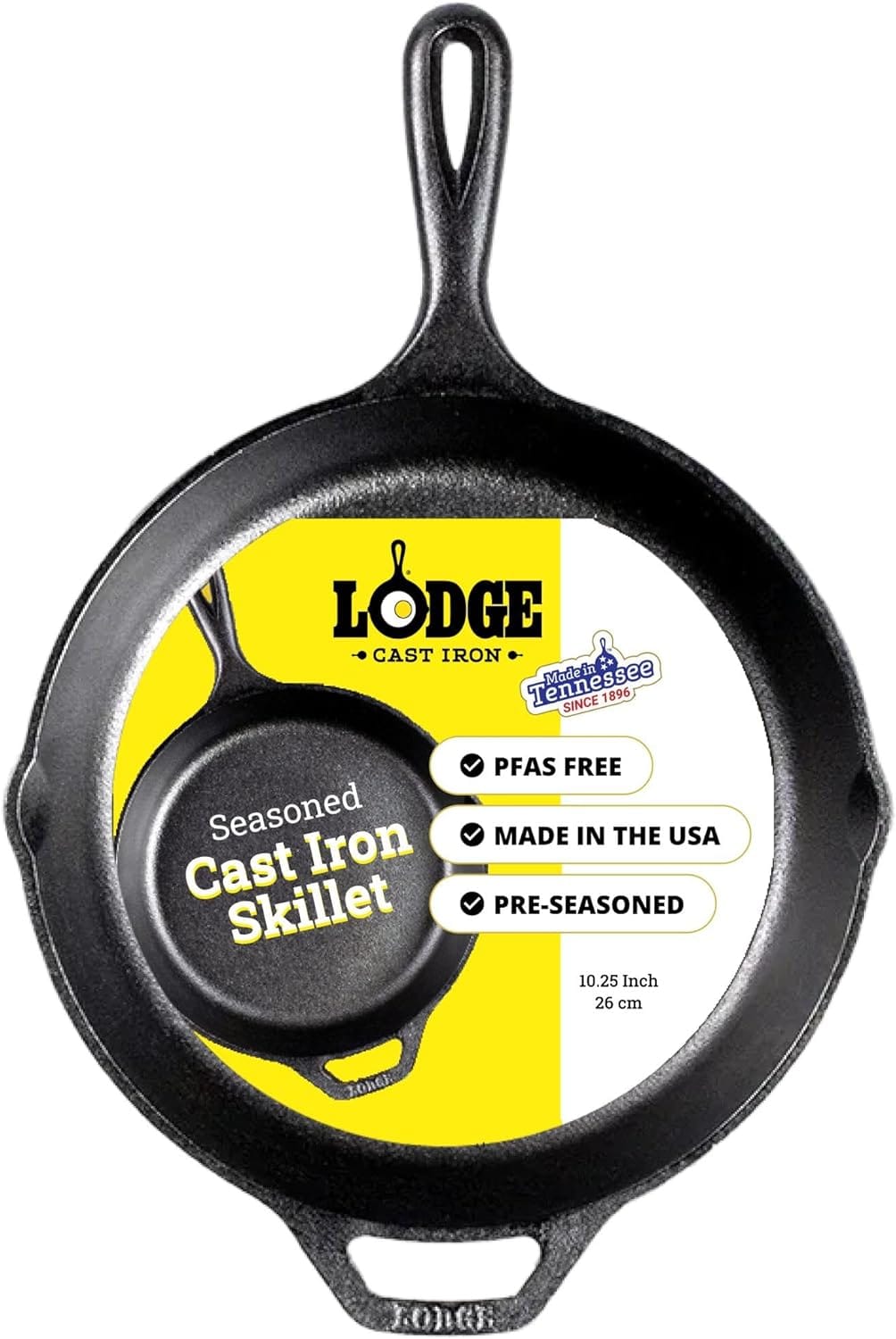
Speaking of a hot pan, let me tell you about my secret weapon. A lot of the magic in this dish—that perfect golden crust on the scallops, the flavor from the browned bits that forms the base of the sauce—it all happens in the skillet. For me, nothing beats a classic Lodge Cast Iron Skillet. It gets screaming hot and holds that heat, which is non-negotiable for a fast, hard sear. When you deglaze with the white wine, you can scrape up all that incredible flavor without a problem. It’s a heavy, honest piece of cookware that feels right for a meal like this.
If you’re ready to take your sear from good to great, this is the skillet to do it with. Grab one and see the difference for yourself.
Lodge 10.25 Inch Cast Iron Skillet with Assist Handle
✓ prime
We earn a commission if you make a purchase, at no additional cost to you.
- Dry Your Seafood. No, Really Dry It: I can’t say this enough. If you want that beautiful golden sear on your scallops or shrimp, they have to be bone dry. Moisture is the enemy of a good crust. It steams the seafood instead of searing it. I lay them out on a plate and pat them down with paper towels right before they go into the hot pan. It makes all the difference.
- Don’t Crowd the Pan: This is a lesson you learn the hard way. If you pile all the shrimp and scallops in at once, the temperature of the pan drops and, again, you end up steaming them. They’ll get tough and watery. Cook in batches if you have to. It takes an extra two minutes, but the result is a thousand times better. Give them space to breathe and brown.
- The Magic of Pasta Water: For years, I just dumped all the pasta water down the drain. What a waste. That cloudy, starchy water is the key to a sauce that actually sticks to your pasta instead of pooling at the bottom of the bowl. The starch acts like an emulsifier, helping the butter and wine come together into a silky, cohesive sauce. Always save more than you think you’ll need.
- Timing is Everything: With a dish like this, the seafood cooks in a flash. The sauce comes together in minutes. The biggest trick is orchestrating it all. I always get my pasta water boiling first. While it’s cooking, I prep everything else—chop the garlic, parsley, juice the lemon. The seafood is the very last thing to cook before you build the sauce. That way, nothing gets overcooked while you’re waiting for something else to finish.
- Finish with Freshness: The cooked components—the butter, garlic, wine, seafood—are all rich and savory. That’s why the parsley and lemon at the end are so important. They’re not just a garnish. A big squeeze of fresh lemon juice and a handful of fresh parsley at the very end wakes everything up. It adds a bright, clean note that cuts through the richness and makes the whole dish taste alive.
Common Mistakes to Avoid
I’ve made every mistake in the book. Here are a few to watch out for so you can get this Seafood Pasta Recipe with White Wine right the first time.
- Overcooking the Seafood: This is the number one sin. Shrimp and scallops go from perfect to rubbery in less than a minute. The goal is to cook them *just* until they are opaque. Remember, they’re going back into the hot sauce at the end for a minute, so they’ll cook a little more then. It’s always better to slightly undercook them initially than to overcook them. Pull them from the pan the second they look done.
- Using the Wrong Wine (or Cooking Wine): Please, never use that stuff labeled ‘cooking wine.’ It’s loaded with salt and has a harsh flavor. Use a real, dry white wine that you would be happy to drink a glass of. A cheap and cheerful Pinot Grigio, Sauvignon Blanc, or an unoaked Chardonnay is perfect. A sweet wine like a Moscato will make your sauce taste strange and sugary. The wine is there for acidity and depth, not sweetness.
- Forgetting to Salt the Pasta Water: I mentioned this before, but it’s worth repeating. Salting your pasta water is the only opportunity you have to season the pasta itself. If you boil your pasta in plain water, your final dish will taste flat, no matter how good the sauce is. The water should be as salty as a calm sea. It feels like a lot of salt, but most of it goes down the drain.
- Making a Watery Sauce: If your sauce is thin and doesn’t cling to the pasta, it’s usually one of two things. Either you didn’t let the wine reduce enough, or you didn’t use the starchy pasta water. Simmering the wine concentrates its flavor and burns off some of the alcohol. The pasta water is the binder that brings it all together. Start with half a cup and add more, a splash at a time, until the sauce just coats the noodles beautifully. This simple step turns a watery mess into a restaurant-quality sauce.
Variations and Serving Ideas
This Seafood Pasta Recipe with White Wine is more of a template than a strict set of rules. The ocean offers a lot of variety, and your pasta can reflect that.
- Add Mussels or Clams: A handful of mussels or littleneck clams makes this dish feel even more authentic. Scrub them well first. You can add them to the pan right after the wine reduces. Cover the pan and let them steam for 4-6 minutes, or until they all pop open. Discard any that don’t open. Their natural brine will add an incredible depth to the sauce.
- Use Different Fish: Have some leftover flaky white fish like cod, halibut, or snapper? Gently flake it into the sauce at the very end, right when you add the parsley. You just want to warm it through, not cook it again. It’s a great way to use up what you have.
- Make it Spicy: If you like more heat, increase the red pepper flakes. Or, you could add a finely chopped fresh chili, like a Fresno or jalapeño, along with the garlic.
- Add Some Vegetables: This dish is great with some simple vegetables tossed in. A handful of baby spinach can be wilted into the sauce at the end. A cup of halved cherry tomatoes can be added with the garlic to break down and create a richer, slightly sweeter sauce. Some blanched asparagus tips are also a wonderful, fresh addition.
- Serving Style: I usually just serve it right out of the skillet at the table, family-style. But for something a bit nicer, you can plate it individually. Twirl the pasta into a neat mound in the center of a warm bowl and arrange the shrimp and scallops on top. Drizzle with a little extra sauce and a final sprinkle of parsley.
What to Serve With
You don’t need much to make this a complete meal. The pasta is the star of the show.
- Crusty Bread: This is non-negotiable in my house. You need a good, crusty baguette or sourdough for mopping up every last bit of that delicious white wine garlic butter sauce from the bottom of the bowl.
- Simple Green Salad: A simple salad with a light vinaigrette is the perfect counterpoint. Just some mixed greens, maybe a few slices of cucumber or tomato. The acidity of the dressing cuts through the richness of the pasta and cleanses the palate.
- A Glass of White Wine: Pour yourself a glass of whatever wine you used in the sauce. It’s the natural and perfect pairing.
Storage and Reheating
Seafood can be tricky to store and reheat, but it can be done. Honesty, it’s always best fresh, but I’m not one to waste food.
- Storage: If you have leftovers, store them in an airtight container in the refrigerator for up to 2 days. The texture of the seafood will change a bit, but it will still be tasty.
- Reheating: The microwave is the enemy of leftover seafood pasta. It will make the shrimp and scallops rubbery and tough. The best way to reheat it is gently in a skillet on the stovetop. Add the pasta to the skillet with a splash of water, chicken broth, or even a little white wine to loosen up the sauce. Cover the pan and heat over low heat, stirring occasionally, until it’s just warmed through. This gentle heating method helps preserve the texture of the seafood much better.
FAQs (People Also Ask)
Can I use frozen seafood for this recipe?
Absolutely. Good quality frozen seafood can be just as good as fresh, especially if you don’t live right on the coast. The most important thing is to thaw it correctly. The best way is to let it thaw overnight in the refrigerator. If you’re in a hurry, you can place it in a sealed bag and submerge it in cold water. Never use hot water or the microwave to thaw it. And remember my big rule: pat it completely dry with paper towels before cooking. This technique is key for getting a good sear and is just as important in other impressive dishes, like our creamy seafood stuffed salmon dinner.
What is the best white wine for seafood pasta?
You want a dry, crisp white wine. My go-tos are Pinot Grigio, Sauvignon Blanc, or an unoaked Chardonnay. These wines have a good acidity that complements the seafood and cuts through the butter. Avoid anything sweet (like Riesling or Moscato) or heavily oaked (like some Chardonnays), as those flavors can overwhelm the delicate taste of the shrimp and scallops.
Can I make this seafood pasta without wine?
Yes, you can. If you prefer not to use wine, you can substitute it with an equal amount of chicken broth or seafood stock. To mimic the acidity that the wine provides, add an extra squeeze of fresh lemon juice at the end. It won’t have the exact same depth of flavor, but it will still be a delicious garlic butter sauce.
How do I make this recipe gluten-free?
This is an easy one to adapt. Just substitute your favorite brand of gluten-free long pasta, like linguine or spaghetti. Cook it according to the package directions. The sauce itself is naturally gluten-free, so no other changes are needed. Just be sure to still save some of that starchy gluten-free pasta water to help thicken the sauce.
How do I know when my seafood is perfectly cooked?
It’s all about visual cues. Scallops are done when they are opaque all the way through and have a golden-brown crust on both sides. This usually takes just 1.5-2 minutes per side on medium-high heat. Shrimp cook even faster. They are done the moment they turn from translucent gray to opaque pink and curl into a ‘C’ shape. If they curl into a tight ‘O’, they’re overcooked. Watch them closely; they don’t need much time at all.
Nutrition Facts
(Per serving. Estimates only, varies by exact ingredients used)
Conclusion
This Seafood Pasta Recipe with White Wine is more than just a set of instructions; it’s a feeling. It’s the feeling of coming home, of smelling garlic and butter in a warm kitchen, and of sitting down to a meal that tastes honest and real. It connects me back to the water, back to the reason I do what I do. I hope it brings a little bit of that coastal comfort into your home, too. Give it a try.
Seafood Pasta Recipe with White Wine Garlic Butter Sauce
Ingredients
- 1 lb large shrimp, peeled and deveined
- ½ lb sea scallops
- 12 ounces linguine or spaghetti
- 6 tablespoons unsalted butter, divided
- 2 tablespoons olive oil
- 6 cloves garlic, minced
- ¾ cup dry white wine (like Pinot Grigio or Sauvignon Blanc)
- ½ teaspoon red pepper flakes
- 1 lemon, halved
- ½ cup fresh parsley, chopped
- Salt and freshly ground black pepper to taste
Instructions
- Bring a large pot of generously salted water to a boil. Cook pasta according to package directions, but remove it 1 minute before it's al dente. Reserve 1 cup of the pasta water before draining.
- While pasta cooks, heat 1 tbsp olive oil and 1 tbsp butter in a large skillet over medium-high heat. Pat scallops dry and sear for 90-120 seconds per side, until golden brown. Remove from skillet and set aside.
- In the same skillet, add 1 tbsp butter. Add the shrimp and cook for 1-2 minutes per side until pink and opaque. Remove from skillet and set aside with the scallops.
- Reduce heat to medium. Add the remaining 4 tbsp of butter. Once melted, add minced garlic and red pepper flakes and cook until fragrant, about 30-60 seconds, stirring constantly.
- Pour in the white wine to deglaze the pan, scraping up any browned bits. Let it simmer and reduce by half, about 2-3 minutes.
- Stir in the juice of half a lemon and ½ cup of the reserved pasta water. Bring to a simmer.
- Add the drained pasta to the skillet and toss to coat with the sauce. If needed, add more pasta water to reach a silky consistency.
- Return the shrimp and scallops to the pan, add the chopped parsley, and toss gently to combine and heat through, about 1 minute.
- Season with salt and pepper to taste. Serve immediately with lemon wedges.