Introduction
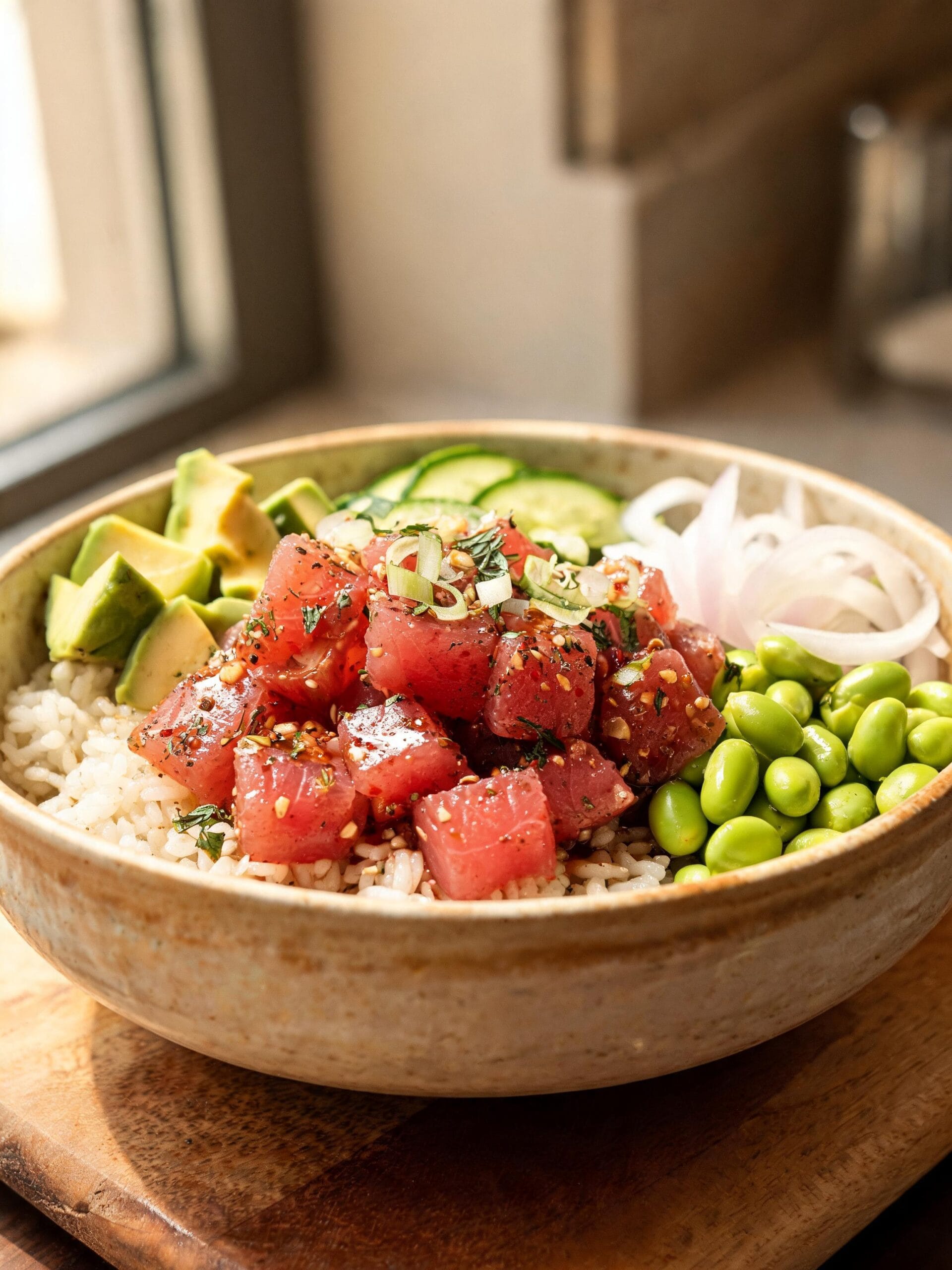
There are some days out on the water when the sun hits just right, the sea is calm, and you feel a connection to everything. Those are the days you usually come home with something good. For me, that’s often a beautiful piece of ahi tuna. And when I have that, there’s only one thing on my mind: a simple, honest Ahi Tuna Poke Bowl. This isn’t a fancy restaurant meal. This is what you make when the fish is so fresh it deserves to be the star, when you’re tired from a long day but still want something that feels special and deeply nourishing. It’s a meal born from the ocean, put together in a home kitchen with ingredients that lift up the fish instead of hiding it. For me, a good Ahi Tuna Poke Bowl is more than just food; it’s the taste of a successful day, a reminder of the water, and the perfect way to share that feeling. It’s clean, it’s simple, and much like our healthy edamame salmon rice bowl, it’s one of the most satisfying things you can make in under 30 minutes.
Why You’ll Love This Recipe
- Incredibly Fast: From start to finish, you can have this on the table in about 30 minutes, most of which is just waiting for the rice to cook. The actual hands-on time is minimal.
- So Fresh and Healthy: It’s packed with lean protein from the tuna, healthy fats from avocado, and wholesome carbs from the rice. It’s the kind of meal that leaves you feeling energized, not weighed down.
- Completely Customizable: This is a template, not a strict rulebook. You can swap toppings, change the base, or adjust the sauce to whatever you have on hand or whatever you’re in the mood for.
Ingredients List
This recipe serves about four people. The key is good fish. Don’t compromise on that.
For the Tuna and Marinade:
- 1.5 lbs sushi-grade or sashimi-grade Ahi tuna, cut into 1/2-inch cubes
- 1/4 cup low-sodium soy sauce (or tamari)
- 1 tbsp sesame oil
- 1 tsp grated fresh ginger
- 1 clove garlic, minced very fine
- 1/2 cup thinly sliced sweet onion (like Vidalia or Maui)
- 2 green onions, thinly sliced (whites and greens separated)
For the Rice:
- 2 cups uncooked short-grain white rice (sushi rice)
- 2.5 cups water
- 1/4 cup rice vinegar
- 2 tbsp granulated sugar
- 1 tsp salt
For Assembling the Bowls (Toppings):
- 1 large ripe avocado, diced
- 1 cup shelled edamame, cooked
- 1/2 cup sliced cucumber
- 1/4 cup pickled ginger
- 1 tbsp sesame seeds (toasted if you have time)
- Optional: Seaweed salad, furikake seasoning, spicy mayo (just mayo and sriracha mixed)
Step-by-Step Instructions
- Cook the Rice: First thing’s first, get the rice going. Rinse the rice in a fine-mesh strainer under cold water until the water runs clear. This gets rid of the extra starch and stops it from getting gummy. Put the rinsed rice and 2.5 cups of water in a medium pot. Bring it to a boil, then immediately reduce the heat to the lowest setting, cover it, and let it simmer for about 15-20 minutes, or until all the water is absorbed. Don’t lift the lid while it’s simmering. Once it’s done, take it off the heat and let it sit, still covered, for 10 more minutes.
- Season the Rice: While the rice is resting, mix your seasoning. In a small bowl, whisk together the rice vinegar, sugar, and salt until the sugar and salt dissolve. You can warm it slightly in the microwave for 15 seconds to help it dissolve faster. Once the rice has rested, fluff it with a fork or rice paddle and gently fold in the vinegar mixture. Spread it out on a baking sheet to cool down a bit if you’re in a hurry. You want it to be warm, not steaming hot.
- Prepare the Tuna: While the rice cooks, get your tuna ready. Pat the tuna loin dry with a paper towel. Using your sharpest knife, cut it into uniform 1/2-inch cubes. Place the cubed tuna in a medium, non-reactive bowl (glass or ceramic is best).
- Make the Marinade: In a separate small bowl, whisk together the low-sodium soy sauce, sesame oil, grated ginger, and minced garlic. Pour this over the tuna. Add the sliced sweet onion and the white parts of the green onions. Gently toss everything together with a spoon until the tuna is evenly coated. Be gentle here; you don’t want to mash the fish. Let it sit for at least 10 minutes, but no more than 30, in the fridge.
- Assemble Your Poke Bowls: This is the fun part. Divide the warm seasoned rice among four bowls. Spoon the marinated tuna over one side of the rice. Then arrange your toppings—diced avocado, edamame, cucumber, and pickled ginger—around the tuna. Sprinkle everything with the green parts of the sliced green onions and sesame seeds. If you’re using spicy mayo or other extras, now’s the time to drizzle them on. Serve immediately.
Small Tricks From Cooking Fish at Home
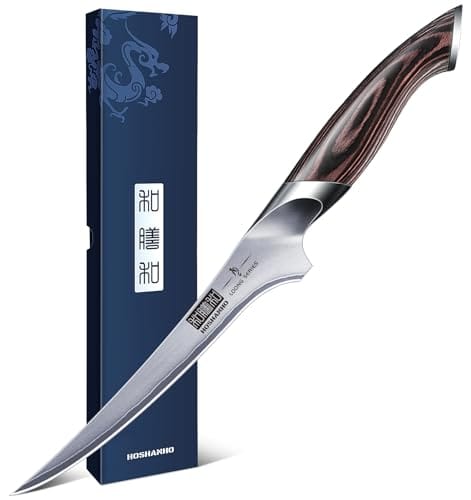
I’ve said it before, and I’ll say it again: a sharp knife isn’t just a suggestion for poke, it’s a requirement. Trying to cube a delicate piece of ahi with a dull blade will just mash it into a sad paste. That’s why my go-to is a super sharp, high-carbon steel fillet knife. It glides through the tuna like butter, giving me those perfect, clean-edged cubes that have that incredible melt-in-your-mouth texture. It’s the single most important tool for respecting the fish and getting that professional-quality result right in your own kitchen.
If you’re serious about making great poke at home, investing in a proper knife is the best move you can make. Grab the one I trust below!
Fillet Knife 7 Inch, Super Sharp Boning Knife in High Carbon Stainless Steel
✓ prime
We earn a commission if you make a purchase, at no additional cost to you.
Over the years, you learn a few things, usually by messing them up first. Here are some things I’ve learned that make a real difference when putting together a poke bowl at home.
- Your Knife Must Be Sharp. Seriously. I can’t stress this enough. Ahi tuna has a beautiful, delicate texture. If you use a dull knife, you’re not slicing it; you’re tearing and mashing it. It ruins the texture and makes the pieces look ragged. I remember once trying to do this with a regular kitchen knife I hadn’t sharpened in a while, and it was a disaster. The fish stuck to the blade, and the cubes were just sad little piles. A sharp knife glides right through, giving you those clean, perfect cubes that feel so good to eat.
- Don’t Marinate the Tuna for Too Long. The soy sauce and ginger are there to season the fish, not to cook it. If you let it sit in that marinade for hours, the acid and salt will start to break down the proteins in the tuna, making it firm and opaque, almost like ceviche. The magic of a good Ahi Tuna Poke Bowl is that soft, buttery texture of the raw fish. I find 15 minutes is the sweet spot. Just enough time for the flavors to sink in but not long enough to change the texture.
- The Rice is Half the Battle. It’s easy to focus so much on the fish that you forget about the rice, but it’s the foundation of the whole bowl. Using proper short-grain sushi rice makes a huge difference. It’s stickier and has a better texture than long-grain rice. And don’t skip seasoning it with the vinegar, sugar, and salt mixture. That seasoned rice provides the perfect tangy, slightly sweet counterpoint to the savory, salty tuna. It’s that contrast that makes every bite interesting.
- Keep Your Ingredients Cold. The best poke bowls have a temperature contrast. The rice should be warm, but the tuna and all the toppings should be cold and crisp. This is why you prep everything and assemble right before you eat. Keep the cubed tuna in the fridge while it marinates. Keep your avocado, cucumber, and edamame chilled. When that cold, savory fish and crisp cucumber hits the warm rice in your mouth, it’s just perfect.
- Balance is Better Than Piling It On. It can be tempting to load up your bowl with every topping you can think of, but the star is the tuna. Every ingredient should complement it, not overpower it. A little crunch from the cucumber, some creaminess from the avocado, a pop of salt from the edamame. Think about textures and flavors that work together. Too much stuff just turns it into a confusing salad. A simple, well-made Ahi Tuna Poke Bowl is always better than a complicated, overloaded one.
Common Mistakes to Avoid
It’s a simple dish, but there are a few ways it can go sideways. Here’s what to watch out for.
- Using the Wrong Grade of Tuna. This is the biggest and most important one. You cannot, under any circumstances, use the regular tuna steaks you see in the freezer section that are meant for grilling. You need to buy tuna that is explicitly labeled “sushi-grade” or “sashimi-grade.” This isn’t just about taste; it’s about safety. This grade of fish has been handled in a way that minimizes the risk of parasites and bacteria, making it safe to eat raw. Ask your fishmonger directly. If they can’t tell you if it’s safe to eat raw, don’t buy it. It’s not worth the risk.
- Cutting the Tuna With the Grain. Just like a good steak, tuna has a grain, or lines of muscle fiber running through it. You want to slice against that grain. This results in shorter fibers, making each bite more tender and almost melt-in-your-mouth. If you cut with the grain, you’ll end up with long, stringy fibers that can be chewy and unpleasant. Take a moment to look at the piece of fish before you start cutting. Find the direction the lines are running and cut across them.
- Drowning the Fish in Sauce. The marinade is meant to accent the flavor of the fresh tuna, not to be the main flavor itself. A common mistake is to use way too much soy sauce or other strong ingredients. This makes the whole dish overwhelmingly salty and completely hides the delicate, clean taste of the ahi. You want to taste the ocean in that fish. Just enough sauce to coat the cubes lightly is all you need. You can always add a little more soy sauce at the table if you want.
- Assembling the Bowls Too Far in Advance. A poke bowl is meant to be eaten the moment it’s made. If you assemble it and let it sit, a few bad things happen. The warm rice will start to gently cook the raw tuna, changing its texture. The salt in the marinade will draw moisture out of the fish. The crisp toppings like cucumber will get soft, and the creamy avocado will start to brown. It just loses all its life. Prep all your components ahead of time if you must, but only build the bowls right when you’re ready to sit down and eat.
Variations and Serving Ideas
Once you get the basic method down, you can play with it endlessly. This is a great meal for using up what you have.
- Try Different Fish: While ahi tuna is classic, this works beautifully with other high-quality, sushi-grade fish. Try it with salmon for a richer, fattier bowl. Yellowtail (hamachi) is another fantastic choice, with a firm texture and buttery flavor. If you’re not a fan of raw fish, you can make a version with cooked shrimp, crab meat, or even seared scallops.
- Change the Base: If you’re not in the mood for white rice, switch it up. Brown rice adds a nutty flavor and more fiber. Quinoa is a great high-protein, gluten-free option. For a lighter, low-carb version, build your bowl on a bed of mixed greens or zucchini noodles.
- Get Creative with Toppings: The possibilities are endless here. Add some tropical sweetness with diced mango or pineapple. For more crunch, try crispy fried onions or wonton strips. I love adding different types of seaweed, like shredded nori or wakame. Sliced radishes, shredded carrots, or even a bit of sweet corn can add color and texture.
- Make it Spicy: If you like a little heat, making a spicy ahi tuna poke bowl is easy. You can either add a pinch of red pepper flakes or some finely minced chili to the marinade, or you can make a simple spicy mayo. Just mix a few tablespoons of mayonnaise with a teaspoon or two of sriracha (or your favorite chili sauce) and a squeeze of lime juice. Drizzle it over the top before serving.
What to Serve With
An Ahi Tuna Poke Bowl is really a complete meal in itself, so you don’t need much on the side. I like to keep it simple.
- Miso Soup: A small bowl of warm, savory miso soup is a perfect starter. It’s light and traditional and just feels right.
- Steamed Edamame: While I put shelled edamame in the bowl, having a side of steamed edamame in the pod, sprinkled with flaky sea salt, is always a good appetizer to nibble on.
- A Cold Drink: A crisp, cold Japanese lager or a light pilsner cuts through the richness of the fish perfectly. If you prefer wine, a dry rosé or a zesty Sauvignon Blanc would be great. For a non-alcoholic option, iced green tea is fantastic.
- For a Warmer Meal: If you love salmon but prefer it cooked, our Indian style coconut curry salmon recipe is a wonderfully creamy and aromatic alternative.
Storage and Reheating
To be honest, poke is one of those things that’s best eaten fresh. It really doesn’t make for great leftovers, but if you have some, here’s the best way to handle it.
Storage: The most important thing is to store the components separately if you can. If you have leftover marinated tuna, put it in an airtight container in the coldest part of your fridge. Do the same for the rice and any leftover toppings. The raw fish should be eaten within 24 hours. I really don’t recommend keeping it any longer than that for safety and quality reasons. An assembled bowl will get soggy and the fish’s texture will suffer, so try to only assemble what you’ll eat in one sitting.
Reheating: Do not reheat this. Ever. You can’t reheat a poke bowl. The fish is meant to be eaten raw and cold. If you have leftover rice, you can warm it gently in the microwave for 30-45 seconds before assembling a new bowl with your leftover cold tuna and toppings. But never, ever heat the fish.
FAQs (People Also Ask)
Can I make this Ahi Tuna Poke Bowl ahead of time?
You can’t fully assemble it ahead of time, but you can definitely do some prep work to make assembly faster. You can cook and season the rice, chop all your vegetables and toppings, and mix the marinade ingredients (without the fish). Store everything in separate airtight containers in the fridge. When you’re ready to eat, just cube the tuna, toss it in the marinade for 15 minutes, and build your bowls. This turns it into a 15-minute meal.
What does “sushi-grade” tuna actually mean?
This is a great question. “Sushi-grade” or “sashimi-grade” isn’t an official FDA regulation. It’s a term used by the fishing industry and fish markets to identify their highest-quality fish that they are confident is safe to be consumed raw. This fish is typically caught, bled, gutted, and frozen at sea very quickly to kill any potential parasites and preserve its freshness. When you buy it, you’re trusting your fishmonger’s judgment. That’s why it’s so important to go to a reputable source you trust.
Can I use frozen tuna for this recipe?
Absolutely, and sometimes it’s even the safer option. A lot of high-quality, sushi-grade tuna is flash-frozen on the boat. This process, called deep-freezing, kills parasites and locks in freshness. Just make sure the package says it’s suitable for raw consumption. To thaw it, take it out of the vacuum-sealed package, place it on a plate lined with paper towels, cover it, and let it thaw slowly in the refrigerator overnight. Don’t thaw it in the microwave or in warm water, as this will ruin the texture.
What’s a good substitute for sesame oil?
Toasted sesame oil has a very unique, nutty flavor that’s hard to replicate. It’s a key part of the poke marinade flavor profile. If you absolutely can’t use it, you could use a high-quality, neutral-tasting oil like avocado or grapeseed oil and add extra toasted sesame seeds to the bowl to get some of that toasty flavor back. It won’t be quite the same, but it will still be delicious.
My poke tastes a little too “fishy.” What did I do wrong?
If your poke tastes overly fishy, it almost always comes down to one thing: the freshness of the fish. Truly fresh, high-quality ahi tuna should smell clean and of the ocean, not “fishy.” A strong fishy odor is a sign that the fish is old and starting to break down. This is another reason why your source is so important. There’s nothing you can do to a piece of old fish to make it taste fresh. This dish lives and dies by the quality of its main ingredient.
Nutrition
Nutrition Facts
(Per serving. Estimates only, varies by exact ingredients used)
Conclusion
This is more than just a recipe to me. It’s the taste of home, the reward after a long day, and a direct connection to the sea. It’s proof that the best meals don’t need to be complicated. They just need good, honest ingredients. I hope you make this Ahi Tuna Poke Bowl in your own kitchen and it brings you some of that same simple joy.
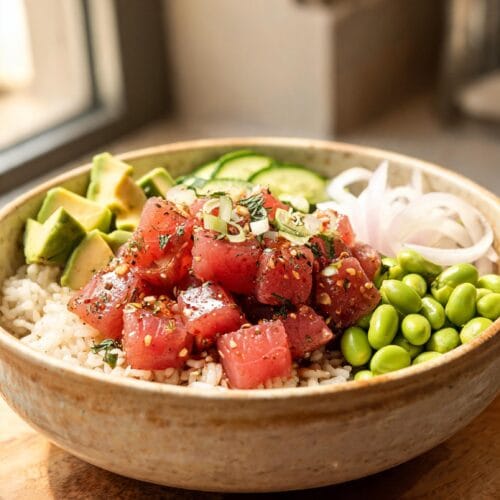
High Protein Ahi Tuna Poke Bowl in 30 Minutes
Ingredients
- 1.5 lbs sushi-grade or sashimi-grade Ahi tuna, cut into 1/2-inch cubes
- 1/4 cup low-sodium soy sauce (or tamari)
- 1 tbsp sesame oil
- 1 tsp grated fresh ginger
- 1 clove garlic, minced very fine
- 1/2 cup thinly sliced sweet onion (like Vidalia or Maui)
- 2 green onions, thinly sliced (whites and greens separated)
- 2 cups uncooked short-grain white rice (sushi rice)
- 2.5 cups water
- 1/4 cup rice vinegar
- 2 tbsp granulated sugar
- 1 tsp salt
- 1 large ripe avocado, diced
- 1 cup shelled edamame, cooked
- 1/2 cup sliced cucumber
- 1/4 cup pickled ginger
- 1 tbsp sesame seeds (toasted if you have time)
- Optional: Seaweed salad, furikake seasoning, spicy mayo
Instructions
- Cook the Rice: Rinse the rice in a fine-mesh strainer under cold water until the water runs clear. Put the rinsed rice and 2.5 cups of water in a medium pot. Bring it to a boil, then immediately reduce the heat to the lowest setting, cover it, and let it simmer for about 15-20 minutes, or until all the water is absorbed. Take it off the heat and let it sit, still covered, for 10 more minutes.
- Season the Rice: While the rice is resting, whisk together the rice vinegar, sugar, and salt until dissolved. Once the rice has rested, fluff it with a fork or rice paddle and gently fold in the vinegar mixture.
- Prepare the Tuna: Pat the tuna loin dry with a paper towel. Using your sharpest knife, cut it into uniform 1/2-inch cubes. Place the cubed tuna in a medium, non-reactive bowl.
- Make the Marinade: In a separate small bowl, whisk together the low-sodium soy sauce, sesame oil, grated ginger, and minced garlic. Pour this over the tuna. Add the sliced sweet onion and the white parts of the green onions. Gently toss everything together. Let it sit for at least 10 minutes, but no more than 30, in the fridge.
- Assemble Your Poke Bowls: Divide the warm seasoned rice among four bowls. Spoon the marinated tuna over one side of the rice. Arrange your toppings—diced avocado, edamame, cucumber, and pickled ginger—around the tuna. Sprinkle everything with the green parts of the sliced green onions and sesame seeds. Serve immediately.