Introduction
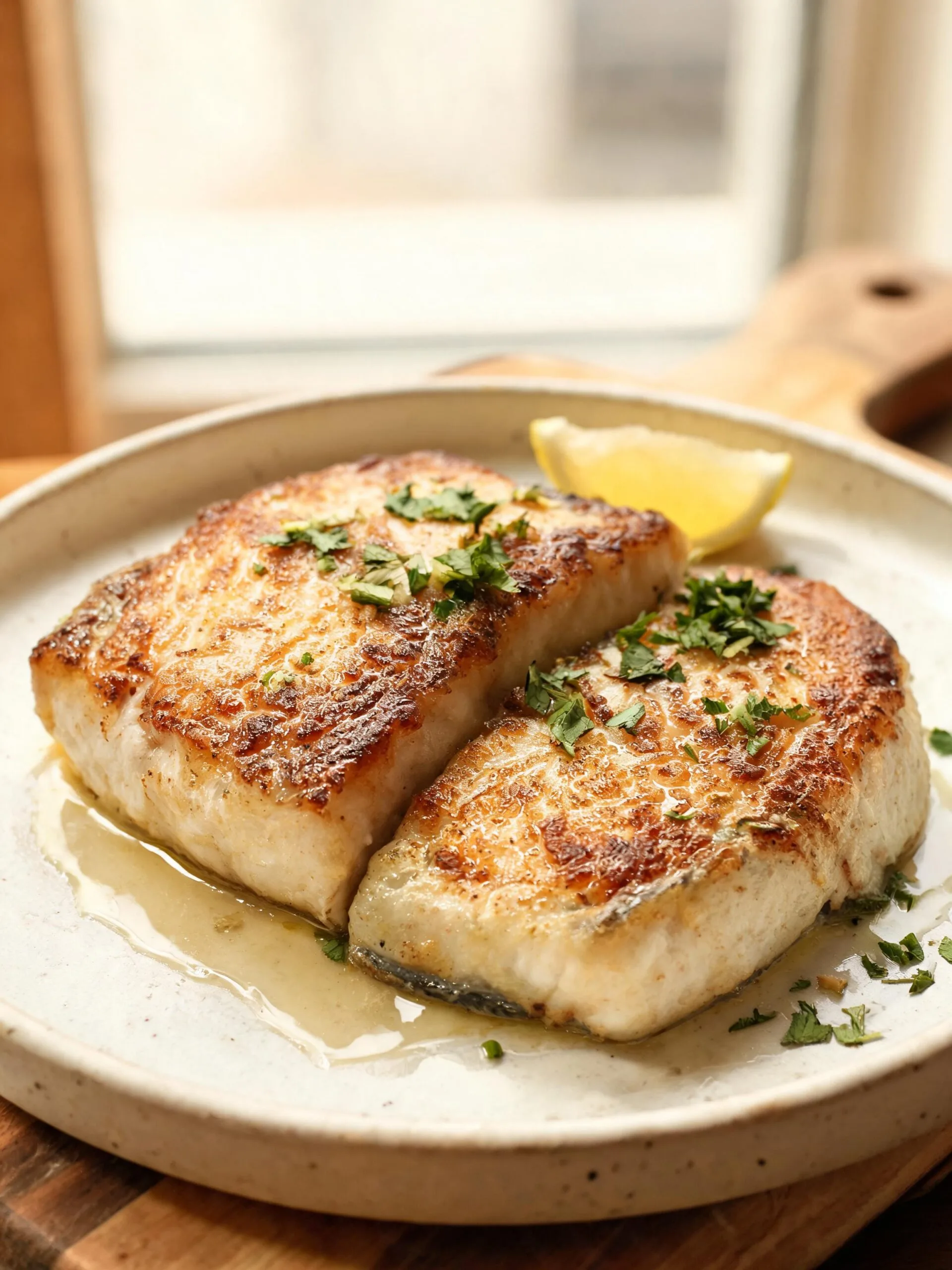
Some nights, after a long day out on the water, you don’t want something complicated. You want something that feels like a reward. For me, that’s this recipe for the Best Buttery Chilean Sea Bass. This isn’t a fancy restaurant dish; it’s what happens when you have a truly beautiful piece of fish and you just want to let it shine. Chilean sea bass, with its big, soft flakes and rich, almost creamy flavor, doesn’t need much help. A hot pan, some good butter, a little garlic, and a squeeze of lemon is all it takes to turn a simple fillet into a meal that makes you stop and savor every single bite. It reminds me of quiet evenings at home, the smell of the sea still on my clothes, feeling tired but satisfied. This is comfort food, pure and simple, especially when served with a side of soft and buttery cheddar bay biscuits. It’s about honoring the fish and the effort it took to get it to your table. This is the meal I make when I want to feel grateful, and it’s one of the most reliable ways I know to cook this incredible fish perfectly every time.
Why You’ll Love This Recipe
- Incredibly Simple: You only need a handful of basic ingredients and one pan. It’s proof that the best meals don’t have to be the most difficult.
- Unforgettable Flavor and Texture: The high fat content of the sea bass melts in your mouth, and the simple butter sauce enhances it without overpowering it. It’s rich, flaky, and deeply satisfying.
- Quick Enough for a Weeknight: From start to finish, you can have this on the table in about 20 minutes, but it feels special enough for a weekend or when company comes over.
Ingredients List
This is all about quality over quantity. Get the best fish you can find; it makes all the difference.
- Chilean Sea Bass: 4 fillets, about 6 ounces each and 1.5 inches thick. Skin on or off is your call. I prefer skin-off for this pan-sear method as it lets the flesh get a nice crust.
- Unsalted Butter: 4 tablespoons, cut into pieces. Use good quality butter; you can taste it.
- Olive Oil: 1 tablespoon. This helps raise the smoke point of the butter so it doesn’t burn while you get a good sear.
- Garlic: 3 cloves, thinly sliced or minced. I like thin slices because they toast up nicely in the butter without burning as fast as minced garlic.
- Lemon: 1 whole lemon. You’ll use the juice of half for the sauce and cut the other half into wedges for serving.
- Dry White Wine (Optional): 1/4 cup, something like a Sauvignon Blanc or Pinot Grigio. It adds a nice layer of flavor, but you can use chicken broth or just skip it.
- Fresh Parsley: 2 tablespoons, chopped. For a little freshness and color at the end. Dill also works beautifully.
- Coarse Sea Salt: To taste, about 1/2 teaspoon to start.
- Freshly Ground Black Pepper: To taste, about 1/4 teaspoon.
Step-by-Step Instructions
Take your time here. Don’t rush the sear. That golden crust is where so much of the flavor is.
- Prep the Fish: Take the sea bass fillets out of the fridge about 15-20 minutes before you plan to cook. Let them sit on a plate on the counter. This helps them cook more evenly. Use paper towels to pat the fillets completely dry on all sides. This is the most important step for getting a good sear. Season both sides generously with salt and pepper.
- Heat the Pan: Place a large skillet (cast iron or stainless steel works best) over medium-high heat. Let the pan get properly hot. You’ll know it’s ready when a drop of water sizzles and evaporates instantly.
- Sear the First Side: Add the olive oil to the hot pan. It should shimmer. Carefully place the sea bass fillets in the pan, making sure not to overcrowd them. You should hear a strong sizzle. Let them cook, undisturbed, for about 4-5 minutes. The edges will start to look opaque, and if you peek, the bottom should be a deep golden brown. Don’t move them around.
- Flip and Add Butter: Using a thin fish spatula, carefully flip the fillets. Immediately turn the heat down to medium. Add the butter and sliced garlic to the pan.
- Baste the Fish: As the butter melts, tilt the pan slightly towards you so the butter pools. Use a large spoon to continuously scoop the foaming, garlic-infused butter over the top of the fish fillets. Do this for about 3-4 minutes. This keeps the fish moist and infuses it with flavor. The fish is done when it flakes easily with a fork or an instant-read thermometer reads around 135°F. This method creates the Best Buttery Chilean Sea Bass you’ve ever had.
- Make the Pan Sauce: If you’re using wine, remove the fish to a warm plate and tent with foil. Pour the wine into the pan and scrape up any browned bits from the bottom. Let it bubble and reduce by about half. If not using wine, just squeeze the juice of half a lemon directly into the butter and garlic. Swirl the pan.
- Serve Immediately: Stir the fresh parsley into the butter sauce. Spoon the sauce over the fish fillets and serve right away with fresh lemon wedges on the side.
Small Tricks From Cooking Fish at Home
Over the years, you learn little things that aren’t in cookbooks. These are the tricks that make a real difference between okay fish and great fish.
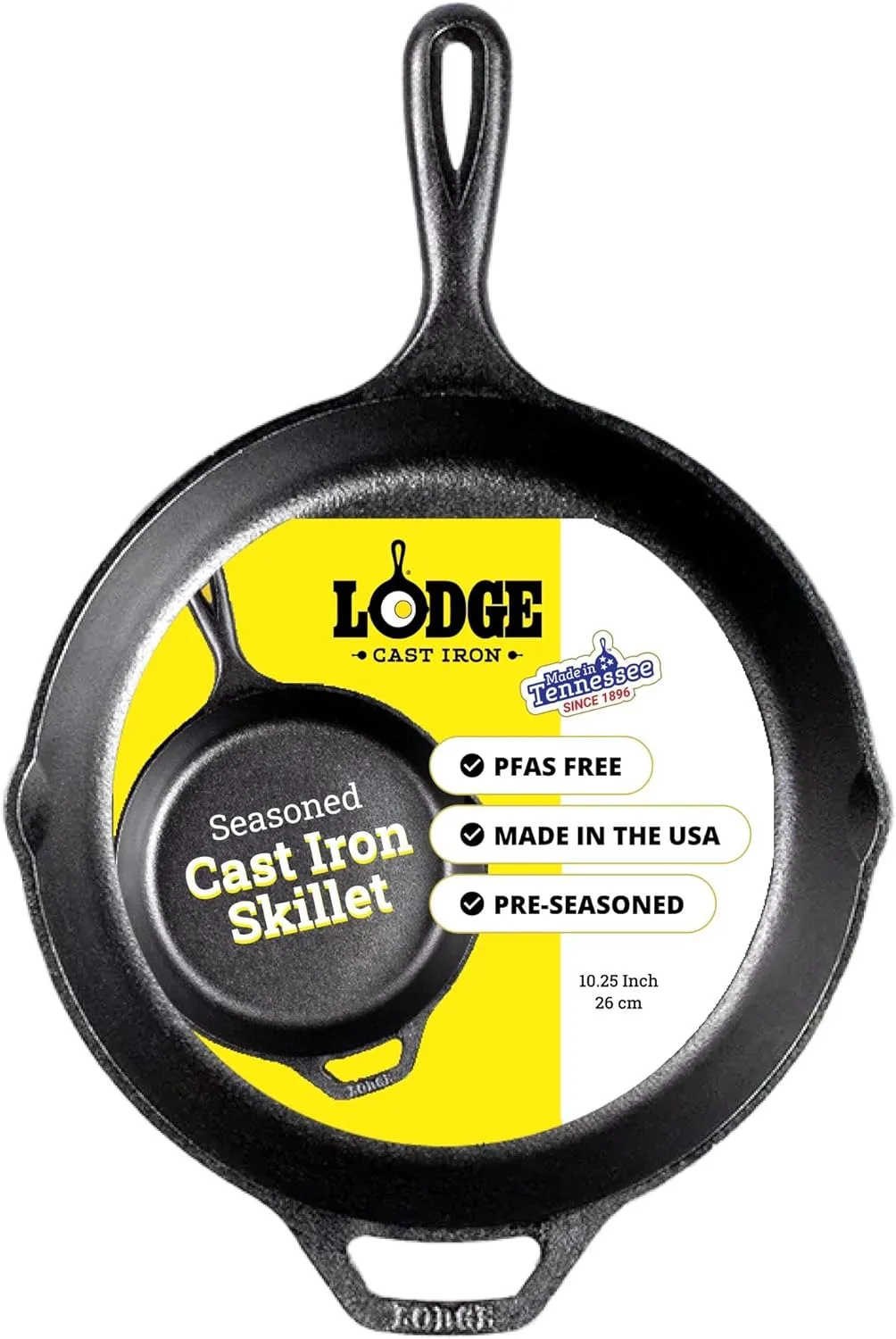
When I talk about trusting your pan, this is the one I’m talking about. In my kitchen, the Lodge Cast Iron Skillet is my secret weapon for a perfect sear. Its ability to get screaming hot and hold that heat evenly is what creates that beautiful, deep golden crust on the sea bass without fail. The fish releases cleanly every time, which is crucial for a delicate fillet. It’s the difference between a professional result and a frustrating mess.
If you want to stop worrying about your fish sticking and start getting a perfect crust every time, this is the pan you need. Get yours and see the difference it makes!
Lodge 10.25 Inch Cast Iron Skillet with Assist Handle
✓ prime
We earn a commission if you make a purchase, at no additional cost to you.
- The Dry-Pat is Non-Negotiable: I mentioned it above, but it’s worth saying again. Moisture is the enemy of a good crust. If the fish is wet, it will steam in the pan instead of searing. I pat it once, let it sit for a minute, and then pat it again right before it goes into the pan. You want the surface to feel almost tacky.
- Trust Your Pan: A good heavy pan, like cast iron, holds heat evenly. Don’t be afraid to let it get really hot before the fish goes in. That initial blast of heat is what locks in the juices and creates that beautiful color. If you put fish in a lukewarm pan, it’s going to stick and you’ll be scraping it off in pieces.
- Don’t Poke the Fish: Once the fish is in the pan, leave it alone. The biggest mistake people make is wanting to constantly check it, move it, or flip it too soon. The fish will tell you when it’s ready to be flipped. It will release from the pan easily. If you have to force it, it’s not ready. Have patience. This simple patience is key to making the Best Buttery Chilean Sea Bass.
- Butter Basting is a Game Changer: Spooning that hot butter over the top does more than add flavor. It gently cooks the top of the fillet while the bottom is searing, resulting in a more evenly cooked piece of fish that’s incredibly moist. It feels a little fancy, but it’s the easiest thing in the world and makes a huge difference.
- A Short Rest is Best: Just like a good steak, fish benefits from a minute or two of rest after it comes out of the pan. It allows the juices to redistribute. I just move it to the serving plate and let it sit while I finish the pan sauce. It makes the fish flakier and more tender.
Common Mistakes to Avoid
I’ve made every one of these mistakes more times than I can count. Learning what not to do is just as important as learning what to do.
- The Dreaded Overcooking: Chilean sea bass is a fatty, forgiving fish, but it can still be overcooked. When it’s overcooked, it goes from silky and flaky to dry and stringy. The window between perfect and overdone is small. People get scared of undercooked fish and leave it on the heat for “one more minute.” Don’t. Pull it when it’s just barely opaque in the center. It will continue to cook a little from the residual heat. Remember, you can always cook it more, but you can’t un-cook it.
- Using Cold Fish in a Hot Pan: Putting an ice-cold fillet straight from the fridge into a screaming hot pan can cause the fish to seize up and cook unevenly. The outside will be done before the inside has a chance to warm up. Letting it sit on the counter for 15-20 minutes makes a world of difference. It’s a small step that ensures a perfect cook-through.
- Skimping on the Salt: Fish needs salt. It brings out its natural flavor. Seasoning it well before it hits the pan is crucial. Don’t be shy. A good pinch of coarse sea salt on both sides will form a better crust and make the final dish taste seasoned from within, rather than just having salt sprinkled on top.
- Overcrowding the Skillet: If you squeeze too many fillets into one pan, the temperature of the pan will drop dramatically. Instead of searing, the fish will start to steam in its own juices. You’ll end up with gray, soft fish instead of a golden-brown crust. Cook in batches if you have to. It’s better to take a few extra minutes than to ruin the texture of every piece. This is a common pitfall when trying to make the Best Buttery Chilean Sea Bass for a group.
Variations and Serving Ideas
Once you have the basic method down, you can play around with it. This fish is a great canvas.
- Brown Butter and Sage: Instead of adding garlic right away, let the butter cook a little longer until it foams, turns golden brown, and smells nutty. Then, toss in a few fresh sage leaves and let them crisp up before spooning it over the fish. It’s an incredible combination for fall or winter.
- Lemon Caper Sauce: Add a tablespoon or two of drained capers to the pan along with the garlic. The salty, briny pop of the capers cuts through the richness of the fish beautifully. This is a classic pairing for a reason.
- Herb Variations: Don’t have parsley? Fresh dill is fantastic with this fish. So are fresh thyme sprigs (toss them in with the butter) or some chopped chives sprinkled on at the end.
- Serving on a Bed of…: This fish is amazing served over a creamy parmesan risotto, a simple lemon orzo, or even just a pile of wilted spinach that can soak up the extra butter sauce. For a lighter meal, serve it alongside some simple roasted asparagus or green beans. Making the Best Buttery Chilean Sea Bass is also about what you serve it with.
What to Serve With
You want sides that complement the fish, not compete with it.
- Starches: Creamy polenta, roasted baby potatoes with rosemary, or just some really good, crusty bread to mop up every last bit of that delicious pan sauce.
- Vegetables: Simple is best. Steamed asparagus with a squeeze of lemon, sautéed green beans with almonds, or a simple green salad with a light vinaigrette.
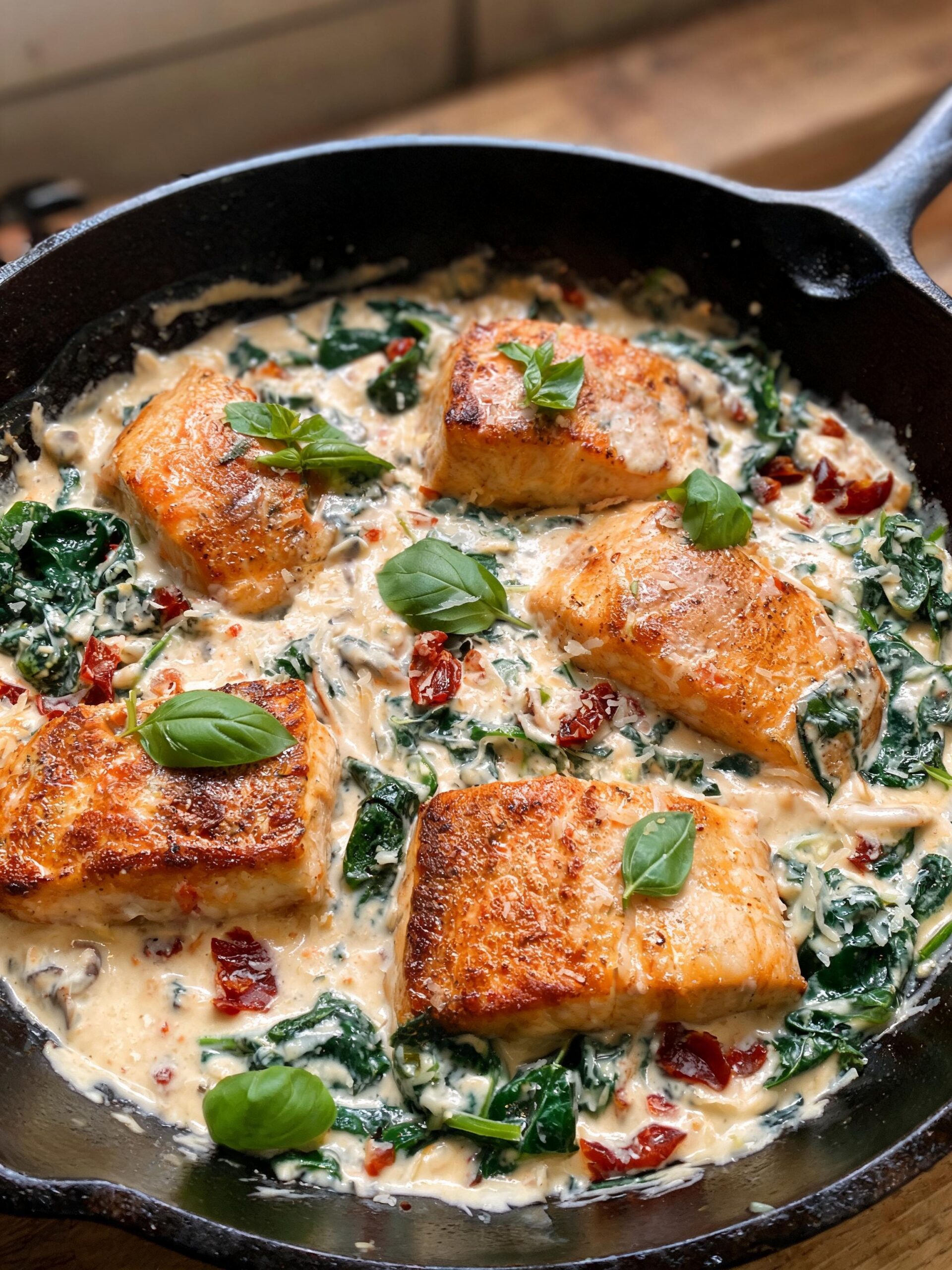
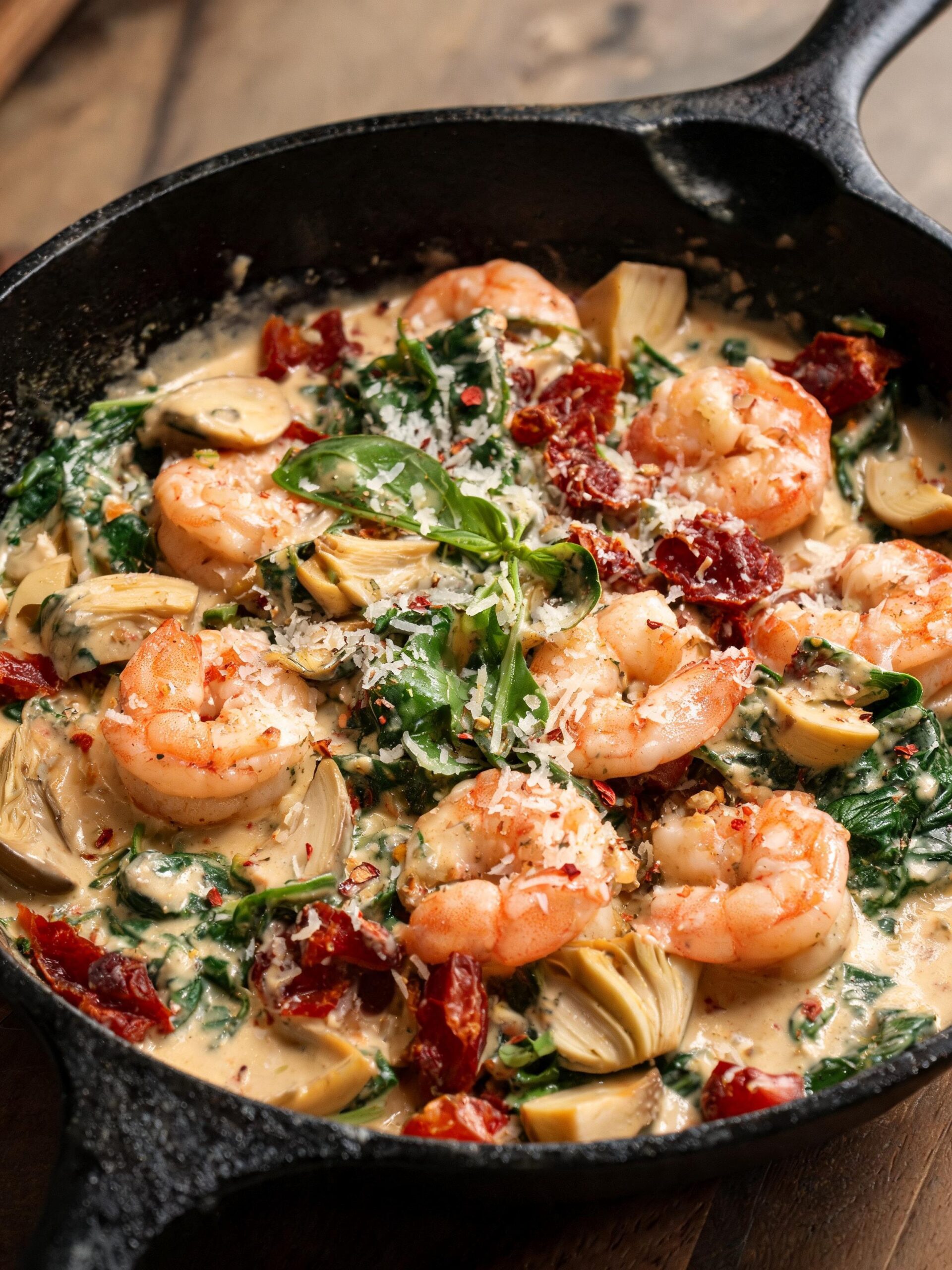
- Wine: A crisp, oaked Chardonnay or a bright Sauvignon Blanc pairs perfectly. The acidity cuts through the richness of the fish and butter, much like it would for an equally impressive creamy seafood stuffed salmon dinner.
Storage and Reheating
Leftover fish can be tricky, but sea bass holds up better than most due to its high fat content.
- Storage: Let the fish cool completely, then store it in an airtight container in the refrigerator for up to 2 days. Store any leftover sauce separately if you can. The fish is actually pretty good cold the next day, flaked into a salad.
- Reheating: The microwave is the enemy of leftover fish. It will make it rubbery. The best way to reheat is low and slow. Place the fillet in a small baking dish, add a splash of water or broth, and cover it tightly with foil. Warm it in a 275°F oven for about 10-15 minutes, or just until it’s heated through. This gentle steaming method keeps it from drying out.
FAQs (People Also Ask)
Can I use frozen Chilean Sea Bass for this recipe?
Absolutely. A lot of sea bass is frozen at sea to preserve its freshness. The key is to thaw it properly. The best way is to move it from the freezer to the refrigerator the day before you plan to cook it. Never thaw fish at room temperature or in the microwave. Once it’s fully thawed, make sure you pat it exceptionally dry, as thawed fish can hold extra moisture.
What’s a good substitute if I can’t find Chilean Sea Bass?
Chilean sea bass (which is actually Patagonian Toothfish) is unique, but you can get a similar experience with other rich, flaky white fish. Black cod (also known as sablefish) is probably the closest substitute in terms of fat content and texture. A thick-cut halibut or even cod loin can also work, though they are leaner, so be extra careful not to overcook them.
Can I make this dish without the white wine?
Yes, for sure. The wine adds a nice bit of acidic depth to the pan sauce, but it’s not essential. You can substitute it with an equal amount of low-sodium chicken or vegetable broth to help scrape up the bits from the pan. Or, for a simpler sauce, just skip that step and finish the butter with the lemon juice and parsley. It will still be delicious.
How can I be sure my fish is cooked perfectly?
The best way is to use an instant-read thermometer. Fish is delicate, and a thermometer takes out the guesswork. You’re looking for an internal temperature of about 135°F to 140°F in the thickest part. If you don’t have one, use the classic fork test: insert a fork into the thickest part and give it a gentle twist. If the fish flakes apart easily into its natural layers, it’s done. If it’s still translucent and resists flaking, it needs another minute.
Why is my fish sticking to my stainless steel pan?
This usually comes down to three things: the pan wasn’t hot enough, there wasn’t enough oil, or you tried to flip it too soon. Make sure your pan is preheated properly over medium-high heat before anything goes in. Add the oil and let it get hot. When you place the fish down, it should sizzle loudly. Then, and this is the hard part, don’t touch it. Let it form a crust. That crust is what will allow it to release cleanly from the pan.
Nutrition Facts
(Per serving. Estimates only, varies by exact ingredients used)
Conclusion
This truly is the Best Buttery Chilean Sea Bass for a simple, honest meal. It’s not about complicated steps or a long list of ingredients. It’s about taking a beautiful piece of fish and treating it with respect. It’s a meal that feels both special and incredibly easy, and I hope it brings a little bit of that quiet, coastal comfort to your kitchen table. Give it a try, and just enjoy the simple pleasure of perfectly cooked fish.
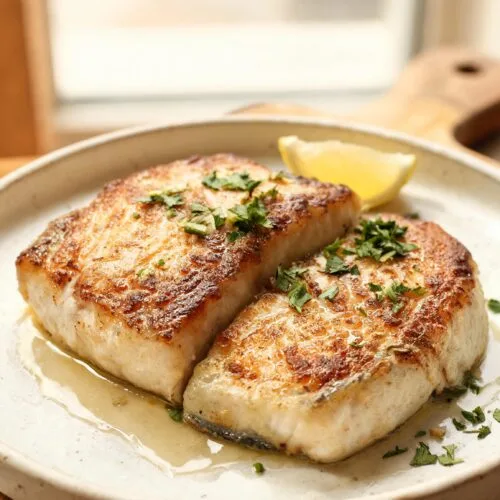
Best Buttery Chilean Sea Bass Recipe for Easy Dinner
Ingredients
- 4 (6 ounce) Chilean sea bass fillets, about 1.5 inches thick
- 1/2 teaspoon coarse sea salt, or to taste
- 1/4 teaspoon freshly ground black pepper, or to taste
- 1 tablespoon olive oil
- 4 tablespoons unsalted butter
- 3 cloves garlic, thinly sliced
- 1/4 cup dry white wine, such as Sauvignon Blanc (optional)
- 1/2 lemon, juiced
- 2 tablespoons fresh parsley, chopped
- Lemon wedges, for serving
Instructions
- Let the sea bass fillets rest at room temperature for 15-20 minutes. Pat them completely dry with paper towels and season both sides generously with salt and pepper.
- Heat a large cast iron or stainless steel skillet over medium-high heat until hot. Add the olive oil.
- Carefully place the fillets in the hot pan. Sear without moving for 4-5 minutes, until a deep golden-brown crust forms on the bottom.
- Flip the fillets. Reduce the heat to medium and add the butter and sliced garlic to the pan.
- As the butter melts and foams, tilt the pan and use a large spoon to continuously baste the fish with the garlic butter for 3-4 minutes, until the fish is opaque and flakes easily (or reaches an internal temperature of 135°F).
- Remove the fish to a warm plate. Optional: Add the white wine to the skillet, scraping up any browned bits. Let it simmer and reduce by half, about 1-2 minutes.
- Remove the pan from the heat. Squeeze in the lemon juice and stir in the fresh parsley.
- Spoon the butter sauce over the fish fillets and serve immediately with lemon wedges.