Introduction
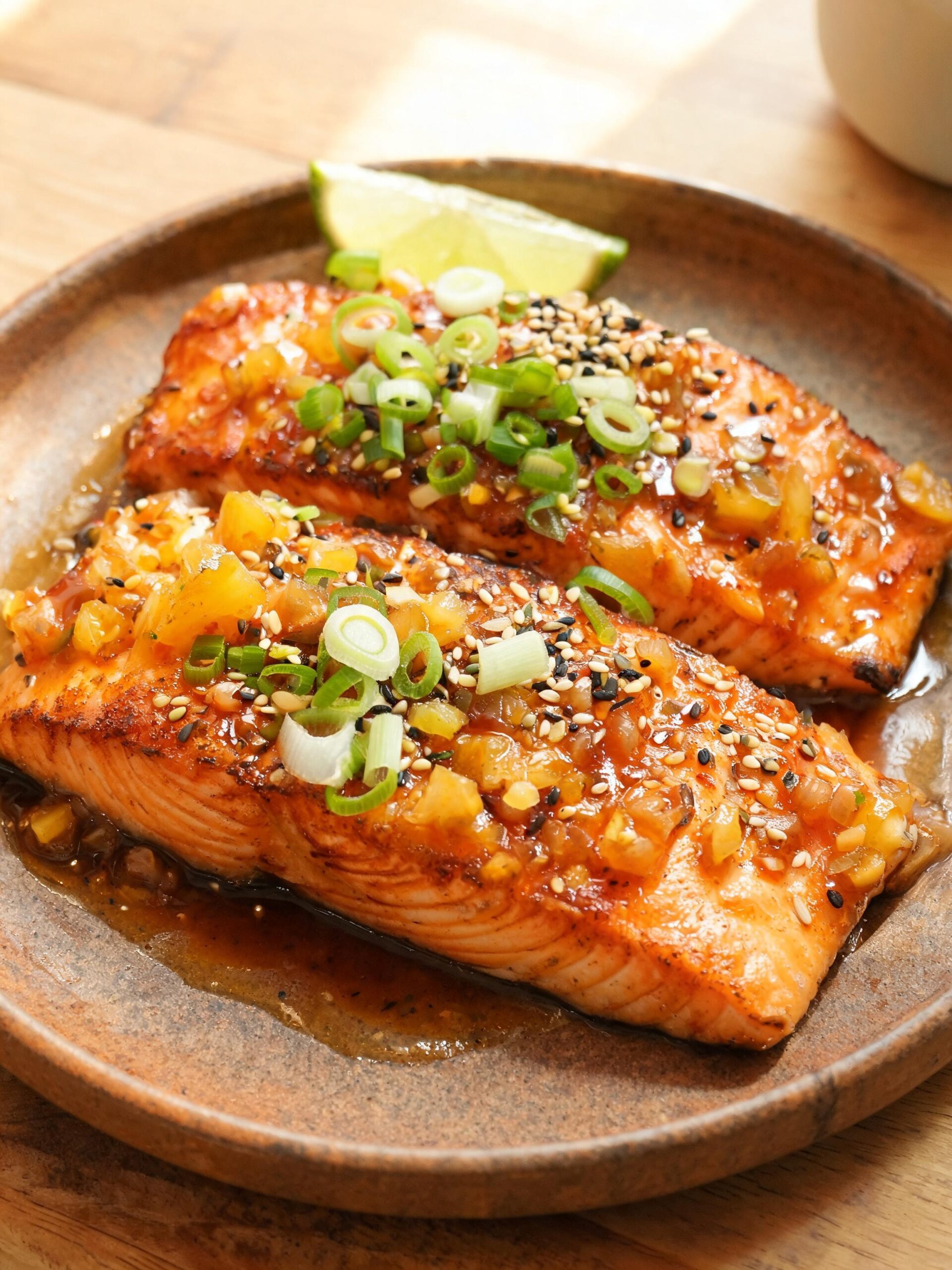
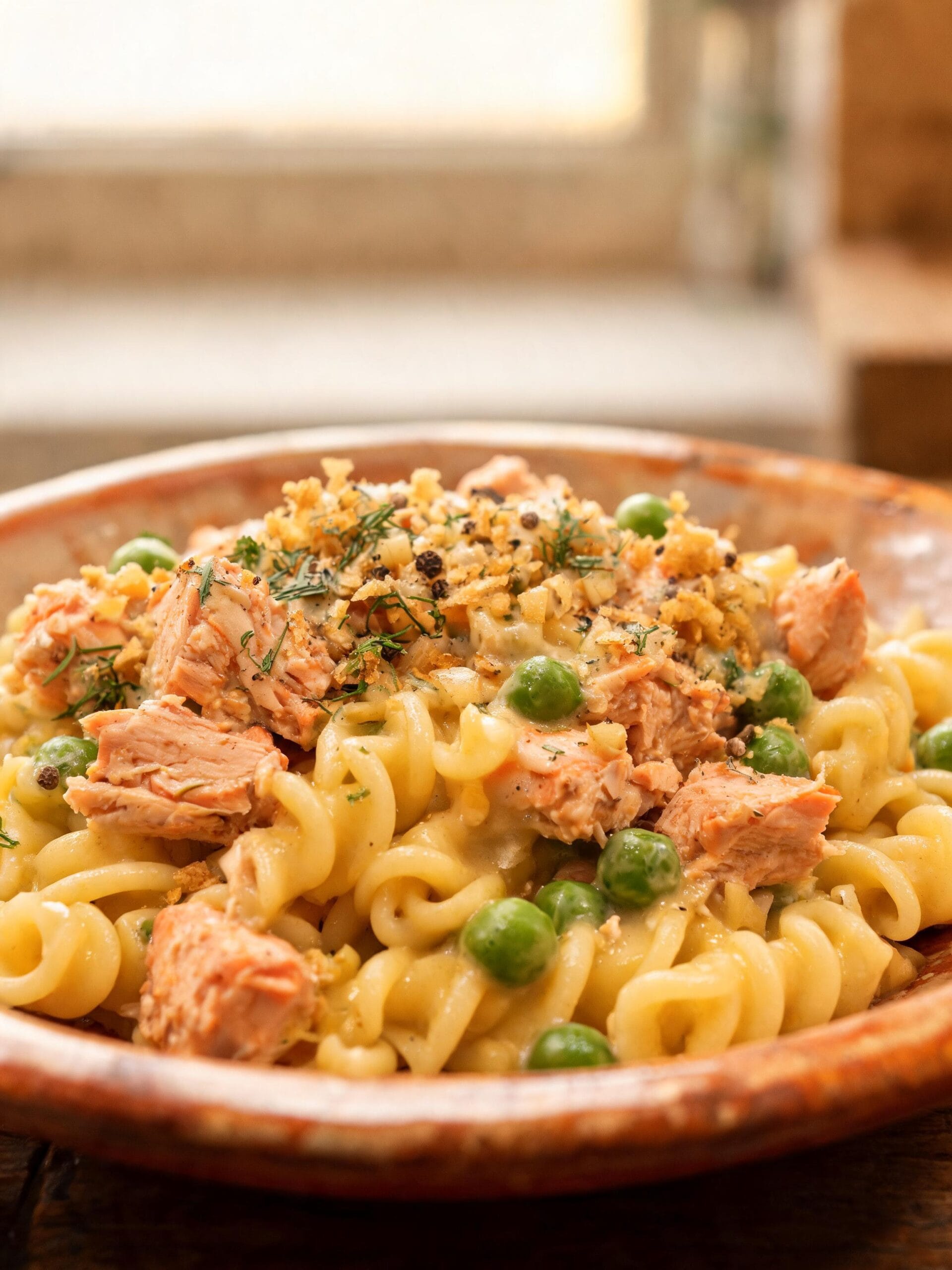
Alright, let’s talk about a real kitchen workhorse: canned salmon. For years, I’ve seen home cooks overlook this pantry staple, but I’m here to tell you it’s the secret to some of the fastest, most flavorful meals you can make. This Canned Salmon Pasta Bake is the perfect example. It’s not just a recipe; it’s a strategy for turning a few simple ingredients into a rich, satisfying, and incredibly delicious dinner. Forget what you think you know about canned fish. We’re elevating it with a creamy sauce and perfectly cooked pasta, a different approach from the bright, tropical flavors of a Grilled Pineapple Teriyaki Salmon, but just as delicious. This dish is my go-to for a busy weeknight when you need something comforting and impressive without the fuss. It’s a complete meal that feels both rustic and refined, proving that great seafood cooking doesn’t always require a trip to the fish market.
Why You’ll Love This Recipe
- Lightning-Fast Prep: The title doesn’t lie. While the oven does its thing, the active prep time is genuinely about 15 minutes. It’s the ultimate answer to the “what’s for dinner?” question on a hectic day.
- Pantry-Powered Flavor: This recipe is built around ingredients you likely already have. Canned salmon, pasta, and a few basics combine to create a deeply savory and satisfying flavor profile that tastes anything but basic.
- Endlessly Adaptable: Think of this as a blueprint. I’ll give you the rock-solid foundation, but you can easily swap in different cheeses, add vegetables, or spice it up to make it your own signature dish.
Ingredients List
Precision is key in any kitchen, even for a simple bake. Using the right proportions ensures the sauce is creamy, not watery, and every bite is balanced. This serves four hungry people.
For the Pasta and Sauce:
- Pasta: 12 ounces of a short, sturdy pasta like medium shells, penne, or cavatappi. You want something with ridges or cups to hold the sauce.
- Unsalted Butter: 3 tablespoons. This is the base of our roux for a rich, creamy sauce.
- All-Purpose Flour: 3 tablespoons. This thickens the sauce. The 1:1 ratio with butter is classic for a reason.
- Whole Milk: 2 cups. Don’t use skim; the fat content is crucial for a smooth, non-grainy sauce.
- Garlic: 3 cloves, minced. Not powder. The sharp bite of fresh garlic is essential.
- Dijon Mustard: 1 tablespoon. This adds a subtle tang and emulsifies the sauce, giving it depth.
- Sharp Cheddar Cheese: 1 cup (4 ounces), freshly grated. Pre-shredded cheese has anti-caking agents that can make your sauce gritty.
- Parmesan Cheese: 1/2 cup (2 ounces), freshly grated. For that nutty, salty finish.
For the Salmon and Mix-ins:
- Canned Salmon: Two 6-ounce cans of high-quality wild sockeye or coho salmon, drained well. Quality matters here—look for firm, pink flakes.
- Frozen Peas: 1 cup. No need to thaw. They cook perfectly in the residual heat and add a pop of sweetness and color.
- Fresh Dill: 1/4 cup, chopped. This is non-negotiable for me. Dill and salmon are a classic pairing that brightens everything up.
- Lemon Juice: 1 tablespoon, freshly squeezed. Cuts through the richness of the cheese and salmon.
- Black Pepper: 1/2 teaspoon, freshly cracked.
- Kosher Salt: 1/2 teaspoon, plus more for the pasta water.
For the Topping:
- Panko Breadcrumbs: 1/2 cup. Panko provides a light, airy crunch that regular breadcrumbs can’t match.
- Olive Oil: 1 tablespoon. To toast the panko to a perfect golden brown.
Step-by-Step Instructions
- Preheat and Prep: First thing’s first, get your oven preheating to 375°F (190°C). Lightly grease a 9×13 inch baking dish or a similar 2.5-quart casserole dish. This prevents sticking and makes cleanup easier.
- Cook the Pasta: Bring a large pot of heavily salted water to a rolling boil. It should taste like the sea. Add your pasta and cook it for 2 minutes *less* than the package directions for al dente. It will finish cooking in the oven. Before draining, reserve about 1 cup of the starchy pasta water. Drain the pasta and set it aside.
- Start the Cheese Sauce: While the pasta cooks, melt the butter in a large saucepan or Dutch oven over medium heat. Once it’s foaming, add the minced garlic and cook for about 30 seconds until fragrant—don’t let it brown. Whisk in the flour to form a paste (this is your roux) and cook for 1 minute, stirring constantly, to cook out the raw flour taste.
- Build the Creamy Sauce: Slowly pour in the milk, a little at a time, while whisking vigorously to prevent lumps. Continue whisking until the sauce is smooth. Bring it to a gentle simmer and cook for 2-3 minutes, until it has thickened enough to coat the back of a spoon.
- Melt the Cheese: Remove the saucepan from the heat. This is important to prevent the cheese from becoming oily or grainy. Add the grated cheddar, Parmesan, Dijon mustard, salt, and pepper. Stir until the cheese is completely melted and the sauce is velvety smooth.
- Combine Everything: Add the drained pasta, drained canned salmon (flaked into large chunks), frozen peas, fresh dill, and lemon juice directly into the cheese sauce. Gently fold everything together until well combined. If the mixture seems too thick, add a splash of the reserved pasta water to loosen it to your desired consistency.
- Assemble the Bake: Pour the pasta mixture into your prepared baking dish and spread it into an even layer.
- Add the Topping and Bake: In a small bowl, toss the panko breadcrumbs with the olive oil until evenly coated. Sprinkle the panko evenly over the top of the pasta. Bake, uncovered, for 15-20 minutes, or until the sauce is bubbly and the panko topping is golden brown and crisp. Let it rest for 5 minutes before serving to allow the sauce to set up slightly.
Chef’s Pro Tips for Success
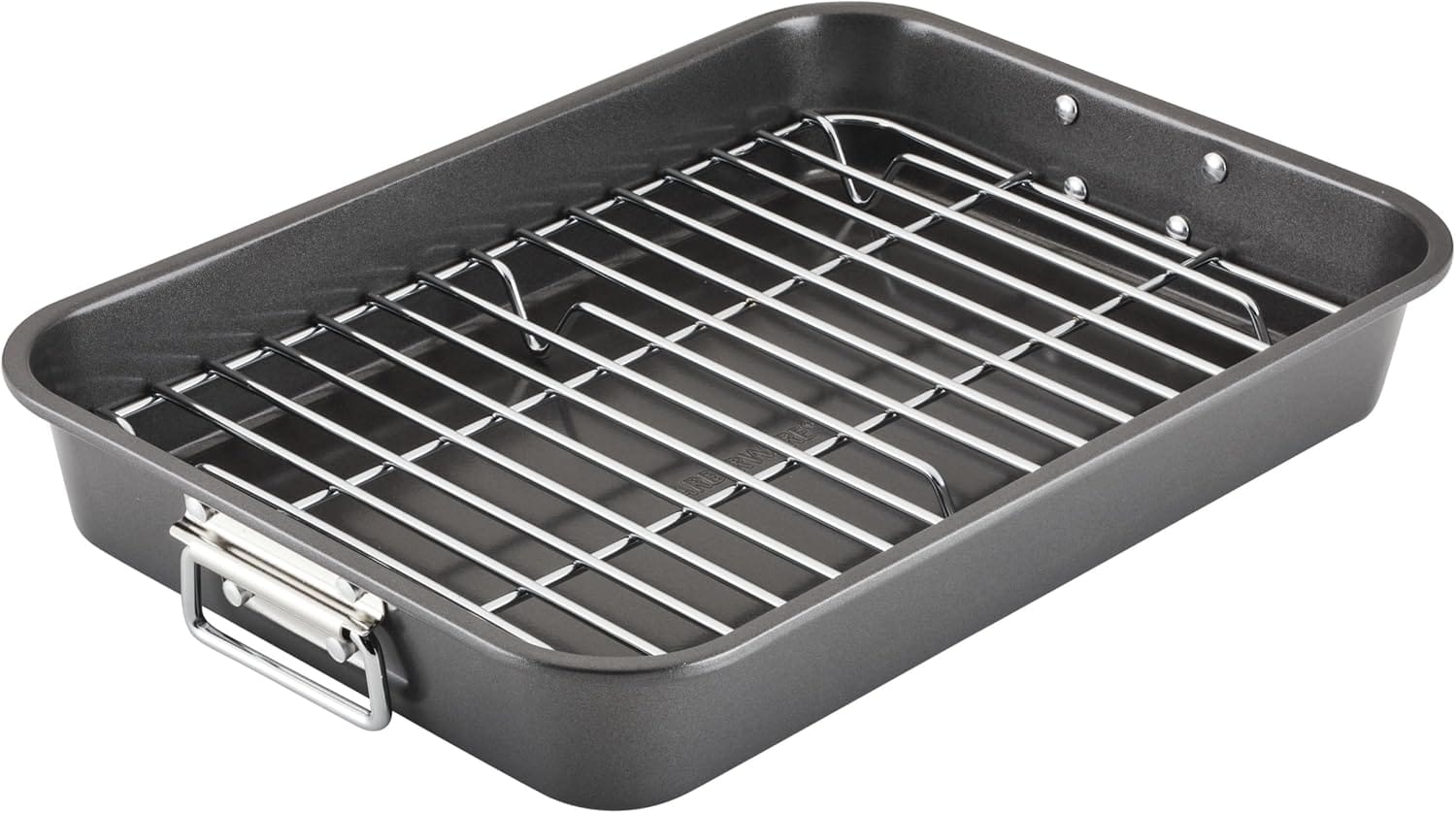
Speaking of little things, let’s talk about the vessel you bake this in. You need a pan that heats evenly to get that perfect bubbly sauce without any scorching, and one that’s large enough to give you a generous crunchy topping-to-creamy-pasta ratio. That’s why I rely on my Farberware Roaster. Its nonstick surface is a lifesaver for serving and cleanup, especially with cheesy dishes like this, and its size is just right for this recipe. It ensures every serving gets that irresistible golden-brown panko crust.
This is the kind of reliable bakeware every home kitchen needs. Check it out on Amazon and see the difference it makes.
Farberware Nonstick Bakeware 11-Inch x 15-Inch Roaster with Flat Rack
✓ prime
We earn a commission if you make a purchase, at no additional cost to you.
After twenty years behind the line, you learn that the little things make the biggest difference. Here are the secrets to taking this from a good meal to a great one.
- Master the Pasta Water: That cloudy, starchy water you usually pour down the drain is liquid gold. The starch acts as an emulsifier and thickener. When you add it to your cheese sauce, it helps the sauce cling to the pasta and gives it a silkier, restaurant-quality texture. Always reserve more than you think you need. A dry bake is a sad bake.
- Respect the Roux: The foundation of your cream sauce is the roux (butter and flour). Don’t rush it. Cooking it for a full minute over medium heat toasts the flour, which develops a nutty depth of flavor and eliminates any pasty, raw flour taste. This small step makes a huge impact on the final sauce.
- Grate Your Own Cheese: I can’t stress this enough. Pre-shredded cheeses are coated with cellulose or potato starch to prevent clumping. This coating inhibits smooth melting and can result in a grainy, separated sauce. Buy a block of sharp cheddar and grate it yourself. The five extra minutes of effort pays off tenfold in the final texture.
- Gentle Folding is Key: When you combine the salmon with the pasta and sauce, use a gentle folding motion with a rubber spatula. You want to keep those nice, large flakes of salmon intact. If you stir aggressively, the salmon will break down into a mushy paste and get lost in the dish. We want distinct bites of fish, not just a salmon-flavored sauce.
- The Final Broil for Crunch: If your panko topping isn’t as golden and crispy as you’d like after 20 minutes, don’t be afraid to use the broiler. Switch your oven to a high broil and watch it like a hawk for 30-60 seconds. This will give you that perfect, audibly crunchy crust that provides a fantastic textural contrast to the creamy interior of your Canned Salmon Pasta Bake.
Common Mistakes to Avoid
I’ve seen every mistake in the book. Here are the most common pitfalls with a dish like this and how to steer clear of them for a perfect result every time.
- Overcooking the Pasta: This is the number one sin of any pasta bake. Remember, the pasta cooks twice: once in the boiling water and again in the oven. If you cook it to al dente in the pot, it will turn to absolute mush in the oven. Pulling it out a solid 2-3 minutes before it’s done is critical. It should still have a significant bite. This allows it to absorb the sauce in the oven without losing its structural integrity.
- A Watery or Broken Sauce: This usually happens for two reasons. First, not cooking the roux long enough or not letting the milk-based sauce thicken properly before adding the cheese. Second, adding the cheese while the sauce is over direct, high heat. This shocks the proteins in the cheese, causing the fats to separate and creating an oily, grainy mess. Always remove the sauce from the heat before stirring in the cheese.
- Forgetting to Drain the Salmon Well: Canned salmon is packed in water or oil. If you don’t drain it thoroughly, all that excess liquid will leach into your sauce as it bakes, turning your creamy, dreamy Canned Salmon Pasta Bake into a watery disappointment. I like to press it gently with the back of a fork in a colander to squeeze out any hidden moisture.
- Under-seasoning the Dish: A creamy, cheesy dish needs assertive seasoning to come alive. You’re seasoning multiple components: the pasta water (it must be salty!), the sauce itself, and the final dish. Taste your sauce before you add the pasta and salmon. Does it need more salt? More pepper? A bigger squeeze of lemon? Don’t be timid. Blandness is the enemy of memorable food.
Variations and Serving Ideas
This recipe is a fantastic starting point. Once you’ve nailed the basic Canned Salmon Pasta Bake, you can start getting creative. Here are a few ideas I love:
- Add More Veggies: This bake is a great vehicle for vegetables. Sauté 8 ounces of sliced mushrooms with the garlic until they release their water and brown. Or, wilt two large handfuls of fresh spinach into the sauce right before you add the cheese. Asparagus tips or sun-dried tomatoes (chopped) also add fantastic flavor and texture.
- Spice It Up: For a little kick, add 1/4 to 1/2 teaspoon of red pepper flakes along with the garlic. You could also stir in a tablespoon of chopped capers or a few dashes of your favorite hot sauce into the finished sauce for a briny, spicy note that cuts through the richness beautifully.
- Change the Cheeses: Don’t feel locked into cheddar. A mix of Gruyère and white cheddar will give you a nuttier, more complex flavor. Smoked Gouda would be incredible for a smoky twist. Even a bit of cream cheese (about 4 ounces) melted into the sauce will make it extra decadent and tangy.
- Herb Variations: While dill is classic, other herbs work well. Fresh parsley adds a clean, green flavor. Chives can provide a mild oniony bite. A small amount of fresh tarragon would lend a sophisticated, slightly anise-like flavor that pairs wonderfully with salmon.
What to Serve With
A rich, cheesy pasta bake begs for something fresh and acidic to balance the palate. You don’t need anything complicated. A simple side can elevate the entire meal.
- A Simple Arugula Salad: The peppery bite of arugula dressed with nothing more than lemon juice, extra virgin olive oil, salt, and pepper is the perfect counterpoint. The acidity cuts through the creamy sauce and cleanses the palate between bites.
- Garlic Green Beans: Quickly blanch or steam some fresh green beans until they are crisp-tender. Toss them in a hot pan with a little olive oil and a sliced garlic clove for 1-2 minutes. Finish with a squeeze of lemon. It’s simple, healthy, and provides a welcome crunch.
- Roasted Asparagus or Broccoli: Toss spears of asparagus or broccoli florets with olive oil, salt, and pepper. Roast at 400°F for 10-15 minutes until tender and slightly charred. The roasted, caramelized flavor is a fantastic companion to the creamy bake.
- Another Salmon Idea: If you’re looking for a quick and healthy breakfast, you can’t go wrong with a classic smoked salmon and avocado toast.
Storage and Reheating
Leftovers are one of the best parts of a good pasta bake, but only if you handle them correctly. Here’s how to do it right.
Storage:
- Allow the pasta bake to cool completely to room temperature. This is important to prevent condensation from forming inside the container, which can make the leftovers soggy.
- Transfer the leftovers to an airtight container. Don’t just cover the baking dish with foil; it’s not truly airtight and can lead to the pasta drying out.
- Refrigerate for up to 3 days. The flavors will continue to meld, and it’s often even better the next day.
Reheating:
- Oven (Best Method): The oven is your best bet for reviving the texture. Preheat your oven to 350°F (175°C). Place the desired portion in an oven-safe dish, add a splash of milk or water (about 1 tablespoon per serving) to help rehydrate the sauce, and cover tightly with foil. Bake for 15-20 minutes, or until heated through. For the last 5 minutes, remove the foil to re-crisp the topping.
- Microwave (Quickest Method): For a single serving, the microwave works in a pinch. Place it on a microwave-safe plate, add a splash of milk, and cover with a damp paper towel. Heat in 1-minute intervals, stirring in between, until hot. The topping won’t be as crispy, but it will still be delicious.
FAQs (People Also Ask)
Can I use fresh salmon instead of canned?
Absolutely. You would need about 12 ounces of fresh salmon fillet. Season it with salt and pepper, then either bake it at 400°F for 12-15 minutes or pan-sear it until cooked through. Let it cool slightly, then flake it into large chunks and fold it into the pasta mixture at the same step you would add the canned salmon. The flavor will be slightly milder but equally delicious.
How can I make this Canned Salmon Pasta Bake gluten-free?
This is an easy swap. Use your favorite brand of gluten-free short pasta, making sure to cook it according to its specific package directions (they can be finicky). For the roux, substitute the all-purpose flour with a good quality gluten-free all-purpose flour blend (one that contains xanthan gum works best). Ensure your panko breadcrumbs are also certified gluten-free. The rest of the ingredients are naturally gluten-free.
What’s the best type of canned salmon to use?
For the best flavor and texture, I strongly recommend wild-caught Sockeye or Coho salmon. Sockeye has a firmer texture and a richer, deeper flavor, while Coho is a bit milder. Avoid pink salmon if you can, as it tends to be softer and can get lost in the sauce. Look for salmon packed in water with the skin and bones removed for easiest prep, though skin-on/bone-in is fine if you don’t mind removing them (the bones are soft and edible, adding extra calcium).
Can I assemble this dish ahead of time?
Yes, you can assemble the entire casserole up to the point of baking (but don’t add the panko topping yet). Cover it tightly with plastic wrap and refrigerate for up to 24 hours. When you’re ready to bake, remove it from the fridge for about 30 minutes to take the chill off. Top with the oiled panko and add about 10-15 minutes to the total baking time since you’re starting from cold.
My sauce was lumpy. What did I do wrong?
Lumps in a cream sauce almost always come from adding the liquid to the roux too quickly. The key is to add the milk very slowly at first, whisking constantly. Add just a small splash to start and whisk it into the roux to form a thick, smooth paste. Once that’s smooth, you can begin adding the remaining milk in a slow, steady stream while continuing to whisk. This gradual process properly incorporates the liquid and prevents the flour from seizing into clumps.
Nutrition Facts
(Per serving. Estimates only, varies by exact ingredients used)
Conclusion
This Canned Salmon Pasta Bake is more than just a quick dinner; it’s proof that humble ingredients can create something truly special. It’s comforting, reliable, and packed with flavor. I hope this recipe finds a permanent spot in your weeknight rotation. Give it a try, make it your own, and see just how good a pantry meal can be.
Canned Salmon Recipes with Pasta | 15-Minute Meal
Ingredients
- 12 ounces medium shell pasta (or penne, cavatappi)
- 3 tablespoons unsalted butter
- 3 tablespoons all-purpose flour
- 2 cups whole milk
- 3 cloves garlic, minced
- 1 tablespoon Dijon mustard
- 1 cup sharp cheddar cheese, freshly grated
- 1/2 cup Parmesan cheese, freshly grated
- Two 6-ounce cans wild sockeye or coho salmon, drained
- 1 cup frozen peas
- 1/4 cup fresh dill, chopped
- 1 tablespoon fresh lemon juice
- 1/2 teaspoon kosher salt, plus more for pasta water
- 1/2 teaspoon freshly cracked black pepper
- 1/2 cup panko breadcrumbs
- 1 tablespoon olive oil
Instructions
- Preheat oven to 375°F (190°C). Lightly grease a 9x13 inch baking dish.
- Cook pasta in heavily salted boiling water for 2 minutes less than package directions. Reserve 1 cup of pasta water, then drain the pasta.
- In a large saucepan over medium heat, melt butter. Add garlic and cook for 30 seconds. Whisk in flour and cook for 1 minute to form a roux.
- Slowly whisk in the milk until smooth. Bring to a simmer and cook for 2-3 minutes until thickened.
- Remove from heat. Stir in the grated cheddar, Parmesan, Dijon mustard, salt, and pepper until the cheese is fully melted.
- Gently fold in the drained pasta, flaked salmon, frozen peas, fresh dill, and lemon juice. Add a splash of reserved pasta water if the mixture is too thick.
- Pour the mixture into the prepared baking dish.
- In a small bowl, toss panko with olive oil. Sprinkle evenly over the pasta.
- Bake for 15-20 minutes, until bubbly and the topping is golden brown. Let rest for 5 minutes before serving.