Introduction
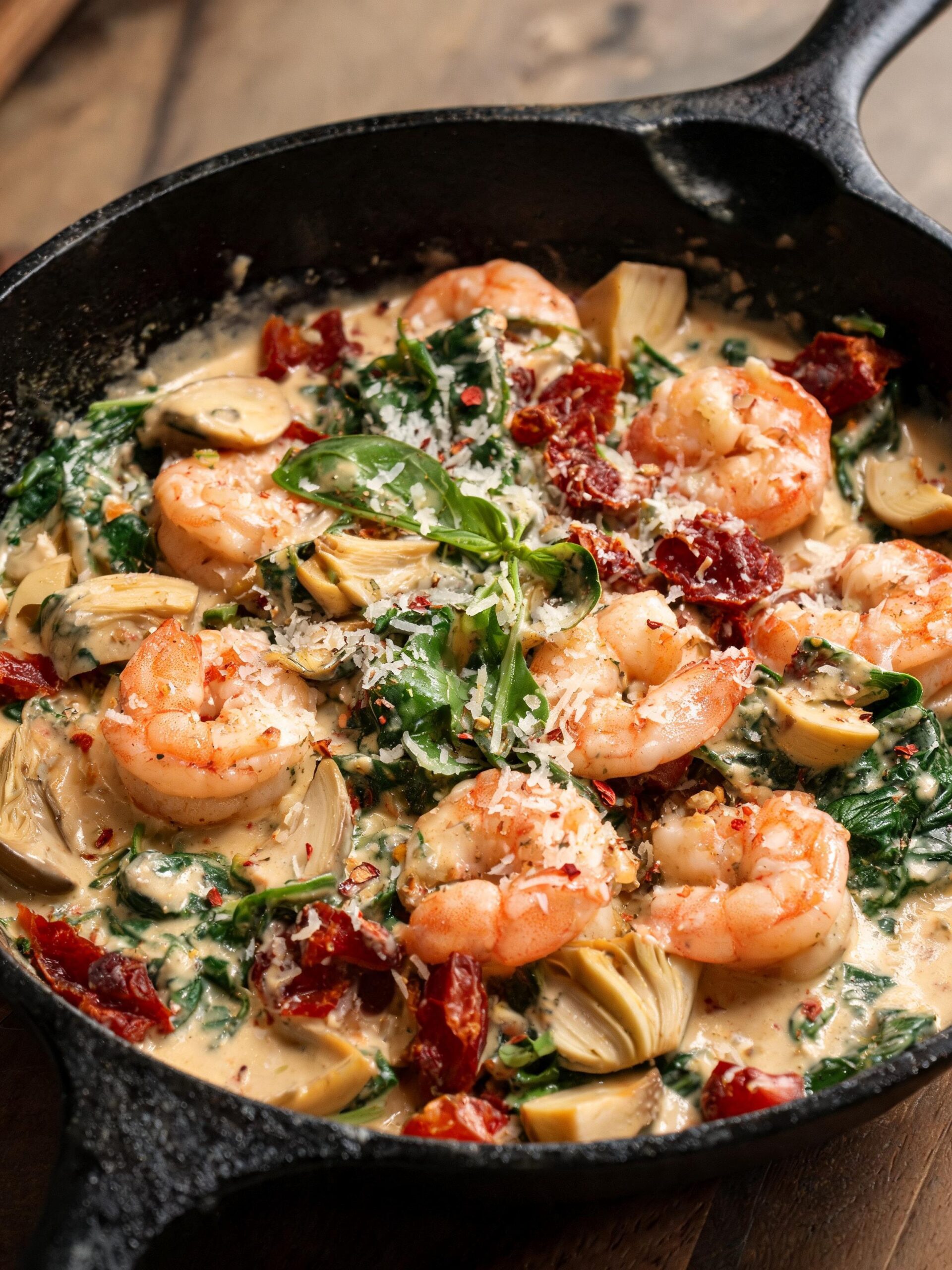
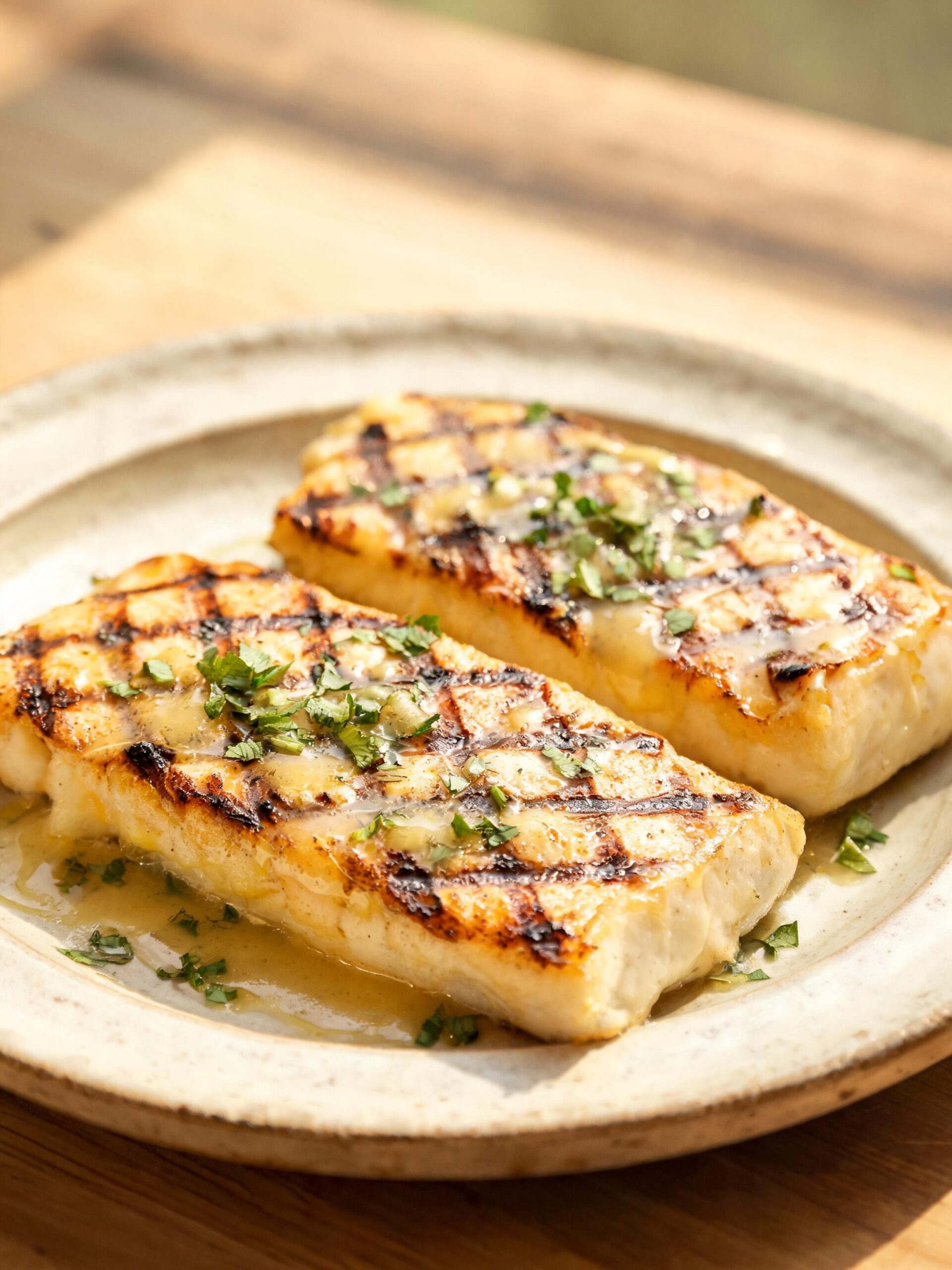
After two decades behind the line in professional kitchens, I can tell you that a perfect grilled mahi mahi recipe is one of the most requested, yet simplest, dishes you can master. Forget the idea that great seafood is complicated. Much like our popular quick baked garlic butter shrimp, this dish is about respecting a beautiful piece of fish with high heat and simple, bright flavors. We’re talking perfectly charred, flaky mahi-mahi that’s tender and juicy on the inside, topped with a quick lemon butter sauce that comes together while the fish rests. This isn’t just dinner; it’s a 20-minute ticket to a healthy, restaurant-quality meal you can make any night of the week. This is the exact method I’ve used countless times, and it delivers every single time.
Why You’ll Love This Recipe
- Incredibly Fast: From prepping the fish to plating the final dish, you’re looking at about 20 minutes total. It’s the perfect solution for a busy weeknight when you want something impressive without the time commitment.
- Healthy and Flavorful: Mahi-mahi is a fantastic source of lean protein. The smoky char from the grill combined with the rich, tangy lemon butter sauce creates a powerful flavor combination without heavy ingredients.
- Foolproof Method: I’ve broken down the process to eliminate guesswork. By following these steps, you’ll avoid common pitfalls like fish sticking to the grill or overcooking, ensuring a perfect result even for beginners.
Ingredients List
Precision matters in cooking, especially with seafood. Use good quality ingredients and the right amounts. This recipe serves four.
For the Grilled Mahi Mahi:
- Mahi-Mahi Fillets: 4 (6-ounce) fillets, about 1-inch thick. Look for center-cut pieces for even cooking. Skinless is preferred for this recipe.
- Avocado or Olive Oil: 2 tablespoons. Use a high-smoke-point oil. Avocado is my top choice, but a light olive oil works too.
- Kosher Salt: 1 teaspoon. Its coarse texture seasons the fish more evenly than table salt.
- Black Pepper: ½ teaspoon, freshly ground.
- Garlic Powder: ½ teaspoon.
- Smoked Paprika: ½ teaspoon. This adds a subtle smoky flavor that complements the grill.
For the Lemon Butter Sauce:
- Unsalted Butter: 4 tablespoons (½ stick), cut into 4 pieces. Using unsalted butter lets you control the final seasoning of the sauce.
- Garlic: 2 cloves, minced very finely.
- Dry White Wine: ¼ cup, such as Sauvignon Blanc or Pinot Grigio. This is optional but adds a layer of acidity and depth. You can substitute with low-sodium chicken or vegetable broth.
- Lemon Juice: 3 tablespoons, freshly squeezed. Do not use the bottled kind; the flavor is night and day.
- Fresh Parsley: 2 tablespoons, finely chopped. For garnish and a fresh, herbaceous finish.
Step-by-Step Instructions
- Prepare the Grill: Preheat your gas or charcoal grill to medium-high heat, aiming for around 400-450°F (204-232°C). A hot grill is essential for getting a good sear and preventing the fish from sticking. Clean the grill grates thoroughly with a wire brush. Once hot, use tongs to wipe the grates with a paper towel dipped in a high-smoke-point oil.
- Season the Mahi-Mahi: While the grill heats, prepare the fish. Pat the mahi-mahi fillets completely dry with paper towels. This step is critical for achieving a perfect sear. In a small bowl, mix together the kosher salt, black pepper, garlic powder, and smoked paprika. Rub the fillets on all sides with the oil, then sprinkle the seasoning mix evenly over the fish.
- Grill the Fish: Place the seasoned fillets directly on the hot, oiled grates. Cook for 3-5 minutes per side. The key is to not move the fish once you’ve placed it down. Let it cook undisturbed to develop those beautiful grill marks. After 3-4 minutes, the fish should release easily from the grates when you try to lift it with a spatula. If it sticks, give it another 30 seconds. Flip carefully and cook for another 3-4 minutes on the second side. The fish is done when it’s opaque all the way through and flakes easily with a fork. The internal temperature should read 137°F (58°C) on an instant-read thermometer.
- Rest the Fish: Immediately transfer the cooked mahi-mahi to a clean plate and let it rest for 5 minutes. This allows the juices to redistribute throughout the fillet, ensuring it stays moist.
- Make the Lemon Butter Sauce: While the fish is resting, make the sauce. Place a small saucepan over medium heat. Add the minced garlic and white wine (or broth). Let it simmer and reduce by about half, which should take 2-3 minutes. This cooks out the raw alcohol flavor and concentrates the taste.
- Finish the Sauce: Reduce the heat to low. Add the fresh lemon juice. Now, add the pieces of cold butter one at a time, whisking or swirling the pan constantly until each piece is fully melted and incorporated before adding the next. This process, called emulsification, creates a creamy, stable sauce. Do not let the sauce boil once the butter is added, or it will break.
- Serve: Remove the sauce from the heat and stir in the chopped fresh parsley. Pour the warm lemon butter sauce over the rested grilled mahi-mahi fillets and serve immediately.
Chef’s Pro Tips for Success
Over the years, I’ve seen every possible mistake. Here are the five things that separate an okay dish from a perfect one. Pay attention to these, and your grilled mahi mahi will be flawless.
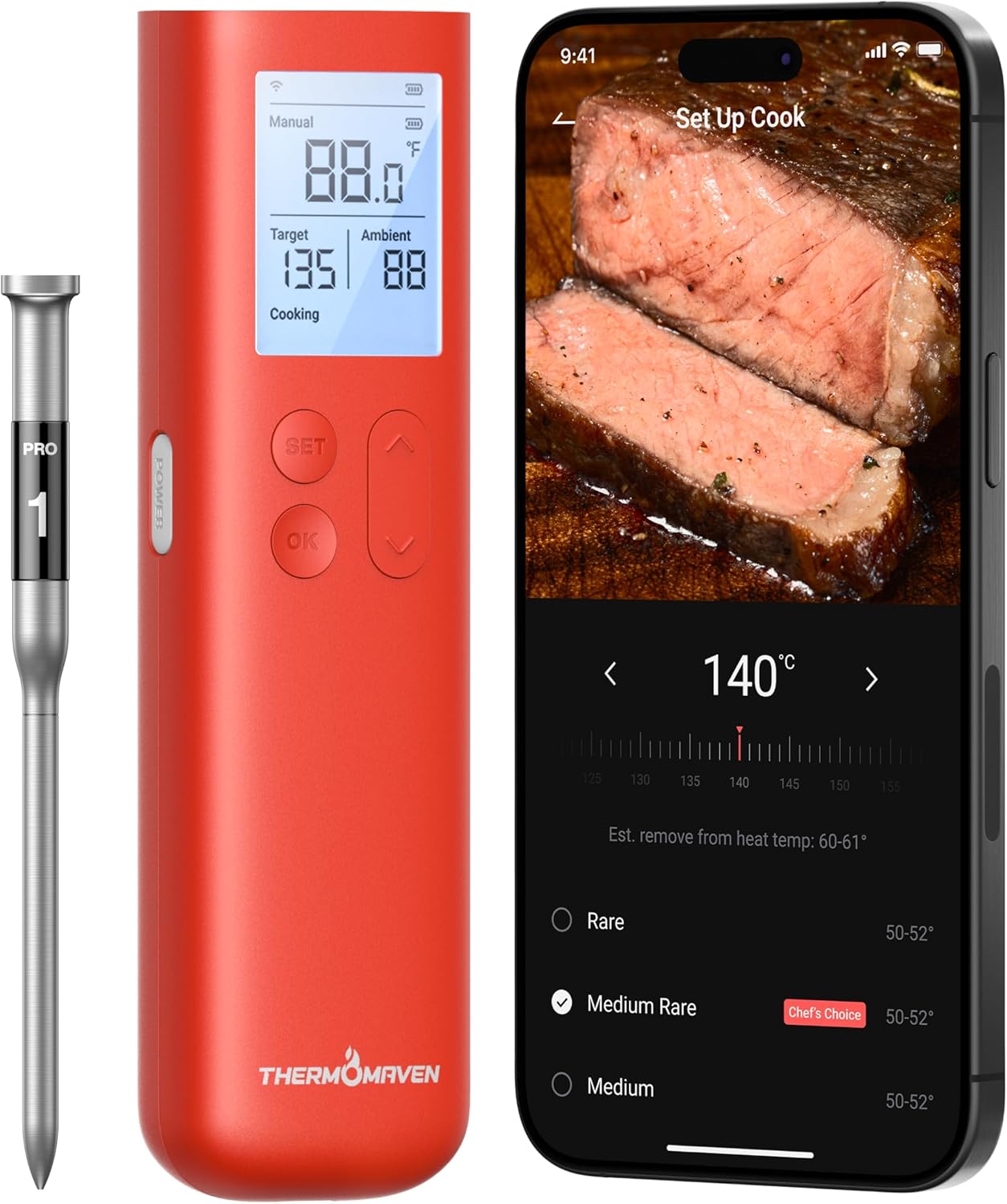
Speaking of flawless, let’s talk about the single most important tool for nailing this recipe: a reliable instant-read thermometer. The difference between perfectly moist, flaky mahi mahi and a dry, disappointing fillet is literally a matter of a few degrees. That’s why I never grill fish without my ThermoMaven wireless thermometer. It gives me a real-time, dead-accurate reading, so I know the exact moment to pull the fish off the heat. It completely removes the guesswork and is the key to consistent, restaurant-quality results every time.
Stop guessing and start grilling fish with absolute confidence. Grab the thermometer I trust in my own kitchen and never serve overcooked fish again.
ThermoMaven Smart Wireless Meat Thermometer
✓ prime
We earn a commission if you make a purchase, at no additional cost to you.
- Choose the Right Fillet: It starts at the fish counter. Look for mahi-mahi that is firm to the touch and has a translucent, pinkish hue. It should smell fresh and clean, like the ocean, with no strong “fishy” odor. Ask for center-cut fillets that are uniform in thickness (around 1 inch). This ensures they cook evenly, so you don’t have thin edges that dry out before the center is cooked. If using frozen, thaw it overnight in the refrigerator, not on the counter or in the microwave.
- The Holy Trinity of No-Stick Grilling: Fish sticking to the grill is the most common fear. The solution is threefold: get the grill hot, make sure the grates are clean, and keep them oiled. Preheat your grill for a good 10-15 minutes. Scrape it down with a wire brush until it’s spotless. Then, just before you put the fish on, apply oil to the grates. This combination creates a non-stick surface that also delivers a hard, fast sear.
- The Hands-Off Approach: Once the fish hits the grill, leave it alone. Don’t poke it, press it, or try to move it for at least 3 minutes. The proteins in the fish need time to cook and form a crust. This crust is what will naturally release from the grill grates. If you try to flip it too early, you’ll tear the fillet and leave half of it stuck to the grill. Trust the process.
- Know When It’s Done: Overcooked mahi-mahi is dry and tough. The best way to check for doneness is with an instant-read thermometer. Pull the fish off the grill when it hits 137°F (58°C). As it rests, carryover cooking will bring it to the perfect final temperature of around 140-145°F. If you don’t have a thermometer, use a fork to gently press on the thickest part of the fillet. It should flake easily but still be moist inside. If it looks dry or chalky, it’s gone too far.
- Master the Emulsion: For the sauce, temperature control is everything. After reducing the wine, lower the heat significantly. The butter must be cold. Adding cold butter to a warm (not hot) liquid and whisking constantly allows the fat to break into tiny droplets and get suspended in the liquid, creating a creamy, cohesive sauce. If the pan is too hot, the fat will just melt and separate, leaving you with a greasy mess. This is a fundamental technique that elevates this simple grilled mahi mahi recipe.
Common Mistakes to Avoid
I’ve fixed these mistakes a thousand times in professional kitchens. Avoid them at home, and you’ll be ahead of the game.
- Using a Wet Fillet: Placing a damp piece of fish on a hot grill is a recipe for disaster. The moisture instantly turns to steam, which prevents a good sear from forming and makes the fish much more likely to stick. Always, always pat your fillets completely dry with paper towels before oiling and seasoning.
- Not Preheating the Grill Enough: A lukewarm grill is the number one cause of sticking. The metal grates need to be hot enough to instantly sear the surface of the fish, creating a crust that allows it to release cleanly. If you can hold your hand an inch above the grates for more than 2-3 seconds, it’s not hot enough.
- Skipping the Rest: You rest a steak, and you should rest your fish, too. Taking the mahi-mahi directly from the grill to the plate and cutting into it will cause all the delicious juices to run out, leaving you with a drier piece of fish. A short 5-minute rest lets those juices settle back into the fillet.
- Boiling the Butter Sauce: This is the fastest way to ruin your sauce. Once the butter starts going into the pan, the heat should be on low, and the sauce should never come to a boil. Boiling breaks the emulsion, separating the butterfat from the liquids and turning your creamy sauce into a thin, oily pool. If you see it start to bubble, pull it off the heat immediately.
Variations and Serving Ideas
While this classic grilled mahi mahi recipe is fantastic as is, it’s also a great base for experimentation. Here are a few ideas to change things up:
- Spice Variations: Swap the smoked paprika and garlic powder for a tablespoon of blackened seasoning or Cajun spice for a Creole-inspired kick. For a more herbaceous flavor, use a simple mix of dried oregano, dill, and lemon pepper.
- Alternative Sauces: Instead of the lemon butter sauce, top the grilled fish with a fresh mango salsa (diced mango, red onion, cilantro, lime juice, and a little jalapeño) for a tropical twist. A simple chimichurri or a creamy dill sauce made with Greek yogurt would also be excellent.
- Make it a Taco Night: Grill the mahi-mahi as directed, then flake the meat into large chunks. Serve in warm corn or flour tortillas with shredded cabbage, pico de gallo, and a drizzle of chipotle crema.
- Grill Pan Method: No outdoor grill? You can make this recipe on a cast-iron grill pan on the stovetop. Heat the pan over medium-high heat until it’s very hot, oil it well, and cook the fish for the same amount of time, ensuring your kitchen is well-ventilated.
What to Serve With
A great main course deserves great sides. Here are some pairings that work perfectly with the flavors of the grilled mahi-mahi and lemon butter sauce.
- Vegetables: Grilled asparagus is a natural choice. The smoky spears are a perfect match. Simply toss them in olive oil, salt, and pepper and grill them alongside the fish. Other great options include roasted broccoli with garlic, a simple green bean almondine, or a fresh corn salad.
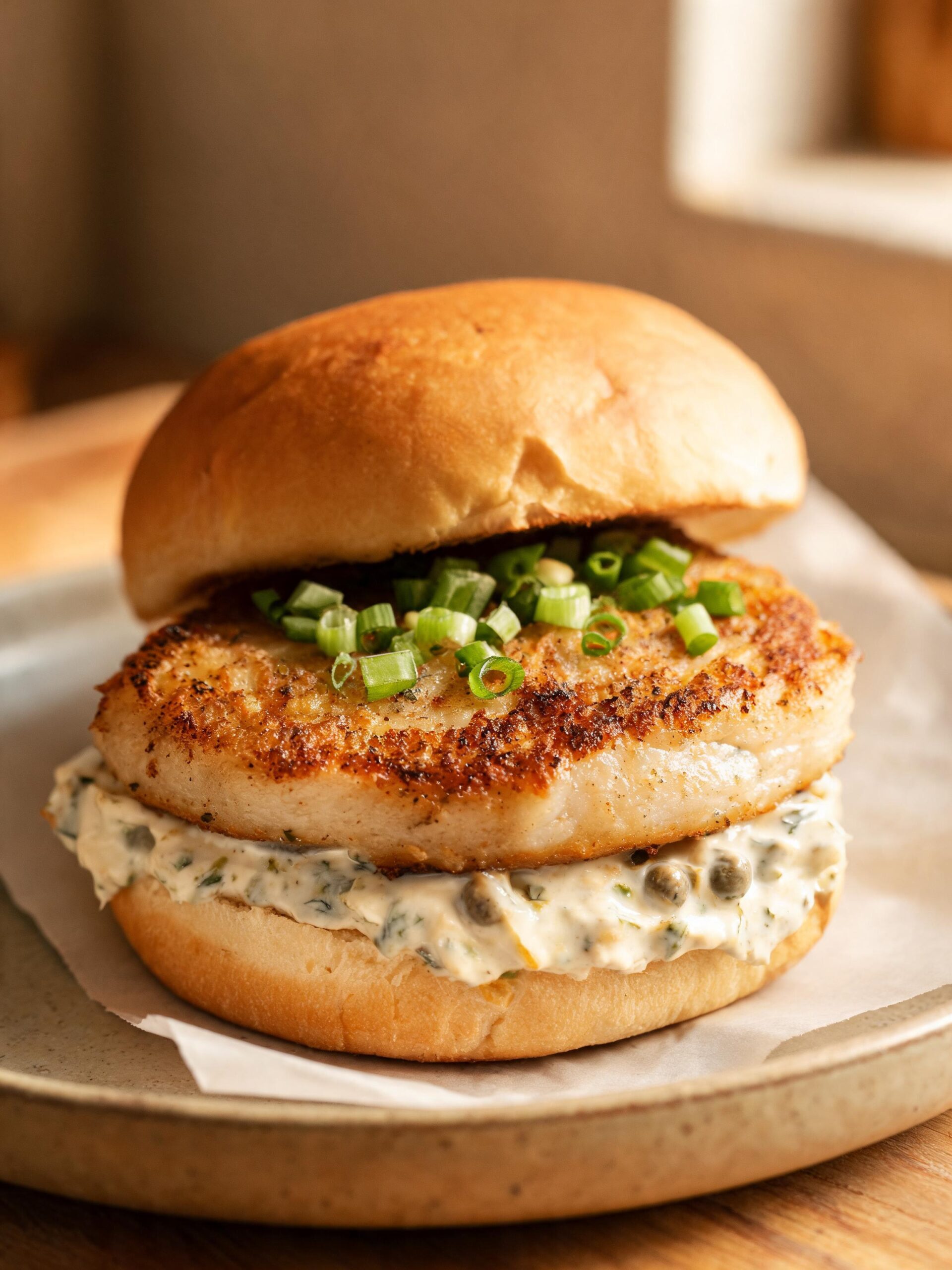
- Starches: A bed of fluffy coconut rice complements the fish beautifully. Roasted baby potatoes with rosemary or even some homemade air fryer crab cakes are also fantastic choices that won’t overpower the main dish.
- Salads: A simple arugula salad with shaved parmesan, cherry tomatoes, and a light lemon vinaigrette adds a fresh, peppery contrast to the rich sauce.
- Wine Pairing: A crisp, acidic white wine is the way to go. A Sauvignon Blanc from New Zealand or a dry Pinot Grigio from Italy will cut through the richness of the butter sauce and complement the citrus notes perfectly.
Storage and Reheating
Leftover fish can be tricky, but if you handle it correctly, it can still be delicious the next day.
- Storage: Let the mahi-mahi cool to room temperature, then store it in an airtight container in the refrigerator for up to 2 days. It’s best to store the lemon butter sauce separately in its own airtight container. This prevents the fish from becoming soggy.
- Reheating: The microwave is the enemy of leftover fish; it will make it rubbery and dry. The best way to reheat is gently. Place the fillet in a small, oven-safe dish, add a splash of water or broth to create some steam, and cover it tightly with foil. Heat in a 275°F (135°C) oven for 10-15 minutes, or until just warmed through. You can also reheat it in a skillet over low heat with a lid. Gently warm the sauce in a small saucepan over low heat, whisking until smooth.
FAQs (People Also Ask)
Can I use frozen mahi-mahi for this recipe?
Absolutely. Frozen fish can be excellent quality. The key is proper thawing. The best method is to transfer the frozen fillets from the freezer to the refrigerator the night before you plan to cook them. This slow, gentle thaw preserves the texture of the fish. Avoid thawing at room temperature or in the microwave.
How do I know for sure when the mahi-mahi is done on the grill?
The most reliable method is an instant-read thermometer inserted into the thickest part of the fish—it should read 137°F (58°C) when you pull it off the grill. Without a thermometer, look for visual cues. The flesh should be opaque all the way through, not translucent. Use a fork to gently pry at the thickest section; it should separate into nice flakes easily. If you have to force it, it needs more time.
My fish always sticks to the grill. What am I doing wrong?
This is almost always due to one of three things: your grill isn’t hot enough, it isn’t clean enough, or it isn’t oiled enough. Ensure your grill is fully preheated to at least 400°F, the grates are scraped completely clean of any old debris, and you’ve wiped them down with an oil-soaked paper towel right before the fish goes on.
Can I make this grilled mahi mahi recipe without an outdoor grill?
Yes. A cast-iron grill pan on the stovetop is your best alternative. Get it screaming hot over medium-high heat, oil it, and cook the fish for the same amount of time per side. It will create a lot of smoke, so make sure your kitchen is well-ventilated. A regular cast-iron skillet will also work; you won’t get grill marks, but you’ll get a beautiful, even sear.
What’s a good substitute for mahi-mahi in this recipe?
If you can’t find mahi-mahi, you can substitute another firm, mild white fish. Good options include grouper, halibut, or swordfish. You may need to adjust the cooking time slightly depending on the thickness of the fillets, but the preparation and sauce will work perfectly.
Nutrition Facts
(Per serving. Estimates only, varies by exact ingredients used)
Conclusion
This grilled mahi mahi recipe proves that you don’t need a lot of time or a long list of complicated ingredients to put an incredible meal on the table. It’s about technique and respecting the main ingredient. Once you master this, it will become a permanent part of your weeknight rotation. Give it a try, and see how easy it is to make restaurant-quality seafood right in your own backyard.
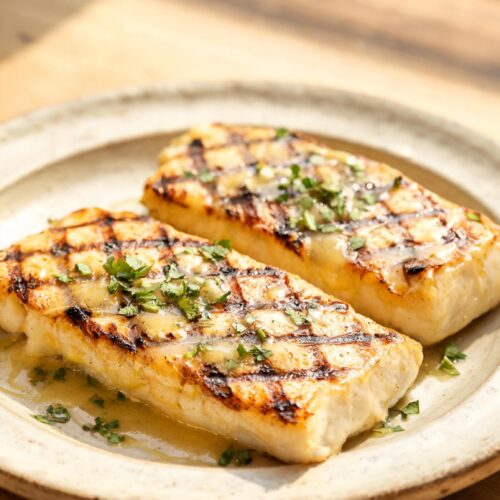
Grilled Mahi Mahi with Lemon Butter Sauce Recipe | Easy Healthy Dinner in 20 Minutes
Ingredients
- 4 (6-ounce) mahi-mahi fillets, about 1-inch thick, skinless
- 2 tablespoons avocado or olive oil
- 1 teaspoon Kosher salt
- ½ teaspoon black pepper, freshly ground
- ½ teaspoon garlic powder
- ½ teaspoon smoked paprika
- 4 tablespoons unsalted butter, cut into 4 pieces
- 2 cloves garlic, minced very finely
- ¼ cup dry white wine, such as Sauvignon Blanc (or low-sodium chicken broth)
- 3 tablespoons fresh lemon juice
- 2 tablespoons fresh parsley, finely chopped
Instructions
- Preheat your grill to medium-high heat (400-450°F). Clean the grates thoroughly and wipe with an oil-soaked paper towel.
- Pat the mahi-mahi fillets completely dry. In a small bowl, mix salt, pepper, garlic powder, and smoked paprika. Rub the fillets with oil, then apply the seasoning mix evenly.
- Place the fillets on the hot grates and cook undisturbed for 3-5 minutes per side. The fish should release easily when ready to flip. Cook until opaque and the internal temperature reaches 137°F.
- Transfer the cooked fish to a plate and let it rest for 5 minutes.
- While the fish rests, place a small saucepan over medium heat. Add the minced garlic and white wine (or broth) and simmer until reduced by half, about 2-3 minutes.
- Reduce heat to low, add the lemon juice, then whisk in the cold butter one piece at a time until a creamy sauce forms. Do not let it boil.
- Remove the sauce from the heat, stir in the fresh parsley, and pour over the rested mahi-mahi fillets to serve.