Introduction
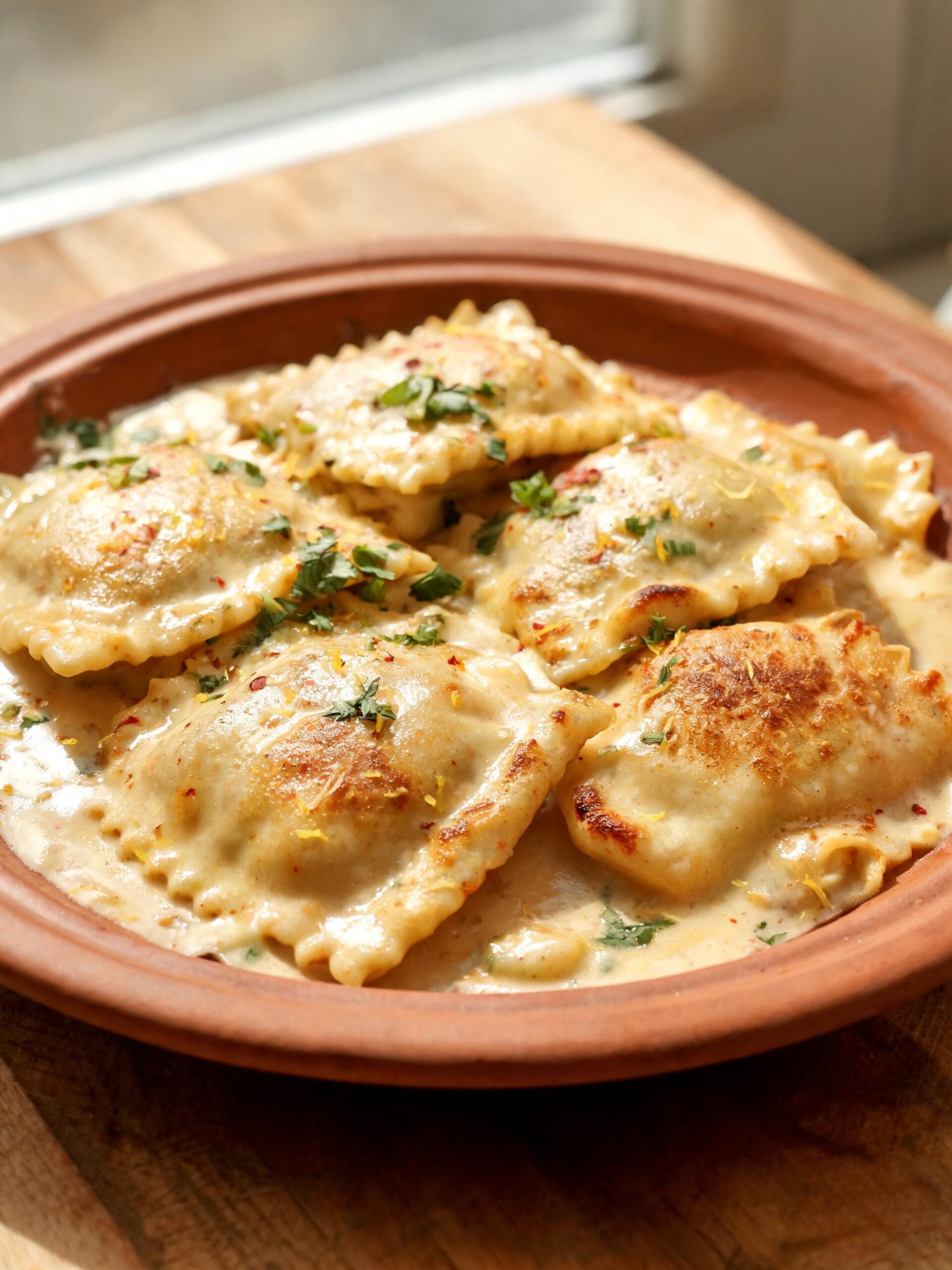
There are some nights, especially after a long day out on the water, when you want something that feels special without needing a whole lot of fuss. That’s where this Lobster Ravioli Sauce comes in. This isn’t some fancy restaurant recipe I picked up somewhere. This is the sauce my wife and I figured out in our own kitchen, trying to make a simple package of lobster ravioli taste like a celebration. It’s a garlic butter sauce, really, with a splash of white wine and lemon to cut through the richness. It’s the kind of sauce that doesn’t try to steal the show. It just makes the lobster inside those little pasta pillows taste even better. It reminds me of quiet evenings, the smell of garlic in the air, and a simple meal shared with someone you love, maybe with some soft and buttery cheddar bay biscuits on the side. This is home cooking, plain and simple.
Why You’ll Love This Recipe
- Ready in Minutes: The whole thing comes together in the time it takes to boil the ravioli. No standing over a pot for hours.
- Simple Ingredients, Big Flavor: It uses stuff you probably already have—butter, garlic, a lemon. It’s proof that you don’t need a long list of ingredients to make something taste incredible.
- Lets the Lobster Shine: This isn’t a heavy, thick sauce that smothers everything. It’s light and fresh, designed to complement the delicate flavor of the lobster ravioli, not cover it up.
Ingredients List
This is all about simple, good-quality stuff. Nothing too wild. The measurements are a starting point—always taste and adjust.
For the Sauce:
- Unsalted Butter: 1/2 cup (1 stick). Using unsalted lets you control the salt level yourself.
- Garlic: 4-5 cloves, minced. Don’t be shy with the garlic. I measure this with my heart, but 4 or 5 is a good place to start.
- Dry White Wine: 1/2 cup. Something like a Sauvignon Blanc or Pinot Grigio. The rule is, if you wouldn’t drink a glass of it, don’t cook with it.
- Heavy Cream: 3/4 cup. This gives the sauce its body and creamy texture.
- Lemon: 1 whole lemon. You’ll use both the zest and the juice. The zest has so much oil and fragrance.
- Fresh Parsley: 1/4 cup, chopped. It adds freshness and a bit of color. Dried just isn’t the same here.
- Red Pepper Flakes: 1/4 teaspoon (optional). I like a tiny bit of warmth in the background, but you can leave it out.
- Salt and Freshly Ground Black Pepper: To your own taste.
For Serving:
- Lobster Ravioli: 1 pound (about 16-20 ounces), fresh or frozen. Use your favorite brand.
- Reserved Pasta Water: About 1/2 cup. This starchy water is a secret weapon for a perfect sauce texture.
Step-by-Step Instructions
This goes fast, so have everything chopped and ready to go before you start.
- Get the Water Ready: Fill a large pot with water and salt it well. It should taste like the ocean. Bring it to a rolling boil. This is for your ravioli.
- Start the Sauce: While the water is heating up, grab a large skillet or pan. Put it over medium-low heat and melt the stick of butter. Let it melt slowly so it doesn’t brown too quickly.
- Cook the Garlic: Add the minced garlic to the melted butter. Cook it for just a minute or two, stirring it around. You want it to smell amazing and get fragrant, but you absolutely do not want it to brown. Browned garlic is bitter garlic. If you see it start to turn golden, pull the pan off the heat for a second.
- Add the Wine: Pour in the white wine. Turn the heat up to medium and let it bubble away for 2-3 minutes. It will reduce by about half and the alcohol smell will cook off. Use your spoon to scrape up any little bits from the bottom of the pan.
- Make it Creamy: Lower the heat back down to medium-low and pour in the heavy cream. Stir it all together and let it gently simmer. You’re not boiling it, just letting it heat through and thicken up a tiny bit. This is a good time to add the salt, black pepper, and red pepper flakes if you’re using them.
- Cook the Ravioli: Your water should be boiling by now. Gently add the lobster ravioli. Cook according to the package directions. For fresh ravioli, this is usually just 3-4 minutes. They’re done when they float to the top.
- Finish the Sauce: Just before the ravioli are done, finish your sauce. Stir in the lemon zest and the juice of half the lemon. Taste it. Does it need more salt? More lemon? Adjust it now.
- Bring It All Together: Use a slotted spoon to transfer the cooked ravioli directly from the pot into your skillet with the sauce. Don’t worry if some water comes with them. Add a splash (maybe 1/4 cup) of the starchy pasta water to the skillet. Stir in the fresh parsley. Gently toss everything together to coat the ravioli. The pasta water will help the sauce cling beautifully. Serve it up right away.
Small Tricks From Cooking Fish at Home
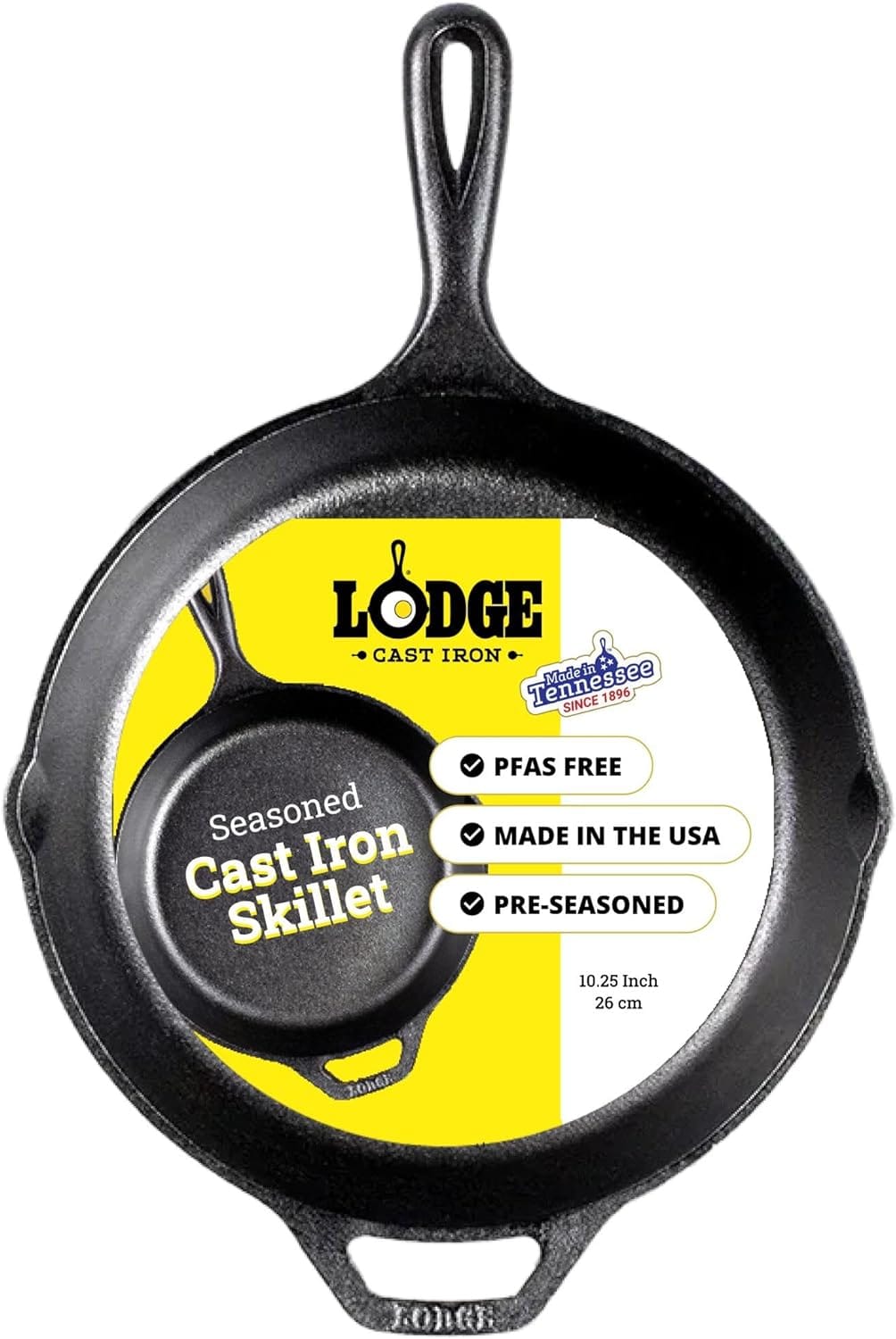
When it comes to practical stuff that makes a real difference, my trusty cast iron skillet is non-negotiable for this sauce. The heavy bottom holds and distributes heat so evenly, which is my secret weapon for the ‘low and slow’ garlic rule. It lets me toast the garlic to fragrant perfection without ever burning it. For a delicate sauce where temperature control is everything, this pan is my most valuable player.
If you want to nail this sauce and countless others, a quality cast iron skillet is a must-have. You can check out the exact one I’ve been using for years right here.
Lodge 10.25 Inch Cast Iron Skillet with Assist Handle
✓ prime
We earn a commission if you make a purchase, at no additional cost to you.
Over the years, you learn a few things just by doing them over and over. These aren’t fancy chef secrets, just practical stuff that makes a difference.
- The Garlic Rule: Low and Slow. I can’t say this enough. The biggest mistake people make with garlic is cooking it too hot, too fast. It burns in a heartbeat and turns bitter, ruining the whole sauce. Start it in butter that’s just melted, not sizzling hot. Keep the heat on medium-low. You’re just waking it up, not trying to fry it. The second you smell that beautiful, sweet garlic aroma, you’re ready for the next step.
- Pasta Water is Liquid Gold. Never, ever dump all your pasta water down the drain without saving a cup first. When you add that starchy, salty water to your pan sauce, it does two magical things. It helps the cream and butter stick to the pasta instead of sliding off, and it helps thicken the sauce without adding more cream or flour. It’s the old-timer’s trick to a perfect sauce consistency.
- Zest Before You Juice. It sounds obvious, but I’ve forgotten a hundred times. It’s nearly impossible to get good zest from a lemon you’ve already squeezed. Zest the whole lemon first, right over the pan if you can, to catch all the fragrant oils. Then, cut it in half and juice it. You get so much more flavor that way.
- Don’t Drown the Ravioli. This is meant to be a light sauce that coats the pasta, not a soup that the ravioli swim in. When you transfer the ravioli to the skillet, use a slotted spoon. This gives you control. You can then add just enough pasta water to get the consistency you want. You want every piece of ravioli to be glazed with sauce, not swimming.
- Taste at Every Stage. A recipe is a map, not a GPS. Your ingredients are different from mine. Your lemon might be more or less sour. Your salt might be saltier. Taste the sauce after you add the wine. Taste it after you add the cream. And most importantly, taste it right before you serve. That final adjustment of salt or lemon is what makes it your own.
Common Mistakes to Avoid
I’ve made all of these myself, probably more than once. Here’s how to sidestep them.
- Boiling the Cream Sauce. Heavy cream can be fussy. If you let a cream sauce come to a hard boil, it can separate or curdle, getting a grainy texture. After you add the cream, keep the heat low. You’re looking for a gentle simmer, just a few lazy bubbles here and there. It’s about warming it through and letting it thicken slightly, not boiling it into submission.
- Overcooking the Ravioli. Fresh ravioli cooks incredibly fast. If the package says 3-5 minutes, start checking at 3. The moment they float to the surface, they’re usually done or very close. Overcooked ravioli gets waterlogged and mushy, and even worse, the delicate filling can burst out into the water. You want them tender but with a slight bite (al dente, as they say).
- Forgetting to Salt the Pasta Water. This is your one and only chance to season the pasta itself. If you cook pasta in plain water, it will always taste bland, no matter how good your sauce is. The water should be generously salted. It feels like a lot, but most of it goes down the drain. What’s left behind makes all the difference in the final dish. This is non-negotiable for any good pasta, but especially for a simple Lobster Ravioli Sauce where every element counts.
- A Heavy Hand with the Lemon. Lemon is here to brighten things up and cut through the richness of the butter and cream, but it’s not the main flavor. It’s easy to go overboard. Add the juice of half a lemon first, stir it in, and taste. You can always add more, but you can’t take it out. You’re looking for a background note of brightness, not a sour punch.
Variations and Serving Ideas
Once you have the basic sauce down, you can play with it. This is home cooking, after all.
A Few Variations:
- Add Some Veggies: For a more complete meal, you can add vegetables right into the sauce. A handful of fresh spinach or arugula tossed in at the very end will wilt down in seconds. You could also add some sautéed mushrooms, sun-dried tomatoes (the kind in oil, chopped), or some sweet green peas.
- Make it a Little Heartier: If you have some leftover cooked shrimp or scallops, you can gently warm them through in the sauce for the last minute of cooking. It turns a simple ravioli dish into a full-on seafood pasta.
- Change Up the Herbs: While parsley is classic, fresh chives or a little bit of tarragon can give the sauce a different, delicious character. Tarragon has a light anise flavor that is beautiful with lobster.
- Use Shallots: If you want a slightly sweeter, more delicate flavor than garlic, try using one finely minced shallot instead. Cook it in the butter just like you would the garlic.
Ideas for Serving:
- When you plate it, add another sprinkle of fresh parsley and a little more black pepper.
- A dusting of finely grated Parmesan cheese is great, too. I know some people say cheese and seafood don’t mix, but I say if it tastes good, do it.
- For a final touch of richness, a small drizzle of a really good quality extra virgin olive oil over the top right before serving is fantastic.
What to Serve With
This dish feels fancy, but it’s rich. If you’re planning a full seafood spread, it pairs beautifully with other mains like a creamy seafood stuffed salmon. For the ravioli itself, you want sides that are simple and fresh to balance out the richness.
- Crusty Bread: This is almost mandatory. You need something to mop up every last bit of that garlic butter cream sauce from the plate. A simple baguette or some garlic bread is perfect.
- A Simple Green Salad: A bowl of mixed greens, maybe some cherry tomatoes and cucumber, with a very light lemon vinaigrette. You don’t want a heavy, creamy dressing that will compete with the sauce.
- Roasted or Steamed Vegetables: Simple is best. Asparagus roasted with a little olive oil and salt, or steamed green beans with a squeeze of lemon. They add color and a fresh crunch to the meal.
- White Wine: A glass of the same crisp white wine you used in the sauce is the perfect pairing. It cleanses the palate and complements the flavors of the dish.
Storage and Reheating
Leftovers are great, but you have to handle them right, especially with a cream sauce and delicate pasta.
Storage:
Let the ravioli cool down a bit, then store it in an airtight container in the refrigerator. It’s best eaten within 2 days. Be aware that the pasta will continue to absorb the sauce as it sits, so the texture will be a little softer the next day. This isn’t a bad thing, just different.
Reheating:
Do not use the microwave. It will make the ravioli rubbery and can cause the cream sauce to separate and become oily. The best way to reheat is gently on the stovetop. Put the leftovers in a skillet over low heat. Add a splash of milk, cream, or even water to help loosen the sauce back up as it heats. Stir it very gently until it’s warmed through. Don’t let it boil. This method takes a few extra minutes but preserves the texture of the dish so much better.
FAQs (People Also Ask)
Can I make this sauce ahead of time?
Yes, you can. You can make the sauce through step 5 (after adding the cream and seasonings) and store it in the fridge for a day or two. When you’re ready to eat, gently reheat it in a skillet over low heat until it’s simmering, then proceed with cooking the ravioli and finishing the sauce with the lemon and parsley.
What can I use instead of white wine?
If you don’t cook with alcohol, you can substitute an equal amount of chicken broth or vegetable broth. To mimic the acidity of the wine, add an extra squeeze of fresh lemon juice at the end. It won’t be exactly the same, but it will still be a delicious Lobster Ravioli Sauce.
Can I use frozen lobster ravioli?
Absolutely. I use frozen ravioli all the time. There’s no need to thaw it first. Just add it directly to the boiling water from the freezer. It will likely need to cook for a minute or two longer than the package directions for fresh ravioli, so just keep an eye on it.
My sauce seems too thin. How can I thicken it?
The easiest way is to just let it simmer on low for a few more minutes; it will reduce and thicken naturally. The starch from the pasta water will also help thicken it when you combine everything. I would avoid adding flour or cornstarch as it can change the delicate texture of the sauce.
Is this a good sauce for other types of pasta?
It’s fantastic with other pastas! This simple garlic butter cream sauce is wonderful with long pastas like fettuccine or linguine, or even with shrimp or cheese tortellini. It’s a versatile sauce that really lets the main ingredient shine, making it a great recipe to keep in your back pocket.
Nutrition
Nutrition Facts
(Per serving. Estimates for sauce only, varies by exact ingredients used)
Conclusion
And that’s it. A simple, honest Lobster Ravioli Sauce that feels a little bit special. It’s a reminder that a good meal doesn’t need to be complicated. It just needs good ingredients and a little bit of care. I hope you make this in your kitchen and it brings you as much comfort as it brings to mine. Enjoy it.

Best Lobster Ravioli Sauce Recipe with Garlic Butter
Ingredients
- 1/2 cup (1 stick) unsalted butter
- 4-5 cloves garlic, minced
- 1/2 cup dry white wine (like Sauvignon Blanc)
- 3/4 cup heavy cream
- 1 lemon (zest and juice)
- 1/4 cup fresh parsley, chopped
- 1/4 teaspoon red pepper flakes (optional)
- Salt and freshly ground black pepper to taste
- 1 pound lobster ravioli, for serving
- 1/2 cup reserved pasta water
Instructions
- Bring a large, well-salted pot of water to a boil for the ravioli.
- In a large skillet over medium-low heat, melt the butter.
- Add the minced garlic and cook for 1-2 minutes until fragrant, being careful not to let it brown.
- Increase heat to medium, pour in the white wine, and let it simmer for 2-3 minutes until reduced by about half.
- Lower the heat to medium-low and stir in the heavy cream, salt, pepper, and optional red pepper flakes. Let it gently simmer while you cook the pasta.
- Cook the lobster ravioli in the boiling water according to package directions (usually 3-4 minutes for fresh).
- Just before the ravioli is done, stir the lemon zest and juice into the sauce. Taste and adjust seasoning.
- Using a slotted spoon, transfer the cooked ravioli directly into the skillet with the sauce. Add a splash of the reserved pasta water (about 1/4 cup) to help the sauce coat the pasta.
- Add the fresh parsley and gently toss everything to combine. Serve immediately.