Introduction
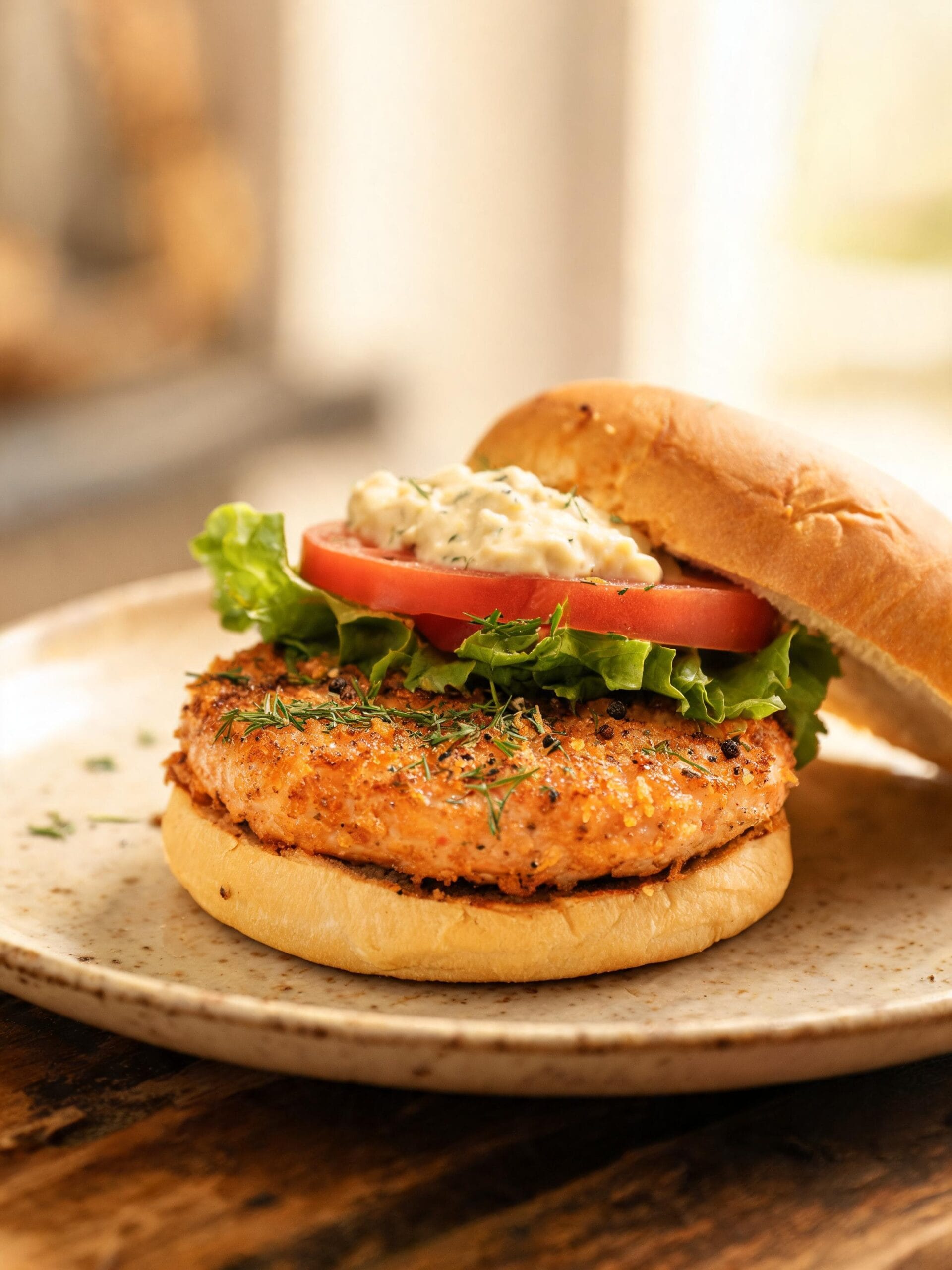
Look, I get it. You want a fantastic seafood meal without breaking the bank or spending all night in the kitchen. That’s where these Quick Canned Salmon Burgers come in. For twenty years, I’ve worked with the finest seafood, from fresh grilled pineapple teriyaki salmon to pantry staples, and I can tell you that a can of quality salmon is one of the most underrated ingredients. This recipe transforms that humble can into a juicy, flavorful burger that’s ready in about 30 minutes. It’s the perfect weeknight dinner, proving that budget-friendly can be incredibly delicious. Forget dry, bland patties; we’re making a burger that’s moist on the inside, perfectly crisp on the outside, and packed with fresh, bright flavors that will make this a staple in your meal rotation.
Why You’ll Love This Recipe
- Incredibly Fast: From opening the can to serving the burger, you’re looking at about 30 minutes total. It’s the ideal solution for busy weeknights when you need a satisfying meal on the table quickly.
- Budget-Friendly Protein: Canned salmon offers an amazing bang for your buck. It provides high-quality protein and healthy Omega-3 fatty acids at a fraction of the cost of fresh salmon fillets.
- Simple and Foolproof: With basic pantry staples and a straightforward method, this recipe is accessible to cooks of all skill levels. There are no complicated techniques, just simple steps to a great meal.
Ingredients List
The key to a great salmon burger is using quality ingredients that enhance the fish, not overpower it. Here’s exactly what you’ll need for four perfect burgers.
For the Salmon Patties:
- Canned Salmon: 2 (6-ounce) cans of high-quality, wild-caught pink or sockeye salmon, skinless and boneless. The quality of your canned salmon is the single most important factor. Drain it extremely well.
- Panko Breadcrumbs: 3/4 cup. Panko breadcrumbs are Japanese-style breadcrumbs that are lighter and flakier than traditional ones, which guarantees a crispier crust.
- Large Egg: 1, lightly beaten. This is the primary binder that holds the patties together.
- Mayonnaise: 1/4 cup. Mayo adds essential moisture and richness, ensuring the burgers don’t dry out. Use a good quality, full-fat version.
- Dijon Mustard: 1 tablespoon. Provides a sharp, tangy counterpoint to the rich salmon.
- Fresh Dill: 2 tablespoons, finely chopped. Salmon and dill are a classic pairing for a reason; its fresh, slightly anise-like flavor is the perfect herbal note.
- Lemon: 1 teaspoon of zest and 1 tablespoon of fresh juice. The zest adds bright, aromatic oils, and the juice cuts through the richness.
- Shallot: 1 small shallot (about 2 tablespoons), minced very fine. Shallots offer a delicate, less aggressive onion flavor that won’t overwhelm the fish.
- Kosher Salt: 1/2 teaspoon.
- Black Pepper: 1/4 teaspoon, freshly ground.
For Cooking and Serving:
- Olive Oil or Avocado Oil: 2 tablespoons, for pan-searing.
- Brioche Buns: 4, toasted. The slight sweetness and soft texture of brioche buns complement the savory salmon perfectly.
- Toppings: Butter lettuce, sliced ripe tomatoes, red onion slices, and tartar sauce or a dill-caper aioli.
Step-by-Step Instructions
- Prep the Salmon: Open the cans of salmon and drain them thoroughly in a colander. Use the back of a spoon to press out as much liquid as possible. Excess water is the enemy of a firm burger patty. Transfer the drained salmon to a medium bowl and flake it apart with a fork.
- Combine Ingredients: To the bowl with the flaked salmon, add the panko breadcrumbs, beaten egg, mayonnaise, Dijon mustard, chopped dill, lemon zest, lemon juice, and minced shallot. Season with the kosher salt and freshly ground black pepper.
- Mix Gently: Using a fork or your hands, gently mix all the ingredients until they are just combined. Do not overwork the mixture. You want to see distinct flakes of salmon, not a uniform paste.
- Form and Chill the Patties: Divide the mixture into four equal portions. Gently form each portion into a patty that is about 3/4-inch thick. Place the formed patties on a plate or small baking sheet lined with parchment paper. Transfer them to the refrigerator to chill for at least 15-20 minutes. This step is crucial for helping the patties firm up and hold their shape during cooking.
- Cook the Burgers: Heat the olive oil in a large non-stick skillet or cast-iron pan over medium-high heat. The oil should shimmer before you add the patties. Carefully place the chilled patties in the hot pan, ensuring you don’t crowd them. Cook for 4-5 minutes per side, until they are deeply golden brown and crisp on the outside and cooked through.
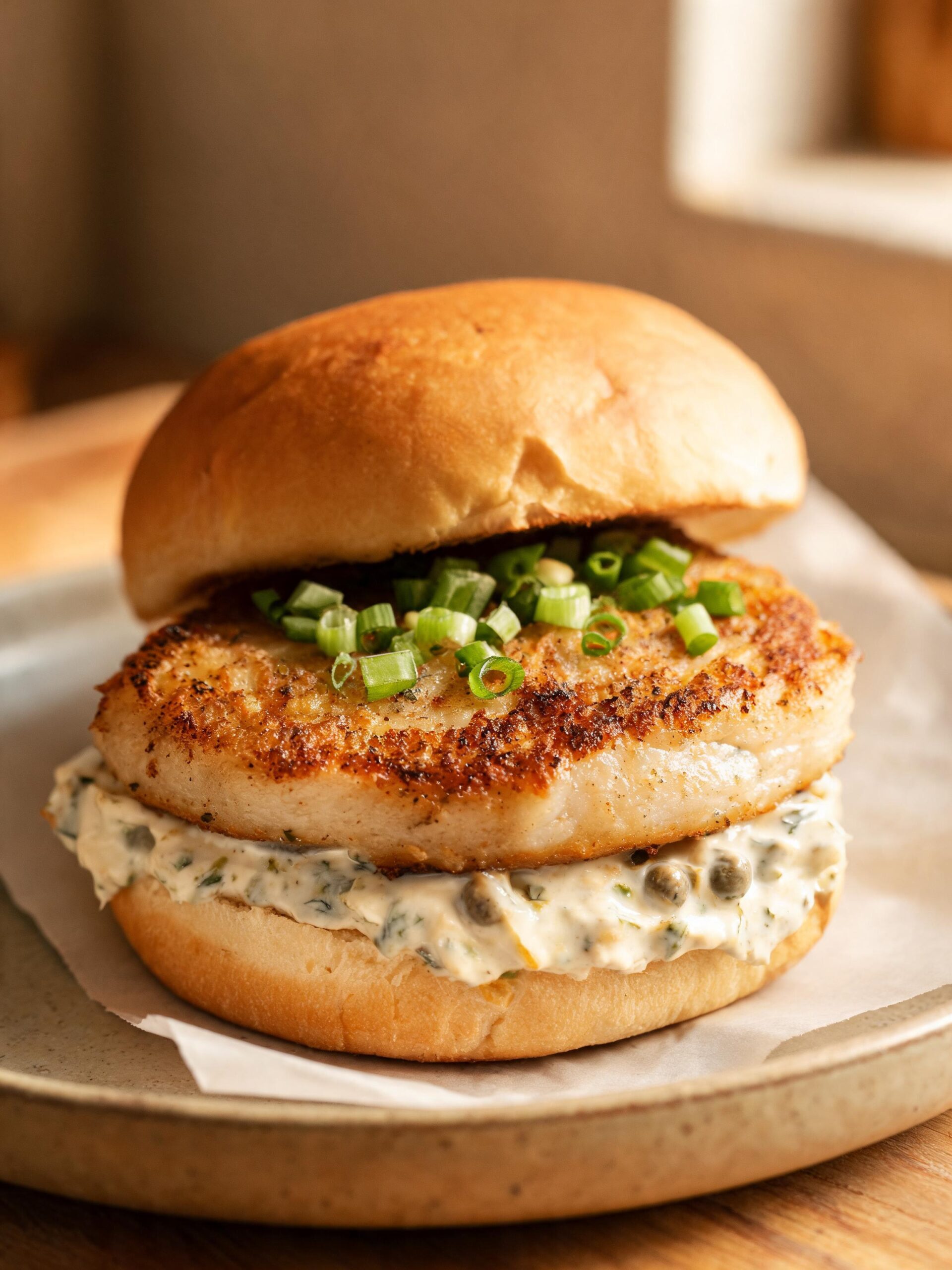
- Assemble and Serve: While the burgers cook, toast your brioche buns. Place the cooked salmon patties on the toasted buns and top with lettuce, tomato, and a generous spread of tartar sauce. Serve immediately.
Chef’s Pro Tips for Success
After years of working in professional kitchens, you learn the small details that elevate a simple dish. Perfecting your Quick Canned Salmon Burgers starts with understanding the ‘why’ behind the steps. Here are my non-negotiable tips.
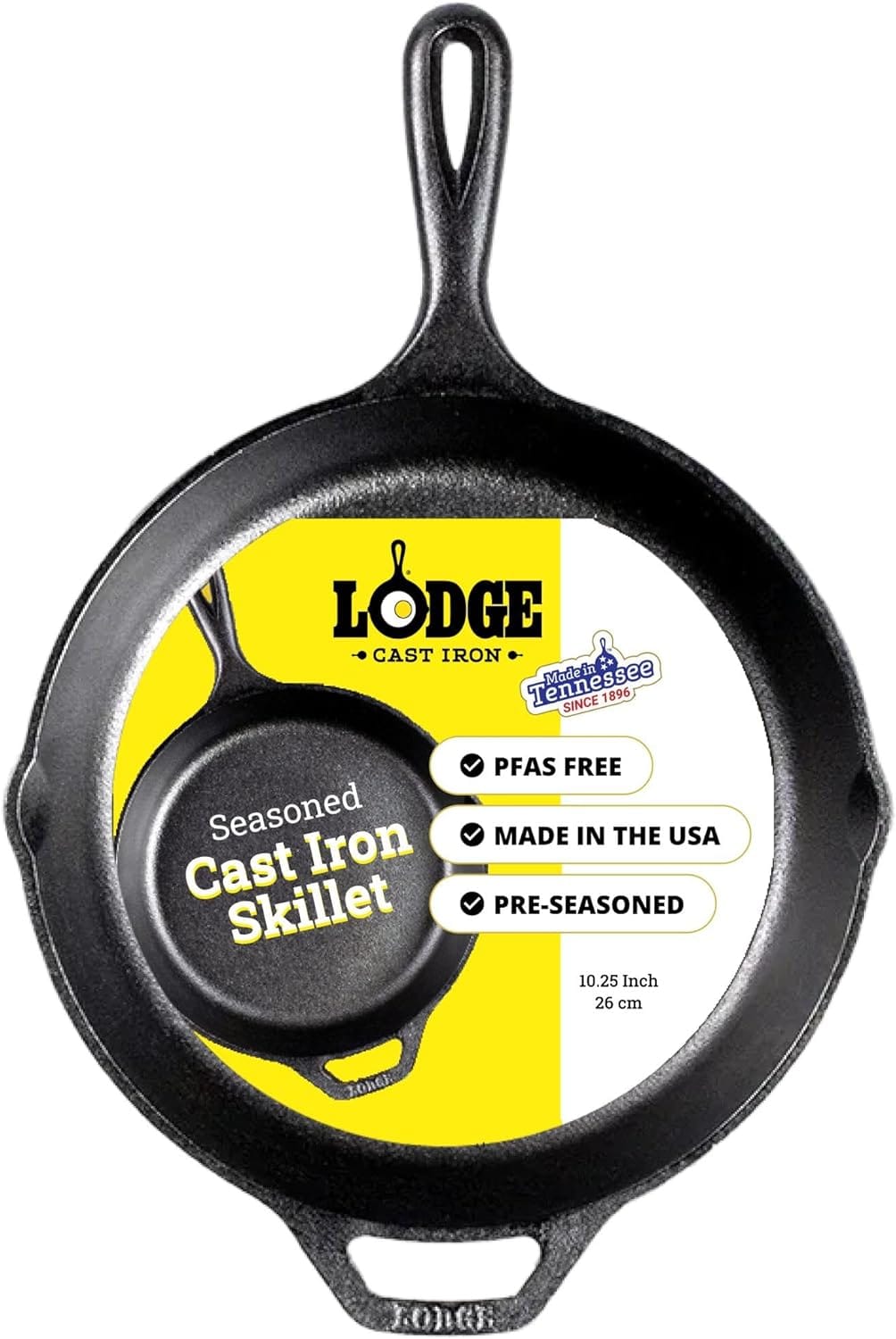
When I talk about getting the pan hot enough for that perfect Maillard reaction, I’m almost always reaching for my Lodge Cast Iron Skillet. Its incredible heat retention means that once it’s hot, it stays hot. This guarantees an immediate, aggressive sear that forms a beautiful, stable crust on these delicate salmon patties, preventing them from sticking or falling apart. It’s the single most reliable tool for achieving that non-negotiable crispiness we’re aiming for here.
If you want to take the guesswork out of getting a perfect crust, this is the pan to own.
Lodge 10.25 Inch Cast Iron Skillet with Assist Handle
✓ prime
We earn a commission if you make a purchase, at no additional cost to you.
- The Chill is Non-Negotiable: I cannot stress this enough. Chilling the patties for at least 15 minutes (or up to an hour) is the most critical step for success. The cold temperature solidifies the fats from the salmon and the mayonnaise, which firms up the entire patty. When a cold patty hits a hot pan, the exterior immediately begins to form a crust before the interior has a chance to warm up and fall apart. Skipping this step is the number one reason for crumbly burgers.
- Master the Moisture Balance: The difference between a juicy burger and a soggy mess is moisture management. Start by pressing every last drop of water out of the canned salmon. Then, consider your binders. The egg and mayonnaise provide necessary moisture and fat. If your mixture feels overly wet and won’t hold a shape, add another tablespoon of panko. If it feels dry and crumbly, add another teaspoon of mayonnaise. The ideal texture is similar to a meatloaf mix—it should hold together when pressed but not feel sticky or waterlogged.
- Don’t Overmix the Mixture: Treat the salmon mixture like a delicate crab cake, not ground beef. When you overmix, you break down the beautiful flakes of salmon into a mushy paste. This results in a dense, rubbery texture. Use a fork or your hands to gently fold the ingredients together only until they are evenly distributed. You should still be able to see flakes of fish throughout the patty.
- Get Your Pan Hot Enough: A timid pan will not give you a good crust. You need to cook these burgers on medium-high heat. The oil should be shimmering, almost at the point of smoking. This high heat creates a rapid sear, known as the Maillard reaction, which develops a deep golden-brown, flavorful crust. This crust not only tastes great but also provides structural integrity, locking in the moisture and preventing the burger from sticking.
- Panko is Paramount for Crispiness: While you can use regular breadcrumbs in a pinch, panko is superior for this application. The large, airy, irregular flakes of panko don’t absorb as much grease as fine breadcrumbs. This means they fry up lighter and create a noticeably crispier, more delicate crust that provides a fantastic textural contrast to the tender salmon inside.
Common Mistakes to Avoid
A few common missteps can take this recipe from great to frustrating. Here’s what to watch out for. A common pitfall when making Quick Canned Salmon Burgers is related to heat and moisture control.
- The Soggy Patty Syndrome (Insufficient Draining): You followed the recipe, but your patties are mushy and won’t form properly. The culprit is almost always excess liquid from the salmon can. Simply opening the can and pouring out the water isn’t enough. You must physically press the salmon in a fine-mesh sieve or colander to expel the hidden moisture. This liquid turns to steam in the pan, preventing a good sear and creating a soft, unappealing texture.
- The Mid-Flip Disaster (Skipping the Chill): You carefully place your beautifully formed patty in the pan, and the moment you try to flip it, it crumbles into a pile of salmon hash. This happens because the binders (egg and mayo) haven’t had time to set and firm up the mixture. The chilling step is a chemical and physical process that solidifies the patty, making it robust enough to withstand the heat and the spatula.
- The Pale and Steamed Burger (Crowding the Pan): You’re in a hurry, so you squeeze all four patties into the skillet. Instead of a sizzle, you hear a sad hiss. By overcrowding the pan, you drop the temperature of the oil too quickly. This causes the patties to steam in their own moisture rather than sear. The result is a grayish, soft exterior with no crispy crust. Always cook in batches if your pan isn’t large enough, leaving at least an inch of space between each patty.
- The Greasy Burger (Using Too Much Oil or Low Heat): Your cooked burger is saturated with oil. This can be caused by two things. First, using too much oil. You only need a thin, even layer to coat the bottom of the pan. Second, and more commonly, your pan wasn’t hot enough. If the heat is too low, the patty sits in the oil and absorbs it like a sponge instead of searing instantly on contact. A properly heated pan cooks the burger quickly, creating a crust that prevents excessive oil absorption.
Variations and Serving Ideas
These Quick Canned Salmon Burgers are a fantastic base for creativity. Once you have the basic technique down, you can easily adapt the flavor profile.
- Spicy Sriracha Salmon Burgers: Add 1-2 teaspoons of sriracha or another chili-garlic sauce to the salmon mixture. Serve with a spicy mayo (mayonnaise mixed with sriracha and a squeeze of lime juice) and some pickled jalapeños for an extra kick.
- Mediterranean-Style Burgers: Swap the dill for fresh oregano. Add 2 tablespoons of chopped Kalamata olives, 1 tablespoon of capers, and 2 tablespoons of crumbled feta cheese to the mixture. Serve on a pita with tzatziki sauce, cucumber, and red onion.
- Smoky Chipotle Salmon Burgers: Add 1 teaspoon of smoked paprika and 1/2 teaspoon of chipotle powder to the mix for a deep, smoky flavor. A minced chipotle pepper in adobo sauce can also be added for more heat. Serve with an avocado crema and a slice of pepper jack cheese.
- Make it Low-Carb/Keto: Omit the panko breadcrumbs and substitute with 1/4 cup of almond flour or crushed pork rinds as a binder. Serve the patty in a lettuce wrap or on top of a bed of mixed greens with a lemon-dill vinaigrette instead of on a bun.
What to Serve With
A great burger deserves great sides. While salmon is a versatile fish that’s great for everything from burgers to a healthy breakfast toast, pairing these patties correctly is key. Here are some classic and more creative pairings that work beautifully with their flavor:
- Classic Sides: You can’t go wrong with crispy sweet potato fries, classic French fries, or onion rings. A creamy, tangy coleslaw also provides a refreshing crunch that cuts through the richness of the burger.
- Fresh Salads: A simple arugula salad with a lemon vinaigrette is a light and peppery counterpoint. A cucumber and tomato salad with a dill dressing also complements the flavors in the burger perfectly.
- Roasted Vegetables: For a healthier option, serve the burgers alongside roasted asparagus with lemon and parmesan or roasted broccoli with garlic.
Storage and Reheating
Proper storage is key to enjoying leftovers. Here’s how to handle it:
- Storing Cooked Patties: Allow the cooked salmon patties to cool completely to room temperature. Store them in an airtight container in the refrigerator for up to 3 days. Placing a small piece of parchment paper between patties can prevent them from sticking together.
- Storing Uncooked Patties: You can form the patties and store them, uncooked, in an airtight container in the refrigerator for up to 24 hours. This is a great way to prep ahead for an even faster meal.
- Reheating: The goal of reheating is to warm the patty through while re-crisping the exterior. The microwave is your enemy here; it will make them rubbery. The best method is to heat a teaspoon of oil in a skillet over medium heat and pan-fry the patties for 2-3 minutes per side. An air fryer also works wonders—reheat at 375°F (190°C) for 4-6 minutes.
FAQs (People Also Ask)
Here are answers to some of the most common questions I get about this recipe.
- 1. Can I bake these Quick Canned Salmon Burgers instead of pan-frying?
- Absolutely. Baking is a great, healthier alternative. Preheat your oven to 400°F (200°C). Place the chilled patties on a baking sheet lined with parchment paper and lightly spray the tops with cooking spray. Bake for 15-20 minutes, flipping halfway through, until they are golden brown and firm to the touch. They won’t be quite as crispy as the pan-fried version, but they will be delicious.
- 2. Can I freeze the salmon patties?
- Yes, they freeze beautifully. You can freeze them either cooked or uncooked. For uncooked patties, place the formed patties on a parchment-lined baking sheet and freeze until solid. Then, transfer them to a freezer bag, separating them with parchment paper. They will last for up to 3 months. Cook from frozen, adding a few extra minutes to the cooking time. For cooked patties, let them cool completely before freezing in the same manner.
- 3. My patties are still falling apart. What else could be wrong?
- If you’ve drained the salmon well and chilled the patties, the issue might be the binder ratio. Different brands of canned salmon can have varying moisture levels. Your egg might have been slightly smaller. The fix is simple: if the mix feels too wet, add more panko one tablespoon at a time. If it’s too dry and crumbly, add a bit more mayonnaise. The mixture should easily hold its shape when you form the patty.
- 4. What is the best type of canned salmon to use?
- I recommend wild-caught Alaskan Pink or Sockeye salmon. Sockeye has a richer, more pronounced flavor and a deeper red color, while Pink salmon is milder and more delicate. Both work great. The most important thing is to choose a brand that offers skinless and boneless salmon for convenience and a cleaner final product.
- 5. Can I use fresh cooked salmon instead of canned?
- Yes, you can. If you have leftover cooked salmon, this is a fantastic way to use it. You’ll need about 1.5 cups of flaked, cooked salmon to equal two 6-ounce cans. Simply flake the cooked salmon and proceed with the recipe as written. The flavor will be slightly different but equally delicious.
Nutrition
Nutrition Facts
(Per serving. Estimates only, varies by exact ingredients used)
Conclusion
There you have it—a simple, delicious, and reliable recipe that proves pantry staples can create something special. I hope you enjoy making these Quick Canned Salmon Burgers as much as I do. It’s a meal that delivers on flavor without demanding too much of your time or budget. Give it a try, and I guarantee it’ll earn a permanent spot in your weeknight dinner lineup. Happy cooking.
Best Canned Salmon Recipes | Budget-Friendly Burger
Ingredients
- 2 (6-ounce) cans high-quality wild-caught pink or sockeye salmon, drained well
- 3/4 cup Panko breadcrumbs
- 1 large egg, lightly beaten
- 1/4 cup mayonnaise
- 1 tablespoon Dijon mustard
- 2 tablespoons fresh dill, finely chopped
- 1 teaspoon lemon zest
- 1 tablespoon fresh lemon juice
- 1 small shallot, minced (about 2 tablespoons)
- 1/2 teaspoon Kosher salt
- 1/4 teaspoon freshly ground black pepper
- 2 tablespoons olive oil, for cooking
- 4 brioche buns, for serving
- Lettuce, tomato, and tartar sauce for topping
Instructions
- Drain the canned salmon thoroughly, pressing out all excess liquid. Transfer to a bowl and flake with a fork.
- Add panko, egg, mayonnaise, Dijon mustard, dill, lemon zest, lemon juice, shallot, salt, and pepper to the salmon.
- Gently mix until just combined. Do not overwork the mixture.
- Divide the mixture into four equal portions and form into 3/4-inch thick patties.
- Place patties on a parchment-lined plate and chill in the refrigerator for at least 15-20 minutes to firm up.
- Heat olive oil in a large non-stick skillet over medium-high heat. Cook the patties for 4-5 minutes per side until golden brown and cooked through.
- Serve immediately on toasted brioche buns with your favorite toppings.