Introduction
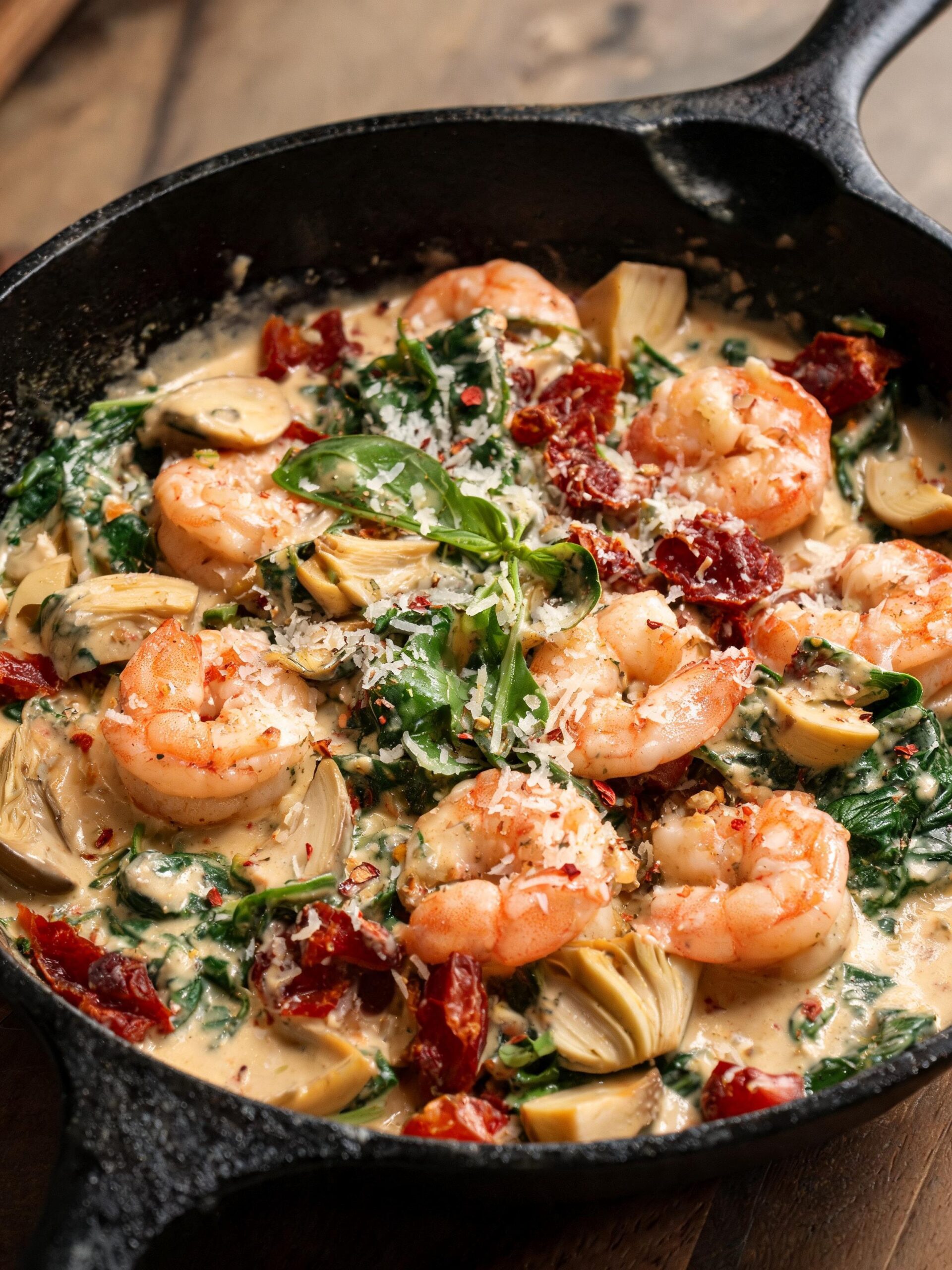
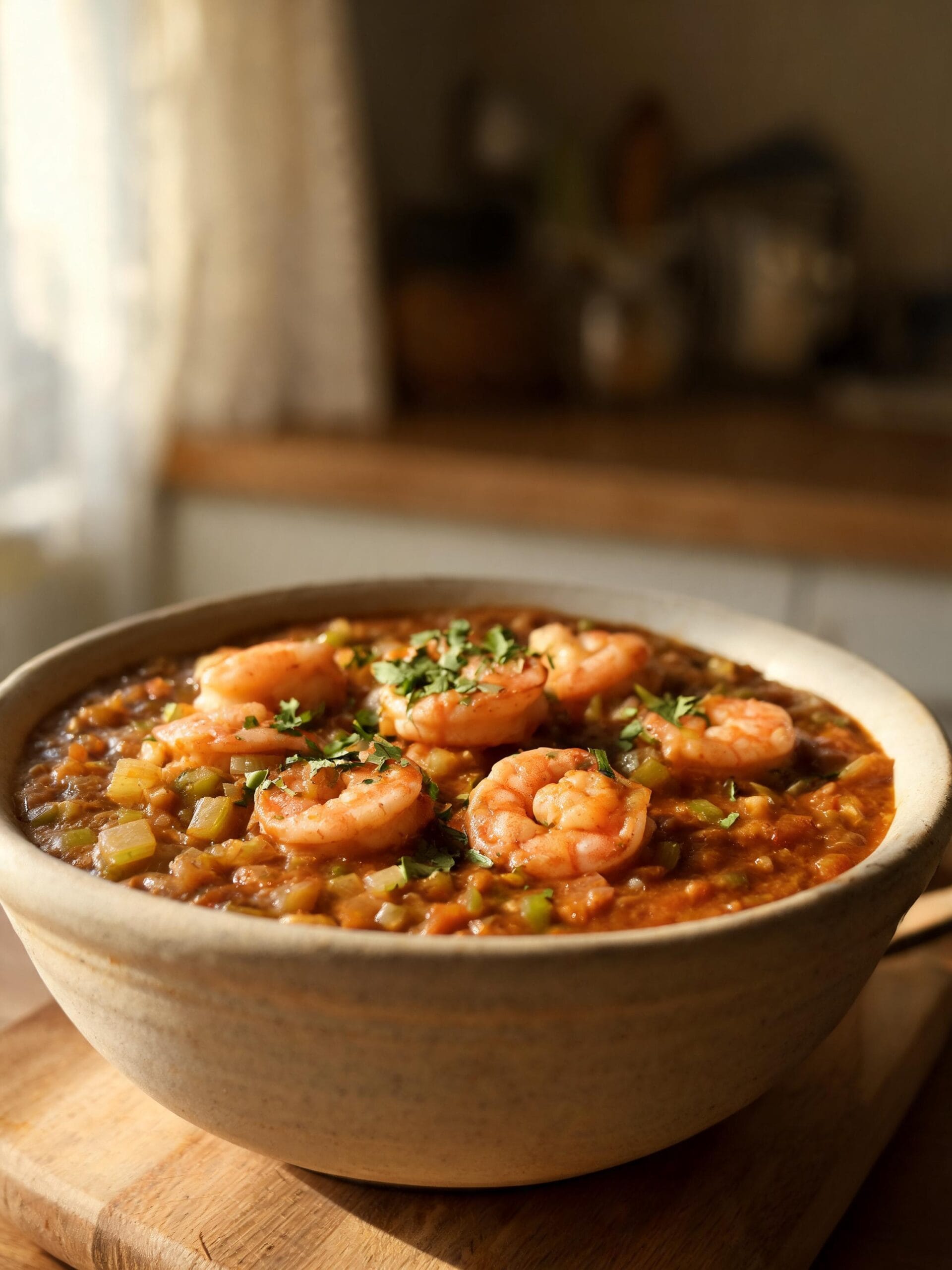
There’s a specific kind of cold that rolls in off the Gulf in late October. Not the brutal kind — just that damp, heavy chill that makes you want something warm sitting in a bowl on your lap. That’s the first time I really made Shrimp Étouffée: A Classic Cajun Comfort Dish from scratch. Not from a box or a restaurant, but a true coastal classic, much like our Best Baked Lobster Recipe. It was just me, a bag of fresh Gulf shrimp I’d picked up that morning, and my grandmother’s cast iron pan that’s been seasoned so long it practically cooks things on its own.
I’d eaten étouffée a hundred times growing up near the coast. It was always just there — at fish fries, at family tables, at little roadside spots with screen doors. But making it yourself? That’s a different thing entirely. The butter hits the pan and the whole kitchen smells like something good is about to happen.
This easy homemade étouffée isn’t complicated. It’s actually one of the most forgiving things I cook. You don’t need to be fancy. You just need to pay attention and not rush the onions.
Why You’ll Love This Recipe
- It comes together in under 40 minutes — real weeknight territory, even on a tired Tuesday.
- The flavor is deep and buttery and a little spicy, the kind that makes people ask what you put in it like you’ve got some secret.
- You only need one pan and ingredients most coastal kitchens already have sitting around.
Quick Recipe Snapshot
At a Glance
| Prep Time | 15 minutes |
| Cook Time | 20 minutes |
| Total Time | 35 minutes |
| Servings | 4 |
| Difficulty | Easy — beginner friendly |
| Best For | Weeknight dinner, cold nights, comfort meals |
Ingredients List
For the base:
- 4 tablespoons unsalted butter — real butter matters here, this is what makes the whole thing silky
- 1 cup yellow onion, finely diced
- ½ cup celery, diced — part of the holy trinity, don’t skip it
- ½ cup green bell pepper, diced
- 4 cloves garlic, minced
- 2 tablespoons all-purpose flour — just enough to thicken things up slowly
- 1 cup shrimp stock or chicken broth — shrimp stock if you have it, it deepens everything
- 1 can (14.5 oz) diced tomatoes, drained
Seasoning:
- 1½ teaspoons Cajun seasoning
- ½ teaspoon smoked paprika
- ¼ teaspoon cayenne pepper — adjust to your heat comfort
- ½ teaspoon dried thyme
- Salt and black pepper to taste
The shrimp:
- 1½ pounds large shrimp, peeled and deveined — fresh Gulf shrimp if you can get them
- 2 tablespoons fresh parsley, chopped
- 2 green onions, sliced thin
- Cooked white rice for serving
Step-by-Step Instructions
- Melt the butter in a large heavy skillet or Dutch oven over medium heat. Don’t rush this — let it melt slow and start to foam just a little.
- Add the onion, celery, and bell pepper. Cook them down for about 8 minutes, stirring every now and then. You want them soft and slightly golden at the edges. This is where the flavor starts building, so don’t cut this step short.
- Stir in the garlic and cook for another minute until it smells good. Just one minute — garlic burns fast and burnt garlic is bitter in a way that doesn’t come back from.
- Sprinkle the flour over the vegetables and stir it in. Cook that mixture for about 2 minutes, stirring constantly. It’ll look a little pasty — that’s right. You’re making a quick roux right there in the pan.
- Slowly pour in the shrimp stock while stirring. Add the drained tomatoes. Stir everything together and let it come up to a gentle simmer. It should start thickening within a few minutes.
- Add the Cajun seasoning, smoked paprika, cayenne, thyme, salt, and pepper. Taste it. Adjust. This is the moment to get the seasoning where you want it before the shrimp go in.
- Add the shrimp in a single layer if you can. Cook them for 3 to 4 minutes, just until they’re pink and curled. Pull the pan off the heat the second they look done — they keep cooking in that hot sauce even after the burner is off. (I’ve overcooked shrimp more times than I want to admit by leaving them one minute too long.)
- Scatter the parsley and green onions over the top. Serve over white rice immediately.
Chef’s Pro Tips for Success
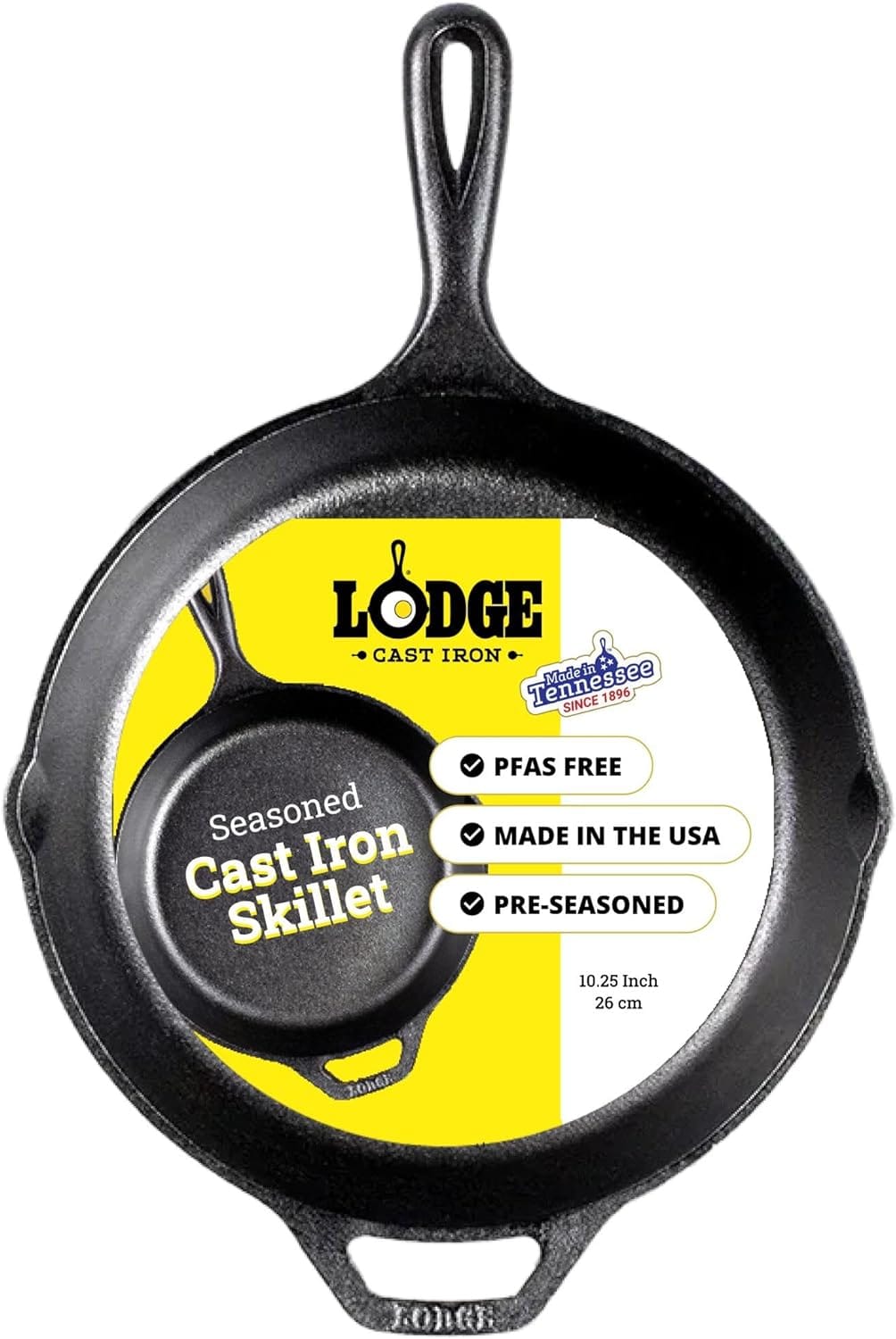
I mentioned my grandmother’s pan earlier, and the truth is, nothing builds that deep, soulful flavor for étouffée quite like a seasoned cast iron skillet. The heavy bottom distributes heat perfectly evenly, which is the secret to sweating down the onions, celery, and bell pepper nice and slow without scorching them. When it’s time to sear the shrimp, that same steady heat gives you complete control for a perfect cook. If you don’t have a reliable one in your kitchen, this is the exact skillet I trust to get the job done right every single time.
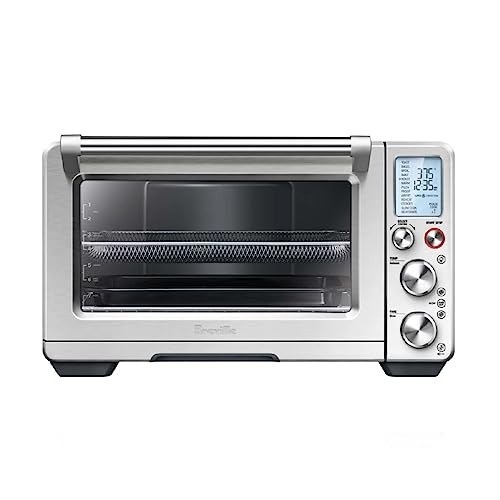
Check out the classic Lodge skillet I use on Amazon and see why it’s an essential for any serious cook.
Lodge 10.25 Inch Cast Iron Skillet with Assist Handle
✓ prime
We earn a commission if you make a purchase, at no additional cost to you.
The butter and the vegetables need time together. I know it feels like you should move faster, but those 8 minutes of cooking down the onion, celery, and pepper is what gives étouffée that deep, almost sweet base. Every time I’ve rushed it, the dish tastes flat. Every time I let it go slow, it tastes like something.
If you’re using frozen shrimp — which I do half the time, honestly — thaw them completely and pat them dry before they go in the pan. Wet shrimp steam instead of cook in the sauce, and you end up with this watery texture that kind of ruins the whole thing.
Don’t skip tasting the sauce before the shrimp go in. Cajun seasoning brands vary wildly in salt content. Some are mild, some will knock you sideways. Taste first, season after.
Shrimp stock is worth making if you peel your own shrimp. Just simmer the shells with a little onion and water for 20 minutes. It adds something to the sauce that broth just doesn’t quite replicate — a little more depth, a little more of that coastal smell.
The sauce will look thin when you first add the stock. Give it 5 minutes of simmering and it tightens up. Don’t add more flour in a panic — just let it go.
Common Mistakes to Avoid
Overcooking the shrimp is the big one. They only need 3 to 4 minutes. Once they curl into a C shape and turn fully pink, they’re done. If they curl into a tight O shape, they’ve gone too far and they’ll be rubbery. It’s a small window but once you see it a couple of times, you’ll know it.
Using margarine instead of real butter. I understand why people do it but the sauce just doesn’t come together the same way. The fat content in real butter is what makes the étouffée feel rich and coat the rice properly.
Dumping all the seasoning in at the start and never tasting again. Seasoning builds as it cooks. What tastes right at the beginning might be too salty or too spicy by the time it’s done. Taste near the end and adjust.
Adding the shrimp too early. I’ve done this when I was distracted — threw them in while the sauce was still thin and watery, then had to keep cooking to thicken it, and by that point the shrimp were overcooked and sad. Get the sauce right first, then add the shrimp last.
Variations and Serving Ideas
For a spicy version, double the cayenne and add a few dashes of hot sauce right into the sauce while it simmers. Some people also add a sliced jalapeño with the holy trinity vegetables at the start — that slow heat builds differently than just adding hot sauce at the end.
If you want something milder — maybe you’re cooking for kids or someone who doesn’t do heat — just leave out the cayenne entirely and use a mild Cajun seasoning. It still tastes like étouffée, just gentler. The butter and the vegetables carry the flavor without the kick.
For a coastal twist, try adding a handful of lump crab meat in the last minute of cooking alongside the shrimp. It doesn’t need long — just enough to warm through. That combination is something else entirely. Rich and sweet and very much like something you’d eat at a table ten feet from the water.
What to Serve With
White rice is non-negotiable for me. Long grain, cooked plain, slightly sticky. The étouffée soaks into it and every bite has that sauce-to-rice ratio that makes the whole thing work.
A simple green salad with something acidic — lemon vinaigrette, maybe some sliced tomatoes — cuts through the richness nicely. The meal is buttery and heavy, unlike a lighter dish such as our easy weeknight baked cod, so you want something fresh alongside it.
Crusty French bread for soaking up what’s left in the bowl. Always. Don’t skip the bread.
If you want to go full coastal table, a side of coleslaw — the creamy kind with a little vinegar — works really well against the warm spice of the étouffée. Cold and crunchy next to hot and silky is a good combination.
Storage and Reheating
Let it cool completely before putting it in a container. Store it in the fridge for up to 2 days. The sauce actually tastes better the next day — it settles and deepens overnight.
To reheat, do it low and slow on the stovetop with a splash of broth or water to loosen it back up. Stir gently. DO NOT blast it on high heat — the shrimp will overcook and turn rubbery all over again.
DO NOT microwave on full power. If you have to microwave, do it at 50% power in short bursts, stirring between each one.
DO NOT freeze étouffée with the shrimp already in it. Shrimp texture after freezing and reheating is not great — they get mealy and strange. If you want to freeze it, freeze the sauce base only and add fresh shrimp when you reheat.
FAQs (People Also Ask)
Can I use frozen shrimp instead of fresh?
Yes, absolutely. Just thaw them fully under cold running water, peel, devein, and pat them dry before adding to the sauce. Frozen Gulf shrimp work really well here and that’s what I use most of the time.
How long does étouffée keep in the fridge?
Up to 2 days in an airtight container. After that the shrimp start to get soft in a way that isn’t pleasant. It’s best eaten the day of or the day after.
How do I know when the shrimp are done?
They’ll be fully pink with no gray left and they’ll curl into a loose C shape. That’s the sweet spot. If they curl tight like a little O, they’ve gone a minute too long.
Is this recipe hard to make?
Honestly, no. It’s one of the more beginner-friendly things I make. The steps are simple and the timing is forgiving as long as you don’t rush the vegetables at the start and don’t overcook the shrimp at the end. Total time is about 35 minutes.
Can I substitute the shrimp with something else?
You can use crawfish tails instead — that’s actually the more traditional version in a lot of Louisiana homes. Chunks of firm white fish like catfish also work, though the cooking time changes slightly. Scallops are good too but they cook even faster than shrimp so watch them closely.
Do I need shrimp stock or can I use something else?
Chicken broth works fine. It won’t have that same seafood depth but the Cajun seasoning and vegetables carry the flavor well enough. Vegetable broth also works if that’s what you have.
Nutrition
Nutrition Facts
(Per serving. Estimates only, varies by exact ingredients used)
Conclusion
Every time I make this, I end up thinking about that October evening on the Gulf coast — the cold coming in off the water, the butter going into the pan, the whole kitchen warming up around me. There’s something about étouffée that feels like it belongs to a specific kind of place and a specific kind of people. Coastal people. People who cook because they caught something and they want to do right by it.
You don’t need to be from Louisiana to make this well. You just need to slow down a little, let the vegetables do their thing, and not walk away when the shrimp go in. That’s really all there is to it.
Shrimp Étouffée: A Classic Cajun Comfort Dish
Ingredients
- 4 tablespoons unsalted butter
- 1 cup yellow onion, finely diced
- ½ cup celery, diced
- ½ cup green bell pepper, diced
- 4 cloves garlic, minced
- 2 tablespoons all-purpose flour
- 1 cup shrimp stock or chicken broth
- 1 can (14.5 oz) diced tomatoes, drained
- 1½ teaspoons Cajun seasoning
- ½ teaspoon smoked paprika
- ¼ teaspoon cayenne pepper
- ½ teaspoon dried thyme
- Salt and black pepper to taste
- 1½ pounds large shrimp, peeled and deveined
- 2 tablespoons fresh parsley, chopped
- 2 green onions, sliced thin
- Cooked white rice for serving
Instructions
- Melt the butter in a large heavy skillet or Dutch oven over medium heat until foamy.
- Add the onion, celery, and bell pepper. Cook for 8 minutes, stirring occasionally, until soft and lightly golden.
- Stir in the garlic and cook for 1 minute until fragrant.
- Sprinkle the flour over the vegetables and stir constantly for 2 minutes to form a quick roux.
- Slowly pour in the shrimp stock while stirring, then add the drained tomatoes. Simmer until the sauce thickens, about 4 to 5 minutes.
- Add the Cajun seasoning, smoked paprika, cayenne, thyme, salt, and pepper. Taste and adjust seasoning.
- Add the shrimp in a single layer and cook for 3 to 4 minutes until pink and curled into a C shape. Remove from heat immediately.
- Top with fresh parsley and green onions. Serve over white rice.