Introduction
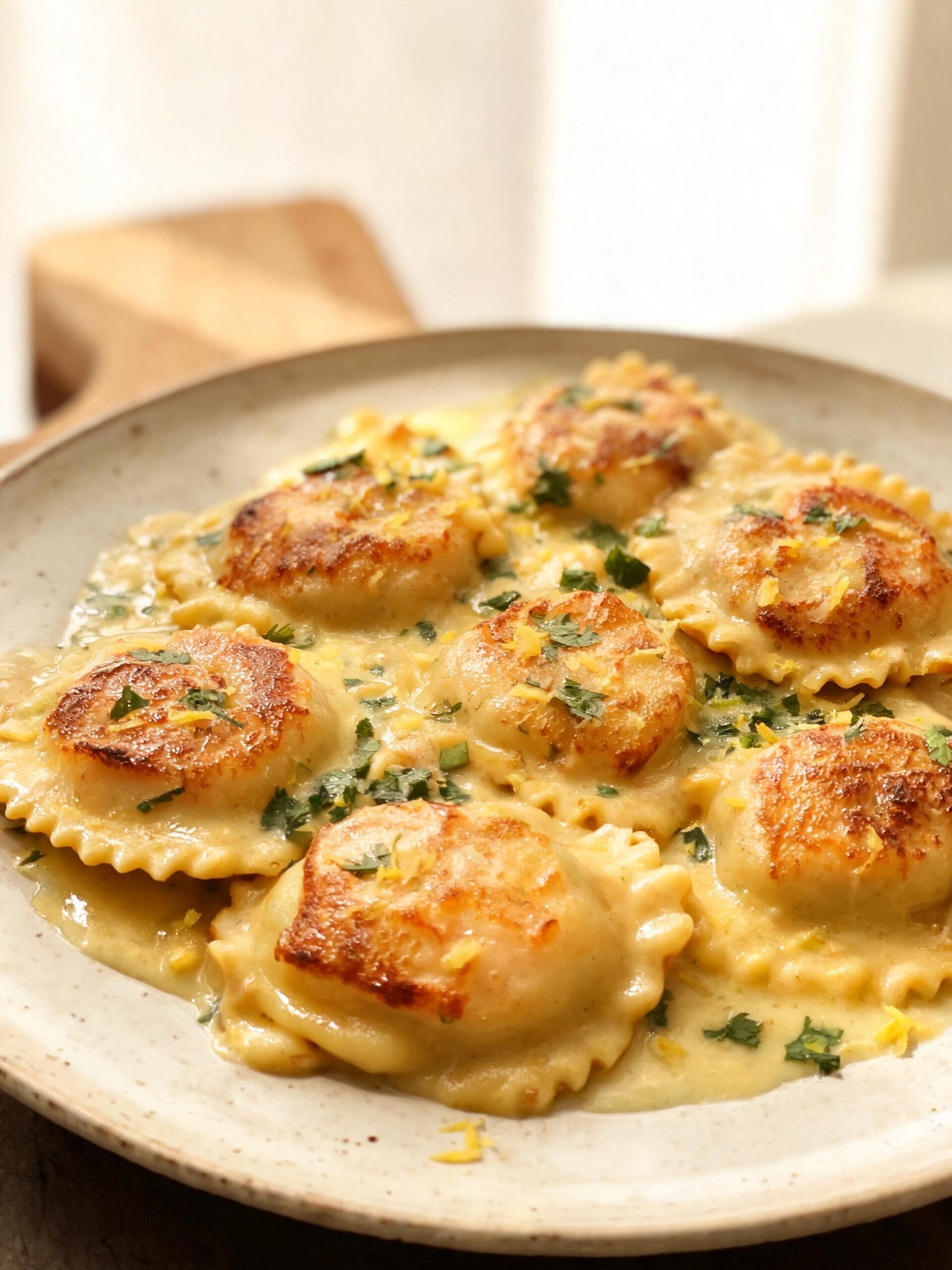
Some meals feel like a memory before you’ve even finished the last bite. For me, this is one of them. This recipe for The Best Lobster Ravioli with Lemon Butter Sauce isn’t something I learned in a class; it’s something born from cold nights on the coast, the smell of salt in the air, and the simple need for a meal that feels like a warm blanket. It started with a friend who works the lobster boats, dropping off a bag of leftover knuckle and claw meat. It wasn’t enough for a big boil, but it was just right for something special. I had some store-bought ravioli, a lemon on the counter, and a stick of butter. That’s how the best meals happen, I think. Not with a lot of planning, but with good ingredients and a little bit of quiet gratitude. This isn’t a fancy restaurant dish, though it feels just as special, especially when served with some soft and buttery cheddar bay biscuits. It’s what you make when you want to feel the comfort of the sea without any of the fuss. It’s rich, bright, and comes together faster than you’d think, leaving you more time to just sit and enjoy it.
Why You’ll Love This Recipe
- Simple and Quick: This whole meal comes together in about 30 minutes. The sauce is made while the ravioli cooks. It’s perfect for a weeknight when you want something that feels special without the effort.
- Deep, Comforting Flavor: The creamy lemon butter sauce is rich but not heavy, and it just perfectly coats the sweet lobster inside the pasta. It tastes like something that should have taken hours.
- Feels Like Home: There are no complicated steps here. It’s just melting butter, simmering cream, and boiling pasta. It’s the kind of cooking that feels natural and good for the soul.
Ingredients List
This is all about simple, good-quality stuff. Nothing you can’t find at a regular grocery store. The lobster is already in the ravioli, so the hard part is done for you. We’re just building a beautiful, simple sauce to let it shine.
For the Ravioli:
- Lobster Ravioli: 1 pound (about 16-20 ounces) of your favorite store-bought fresh or frozen ravioli. I find the fresh ones in the refrigerated section have the best texture, but a good quality frozen works just fine. Don’t stress about making it from scratch unless you truly want to. The point of this meal is comfort, not a project.
For the Lemon Butter Cream Sauce:
- Unsalted Butter: 1/2 cup (which is 1 full stick). Using unsalted lets you control the salt level yourself. The pasta water will be salty, the cheese can be salty—it’s just better to be in charge of it.
- Shallot: 1 medium shallot, minced very fine. A shallot is milder and a bit sweeter than an onion, so it doesn’t overpower the delicate lobster flavor. It just adds a nice, subtle backbone to the sauce.
- Garlic: 2 cloves, minced. Don’t use the jarred stuff if you can help it. A couple of fresh cloves make all the difference. We’re just waking it up in the butter, not browning it.
- Dry White Wine: 1/4 cup. Something like a Pinot Grigio or Sauvignon Blanc is perfect. It adds a layer of acidity and depth that water or broth just can’t. If you don’t cook with wine, you can use a squeeze of extra lemon juice mixed with a splash of chicken or vegetable broth.
- Heavy Cream: 3/4 cup. This is what makes the sauce rich and creamy. Don’t substitute with milk or half-and-half, or the sauce might break or be too thin. Heavy cream is what holds it all together.
- Lemon: 1 whole lemon. We’ll use both the zest and the juice. The zest has all those fragrant oils and adds a bright aroma, while the juice provides the sharp, clean acidic bite that cuts through the richness of the butter and cream.
- Fresh Parsley: 1/4 cup, chopped. It adds a splash of color and a fresh, clean taste at the end. It really lifts everything up.
- Salt and Black Pepper: To your own taste. I use coarse sea salt and freshly cracked black pepper.
- Red Pepper Flakes: A small pinch (optional). If you like just a tiny bit of warmth in the background, this is a nice touch. It doesn’t make it spicy, just interesting.
Step-by-Step Instructions
This comes together fast, so read through the steps once before you start. The sauce is pretty much done in the time it takes to boil the water and cook the ravioli.
- Start the Water: Get a large pot of water on the stove over high heat. Salt it well—it should taste like the sea. This is your only chance to season the pasta itself. While it’s coming to a boil, you can start the sauce.
- Sauté the Aromatics: In a large skillet or pan (big enough to hold the cooked ravioli later), melt the stick of butter over medium heat. Once it’s melted and foaming a little, add the minced shallot. Cook for about 2-3 minutes, stirring occasionally, until it’s softened and translucent. You don’t want it to brown. Then, add the minced garlic and the pinch of red pepper flakes (if you’re using them) and cook for just another minute until you can smell the garlic. Be careful not to burn it.
- Deglaze the Pan: Pour in the white wine. It will bubble and steam. Use a wooden spoon to gently scrape up any little bits from the bottom of the pan. Let the wine simmer and cook down for about 2 minutes, until it has reduced by about half. The smell will be amazing.
- Make it Creamy: Turn the heat down to low and pour in the heavy cream. Stir everything together and let it gently simmer while the ravioli cooks. You don’t want it to boil, just to heat through and thicken just a tiny bit.
- Cook the Ravioli: By now, your water should be boiling. Gently add the lobster ravioli to the pot. Give it a gentle stir so they don’t stick. Cook according to the package directions. For fresh ravioli, it’s usually only 3-5 minutes. They’ll start to float to the top when they’re ready.
- Finish the Sauce: Just before you drain the ravioli, turn off the heat under your sauce. Stir in the lemon zest and the juice of half the lemon. Taste it. Add salt and pepper as needed. If it needs more brightness, add more lemon juice. Remember, you can always add more, but you can’t take it away.
- Bring it All Together: Use a slotted spoon to transfer the cooked ravioli directly from the pot into the skillet with the sauce. A little pasta water clinging to them is a good thing! It helps the sauce stick. Gently toss everything to coat the ravioli. If the sauce seems too thick, add a splash (a tablespoon or two) of the hot pasta water to thin it out to the consistency you like.
- Serve Immediately: Stir in the fresh chopped parsley. Divide the ravioli and sauce among your plates and serve right away. You can add a little more fresh parsley or a bit more lemon zest on top if you like.
Small Tricks From Cooking Fish at Home
Over the years, you learn little things that aren’t in cookbooks. They’re the things that make a meal feel right. Here are a few I swear by for making The Best Lobster Ravioli with Lemon Butter Sauce.
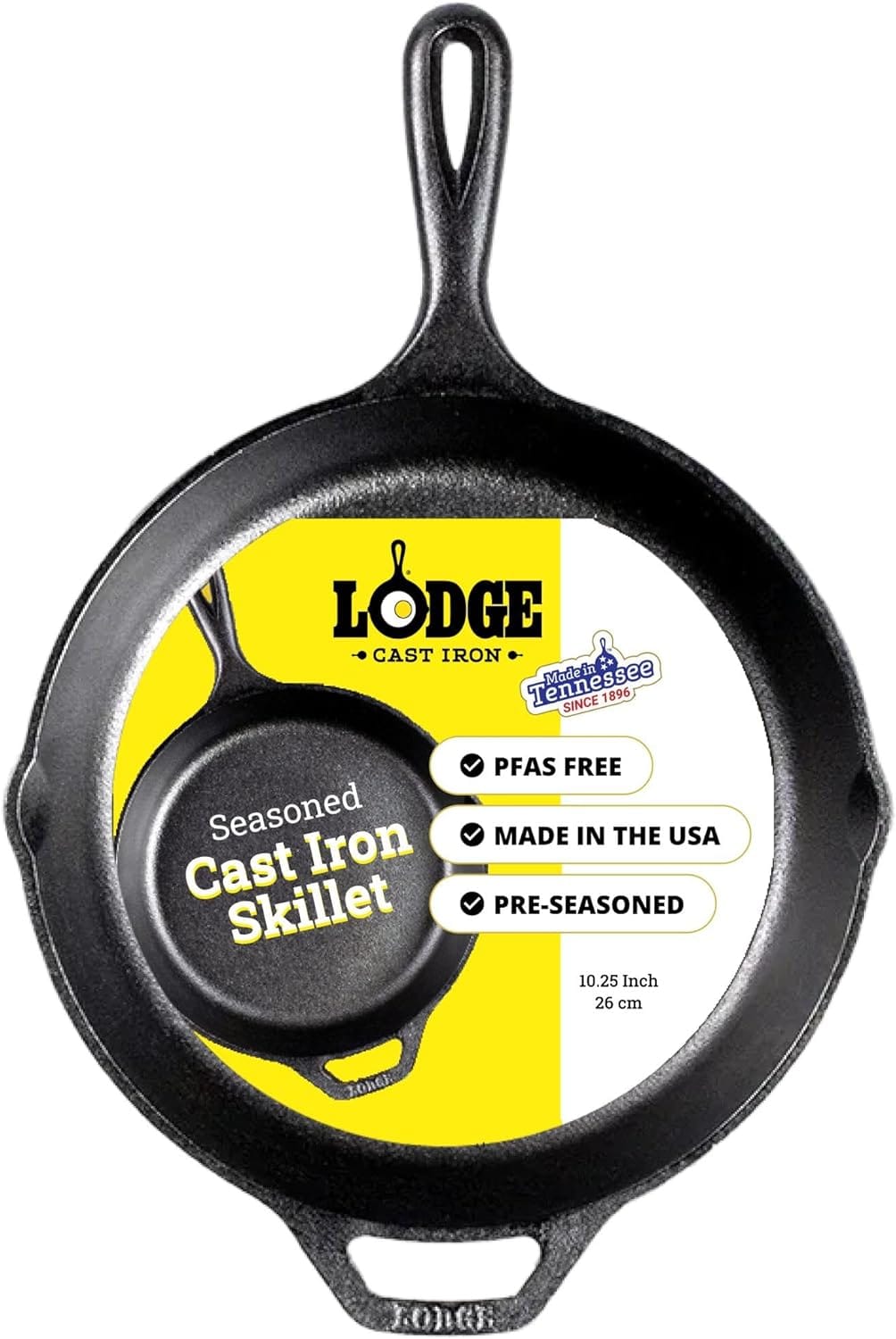
Speaking of the right tools, one thing I can’t live without for sauces like this is a really good skillet. To get that perfectly gentle heat for the shallots and garlic and to keep the cream from breaking, you need even heat distribution. That’s why I always reach for my Lodge Cast Iron Skillet. It holds a steady, low temperature like a dream, so my delicate sauce never scorches or separates. It’s the perfect size for building the sauce and then tossing the ravioli right in, ensuring every single piece is coated beautifully.
Trust me, if you want to nail this sauce and so many others, this is the one piece of cookware you need.
Lodge 10.25 Inch Cast Iron Skillet with Assist Handle
✓ prime
We earn a commission if you make a purchase, at no additional cost to you.
- Always Save Your Pasta Water: I know I mentioned it in the steps, but it’s the most important trick. That cloudy water is full of starch from the pasta. When you add a splash to your sauce, it does two things: it helps the sauce cling to the pasta instead of pooling at the bottom of the plate, and it helps bind the butter and cream together, making the sauce extra silky. I always scoop out a coffee mug full before I drain the pasta, just in case. I rarely need it all, but it’s my insurance policy against a sauce that’s too thick or greasy.
- Zest the Lemon Before You Juice It: This might sound obvious, but in the rush of cooking, it’s easy to forget. It’s nearly impossible to zest a lemon half that’s already been squeezed. The zest holds all the fragrant oils that give the dish its incredible aroma. That smell of lemon hitting the warm cream is half the experience. I run a microplane zester over the whole lemon before I even cut it in half.
- Control the Heat Under the Cream: Dairy, especially cream, can be finicky. Once you add the cream to the pan, keep the heat on a gentle simmer. Never let it come to a rolling boil. Boiling can cause the cream to separate or “break,” leaving you with a grainy, oily texture instead of a smooth, velvety one. I usually turn my stove down to the lowest setting possible and just let it warm through.
- Add the Lemon Juice Off the Heat: Acidity can also cause cream to curdle or separate, especially if the heat is too high. I always turn the burner completely off before I stir in the lemon juice and zest. The residual heat in the pan is more than enough to incorporate the flavors without any risk of ruining the texture of your beautiful sauce. It’s a small step that guarantees a smooth finish.
- Fresh Parsley at the Very End: Don’t treat fresh herbs like a garnish. They are an ingredient. But delicate herbs like parsley lose their fresh, bright flavor when they’re cooked for too long. I stir most of the chopped parsley into the sauce right after I’ve added the ravioli, just before it goes onto the plate. This way, it wilts just slightly but keeps its vibrant color and clean taste, which is so important for cutting through the richness of the butter and cream.
Common Mistakes to Avoid
We’ve all made them. A simple meal gone wrong can be so frustrating. Here are a few things to watch out for so your dinner turns out just right.
- Overcooking the Ravioli: Store-bought fresh ravioli cooks incredibly fast, sometimes in just 3 minutes. It’s so easy to walk away and forget about it. When it’s overcooked, it becomes mushy and can fall apart when you try to toss it in the sauce, spilling the lobster filling everywhere. The best way to avoid this is to stand right there and test one a minute before the package says it’s done. It should be tender but still have a slight bite (al dente). Remember, it will cook a tiny bit more when you add it to the hot sauce.
- Burning the Garlic: This is the number one way to ruin a delicate sauce. Minced garlic goes from fragrant to bitter and acrid in a matter of seconds. When you add the garlic to the hot butter, stir it constantly and just cook it for 30-60 seconds, until you can smell it. As soon as it’s fragrant, be ready with your white wine to cool the pan down. If you see it starting to turn more than a light golden brown, it’s better to pull the pan off the heat entirely.
- The Sauce “Breaks”: A broken sauce is a sad sight. It looks greasy and separated, with little puddles of oil instead of a unified, creamy sauce. This usually happens for two reasons: the heat is too high, or you added the acidic lemon juice while the cream was boiling. Keep the heat low and gentle after you add the cream, and always add the lemon juice off the heat. If it does break, you can sometimes save it by whisking in a tablespoon of hot pasta water or a little more cream off the heat.
- Forgetting to Salt the Pasta Water: I can’t say this enough. Salting your pasta water is the only opportunity you have to season the pasta itself. If you cook it in plain water, the ravioli will be bland, and the whole dish will taste flat, no matter how good your sauce is. The water should be generously salted. It feels like a lot, but most of it goes down the drain. It makes a world of difference in the final flavor of The Best Lobster Ravioli with Lemon Butter Sauce.
Variations and Serving Ideas
While I think this dish is perfect as is, sometimes you want to change things up or use what you have on hand. It’s a very forgiving recipe.
- Add More Seafood: If you have some shrimp or scallops, you can make this even more special. Pat them very dry and season with salt and pepper. Sear them in a separate pan with a little butter for a minute or two per side until just cooked through. Add them to the sauce along with the ravioli at the very end.
- Introduce Some Vegetables: To add a bit of green, you can wilt a few big handfuls of fresh spinach into the sauce right before adding the ravioli. Asparagus is also wonderful; just cut it into 1-inch pieces and blanch it in the pasta water for the last minute of cooking, then transfer it to the sauce with the ravioli. Sweet green peas, added frozen to the sauce to warm through, are also a classic pairing with lobster.
- Change the Herbs: If you don’t have parsley, fresh chives or tarragon are also beautiful with lobster. Tarragon has a light, anise-like flavor that is a classic French pairing with shellfish. A little bit goes a long way.
- Add a Toasted Breadcrumb Topping: For a little textural contrast, melt a tablespoon of butter in a small skillet. Add 1/4 cup of panko breadcrumbs and toast, stirring constantly, until they are golden brown. Sprinkle this over the top of each plate just before serving. It adds a wonderful crunch. Making The Best Lobster Ravioli with Lemon Butter Sauce with this topping is a favorite in my house.
What to Serve With
This is a rich dish, so you don’t need much on the side. The goal is to complement the main course, not compete with it.
- A Simple Green Salad: Arugula or mixed greens with a very simple lemon vinaigrette is perfect. Just lemon juice, olive oil, a pinch of salt and pepper. The peppery bite of the arugula cuts through the richness of the cream sauce beautifully.
- Crusty Bread: You will want something to mop up every last bit of that lemon butter sauce. A simple baguette, warmed in the oven, is all you need.
- Roasted Asparagus or Broccolini: If you want a warm vegetable, tossing some asparagus or broccolini with olive oil, salt, and pepper and roasting it at 400°F for 10-15 minutes is a simple and delicious choice. A final squeeze of lemon over the vegetables ties everything together.
- White Wine: A glass of the same dry white wine you used in the sauce, like a Sauvignon Blanc or Pinot Grigio, is the perfect pairing. An unoaked Chardonnay would also be lovely.
- More Seafood Inspiration: If you love rich and creamy seafood dishes, our creamy seafood stuffed salmon dinner is another must-try recipe.
Storage and Reheating
Seafood and cream sauces can be tricky to reheat, but it can be done. It’s best eaten fresh, but if you have leftovers, here’s how to handle them.
- Storage: Let the ravioli cool completely, then store it in an airtight container in the refrigerator for up to 2 days. The sauce will thicken considerably when it’s cold.
- Reheating: The microwave is not your friend here; it will make the lobster rubbery and can cause the sauce to separate. The best way to reheat is gently on the stovetop. Place the leftover ravioli and sauce in a skillet over low heat. Add a splash of milk, cream, or water (about a tablespoon) to help loosen the sauce. Cover the pan and let it heat slowly, stirring gently once or twice, until it’s warmed through. This gentle heating helps keep the sauce creamy and the ravioli tender.
FAQs (People Also Ask)
Here are a few questions I get asked when I share this recipe with friends.
- Can I use frozen lobster ravioli?Absolutely. Just cook it directly from frozen according to the package directions. It will usually take a few minutes longer to cook than fresh ravioli. Don’t thaw it first, or it can get mushy and stick together.
- My sauce seems too thin. How can I thicken it?If your sauce is thinner than you’d like, let it simmer on low for a few more minutes to reduce and thicken naturally. Don’t be tempted to crank up the heat. Another trick is to add a tablespoon or two of grated Parmesan cheese off the heat; it will help thicken the sauce and add a nice salty, nutty flavor. Just be sure to taste for salt again after adding it.
- Can I make this without the wine?Yes, you can. The wine adds a specific kind of acidic depth, but you can get a similar effect by using chicken or vegetable broth and an extra squeeze of fresh lemon juice. Use the same amount of broth (1/4 cup) as you would wine to deglaze the pan with the shallots and garlic.
- What’s the best kind of store-bought lobster ravioli to buy?Look for ravioli in the refrigerated section of your grocery store, as they often have a better texture and filling-to-pasta ratio. Check the ingredients list—you want to see real lobster meat listed high up, not just fillers like breadcrumbs and cheese. A good ravioli will make a good version of The Best Lobster Ravioli with Lemon Butter Sauce even better.
- Can I add some cooked lobster meat to the sauce?That’s a fantastic idea if you want to make it extra luxurious. If you have some leftover cooked lobster meat, just chop it into bite-sized pieces and gently fold it into the finished sauce at the very end, right when you add the ravioli. You only want to warm it through, not cook it further, so it stays tender.
Nutrition
Nutrition Facts
(Per serving. Estimates only, varies by exact ingredients used)
Conclusion
I hope you make this and I hope it brings you as much comfort as it brings me. It’s more than just a recipe; it’s a feeling. It’s the taste of a quiet evening, a good day’s work, and the simple pleasure of a warm plate of food. Enjoy it.
The Best Lobster Ravioli with Lemon Butter Cream Sauce
Ingredients
- 1 lb fresh or frozen lobster ravioli
- 1/2 cup unsalted butter (1 stick)
- 1 medium shallot, minced
- 2 cloves garlic, minced
- 1/4 cup dry white wine (like Pinot Grigio)
- 3/4 cup heavy cream
- 1 lemon, for zest and juice
- 1/4 cup fresh parsley, chopped
- Coarse sea salt, to taste
- Freshly cracked black pepper, to taste
- 1 pinch red pepper flakes (optional)
Instructions
- Bring a large, well-salted pot of water to a boil.
- While the water heats, melt butter in a large skillet over medium heat. Add the minced shallot and cook until softened, about 2-3 minutes.
- Add the minced garlic and optional red pepper flakes, cooking for another minute until fragrant. Do not let it brown.
- Pour in the white wine to deglaze the pan, scraping up any bits from the bottom. Let it simmer and reduce by half, about 2 minutes.
- Reduce heat to low and stir in the heavy cream. Let it gently simmer while you cook the ravioli. Do not let it boil.
- Add the ravioli to the boiling water and cook according to package directions (usually 3-5 minutes for fresh). They will float when done.
- Before draining the ravioli, turn off the heat for the sauce. Stir in the zest of one lemon and the juice of half the lemon. Season with salt and pepper to taste.
- Using a slotted spoon, transfer the cooked ravioli directly into the sauce. Toss gently to coat. If the sauce is too thick, add a splash of the starchy pasta water.
- Stir in the fresh parsley and serve immediately.