Introduction
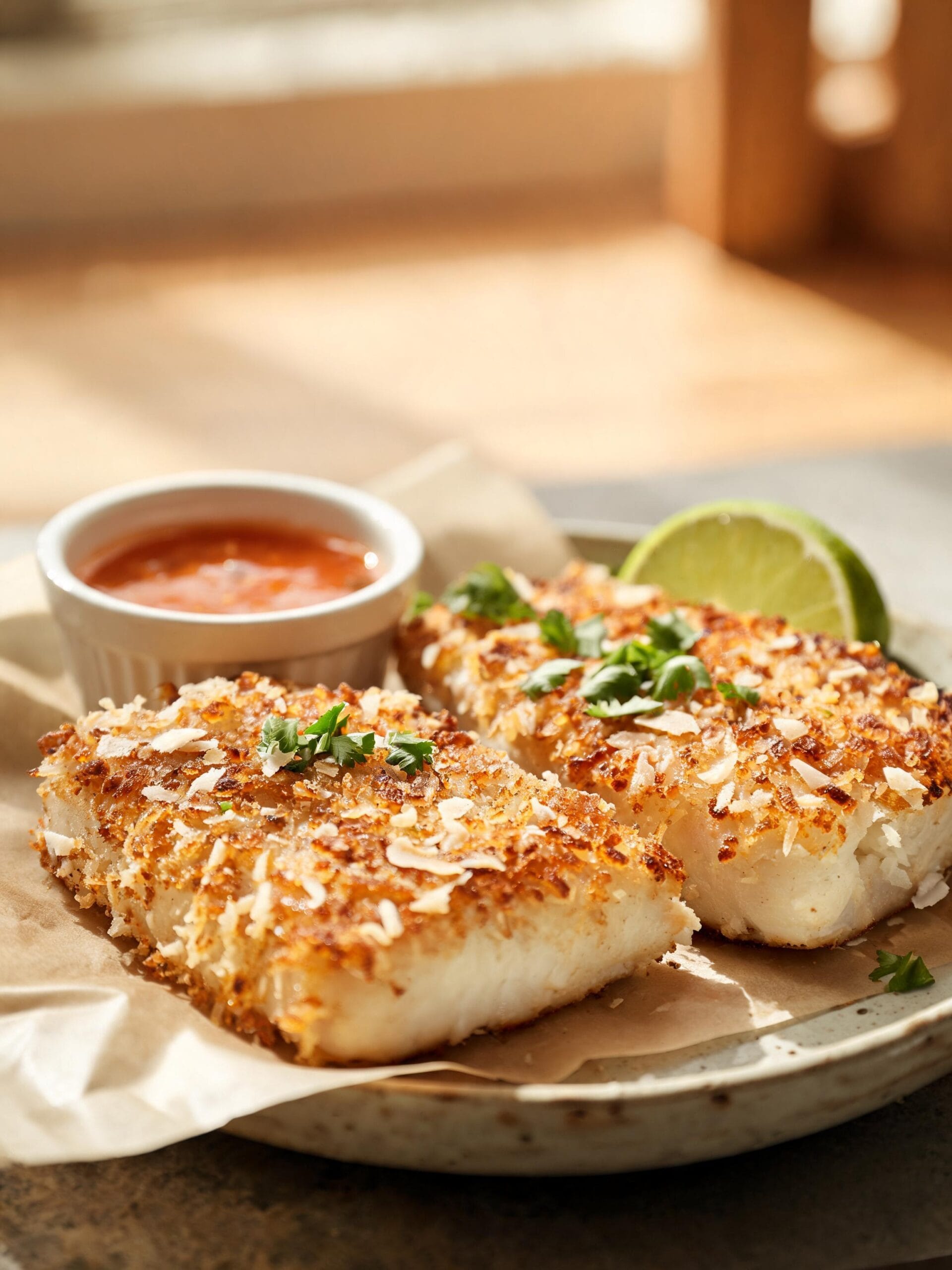
The first time I made Tropical Paradise Coconut Crusted Fish Fillets: Sweet and Crispy, it wasn’t planned at all. It was one of those late afternoons where the catch was fresh, the kitchen was warm, and I had a half-open bag of shredded coconut sitting on the counter from another coastal favorite, our Best Baked Lobster Recipe, I’d made the week before. I just kind of looked at the fish, looked at the coconut, and thought — why not.
That accidental combination turned into something I’ve made probably thirty times since. The crunch of the coconut against the soft, flaky fish inside is the kind of thing that makes you close your eyes for a second when you take that first bite. It tastes like somewhere warm. Like salt air and sunshine and a meal eaten outside with your feet still sandy.
This easy coconut crusted fish dinner is beginner-friendly, honestly. If you can bread a piece of chicken, you can do this. The steps are simple, the ingredients are things most coastal home cooks already keep around, and the whole thing comes together faster than you’d think.
Why You’ll Love This Recipe
- It comes together in about 35 minutes, start to finish — no marinating, no complicated prep, just real food fast.
- The coconut crust gets genuinely crispy without deep frying, which means less mess and still all the crunch you want.
- It’s mild enough for people who aren’t big fish fans, but flavorful enough that the fish lovers at the table will go back for seconds.
Quick Recipe Snapshot
Prep Time: 15 minutes
Cook Time: 20 minutes
Total Time: 35 minutes
Servings: 4
Difficulty: Easy
Best For: Weeknight dinner, casual coastal lunch
Method: Pan-fried or oven-baked
Fish Type: Tilapia, mahi-mahi, cod, or snapper
Ingredients List
For the Fish:
- 4 white fish fillets (about 6 oz each) — tilapia, mahi-mahi, or cod all work well here
- 1/2 teaspoon salt
- 1/4 teaspoon black pepper
- 1/4 teaspoon garlic powder
For the Coconut Crust:
- 1 cup sweetened shredded coconut — this is what gives the crust that little touch of sweetness that makes it feel tropical
- 1/2 cup panko breadcrumbs — helps the crust stay together and get extra crispy
- 1/2 teaspoon paprika
- 1/4 teaspoon cayenne pepper (optional, but it balances the sweetness nicely)
For the Egg Wash:
- 2 large eggs
- 2 tablespoons whole milk
For Cooking:
- 3 tablespoons coconut oil or neutral vegetable oil — coconut oil deepens the tropical flavor
For Serving:
- Lime wedges
- Fresh chopped cilantro (optional)
- Sweet chili dipping sauce or mango salsa
Step-by-Step Instructions
- Pat your fish fillets completely dry with paper towels. This is not a step to skip. Wet fish means the crust slides off and you end up with a sad, soggy mess. Dry fish means the coating actually sticks and crisps up the way it should. Season both sides lightly with salt, pepper, and garlic powder.
- Set up your breading station. In one shallow bowl, whisk together the eggs and milk. In another shallow bowl, mix the shredded coconut, panko, paprika, and cayenne if you’re using it. Give it a quick stir so everything’s evenly distributed.
- Dip each fillet into the egg wash, letting the excess drip off for a second or two. Then press it firmly into the coconut-panko mixture. Press down — don’t just lay it there. You want the crust to really grab onto the fish. Flip and coat the other side the same way.
- Heat your oil in a large skillet over medium heat. You want the oil hot but not smoking. If you drop a small pinch of coconut in and it sizzles right away, you’re ready. (I’ve rushed this step before and the crust just absorbs the oil instead of crisping — not worth it.)
- Place the fillets in the pan and don’t touch them for about 3 to 4 minutes. Let the crust set. When it releases easily from the pan and is golden underneath, flip carefully. Cook another 3 to 4 minutes on the other side.
- If you’re doing a thicker fillet like mahi-mahi and you’re not sure it’s cooked through, you can finish it in a 375°F oven for 5 minutes. The fish should flake easily when you press it gently with a fork.
- Squeeze fresh lime over the top right before serving. That little hit of acid wakes everything up.
Small Tricks From Cooking Fish at Home
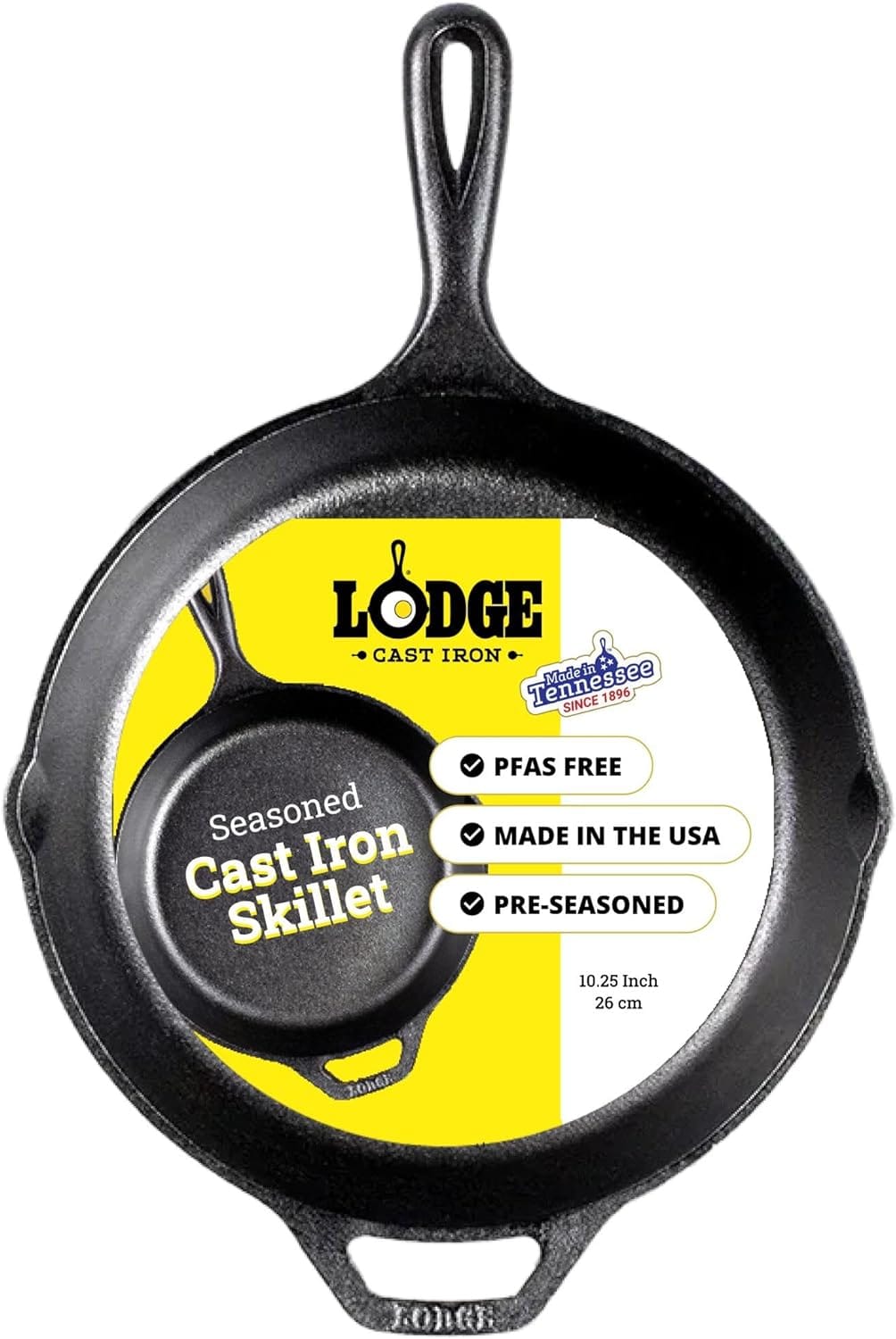
Speaking of tricks, the real secret to a perfect crust isn’t just about technique—it’s about the pan. To get that coconut crust perfectly golden and crispy without burning, you need consistent, even heat. That’s why I always reach for my Lodge Cast Iron Skillet. It holds heat beautifully, ensuring the fish cooks through while the crust toasts to an unbeatable crunch. Flimsy pans create hot spots that scorch the coconut, but this skillet delivers restaurant-quality results every single time.
If you’re serious about nailing that crispy-on-the-outside, flaky-on-the-inside texture, this is the one tool I can’t cook without. Grab one and see the difference for yourself.
Lodge 10.25 Inch Cast Iron Skillet with Assist Handle
✓ prime
We earn a commission if you make a purchase, at no additional cost to you.
Dry fish is happy fish. I know I already said it in the instructions but it’s worth saying again because it took me a few ruined batches to really believe it. Paper towels, both sides, press gently. Done.
The sweetened coconut can burn faster than you expect, especially if your heat is too high. Medium is the right setting. Not medium-high. Medium. The coconut needs time to toast, not scorch.
I learned the hard way that overcrowding the pan is a problem. When you put too many fillets in at once, the temperature drops and the fish steams instead of fries. You lose the crunch entirely. Cook in batches if you need to.
If you want to bake instead of pan-fry — totally valid, especially on busy nights — lay the coated fillets on a wire rack set over a baking sheet. Spray lightly with cooking spray. Bake at 400°F for about 18 to 20 minutes. The rack lets air circulate underneath so the bottom doesn’t get soggy.
One thing I noticed after making this a bunch of times: the coconut crust gets crispier as it cools slightly. So if you can wait two minutes before eating, it’s worth it. Hard when it smells that good, but worth it.
Common Mistakes to Avoid
Skipping the drying step. I know it feels like a small thing. It’s not. Moisture is the enemy of a good crust and the fish will steam under the coating instead of getting that golden crunch you’re after.
Using unsweetened coconut when the recipe calls for sweetened — or the other way around. The sweetened coconut is what gives this its tropical character. Unsweetened makes it taste more like a savory herb crust, which is fine but it’s a different dish entirely.
Flipping too early. The crust needs to fully set before you turn the fish. If you try to flip and it’s sticking, it’s not ready. Give it another 30 seconds. It’ll release when it’s done.
Not tasting the crust mixture before you bread the fish. I started doing this after making a batch that was way under-seasoned. Just pinch a little, taste it, adjust. Takes five seconds and saves the whole meal.
Variations and Serving Ideas
Spicy version: Double the cayenne in the crust and add a teaspoon of hot sauce to the egg wash. Serve with a cooling mango-avocado salsa on the side. The heat and the sweet coconut together is really something.
Mild version: Leave out the cayenne entirely and add a tiny pinch of cinnamon to the coconut mixture instead. It sounds odd but it rounds out the sweetness in a really warm, gentle way. Good for kids or anyone who doesn’t want any heat at all.
Coastal twist: Add a tablespoon of finely chopped fresh ginger to the crust mixture and serve the finished fillets over a simple slaw made with shredded cabbage, lime juice, and a little honey. That combo tastes like something you’d eat at a fish shack right on the water.
What to Serve With
The coconut crust is rich and a little sweet, so you want sides that bring something fresh or a little acidic to balance it out.
A simple mango salsa — just diced mango, red onion, cilantro, lime, and a pinch of salt — is probably my favorite pairing. It cuts right through the richness and keeps the tropical thing going, a delicious contrast to the creamy topping on our Quick Baked Cod with Mayo and Parmesan.
Coconut rice works beautifully alongside this. It echoes the flavors without competing. Or plain jasmine rice if you want something more neutral.
A cold, crunchy coleslaw with a vinegar-based dressing is another great call. The crunch against the crust and the tang against the sweet — it just works. Steamed or roasted broccoli is a solid, simple option too if you want something green and easy.
Avoid anything too heavy or cream-based on the side. The fish is already rich from the coconut and oil. You want the plate to feel light overall, even if the fish itself is indulgent.
Storage and Reheating
Store leftover fillets in an airtight container in the fridge. They’ll keep for up to 2 days. After that the fish starts to get a little off and the crust goes fully soft — just not worth eating.
To reheat, use a dry skillet over medium-low heat or a 350°F oven for about 8 to 10 minutes. The oven is better if you want any of the crunch back. A wire rack helps here too.
DO NOT microwave these. I mean it. The microwave turns the coconut crust into something rubbery and sad and the fish gets that weird reheated-fish smell. It’s not the move.
DO NOT freeze already-cooked fillets. The crust absorbs moisture during freezing and thawing and you lose everything that made it good. If you want to prep ahead, you can bread the raw fillets and freeze them uncooked on a sheet tray, then transfer to a bag. Cook from frozen at 400°F, adding about 5 to 7 extra minutes.
FAQs (People Also Ask)
Can I use frozen fish fillets?
Yes, but thaw them completely first and dry them very well before breading. Frozen fish holds a lot of water and if you don’t get that moisture out, the crust won’t stick and won’t crisp. Thaw overnight in the fridge if you can.
What’s the best fish to use for this recipe?
Tilapia is the easiest because it’s thin, cooks quickly, and has a mild flavor that lets the coconut crust shine. Mahi-mahi is meatier and holds up really well. Cod works great too. Just avoid very oily fish like salmon — the flavor profile doesn’t quite fit here.
How do I know when the fish is done?
The crust should be deep golden and the fish should flake easily when you press the thickest part with a fork. If it resists, give it another minute or two. Internal temperature should be 145°F if you’re using a thermometer.
Can I substitute the egg wash with something else?
Yes. If you’re out of eggs or avoiding them, a thin layer of plain Greek yogurt or even a little mayo works as a binder. The crust sticks just as well and you honestly can’t taste the difference once it’s cooked.
Is this recipe difficult for beginners?
Not at all. It’s honestly one of the more forgiving fish recipes I make. The breading process is simple, the cook time is short, and the coconut crust tells you when it’s ready by turning golden. If you’ve ever breaded anything before, you can do this.
Nutrition Facts
(Per serving. Estimates only, varies by exact ingredients used)
Conclusion
Some of the best meals I’ve made came from not really planning anything. Just looking at what’s in front of you and going with it. That bag of coconut on the counter, a fresh fillet, a hot pan. That’s all this ever was.
And now it’s one of those recipes I come back to whenever I want something that feels a little like being somewhere warm — even if I’m just standing in my own kitchen with the window cracked and the smell of salt air coming in off the water.
I hope it does the same thing for you.
Tropical Paradise Coconut Crusted Fish Fillets: Sweet & Crispy
Ingredients
- 4 white fish fillets (about 6 oz each), tilapia, mahi-mahi, or cod
- 1/2 teaspoon salt
- 1/4 teaspoon black pepper
- 1/4 teaspoon garlic powder
- 1 cup sweetened shredded coconut
- 1/2 cup panko breadcrumbs
- 1/2 teaspoon paprika
- 1/4 teaspoon cayenne pepper (optional)
- 2 large eggs
- 2 tablespoons whole milk
- 3 tablespoons coconut oil or neutral vegetable oil
- Lime wedges for serving
- Fresh chopped cilantro for serving (optional)
- Sweet chili dipping sauce or mango salsa for serving
Instructions
- Pat fish fillets completely dry with paper towels on both sides. Season with salt, black pepper, and garlic powder.
- In a shallow bowl, whisk together eggs and milk to make the egg wash. In a second shallow bowl, combine shredded coconut, panko breadcrumbs, paprika, and cayenne pepper. Stir to mix evenly.
- Dip each fillet into the egg wash and let the excess drip off. Press firmly into the coconut-panko mixture on both sides, making sure the crust adheres well.
- Heat coconut oil in a large skillet over medium heat until a pinch of coconut sizzles on contact.
- Place fillets in the pan without crowding. Cook undisturbed for 3 to 4 minutes until the crust is golden and releases easily from the pan. Flip carefully and cook another 3 to 4 minutes on the other side.
- For thicker fillets, finish in a 375°F oven for 5 minutes to ensure the fish is cooked through. Fish should flake easily when pressed with a fork.
- Squeeze fresh lime juice over the fillets right before serving and garnish with cilantro if desired. Serve with mango salsa or sweet chili sauce.