Introduction
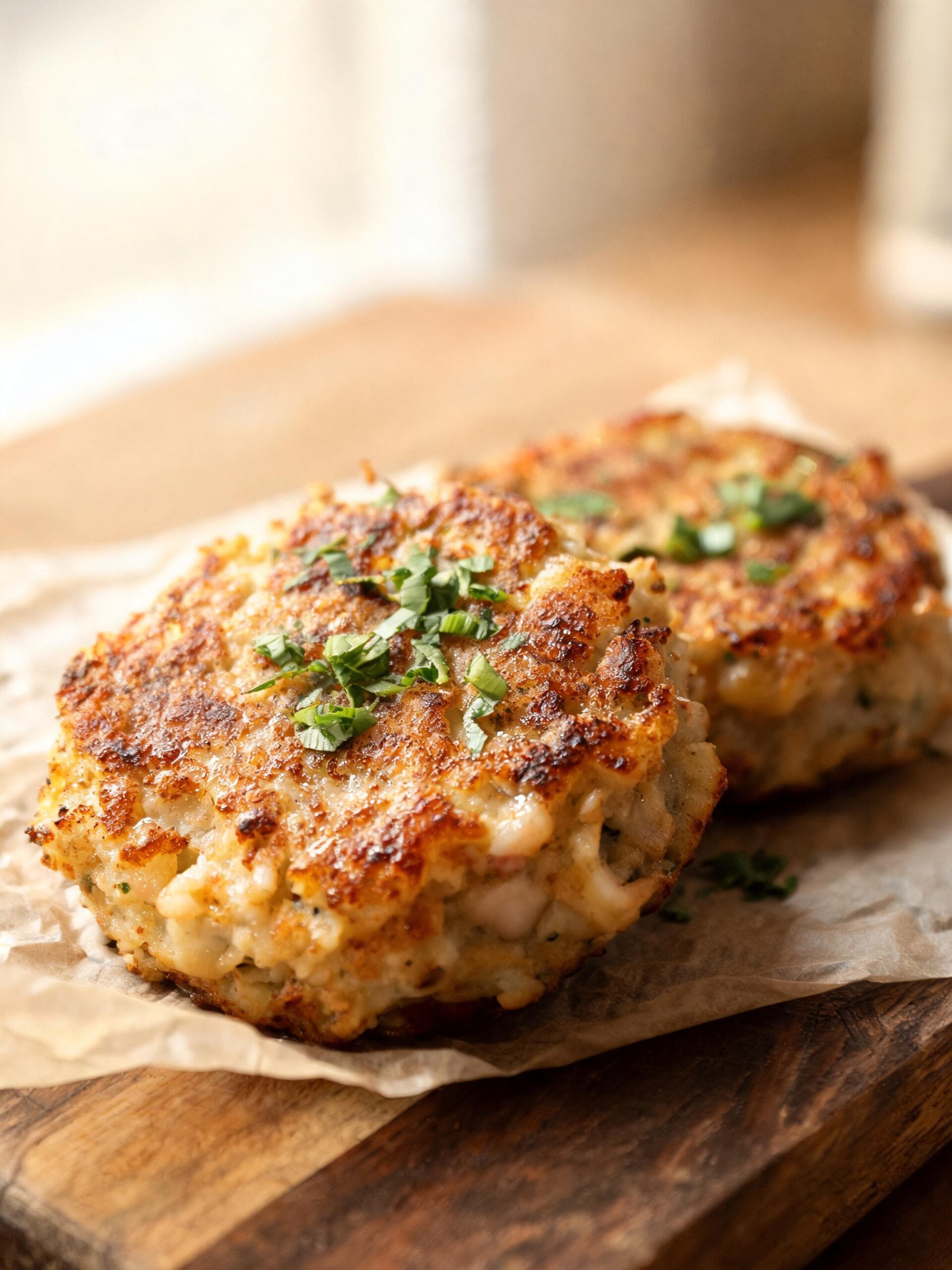
After two decades of running seafood kitchens up and down the East Coast, I can tell you one thing for sure: a great crab cake is a thing of beauty, and a bad one is a culinary crime. This recipe is my tried-and-true method for perfect, restaurant-quality Crab Cakes, the kind you’d expect to find in a Baltimore chophouse. We’re talking about cakes packed with sweet, succulent jumbo lump crab meat, held together with just enough binder, and pan-fried to a crispy, golden-brown perfection, much like our popular salt and pepper fried calamari. Forget the bready, flavorless pucks you’ve had in the past. This is the real deal—a recipe focused on one thing: celebrating the crab. We’re not hiding it behind a wall of breadcrumbs and bell peppers. Here, the crab is the undisputed star. This guide will walk you through every step, from selecting the right crab meat to getting that perfect sear in the pan, ensuring you can make spectacular crab cakes right in your own kitchen.
Why You’ll Love This Recipe
- Minimal Filler, Maximum Crab: This recipe respects the crab. We use just enough binder to hold the delicate lumps together, ensuring every bite is sweet, meaty, and tastes of the sea, not breading.
- Authentic Maryland Flavor: With classic ingredients like Old Bay seasoning, Worcestershire sauce, and Dijon mustard, you get that iconic, savory, and slightly tangy flavor profile that makes Chesapeake Bay crab cakes famous.
- Surprisingly Simple to Make: Despite the gourmet result, the process is straightforward. With a gentle hand and a crucial chilling step, even a novice cook can achieve a crispy exterior and a moist, tender interior.
Ingredients List
Precision is key in a recipe with so few ingredients. Use high-quality components, and the final product will speak for itself. This recipe serves 4, making two cakes per person.
For the Crab Cakes:
- Jumbo Lump Crab Meat: 1 lb (16 ounces). This is non-negotiable for the best texture. Look for it fresh and pasteurized in the refrigerated section of your grocery store. Gently pick through it for any stray shells or cartilage, but be careful not to break up the lumps.
- Panko Breadcrumbs: 1/2 cup, for coating. Panko provides a light, airy, and exceptionally crispy crust that regular breadcrumbs can’t match.
For the Binder Mixture:
- Mayonnaise: 1/2 cup. Use a high-quality, full-fat mayonnaise like Duke’s or Hellmann’s. It provides moisture and the necessary fat to bind the cakes without making them heavy.
- Dijon Mustard: 1 tablespoon. This adds a sharp, tangy counterpoint to the rich mayonnaise and sweet crab.
- Worcestershire Sauce: 2 teaspoons. For a deep, savory, umami flavor that complements the seafood perfectly.
- Old Bay Seasoning: 1 1/2 teaspoons. The signature flavor of Maryland. It’s a complex blend of celery salt, paprika, and other spices.
- Fresh Parsley: 2 tablespoons, finely chopped. Adds a touch of fresh, peppery brightness.
- Large Egg: 1, lightly beaten. This is the primary binding agent that helps hold everything together when cooked.
- Kosher Salt: 1/4 teaspoon. Just a little, as the Old Bay and other ingredients are already salty.
- Freshly Ground Black Pepper: 1/4 teaspoon.
For Pan-Frying:
- Unsalted Butter: 2 tablespoons.
- Vegetable Oil: 2 tablespoons. Combining butter and oil gives you the rich flavor of butter with the higher smoke point of oil, preventing burning and ensuring a perfect golden crust.
Step-by-Step Instructions
- Prepare the Crab Meat: Place the jumbo lump crab meat in a large bowl. Carefully sift through the meat with your fingertips to find and discard any hard pieces of shell or cartilage. Do this gently to keep the lumps as intact as possible. Set aside.
- Make the Binder: In a separate medium bowl, whisk together the mayonnaise, Dijon mustard, Worcestershire sauce, Old Bay seasoning, chopped parsley, lightly beaten egg, salt, and pepper. Mix until smooth and fully combined.
- Gently Combine: Pour the wet binder mixture over the prepared crab meat. Using a rubber spatula, gently fold the binder into the crab meat. The goal is to coat the crab, not to stir or break it up. Stop as soon as the meat is just moistened. Over-mixing is the enemy of a good crab cake.
- Form the Cakes: Line a baking sheet with parchment paper. Scoop out the crab mixture using a 1/2 cup measure for each cake (this should yield about 8 cakes). Gently form them into thick patties, about 1 to 1.5 inches thick. Don’t pack them too tightly. Place the formed cakes on the prepared baking sheet.
- The Critical Chill: Cover the baking sheet with plastic wrap and refrigerate the crab cakes for at least 30 minutes, or up to 4 hours. This step is essential. It allows the binder to firm up, which will prevent the cakes from falling apart in the pan. Do not skip this.
- Coat the Cakes: Pour the panko breadcrumbs onto a shallow plate or dish. Gently press each chilled crab cake into the panko, coating both sides and the edges. Lightly shake off any excess.
- Pan-Fry to Perfection: In a large skillet (cast iron or non-stick works best), melt the butter with the oil over medium-high heat. Once the fat is shimmering, carefully place 4 crab cakes in the pan, leaving space between them. Do not overcrowd the pan. Cook for 4-5 minutes per side, until they are a deep golden brown and crispy.
- Drain and Serve: Using a fish spatula, carefully transfer the cooked crab cakes to a plate lined with paper towels to drain any excess oil. Repeat with the remaining cakes, adding more butter/oil if the pan looks dry. Serve immediately with lemon wedges and your favorite sauce.
Chef’s Pro Tips for Success
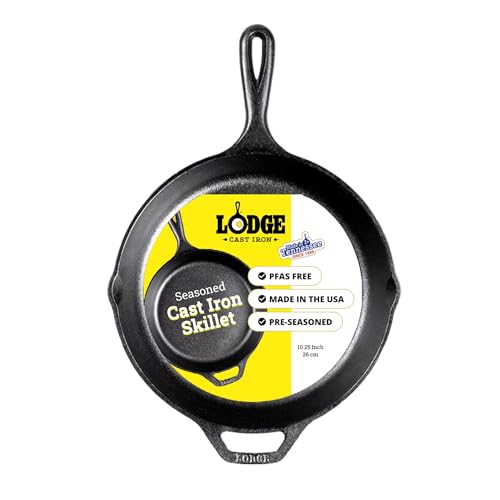
Speaking of mastering that sear, the right tool makes all the difference. In my professional kitchens and my home, I rely on a classic Lodge Cast Iron Skillet. Its incredible heat retention ensures an even, consistent temperature, which is the secret to getting that deep golden-brown crust without overcooking the delicate crab inside. A cold pan creates a greasy mess, but a properly heated cast iron gives you that perfect, crispy exterior every single time.
If you’re serious about making restaurant-quality crab cakes, this is the one piece of equipment I consider essential.
Lodge 10.25 Inch Cast Iron Skillet with Assist Handle
✓ prime
We earn a commission if you make a purchase, at no additional cost to you.
After cooking thousands of these, I’ve learned a few things. These are the details that separate good from great.
- Respect the Crab: The single most important element is the crab meat. If you can, buy fresh jumbo lump from a reputable fishmonger. Pasteurized crab in a tub is the next best thing. Avoid claw meat; it’s more fibrous and less sweet. When you pick through it for shells, treat it like gold. Your goal is to keep those beautiful, large lumps of meat intact. The texture of a great crab cake comes from those lumps.
- The Science of the Binder: We use mayonnaise for a reason. It’s an emulsion of oil, egg, and acid. This fat content adds incredible moisture and richness that you wouldn’t get from just an egg. The egg’s job is purely structural protein coagulation. The mayonnaise does the heavy lifting for flavor and moisture. Also, a classic Maryland trick is to crush 4-5 saltine crackers into fine crumbs and use that instead of some of the panko inside the cake. It provides a distinct flavor and texture.
- The Art of the Gentle Fold: Do not stir. I repeat, do not stir. Use a flexible rubber spatula and a folding motion. Scrape from the bottom of the bowl up and over the top. Turn the bowl a quarter turn and repeat. Continue this motion only until the crab is coated. Every stir breaks up those precious lumps you paid for. You want to see distinct pieces of crab in your finished mixture, not a homogenous paste.
- The Chill is Non-Negotiable: I mentioned this in the instructions, but it bears repeating. Chilling solidifies the fats from the mayonnaise and butter, firming up the binder. A room-temperature crab cake mixture is loose and fragile. When it hits the hot pan, it will spread and fall apart. A chilled cake holds its shape, allowing the exterior to form a crust quickly, which encases the moist interior. An hour in the fridge is even better than 30 minutes.
- Mastering the Pan Sear: Your pan must be properly preheated. The fat should shimmer, but not smoke. If it’s smoking, it’s too hot. If it doesn’t sizzle when the cake touches it, it’s too cold. A cold pan leads to greasy, soggy Crab Cakes because they absorb oil instead of searing. Use a blend of butter and a neutral oil. The butter provides flavor and browning, while the oil raises the smoke point to prevent the butter from burning. Don’t move the cakes around once they are in the pan. Let them sit and form that beautiful crust.
Common Mistakes to Avoid
Here are the common pitfalls I’ve seen over and over. Avoid these, and you’re on your way to success.
- Over-Mixing the Crab: The most frequent mistake. An enthusiastic home cook gets in there with a spoon and stirs the mixture like they’re making tuna salad. This shreds the lump crab meat, completely destroying the texture. The result is a dense, pasty cake instead of one that is light and full of meaty chunks. Remember: fold, don’t stir.
- Using Too Much Filler: This is a restaurant trick to save money, but you’re at home, so don’t do it. The recipe calls for just enough binder to hold it together. Adding extra breadcrumbs, crushed crackers, or vegetables like bell peppers or celery inside the cake itself will mask the delicate flavor of the crab. A true Maryland crab cake is about 90% crab, 10% everything else.
- Skipping the Chilling Step: I see people get impatient and go straight from mixing to the frying pan. The result is always a disaster. The loose, warm mixture immediately begins to slump and fall apart in the hot oil. You end up with a pan full of fried crab hash instead of beautiful, intact cakes. That 30-minute chill is the structural insurance for your Crab Cakes.
- Frying at the Wrong Temperature: A timid cook uses low heat, fearing they will burn the cakes. The cake sits in the warm oil, soaking it up like a sponge, resulting in a greasy, heavy final product. An overly aggressive cook uses screaming high heat. The panko crust burns to black in a minute, while the egg in the center remains raw and uncooked. The sweet spot is medium-high heat where you get a constant, energetic sizzle.
Variations and Serving Ideas
Once you’ve mastered the classic, you can play around with it. A good crab cake is a fantastic canvas.
- Broiled Crab Cakes: For a slightly lighter version, you can broil them. Place the chilled (but uncoated) cakes on a baking sheet. Place a small dot of butter on top of each one. Broil 4-5 inches from the heat source for about 8-10 minutes, or until golden brown and heated through. You won’t get the same all-over crust, but the flavor is cleaner.
- Spicy Crab Cakes: Add a finely minced jalapeño (seeds removed for less heat) or 1/4 teaspoon of cayenne pepper to the binder mixture for a gentle background heat that works beautifully with the sweet crab.
- Miniature Crab Balls: Instead of forming large patties, roll the mixture into 1-inch balls. Chill, coat in panko, and fry for 2-3 minutes per side. They make an incredible appetizer, perfect for parties. Serve with a spicy remoulade for dipping.
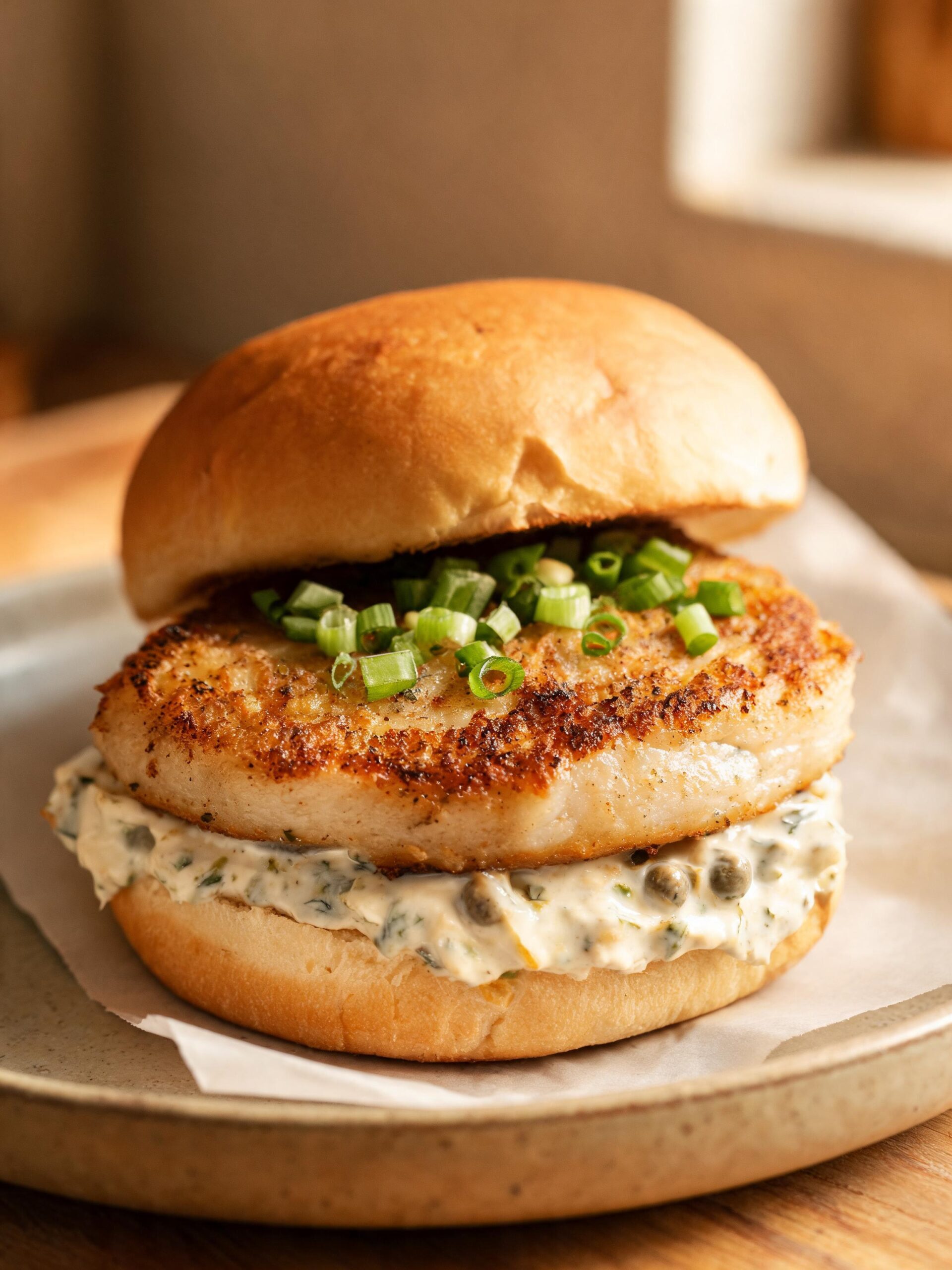
- The Ultimate Crab Cake Sandwich: Serve one of these perfect Crab Cakes on a soft, toasted brioche bun with lettuce, a slice of ripe tomato, and a generous smear of tartar sauce or remoulade. It’s simple, elegant, and one of the best sandwiches you’ll ever eat.
What to Serve With
A great crab cake deserves great partners. While they are fantastic on their own, you can also serve them as part of a larger seafood feast. For a truly impressive spread, consider pairing them with a showstopper like an authentic Spanish seafood paella. Otherwise, keep it classic and simple with a side of remoulade and a fresh lemon wedge.
- Sauces: A classic tartar sauce or a zesty remoulade is traditional. For something simpler, a squeeze of fresh lemon juice is all you really need. A cocktail sauce also works well.
- Salads: A crisp, creamy coleslaw provides a cool, crunchy contrast. A simple green salad with a light vinaigrette is also an excellent choice to cut through the richness.
- Vegetables: Corn on the cob, steamed asparagus with hollandaise, or simple roasted potatoes are all fantastic pairings.
- Wine: A crisp, acidic white wine like a Sauvignon Blanc or an unoaked Chardonnay is the perfect beverage to complement the sweet crab meat.
Storage and Reheating
Proper storage is crucial to enjoy your leftovers without a drop in quality.
- Storing Uncooked Cakes: You can form the cakes, place them on a parchment-lined baking sheet, cover tightly with plastic wrap, and refrigerate for up to 24 hours before you plan to cook them. This is a great make-ahead tip for a dinner party.
- Storing Cooked Cakes: Let the cakes cool completely to room temperature. Store them in an airtight container in the refrigerator for up to 3 days.
- Reheating for Maximum Crispiness: The microwave is the enemy of a crispy crust. The best way to reheat is in the oven or an air fryer. Preheat your oven to 375°F (190°C). Place the crab cakes on a baking sheet and heat for 10-12 minutes, or until warmed through and the crust has re-crisped. In an air fryer, 350°F (175°C) for 5-7 minutes works perfectly.
FAQs (People Also Ask)
1. Can I use canned crab meat for this recipe?
You can, but you must be selective. Avoid the shredded, mushy crab meat from the tuna aisle. Look for canned jumbo lump crab meat, usually found in the refrigerated section near the fresh fish. It will be more expensive but is the only canned option that will give you a decent texture. Be sure to drain it very well and gently pat it dry before using.
2. Can I make these crab cakes ahead of time?
Absolutely. The best way is to prepare and form the cakes, then store them uncooked in the refrigerator as described in the storage section. You can chill them on a baking sheet for up to 24 hours. When you’re ready to eat, just coat them in panko and pan-fry. This makes them perfect for entertaining.
3. Why are my crab cakes falling apart?
This is the most common issue and it almost always comes down to two things: you skipped the chilling step, or you over-mixed the crab. Chilling solidifies the binder. Without it, the mixture is too loose. Over-mixing breaks down the crab into small pieces, which don’t have the structural integrity to hold a patty shape.
4. Can I bake or air fry these crab cakes instead of pan-frying?
Yes. For baking, preheat your oven to 400°F (200°C). Place the panko-coated cakes on a lightly greased baking sheet and spray the tops with cooking spray. Bake for 12-15 minutes, flipping halfway through, until golden and cooked through. For the air fryer, preheat to 375°F (190°C). Place the cakes in the basket in a single layer and spray with cooking spray. Air fry for 8-10 minutes, flipping halfway, until crispy and golden.
5. What is the best substitute for Old Bay seasoning?
While Old Bay is iconic, you can make a substitute in a pinch. A good mix is 1 tablespoon of celery salt, 1 tablespoon of paprika, 1/4 teaspoon of black pepper, and a pinch of cayenne pepper. Any good quality seafood or Creole seasoning blend can also work as an alternative.
Nutrition Facts
(Per serving. Estimates only, varies by exact ingredients used)
Conclusion
Making truly exceptional Crab Cakes at home isn’t about a secret, complicated technique. It’s about using great ingredients and treating them with respect. It’s about letting the sweet flavor of the crab shine through. Follow this guide, and you won’t just make a meal; you’ll create an experience that rivals any high-end seafood restaurant. Give this recipe a try, and let me know how they turn out.
Easy Maryland-Style Crispy Homemade Crab Cakes
Ingredients
- 1 lb jumbo lump crab meat, picked over for shells
- 1/2 cup panko breadcrumbs, for coating
- 1/2 cup high-quality mayonnaise
- 1 tablespoon Dijon mustard
- 2 teaspoons Worcestershire sauce
- 1 1/2 teaspoons Old Bay Seasoning
- 2 tablespoons fresh parsley, finely chopped
- 1 large egg, lightly beaten
- 1/4 teaspoon kosher salt
- 1/4 teaspoon freshly ground black pepper
- 2 tablespoons unsalted butter
- 2 tablespoons vegetable oil
Instructions
- In a large bowl, gently pick through the crab meat to remove any shells, keeping the lumps intact.
- In a separate medium bowl, whisk together the mayonnaise, Dijon mustard, Worcestershire sauce, Old Bay, parsley, egg, salt, and pepper until smooth.
- Pour the binder mixture over the crab meat. Use a rubber spatula to gently fold until the crab is just moistened. Do not over-mix.
- Using a 1/2 cup measure, scoop and gently form the mixture into 8 thick patties. Place them on a parchment-lined baking sheet.
- Cover and refrigerate the crab cakes for at least 30 minutes to firm up.
- Place panko breadcrumbs on a plate. Gently press each chilled cake into the panko to coat all sides.
- Heat butter and oil in a large skillet over medium-high heat. Once shimmering, cook the crab cakes in batches of 4 for 4-5 minutes per side, until deep golden brown and crispy.
- Transfer to a paper towel-lined plate to drain. Serve immediately with lemon wedges.