Introduction
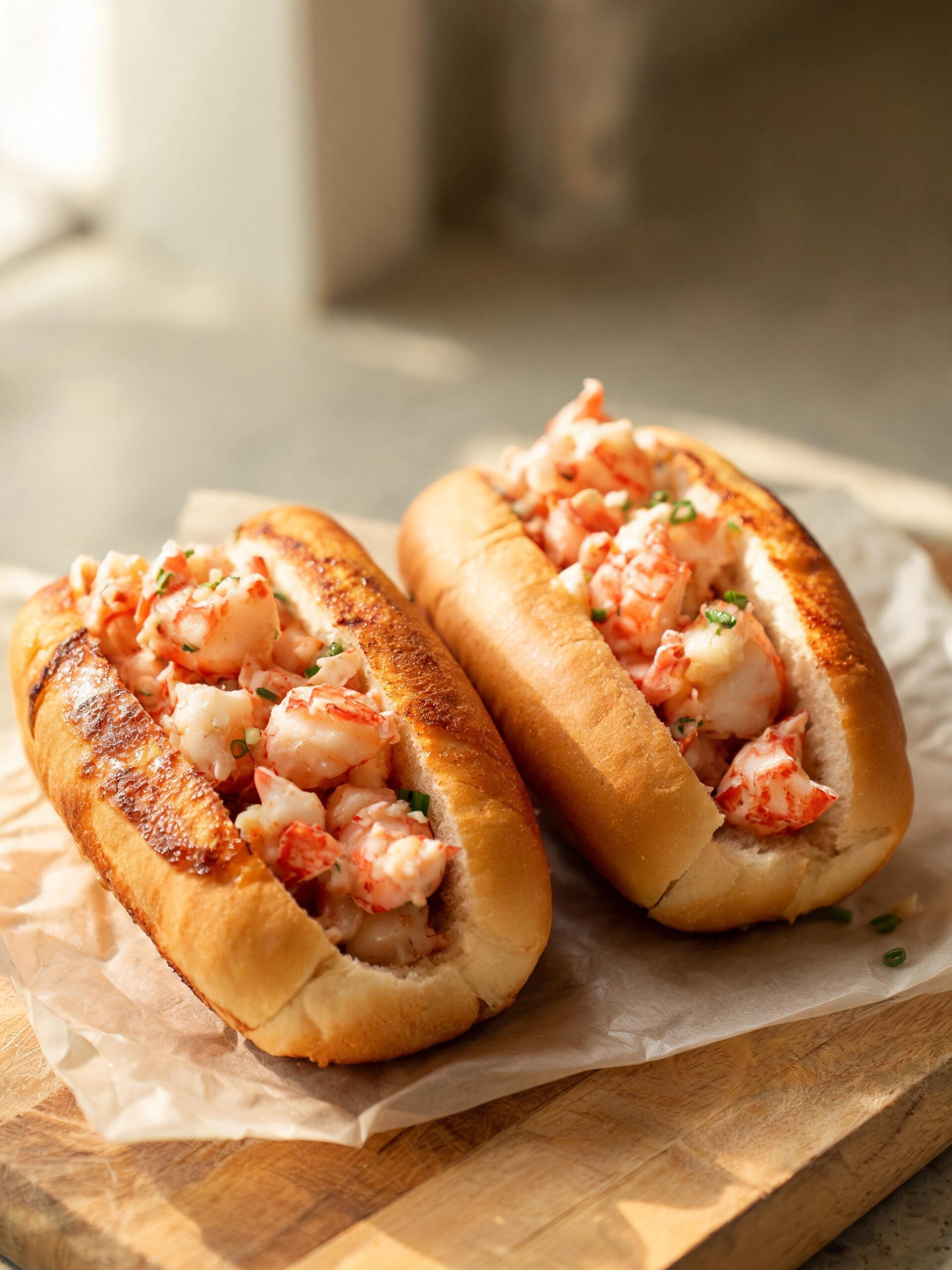
For two decades, I’ve worked the line in some of the busiest seafood kitchens on the East Coast, and if there’s one dish that defines American summer, it’s the lobster roll. This isn’t just a sandwich; it’s an experience. While I love a complex, healthy spring seafood dish, this classic lobster rolls recipe is about honoring one perfect ingredient: sweet, succulent lobster. We’re making the Connecticut-style roll here—warm, buttery, and straightforward. It’s the version that lets the lobster meat shine without a heavy blanket of mayonnaise. It’s the roll I make for my own family on a hot July afternoon. This guide is more than just a set of instructions; it’s 20 years of professional kitchen experience boiled down to help you create a lobster roll that tastes like it came straight from a New England seafood shack. Get your butter ready, because you’re about to make the best lobster roll of your life.
Why You’ll Love This Recipe
- Pure, Unadulterated Flavor: This recipe focuses on the sweet, delicate flavor of the lobster itself, enhanced simply with high-quality melted butter, a squeeze of lemon, and fresh chives. No heavy dressings to mask the main event.
- Surprisingly Fast: From start to finish, you can have these on the table in under 30 minutes, especially if you’re using pre-cooked lobster meat. It’s a high-impact meal with a low-effort prep time.
- Restaurant-Quality Results at Home: By following a few key professional techniques for handling the lobster and toasting the buns, you’ll achieve a final product that rivals the best seaside shacks, impressing anyone lucky enough to get one.
Ingredients List
The quality of a lobster roll is 100% dependent on the quality of its components. There’s nowhere to hide here, so use the best you can find. This recipe serves four.
For the Lobster Filling:
- Lobster Meat: 1 lb cooked lobster meat, preferably from the claws and knuckles, cut into generous 1/2 to 3/4-inch chunks. Claw and knuckle meat is the most tender and sweet, perfect for this application. Avoid using tail meat if possible, as it can be tougher. You can buy pre-cooked meat or steam/boil two 1.25 lb lobsters yourself.
- Unsalted Butter: 5 tablespoons of high-quality unsalted butter. Using unsalted allows you to control the final seasoning perfectly.
- Lemon: 1 fresh lemon, for 1 tablespoon of juice and a bit of zest. The acidity is crucial for cutting through the richness of the butter.
- Fresh Chives: 2 tablespoons, finely snipped. Chives provide a delicate, fresh onion flavor that complements the lobster without overpowering it.
- Kosher Salt: 1/4 teaspoon, or to taste.
- Freshly Ground Black Pepper: 1/8 teaspoon, or to taste.
For the Buns:
- Split-Top Hot Dog Buns: 4 buns. These are non-negotiable for an authentic roll. Their flat, soft sides are designed for buttering and griddling to golden-brown perfection.
- Unsalted Butter: 2 tablespoons, softened to a spreadable consistency.
Step-by-Step Instructions
Follow these steps precisely for a perfect outcome. The key is to work efficiently and have all your ingredients ready before you begin.
- Prepare the Lobster Meat: If you cooked the lobsters yourself, make sure the meat is shelled and completely cool before you begin. Pat the lobster meat gently with a paper towel to remove any excess moisture. This is critical to prevent the final dish from being watery. Cut the meat into bite-sized chunks and place it in a medium-sized bowl.
- Melt the Butter for the Filling: In a small saucepan, melt the 5 tablespoons of butter over low heat. Let it warm gently; you don’t want it to brown or sizzle aggressively. Keep it warm on the lowest possible setting.
- Toast the Buns: While the butter melts, prepare your buns. Use a butter knife or small offset spatula to spread the 2 tablespoons of softened butter evenly on the flat outer sides of each split-top bun. Heat a large skillet or griddle over medium heat. Place the buns, buttered-side down, onto the hot, dry skillet. Toast for 2-3 minutes per side, until they are a deep golden brown and wonderfully crisp. The contrast between the crisp exterior and soft interior is essential. Remove from the skillet and set aside.
- Warm the Lobster: Pour the warm, melted butter from the saucepan over the lobster meat in the bowl. Add the lemon juice, lemon zest, finely snipped chives, kosher salt, and black pepper. Gently fold everything together with a rubber spatula until the lobster chunks are evenly coated. Do not overmix. The goal is to warm the lobster through with the residual heat of the butter, not to cook it further.
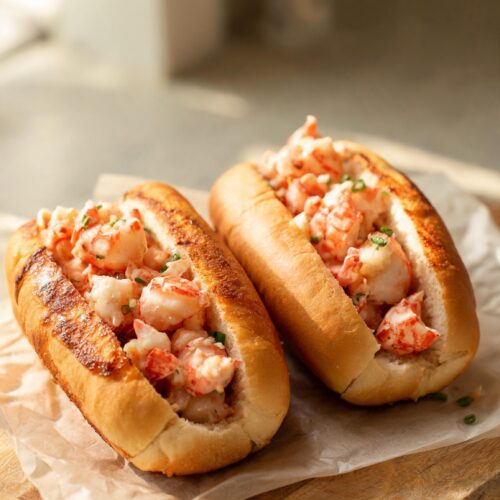
- Assemble and Serve Immediately: Carefully open the toasted buns. Generously pile the warm, buttery lobster mixture into each bun. The lobster should be overflowing slightly. Garnish with a few extra snipped chives if desired. Serve immediately while the buns are crisp and the filling is warm.
Chef’s Pro Tips for Success
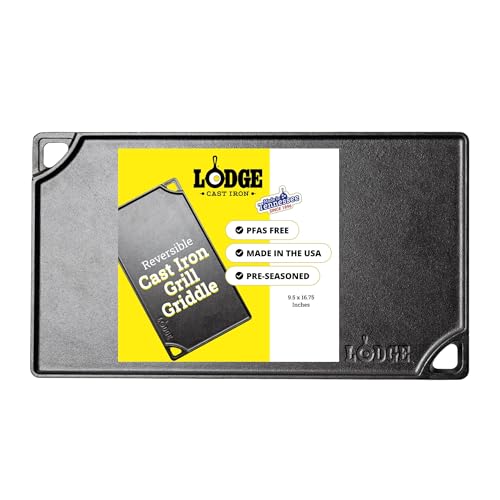
The secret to a restaurant-quality lobster roll isn’t just the lobster; it’s the bun. To achieve that perfectly crisp, golden-brown exterior that gives way to a pillowy soft inside, you need serious, even heat. That’s why I always reach for my cast iron griddle. It provides the consistent, high temperature needed to toast the buttered buns flawlessly, creating the essential textural contrast that makes this sandwich sing. It’s the one tool that elevates a homemade roll to seafood-shack perfection.
For that unforgettable crunch every single time, this is the griddle I trust in my own kitchen. Grab one and taste the professional difference it makes.
Lodge LPGI3 Pro-Grid Cast Iron Reversible Grill/Griddle, 20-inch x 10.44-inch
✓ prime
We earn a commission if you make a purchase, at no additional cost to you.
After making thousands of these, I’ve learned a few things. These are the details that separate a good lobster roll from a great one.
- The Double-Toast Method: For an unbelievably crisp bun that holds up to the filling, toast it twice. First, toast the buttered sides on a griddle as instructed. Then, briefly open the bun and place it interior-side-down on the hot griddle for just 30-45 seconds. This slightly dries out the inside, creating a better barrier against moisture and adding another layer of texture.
- Clarify Your Butter: For a cleaner, more intense butter flavor, take an extra five minutes to clarify it. Melt the butter slowly in a saucepan. The milk solids will sink to the bottom and a foam will rise to the top. Skim off the top foam with a spoon, then carefully pour the clear, golden butterfat into a bowl, leaving the milky solids behind. Use this liquid gold to toss with your lobster. It has a higher smoke point and a purer flavor.
- Respect the Temperature Contrast: The magic of a perfect Connecticut-style roll is the contrast between the warm, luscious lobster filling and the crisp, hot-off-the-griddle bun. This is a dish that must be assembled and served immediately. Don’t let the components sit around. Have your plates ready and serve within 60 seconds of assembly.
- Don’t Chop, Tear: For a superior texture, gently tear some of the larger lobster pieces with your hands instead of chopping everything with a knife. This follows the natural grain of the meat, resulting in a more tender bite and a more rustic, appealing look in the final roll.
- The ‘Dry’ Lobster Rule: I cannot stress this enough: your cooked lobster meat must be dry. After shelling, lay it on a tray lined with paper towels and pat the tops dry. Let it sit for 5-10 minutes. Any residual water from the cooking process will dilute your butter sauce and create a soggy, disappointing filling. This simple step is a game-changer for any great lobster rolls recipe.
Common Mistakes to Avoid
It’s a simple recipe, but a few small errors can have a big impact. Here’s what to watch out for.
- Mistake 1: Overcooking the Lobster. If you’re cooking the lobster from raw, this is the number one error. You boil or steam it until it’s just opaque, then immediately plunge it into an ice bath to stop the cooking. If you skip the ice bath or cook it too long, the proteins seize up, and you get tough, rubbery meat. Remember, the meat will be gently warmed again in the butter, so you want it perfectly cooked, not overcooked, from the start.
- Mistake 2: Using the Wrong Bun. You see a standard, side-split hot dog bun at the store and think, “It’s fine.” It’s not. Those buns have crusty sides that don’t absorb butter and won’t griddle properly. They tear easily and can’t contain the filling. The split-top bun is a purpose-built vessel. Its bare, flat sides are a canvas for butter and heat. Using the wrong bun is like serving champagne in a coffee mug—it just doesn’t work.
- Mistake 3: Drowning the Lobster. More butter is not always better. The goal is to coat the lobster, not to create a lobster butter soup. Stick to the recipe’s ratio. Too much butter will make the filling greasy and cause the bun to disintegrate in your hands. The lobster should be glistening, not swimming.
- Mistake 4: Pre-Mixing the Filling. You’re having guests over and want to get ahead on prep. You mix the warm butter and lobster an hour ahead of time and let it sit. By the time you serve, the butter has congealed, the lobster has become lukewarm and lost its texture, and the chives have wilted. This is an à la minute dish. Toast the buns and mix the filling right before it hits the plate. No exceptions. This is a critical step for a successful lobster rolls recipe.
Variations and Serving Ideas
While the Connecticut-style roll is a masterpiece of simplicity, there’s always room to play. Here are a few tried-and-true variations.
- The Maine-Style Lobster Roll: This is the other iconic version. Instead of butter, the dressing is mayonnaise-based. For 1 lb of lobster meat, whisk together 1/3 cup of high-quality mayonnaise, 1 tablespoon of lemon juice, and 2 tablespoons of finely chopped celery. Fold in the cold, cooked lobster meat and season with salt and pepper. Serve it chilled in the same toasted, split-top bun.
- Spicy Lobster Roll: Add a kick to the classic buttery roll. Melt a pinch of red pepper flakes (about 1/4 teaspoon) or a few dashes of your favorite hot sauce into the butter before tossing it with the lobster. You could also add a very finely minced serrano or jalapeño pepper for a fresh, sharp heat.
- Herbed Lobster Roll: While chives are classic, other fresh herbs work beautifully. Fresh tarragon is a fantastic partner for lobster, adding a light anise note. Finely chopped parsley or dill also brings a fresh, vibrant flavor. Add about 1 tablespoon of your chosen fresh herb along with the chives.
- Bacon and Avocado Lobster Roll: For a decadent, West Coast-inspired twist, add some crispy, crumbled bacon and a few thin slices of ripe avocado to the roll before piling on the lobster meat. The smoky, salty bacon and creamy avocado create a truly luxurious sandwich. This variation on the lobster rolls recipe is a crowd-pleaser.
What to Serve With
A lobster roll is the star, so the side dishes should be simple and classic. You want complements, not competitors.
- Kettle-Cooked Potato Chips: The quintessential pairing. The salty, crunchy chips are the perfect textural contrast to the soft bun and tender lobster. A simple, high-quality sea salt chip is all you need.
- Simple Coleslaw: A crisp, lightly dressed coleslaw adds a refreshing, tangy crunch. Avoid heavy, gloppy slaws. A vinegar-based dressing with a touch of celery seed is ideal.
- Corn on the Cob: If it’s summer, grilled or boiled corn on the cob, slathered in butter and sprinkled with salt, is a perfect match.
- Arugula Salad: For a lighter option, a simple salad of baby arugula with a lemon vinaigrette is an elegant side. It’s a versatile pairing that works for a summer lunch or can be part of a larger seafood-themed brunch, alongside something like an easy smoked salmon quiche.
Storage and Reheating
Lobster rolls are best eaten immediately. However, if you have leftovers, here’s how to handle them properly.
- Storage: The key is to store the components separately. Do not store assembled lobster rolls. The bun will become hopelessly soggy. Place the leftover lobster filling in an airtight container in the refrigerator for up to 2 days. Store leftover toasted buns in a zip-top bag at room temperature.
- Reheating: Absolutely do not use a microwave to reheat the lobster filling. It will turn the delicate meat into rubber. The best method is to gently reheat it in a small skillet over low heat with a tiny bit of extra butter, stirring just until it’s warmed through. This should only take 1-2 minutes. You can refresh the buns by toasting them again on a griddle for a minute per side.
FAQs (People Also Ask)
Can I use frozen lobster meat for this recipe?
Yes, you can, but quality is paramount. Look for frozen cooked lobster meat that has been flash-frozen, preferably from a reputable source. Thaw it overnight in the refrigerator, not on the counter or in the microwave. Most importantly, after thawing, you must press it gently between paper towels to remove as much excess water as possible to avoid a watery filling.
What’s the real difference between a Maine and a Connecticut lobster roll?
The core difference is the dressing and serving temperature. A Connecticut roll, which is the version in this recipe, is served warm with butter. A Maine roll is served cold, with the lobster meat tossed in a mayonnaise-based dressing, often with celery and lemon juice.
Can I make the lobster filling ahead of time?
I strongly advise against it. As mentioned in the mistakes section, this dish is about immediate service. The butter will congeal, and the texture will suffer. The best you can do to prep ahead is to cook and shell the lobster and chop your herbs. The final warming and mixing process should happen right before you serve.
Why are split-top buns so important for a lobster rolls recipe?
Split-top buns, also known as New England-style hot dog buns, have soft, crustless sides. This unique design allows you to butter the sides and toast them on a griddle, creating a crispy, buttery exterior that contrasts with the soft interior. A standard side-split bun can’t be toasted this way and lacks the structural integrity to hold the filling properly.
Is tail meat acceptable to use?
While you can use tail meat, it’s not ideal for a classic lobster roll. Tail meat is firmer and can be slightly tougher than the tender, sweet meat from the claws and knuckles. If you do use it, be sure to chop it into smaller, more manageable pieces to ensure a tender bite.
Nutrition
Nutrition Facts
(Per serving. Estimates only, varies by exact ingredients used)
Conclusion
There you have it—the definitive guide to making a truly exceptional, buttery lobster roll at home. This isn’t just food; it’s a taste of summer, a nod to tradition, and a celebration of simple, perfect ingredients. Trust the process, use the best lobster and butter you can find, and don’t rush the details. I promise the result will be worth it. Now go on and give this lobster rolls recipe a try; you’ve earned it.
Irresistible Lobster Rolls Recipe | Buttery & Easy Summer Seafood Favorite
Ingredients
- 1 lb cooked lobster meat, from claws and knuckles, cut into 1/2 to 3/4-inch chunks
- 5 tablespoons high-quality unsalted butter
- 1 tablespoon fresh lemon juice
- 1 teaspoon fresh lemon zest
- 2 tablespoons fresh chives, finely snipped
- 1/4 teaspoon kosher salt, or to taste
- 1/8 teaspoon freshly ground black pepper, or to taste
- 4 split-top hot dog buns (New England style)
- 2 tablespoons unsalted butter, softened
Instructions
- Pat the cooked lobster meat dry with paper towels to remove excess moisture. Place the chunks in a medium bowl.
- In a small saucepan, melt the 5 tablespoons of butter over low heat until just melted and warm. Do not let it brown.
- Spread the 2 tablespoons of softened butter on the flat outer sides of the split-top buns.
- Heat a large skillet over medium heat. Place buns buttered-side down and toast for 2-3 minutes per side, until deep golden brown and crisp. Set aside.
- Pour the warm melted butter over the lobster meat. Add the lemon juice, zest, chives, salt, and pepper.
- Gently fold the mixture with a spatula until the lobster is just coated and warmed through. Do not overmix.
- Immediately divide the warm lobster filling among the toasted buns, piling it high.
- Garnish with extra chives if desired and serve right away.