Introduction
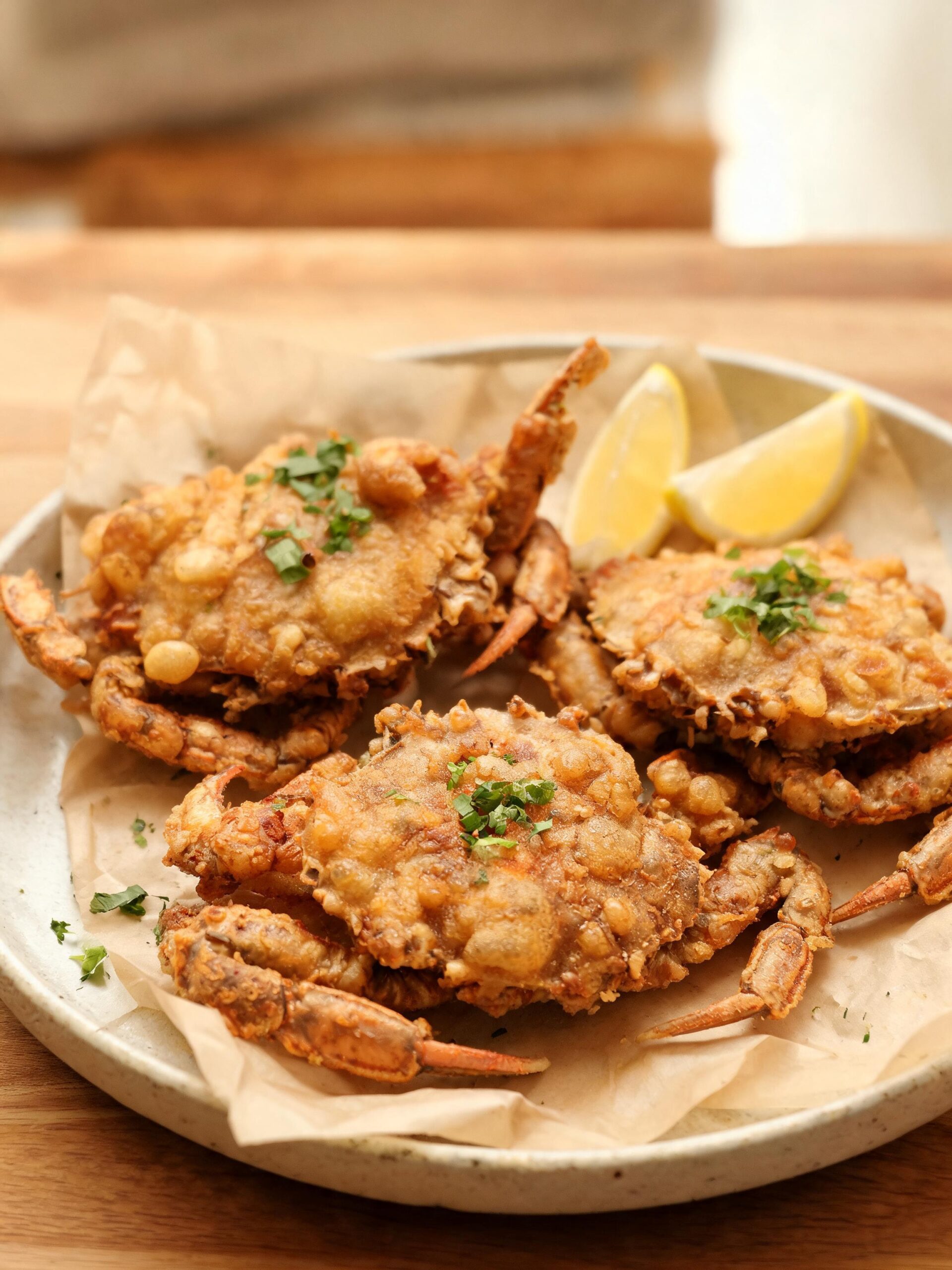
There are few seasonal treats that get a seafood chef as excited as soft shell crab season. When you get it right, a perfect plate of Fried Soft Shell Crab is an absolute showstopper: an impossibly crispy, golden-brown crust giving way to sweet, succulent crab meat. For years, I’ve seen home cooks shy away from this delicacy, thinking it’s a dish best left to restaurants. I’m here to tell you that’s not true. With the right technique and a little know-how, you can master this dish in your own kitchen. This isn’t about fancy equipment or obscure ingredients. It’s about understanding the fundamentals of a good dredge and proper oil temperature, principles that apply to other fried seafood favorites like our Crispy Salt and Pepper Fried Calamari. This guide is the result of two decades of frying thousands of these crabs in professional kitchens. I’ve distilled all the essential techniques into one straightforward, no-fail recipe so you can bring this coastal classic to your dinner table.
Why You’ll Love This Recipe
- Incredibly Fast: From prep to plate, you can have this restaurant-quality meal ready in about 30 minutes. The crabs themselves cook in just a few minutes, making it a perfect impressive weeknight dinner.
- Amazing Flavor and Texture: We’re talking about the ultimate contrast: a super crunchy, savory coating against the rich, sweet, and delicate crab meat. You eat the whole thing, shell and all, which is a unique and satisfying experience.
- Surprisingly Simple: Don’t let the ‘gourmet’ reputation fool you. The process is simple: clean, dredge, and fry. This recipe breaks it down so even a beginner can achieve a perfect, crispy result.
Ingredients List
The beauty of a classic dish is its simplicity. We’re not hiding the crab behind a dozen other flavors. We’re highlighting it. Here’s exactly what you’ll need for four servings (two crabs per person).
For the Soft Shell Crabs:
- Soft Shell Crabs: 8 medium-sized soft shell crabs (about 3-4 ounces each), cleaned. Ask your fishmonger to clean them for you to save time. If you have to do it yourself, it’s simple: use kitchen shears to snip off the eyes and mouth, lift the shell points to remove the gills (the ‘dead man’s fingers’), and flip the crab over to remove the apron on its belly.
- Buttermilk: 1 ½ cups. This is non-negotiable for a tender result. The slight acidity in buttermilk tenderizes the crab meat and helps the dredge adhere beautifully, creating a craggy, super-crisp crust.
For the Seasoned Dredge:
- All-Purpose Flour: 1 ½ cups. This forms the base of our crust.
- Cornstarch: ½ cup. This is the secret to an extra-crispy, light coating that stays crunchy. It prevents the crust from becoming heavy or greasy.
- Old Bay Seasoning: 2 tablespoons. The classic, iconic seafood seasoning. It provides a complex blend of celery salt, paprika, and other spices that is the perfect match for crab.
- Kosher Salt: 1 teaspoon. We use kosher salt for its clean flavor and texture. If using table salt, reduce the amount slightly.
- Coarsely Ground Black Pepper: 1 teaspoon. Freshly ground pepper provides a much better flavor than pre-ground.
- Cayenne Pepper: ½ teaspoon. This adds a very subtle background heat. You can increase it to a full teaspoon if you prefer a bit more kick.
For Frying:
- Neutral Frying Oil: Approximately 4 cups (or enough for 1-2 inches of depth). Use an oil with a high smoke point like canola, vegetable, or peanut oil. Do not use olive oil, as its flavor is too strong and it will burn.
- For Serving: Lemon wedges, chopped fresh parsley, and your favorite remoulade or tartar sauce.
Step-by-Step Instructions
Follow these steps precisely for a perfect outcome. The key is having everything set up and ready to go before the first crab hits the oil. This is called ‘mise en place’ in a professional kitchen.
- Prepare the Crabs: Gently rinse the cleaned soft shell crabs under cold water and pat them completely dry with paper towels. This step is critical; a wet crab will steam instead of fry and can cause the oil to splatter dangerously. Place the dried crabs in a shallow dish and pour the buttermilk over them, ensuring they are all submerged. Let them soak for at least 10 minutes while you prepare the dredge and oil.
- Set Up Your Dredging Station: In a separate shallow dish or a large zip-top bag, combine the all-purpose flour, cornstarch, Old Bay Seasoning, kosher salt, black pepper, and cayenne pepper. Whisk thoroughly until the mixture is uniform in color and texture.
- Heat the Frying Oil: Pour the oil into a large, heavy-bottomed pot or Dutch oven to a depth of about 1.5 inches. Heat the oil over medium-high heat until it reaches 360°F (182°C). Use a deep-fry or candy thermometer for accuracy. This temperature is the sweet spot for a quick, crispy fry without burning the coating or making the crab greasy.
- Dredge the Crabs: Working one at a time, lift a crab from the buttermilk, allowing the excess to drip off for a few seconds. You don’t want it sopping wet. Immediately transfer it to the flour mixture. Toss gently but thoroughly to coat every single part of the crab, including inside the legs. Press the flour mixture onto the crab lightly to ensure it adheres. Shake off any excess flour; you want a thin, even coating, not a thick, pasty one.
- Fry the Crabs: Carefully place 2 to 3 dredged crabs into the hot oil, belly-side down. Do not overcrowd the pot, as this will drop the oil temperature and result in soggy crabs. Fry for about 2-3 minutes per side. The crab is done when the coating is a deep golden brown and crispy, and you see tiny bubbles slowing down. The crab will also float more prominently when it’s cooked through.
- Drain and Season: Using tongs or a spider strainer, carefully remove the cooked crabs from the oil and transfer them to a wire rack set over a baking sheet. Immediately sprinkle them with a tiny pinch of extra salt or Old Bay. The wire rack is essential; placing them on paper towels will trap steam and undo all your hard work, making the bottom soggy. Repeat the frying process with the remaining crabs, ensuring the oil returns to 360°F between batches.
- Serve Immediately: This amazing Fried Soft Shell Crab is best served hot and fresh. Garnish with fresh parsley and serve with lemon wedges for squeezing over the top.
Chef’s Pro Tips for Success
After twenty years at the fry station, I’ve learned a few things. These are the details that separate a good fried crab from a great one.
Before we get into the frying details, let’s talk prep. A clean cut is crucial when preparing soft shell crabs, and for that, I don’t mess around with flimsy kitchen scissors. I rely on a pair of heavy-duty poultry shears. They have the power to snip cleanly through the crab’s face and the precision to work around the delicate parts without mangling the crab. A good pair like these makes the cleaning process faster, safer, and much less intimidating, ensuring you start with a perfectly prepped crab every time.
If you’re serious about upgrading your kitchen toolkit, these are the shears I recommend.
Heavy Duty Poultry Shears For Fish, Chicken, Vegetables, Spring Loaded
✓ prime
We earn a commission if you make a purchase, at no additional cost to you.

- The Double Dredge Myth: Many recipes call for a double dredge (flour, then egg, then flour again). For a delicate protein like soft shell crab, this is overkill. It creates a thick, heavy crust that masks the crab’s flavor. The single buttermilk soak followed by a seasoned flour dredge gives you a perfectly light, flaky, and crispy crust that complements the crab instead of overwhelming it.
- Oil Temperature is Everything: I can’t stress this enough. If your oil is too low (below 350°F), the crab will absorb too much oil and become greasy and soggy. If it’s too high (above 375°F), the crust will burn before the crab is fully cooked. Invest in a five-dollar thermometer. It’s the single best tool for frying. Also, monitor the temperature between batches. Adding the crabs will cool the oil, so give it a minute to come back up to temp before adding the next batch.
- Pat Dry, Then Soak: It seems counterintuitive to dry the crabs just to soak them in buttermilk, but it’s a crucial step. The initial drying removes surface water. Water repels oil and creates steam, which is the enemy of crispiness. The buttermilk then adds moisture back in a way that tenderizes and helps the flour stick, creating that craggy texture we want.
- Season After Frying: Your dredge is seasoned, but the most impactful seasoning happens the second the food comes out of the fryer. As soon as you place that crab on the wire rack, hit it with a very light dusting of salt or Old Bay. The hot oil on the surface helps the seasoning stick immediately, creating a final, potent layer of flavor.
- Don’t Be Afraid of the Color: Home cooks often pull fried food too early. You’re looking for a true, deep golden brown. Pale yellow means a weak, un-crispy crust. Trust the timing and the color. That deep color means flavor and crunch. A perfectly executed Fried Soft Shell Crab should have a robust, audible crunch when you bite into it.
Common Mistakes to Avoid
I’ve seen it all. Here are the most common ways this recipe can go wrong and how to make sure it doesn’t happen to you.
- Mistake 1: The Soggy Bottom. The scenario: You fry the crabs perfectly, but by the time you serve them, the bottom is soft and greasy. The cause: You drained them on paper towels. Paper towels trap steam rising from the hot food, which condenses and turns that beautiful crust to mush. The fix: Always, always drain fried foods on a wire rack set over a baking sheet. This allows air to circulate all around, keeping every surface perfectly crisp.
- Mistake 2: The Breading Slid Off. The scenario: You pull the crab out of the oil and half the delicious coating is floating in the fryer. The cause: This usually happens for two reasons: the crab was too wet when it went into the flour, or you moved it around too much in the first minute of frying. The fix: Let the excess buttermilk drip off completely before dredging. When you place the crab in the oil, leave it alone for at least 2 minutes. This allows the crust to set and form a solid bond before you flip it.
- Mistake 3: The Crab Tastes ‘Muddy’. The scenario: The texture is right, but the crab has a slight off-putting, earthy flavor. The cause: The gills were not properly removed. The gills, also called ‘dead man’s fingers,’ are feathery, spongy parts under the main shell points. They filter water and can trap grit and impart a muddy taste. The fix: Even if your fishmonger cleans the crabs, always double-check. Lift the two pointed sides of the main shell and ensure those spongy gills are gone. If not, just pull them out with your fingers.
- Mistake 4: Overcrowding the Pan. The scenario: You added all the crabs at once to save time, and now you have a pan of pale, oily crabs. The cause: Each crab added to the pot drastically lowers the oil temperature. When the temperature drops too much, the crust doesn’t form quickly enough, and the crab starts to boil in the oil rather than fry. It absorbs grease instead of repelling it. The fix: Fry in batches of 2-3 crabs at most. Be patient. It’s better to take 10 minutes to fry two perfect batches than 5 minutes to make one mediocre one.
Variations and Serving Ideas
While the classic recipe is fantastic, you can easily adapt it. Here are some ideas:
- Cajun-Style Fried Soft Shell Crab: Swap the Old Bay Seasoning for a quality Cajun or Creole seasoning blend. Add a full teaspoon of cayenne and a half teaspoon of garlic powder to the dredge. Serve with a spicy remoulade sauce for a Louisiana-inspired take.
- Cornmeal Crust: For a grittier, Southern-style crunch, replace 1/2 cup of the all-purpose flour with 1/2 cup of fine-ground yellow cornmeal. This gives the crust a different, more rustic texture that works beautifully.
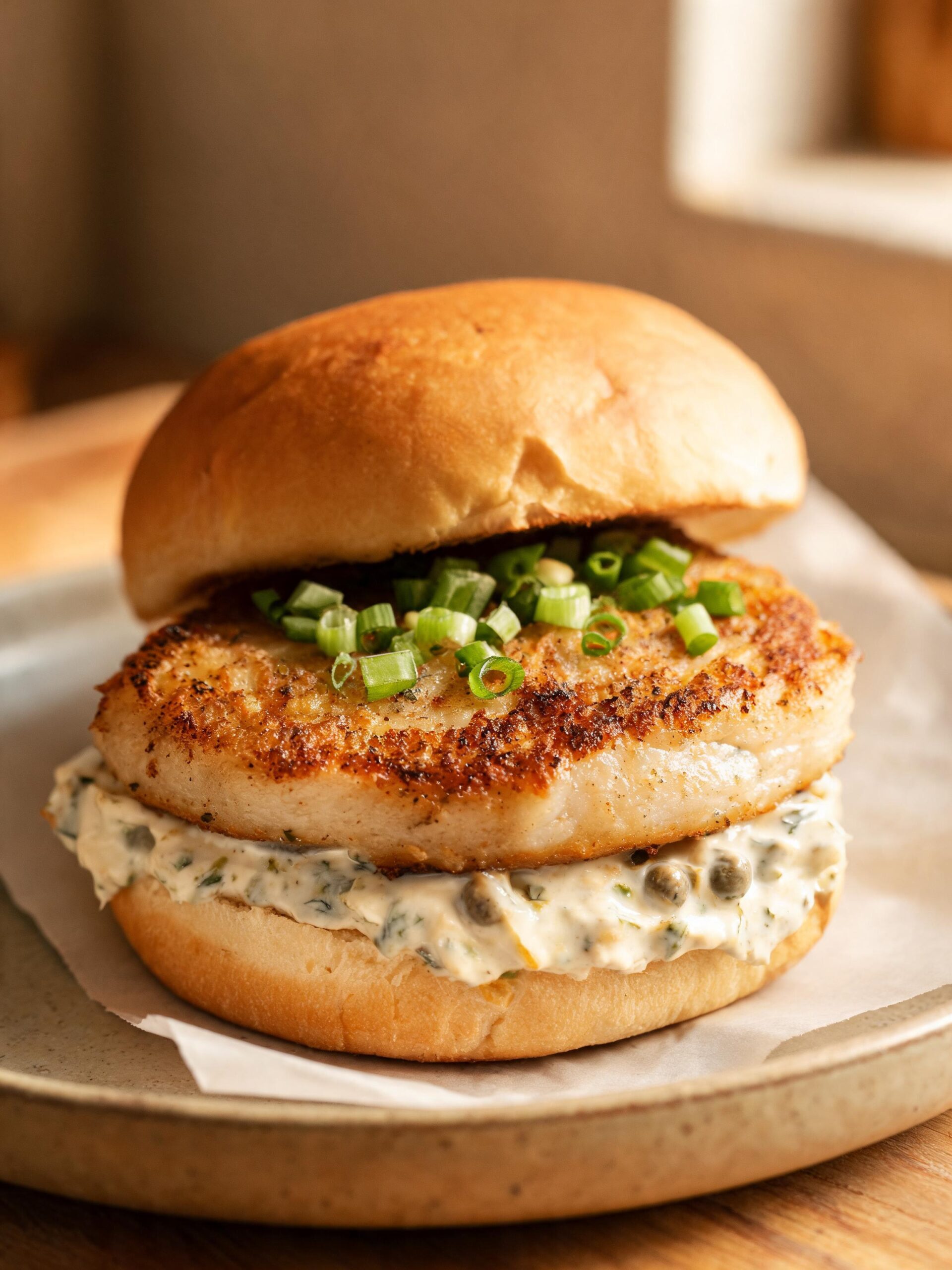
- The Ultimate Sandwich: This is arguably the best way to enjoy Fried Soft Shell Crab. Serve a hot, crispy crab on a toasted brioche bun with lettuce, thick-sliced tomato, and a generous smear of tartar sauce or remoulade. It’s a top-tier sandwich that rivals any lobster roll.
- As a Salad Topper: Create a simple arugula salad with a lemon vinaigrette. Slice a hot fried soft shell crab in half and place it on top for a stunning and satisfying main course salad. The peppery arugula cuts through the richness of the crab perfectly.
What to Serve With
A star like this deserves some great supporting actors. Keep the sides simple to let the crab shine. While this fried crab makes a fantastic centerpiece, if you’re planning a larger seafood feast, it pairs wonderfully alongside another classic like our Easy Authentic Spanish Seafood Paella Recipe.
- Creamy Coleslaw: A crisp, creamy, and slightly tangy coleslaw is the perfect counterpoint to the rich, crunchy crab.
- French Fries or Potato Wedges: A classic pairing for any fried seafood. Make sure they are well-seasoned.
- Corn on the Cob: If it’s in season, simple boiled or grilled corn on the cob with butter and salt is a fantastic, summery side.
- Sauces: A classic tartar sauce, a spicy remoulade, or even a simple garlic aioli are all excellent choices for dipping. A squeeze of fresh lemon is mandatory.
- Wine Pairing: A crisp, high-acid white wine like a Sauvignon Blanc or a dry Pinot Grigio will cut through the richness of the fried coating and complement the sweet crab meat. A cold beer, like a pilsner or a lager, also works wonderfully.
Storage and Reheating
Let me be direct: fried food is always best eaten immediately. It will never be as good as it was fresh from the fryer. However, if you have leftovers, here is the best way to handle them.
- Storage: Allow the crabs to cool completely to room temperature. Store them in an airtight container in the refrigerator for up to 2 days. Do not stack them; place them in a single layer or with parchment paper in between to prevent them from getting crushed or sticking.
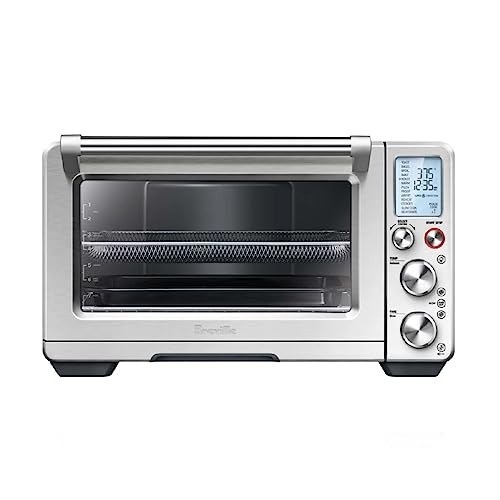
- Reheating: The microwave is your enemy here; it will turn the crispy coating into a soggy, chewy mess. The best method is an air fryer or an oven. For an air fryer, preheat to 375°F (190°C) and heat the crabs for 3-5 minutes, or until heated through and re-crisped. For an oven, preheat to 400°F (200°C), place the crabs on a wire rack on a baking sheet, and bake for 6-8 minutes. This method helps drive off moisture and brings back some of the original crunch.
FAQs (People Also Ask)
1. Can I use frozen soft shell crabs for this recipe?
Yes, you can, but fresh is always superior in texture and flavor. If using frozen, you must thaw them completely and correctly. The best way is to let them thaw overnight in the refrigerator. Before using, you must pat them extremely dry with paper towels, as they will have released a lot of water. Any excess moisture will ruin your crispy crust.
2. How do I know if my soft shell crab is cleaned properly?
A cleaned crab will have three things removed: 1) The face, including the eyes and mouthparts (snipped off with shears). 2) The gills, which are the spongy, feathery organs under the pointed sides of the top shell. 3) The apron, which is the flap on the crab’s belly (it’s narrow and pointed on males, wider and rounded on females).
3. Can I make Fried Soft Shell Crab in an air fryer?
You can, but it’s a different result. It won’t be as deeply golden or have the same shatteringly crisp texture as deep-frying. To adapt, dredge the crab as directed, then spray it generously on all sides with cooking oil spray. Air fry at 400°F (200°C) for about 8-10 minutes, flipping halfway through, until golden and cooked through. It’s a good, lighter alternative, but not a true substitute for the real thing.
4. Why is my crab watery or mushy inside?
This can happen if the crab was not fresh or if it was frozen and not thawed/dried properly. Soft shell crabs are delicate and have a high water content. If they are past their prime, the meat can become soft. Always buy from a reputable seafood supplier and use them the same day if possible. If using frozen, thorough drying is the key to avoiding a steamy, mushy interior.
5. What is the best oil for frying seafood?
The best oil is a neutral-flavored oil with a high smoke point (above 400°F). Peanut oil is a classic choice for its high smoke point and clean flavor. Canola, vegetable, and safflower oil are also excellent, widely available options. Avoid oils with strong flavors like olive oil or unrefined coconut oil, as they will overpower the delicate taste of the crab.
Nutrition Facts
(Per serving. Estimates only, varies by exact ingredients used)
Conclusion
Making truly great Fried Soft Shell Crab at home is more than possible—it’s a rite of passage for any seafood lover. It’s a dish that celebrates a fleeting season and rewards you with incredible flavor and texture. Forget the intimidation factor. Follow this guide, trust the process, and you’ll be pulling beautiful, crispy crabs out of the fryer that will impress anyone, including yourself. Give this recipe a try, and let me know how it turns out.
How to Make Crispy Fried Soft Shell Crab at Home
Ingredients
- 8 medium-sized soft shell crabs, cleaned
- 1 ½ cups buttermilk
- 1 ½ cups all-purpose flour
- ½ cup cornstarch
- 2 tablespoons Old Bay Seasoning
- 1 teaspoon kosher salt
- 1 teaspoon coarsely ground black pepper
- ½ teaspoon cayenne pepper
- 4 cups neutral frying oil (canola, vegetable, or peanut)
- Lemon wedges, for serving
- Fresh parsley, chopped, for garnish
Instructions
- Rinse the cleaned crabs and pat them completely dry with paper towels. Place them in a shallow dish and cover with buttermilk. Let soak for at least 10 minutes.
- In a separate shallow dish, whisk together the flour, cornstarch, Old Bay Seasoning, kosher salt, black pepper, and cayenne pepper.
- Heat about 1.5 inches of oil in a heavy-bottomed pot to 360°F (182°C).
- Lift one crab at a time from the buttermilk, let the excess drip off, and dredge thoroughly in the flour mixture, pressing lightly to coat. Shake off any excess.
- Carefully place 2-3 crabs in the hot oil. Fry for 2-3 minutes per side, until deep golden brown and crispy.
- Remove the crabs from the oil and drain them on a wire rack. Immediately sprinkle with a little extra salt or Old Bay.
- Repeat with the remaining crabs, allowing the oil to return to temperature between batches.
- Serve immediately with lemon wedges and a sprinkle of fresh parsley.