Introduction
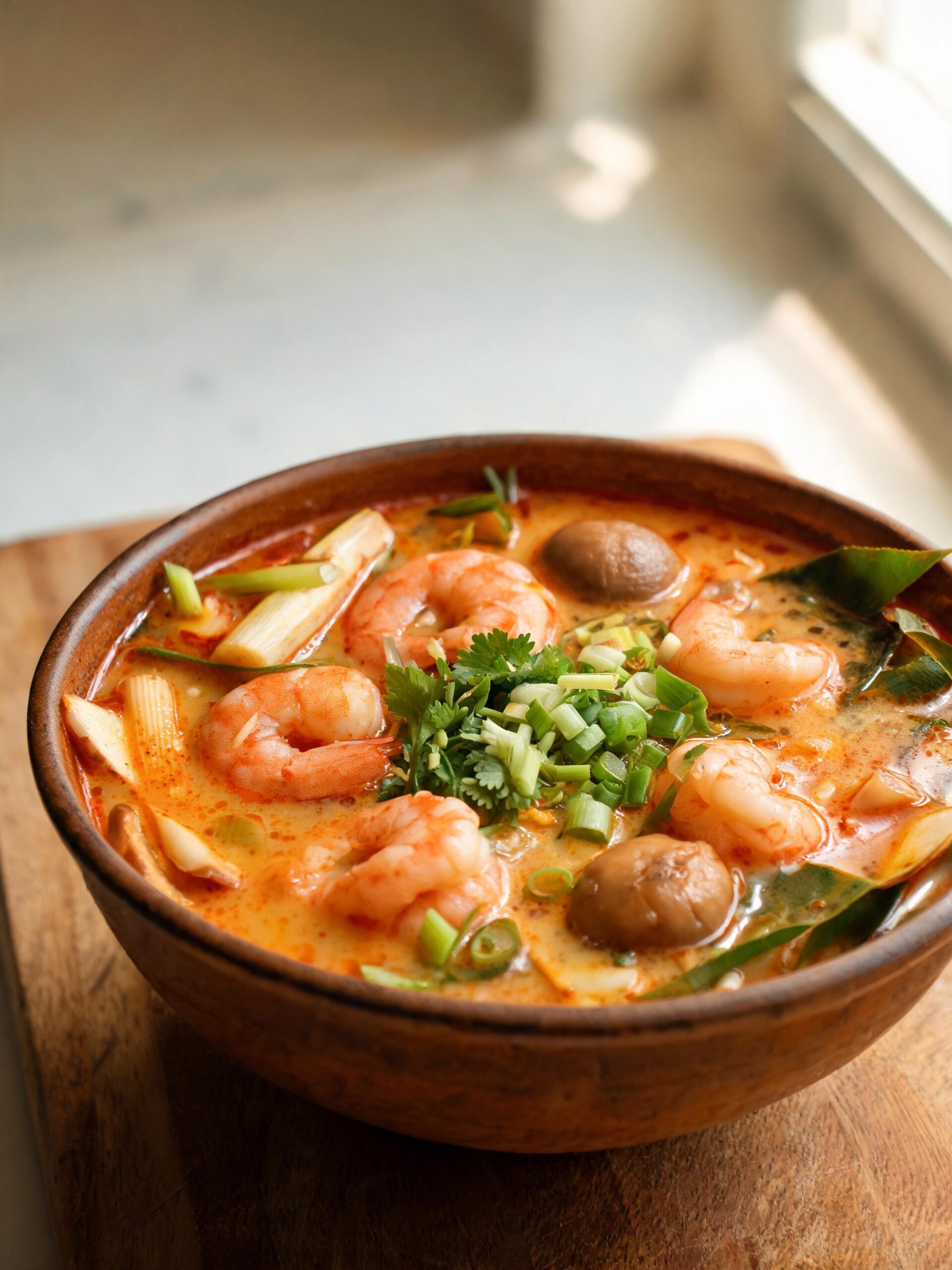
There are few dishes that hit the spot quite like a well-made Spicy Shrimp Soup. For over twenty years in professional kitchens, I’ve seen countless versions, but the one I always come back to is this authentic Thai Hot and Sour Soup, known as Tom Yum Goong. It’s not just about heat; it’s about a complex balance of spicy, sour, salty, and sweet that makes each spoonful an experience. Forget those takeout versions that are often too sweet or one-dimensionally spicy. This recipe gives you the real deal—a vibrant, aromatic broth, perfectly cooked shrimp, and earthy mushrooms, much like we do in our Crispy Salt and Pepper Fried Calamari Recipe. We’re going to build layers of flavor from scratch, but I promise it’s faster and easier than you think. This is the kind of soup that warms you from the inside out, perfect for a chilly evening or whenever you need a serious flavor kick. Let’s get to it.
Why You’ll Love This Recipe
- Incredibly Fast: From prep to bowl, you’re looking at about 35 minutes. It’s a restaurant-quality meal, much like our popular Crispy Salt and Pepper Fried Calamari, that’s genuinely achievable on a busy weeknight. The active cooking time is surprisingly short once your ingredients are ready.
- Authentic, Bold Flavor: This isn’t a watered-down imitation. We’re using classic Thai aromatics like galangal, lemongrass, and kaffir lime leaves to create a broth that is genuinely complex, aromatic, and unforgettable. It’s the real flavor you crave.
- Customizable and Healthy: You control the spice level and the ingredients. It’s a light yet satisfying meal, packed with protein from the shrimp and loaded with the goodness of fresh herbs and aromatics. This is a truly satisfying Spicy Shrimp Soup that won’t weigh you down.
Ingredients List
Sourcing the right ingredients is 90% of the battle for authentic flavor. Most of these can be found at a well-stocked grocery store or any Asian market. Don’t be tempted to substitute the core aromatics if you can help it; they are the soul of the soup.
For the Aromatic Broth:
- Chicken or Seafood Broth: 6 cups, low-sodium. Using a quality base is crucial. Seafood broth will amplify the shrimp flavor, but chicken broth provides a fantastic, clean canvas for the aromatics.
- Lemongrass: 2 stalks. Look for firm, pale green stalks. We’ll be bruising them to release their essential oils, which provide a unique citrusy, floral note.
- Galangal: 2-inch piece, sliced into thin coins. This is a non-negotiable for authentic Tom Yum. It looks like ginger but has a sharp, piney, and citrusy flavor. Ginger is not a direct substitute, as it’s much spicier and lacks the same floral complexity.
- Kaffir Lime Leaves: 6-8 leaves, torn. These leaves impart an incredibly fragrant, lime-zest aroma that is impossible to replicate. If you can only find dried, use a few extra and let them steep longer.
- Thai Chilis (Bird’s Eye Chilis): 3-5, or to taste, bruised. These tiny chilis pack a serious punch. Bruising them with the side of a knife before adding them to the pot helps release their capsaicin. Start with less if you’re unsure of your heat tolerance.
For the Soup:
- Large Shrimp: 1 lb, peeled and deveined (tails on or off, your choice). I prefer 16/20 count shrimp. They are large enough to stay juicy and provide a meaty bite. Using raw shrimp is essential; pre-cooked shrimp will become tough and rubbery.
- Straw Mushrooms: 1 (15-ounce) can, drained and rinsed, or 8 ounces fresh cremini mushrooms, halved or quartered. Canned straw mushrooms are traditional and hold their texture well. If using fresh, cremini or oyster mushrooms are excellent alternatives.
- Fish Sauce: 1/4 cup. This is the primary source of salt and umami. Brands like Red Boat, Three Crabs, or Megachef are excellent choices. Don’t be afraid of the pungent smell; it transforms into a deep, savory flavor when cooked.
- Fresh Lime Juice: 1/4 cup (from about 2-3 limes). This provides the essential ‘sour’ element. Always use fresh-squeezed juice; the bottled kind has a muted, often bitter taste.
- Coconut Milk: 1 (13.5-ounce) can, full-fat. This is optional for a creamy version (Tom Kha style influence), but it beautifully mallows the heat and adds a rich body. For a classic clear and fiery Tom Yum, simply omit it.
- Thai Chili Paste (Nam Prik Pao): 1-2 tablespoons. This is a secret weapon. It’s a smoky, sweet, and savory paste that adds incredible depth, a beautiful reddish color, and another layer of spice.
- Sugar: 1 teaspoon (palm or granulated). A tiny bit of sugar doesn’t make the soup sweet; it balances the intense sour and salty flavors.
For Garnish:
- Fresh Cilantro: 1/2 cup, roughly chopped leaves and tender stems.
- Green Onions: 2, thinly sliced.
- Lime Wedges: For serving.
Step-by-Step Instructions
Follow these steps closely. The cooking process is fast, so have all your ingredients prepped and ready to go before you turn on the stove.
- Prepare the Aromatics: Trim the dry tops and the root end from the lemongrass stalks. Peel away the tough outer layer. Using the back of a heavy chef’s knife, smash the stalks along their length to bruise them and release their oils. Cut them into 2-inch pieces. Slice the galangal into thin coins. Tear the kaffir lime leaves in half to help release their aroma. Lightly bruise the Thai chilis.
- Build the Aromatic Broth: In a large pot or Dutch oven, bring the 6 cups of broth to a boil over medium-high heat. Add the prepared lemongrass, galangal, kaffir lime leaves, and Thai chilis. Reduce the heat to a steady simmer and let the aromatics infuse the broth for 10-12 minutes. The kitchen should smell amazing at this point.
- Strain the Broth (Optional but Recommended): For a cleaner eating experience, use a slotted spoon to remove and discard the tough aromatics (lemongrass, galangal, lime leaves, and chilis). Their flavor is now fully infused into the broth. Many traditional recipes leave them in, but they are not meant to be eaten.
- Add Mushrooms and Seasonings: Return the broth to a simmer. Add the mushrooms and cook for 2-3 minutes until they are tender. Stir in the fish sauce, Thai chili paste (Nam Prik Pao), and sugar. Stir until the chili paste is fully dissolved.
- Incorporate Coconut Milk (If Using): If you’re making the creamy version, reduce the heat to low. Slowly pour in the coconut milk while stirring gently. Do not let the soup boil after adding the coconut milk, as it can cause it to separate or curdle. Heat it through gently for about 1-2 minutes.
- Cook the Shrimp: Add the peeled and deveined shrimp to the hot broth. They will cook very quickly. Simmer for just 1-2 minutes, until they turn pink, opaque, and curl into a ‘C’ shape. This is the most critical step to avoid rubbery shrimp. As soon as they are cooked, turn off the heat.
- Finish with Lime and Herbs: Remove the pot from the heat completely. Stir in the fresh lime juice and most of the chopped cilantro. Adding the lime juice off the heat preserves its bright, fresh flavor. Taste the broth and adjust if needed. It might need another splash of fish sauce for saltiness or a squeeze of lime for acidity. This final adjustment is what makes a good Spicy Shrimp Soup great.
- Serve Immediately: Ladle the soup into bowls. Garnish with the remaining fresh cilantro, sliced green onions, and a lime wedge on the side.
Chef’s Pro Tips for Success
After making thousands of gallons of soup in my career, I’ve learned a few things. These tips will elevate your Spicy Shrimp Soup from good to exceptional.
One of the most tedious parts of any shrimp recipe is the prep work. For years I used a paring knife, but the real game-changer for me was a solid pair of kitchen shears. I use heavy-duty shears to quickly snip down the back of each shrimp shell. This not only makes peeling effortless but also perfectly exposes the vein for easy removal. It’s faster, safer, and much cleaner than fumbling with a knife, allowing you to get to the cooking part in record time.
If you want to speed up your prep and work more efficiently in the kitchen, a good pair of shears is indispensable. These are the ones I recommend.
Heavy Duty Poultry Shears For Fish, Chicken, Vegetables, Spring Loaded
✓ prime
We earn a commission if you make a purchase, at no additional cost to you.

- Make a Quick Shrimp Stock: Don’t throw away those shrimp shells! After peeling your shrimp, toss the shells and tails into a small saucepan. Cover with 2 cups of water, bring to a simmer, and let it cook for 10-15 minutes while you prep other ingredients. Strain this liquid and use it to replace 2 cups of the chicken broth. This adds an incredible layer of deep, authentic seafood flavor that you can’t get from a box.
- Balance is Everything: The hallmark of Thai cuisine is the balance of four key flavors: hot, sour, salty, and sweet. Taste your soup at the very end, before serving. Is it flat? It probably needs more fish sauce (salty/umami). Is it too sharp? A tiny pinch more sugar can round it out. Not bright enough? More lime juice (sour). Not enough kick? Add more chili paste or a few drops of chili oil. Adjusting these elements is the true art of making this soup.
- Don’t Boil Your Coconut Milk: If you’re making the creamy version, this is the number one rule. Boiling full-fat coconut milk at high heat can cause the fats and liquids to separate, resulting in a curdled, oily texture. Add it at the end over low heat and just warm it through gently.
- The Power of Bruising: Simply slicing your aromatics isn’t enough. Lemongrass, galangal, and chilis have their essential oils locked inside their fibrous structures. Physically bruising them—by smashing them with the back of a knife or a pestle—ruptures the cell walls and allows those potent, volatile oils to flood into your broth. This step alone makes a massive difference in the final aromatic quality of the soup.
- Add Lime Juice Off the Heat: Never boil fresh lime juice. High heat destroys its delicate, bright flavor and can make it taste bitter and ‘cooked’. Always stir it in after you’ve turned off the stove. This preserves its fresh, zesty punch, which is essential for cutting through the richness and heat of this fantastic Spicy Shrimp Soup.
Common Mistakes to Avoid
It’s easy to get this recipe right, but a few common missteps can compromise the final result. Here’s what to watch out for.
- Overcooking the Shrimp: This is the most common crime against seafood. Shrimp cook in literally 1-2 minutes. People often add them too early or let the soup continue to boil after they’re in. The result is tough, rubbery, and disappointing shrimp. The Fix: Add the shrimp at the absolute last minute. The residual heat of the broth is enough to cook them through perfectly. As soon as they turn pink and curl, they’re done. Turn off the heat immediately.
- Using Ginger Instead of Galangal: While they look similar, they are not interchangeable. Ginger has a pungent, spicy heat, whereas galangal has a unique piney, citrusy, and slightly medicinal flavor that is the signature of Tom Yum. Using ginger will make a spicy soup, but it won’t be a Tom Yum soup. The Fix: Make the effort to find fresh or frozen galangal at an Asian market. It’s a game-changer. If you absolutely cannot find it, it’s better to omit it than to substitute with ginger.
- Adding Lime Juice Too Early: As mentioned in the pro tips, boiling lime juice kills its flavor. Many people add it along with the fish sauce and other seasonings while the soup is still bubbling away on the stove. This cooks off all the vibrant, fresh acidity. The Fix: Treat lime juice like a fresh herb. It is a finishing ingredient. Always stir it in after the pot is off the heat, right before you serve.
- Forgetting to Balance Flavors: A frequent mistake is following the recipe to the letter and not tasting and adjusting at the end. Your limes might be more or less sour, your fish sauce saltier, or your chili paste milder. The recipe is a guide, but your palate is the final judge. The Fix: Before you ladle the soup into bowls, take a spoonful. Ask yourself what it needs. More salt? More acid? More heat? Make small adjustments, stirring and tasting after each one until the flavor pops.
Variations and Serving Ideas
This recipe is a perfect blueprint. Once you master it, you can easily adapt it.
- Protein Swaps: Not a shrimp fan? This soup is incredible with other proteins. Try it with bite-sized pieces of chicken thigh (add it before the mushrooms and simmer until cooked through), firm white fish like cod or halibut (add it at the end like the shrimp), or a mix of seafood like mussels and squid. If you love seafood combinations, you should also try our authentic Spanish Seafood Paella. For a vegetarian version, use firm tofu and a rich vegetable or mushroom broth.
- Add Noodles: Turn this soup into a complete, hearty meal by adding cooked rice noodles. Place a nest of cooked vermicelli or thin rice noodles in the bottom of each bowl before ladling the hot soup over top.
- Make it Clear and Fiery (Tom Yum Nam Sai): For a more traditional, non-creamy version, simply omit the coconut milk. The resulting broth is lighter, spicier, and has a more pronounced sour note. This is my personal favorite way to enjoy it.
- Increase the Vegetables: Feel free to add more vegetables. Sliced bell peppers, baby corn, or bok choy can be added along with the mushrooms to bulk up the soup and add extra nutrition.
What to Serve With
While this soup is a meal in itself, serving it with a side of steamed jasmine rice is classic. The rice is perfect for soaking up every last drop of the delicious broth. For a more complete meal, you could create a seafood feast by serving it alongside another classic like our Easy Authentic Spanish Seafood Paella Recipe.
- Steamed Jasmine Rice: The fragrant, slightly sticky rice is the perfect neutral companion to the soup’s bold flavors.
- Cooling Cucumber Salad: A simple Thai cucumber salad with a light vinaigrette of rice vinegar, a little sugar, and sliced shallots can provide a refreshing contrast to the soup’s heat.
- Thai Spring Rolls: Crispy spring rolls serve as a great appetizer or side dish, adding a textural contrast.
Storage and Reheating
Proper storage is key to enjoying leftovers, especially with seafood.
- Storage: If you anticipate leftovers, the best method is to store the shrimp separately from the broth. Use a slotted spoon to remove the shrimp and mushrooms and store them in an airtight container. Store the broth in a separate airtight container. They will keep in the refrigerator for up to 2 days. Storing them together causes the shrimp to overcook during reheating and become tough.
- Reheating: Gently reheat the broth on the stovetop over medium-low heat until it is hot but not boiling. Once the broth is heated, add the shrimp and mushrooms back in and let them warm through for about 30-60 seconds. Do not boil the soup. This method ensures the shrimp remain tender. Microwaving is not recommended as it can easily overcook the shrimp.
FAQs (People Also Ask)
1. Can I use frozen shrimp for this recipe?
Absolutely. Frozen raw shrimp works perfectly. Thaw them completely before you start. The best way is to place them in a colander in the sink and run cold water over them for a few minutes until they are no longer frozen. Pat them thoroughly dry with paper towels before adding them to the soup to ensure they don’t water down the broth.
2. What can I substitute for kaffir lime leaves?
This is a tough one, as their flavor is so unique. There is no perfect substitute. In a pinch, you can add a teaspoon of finely grated lime zest to the broth along with the aromatics. It won’t be the same, but it will provide a citrusy boost. Do not use regular lime leaves, as they do not have the same flavor.
3. How can I make this soup less spicy?
You have full control over the heat. To reduce the spiciness, simply use fewer Thai chilis—or omit them altogether. Also, be mindful of the Thai chili paste (Nam Prik Pao), as it also contains heat. Start with a smaller amount and add more to taste. You can still create a flavorful and aromatic soup that is mild.
4. My coconut milk curdled. What did I do wrong?
This almost always happens for one of two reasons: the heat was too high, or the acidic lime juice was added while the coconut milk was boiling. To prevent it, always add the coconut milk over low heat and never let it come to a rolling boil. Also, ensure you add the lime juice after the pot has been removed from the heat entirely.
5. Can I make this Spicy Shrimp Soup ahead of time?
Yes, you can prepare the broth ahead of time. Follow the recipe through step 4 (after adding the mushrooms and seasonings). Let the broth cool completely and store it in an airtight container in the refrigerator for up to 3 days. When you’re ready to serve, simply bring the broth back to a gentle simmer, add the coconut milk (if using), and then cook the shrimp as directed. This is a great way to prep for a dinner party.
Nutrition
Nutrition Facts
(Per serving. Estimates only, varies by exact ingredients used)
Conclusion
This Authentic Thai Hot and Sour Soup is more than just a recipe; it’s a technique and a lesson in flavor balancing. Once you make it from scratch, you’ll never look back at takeout again. The depth and vibrancy you can achieve in your own kitchen in just over 30 minutes is truly rewarding. I hope you enjoy making—and eating—this incredible soup as much as I do. Give it a try and let me know how it turns out.
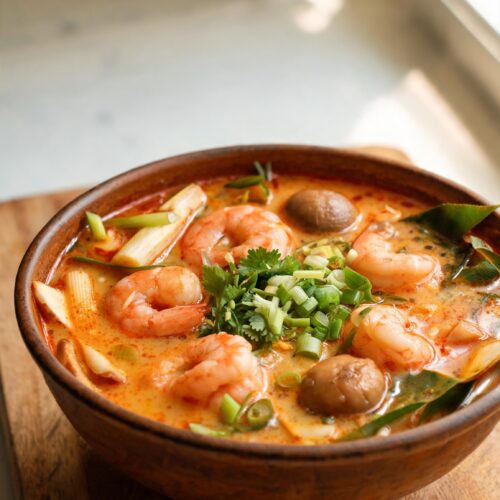
Authentic & Easy Thai Hot and Sour Shrimp Soup
Ingredients
- 6 cups low-sodium chicken or seafood broth
- 2 stalks lemongrass, prepared
- 2-inch piece galangal, sliced
- 6-8 kaffir lime leaves, torn
- 3-5 Thai chilis, bruised
- 1 lb large shrimp, peeled and deveined
- 1 (15-ounce) can straw mushrooms, drained, or 8 oz fresh cremini mushrooms
- 1/4 cup fish sauce
- 1/4 cup fresh lime juice
- 1 (13.5-ounce) can full-fat coconut milk (optional for creamy version)
- 1-2 tablespoons Thai chili paste (Nam Prik Pao)
- 1 teaspoon sugar
- 1/2 cup fresh cilantro, chopped
- 2 green onions, thinly sliced
- Lime wedges for serving
Instructions
- Prepare the aromatics: Trim, peel, and smash lemongrass stalks, then cut into 2-inch pieces. Slice galangal thinly. Tear kaffir lime leaves and bruise the Thai chilis.
- In a large pot, bring broth to a boil. Add lemongrass, galangal, kaffir lime leaves, and chilis. Reduce heat and simmer for 10-12 minutes to infuse.
- Optional: Use a slotted spoon to remove and discard the tough aromatics from the broth for a cleaner soup.
- Return broth to a simmer. Add mushrooms and cook for 2-3 minutes. Stir in fish sauce, Thai chili paste, and sugar until dissolved.
- If making a creamy version, reduce heat to low and slowly stir in the coconut milk. Heat gently for 1-2 minutes, but do not boil.
- Add the shrimp to the hot broth and cook for 1-2 minutes, just until pink and curled. Immediately turn off the heat.
- Remove the pot from the stove. Stir in the fresh lime juice and most of the cilantro. Taste and adjust seasoning if necessary.
- Ladle into bowls and garnish with remaining cilantro, green onions, and fresh lime wedges. Serve immediately.