Introduction
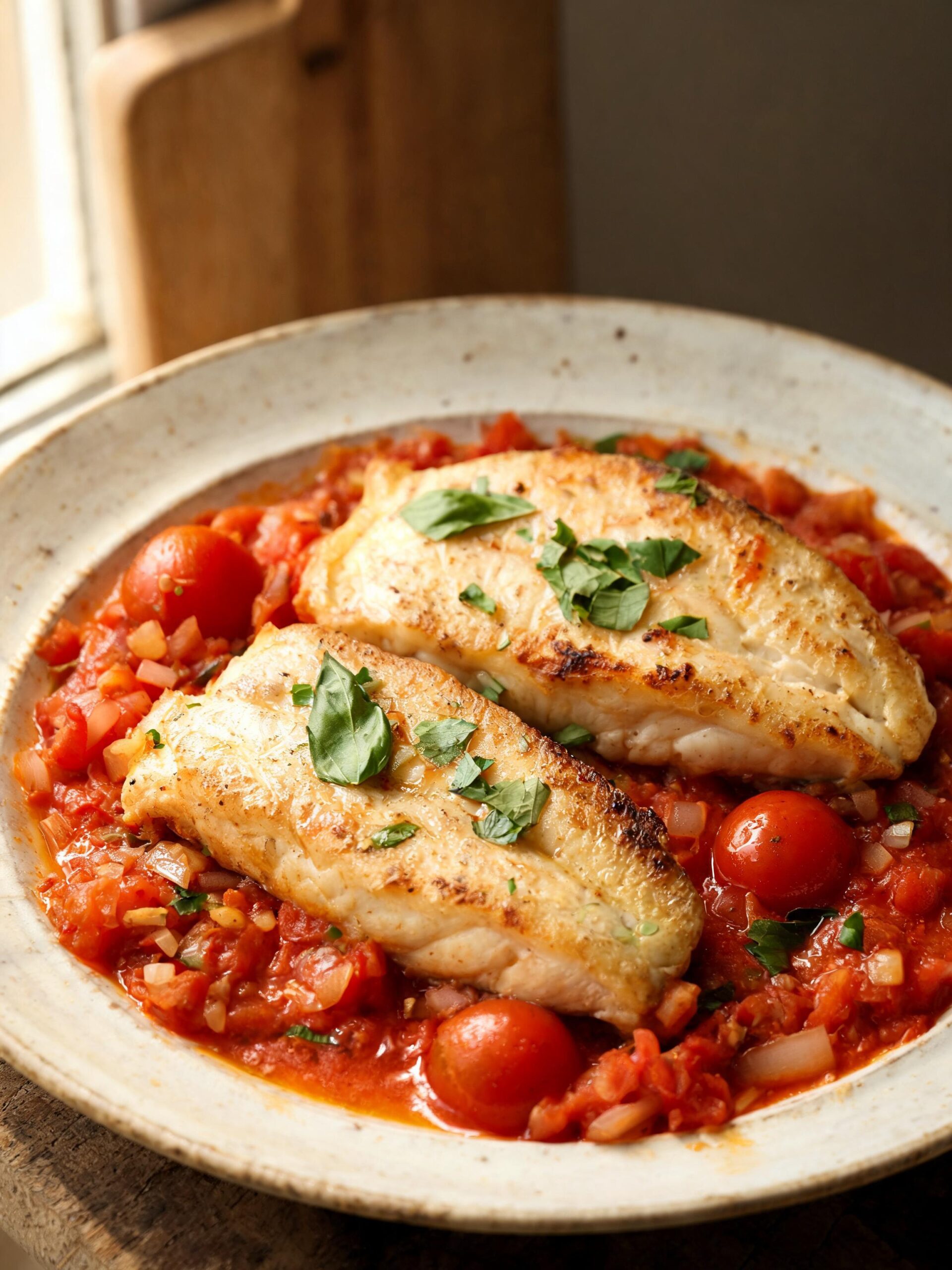
For over two decades in professional kitchens, I’ve learned one crucial lesson: the best meals are often the simplest. From a quick Crispy Salt and Pepper Fried Calamari to this Baked Tilapia in a vibrant, tangy tomato basil sauce, simplicity is key. It’s the kind of dish I’d put on a menu because it’s reliable, incredibly flavorful, and comes together faster than you can decide what to order for takeout. We’re not just throwing fish in a pan; we’re building a quick, elegant sauce from scratch that elevates the mild, flaky tilapia into something special. Forget dry, bland fish. This recipe guarantees a moist, perfectly cooked fillet every single time. It’s a weeknight workhorse that’s impressive enough for a weekend dinner with friends. This is the definitive guide to making restaurant-quality baked fish at home, without any of the stress or complicated steps.
Why You’ll Love This Recipe
- Incredibly Fast: From chopping board to dinner table in about 35 minutes. It’s the ideal solution for busy weeknights when you want a real, wholesome meal without spending hours in the kitchen.
- Packed with Flavor: The sauce is the star. Sautéed garlic and onion, a splash of white wine, sweet cherry tomatoes, and fresh basil create a bright, tangy, and aromatic base that perfectly complements the mild fish.
- Foolproof for Beginners: Baking fish in a sauce is one of the most forgiving cooking methods. The liquid keeps the tilapia incredibly moist, preventing it from drying out, which is the most common mistake when cooking lean fish.
Ingredients List
The beauty of this dish lies in its simple, accessible ingredients. Quality matters, especially with so few components. Use the best you can find for a truly exceptional result. Here’s exactly what you’ll need:
For the Tilapia:
- Tilapia Fillets: 4 (about 6 ounces each), fresh or frozen (and fully thawed). Look for fillets that are uniform in thickness for even cooking.
- Kosher Salt: 1 teaspoon, for seasoning the fish directly.
- Black Pepper: ½ teaspoon, freshly cracked for the best flavor.
- Olive Oil: 1 tablespoon, for searing and preventing sticking.
For the Tomato Basil Sauce:
- Extra Virgin Olive Oil: 2 tablespoons. This is for building the sauce, so use a good quality one with some flavor.
- Yellow Onion: 1 medium, finely chopped. This creates the sweet, aromatic foundation of our sauce.
- Garlic: 4 cloves, thinly sliced. Slicing it (instead of mincing) prevents it from burning easily and releases a sweeter, less pungent flavor.
- Dry White Wine: ¼ cup, such as Sauvignon Blanc or Pinot Grigio. This deglazes the pan and adds a critical layer of acidity and complexity. If you don’t use alcohol, you can substitute with chicken or vegetable broth with a splash of lemon juice.
- Canned Cherry Tomatoes: 1 (28-ounce) can, undrained. I prefer these over diced tomatoes because they break down into a rustic, sweeter sauce with better texture.
- Dried Oregano: 1 teaspoon. It adds a classic Mediterranean earthiness that pairs beautifully with tomato.
- Red Pepper Flakes: ¼ teaspoon (optional), for a subtle background warmth.
- Fresh Basil Leaves: ½ cup, roughly chopped or torn, plus more for garnish. Stir this in at the very end to preserve its fresh, bright flavor.
- Lemon: 1, for juicing over the finished dish.
Step-by-Step Instructions
Follow these steps closely for a perfect result. The key is to build the sauce first, then let the oven do the final work.
- Preheat and Prep: Position a rack in the center of your oven and preheat to 400°F (200°C). Pat the tilapia fillets completely dry with paper towels. This is a non-negotiable step for getting a good texture. Season both sides of the fillets generously with 1 teaspoon of kosher salt and ½ teaspoon of black pepper.
- Start the Sauce: Heat 2 tablespoons of extra virgin olive oil in a large, oven-safe skillet over medium heat. Add the chopped yellow onion and cook, stirring occasionally, until it softens and becomes translucent, about 5-6 minutes.
- Build the Aromatics: Add the sliced garlic and the optional red pepper flakes to the skillet. Cook for another 1-2 minutes, stirring constantly, until the garlic is fragrant and lightly golden. Be careful not to let it brown, or it will become bitter.
- Deglaze the Pan: Pour in the ¼ cup of dry white wine. Bring it to a simmer and use a wooden spoon to scrape up any browned bits from the bottom of the pan. Let the wine cook and reduce by about half, which should take about 2 minutes. This cooks off the raw alcohol flavor and concentrates the taste.
- Simmer the Sauce: Add the entire can of undrained cherry tomatoes and the dried oregano. Use your spoon to gently crush some of the tomatoes against the side of the skillet to release their juices. Bring the sauce to a gentle simmer, then reduce the heat to low and let it cook for 10 minutes, stirring occasionally. The sauce will thicken slightly.
- Nestle the Fish: Taste the sauce and adjust for salt and pepper if needed. Remove the skillet from the heat. Gently nestle the seasoned tilapia fillets into the sauce, spooning a little bit of the sauce over the top of each fillet.
- Bake to Perfection: Transfer the entire skillet to the preheated 400°F oven. Bake, uncovered, for 12-15 minutes. The exact time will depend on the thickness of your fillets. The fish is done when it is opaque all the way through and flakes easily when tested with a fork. This is the ideal way to prepare Baked Tilapia for maximum moisture.
- Finish and Serve: Carefully remove the skillet from the oven. Stir the fresh basil into the sauce around the fish. Squeeze the juice of half a lemon over the top of the fillets. Serve immediately, garnished with a little extra fresh basil.
Chef’s Pro Tips for Success
Speaking of secrets, let me tell you about my absolute non-negotiable for cooking fish: a reliable instant-read thermometer. Tip #3 about carry-over cooking is the most important one on this list, and guesswork is a recipe for disaster. For a lean fish like tilapia that goes from perfect to overcooked in seconds, knowing the precise internal temperature is everything. This is how we ensure perfectly moist, flaky fish every single time in the restaurant, and it’s the easiest way to bring that pro-level consistency to your own kitchen.
If you’re ready to take the guesswork out of cooking fish for good, this is the tool you need. You can check the price on the exact model I use below.
ThermoMaven Smart Wireless Meat Thermometer
✓ prime
We earn a commission if you make a purchase, at no additional cost to you.

After years of cooking seafood, I’ve learned a few things that separate a good dish from a great one. Here are my top secrets for this Baked Tilapia recipe.
- The Pat-Down is Paramount: I mentioned this in the instructions, but it’s worth repeating. Water is the enemy of texture. A wet fish fillet will steam in the oven, even in a sauce, resulting in a slightly mushy texture. By patting it bone-dry with paper towels, you ensure the surface of the fish cooks properly, allowing it to better absorb the seasoning and maintain a flaky integrity.
- Master Sauce Reduction: Before you add the fish, your tomato sauce needs to be the right consistency. After simmering for 10 minutes, it shouldn’t be watery. Drag your spoon through it; it should leave a clear trail that slowly fills in. If it’s too thin, the final dish will be soupy. If it’s too thick, it might scorch in the hot oven. Simmering for that initial 10 minutes is key to evaporating excess water and concentrating the tomato flavor.
- Respect Carry-Over Cooking: Fish, especially a lean fish like tilapia, cooks incredibly fast. It will continue to cook from residual heat even after you pull it from the oven. For a perfectly moist result, pull the skillet out when the fish is *almost* done. The center should be just a hint translucent. An instant-read thermometer is your best friend here; pull the fish when it hits 140°F. By the time you get it to the table, it will have reached the perfect, safe temperature of 145°F without being overcooked.
- Thaw Frozen Fish Properly: If you’re using frozen tilapia, how you thaw it makes all the difference. Never thaw it on the counter or in the microwave. The best method is to place it in the refrigerator overnight. This slow, gentle thaw preserves the texture of the fish. If you’re in a pinch, you can place the sealed fish in a bowl of cold water for about 30-60 minutes, changing the water every 15 minutes until it’s pliable. Then, pat it extra dry.
- Bloom Your Dried Herbs: When you add the dried oregano, make sure you’re adding it to the hot sauce base, not just sprinkling it on top at the end. The heat and oil help to ‘bloom’ the herb, reawakening its essential oils and releasing a much deeper, more robust flavor throughout the sauce. It’s a small step that makes a big difference in the final aromatic quality of the dish.
Common Mistakes to Avoid
I’ve seen these simple mistakes turn a promising fish dinner into a disappointment. Avoid them, and you’ll be golden.
- Overcrowding the Skillet: You might be tempted to squeeze in an extra fillet, but this is a critical error. When the fish fillets are too close together, they trap steam. Instead of baking in dry heat, they end up poaching in their own liquid and the sauce. This leads to a pale, sometimes rubbery texture. Ensure there is at least an inch of space around each fillet so the hot air can circulate and cook them evenly. If your skillet isn’t big enough, it’s better to use two or a large baking dish.
- Forgetting to Season the Fish Directly: Many home cooks assume that a flavorful sauce is enough. It’s not. The fish itself needs its own layer of seasoning. Seasoning the tilapia directly with salt and pepper before it goes into the sauce ensures that the fillet is savory and delicious from the inside out. It’s the difference between a piece of fish sitting *in* a sauce and a piece of fish that is an integral, flavorful part of the dish.
- Using a Thin, Flimsy Pan: A cheap, thin-bottomed skillet can be your worst enemy. It will develop hot spots, causing your onions and garlic to scorch while other parts remain undercooked. This leads to a bitter, unevenly flavored sauce. Use a heavy-bottomed, oven-safe skillet (like cast iron or a quality stainless steel) that distributes heat evenly, both on the stovetop and in the oven.
- Adding Fresh Basil Too Early: Fresh basil is delicate. If you add it to the sauce while it’s simmering for 10 minutes, its bright, fresh flavor will cook away, leaving behind a dull, almost bitter taste. It should always be treated as a finishing herb. Stir it in right at the end, after the skillet comes out of the oven. The residual heat will wilt it perfectly and release its vibrant aroma without destroying its essence. This is a key step for a successful Baked Tilapia dish.
Variations and Serving Ideas
This recipe is a fantastic template. Once you’ve mastered the basic technique, you can easily adapt it.
- Mediterranean Baked Tilapia: Give it a Mediterranean flair by adding ¼ cup of pitted and halved Kalamata olives and 2 tablespoons of capers to the sauce along with the tomatoes. In the last 2 minutes of baking, sprinkle ½ cup of crumbled feta cheese over the top.
- Spicy Arrabbiata Style: If you love heat, increase the red pepper flakes to a full teaspoon, or even add a finely diced jalapeño along with the garlic for a serious kick. A little extra heat makes this a fantastic variation of our classic Baked Tilapia.
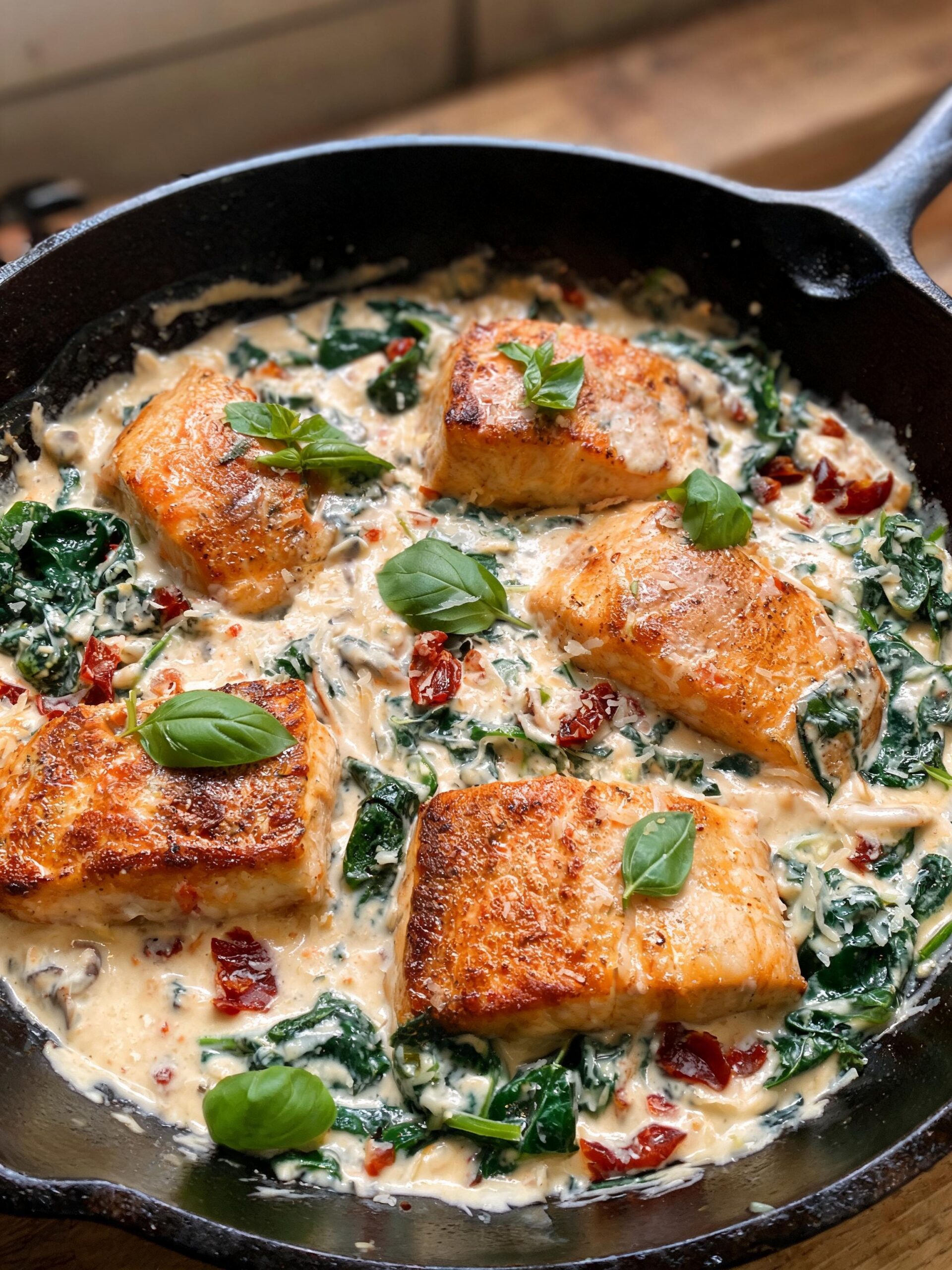
- Creamy Tomato and Spinach: For a richer, more decadent sauce, stir in 2 large handfuls of fresh spinach during the last minute of simmering the sauce, allowing it to wilt. After taking the skillet out of the oven, stir in ¼ cup of heavy cream or full-fat coconut milk for a luscious, creamy finish.
- Use Other White Fish: This sauce and method work beautifully with other flaky white fish. Try it with cod, haddock, pollock, or even halibut. You may need to adjust the baking time slightly depending on the thickness of the fillets.
What to Serve With
You need something to soak up that incredible tomato sauce. While this dish is a complete meal with a simple side, if you’re planning a larger seafood feast, it would be a great complement to a classic like our Easy Authentic Spanish Seafood Paella. For this specific recipe, here are my top pairings:
- Starches: Serve over a bed of creamy polenta, fluffy couscous, or simple orzo pasta tossed with a bit of olive oil and parsley. A side of crusty sourdough bread is also essential for dipping.
- Vegetables: Keep the sides simple to let the fish shine. Roasted asparagus with lemon zest, simple steamed green beans, or a lightly sautéed zucchini and summer squash medley are all excellent choices.
- Salads: A crisp, simple green salad with a sharp lemon vinaigrette provides a refreshing contrast to the warm, savory fish and sauce. An arugula salad with shaved Parmesan works particularly well.
Storage and Reheating
Leftover fish can be tricky, but if you handle it correctly, it can still be delicious the next day.
- Storage: Allow the fish and sauce to cool to room temperature. Transfer to an airtight container and store in the refrigerator for up to 2 days. I don’t recommend keeping it longer than that, as the texture and flavor of the fish will degrade.
- Reheating: Avoid the microwave at all costs; it will make the fish rubbery and tough. The best way to reheat this Baked Tilapia is gently in the oven. Place the leftovers in an oven-safe dish, add a splash of water or broth to keep it moist, cover tightly with foil, and warm in a 300°F (150°C) oven for 10-15 minutes, or until just heated through.
FAQs (People Also Ask)
1. Can I use frozen tilapia for this recipe?
Absolutely. As I mentioned in the tips, the key is proper thawing. Thaw the fillets overnight in the refrigerator for the best texture. Do not cook them from frozen for this recipe, as they will release too much water and make your sauce soupy.
2. What is a good non-alcoholic substitute for the white wine?
If you prefer not to cook with wine, you can substitute it with an equal amount of low-sodium chicken or vegetable broth. To replicate the acidity that the wine provides, add 1 teaspoon of white wine vinegar or fresh lemon juice along with the broth.
3. Can I make the tomato basil sauce ahead of time?
Yes, this is a great time-saver. You can prepare the sauce through step 5 and store it in an airtight container in the refrigerator for up to 3 days. When you’re ready to eat, simply reheat the sauce gently in an oven-safe skillet on the stovetop, then proceed with nestling the fish in and baking as directed.
4. My tilapia came out watery and bland. What went wrong?
This usually comes down to two things: moisture and seasoning. First, you must pat the fish completely dry after thawing. Any excess water will dilute the sauce and steam the fish. Second, you must season the fish itself, not just the sauce. A generous sprinkle of salt and pepper on the fillets before they go into the pan makes a world of difference.
5. How do I know for sure when the Baked Tilapia is perfectly cooked?
There are two reliable methods. The visual cue is to insert a fork into the thickest part of the fillet and gently twist. If it flakes apart easily and the flesh is opaque, it’s done. For guaranteed perfection, use an instant-read thermometer. The internal temperature in the thickest part should read 145°F (63°C). Pulling it from the oven at 140°F and letting it rest for a few minutes is the professional way to hit that mark perfectly.
Nutrition
Nutrition Facts
(Per serving. Estimates only, varies by exact ingredients used)
Conclusion
This is more than just a recipe; it’s a technique that will give you the confidence to cook seafood perfectly every time. The combination of flaky fish and a bright, robust sauce is a winner for any occasion. I hope this becomes a staple in your kitchen just as it has in mine. Give it a try, and enjoy a truly fantastic meal you made yourself.
Quick Baked Tilapia in Tangy Tomato Basil Sauce
Ingredients
- 4 (6 ounce) tilapia fillets, fresh or fully thawed
- 1 teaspoon kosher salt
- 1/2 teaspoon black pepper, freshly cracked
- 3 tablespoons olive oil, divided
- 1 medium yellow onion, finely chopped
- 4 cloves garlic, thinly sliced
- 1/4 cup dry white wine, such as Sauvignon Blanc
- 1 (28-ounce) can cherry tomatoes, undrained
- 1 teaspoon dried oregano
- 1/4 teaspoon red pepper flakes (optional)
- 1/2 cup fresh basil leaves, roughly chopped
- 1 lemon, for juicing
Instructions
- Preheat oven to 400°F (200°C). Pat tilapia fillets completely dry and season both sides with kosher salt and black pepper.
- Heat 2 tablespoons of olive oil in a large, oven-safe skillet over medium heat. Add the onion and cook until softened, about 5-6 minutes.
- Add the sliced garlic and optional red pepper flakes. Cook until fragrant, about 1-2 minutes, ensuring it does not brown.
- Pour in the white wine to deglaze, scraping up any browned bits. Simmer until the wine has reduced by half, about 2 minutes.
- Add the undrained cherry tomatoes and oregano. Gently crush some tomatoes and simmer the sauce for 10 minutes to thicken slightly.
- Remove the skillet from heat. Nestle the seasoned tilapia fillets into the sauce, spooning some sauce over the top of each.
- Transfer the skillet to the preheated oven and bake for 12-15 minutes, or until the fish is opaque and flakes easily with a fork.
- Carefully remove from the oven. Stir the fresh basil into the sauce and squeeze fresh lemon juice over the fish before serving.