Introduction
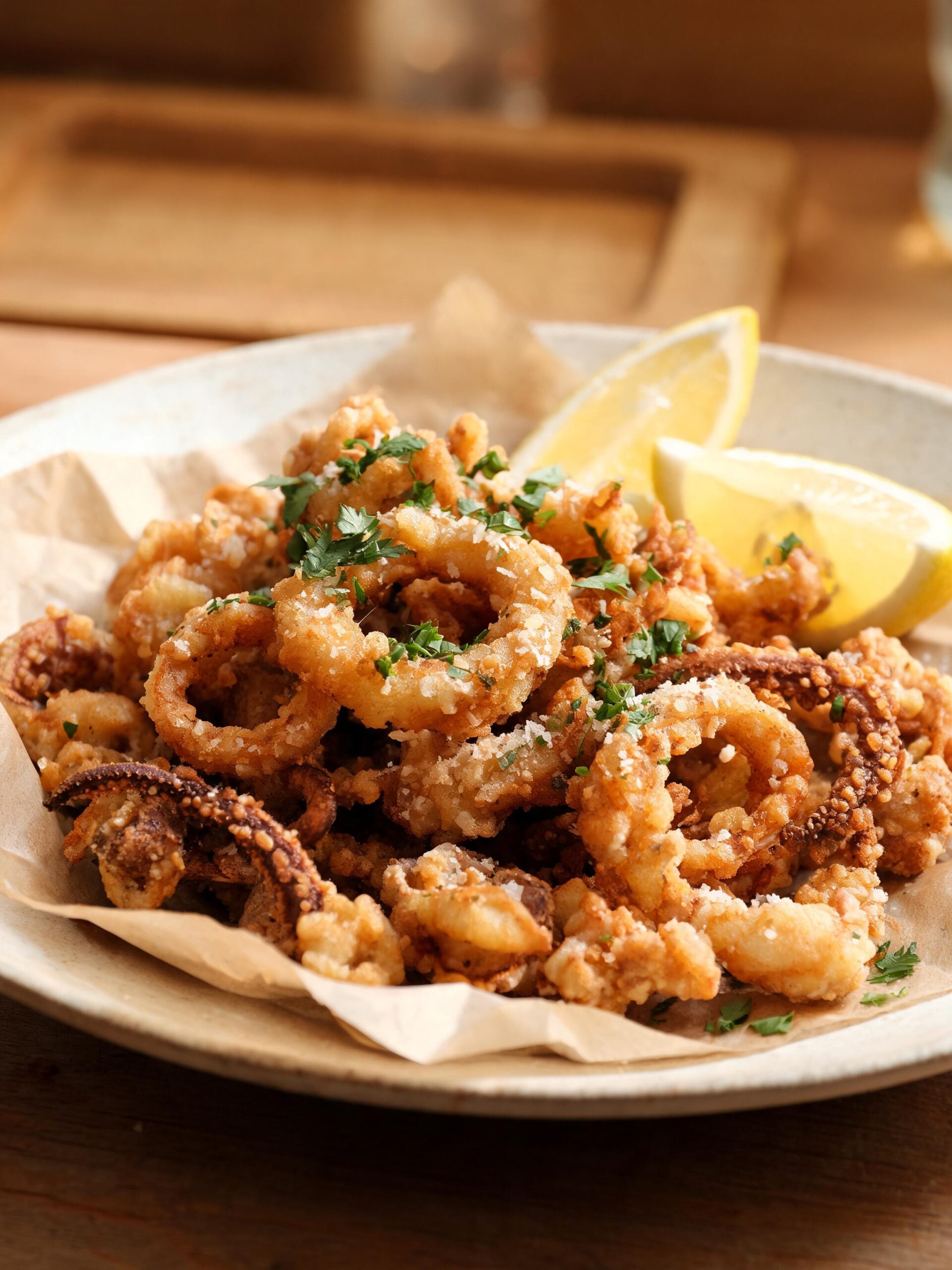
There are few appetizers that command as much universal love as a perfectly executed plate of Crispy Fried Calamari. For twenty years, I’ve seen it on menus from high-end seafood spots to dockside shacks, and the difference between good and great is all in the details. Forget those rubbery, greasy rings you’ve had in the past. This recipe is the real deal—the one I’ve perfected in professional kitchens, much like my classic healthy tuna salad recipe. We’re talking about tender calamari rings and tentacles encased in a light, incredibly crunchy coating that’s seasoned with a secret weapon: finely grated Parmesan cheese. The cheese creates a savory, golden-brown crust that shatters when you bite into it, giving way to the sweet, delicate squid inside. This isn’t just another recipe; it’s a masterclass in frying technique that will make you the undisputed champion of appetizers at your next gathering. Get ready to make the best fried calamari of your life, right in your own kitchen.
Why You’ll Love This Recipe
- Restaurant-Quality Results: This recipe uses professional techniques, like a buttermilk soak and a cornstarch-flour blend, to guarantee tender calamari and an ultra-crispy coating that stays crunchy long after it leaves the fryer.
- Incredibly Flavorful: The addition of Parmesan cheese, garlic powder, and a hint of smoked paprika in the dredge adds a layer of savory, salty depth that you won’t find in standard recipes. It complements the calamari without overpowering it.
- Surprisingly Fast: From prep to plate, you can have this impressive appetizer ready in about 35 minutes. It’s the perfect dish for last-minute company or a serious seafood craving.
Ingredients List
Precision is key in a recipe like this. The right balance of ingredients in the dredge is what creates that signature crunch. This recipe serves 4 people as a generous appetizer.
For the Calamari Preparation:
- Calamari: 1 lb, cleaned, bodies cut into ½-inch rings, tentacles left whole
- Buttermilk: 1 ½ cups
- Hot Sauce: 1 tsp (optional, for a subtle background heat)
For the Crispy Parmesan Dredge:
- All-Purpose Flour: 1 cup
- Cornstarch: ½ cup
- Parmesan Cheese: ½ cup, finely grated (use a microplane for best results)
- Garlic Powder: 1 ½ tsp
- Smoked Paprika: 1 tsp
- Fine Sea Salt: 1 ½ tsp
- Freshly Ground Black Pepper: 1 tsp
For Frying and Garnish:
- Neutral Frying Oil: 4-6 cups (canola, peanut, or vegetable oil)
- For Garnish: Fresh parsley (chopped), lemon wedges, and your favorite dipping sauce (marinara or aioli).
Step-by-Step Instructions
- Tenderize the Calamari: In a medium bowl, combine the calamari rings and tentacles with the buttermilk and optional hot sauce. The lactic acid in the buttermilk is excellent for tenderizing the squid. Let it soak for at least 15 minutes at room temperature, but no more than an hour in the fridge.
- Prepare the Dredge: While the calamari soaks, grab a large, shallow dish or a large zip-top bag. Add the all-purpose flour, cornstarch, finely grated Parmesan cheese, garlic powder, smoked paprika, salt, and pepper. Whisk or shake the bag thoroughly to ensure all the seasonings are evenly distributed. This even coating is crucial for consistent flavor and browning.
- Heat the Frying Oil: Pour the oil into a large, heavy-bottomed pot or Dutch oven until it’s about 2-3 inches deep. Attach a deep-fry thermometer to the side. Heat the oil over medium-high heat until it reaches a steady 375°F (190°C). This temperature is non-negotiable for a crispy, non-greasy finish.
- Dredge the Calamari: Working in batches, lift a handful of calamari from the buttermilk, allowing the excess to drip off completely. You want the calamari damp, not dripping wet. Transfer it to the flour mixture and toss vigorously until every piece is thoroughly coated. Shake off any excess flour; a light, even coat is what you’re after.
- Fry to Golden Perfection: Carefully lower the coated calamari into the hot oil. Do not overcrowd the pot! Fry in 3-4 small batches. Overcrowding will drop the oil temperature and result in soggy calamari. Fry for 2-3 minutes, stirring gently once or twice, until the calamari is a deep golden brown and crispy.
- Drain and Season: Using a spider strainer or slotted spoon, immediately transfer the fried calamari to a wire rack set over a baking sheet. This allows air to circulate and prevents the bottom from getting steamy and soft. Immediately sprinkle with a tiny pinch of extra salt while it’s still hot.
- Serve Immediately: Repeat the frying process with the remaining calamari, making sure the oil returns to 375°F between batches. Serve the calamari hot with fresh lemon wedges for squeezing, a sprinkle of chopped parsley, and a side of warm marinara sauce or garlic aioli.
Chef’s Pro Tips for Success
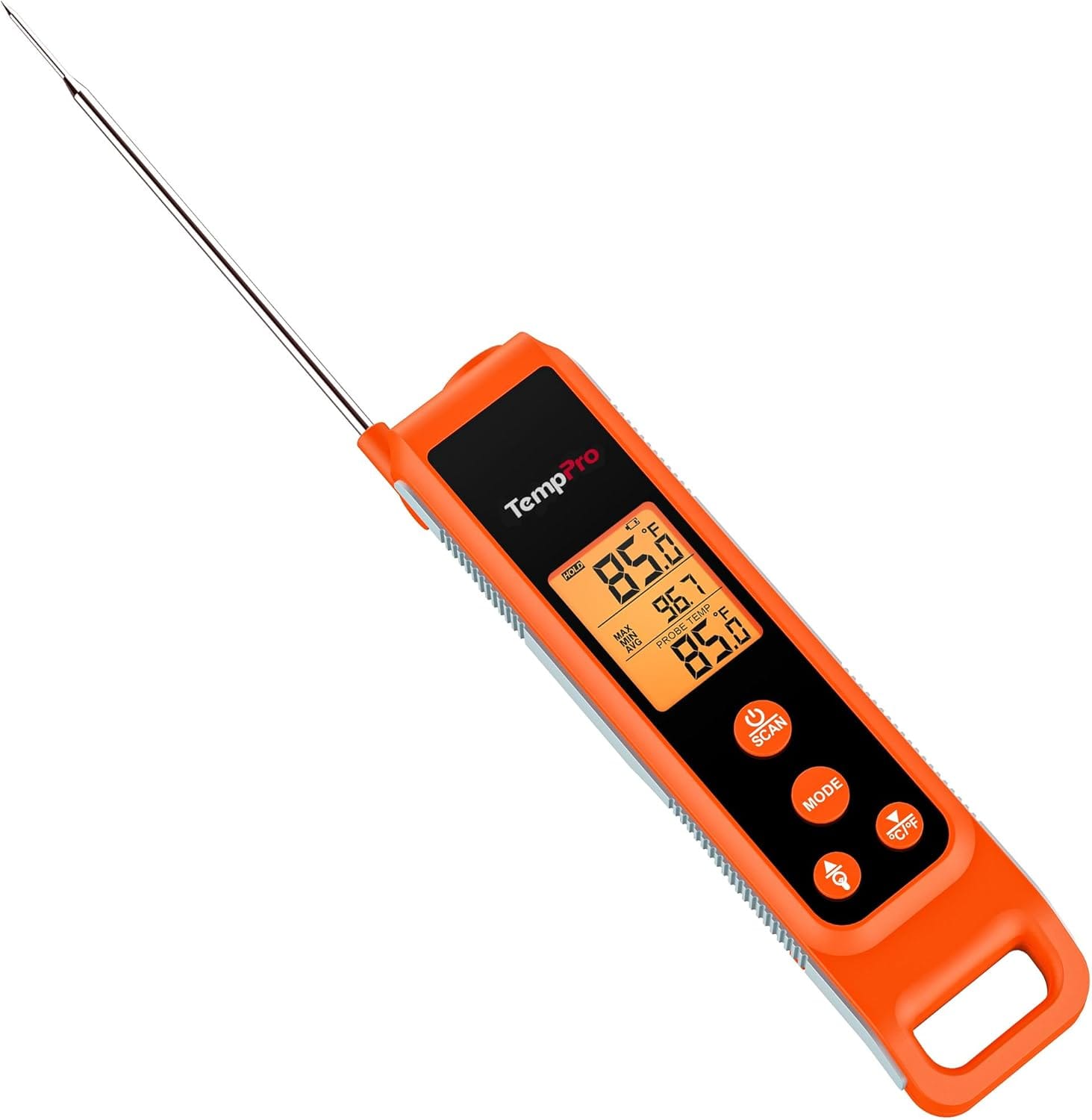
Speaking of temperature, if there’s one tool I refuse to fry without, it’s my infrared thermometer. I’ve said it before: 375°F is a non-negotiable magic number. Guessing is a recipe for disaster, leading to soggy or burnt calamari. With a quick point-and-shoot, this thermometer gives me an instant, accurate reading of the oil’s surface temperature without any fuss, ensuring every single batch fries to golden, crispy perfection. It’s the single best investment you can make to guarantee restaurant-quality results every time.
ThermoPro TP420 Digital Infrared Thermometer Gun
✓ prime
We earn a commission if you make a purchase, at no additional cost to you.
After years of frying seafood, I’ve learned a few things that separate decent fried calamari from unforgettable Crispy Fried Calamari. Pay attention to these details.
- The Buttermilk Soak is Mandatory: Don’t skip this step. Soaking calamari in buttermilk does two critical things. First, the enzymes and slight acidity tenderize the protein, ensuring it doesn’t turn rubbery. Second, it provides the perfect sticky surface for the dredge to adhere to. A water rinse won’t do the same job.
- Master Your Oil Temperature: 375°F is the magic number. If your oil is too low (e.g., 325-350°F), the calamari will absorb too much oil before the crust gets crispy, leading to a greasy, heavy result. If the oil is too hot (above 400°F), the delicate Parmesan and flour coating will burn before the calamari inside is cooked. Use a thermometer. It’s the most important tool for frying. Let the oil come back up to temperature between each batch.
- The Cornstarch-Flour-Parmesan Trio: This combination is engineered for crunch. All-purpose flour provides the structure and golden color. Cornstarch inhibits gluten development, which makes the coating lighter and much crispier. The finely grated Parmesan cheese not only adds incredible savory flavor but also contains very little moisture, so it crisps up beautifully and creates a uniquely crunchy, almost lacy texture. Use a microplane for the cheese; pre-shredded varieties often contain anti-caking agents that prevent proper melting and crisping.
- The ‘Shake and Fry’ Method: Do not dredge all your calamari at once and let it sit. The moisture from the calamari will seep into the flour, creating a gummy paste. The best practice is to dredge one batch, shake off the excess, and immediately place it in the hot oil. This ensures the lightest, crispiest coating possible.
- Drain on a Wire Rack, Not Paper Towels: This is a huge one. When you place hot, fried food on paper towels, the steam gets trapped underneath. This steam softens the very crust you worked so hard to create. A wire rack allows air to circulate all around the calamari, keeping it perfectly crisp while the excess oil drips away.
Common Mistakes to Avoid
It’s easy to go wrong with fried seafood. Here are the most common pitfalls I see and how to steer clear of them for perfect results.
- The Soggy Calamari Catastrophe: This is almost always caused by incorrect oil temperature or overcrowding the pan. When you add a large batch of cold calamari to the pot, the oil’s temperature plummets. The coating then slowly boils in the lukewarm oil instead of flash-frying, absorbing grease like a sponge. The Fix: Use a thermometer, fry in small batches, and give the oil 30-60 seconds to climb back to 375°F before adding the next batch.
- The Tough, Rubbery Trap: Calamari cooks incredibly fast. The window between perfectly tender and horribly rubbery is a matter of seconds. Overcooking is the number one cause of tough calamari. The Fix: Trust the visual cues. Once the coating is a deep golden brown and the calamari is floating, it’s done. This usually takes only 2-3 minutes. Any longer and the proteins will seize up and become tough.
- The Bland Ring Blunder: You followed all the steps, but the final product tastes like… nothing. This happens when you under-season the dredge. The flour mixture needs to be seasoned aggressively because it’s the primary source of flavor. The Fix: Don’t be shy with the salt, pepper, garlic powder, and paprika. Also, the final sprinkle of salt on the calamari right after it comes out of the fryer is crucial. Hot food absorbs salt much more effectively.
- The Coating Slides Off: You pull the calamari out of the fryer and the beautiful crust falls right off, leaving you with a naked, sad-looking ring. This happens for two reasons: the calamari was too wet when it went into the dredge, or you agitated it too much in the fryer. The Fix: Let the excess buttermilk drip off completely before dredging. Once in the oil, let it fry undisturbed for the first minute to allow the crust to set before giving it a gentle stir.
Variations and Serving Ideas
While this classic Parmesan recipe is my go-to, you can easily adapt the flavor profile. Think of the dredge as your canvas.
- Spicy Cajun Calamari: Swap the smoked paprika and garlic powder for 2 tablespoons of a good Cajun or Creole seasoning blend. Serve with a spicy rémoulade sauce instead of marinara.
- Lemon Pepper Calamari: Omit the paprika and add 1 tablespoon of lemon pepper seasoning and the zest of one lemon to the flour mixture. This version is fantastic with a creamy dill or tartar sauce.
- Italian Herb Calamari: Add 2 tablespoons of a dried Italian herb blend (oregano, basil, marjoram) to the dredge. This pairs exceptionally well with the classic warm marinara sauce for dipping.
- Calamari Po’ Boy: Pile the hot, crispy calamari onto a toasted French roll with shredded lettuce, sliced tomatoes, and a generous drizzle of spicy aioli or rémoulade for an incredible sandwich.
- Calamari Salad: Let the calamari cool slightly and toss it over a bed of fresh arugula with cherry tomatoes, red onion, and a light lemon vinaigrette. The contrast of warm, crispy calamari and a cool, acidic salad is fantastic.
What to Serve With
A great plate of Crispy Fried Calamari needs the right partners. Keep it simple to let the seafood shine, or create a full appetizer platter by pairing it with other favorites like these crispy air fryer cod bites.
- Dipping Sauces: A simple, high-quality marinara sauce, warmed slightly, is classic. A homemade garlic aioli is another top-tier choice. For something different, try a sweet chili sauce or a spicy Sriracha mayo.
- Wine and Beer: You want something crisp and acidic to cut through the richness of the fried coating. A dry Italian Pinot Grigio, a Sauvignon Blanc, or a Spanish Albariño are perfect wine pairings. For beer, a light pilsner or a crisp lager works beautifully.
- Side Dishes: Beyond the sauces, all you really need are plenty of fresh lemon wedges for squeezing over the top. A simple side salad with a sharp vinaigrette can also be a great way to balance the meal if you’re serving it as a main course.
Storage and Reheating
Let’s be honest: fried food is best enjoyed immediately. However, if you have leftovers, here’s how to handle them without turning them into a soggy mess.
- Storage: Allow the calamari to cool completely to room temperature. Store it in an airtight container lined with a paper towel to absorb any residual moisture. It will keep in the refrigerator for up to 2 days. The coating will soften upon refrigeration.
- Reheating: The goal is to drive off moisture and re-crisp the crust. Do not use a microwave—it will steam the calamari and make it rubbery and soggy. The two best methods are:
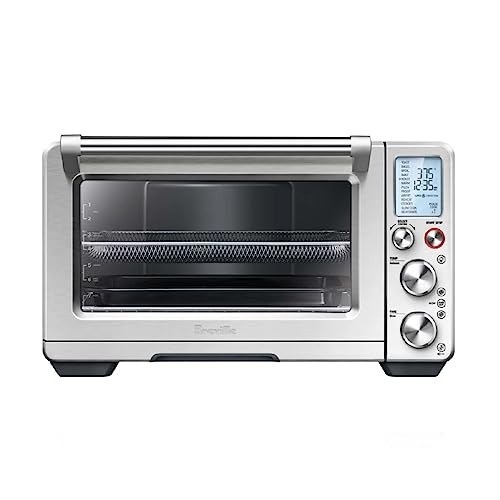
- Oven/Toaster Oven: Preheat your oven to 400°F (200°C). Spread the calamari in a single layer on a baking sheet or wire rack. Bake for 5-8 minutes, or until heated through and crispy again.
- Air Fryer: This is the superior method. Preheat your air fryer to 375°F (190°C). Place the calamari in the basket in a single layer and heat for 3-4 minutes, shaking the basket halfway through. It will come out almost as crispy as when it was fresh.
FAQs (People Also Ask)
Can I use frozen calamari for this recipe?
Absolutely. In fact, most calamari you find at the fish counter was previously frozen. If you buy a bag of frozen rings and tentacles, make sure to thaw it completely and correctly. The best way is to let it thaw overnight in the refrigerator. Before using, pat it thoroughly dry with paper towels to remove as much excess water as possible. Excess water will prevent the coating from sticking and can cause dangerous splattering in the hot oil.
Why did my Crispy Fried Calamari turn out tough and rubbery?
This is almost always due to overcooking. Calamari is a lean protein that cooks in a flash. In oil that is 375°F, it only needs 2 to 3 minutes to cook through and for the crust to become golden. If you cook it longer, the muscle fibers contract and squeeze out all their moisture, resulting in that tough, chewy texture everyone dislikes. Fry in small batches and pull them out as soon as they’re golden brown.
Can I make this recipe in an air fryer?
Yes, you can make a ‘healthier’ version in an air fryer, but the texture will be different. It will be crisp, but not the same as deep-frying. After dredging the calamari, spray it generously on all sides with cooking oil spray. Preheat your air fryer to 400°F (200°C). Cook in a single layer for about 8-10 minutes, flipping halfway through, until golden and cooked through. It’s a good alternative but won’t replicate the classic deep-fried crunch.
What is the best type of oil for frying calamari?
You need a neutral oil with a high smoke point. Good choices include canola oil, vegetable oil, peanut oil, or grapeseed oil. These oils won’t impart a strong flavor to the calamari and can handle the high heat of 375°F without burning or smoking. Avoid oils with low smoke points like extra virgin olive oil, which will burn and give the food a bitter taste.
Can I prepare the seasoned flour dredge ahead of time?
Yes, this is a great time-saving step. You can mix the flour, cornstarch, Parmesan, and all the seasonings together well in advance. Store the mixture in an airtight container at room temperature for up to a week. This way, when you’re ready to cook, all you have to do is soak the calamari, heat the oil, and you’re ready to dredge and fry.
Nutrition Facts
(Per serving. Estimates only, varies by exact ingredients used)
Conclusion
Making truly exceptional Crispy Fried Calamari isn’t about some unobtainable restaurant secret; it’s about technique. By controlling your oil temperature and using the right ingredients for your coating, you can create an appetizer that will genuinely impress anyone who tries it. This recipe gives you all the tools you need. So get in the kitchen, fire up that oil, and enjoy the satisfying crunch of a job well done. You’ve got this.
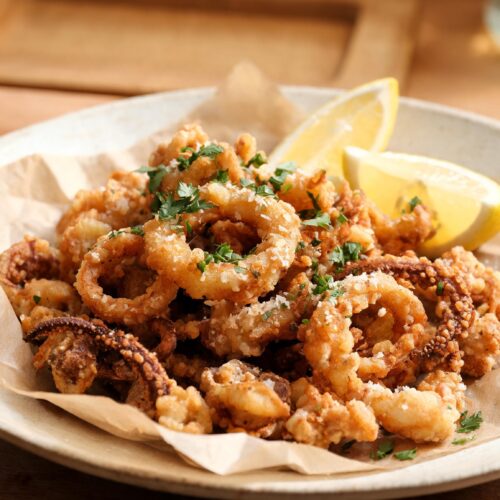
Crispy Fried Calamari – Perfect Golden Crunch with Parmesan Coating
Ingredients
- 1 lb calamari, cleaned, bodies cut into ½-inch rings, tentacles whole
- 1 ½ cups buttermilk
- 1 tsp hot sauce (optional)
- 1 cup all-purpose flour
- ½ cup cornstarch
- ½ cup Parmesan cheese, finely grated
- 1 ½ tsp garlic powder
- 1 tsp smoked paprika
- 1 ½ tsp fine sea salt
- 1 tsp freshly ground black pepper
- 4-6 cups neutral frying oil (canola, peanut, or vegetable)
- Fresh parsley, chopped, for garnish
- Lemon wedges, for serving
Instructions
- In a medium bowl, combine calamari, buttermilk, and optional hot sauce. Let soak for at least 15 minutes.
- In a large, shallow dish, whisk together flour, cornstarch, Parmesan cheese, garlic powder, smoked paprika, salt, and pepper.
- Heat 2-3 inches of oil in a heavy-bottomed pot to 375°F (190°C).
- Working in batches, lift calamari from buttermilk, letting excess drip off. Dredge thoroughly in the flour mixture, shaking off any excess.
- Carefully fry the coated calamari in small batches for 2-3 minutes, until deep golden brown and crispy.
- Remove with a slotted spoon and drain on a wire rack. Immediately sprinkle with a little extra salt.
- Serve hot with fresh lemon wedges, chopped parsley, and your favorite dipping sauce.