Introduction
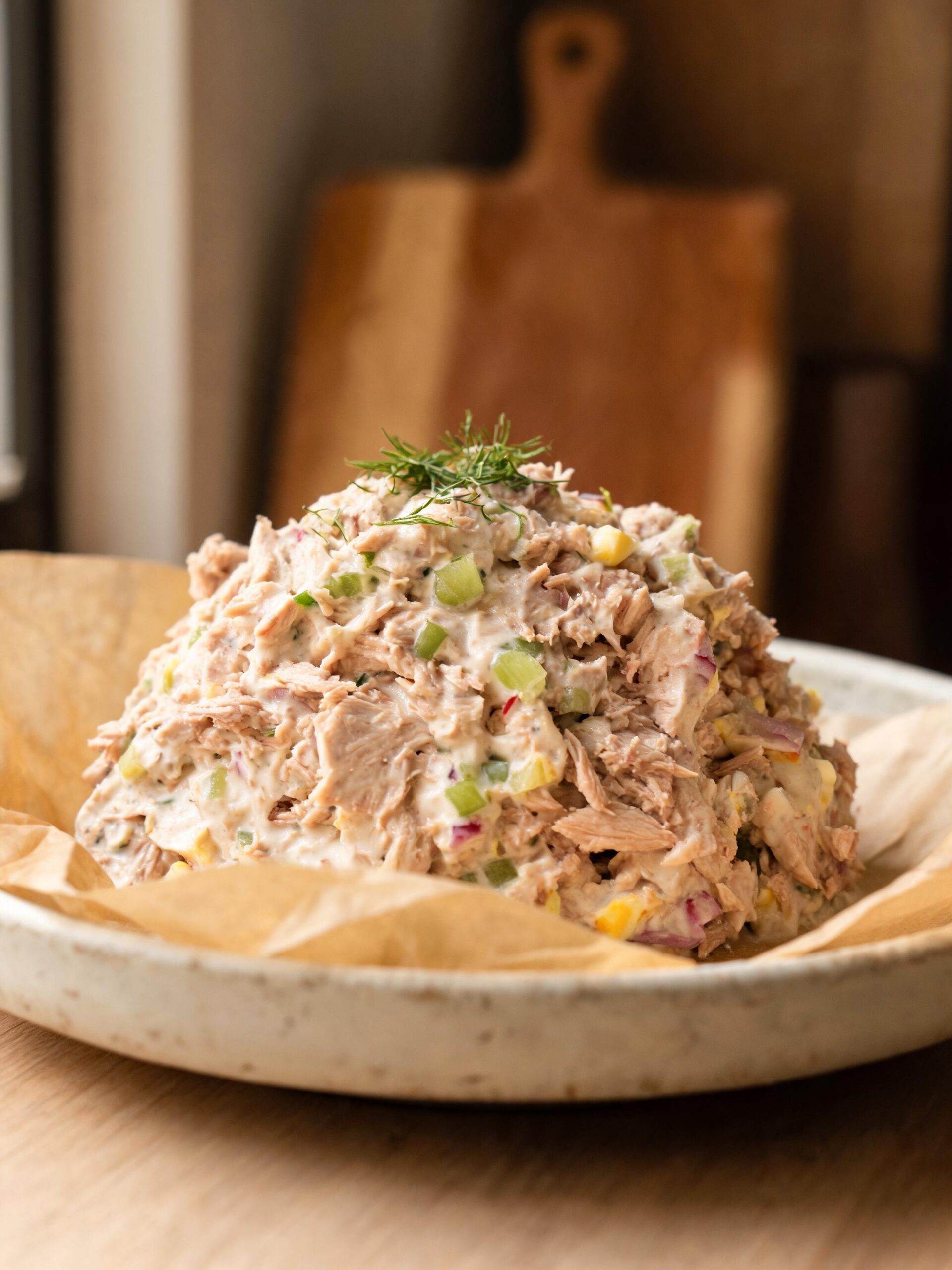
Let’s be honest, tuna salad gets a bad rap. Too often, it’s a gloppy, mayonnaise-heavy affair that sits in your stomach like a lead weight. But it doesn’t have to be that way. A truly great Healthy Tuna Salad is a thing of beauty: bright, fresh, packed with protein, and endlessly versatile. For the last 20 years in professional kitchens, I’ve seen what works with seafood, from simple classics to my popular crispy salt and pepper fried calamari. Forget everything you think you know about this lunch staple. This recipe is the culmination of years of tweaking and perfecting. It’s light yet satisfying, creamy without being heavy, and loaded with a clean, crisp flavor that will make you rethink canned tuna forever. We’re using a few simple chef tricks to elevate this classic from a boring desk lunch to something you’ll genuinely crave. This is the recipe that will become your go-to for quick lunches, light dinners, and easy meal prep.
Why You’ll Love This Recipe
- Incredibly Fast: From opening the can to serving, you’re looking at 15 minutes, tops. It’s the perfect solution for a busy weekday when you need a nutritious meal without the fuss.
- Flavor-Packed and Light: By using a smart combination of Greek yogurt and just a touch of high-quality mayonnaise, we get all the creaminess with a fraction of the fat. A squeeze of fresh lemon juice and Dijon mustard adds a zesty kick that cuts through the richness.
- Completely Customizable: This recipe is a perfect canvas. I’ll give you the classic, perfected base, but I’ll also show you how to customize it to your heart’s content with different herbs, spices, and add-ins.
Ingredients List
The quality of your ingredients matters, especially in a simple recipe like this. Here’s what you’ll need for the absolute best tuna salad:
- Canned Tuna: 2 (5-ounce) cans solid white albacore tuna packed in water, drained very well. Don’t use tuna in oil, as it will make the salad greasy. Solid white albacore has a firmer, meatier texture than chunk light.
- Creamy Base: 1/2 cup plain full-fat Greek yogurt. The full-fat version is key for a rich, creamy texture without turning watery.
- Mayonnaise: 2 tablespoons of a high-quality mayonnaise (like Duke’s or Hellmann’s). This adds a necessary savory depth that yogurt alone can’t provide.
- The Crunch Factor: 2 stalks celery, finely diced (about 1 cup). Make the dice small and uniform for the best texture.
- The Bite: 1/4 cup finely diced red onion. Red onion is sweeter and less harsh than yellow onion when served raw.
- The Acidity: 1 tablespoon fresh lemon juice. Please, no bottled stuff. The fresh juice makes a world of difference.
- The Tang: 1 teaspoon Dijon mustard. It adds a wonderful complexity and tang that elevates the whole dish.
- Fresh Herbs: 2 tablespoons chopped fresh dill or parsley. Dill is classic and pairs beautifully with fish, while parsley adds a clean, green freshness.
- Seasoning: 1/2 teaspoon kosher salt and 1/4 teaspoon freshly cracked black pepper, or more to taste.
- Optional Addition: 2 hard-boiled eggs, peeled and roughly chopped. This adds extra protein and a lovely richness.
Step-by-Step Instructions
- Hard-Boil the Eggs (If Using): Place eggs in a small saucepan and cover with cold water by 1 inch. Bring to a rolling boil over high heat. Once boiling, turn off the heat, cover the pot, and let the eggs stand for 11 minutes. Immediately transfer the eggs to an ice bath to stop the cooking process. Once completely cool, peel and roughly chop them.
- Prepare the Tuna: This is the most critical step for avoiding a watery salad. Open the cans of tuna and drain out all the water. Empty the tuna into a medium bowl. Using the back of a fork, gently flake the tuna into smaller pieces. Don’t mash it into a paste; you want to retain some texture.
- Mix the Dressing: In a separate small bowl, combine the Greek yogurt, mayonnaise, fresh lemon juice, and Dijon mustard. Whisk until the mixture is completely smooth and homogenous. This ensures the dressing is evenly seasoned before it ever touches the tuna.
- Combine Ingredients: Add the finely diced celery, red onion, and fresh dill or parsley to the bowl with the flaked tuna. If you’re using them, add the chopped hard-boiled eggs. Pour the prepared dressing over the top.
- Fold and Season: Using a rubber spatula or a large spoon, gently fold all the ingredients together until just combined. Over-mixing will break down the tuna and make the salad mushy. Season with the kosher salt and freshly cracked black pepper. Give it a final, gentle fold.
- Taste and Chill: Taste the tuna salad and adjust the seasoning if necessary. You might need another pinch of salt or a squeeze of lemon. For the best flavor, cover the bowl and chill in the refrigerator for at least 30 minutes. This allows all the flavors to meld together beautifully.
Chef’s Pro Tips for Success
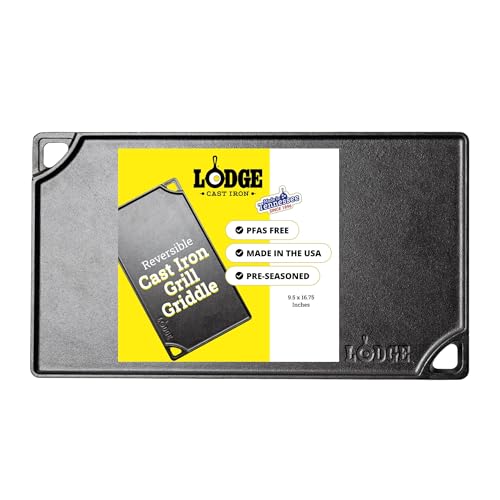
Before we dive into the tips, let me share a secret for taking this salad from great to gourmet. While this recipe is fantastic with canned tuna, making it with a freshly grilled tuna steak is a game-changer. For that, I always use my Lodge Cast Iron Grill/Griddle. The superior heat of cast iron creates a beautiful sear and a hint of smoky flavor that you just can’t get any other way. It’s the one tool that can truly elevate this dish. Click here to see why it’s an essential in my kitchen.
Lodge LPGI3 Pro-Grid Cast Iron Reversible Grill/Griddle, 20-inch x 10.44-inch
✓ prime
We earn a commission if you make a purchase, at no additional cost to you.
After making thousands of pounds of tuna salad in my career, I’ve learned a few non-negotiable rules. Follow these, and your Healthy Tuna Salad will be better than any you’ve had before.
- The Ultimate Tuna Drain: Draining the can is not enough. After you drain it, press the tuna firmly with the back of a fork against the side of the bowl or in a fine-mesh sieve to expel every last drop of water. Canned tuna is packed in water, and any excess will seep out and create a soupy mess. This single step is the number one secret to a perfectly textured tuna salad.
- Uniform Vegetable Dice: The texture is just as important as the flavor. Take the extra minute to dice your celery and red onion into a small, consistent 1/4-inch dice. This ensures you get a pleasant crunch and a hint of onion in every single bite, rather than large, jarring chunks. It makes the final product look and feel more professional.
- Bloom Your Flavors: Don’t just dump everything in a bowl. Mix your wet dressing ingredients (yogurt, mayo, lemon juice, Dijon) in a separate bowl first. Add your salt and pepper to this mixture and whisk well. This allows the salt to dissolve and the flavors to ‘bloom’ and integrate fully, ensuring the entire batch of tuna salad is seasoned perfectly and evenly.
- Fold, Don’t Stir: When you combine the tuna, vegetables, and dressing, use a gentle folding motion with a rubber spatula. Vigorous stirring or mashing with a fork will shred the tuna into a paste-like consistency. You want to see distinct flakes of fish in the finished product. This preserves the meaty texture of the albacore.
- The Mandatory Chill Time: I know you want to eat it right away, but letting the tuna salad rest in the fridge for at least 30 minutes is a game-changer. This chilling period isn’t just about getting it cold; it’s about flavor alchemy. The salt draws a tiny bit of moisture from the celery and onion, which then infuses the entire salad, and all the individual ingredients get a chance to meld and marry. The flavor will be noticeably deeper and more cohesive.
Common Mistakes to Avoid
It’s easy to make a decent tuna salad, but it’s also easy to mess it up. Here are the most common pitfalls I see and how to steer clear of them to ensure you get a perfect Healthy Tuna Salad every time.
- The Watery Salad Catastrophe: This is the cardinal sin of tuna salad. It’s almost always caused by one of three things: not draining the tuna properly (see pro-tip #1), using watery ingredients like undrained pickles or tomatoes, or adding the dressing to still-warm hard-boiled eggs, which causes the emulsion to break. Squeeze that tuna dry!
- Creating Tuna Paste: Many people get overly aggressive when mixing. They mash the tuna with a fork until it’s pulverized, then stir vigorously. This destroys the texture. The goal is a salad with distinct flakes of tuna, not a homogenous pâté. Be gentle and fold the ingredients together until they are just combined.
- An Overpowering Onion Bite: Raw onion can be harsh and dominate all the other flavors. First, use red onion, which is milder. Second, dice it very finely. If you are particularly sensitive to raw onion flavor, here’s a pro trick: soak the diced onion in a small bowl of cold water for 10-15 minutes, then drain thoroughly before adding it to the salad. This removes the sharp, sulfuric bite, leaving you with a pleasant, sweet onion crunch.
- Under-Seasoning: A common mistake is being too timid with seasoning. Tuna, yogurt, and mayo are all fairly bland canvases. Salt is crucial for bringing out the flavor, and the acidity from lemon juice and Dijon is what makes the salad taste bright and fresh instead of flat and heavy. Always taste your finished product and adjust. It will likely need more salt than you think.
Variations and Serving Ideas
This classic recipe is a fantastic starting point. Think of it as your base model that you can upgrade in countless ways. Here are some of my favorite variations to keep things interesting:
- Mediterranean Tuna Salad: Add 1/4 cup chopped Kalamata olives, 1/4 cup crumbled feta cheese, 2 tablespoons of chopped sun-dried tomatoes, and substitute the dill with fresh oregano.
- Spicy Chipotle Tuna Salad: Add 1-2 teaspoons of chopped chipotle peppers in adobo sauce to the dressing, along with 1/4 cup of corn kernels and a pinch of cumin. Serve with a squeeze of lime juice.
- Curry Tuna Salad: Mix 1 teaspoon of mild curry powder and 1/4 teaspoon of turmeric into the dressing. Add 1/4 cup of golden raisins and 1/4 cup of chopped cashews or almonds for a sweet and crunchy twist.
- Avocado Tuna Salad: For an ultra-creamy, mayo-free version, replace the mayonnaise and half the Greek yogurt with one large mashed avocado. Add a handful of chopped cilantro and a squeeze of lime juice.
For serving, move beyond the simple sandwich. This Healthy Tuna Salad is versatile enough for many applications. Serve it in crisp lettuce cups (butter lettuce or romaine hearts work great) for a low-carb lunch. Stuff it into hollowed-out bell peppers or large tomatoes for an elegant and healthy meal. Or, serve a scoop on top of a bed of mixed greens with a light vinaigrette for a satisfying salad bowl.
What to Serve With
A great main needs great partners. While a classic tuna sandwich with potato chips is a classic for a reason, you can easily elevate the meal.
- Soups: The classic pairing is a creamy tomato soup. The acidity and warmth of the soup perfectly complement the cool, savory tuna salad. A light vegetable soup or a chilled gazpacho in the summer also works wonderfully.
- Salads: A simple side salad of mixed greens with a sharp lemon vinaigrette provides a fresh contrast. For a more substantial meal, you could serve this as part of a larger seafood spread, perhaps as a starter before an authentic Spanish seafood paella. A tangy coleslaw or a quick cucumber salad are also excellent choices.
- Crunchy Sides: Instead of chips, opt for crunchy vegetable sticks like carrots, cucumbers, bell peppers, and celery. Whole-grain crackers, toasted pita bread, or rice cakes are also fantastic vehicles for scooping.
Storage and Reheating
This is a dish best served cold, so no reheating is required. Proper storage is key to maintaining its freshness and texture. Store the tuna salad in an airtight container in the refrigerator for up to 4 days. For best results, press a piece of plastic wrap directly onto the surface of the salad before sealing the container. This minimizes air contact and prevents oxidation (browning). The salad may release a small amount of water as it sits, especially from the celery. If this happens, simply give it a gentle stir to reincorporate the liquid before serving. I do not recommend freezing tuna salad, as the mayonnaise and yogurt will separate upon thawing, resulting in a very unpleasant texture.
FAQs (People Also Ask)
1. Can I make this healthy tuna salad without any mayonnaise?
Absolutely. You can replace the 2 tablespoons of mayonnaise with an additional 1/4 cup of plain Greek yogurt for an even lighter version. Alternatively, for a dairy-free and mayo-free option, mash one ripe avocado and use that as your creamy base. You may need to add a bit more lemon juice and salt to balance the flavor.
2. How long does this tuna salad last in the fridge?
When stored properly in an airtight container, this tuna salad will stay fresh for 3 to 4 days in the refrigerator. After that, the texture of the vegetables can begin to soften, and the salad may become more watery. Always use your best judgment and check for any off smells or appearances.
3. Why did my tuna salad get watery overnight?
This is the most common issue and it’s almost always due to excess moisture. The primary culprits are not squeezing the tuna dry enough, or the natural water content from the celery and onions seeping out over time, a process called osmosis. Following the ‘Ultimate Tuna Drain’ tip is your best defense against this.
4. Can I use fresh tuna instead of canned?
Yes, and it’s delicious! You can grill, bake, or poach a fresh tuna steak until it’s cooked through. Let it cool completely, then use a fork to flake it into pieces. You will need about 10-12 ounces of fresh tuna to equal two 5-ounce cans. The flavor will be milder and the texture even better.
5. Is tuna salad actually healthy?
It absolutely can be! Traditional tuna salad is often loaded with mayonnaise, which is high in fat and calories. This recipe, however, is a fantastic Healthy Tuna Salad because it relies on protein-rich Greek yogurt for creaminess, is packed with fresh vegetables, and uses high-quality tuna, which is an excellent source of lean protein and omega-3 fatty acids. It’s a nutrient-dense meal that will keep you full and satisfied.
Nutrition
Nutrition Facts
(Per serving. Estimates only, varies by exact ingredients used)
Conclusion
This isn’t your average lunch-counter tuna salad; it’s a fresh, vibrant, and incredibly satisfying meal that you can feel good about eating. By focusing on quality ingredients and a few key techniques, you can create a truly Healthy Tuna Salad that never compromises on flavor. I hope this recipe becomes a staple in your kitchen. Give it a try, and feel free to make it your own—that’s the best part about cooking. Enjoy!
The Best Classic Tuna Salad Recipe (Quick & Easy)
Ingredients
- 2 (5-ounce) cans solid white albacore tuna in water, drained well
- 1/2 cup plain full-fat Greek yogurt
- 2 tablespoons high-quality mayonnaise
- 2 stalks celery, finely diced (about 1 cup)
- 1/4 cup finely diced red onion
- 1 tablespoon fresh lemon juice
- 1 teaspoon Dijon mustard
- 2 tablespoons chopped fresh dill or parsley
- 1/2 teaspoon kosher salt
- 1/4 teaspoon freshly cracked black pepper
- 2 hard-boiled eggs, peeled and chopped (optional)
Instructions
- If using eggs, hard-boil them: Place eggs in a saucepan, cover with 1 inch of cold water, and bring to a boil. Turn off heat, cover, and let stand for 11 minutes. Transfer to an ice bath to cool completely before peeling and chopping.
- Open, drain, and flake the tuna into a medium bowl. Use a fork to press out any excess water for a non-watery salad.
- In a separate small bowl, whisk together the Greek yogurt, mayonnaise, fresh lemon juice, and Dijon mustard until smooth.
- Add the diced celery, red onion, fresh herbs, and optional chopped eggs to the tuna.
- Pour the dressing over the tuna mixture. Gently fold everything together with a rubber spatula until just combined. Do not over-mix.
- Season with salt and pepper, taste, and adjust if necessary.
- For best results, cover and refrigerate for at least 30 minutes to allow the flavors to meld before serving.