Introduction
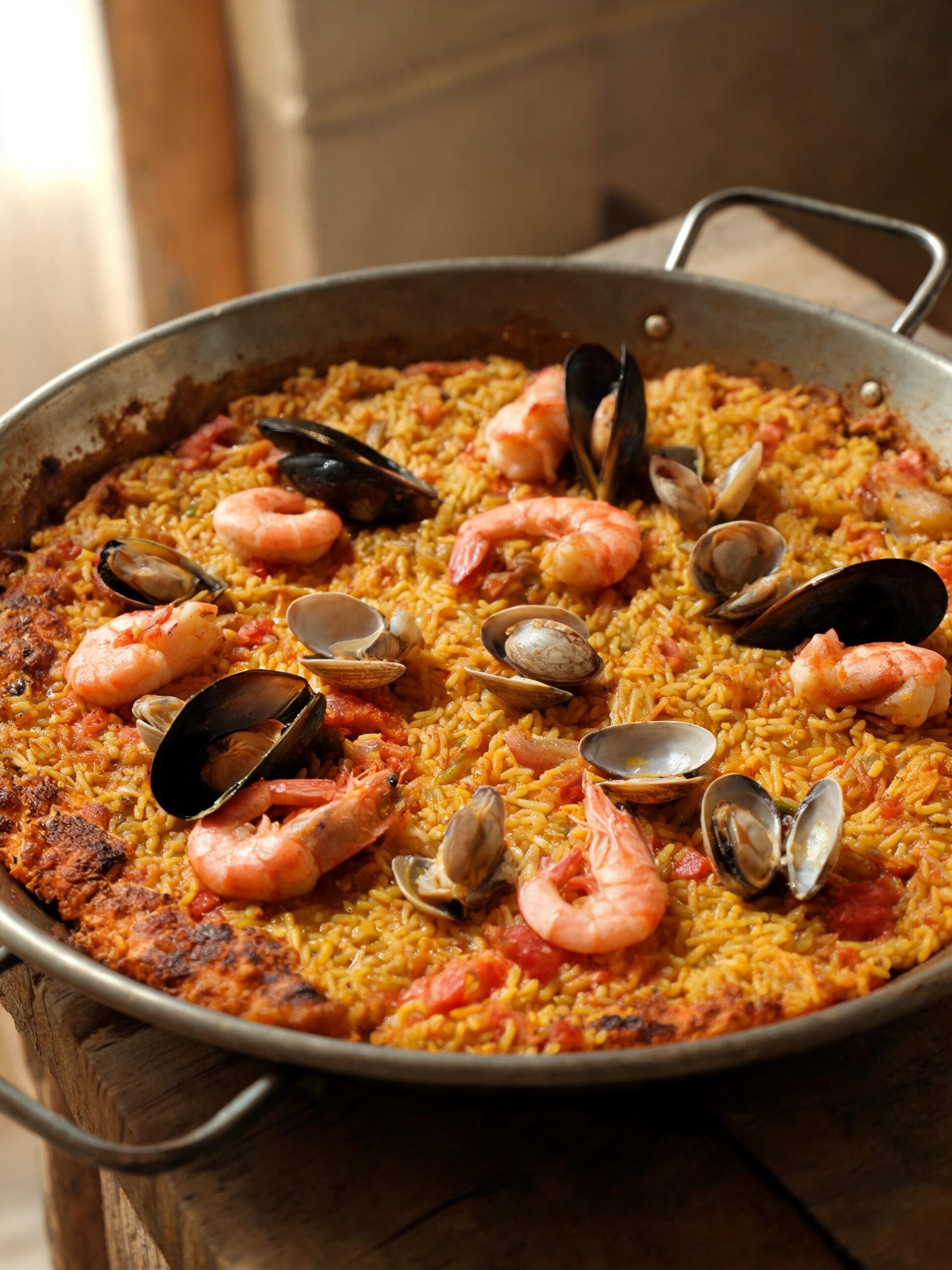
For twenty years, I’ve worked with seafood, and few dishes command a table like a true Seafood Paella. Forget the takeout versions; we’re talking about the real deal. Imagine a wide pan of saffron-infused rice, perfectly cooked and brimming with fresh seafood. While it’s a stunning main course, starting with a simple appetizer like our Crispy Salt and Pepper Fried Calamari can elevate the entire meal. The most crucial part is the legendary crispy, caramelized layer at the bottom called the socarrat. Many home cooks feel intimidated, but I’m here to show you it’s achievable. With quality ingredients and a few key techniques, you can create an authentic paella that transports you to the Spanish coast. This recipe demystifies every step, guaranteeing a fantastic result. This isn’t just dinner; it’s an event.
Why You’ll Love This Recipe
- It’s a Showstopper: Bringing a massive pan of vibrant, aromatic paella to the table is an experience. It’s the ultimate centerpiece for a dinner party or family gathering.
- Incredible Depth of Flavor: This isn’t just one-note seafood and rice. It’s a complex layering of a slow-cooked sofrito base, fragrant saffron, smoked paprika, savory seafood broth, and the briny essence of fresh shellfish.
- Completely Achievable: My instructions are direct and tested. I’ll walk you through the critical steps—like how to build the flavor base and when *not* to touch the rice—to ensure you succeed on your first try.
Ingredients List
The quality of your paella is directly tied to the quality of your ingredients. This principle holds true for complex dishes and even simple classics like our creamy copycat Panera tuna salad sandwich. There are no shortcuts here. Use the best you can find, especially when it comes to the rice and seafood. This recipe serves 4 people generously.
For the Sofrito (The Flavor Base):
- 1/4 cup Extra Virgin Olive Oil: Use a good quality Spanish olive oil if you can; it forms the foundation of the entire dish.
- 1 medium Yellow Onion: Finely diced. This will melt into the base, providing a sweet, aromatic foundation.
- 1 Red Bell Pepper: Finely diced. Adds sweetness and color.
- 4 cloves Garlic: Minced. Don’t add it too early, or it will burn and become bitter.
- 1 cup Crushed Tomatoes: Use a high-quality canned brand like San Marzano, or grate a large, ripe tomato on a box grater.
For the Rice and Broth:
- 1.5 cups Spanish Bomba Rice (or Calasparra): This is non-negotiable for authentic paella. These short-grain rices absorb three times their volume in liquid without turning mushy, which is key for that perfect texture. Do not substitute with Arborio or long-grain rice.
- 4 cups High-Quality Seafood Broth: You can use store-bought, but a homemade one from shrimp shells is even better. Warm it before adding to the pan.
- 1/2 cup Dry White Wine: Something crisp like a Sauvignon Blanc or Albariño. It helps deglaze the pan and adds a layer of acidity.
- 1 large pinch Saffron Threads (about 1/2 teaspoon): This is the heart and soul of paella’s flavor and color. Don’t use powdered saffron.
- 1 teaspoon Smoked Spanish Paprika (Pimentón): Sweet, not hot. It adds a smoky depth that is signature to Spanish cuisine.
- 1 teaspoon Kosher Salt: Adjust as needed, as your broth may already be salty.
- 1/2 teaspoon Black Pepper: Freshly cracked.
The Seafood:
- 1 lb Large Shrimp (16-20 count): Peeled and deveined, tails on for presentation.
- 1 lb Mussels: Scrubbed well and debearded. Discard any that are open and don’t close when tapped.
- 1 lb Clams (like Littlenecks): Scrubbed well. Discard any that are cracked or open.
For Garnish:
- 1/4 cup Fresh Parsley: Roughly chopped.
- 1 Lemon: Cut into wedges for serving.
Step-by-Step Instructions
- Prepare the Saffron Broth: Gently warm your seafood broth in a saucepan over low heat. Do not let it boil. In a small bowl, add the saffron threads and pour about 1/2 cup of the warm broth over them. Let the saffron ‘bloom’ for at least 15 minutes to release its color and flavor.
- Start the Sofrito: Place a 15-inch paella pan (or the widest skillet you own) over medium heat. Add the olive oil. Once shimmering, add the diced onion and bell pepper. Sauté for 8-10 minutes, stirring occasionally, until they are very soft and translucent. This slow cooking builds the first layer of flavor.
- Build the Flavor Base: Add the minced garlic and smoked paprika to the pan. Cook for one minute until fragrant, stirring constantly to prevent burning. Pour in the crushed tomatoes and season with the salt and pepper. Cook, stirring often, for about 10 minutes until the mixture has darkened in color and thickened to a jam-like consistency. This concentrated base is critical.
- Toast the Rice: Add the Bomba rice to the pan. Stir it constantly for 2 minutes, ensuring every grain is coated with the sofrito. This toasting step helps the grains remain distinct and absorb liquid evenly.
- Add the Liquids: Pour in the white wine and stir, scraping up any browned bits from the bottom of the pan. Let it bubble and cook until the alcohol smell has mostly evaporated, about 1-2 minutes. Add the remaining warm seafood broth and the bloomed saffron-broth mixture. Stir everything once to evenly distribute the rice in a single layer. From this point on, DO NOT STIR THE RICE AGAIN.
- The Simmer: Bring the liquid to a strong simmer, then reduce the heat to medium-low. You want a gentle, steady bubbling across the entire surface of the pan. Let it cook for about 10 minutes. Rotate the pan every few minutes if your burner has hot spots.
- Arrange the Seafood: After 10 minutes, most of the liquid will be at the same level as the rice. Now, arrange the seafood. Nestle the clams and mussels into the rice, hinge-side down. Lay the shrimp on top. Gently press them into the rice, but do not stir.
- Final Cook: Continue to simmer for another 8-10 minutes. The clams and mussels should open, and the shrimp should turn pink and opaque. The liquid should be almost completely absorbed, and you might hear a faint crackling sound.
- Create the Socarrat (Optional but Recommended): Once the liquid is gone, increase the heat to medium-high for 45-60 seconds. Listen carefully. You’ll hear the crackling get louder. This is the bottom layer of rice toasting and caramelizing. Smell for a toasty aroma, not a burnt one. This is the socarrat!
- Rest and Serve: Remove the pan from the heat. Cover it loosely with foil and let it rest for 5-10 minutes. This step is crucial; it allows the rice to finish cooking and the flavors to settle. Discard any mussels or clams that did not open. Garnish with fresh parsley and serve immediately with lemon wedges.
Chef’s Pro Tips for Success
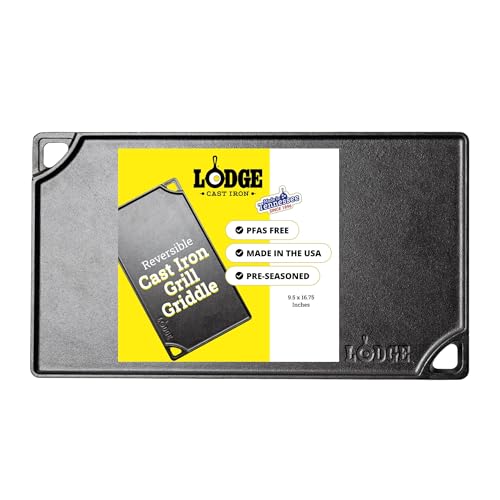
While a traditional paella pan is a thing of beauty, I’ve made incredible paella on many different surfaces, and the key is always a wide, even heat source. If I’m not using my dedicated pan, my secret weapon is a large cast iron griddle like this one from Lodge. The massive surface area lets me spread the rice in that crucial thin layer, ensuring every grain cooks perfectly and the liquid evaporates properly. This is absolutely essential for developing that legendary socarrat at the bottom. It’s a versatile workhorse that delivers fantastic results for paella and so much more.
See for yourself why a great cooking surface is the key to perfect paella!
Lodge LPGI3 Pro-Grid Cast Iron Reversible Grill/Griddle, 20-inch x 10.44-inch
✓ prime
We earn a commission if you make a purchase, at no additional cost to you.
After making hundreds of paellas, I’ve learned a few things that separate a good paella from a great one. These are the details that matter.
- The Pan is Paramount: A traditional paella pan is wide, shallow, and has sloped sides for a reason. It maximizes the surface area of rice exposed to direct heat, which promotes even cooking and, more importantly, allows liquid to evaporate quickly. This is how you avoid soupy paella. If you don’t have one, use the largest, widest carbon steel or stainless steel skillet you own. Avoid deep pots or Dutch ovens at all costs.
- The Sofrito is the Soul: Do not rush the sofrito. This is not a quick sauté. You are slowly coaxing out the sugars from the onion and pepper and concentrating the tomato. It should be cooked down until it’s a dark, thick, almost sweet paste. This is the flavor foundation of your entire Seafood Paella. A weak sofrito means a weak paella.
- The Unbreakable Rule: DO NOT STIR: Once the broth is in and the rice is distributed, your spatula is retired. Stirring rice releases its starches. In a risotto, that’s what you want for a creamy texture. In paella, it’s a disaster. It prevents the grains from cooking properly and, most critically, makes it impossible to form the socarrat. Trust the process and let the pan do the work.
- Mastering the Socarrat: The socarrat is the crunchy, toasty layer of rice at the bottom that is the most prized part of the dish. The key is waiting until almost all the liquid has been absorbed. Then, crank the heat for just a minute. Use your ears and nose. You should hear a distinct crackling and sizzling sound and smell a nutty, toasty aroma. If you smell anything acrid or sharp, you’re burning it. It takes practice, but it’s worth it.
- Intelligent Seafood Timing: Not all seafood cooks at the same rate. Overcooked seafood is rubbery and tragic. Mussels and clams need time to steam open, so they go in first. Shrimp cook in just a few minutes, so they go on top and cook in the residual steam and heat. If you were using delicate fish fillets or calamari rings, they would go in for the last 3-4 minutes only. Layering your seafood based on cooking time is a professional technique that ensures everything is perfectly tender.
Common Mistakes to Avoid
Making a great paella is often about avoiding a few common pitfalls. Here’s what to watch out for.
- Using the Wrong Rice: This is the number one mistake. Using Arborio rice will give you a creamy, sticky mess more akin to risotto. Using long-grain rice like Basmati or Jasmine will result in a mushy, broken-down texture because it can’t handle the absorption and cooking time. You absolutely need Spanish short-grain rice like Bomba or Calasparra. Its unique structure allows it to absorb a massive amount of liquid while staying firm and distinct.
- Overloading the Pan: It’s tempting to pack the pan with as much seafood and rice as possible, but this is a huge error. Paella relies on a thin layer of rice cooking in direct contact with the pan. If you pile it too high, the top layer steams instead of cooks, resulting in an uneven, gummy texture. A proper paella should have a rice layer no more than half an inch deep.
- Uneven Heat and No Rotation: Most home stovetops have burners that are smaller than a paella pan. If you just leave the pan sitting there, you’ll get a scorched circle in the middle and undercooked rice around the edges. You must rotate the pan a quarter turn every few minutes during the initial simmer to ensure the entire base gets even heat.
- Skipping the Final Rest: When the paella comes off the heat, it’s not quite finished. The 5-10 minute rest, covered loosely with foil, is a critical step. It allows the last bit of moisture to be absorbed, the grains of rice to firm up, and the complex flavors to meld together. Serving it straight from the flame will result in a slightly wetter, less cohesive dish. Patience pays off.
Variations and Serving Ideas
While this recipe is for a classic Seafood Paella, the dish is incredibly versatile. Once you master the base technique, you can experiment.
- Paella Mixta (Mixed Paella): This is a popular ‘surf and turf’ version. Before you start the sofrito, brown 1 lb of boneless, skinless chicken thighs (cut into chunks) and 4 oz of sliced Spanish chorizo in the pan. Remove them with a slotted spoon, then proceed with the sofrito in the rendered fat. Add the chicken back in with the broth and place the chorizo on top with the seafood.
- Paella Valenciana (The Original): The traditional recipe from Valencia uses chicken, rabbit, and two types of local beans (garrofó and ferraúra), often with snails. It’s a more rustic, earthy version that doesn’t typically include seafood.
- Vegetable Paella (Paella de Verduras): Make a vegetarian masterpiece by omitting the seafood and loading up on vegetables. Sauté artichoke hearts, mushrooms, and green beans with your sofrito. Use a rich, flavorful vegetable broth instead of seafood stock. Garnish with roasted red peppers and peas.
For serving, the presentation is part of the experience. Bring the entire pan to the table and set it on a trivet in the center. Serve directly from the pan, making sure each person gets a bit of the crispy socarrat from the bottom. Provide plenty of lemon wedges for squeezing over the top, which brightens all the flavors.
What to Serve With
Paella is a complete meal in itself, so you don’t need much on the side. The key is to complement, not compete, with its rich flavors.
- Wine Pairing: A crisp, dry Spanish white wine is the perfect partner. Look for an Albariño from Rías Baixas or a Verdejo from Rueda. Their bright acidity and mineral notes cut through the richness of the rice and complement the briny seafood. A dry Rosado (rosé) from Navarra also works beautifully.
- Simple Salad: A simple green salad with a very light vinaigrette is all you need. Think mixed greens, maybe some thinly sliced red onion and a few cherry tomatoes. The dressing should be a simple mix of olive oil, sherry vinegar, and a pinch of salt.
- Crusty Bread: A good loaf of crusty bread is essential for soaking up any pan juices and the flavorful oil left on the plate.
Storage and Reheating
Leftover paella can be tricky, as the rice and seafood textures are delicate. Here’s how to handle it properly.
- Storage: Let the paella cool completely to room temperature. Transfer it to an airtight container. Store it in the refrigerator for up to 2 days. I do not recommend freezing paella; the rice becomes mushy and the seafood turns tough upon thawing.
- Reheating: The microwave is your enemy here; it will make the shrimp rubbery and the rice soggy. The best way to reheat paella is in a non-stick skillet on the stovetop. Add the leftover paella to the skillet and sprinkle it with a tablespoon or two of water or broth. Cover the skillet and heat over medium-low heat for 5-7 minutes, or until warmed through. This method gently steams the rice and seafood, preserving its texture much better.
FAQs (People Also Ask)
Can I make Seafood Paella without a special paella pan?
Yes, you can. While a proper paella pan is ideal for its wide surface area, you can substitute it with a 12- to 15-inch carbon steel or stainless steel skillet. The key is to use the widest, shallowest pan you have. Avoid cast iron as it can retain too much heat and burn the socarrat easily. Avoid deep pots entirely.
What if I can’t find Bomba rice?
Bomba or Calasparra rice are highly recommended for their unique absorbent properties. If you absolutely cannot find them, your next best option is Arborio rice, but you must be careful. Arborio releases more starch, so the final dish may be slightly creamier. You may also need to adjust the liquid ratio slightly, using about 3.5 cups of broth instead of 4, as it doesn’t absorb as much.
Is it okay to use frozen seafood?
Fresh is always best, but quality frozen seafood can work well. You must thaw it completely in the refrigerator overnight. Before using, pat it extremely dry with paper towels. Any excess water will dilute the flavors in the pan and prevent the seafood from cooking properly, essentially steaming it in a bland liquid. This is a crucial step for many seafood and rice dishes, including our popular Shrimp Sausage Dirty Rice.My paella came out soupy. What went wrong?
A soupy paella is usually caused by one of three things: 1) The liquid-to-rice ratio was off. Stick to the recipe’s measurements precisely. 2) The heat was too low. You need a confident, steady simmer to encourage evaporation. If it’s barely bubbling, the liquid won’t cook off. 3) You didn’t cook it long enough. Be patient and wait for the rice to absorb all that delicious broth.
Can I make the sofrito in advance?
Absolutely. Preparing the sofrito is the most time-consuming part, so making it ahead is a fantastic shortcut. You can prepare a large batch, let it cool, and store it in the fridge for up to 4 days or freeze it for months. This pro tip turns paella into a viable weeknight meal, much like our quick and simple Flaky Oven-Baked Trout Fillets. When you’re ready to cook, just heat the pre-made sofrito in your pan and proceed with toasting the rice.
Nutrition
Nutrition Facts
(Per serving. Estimates only, varies by exact ingredients used)
Conclusion
Making an authentic Seafood Paella is about more than just following a recipe; it’s about embracing a tradition. It’s a dish meant to be shared, to be talked over, and to be scraped clean from the pan. Don’t be afraid of the process. Follow these steps, trust the techniques, and you’ll be rewarded with one of the most satisfying and delicious meals you’ve ever made in your own kitchen. I hope you and your guests enjoy every single bite.
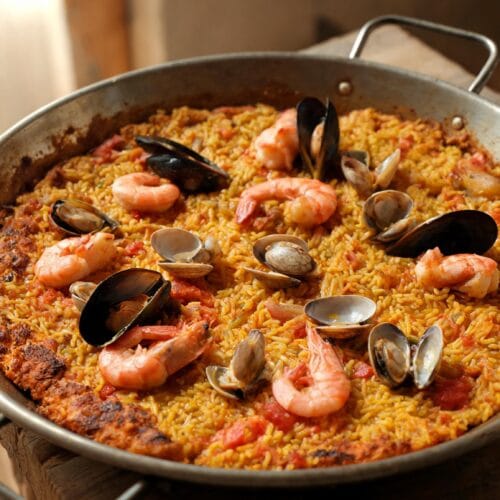
Easy Authentic Spanish Seafood Paella Recipe
Ingredients
- 1/4 cup Extra Virgin Olive Oil
- 1 medium Yellow Onion, finely diced
- 1 Red Bell Pepper, finely diced
- 4 cloves Garlic, minced
- 1 cup Crushed Tomatoes
- 1.5 cups Spanish Bomba Rice
- 4 cups High-Quality Seafood Broth, warmed
- 1/2 cup Dry White Wine
- 1/2 teaspoon Saffron Threads
- 1 teaspoon Smoked Spanish Paprika
- 1 teaspoon Kosher Salt
- 1/2 teaspoon Black Pepper, freshly cracked
- 1 lb Large Shrimp (16-20 count), peeled and deveined, tails on
- 1 lb Mussels, scrubbed and debearded
- 1 lb Clams, scrubbed
- 1/4 cup Fresh Parsley, chopped
- 1 Lemon, cut into wedges
Instructions
- In a small bowl, combine saffron threads with 1/2 cup of the warm seafood broth. Let it bloom for at least 15 minutes.
- Heat olive oil in a 15-inch paella pan over medium heat. Add onion and bell pepper and sauté for 8-10 minutes until very soft.
- Stir in the garlic and smoked paprika and cook for 1 minute until fragrant. Add the crushed tomatoes, salt, and pepper, and cook for 10 minutes until thickened to a jam-like consistency.
- Add the Bomba rice and stir constantly for 2 minutes to toast the grains.
- Pour in the white wine, scraping the bottom of the pan. Cook for 1-2 minutes until it has mostly evaporated.
- Add the remaining warm broth and the saffron-broth mixture. Stir once to distribute the rice. DO NOT STIR AGAIN.
- Bring to a simmer, then reduce heat to medium-low. Cook for 10 minutes, rotating the pan occasionally.
- Arrange the clams, mussels, and shrimp on top of the rice, nestling them in slightly.
- Continue to simmer for another 8-10 minutes, until the shellfish have opened, shrimp are pink, and the liquid is absorbed.
- For the socarrat, increase heat to medium-high for 45-60 seconds until you hear the rice crackling at the bottom.
- Remove from heat, cover loosely with foil, and let rest for 5-10 minutes before garnishing with parsley and serving with lemon wedges.