Introduction
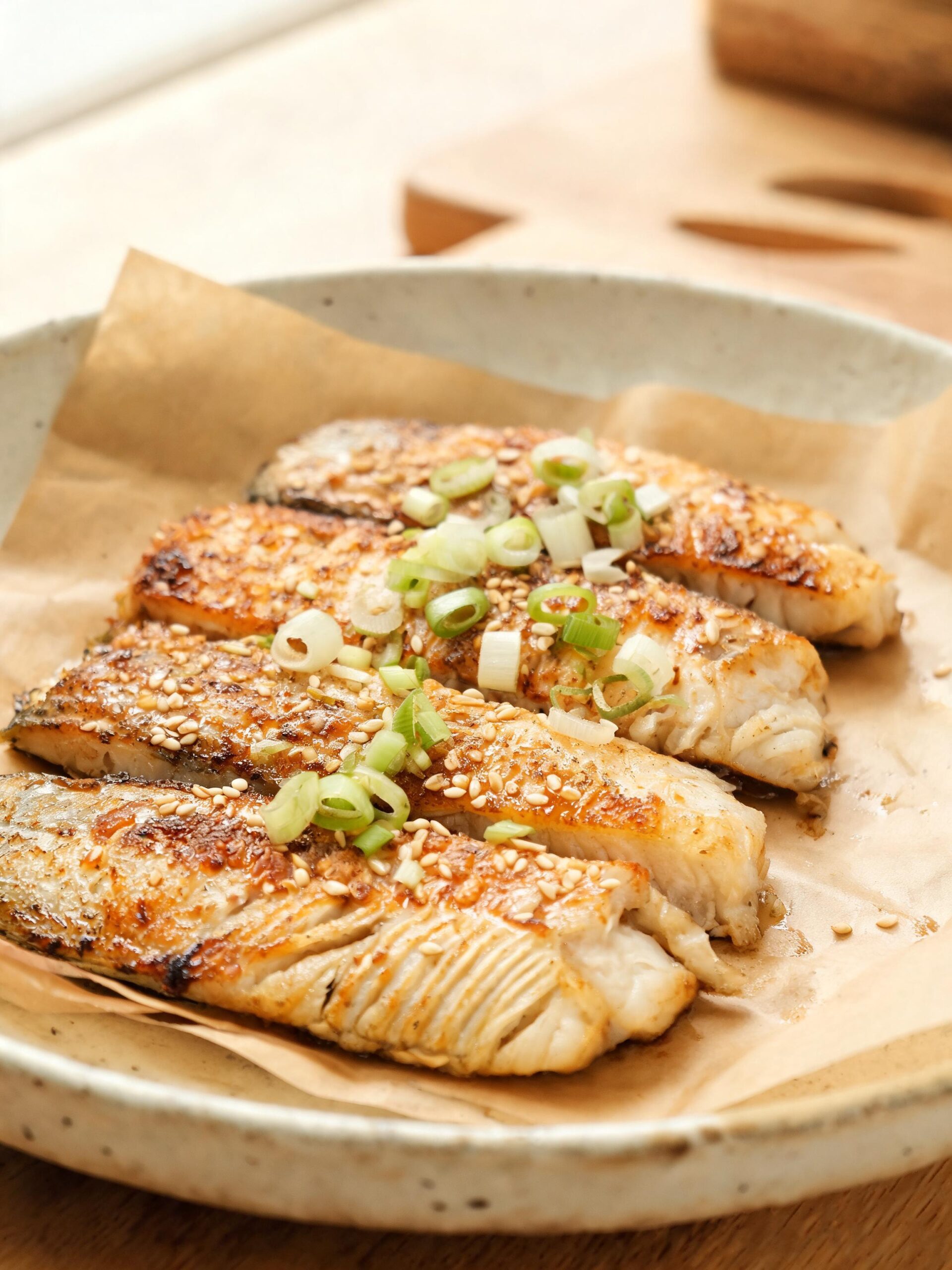
After twenty years behind the line in professional seafood kitchens, I can tell you one thing for sure: the best meals are often the simplest. This Ginger Soy Tilapia recipe is a perfect example. It’s the dish I make at home when I want something incredibly flavorful, healthy, and on the table in under 30 minutes. Tilapia gets a bad rap sometimes, but when you buy good quality fillets and treat them right, they are a fantastic canvas for bold flavors. The combination of savory soy, pungent fresh ginger, sharp garlic, and a touch of sweetness creates a sauce that seeps into the flaky fish as it bakes, keeping it moist and delicious. While I love a rich, creamy homemade lobster bisque for special occasions, this is straightforward, honest cooking that delivers every single time. It’s the kind of reliable weeknight workhorse that will make you feel like a pro in your own kitchen.
Why You’ll Love This Recipe
- Incredibly Fast: From fridge to table in about 30 minutes flat. The marinade doubles as the sauce, and the fish bakes quickly, making it a lifesaver on busy weeknights.
- Packed with Flavor: This isn’t your boring, bland baked fish. The balance of salty, sweet, and aromatic ingredients creates a deeply savory and satisfying glaze that punches way above its weight.
- Healthy and Light: Tilapia is a lean source of protein. Baking it instead of frying keeps the calories and fat low, while the sauce uses simple, wholesome ingredients. It’s a meal you can feel good about eating.
Ingredients List
Precision is key in a simple recipe like this. The quality of your ingredients will directly impact the final dish. Let’s break down what you need and why.
For the Tilapia:
- Tilapia Fillets: 4 fillets (about 6 ounces each), fresh or frozen and fully thawed. Look for fillets that are uniform in thickness. This ensures they all cook at the same rate. If you’re using frozen, make sure they are thoroughly thawed and patted completely dry with paper towels. Excess water will dilute the sauce and steam the fish instead of baking it.
For the Ginger Soy Sauce:
- Low-Sodium Soy Sauce: 1/2 cup. I specify low-sodium because it allows us to control the saltiness while getting all the deep, umami flavor. Regular soy sauce can easily make the dish overpowering, especially as the sauce reduces slightly in the oven.
- Olive Oil: 2 tablespoons. This adds a little richness to the sauce and helps keep the fish moist. A neutral-flavored extra virgin olive oil works best here.
- Rice Vinegar: 2 tablespoons. This is non-negotiable. Its mild acidity cuts through the richness and saltiness, brightening up the entire dish. Do not substitute with white vinegar, which is far too harsh.
- Toasted Sesame Oil: 1 tablespoon. A little goes a long way. This brings a nutty, aromatic depth that is fundamental to the flavor profile. Make sure you’re using toasted sesame oil, not the plain kind, for that signature scent and taste.
- Maple Syrup: 1 tablespoon. Just a touch of sweetness is needed to balance the soy and vinegar. I prefer maple syrup for its nuanced flavor, but honey is a perfectly acceptable substitute.
- Fresh Ginger: 2 tablespoons, finely grated. You must use fresh ginger. The powdered stuff from a jar is a pale imitation and lacks the bright, zesty heat that makes this dish pop. Use a microplane grater for a fine paste that will dissolve into the sauce.
- Fresh Garlic: 3 cloves, minced. Same rule as the ginger: fresh is essential. The pungent, sharp flavor of fresh garlic is key. Press it or mince it as finely as you can.
For Garnish (Optional but Recommended):
- Scallions (Green Onions): 2, thinly sliced. They add a fresh, mild oniony bite and a splash of color that makes the final dish look restaurant-quality.
- Sesame Seeds: 1 teaspoon, toasted. Adds a nice visual texture and an extra layer of nutty flavor.
Step-by-Step Instructions
Follow these steps closely. The process is simple, but the details matter for getting that perfect flaky texture.
- Preheat and Prepare: First thing’s first, get your oven preheating to 400°F (200°C). Position a rack in the middle of the oven. Lightly grease a 9×13 inch baking dish or line it with parchment paper for the easiest cleanup.
- Mix the Sauce: In a medium bowl, combine the low-sodium soy sauce, olive oil, rice vinegar, toasted sesame oil, and maple syrup. Whisk them together until the oil is emulsified into the mixture. Add the grated fresh ginger and minced garlic and whisk again to distribute them evenly. This is your all-in-one marinade and sauce.
- Marinate the Tilapia: Pat your tilapia fillets completely dry with paper towels. This is a critical step for a good texture. Place the fillets in the prepared baking dish in a single layer, making sure they don’t overlap. Pour about three-quarters of the ginger soy sauce over the fish, making sure to coat all sides. Let it sit on the counter to marinate for 15 minutes. Don’t go much longer, as the acid in the vinegar can start to ‘cook’ the fish and affect the texture. Reserve the remaining sauce for later.
- Bake the Fish: Place the baking dish in the preheated oven. Bake for 12-15 minutes. The exact time will depend on the thickness of your fillets. The fish is done when it’s opaque all the way through and flakes easily when you gently press it with a fork. The internal temperature should read 145°F (63°C) on an instant-read thermometer.
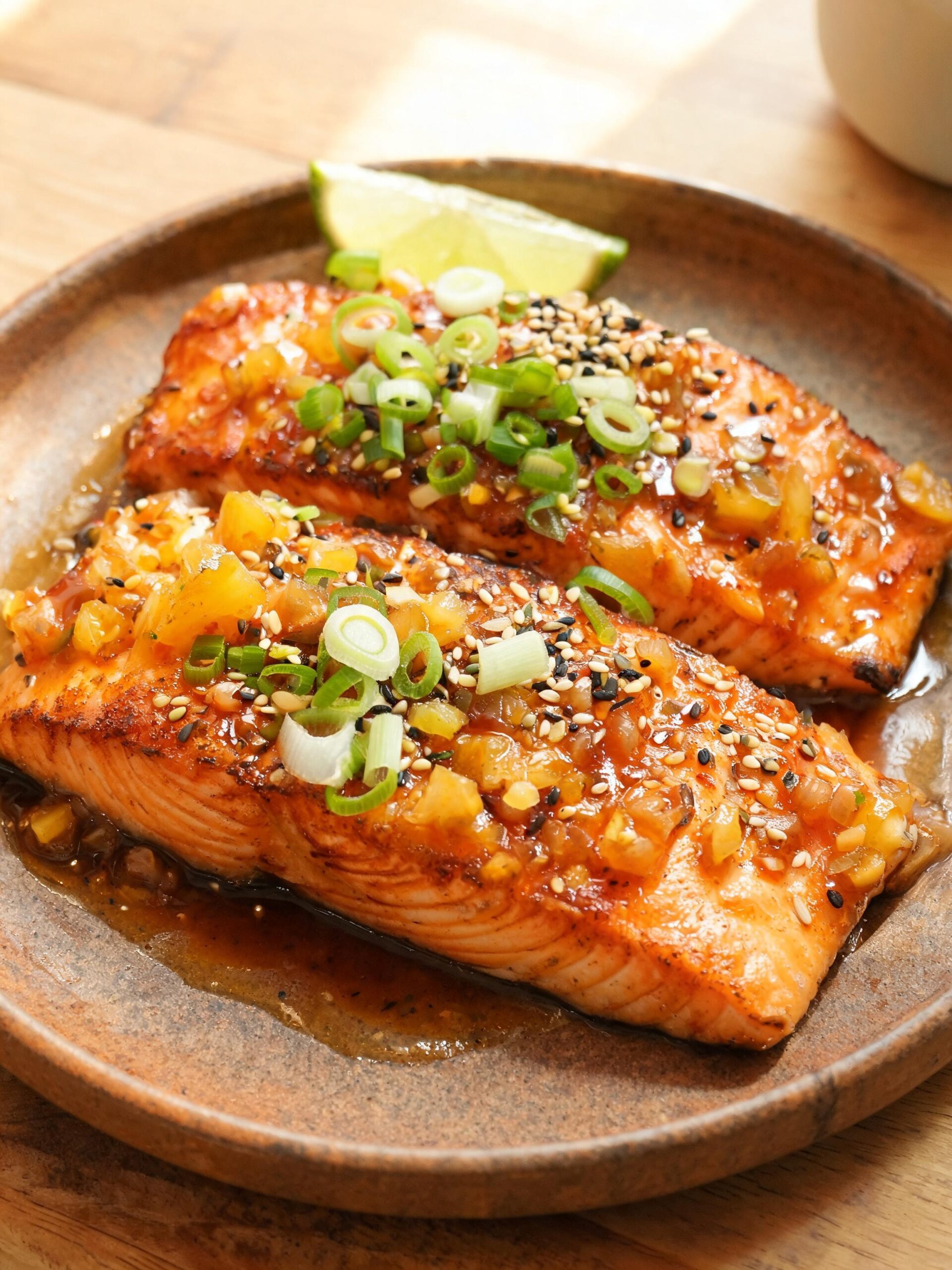
- Serve and Garnish: Carefully remove the baking dish from the oven. Drizzle the reserved sauce over the hot fillets. Garnish generously with the sliced scallions and toasted sesame seeds. Serve immediately for the best texture and flavor.
Chef’s Pro Tips for Success
Before we get to the cooking process, let’s talk prep. In my kitchen, the first step with any fish fillet is a quick check for pin bones. Even the best suppliers can miss one or two, and nothing ruins a beautiful bite of flaky fish like an unexpected bone. I always use a sturdy pair of fish bone tweezers to quickly and cleanly remove any I find. It’s a five-second step that makes all the difference and ensures every mouthful is perfect.
This is the kind of pro detail that will elevate your home cooking. If you don’t have a pair, these are an essential tool for any seafood lover. You can grab the exact ones I trust on Amazon.
Fish Bone Pliers/Tweezers – Ergonomic Non-Slip Grip, Food-Grade Stainless Steel Deboner
✓ prime
We earn a commission if you make a purchase, at no additional cost to you.

After cooking thousands of fish fillets, I’ve learned a few things. These are the details that separate a good dish from a great one.
- The Dry-Pat Down is Non-Negotiable: I mentioned it in the instructions, but it bears repeating. Any surface moisture on the tilapia will create steam in the oven. This steam prevents the sauce from glazing properly onto the fish and results in a watery, diluted flavor. Pat each fillet thoroughly with paper towels until it feels tacky to the touch.
- Use a Microplane for Aromatics: For the ginger and garlic, don’t just chop them. Use a microplane zester/grater. This turns them into a fine paste that completely dissolves into the sauce, ensuring every bite of fish is infused with flavor without any chunky, raw bits. It’s a small tool that makes a massive difference in the quality of your sauces.
- Don’t Over-Marinate: A 15-minute marinade at room temperature is the sweet spot for a delicate white fish like tilapia. The salt and acid in the sauce will begin to break down the proteins in the fish (a process called ceviche). If you marinate for too long (e.g., an hour or more), the fish can become mushy and chalky after baking. This quick marinade is just to flavor the surface.
- Choose the Right Baking Dish: Use a ceramic or glass baking dish. Metal pans, especially dark ones, can conduct heat too aggressively and may overcook the bottom of the fish before the top is done. A 9×13 inch dish is perfect for four fillets, giving them enough space to cook evenly without being crowded.
- The Final Drizzle is Key: That small amount of reserved sauce you drizzle on at the end is a game-changer. The cooked sauce in the pan has mingled with the fish juices, while the reserved sauce is pure, potent, and uncooked. Drizzling it over the hot fish right before serving re-introduces that bright, fresh punch of ginger and garlic, creating a more complex, layered flavor profile for your Ginger Soy Tilapia.
Common Mistakes to Avoid
This is an easy recipe, but a few common missteps can compromise the result. Here’s what to watch out for.
- Using Frozen, Un-Thawed Fish: Never put frozen or partially frozen fish directly into the oven for this recipe. It will release a massive amount of water as it cooks, creating a soupy mess in your baking dish and steaming the fish into a rubbery texture. The sauce will be completely watered down. Always ensure your fillets are fully thawed in the refrigerator overnight and then patted dry.
- Overcrowding the Pan: Giving each fillet its own space is crucial for even cooking. If you cram them together, the areas that are touching will trap steam and won’t cook at the same rate as the exposed parts. This leads to unevenly cooked fish—some parts might be perfect while others are mushy or underdone. If you need to cook more than four fillets, use two separate baking dishes.
- Substituting Powdered Ginger or Garlic: This is the cardinal sin of this recipe. Dried, powdered aromatics have a dull, dusty flavor profile that is nothing like their fresh counterparts. The entire soul of this dish comes from the bright, pungent bite of fresh ginger and garlic. Using the powdered versions will result in a flat, one-dimensional, and frankly, disappointing meal. Take the extra five minutes to grate the fresh stuff.
- Overbaking the Tilapia: Tilapia is a very lean fish, which means it has a very small window between perfectly cooked and dry and stringy. The ‘flakes easily with a fork’ test is your best friend. The moment it transitions from translucent to opaque and the flakes separate without resistance, pull it from the oven. Remember that it will continue to cook for a minute or two from residual heat (carryover cooking). An extra two minutes in the oven can ruin the delicate texture of this fantastic Ginger Soy Tilapia.
Variations and Serving Ideas
Once you master the base recipe, you can easily adapt it. Here are a few ideas to get you started.
- Switch Up the Fish: This ginger soy marinade is incredibly versatile. It works beautifully with other mild white fish like cod, haddock, or halibut. Note that thicker fillets like halibut may require a few extra minutes in the oven. It’s also fantastic on salmon for a richer, more robust dish.
- Add Some Heat: If you like a spicy kick, add 1/2 to 1 teaspoon of sriracha or a pinch of red pepper flakes to the sauce. You could also add a few thin slices of fresh jalapeño to the top of the fish before baking.
- Introduce Citrus: For a brighter, tangier flavor, add the zest and juice of half a lime to the marinade. The citrus works wonderfully with the ginger and soy, adding another layer of complexity.
- Make it a Sheet Pan Meal: Turn this into a one-pan dinner. Toss some quick-cooking vegetables like broccoli florets, sliced bell peppers, or asparagus spears with a little olive oil, salt, and pepper. Arrange them around the tilapia in the baking dish. They’ll roast perfectly in the same amount of time it takes the fish to cook, and they’ll soak up some of that delicious sauce. This is my go-to method for a complete Ginger Soy Tilapia dinner with minimal cleanup.
What to Serve With
To make this a complete meal, you need the right partners to soak up that amazing sauce.
- Rice: The classic pairing. Simple steamed jasmine or basmati rice is perfect for absorbing every last drop of the ginger soy glaze. For a healthier option, brown rice or quinoa also work very well.
- Steamed Vegetables: Lightly steamed bok choy or broccoli drizzled with a tiny bit of sesame oil is a fantastic, healthy side. The clean flavor of the vegetables provides a great contrast to the savory fish.
- Roasted Asparagus: The slight bitterness and earthy flavor of roasted asparagus is a wonderful complement to the sweet and savory notes of the fish.
- Asian-Style Slaw: A crisp, refreshing slaw made with shredded cabbage, carrots, and a light rice vinegar dressing can provide a cool, crunchy contrast to the warm, flaky fish.
Storage and Reheating
Cooked fish can be tricky, but if you handle it correctly, leftovers can be just as good. While more elaborate dishes like a classic Crab Thermidor are best enjoyed immediately, this simple baked tilapia reheats surprisingly well.
- Storage: Allow the leftover tilapia to cool completely to room temperature. Store it in an airtight container in the refrigerator for up to 2 days. I recommend storing it with any leftover sauce from the pan to help keep it moist.
- Reheating: The microwave is the enemy of leftover fish; it will make it rubbery and dry. The best way to reheat is low and slow in the oven. Place the fish in a small, oven-safe dish, add a splash of water or broth to create some steam, cover it loosely with foil, and heat in a 275°F (135°C) oven for about 10-15 minutes, or until just warmed through. This gentle method preserves the fish’s delicate texture.
FAQs (People Also Ask)
Here are answers to some common questions about this recipe.
- Can I use frozen tilapia fillets?
- Absolutely, but you must thaw them completely first. The best way is to place them in the refrigerator overnight. In a pinch, you can use the cold water method: place the vacuum-sealed fillets in a bowl of cold water for about 30-60 minutes. Never use warm water, and never cook them from frozen for this recipe.
- How can I tell when the tilapia is perfectly cooked without a thermometer?
- The visual cue is the best non-thermometer method. The flesh will turn from translucent and greyish to completely opaque and white. The most reliable test is to take a fork and gently press on the thickest part of the fillet. If it flakes apart easily into distinct layers, it’s done. If it’s still firm or rubbery, it needs another minute or two.
- Can I make the ginger soy sauce ahead of time?
- Yes, you can. The sauce can be whisked together and stored in an airtight container or jar in the refrigerator for up to 5 days. The flavors will actually meld and deepen over time. Just give it a good shake or whisk before you pour it over the fish.
- How can I make this recipe gluten-free?
- This is an easy substitution. Simply replace the low-sodium soy sauce with an equal amount of gluten-free tamari or coconut aminos. All other ingredients in the recipe are naturally gluten-free. The flavor profile will be nearly identical.
- Can I grill this Ginger Soy Tilapia instead of baking it?
- Yes, grilling is a great option. Marinate the fish as directed. Preheat your grill to medium-high heat and make sure the grates are very clean and well-oiled to prevent sticking. Grill the fillets for about 3-4 minutes per side, until grill marks form and the fish is opaque and flakes easily. A fish basket is a great tool to use to prevent the delicate fillets from falling apart.
Nutrition
Nutrition Facts
(Per serving. Estimates only, varies by exact ingredients used)
Conclusion
This Quick and Healthy Ginger Soy Baked Tilapia is more than just a recipe; it’s a template for a perfect weeknight meal. It proves that you don’t need a lot of time or a long list of ingredients to create something truly delicious and satisfying. I hope this dish finds a regular spot in your dinner rotation. Give it a try, and you’ll see just how easy it is to make restaurant-quality seafood at home.
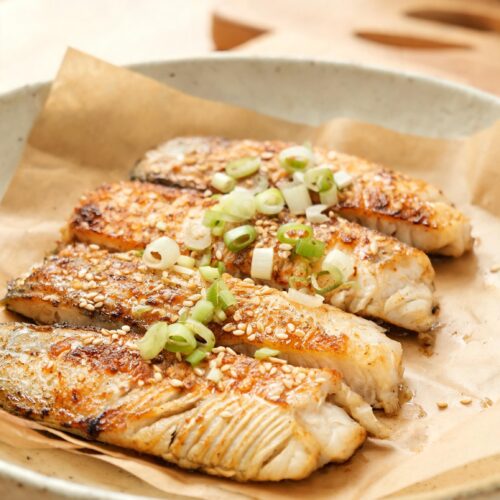
Quick & Healthy Ginger Soy Baked Tilapia
Ingredients
- 4 (6 ounce) tilapia fillets, fresh or thawed
- 1/2 cup low-sodium soy sauce
- 2 tablespoons olive oil
- 2 tablespoons rice vinegar
- 1 tablespoon toasted sesame oil
- 1 tablespoon maple syrup
- 2 tablespoons fresh ginger, finely grated
- 3 cloves fresh garlic, minced
- 2 scallions, thinly sliced (for garnish)
- 1 teaspoon sesame seeds, toasted (for garnish)
Instructions
- Preheat oven to 400°F (200°C). Lightly grease a 9x13 inch baking dish or line with parchment paper.
- In a medium bowl, whisk together the low-sodium soy sauce, olive oil, rice vinegar, toasted sesame oil, and maple syrup. Add the grated ginger and minced garlic and whisk again.
- Pat the tilapia fillets completely dry with paper towels. Arrange them in a single layer in the baking dish.
- Pour about 3/4 of the sauce over the fillets, turning to coat. Reserve the remaining sauce. Let the fish marinate for 15 minutes at room temperature.
- Bake for 12-15 minutes, or until the fish is opaque and flakes easily with a fork (internal temperature of 145°F or 63°C).
- Remove from the oven and immediately drizzle with the reserved sauce. Garnish with sliced scallions and toasted sesame seeds before serving.