Introduction
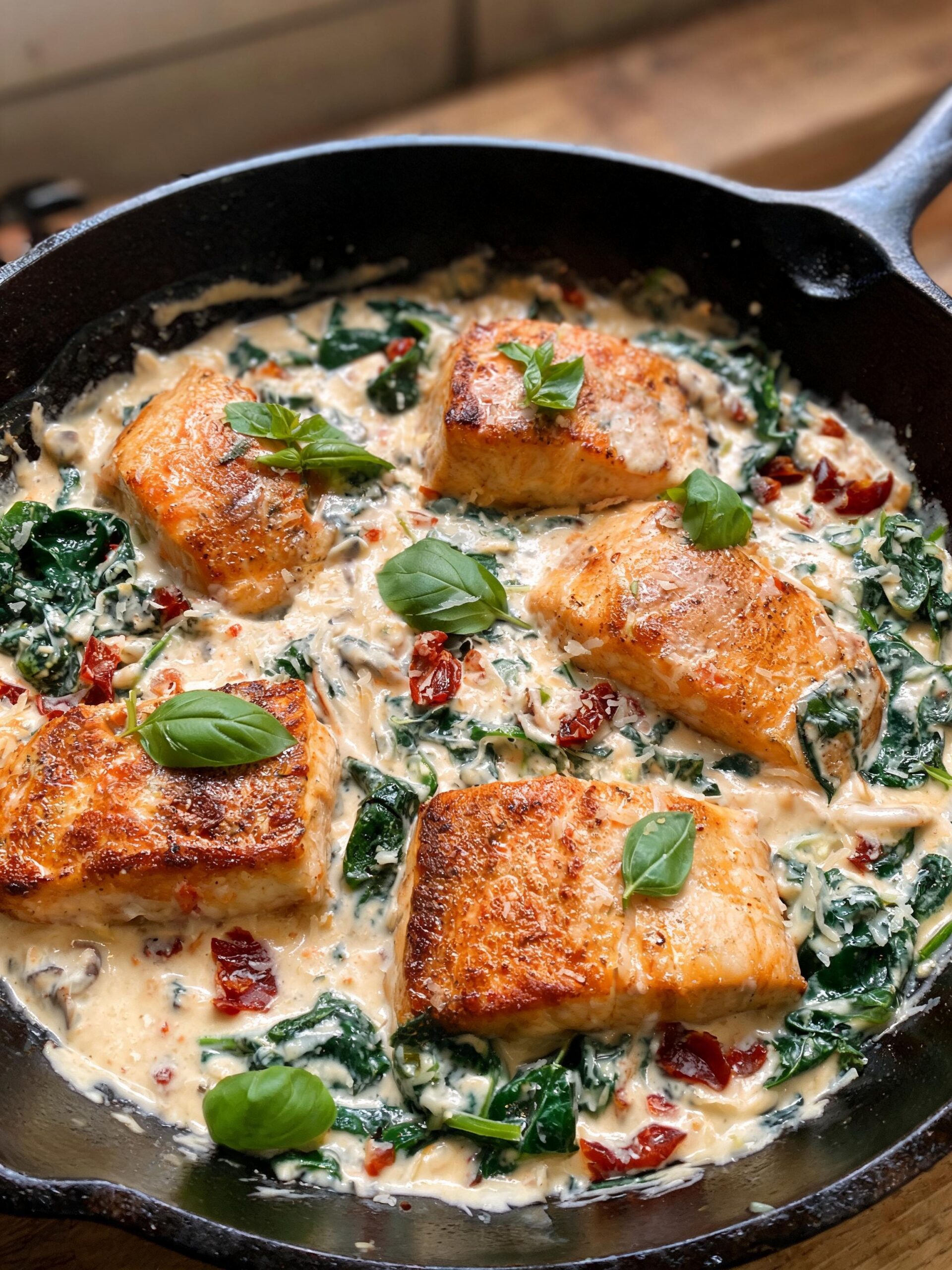
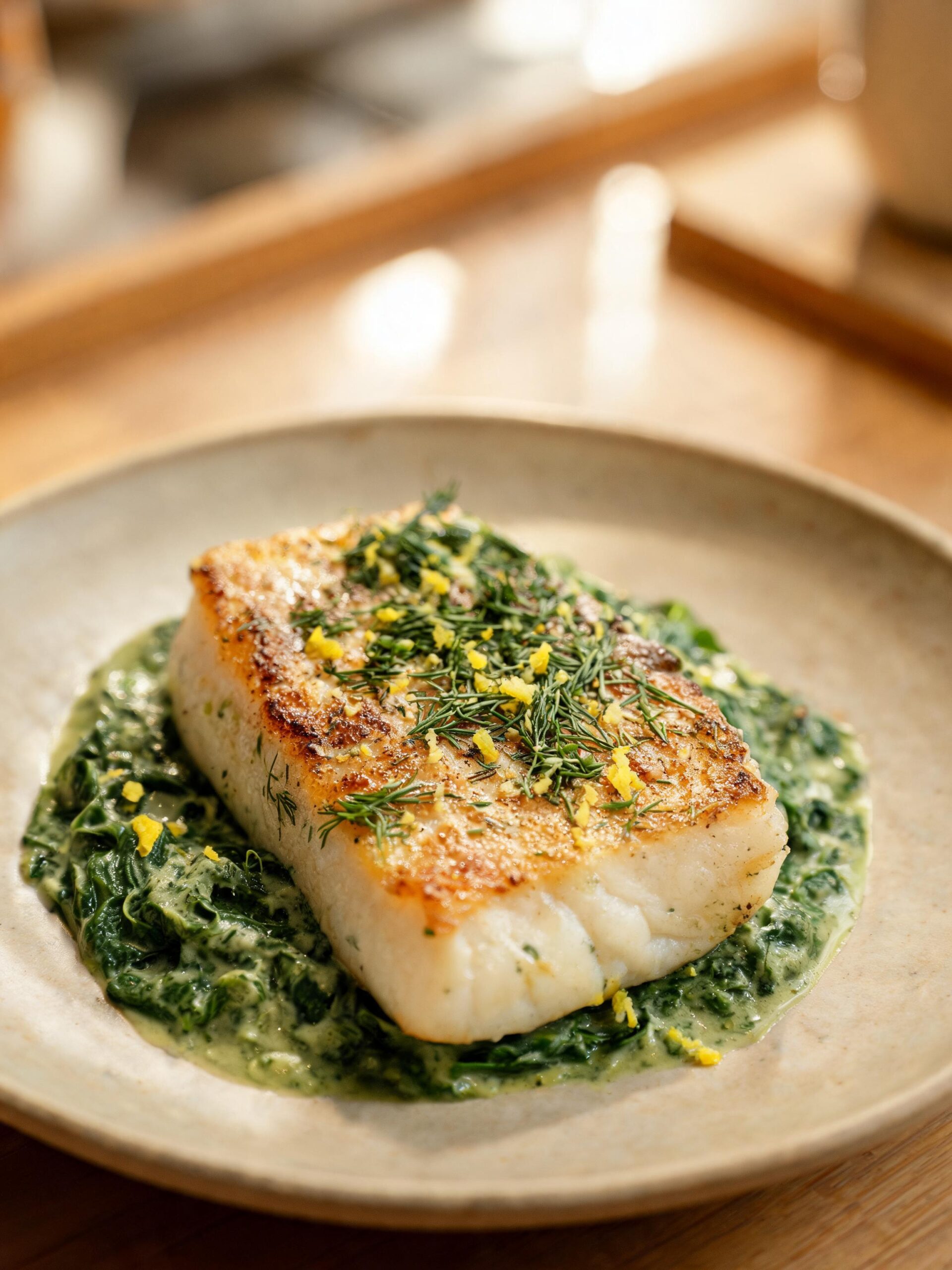
After twenty years of running professional seafood kitchens, I can tell you that the secret to an unforgettable fish dish is almost always the sauce. This recipe for white fish spring greens sauce is the perfect example. It’s a dish I’ve refined over the years to be both incredibly simple for the home cook and elegant enough for a high-end restaurant menu. While some seafood dishes like our easy smoked salmon quiche are perfect for a leisurely brunch, this one is designed for speed. We’re talking about a perfectly pan-seared, flaky white fish fillet resting on a vibrant, nutrient-packed sauce made from fresh spring greens. It’s clean, light, and celebrates the ingredients without hiding them. This isn’t about heavy creams or complicated techniques; it’s about letting fresh, seasonal ingredients do the work. You get a healthy, satisfying meal that comes together in about 30 minutes, making it a perfect weeknight dinner that tastes like a weekend treat.
Why You’ll Love This Recipe
- Fast and Efficient: From fridge to table in just over 30 minutes. The sauce comes together in the same pan while the fish rests, minimizing cleanup and maximizing flavor.
- Incredibly Flavorful: The sauce is the star. It’s bright from the lemon, savory from the shallots and garlic, and has a fresh, peppery bite from the spring greens. It perfectly complements the mild, flaky fish without overpowering it.
- Healthy and Adaptable: Packed with protein and greens, this dish is naturally low-carb and light. You can easily adapt it using different types of fish or greens you have on hand, making it a versatile go-to recipe.
Ingredients List
A great dish starts with great ingredients. Don’t compromise on freshness, especially with the fish and greens. Here’s your shopping list and why each component is critical.
For the White Fish:
- White Fish Fillets: 4 (6-ounce) skinless fillets, about 1-inch thick. I prefer cod for its large, tender flakes or halibut for its firmer, meatier texture. Haddock or pollock are also excellent, budget-friendly choices. The key is a mild white fish that will act as a canvas for the sauce.
- Kosher Salt: 1 teaspoon, plus more to taste. Kosher salt’s coarse texture is better for drawing out moisture and creating a great crust.
- Black Pepper: ½ teaspoon, freshly ground. The difference between pre-ground and freshly ground pepper is night and day.
- Olive Oil: 1 tablespoon. For searing the fish. A good quality extra virgin olive oil works, but a light olive oil with a higher smoke point is also fine.
- Unsalted Butter: 1 tablespoon. Adding butter at the end of the searing process allows you to baste the fish, adding richness and a beautiful golden-brown color without burning.
For the Spring Greens Sauce:
- Shallot: 1 large, finely minced. Shallots provide a delicate, sweet onion flavor that doesn’t overpower the sauce like a yellow onion might.
- Garlic: 2 cloves, thinly sliced. Slicing the garlic instead of mincing prevents it from burning quickly and infuses the oil with a mellow, sweet garlic flavor.
- Dry White Wine: ¼ cup. Use something you’d drink, like a Sauvignon Blanc or Pinot Grigio. It deglazes the pan, lifting all those flavorful browned bits (the fond) from the bottom. If you don’t use alcohol, you can substitute with more chicken broth and an extra squeeze of lemon juice.
- Low-Sodium Chicken or Vegetable Broth: ¾ cup. This forms the body of your sauce. Using low-sodium broth gives you control over the final saltiness.
- Fresh Spring Greens: 5 ounces, roughly chopped. A mix of spinach, arugula, and chard is fantastic. Spinach provides the base, arugula adds a peppery kick, and chard adds a pleasant, earthy bitterness.
- Heavy Cream: 2 tablespoons (optional, but recommended). This is not enough to make the sauce heavy, but it adds a touch of richness and body that brings everything together.
- Lemon: 1, zested and juiced. The zest adds aromatic oils and the juice provides the bright, acidic finish that cuts through the richness and makes the whole dish pop.
- Fresh Dill or Parsley: 2 tablespoons, finely chopped for garnish. This adds a final layer of fresh, herbaceous flavor.
Step-by-Step Instructions
Follow these steps precisely for a restaurant-quality result. Read through them once before you start cooking.
- Prep the Fish: Pat the fish fillets completely dry with paper towels. This is the single most important step for getting a good sear. Moisture is the enemy of a crispy crust. Season both sides generously with kosher salt and freshly ground black pepper.
- Sear the Fish: Place a large, non-stick or cast-iron skillet over medium-high heat. Once hot, add the olive oil. It should shimmer. Carefully place the fish fillets in the pan, making sure not to overcrowd it (cook in batches if necessary). Cook for 3-4 minutes, undisturbed, until a golden-brown crust forms.
- Baste and Finish: Flip the fish. Add the 1 tablespoon of butter to the pan. As it melts, tilt the pan and use a spoon to baste the fish with the hot butter for about 1 minute. Continue to cook for another 2-4 minutes, depending on the thickness of your fillets. The fish is done when it’s opaque and flakes easily with a fork (internal temperature of 145°F). Remove the fish to a plate and tent loosely with foil to keep warm.
- Start the Sauce: Reduce the heat to medium. In the same skillet, add the minced shallot and cook for 2 minutes until softened and translucent. Add the sliced garlic and cook for another 30-60 seconds until fragrant. Do not let the garlic brown.
- Deglaze and Reduce: Pour in the white wine to deglaze the pan, scraping up any browned bits from the bottom with a wooden spoon. Let it bubble and reduce by about half, which should take about 2 minutes.
- Build the Sauce: Add the chicken broth and bring to a simmer. Let it cook for 3-4 minutes to reduce slightly and concentrate the flavors.
- Wilt the Greens: Add the spring greens to the skillet in batches. Stir constantly until they are just wilted, which will only take 1-2 minutes. They will reduce in volume significantly.
- Finish and Season: Stir in the optional heavy cream, lemon zest, and lemon juice. Let it bubble for 30 seconds. Taste the sauce and season with additional salt and pepper as needed. It should be vibrant and well-balanced.
- Serve Immediately: To serve, spoon a generous amount of the spring greens sauce onto each plate. Place a fillet of the seared white fish on top. Garnish with fresh dill or parsley and serve immediately.
Chef’s Pro Tips for Success
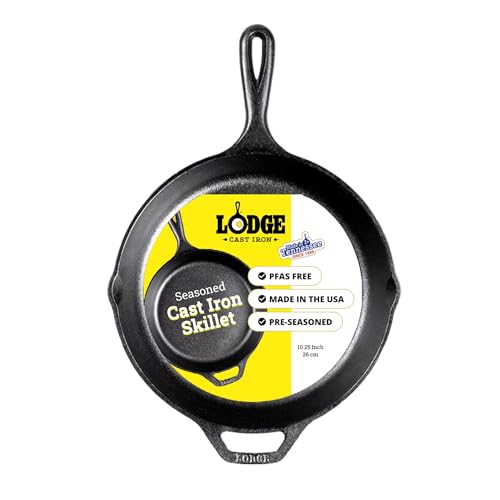
To get that incredible, golden-brown crust on the fish, the kind that crackles under your fork, your pan is everything. Forget flimsy non-sticks that heat unevenly. For years in my professional kitchens and at home, I’ve sworn by one tool above all others: a classic Lodge Cast Iron Skillet. It gets ferociously hot and holds that heat, which is the non-negotiable secret to the Maillard reaction. This is what creates that deep flavor and perfect texture, and it’s the same pan I use to build the sauce, capturing every last delicious bit.
If you’re ready to stop steaming your fish and start searing it like a pro, this is the single best investment for your kitchen. Get the exact skillet I use every week on Amazon.
Lodge 10.25 Inch Cast Iron Skillet with Assist Handle
✓ prime
We earn a commission if you make a purchase, at no additional cost to you.
Here are a few techniques I teach my line cooks to ensure perfect fish every time. These details separate a good home-cooked meal from a great one.
- The Dry-Brine Technique: For an even flakier fish and a superior crust, try a quick dry-brine. After patting the fish dry, season it with salt and let it sit on a rack in the refrigerator for 15-30 minutes before cooking. The salt draws out surface moisture while also seasoning the fish more deeply. Just be sure to pat it dry one more time before it hits the pan.
- Master Pan Temperature: A common mistake is starting with a pan that isn’t hot enough. Your oil should be shimmering, just shy of smoking. When you place the fish down, you should hear an immediate, confident sizzle. This intense initial heat is what creates the Maillard reaction, giving you that beautiful golden-brown, flavorful crust. If you don’t hear the sizzle, your pan is too cold.
- Don’t Touch the Fish: Once the fish is in the pan, resist the urge to move it around. Let it sit undisturbed for the first 3-4 minutes. This allows the crust to form properly. If you try to move it too early, it will stick and tear. The fish will tell you when it’s ready to be flipped; it will release from the pan easily.
- Sauce Consistency is Key: The final consistency of your white fish spring greens sauce should be just thick enough to coat the back of a spoon. If your sauce is too thin, it’s likely because you didn’t reduce the wine and broth enough. Let it simmer for an extra minute or two to evaporate more liquid. If it’s too thick, simply stir in a tablespoon of broth or water until it reaches the desired consistency.
- Finish with Freshness: The final touches are not just for looks. The final squeeze of lemon juice and sprinkle of fresh herbs should be done off the heat, right before serving. Heat can dull the flavor of fresh lemon and delicate herbs. This last-minute addition wakes up the entire dish and provides a burst of bright, fresh flavor that elevates the final product.
Common Mistakes to Avoid
I’ve seen it all in my kitchens. Here are the most common ways this dish can go wrong and how to make sure it doesn’t happen to you.
- The Scenario: Overcooking the Fish. You’re worried about undercooking it, so you leave it in the pan for an extra ‘just in case’ minute. The result is a dry, tough, and chalky piece of fish. White fish like cod is very lean and cooks incredibly fast. The window between perfectly cooked and overcooked is very small.
The Fix: Trust the visual cues and a thermometer. The fish is done when the flesh turns from translucent to opaque and flakes easily. Better yet, use the principle of carryover cooking. Remove the fish from the pan when it’s about 90% done (around 140°F). It will continue to cook from the residual heat as it rests, reaching the perfect 145°F without drying out. - The Scenario: A Soggy Fish Crust. You followed the steps, but your fish skin is pale and soft, not crispy and golden. This is almost always due to one of three things: the fish wasn’t dry, the pan wasn’t hot enough, or you overcrowded the pan.
The Fix: First, pat the fish bone-dry. Second, ensure your pan is properly preheated. Third, give each fillet space in the pan. Cooking too many pieces at once drops the pan’s temperature, causing the fish to steam in its own juices rather than sear. Cook in two batches if your pan isn’t large enough. - The Scenario: A Watery, Bland Sauce. You’ve wilted your greens, but the final sauce is thin and lacks punch. This happens when the wine and stock aren’t reduced properly, or the greens release too much water.
The Fix: Be patient during the reduction steps. Allowing the wine and broth to simmer and reduce concentrates their flavors, which is the foundation of a good pan sauce. If your greens release a lot of water, simply let the sauce simmer for a few extra minutes to cook off that excess liquid before adding the cream and lemon. And never, ever forget to taste and adjust seasoning at the end. A pinch of salt can be the difference between bland and brilliant. - The Scenario: Bitter Garlic. Your sauce has a harsh, bitter aftertaste. This is a classic sign of burnt garlic. Sliced or minced garlic has a high sugar content and goes from fragrant to burnt in a matter of seconds.
The Fix: Add the garlic to the pan *after* the shallots have had a chance to soften. Keep the heat at a moderate level and stir constantly. The moment you can smell the garlic’s aroma—usually 30-60 seconds—it’s time to deglaze with the wine. This immediately stops the cooking process and captures that perfect, sweet garlic flavor for your white fish spring greens sauce.
Variations and Serving Ideas
This recipe is a fantastic template. Once you’ve mastered the base, you can get creative.
- Change the Greens: While the spinach/arugula mix is classic, don’t be afraid to experiment. Use all baby kale for a heartier texture, or try mustard greens for a spicier kick. Finely shredded Lacinato kale (dinosaur kale) also works beautifully.
- Add a Creamy Element: For a richer sauce, you can stir in a tablespoon of crème fraîche or mascarpone cheese instead of heavy cream. For a dairy-free option, a full-fat coconut milk can work, though it will change the flavor profile.
- Introduce More Herbs: Add other fresh herbs along with the greens. Tarragon has a lovely anise note that pairs beautifully with fish. Fresh chives or basil would also be excellent additions to this white fish spring greens sauce.
- Spice it Up: Add a pinch of red pepper flakes along with the garlic to give the sauce a gentle, warming heat that contrasts nicely with the bright lemon.
- Add Capers or Olives: For a more Mediterranean feel, add a tablespoon of drained capers or some chopped Kalamata olives to the sauce along with the lemon juice. The salty, briny flavor is a perfect match for white fish.
What to Serve With
This dish is light and elegant, so the side dishes should complement it, not overpower it. Keep it simple.
- Grains: Serve the fish and sauce over a bed of fluffy quinoa, creamy polenta, or a simple pearl couscous. A wild rice pilaf would also be an excellent choice.
- Potatoes: Simple boiled new potatoes tossed in butter and parsley are a classic pairing. For something a bit more refined, serve with a smooth potato purée.
- Bread: A piece of crusty sourdough or a good baguette is essential for sopping up every last bit of the delicious spring greens sauce, much like it is for a creamy homemade salmon chowder.
- Wine Pairing: A crisp, dry white wine is the perfect partner. A Sauvignon Blanc from the Loire Valley, a Spanish Albariño, or an Italian Pinot Grigio will all have the acidity to cut through the sauce and complement the fish.
Storage and Reheating
Seafood is always best eaten fresh, but if you have leftovers, here’s how to handle them properly to preserve texture and flavor.
- Storage: The key is to store the fish and the sauce separately. Let both cool to room temperature. Place the fish fillets in an airtight container and the sauce in another. They will keep in the refrigerator for up to 2 days. I do not recommend freezing this dish, as the sauce’s texture can break and the fish will become watery upon thawing.
- Reheating: Avoid the microwave at all costs; it will turn your beautiful fish rubbery. The best way to reheat the fish is gently in the oven. Place the fillets on a baking sheet, add a splash of water or broth to the pan to create steam, and cover loosely with foil. Reheat at 300°F (150°C) for 10-15 minutes, or until just warmed through. While the fish is reheating, gently warm the sauce in a small saucepan over low heat, stirring occasionally. Do not boil it.
FAQs (People Also Ask)
Can I use frozen fish for this recipe?
Absolutely. Frozen fish can be excellent quality. The most important step is to thaw it correctly. The best method is to transfer it from the freezer to the refrigerator the night before you plan to cook. Never thaw fish at room temperature or in hot water. Once thawed, you must pat it extremely dry with paper towels to remove as much excess moisture as possible before searing.
Can I make the spring greens sauce ahead of time?
Yes, you can make the sauce up to one day in advance. Prepare the white fish spring greens sauce through step 7 (before adding the cream and lemon). Cool it down and store it in an airtight container in the fridge. When you’re ready to serve, gently reheat it in a skillet over low heat. Once it’s warm, stir in the cream and lemon juice right before serving with the freshly cooked fish.
My sauce seems too thin. How can I thicken it?
The easiest way is to simply let it reduce more by simmering it for a few extra minutes. If you’re short on time, you can make a ‘slurry’ by whisking 1 teaspoon of cornstarch with 1 tablespoon of cold water until smooth. Slowly whisk the slurry into the simmering sauce and let it cook for a minute until it thickens. Use this as a last resort, as reduction provides better flavor concentration.
What other greens can I use besides spinach and arugula?
This sauce is very versatile. You can use baby kale, Swiss chard (remove the thick stems), escarole, or even beet greens. For a more pronounced flavor, try dandelion greens or mustard greens, but be aware they are more bitter. The cooking time might vary slightly for heartier greens like kale.
Is this recipe keto-friendly or low-carb?
Yes, this recipe is naturally low in carbohydrates and can easily fit into a keto or low-carb lifestyle. The main sources of carbs are the shallot, garlic, and greens, which are minimal. To ensure it’s strictly keto, omit the white wine or ensure it’s a very dry variety, and use it in moderation. The dish is high in protein and healthy fats, making it a great choice.
Nutrition
Nutrition Facts
(Per serving. Estimates only, varies by exact ingredients used)
Conclusion
This white fish spring greens sauce is more than just a recipe; it’s a technique and a template for creating simple, elegant seafood meals. It proves that you don’t need a lot of time or a long list of ingredients to eat well. I hope this dish brings a taste of a professional kitchen into your home and becomes a new favorite. Give it a try, and let me know how it turns out.
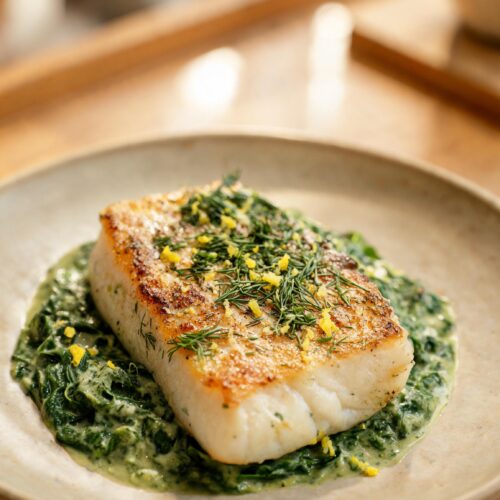
White Fish with Spring Greens Sauce | Light & Healthy Seafood Recipe
Ingredients
- 4 (6-ounce) skinless white fish fillets (like cod, halibut, or haddock)
- 1 teaspoon Kosher salt, plus more to taste
- ½ teaspoon freshly ground black pepper
- 1 tablespoon olive oil
- 1 tablespoon unsalted butter
- 1 large shallot, finely minced
- 2 cloves garlic, thinly sliced
- ¼ cup dry white wine (like Sauvignon Blanc or Pinot Grigio)
- ¾ cup low-sodium chicken or vegetable broth
- 5 ounces fresh spring greens (spinach, arugula, chard mix)
- 2 tablespoons heavy cream (optional)
- 1 lemon, zested and juiced
- 2 tablespoons fresh dill or parsley, finely chopped
Instructions
- Pat the fish fillets completely dry with paper towels. Season both sides generously with kosher salt and freshly ground black pepper.
- Place a large skillet over medium-high heat. Add olive oil. Once shimmering, carefully place fish in the pan. Cook for 3-4 minutes, undisturbed, until a golden-brown crust forms.
- Flip the fish. Add the butter to the pan. Baste the fish with the melting butter for 1 minute. Cook for another 2-4 minutes until the fish is opaque and flakes easily (145°F). Remove fish to a plate.
- Reduce heat to medium. Add the shallot to the same skillet and cook for 2 minutes until softened. Add the sliced garlic and cook for 30-60 seconds until fragrant.
- Pour in the white wine to deglaze, scraping up any browned bits. Let it bubble and reduce by half, about 2 minutes.
- Add the chicken broth, bring to a simmer, and cook for 3-4 minutes to reduce slightly.
- Add the spring greens in batches, stirring until just wilted, about 1-2 minutes.
- Stir in the optional heavy cream, lemon zest, and lemon juice. Season with salt and pepper to taste.
- Spoon the sauce onto plates, top with a fish fillet, and garnish with fresh dill or parsley before serving.