Introduction
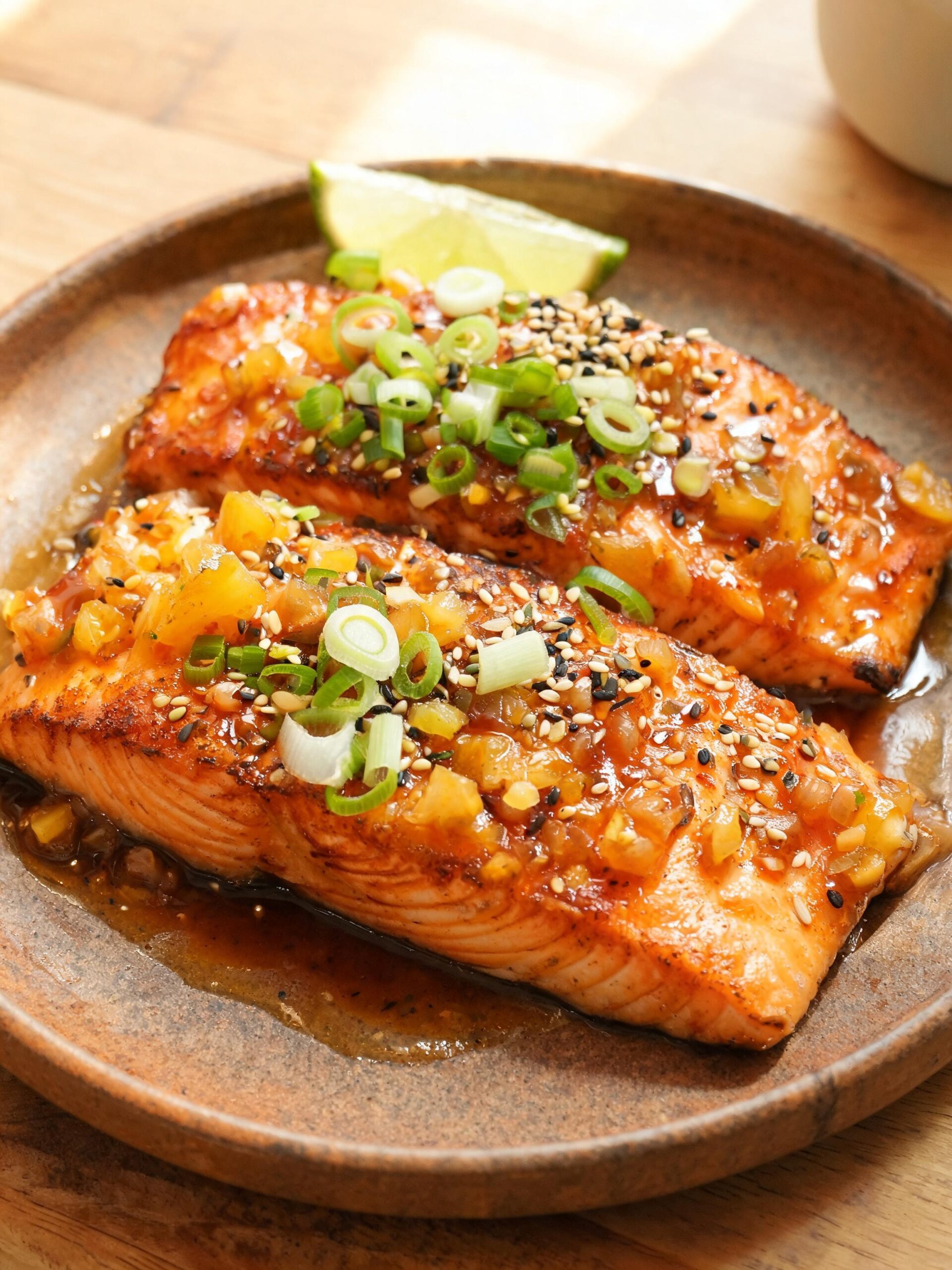
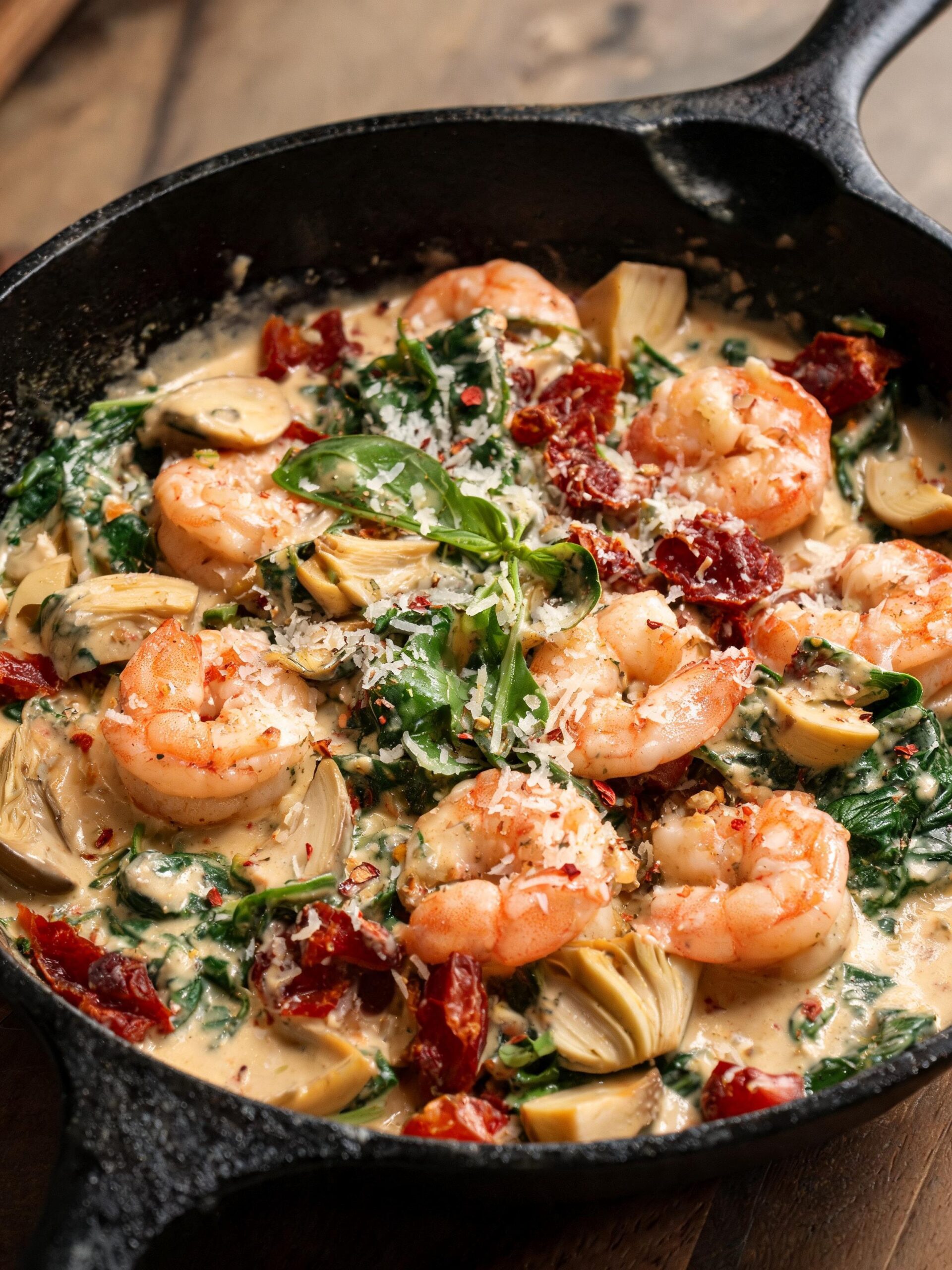
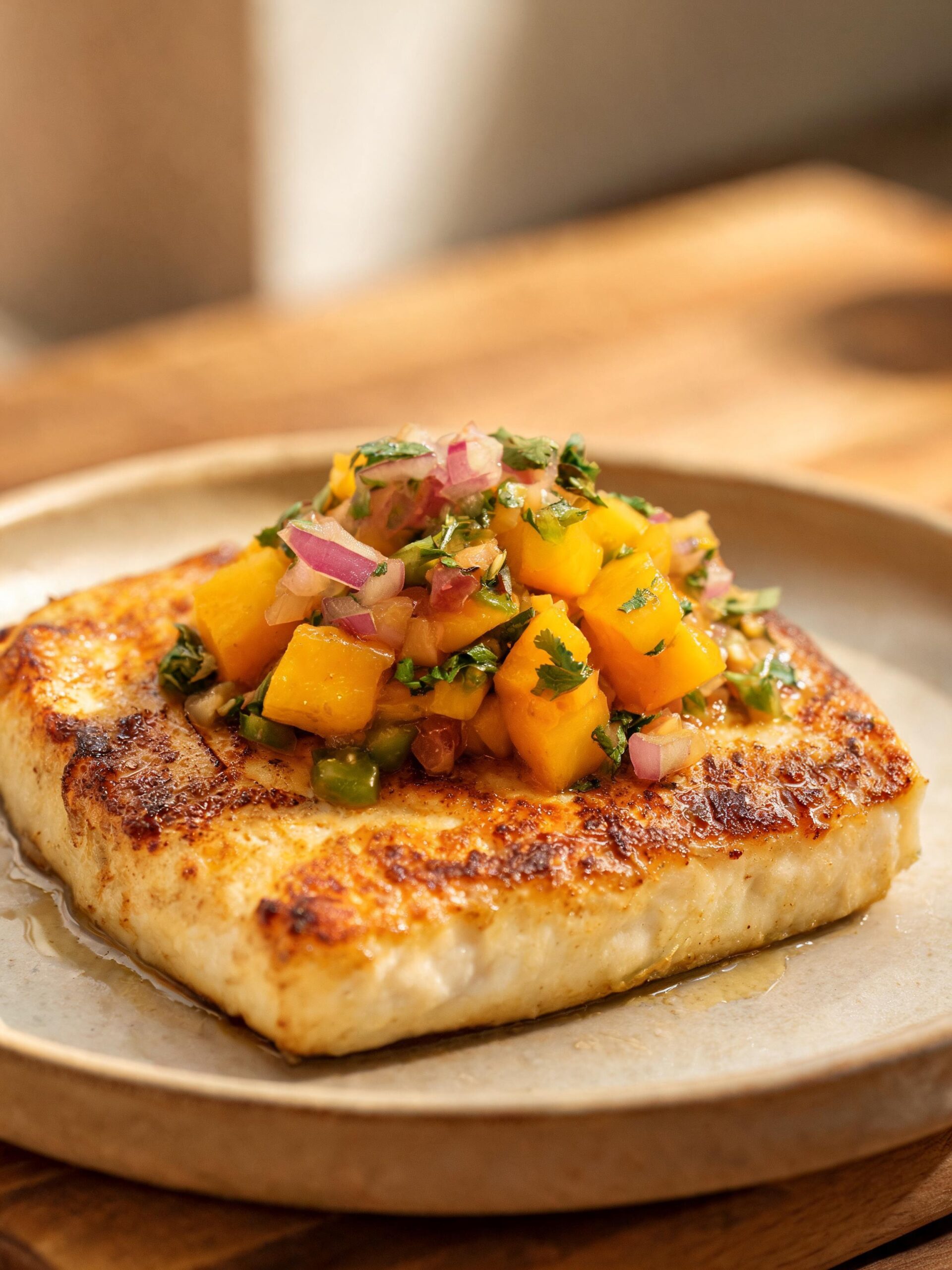
After two decades of working with seafood, I can tell you that few dishes capture the essence of a fresh, healthy meal quite like mahi mahi mango salsa. This isn’t just a recipe; it’s a plate of sunshine. The firm, mild sweetness of perfectly seared mahi mahi pairs incredibly well with the bright, zesty, and sweet notes of a homemade mango salsa. It’s the kind of meal that feels special enough for a weekend dinner party but is genuinely fast enough for a busy Tuesday night, much like our popular Quick Baked Garlic Butter Shrimp. Forget complicated sauces and long cooking times. This dish is all about respecting high-quality ingredients and letting them shine. We’re going to walk through how to select the best fish, achieve that perfect golden-brown crust, and build a salsa that pops with tropical flavor. This is the definitive guide to making restaurant-quality mahi mahi with mango salsa at home.
Why You’ll Love This Recipe
- Incredibly Fast: From prep to plate, you’re looking at about 30 minutes. The salsa comes together while the pan heats up, and the fish cooks in under 10 minutes. It’s the perfect solution for a healthy meal without the hassle.
- Packed with Flavor: The combination of the warm, savory spiced fish and the cool, sweet, and tangy salsa is a classic for a reason. Every bite has a mix of textures and tastes that is both refreshing and satisfying.
- Healthy and Light: Mahi mahi is a lean source of protein, and the salsa is loaded with fresh fruit and vegetables. It’s a naturally gluten-free and dairy-free meal that is low in fat but high in nutrients and flavor.
Ingredients List
Precision is key in a simple dish like this. The quality of your ingredients will directly impact the final result. Here’s exactly what you’ll need for four servings.
For the Mango Salsa:
- 2 large ripe mangoes: Look for mangoes that have a slight give when gently pressed, like an avocado. Ataulfo or honey mangoes are fantastic here as they are less fibrous. You should have about 2 cups of diced mango.
- 1/2 medium red onion: Finely diced. Red onion provides a sharp, slightly sweet bite that cuts through the mango’s sweetness. It also adds beautiful color. You’ll need about 1/2 cup.
- 1 jalapeño: Seeded and minced. This is for flavor and a mild kick, not overwhelming heat. If you like it spicy, leave some seeds in.
- 1/2 cup fresh cilantro: Coarsely chopped. Cilantro is non-negotiable for that classic salsa flavor. Make sure it’s fresh and fragrant.
- 1 large lime: You’ll need all the juice, which is typically about 2 tablespoons. The acidity is crucial for balancing the sweetness of the mango.
- 1/4 teaspoon sea salt: To taste. Salt enhances all the other flavors and brings the salsa together.
For the Mahi Mahi:
- 4 (6-ounce) mahi mahi fillets: Aim for fillets that are about 1-inch thick. This thickness ensures the fish cooks evenly, searing on the outside while staying moist inside. Fresh is best, but high-quality frozen and properly thawed fillets work great.
- 1 tablespoon olive oil: For searing. A neutral oil with a higher smoke point like avocado oil also works well.
- 1 teaspoon chili powder: This adds a smoky, mild heat.
- 1/2 teaspoon cumin: Provides a warm, earthy undertone that complements the tropical salsa.
- 1/2 teaspoon garlic powder: For a savory base flavor.
- 1/2 teaspoon kosher salt: Essential for seasoning the fish properly.
- 1/4 teaspoon black pepper: Freshly ground for the best flavor.
Step-by-Step Instructions
Follow these steps closely for a flawless result. The key is to prep the salsa first to allow the flavors to meld while you cook the fish.
- Prepare the Mango Salsa: In a medium bowl, combine the diced mango, finely diced red onion, minced jalapeño, and chopped cilantro. Squeeze the lime juice over the top and sprinkle with 1/4 teaspoon of sea salt. Gently toss everything together until well combined. Set the salsa aside at room temperature for at least 15 minutes to allow the flavors to marry. This is a critical step.
- Prepare the Mahi Mahi: Pat the mahi mahi fillets completely dry with paper towels. This is the most important step for getting a good sear. Moisture will steam the fish instead of searing it. In a small bowl, mix together the chili powder, cumin, garlic powder, kosher salt, and black pepper. Sprinkle the spice blend evenly over all sides of the fish fillets, gently pressing it into the flesh.
- Heat the Pan: Place a large skillet (cast iron or stainless steel is best) over medium-high heat. Add the olive oil. Let the pan get hot. You’ll know it’s ready when the oil shimmers slightly. A hot pan is essential to prevent the fish from sticking.
- Sear the Mahi Mahi: Carefully place the seasoned fillets in the hot skillet, making sure not to overcrowd the pan. Cook for 3-4 minutes on the first side, undisturbed. You should see a golden-brown crust forming around the edges. Resist the urge to move the fish around.
- Flip and Finish Cooking: Using a thin fish spatula, flip the fillets. Cook for another 3-4 minutes on the second side. The fish is done when it’s opaque all the way through and flakes easily when tested with a fork. The internal temperature should reach 137°F (58°C) before you remove it from the heat, as it will continue to cook slightly while resting.
- Rest and Serve: Transfer the cooked mahi mahi to a plate and let it rest for a couple of minutes. This allows the juices to redistribute. Serve the seared fillets warm, topped with a generous spoonful of the fresh mango salsa. This mahi mahi mango salsa is best enjoyed immediately.
Chef’s Pro Tips for Success
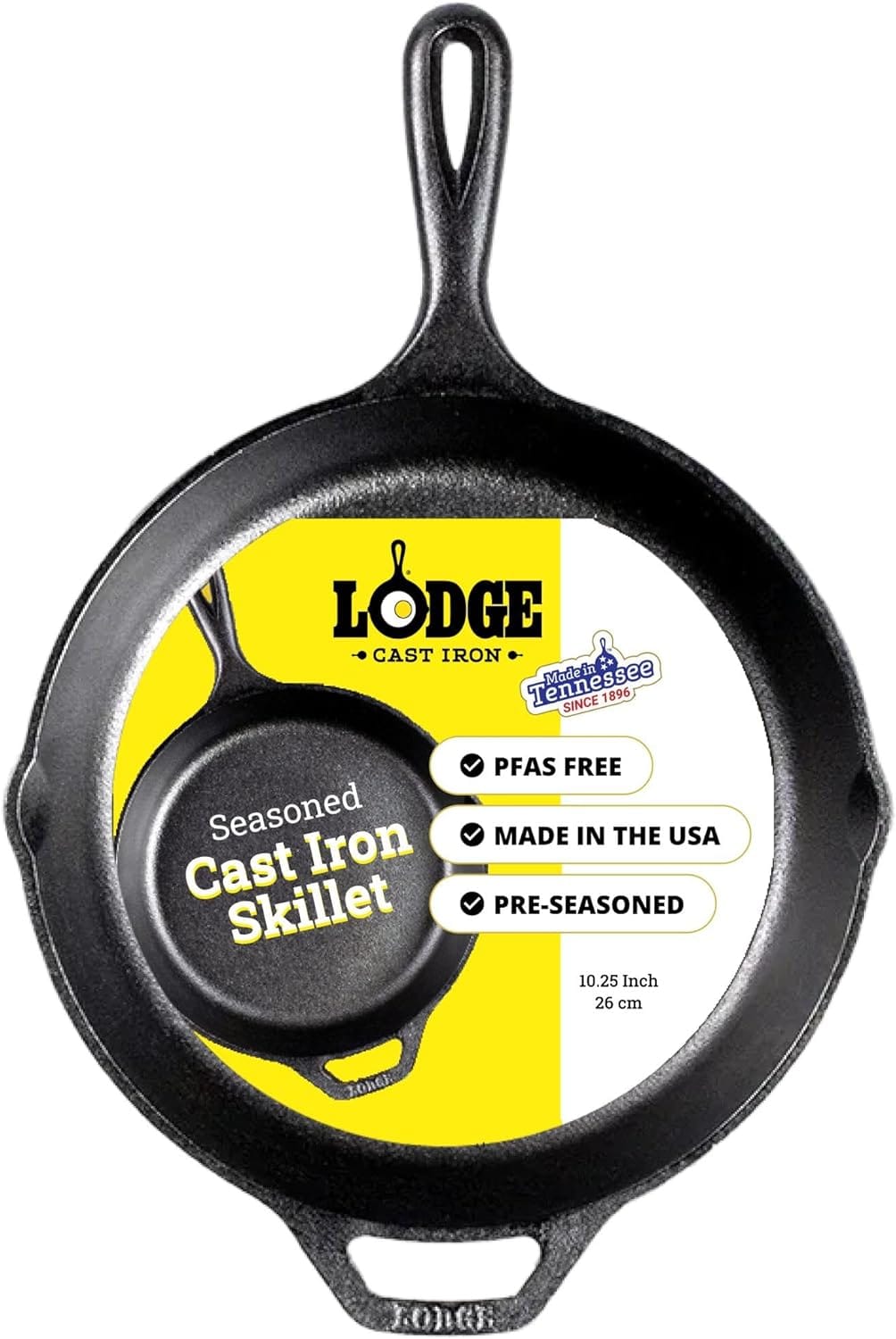
All my talk about the ‘perfect sear’ and the ‘Maillard reaction’ isn’t just theory—it comes down to the right tool. For this mahi mahi, my non-negotiable is a classic Lodge Cast Iron Skillet. It gets screaming hot and distributes that heat flawlessly, which is the absolute key to creating that beautiful, flavorful crust without overcooking the delicate fish inside. It’s the difference between a good home-cooked meal and a truly great one.
If you don’t have one in your kitchen yet, I honestly can’t recommend it enough. It’s an affordable investment that will last a lifetime and completely change your searing game.
Lodge 10.25 Inch Cast Iron Skillet with Assist Handle
✓ prime
We earn a commission if you make a purchase, at no additional cost to you.
Over the years, I’ve learned a few non-negotiable tricks that elevate this dish from good to great. Pay attention to these details.
- The Dry Fish Secret: I mentioned it above, but it bears repeating. A dry surface is the key to the Maillard reaction—the chemical process that creates that beautiful, flavorful brown crust. After you thaw your fish (if frozen), press it gently between layers of paper towels until the surface feels tacky, not wet.
- Mastering the Pan Sear: Don’t be afraid of heat. A pan that isn’t hot enough will cause the fish to stick and steam. Medium-high is the sweet spot. Let your oil get hot enough to shimmer. When you place the fish in the pan, it should sizzle immediately. And once it’s in, leave it alone. Let the crust form before you even think about touching it.
- Understanding Carry-Over Cooking: Seafood is notoriously easy to overcook. I pull my mahi mahi from the pan when it reaches about 137°F on an instant-read thermometer. As it rests on the plate, its internal temperature will rise a few more degrees to the perfect 140-145°F. This carry-over cooking ensures a moist, flaky result every time. If you wait until it’s 145°F in the pan, it will be dry by the time you eat it.
- The Salsa Marination Window: Don’t mix your salsa and serve it immediately. Letting it sit for 15-30 minutes is crucial. The salt draws out a bit of moisture from the mango and onion, and the lime juice begins to slightly “cook” and soften the onion, mellowing its raw bite. This short marination period melds the individual ingredients into a cohesive, flavorful topping.
- How to Dice a Mango Like a Chef: Stand the mango on its end and slice down on either side of the large, flat pit in the center. You’ll have two “cheeks.” Take one cheek and score it with a knife in a crosshatch pattern, cutting down to the skin but not through it. Then, invert the skin, and the cubes will pop right out. You can slice them off with your knife. This technique is faster, safer, and yields perfect cubes.
Common Mistakes to Avoid
This is a simple recipe, but a few common errors can compromise the final dish. Here’s what to watch out for.
- Overcooking the Mahi Mahi: This is the number one sin when cooking fish. Overcooked mahi mahi is dry, tough, and chalky. People often cook it until it’s completely white and firm. The trick is to cook it until it’s *just* opaque and flakes easily. Use a fork to gently pry at the thickest part. If it starts to separate into flakes, it’s done. Better yet, use a thermometer.
- Creating a Watery Salsa: This usually happens for two reasons: using overripe, mushy mangoes or not letting the salsa sit. An extremely ripe mango will break down and release too much liquid. Choose one that is ripe but still firm. Also, if you salt the salsa and let it sit for hours, it will become very watery. The 15-30 minute window is ideal for flavor melding without turning it into a soup.
- The Fish Sticking to the Pan: This is a classic problem caused by three things: the pan isn’t hot enough, there isn’t enough oil, or the fish was wet. Ensure your pan is preheated properly, the oil is shimmering, and your fish is bone-dry. Also, using a stainless steel or cast-iron skillet helps create a better non-stick surface once heated than many cheap non-stick pans.
- An Unbalanced Flavor Profile: A perfect mahi mahi mango salsa relies on balance. Don’t skip the lime juice in the salsa; its acidity is needed to cut the sweetness of the mango. Similarly, don’t be shy with the spice rub on the fish. The savory, smoky spices are the perfect counterpoint to the bright, fresh salsa. Tasting and adjusting is key. Your salsa might need a pinch more salt or a squeeze more lime.
Variations and Serving Ideas
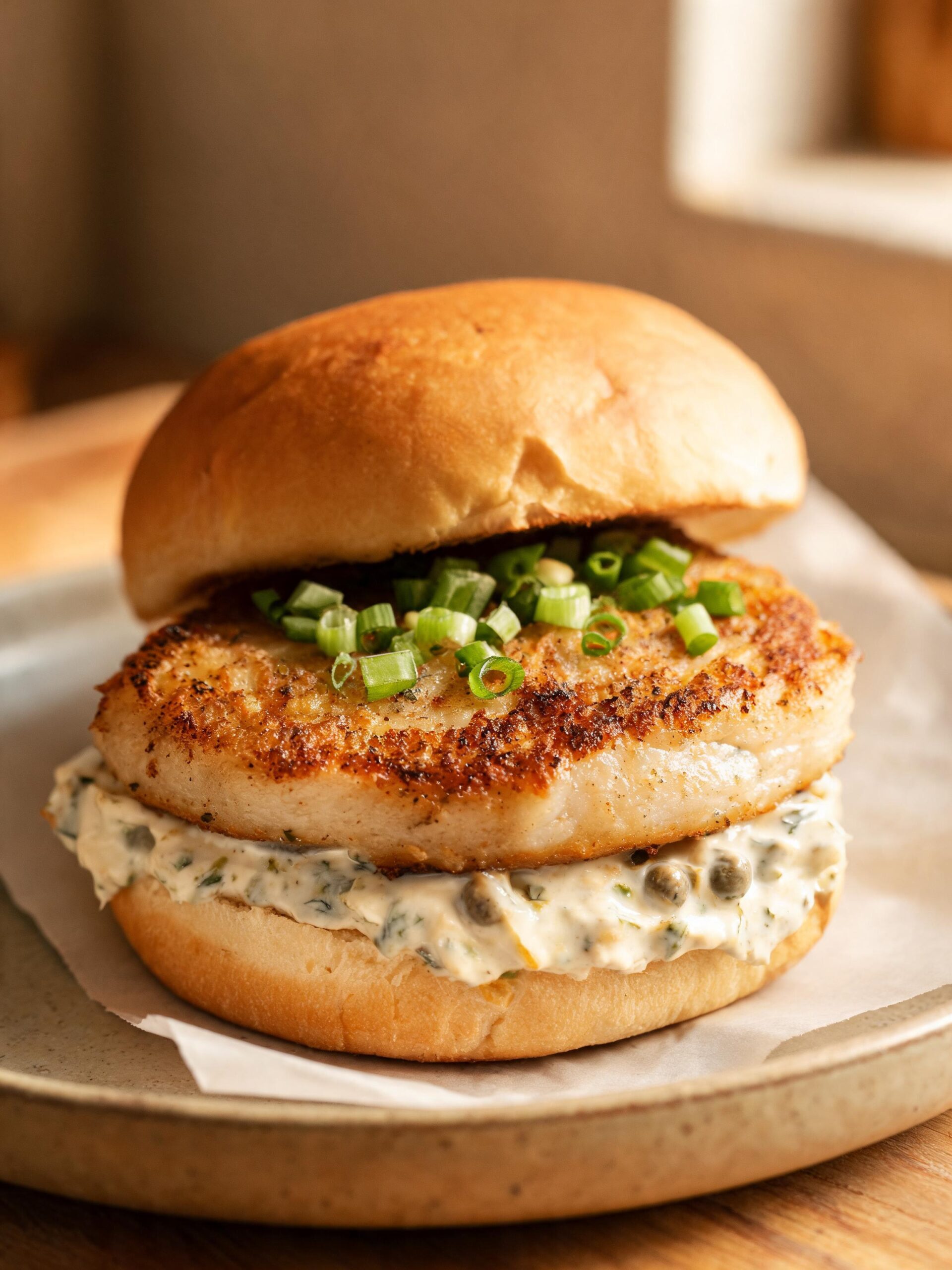
Once you’ve mastered the base recipe, you can get creative. This mahi mahi mango salsa is an excellent canvas for variations. In fact, the salsa itself is fantastic served over other seafood, like our Homemade Air Fryer Crab Cakes, for a tropical twist.
- Grilled Mahi Mahi: Instead of pan-searing, grill the fish. Clean and oil your grill grates well. Grill over medium-high heat for 3-4 minutes per side. The smoky char from the grill adds another amazing layer of flavor.
- Add Avocado to the Salsa: For a creamy element, gently fold in one diced avocado into the salsa just before serving. The creaminess is a wonderful contrast to the tangy lime and sweet mango.
- Spice It Up: If you love heat, add a minced habanero pepper to the salsa instead of a jalapeño, or add a pinch of cayenne pepper to the fish’s spice rub.
- Try Other Fruits: Swap out half the mango for diced pineapple or papaya for a different tropical twist. Diced red bell pepper can also be added for extra crunch and sweetness.
- Make Mahi Mahi Tacos: Flake the cooked fish and serve it in warm corn or flour tortillas. Top with the mango salsa, a drizzle of crema or a chipotle aioli, and some shredded cabbage for the ultimate fish tacos.
What to Serve With
To turn this dish into a complete meal, you need the right sides. You want something that complements the tropical flavors without overpowering them.
- Coconut Rice: This is my top recommendation. The creamy, subtle sweetness of coconut rice is a perfect match for the spiced fish and tangy salsa. It’s simple to make by cooking your rice with coconut milk instead of just water.
- Black Beans: A simple side of seasoned black beans adds earthy flavor, fiber, and protein, making the meal even more substantial.
- Cilantro Lime Slaw: A light, crunchy slaw made with shredded cabbage, cilantro, and a lime vinaigrette adds a refreshing crunch and reinforces the flavors in the salsa.
- Grilled Asparagus or Zucchini: A simple grilled vegetable with a little olive oil, salt, and pepper is a fantastic healthy side that won’t compete with the main dish.
Storage and Reheating
Proper storage is crucial, especially with seafood. Here’s how to handle leftovers.
- Storage: Store the cooked mahi mahi and the mango salsa in separate airtight containers in the refrigerator. The fish will keep for up to 2 days, and the salsa will last for up to 3 days. The salsa’s texture will soften over time, and the cilantro will lose some of its vibrancy, so it’s best eaten within the first 24 hours. Never store the fish and salsa together, as the fish will become soggy.
- Reheating: Avoid the microwave at all costs; it will make the fish rubbery and dry. The best way to reheat mahi mahi is in the oven. Preheat your oven to 275°F (135°C). Place the fillet on a piece of foil, add a splash of water or a small pat of butter on top to keep it moist, and loosely tent the foil. Heat for 10-15 minutes, or until just warmed through. You can also flake the cold fish and use it in a salad or tacos without reheating.
FAQs (People Also Ask)
Can I use frozen mahi mahi for this recipe?
Absolutely. High-quality frozen mahi mahi is often frozen at sea and can be just as good as fresh. The key is proper thawing. The best method is to transfer it from the freezer to the refrigerator the night before you plan to cook it. For a quicker method, you can place the vacuum-sealed fish in a bowl of cold water for about 30-60 minutes. Never use hot water or the microwave to thaw fish.
How do I know if my mango is ripe enough for salsa?
A ripe mango will have a slight give when you gently press on it, similar to a ripe peach or avocado. It should also have a fragrant, sweet smell near the stem. Avoid mangoes that are rock-hard or have soft, mushy spots and blemishes. For salsa, you want a mango that is ripe for sweetness but still firm enough to hold its shape when diced.
Can I make the mango salsa ahead of time?
Yes, you can make the salsa a day ahead, but with one modification. Combine all the salsa ingredients *except* for the cilantro. Store it in an airtight container in the fridge. The flavors will meld nicely. Just before serving, drain off any excess liquid that has accumulated and stir in the fresh cilantro. This keeps the cilantro bright green and fresh-tasting.
What is a good substitute for cilantro if I don’t like it?
If you’re one of the many people with an aversion to cilantro, you can substitute it with fresh parsley. It will provide a different kind of fresh, herbaceous note. Adding a little fresh mint can also work well with the mango. It won’t be the same classic flavor, but it will still be delicious.
Is mahi mahi a sustainable fish to eat?
Sustainability can depend on where and how the fish was caught. Mahi mahi caught in the U.S. Atlantic is generally considered a sustainable choice. To be sure, look for certifications from the Marine Stewardship Council (MSC) on packaging, or check the latest recommendations from the Monterey Bay Aquarium Seafood Watch guide. Making informed choices helps protect our oceans.
Nutrition Facts
(Per serving. Estimates only, varies by exact ingredients used)
Conclusion
This mahi mahi mango salsa recipe is more than just instructions; it’s a technique and a template for a perfect seafood meal. It’s proof that you don’t need a lot of time or a long list of ingredients to create something truly special and delicious. I hope you make it, enjoy it, and share it with people you care about. That’s what good food is all about.
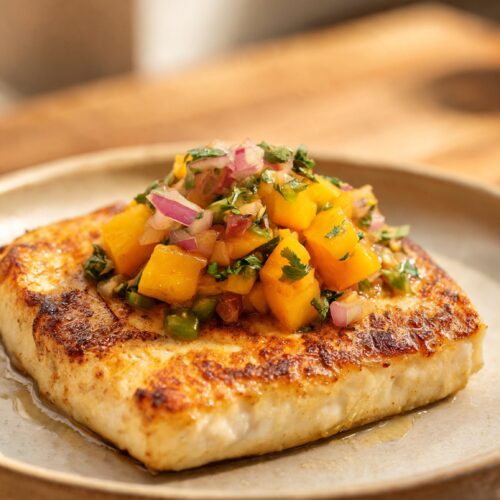
Mahi Mahi with Mango Salsa Recipe | Fresh Tropical Flavor with a Healthy Twist
Ingredients
- 2 large ripe mangoes, diced
- 1/2 medium red onion, finely diced
- 1 jalapeño, seeded and minced
- 1/2 cup fresh cilantro, coarsely chopped
- 1 large lime, juiced
- 1/4 teaspoon sea salt
- 4 (6-ounce) mahi mahi fillets
- 1 tablespoon olive oil
- 1 teaspoon chili powder
- 1/2 teaspoon cumin
- 1/2 teaspoon garlic powder
- 1/2 teaspoon kosher salt
- 1/4 teaspoon black pepper, freshly ground
Instructions
- In a medium bowl, combine diced mango, red onion, jalapeño, and cilantro. Squeeze lime juice over top, add sea salt, and toss gently. Set aside for at least 15 minutes.
- Pat the mahi mahi fillets completely dry with paper towels. In a small bowl, mix chili powder, cumin, garlic powder, kosher salt, and black pepper. Season all sides of the fish fillets.
- Heat olive oil in a large skillet over medium-high heat until it shimmers.
- Carefully place the mahi mahi fillets in the hot pan. Sear for 3-4 minutes per side, undisturbed, until a golden-brown crust forms.
- The fish is done when it is opaque and flakes easily with a fork (internal temperature of 137°F).
- Remove fish from the pan and let it rest for 2 minutes. Serve immediately, topped with a generous amount of the mango salsa.