
Introduction
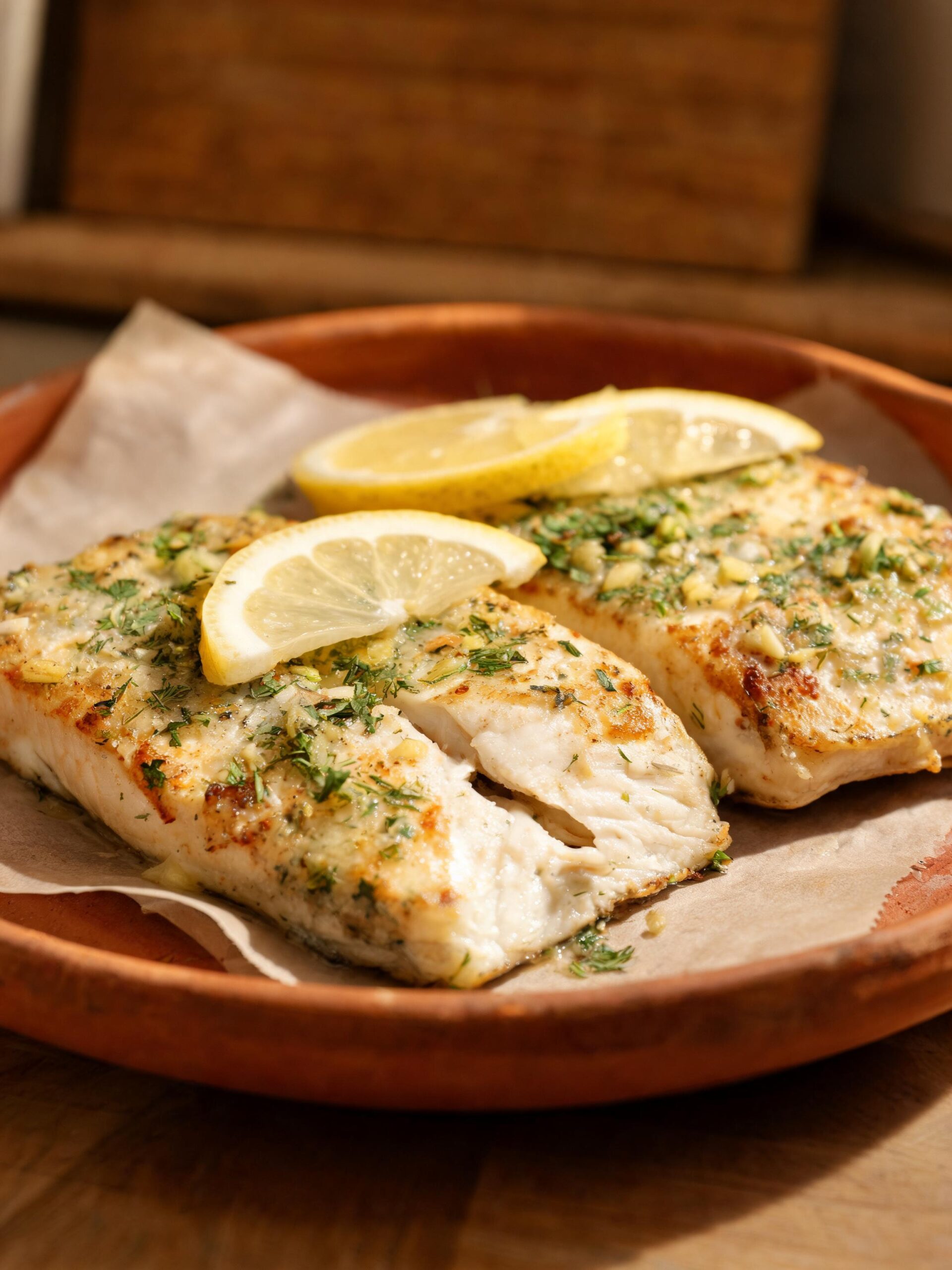
After two decades behind the line in professional kitchens, I can tell you that one of the most common fears home cooks have is cooking fish. They’re worried it will be dry, bland, or fall apart. This simple baked mahi mahi recipe is designed to eliminate all that guesswork. We’re not doing anything complicated here; we’re focusing on a fundamental technique that lets the clean, sweet flavor of the mahi mahi shine. This isn’t about fancy sauces that cover up the fish, but a garlic and herb butter that enhances it. This same approach works wonders on other dishes, like our popular quick baked garlic butter shrimp. Think of this as your new go-to weeknight fish dinner—it’s fast, incredibly light, and packed with flavor. Forget everything you thought you knew about difficult seafood. This oven-baked method is the most reliable way to get perfectly cooked, moist, and flaky fish on the table in under 30 minutes. Let’s get cooking.
Why You’ll Love This Recipe
- Incredibly Fast: From fridge to table in about 30 minutes flat. This recipe is built for busy weeknights when you want something healthy and satisfying without spending an hour over the stove. The prep is minimal, and the oven does all the heavy lifting.
- Foolproof and Forgiving: Baking is one of the most forgiving ways to cook fish. The gentle, consistent heat of the oven helps prevent the dreaded overcooking, ensuring your mahi mahi comes out moist and tender, even if you’re a beginner. This is a great confidence-builder.
- Packed with Clean Flavors: The combination of fresh garlic, parsley, dill, lemon, and butter creates a bright, savory crust that complements the naturally sweet flavor of the mahi mahi without overpowering it. It’s a classic pairing that just works.
Ingredients List
The beauty of this dish is its simplicity. We’re using a handful of fresh, high-quality ingredients. Don’t be tempted to substitute with powders if you can help it; fresh makes all the difference here.
For the Mahi Mahi:
- Mahi Mahi Fillets: 4 (6-ounce) fillets, about 1 to 1.5 inches thick. Look for fillets that are uniform in thickness so they cook evenly. If using frozen, make sure they are fully thawed.
- Olive Oil: 1 tablespoon of extra virgin olive oil. This is for coating the baking dish and the fish lightly to prevent sticking and promote a little browning.
- Kosher Salt: 1 teaspoon. Kosher salt’s larger crystals provide better flavor distribution than table salt.
- Black Pepper: ½ teaspoon, freshly cracked. The fresh crack makes a world of difference in aroma and punch.
For the Garlic Herb Butter:
- Unsalted Butter: 4 tablespoons (1/2 stick), softened to room temperature. Using unsalted butter gives you full control over the saltiness of the final dish. Softening it is key—it should be spreadable, not melted, so it forms a paste that clings to the fish.
- Garlic: 3 cloves, minced. Don’t use the jarred stuff. Freshly minced garlic provides a sharp, aromatic flavor that is essential to the dish.
- Fresh Parsley: 2 tablespoons, finely chopped. Flat-leaf (Italian) parsley has a more robust flavor than curly parsley. It adds a clean, peppery brightness.
- Fresh Dill: 1 tablespoon, finely chopped. Dill and seafood are a classic pairing for a reason. Its slightly anise-like flavor is a perfect match for the sweet mahi mahi.
- Lemon Zest: 1 teaspoon from one fresh lemon. The zest contains the lemon’s essential oils and provides a bright citrus aroma and flavor without the harsh acidity of the juice.
- Lemon Juice: 2 tablespoons, freshly squeezed from the same lemon. This adds the necessary acidity to cut through the richness of the butter.
- Lemon Slices: 4-6 thin slices for topping the fish during baking. They infuse the fish with more lemon flavor and look beautiful as a garnish.
Step-by-Step Instructions
Follow these steps closely. The key here is the prep and not overthinking the cooking process. The oven will do the work.
- Preheat and Prepare: First thing’s first, get your oven preheating to 400°F (200°C). Position a rack in the center of the oven. Lightly grease a 9×13-inch baking dish or a rimmed baking sheet with olive oil. You can also line it with parchment paper for zero cleanup.
- Prep the Fish: Take the mahi mahi fillets out of the packaging and pat them completely dry with paper towels. This is a non-negotiable step; a dry surface allows the butter mixture to adhere properly and prevents the fish from steaming. Season both sides of each fillet generously with the kosher salt and freshly cracked black pepper. Arrange the fillets in the prepared baking dish, leaving a little space between each one.
- Make the Garlic Herb Butter: In a small bowl, combine the softened unsalted butter, minced garlic, chopped fresh parsley, chopped fresh dill, and lemon zest. Use a fork to mash everything together until it’s a well-combined, paste-like compound butter.
- Top the Fish: Divide the garlic herb butter mixture evenly among the four fillets. Gently spread it over the top surface of each piece, creating a thick, even layer. This layer will melt as it bakes, basting the fish in flavor.
- Add Lemon and Bake: Drizzle the fresh lemon juice over the tops of the fillets. Place one or two thin lemon slices on top of each piece of fish. Slide the baking dish into the preheated oven.
- Cook to Perfection: Bake for 15-20 minutes. The exact time will depend on the thickness of your fillets. The fish is done when it’s opaque all the way through and flakes easily when you gently press on it with a fork. The internal temperature should register between 137°F and 140°F on an instant-read thermometer.
- Rest and Serve: Remove the baking dish from the oven. Let the fish rest in the pan for 3-5 minutes. This allows the juices to redistribute, ensuring a moist fillet. Serve immediately, spooning some of the pan juices over the top. This is the best baked mahi mahi recipe for a quick and elegant meal.
Chef’s Pro Tips for Success
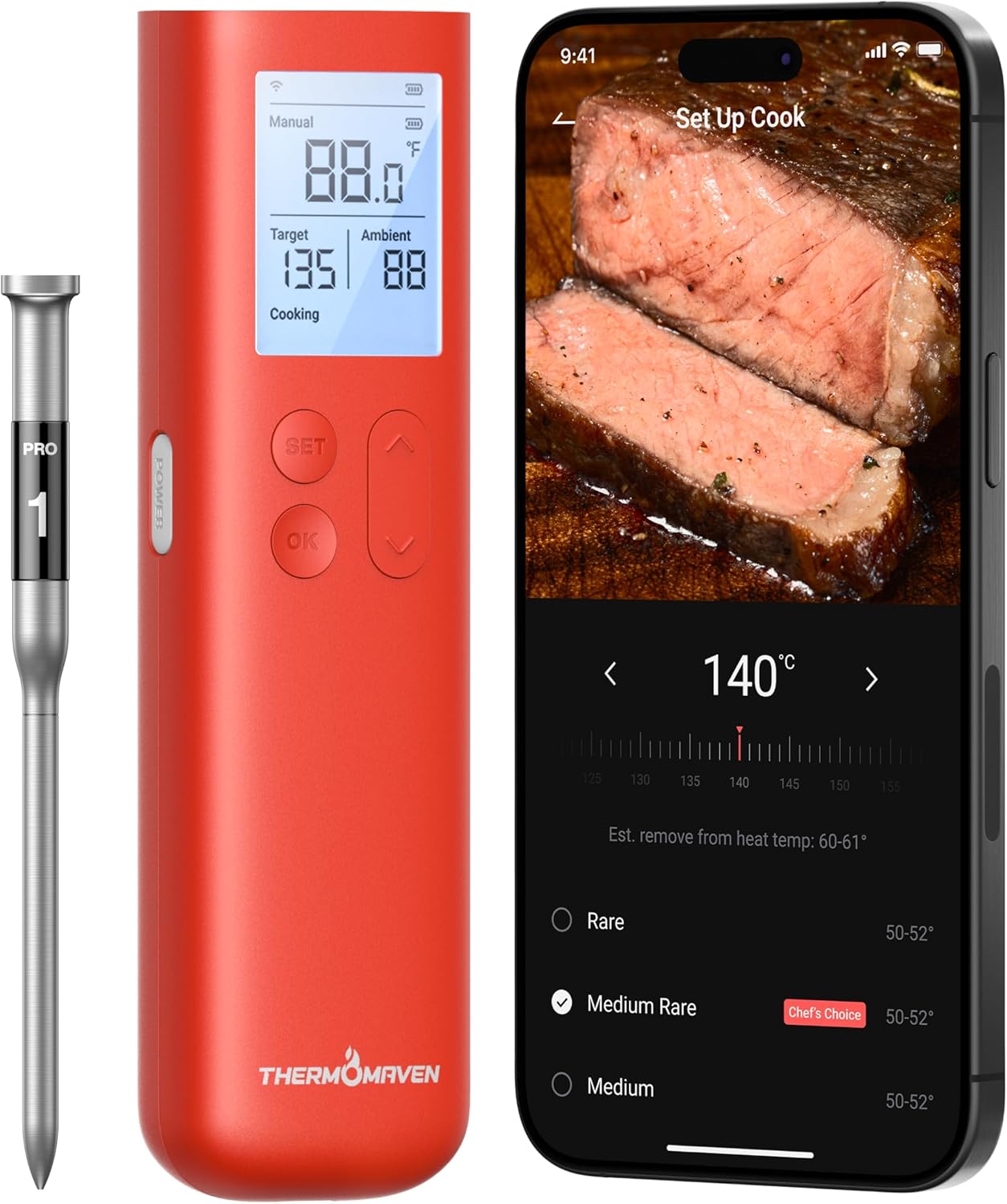
Speaking of trusting a thermometer, this is the one piece of equipment I insist on, both in my professional kitchen and at home. The difference between perfectly moist mahi mahi and dry, disappointing fish is literally a matter of a few degrees. Using a fast, accurate digital thermometer like the ThermoMaven completely removes the guesswork. It allows me to pull the fish at that perfect 137°F moment, guaranteeing a tender, flaky result every single time. It’s the ultimate insurance policy against overcooking.
Stop guessing and start getting perfect results. Check out the thermometer I rely on:
ThermoMaven Smart Wireless Meat Thermometer
✓ prime
We earn a commission if you make a purchase, at no additional cost to you.
Over the years, I’ve learned a few tricks that separate a good piece of fish from a great one. These details matter.
- The Importance of Dry Fish: I mentioned it in the instructions, but it’s worth repeating. Moisture is the enemy of texture. When you pat the fillets completely dry, you’re ensuring the butter mixture sticks and the surface of the fish bakes rather than steams. This results in a much better mouthfeel.
- Don’t Use Melted Butter: Use softened, room-temperature butter. If you melt it, it will just slide off the fish and pool in the bottom of the pan. By mashing the herbs and garlic into softened butter, you create a compound butter ‘paste’ that adheres to the top of the fish, melting slowly and basting it continuously as it cooks.
- Uniform Thickness is Key: When you’re at the fish counter, ask for center-cut fillets if possible, or at least pieces that are similarly thick. If you have one very thin tail piece and one thick loin piece, one will be overcooked while the other is still raw. Uniformity ensures even cooking for every serving.
- Trust the Thermometer, Not Just the Clock: Cooking times are always an estimate. The thickness of your fillets, the accuracy of your oven, and even the type of baking dish you use can affect the time. The only foolproof way to know when fish is done is with an instant-read thermometer. Pull it out at 137°F. It will continue to cook to a perfect 140-145°F as it rests.
- Don’t Crowd the Pan: Give each fillet its own space in the baking dish. If they’re packed in too tightly, they will trap steam, and the fish will poach in its own juices instead of baking. This leads to a softer, less appealing texture. A little breathing room makes a huge difference. Following these tips will elevate your simple baked mahi mahi recipe to restaurant quality.
Common Mistakes to Avoid
I’ve seen these mistakes happen time and time again. Avoid them, and you’ll be in great shape.
- Overcooking the Fish: This is the number one sin in seafood cookery. Mahi mahi is a lean fish, which means it can go from perfectly cooked to dry and chalky in less than a minute. People often wait for it to be aggressively flaking apart in the oven, but by then, it’s too late. Use a thermometer and pull it out just before it hits that 145°F mark. Remember, carryover cooking is real.
- Starting with Cold Fish: Don’t take your fish directly from the ice-cold fridge and throw it in the oven. Let the fillets sit on the counter for about 15-20 minutes while you prep your other ingredients. This allows the fish to cook more evenly from edge to center. A freezing cold center will require a longer cook time, risking a dry exterior.
- Forgetting to Season the Fish Itself: Some cooks make the flavorful butter topping and forget to season the actual fillets with salt and pepper first. The butter seasons the top, but the entire piece of fish needs seasoning. Salt draws out moisture and enhances the natural flavor of the mahi mahi. Season both sides before you add the butter.
- Using Bottled Lemon Juice: This is a shortcut that will kill the flavor of your dish. Bottled lemon juice is often made from concentrate and has a dull, sometimes metallic taste. The fresh juice and zest from a real lemon provide an irreplaceable brightness and aroma that is central to this entire baked mahi mahi recipe.
Variations and Serving Ideas
Once you master this base baked mahi mahi recipe, you can easily adapt it. Here are a few ideas to get you started:
- Spicy Garlic-Lime Version: Swap the lemon for lime juice and zest. Add 1/2 teaspoon of red pepper flakes and 1/4 teaspoon of cumin to the butter mixture. Garnish with fresh cilantro instead of parsley and dill. This gives it a fantastic Southwestern twist.
- Mediterranean Style: Add 2 tablespoons of chopped Kalamata olives, 1 tablespoon of drained capers, and 1/4 cup of halved cherry tomatoes to the baking dish around the fish before it goes into the oven. Use oregano instead of dill in the butter. The tomatoes will burst and create a simple pan sauce.
- Panko-Crusted Mahi Mahi: For a bit of crunch, mix 1/4 cup of Panko breadcrumbs and 2 tablespoons of grated Parmesan cheese into your garlic herb butter. Pat this mixture firmly onto the fish. The Panko will toast up beautifully in the oven, creating a delicious golden-brown crust.
- Serving as Tacos: Once the fish is cooked, let it rest and then flake it into large chunks. Serve in warm corn or flour tortillas with a mango salsa, shredded cabbage, and a drizzle of chipotle crema for incredible fish tacos.
What to Serve With
This baked mahi mahi is light and versatile, so it pairs well with many sides. You want something that complements the garlic and herb flavors without competing.
- Starches: A simple lemon-herb orzo or quinoa is perfect for soaking up the pan juices. For something heartier, try roasted baby red potatoes tossed with rosemary or creamy garlic mashed potatoes. Coconut rice is also an excellent choice, adding a subtle sweetness.
- Vegetables: Roasted asparagus spears drizzled with olive oil and sprinkled with Parmesan cheese are a classic. Steamed green beans with toasted almonds or a simple side salad with a light vinaigrette also work beautifully. Sautéed spinach with garlic is another fast and easy option.
Storage and Reheating
Handling leftover fish requires a bit of care to maintain its quality. While the oven works well for reheating, an air fryer is another fantastic tool for seafood, perfect for making everything from leftovers to these homemade air fryer crab cakes. For this mahi mahi, here’s the right way to store and reheat it.
- Storage: Let the mahi mahi cool completely to room temperature, but don’t leave it out for more than an hour. Place the leftovers in an airtight container and store them in the refrigerator for up to 2 days. Any longer, and the texture and flavor begin to degrade quickly.
- Reheating: The microwave is the fastest way to ruin leftover fish. It will overcook it in seconds, making it rubbery and dry. The best method is to reheat it low and slow. Place the fish in a small, oven-safe dish, add a splash of water or broth to create some steam, and cover it loosely with foil. Heat in a 275°F (135°C) oven for 10-15 minutes, or just until warmed through. This gentle heating method helps it retain moisture.
FAQs (People Also Ask)
Here are answers to some common questions about this baked mahi mahi recipe.
1. Can I use frozen mahi mahi fillets?
Absolutely. Frozen fish is often a great, high-quality option. The key is to thaw it properly. The best way is to place the vacuum-sealed fillets in the refrigerator overnight. For a quicker method, you can place the sealed fillets in a bowl of cold water for about 30-60 minutes. Never use hot water or the microwave to thaw fish, as it will start to cook the exterior and ruin the texture. Once thawed, pat it very dry.
2. What is the ideal internal temperature for cooked mahi mahi?
For a moist and flaky result, you should aim for an internal temperature of 137°F to 140°F in the thickest part of the fillet. Use an instant-read thermometer for accuracy. The fish will continue to cook for a few degrees after you remove it from the oven (carryover cooking), reaching a perfect final temperature of around 145°F as it rests.
3. Can I make this recipe with other types of fish?
Yes, this recipe is very adaptable. It works well with other firm, mild white fish. Good substitutes include halibut, cod, grouper, or even snapper. You may need to adjust the cooking time based on the thickness of the fillets. Halibut and cod are excellent choices that behave similarly in the oven.
4. How can I tell if my mahi mahi is fresh?
When buying fresh (not frozen) mahi mahi, look for fillets that have firm, translucent flesh that springs back when you press it lightly. It should have a clean, mild ocean scent, not a strong ‘fishy’ or ammonia-like odor. Avoid any fish that looks dull, dry, or is sitting in a pool of milky liquid.
5. Is parchment paper necessary for this recipe?
It’s not strictly necessary, but I highly recommend it. Lining your baking sheet or dish with parchment paper makes cleanup incredibly easy—you can just lift the paper and throw it away. More importantly, it provides a 100% non-stick surface, ensuring your beautiful fillets won’t get stuck to the pan, which is especially helpful with delicate fish.
Nutrition
Nutrition Facts
(Per serving. Estimates only, varies by exact ingredients used)
Conclusion
This is more than just a recipe; it’s a technique that will give you the confidence to cook any fish fillet perfectly. Once you try this simple, delicious baked mahi mahi recipe, it’s going to become a staple in your dinner rotation. Give it a try this week and see how easy a restaurant-quality fish dinner can be. Enjoy.
Baked Mahi Mahi with Garlic & Herbs | Easy Oven Recipe for a Light Dinner
Ingredients
- 4 (6-ounce) mahi mahi fillets, 1 to 1.5 inches thick
- 1 tbsp extra virgin olive oil
- 1 tsp kosher salt
- 1/2 tsp freshly cracked black pepper
- 4 tbsp unsalted butter, softened to room temperature
- 3 cloves garlic, minced
- 2 tbsp fresh parsley, finely chopped
- 1 tbsp fresh dill, finely chopped
- 1 tsp lemon zest
- 2 tbsp fresh lemon juice
- 4-6 thin lemon slices
Instructions
- Preheat oven to 400°F (200°C). Lightly grease a 9x13-inch baking dish or line with parchment paper.
- Pat the mahi mahi fillets completely dry with paper towels. Season both sides generously with kosher salt and black pepper. Arrange them in the baking dish with space between each fillet.
- In a small bowl, combine the softened butter, minced garlic, chopped parsley, chopped dill, and lemon zest. Mash with a fork until a compound butter paste forms.
- Divide the garlic herb butter evenly among the fillets, spreading it in a thick layer over the top surface of each.
- Drizzle the fresh lemon juice over the fish and top each fillet with one or two lemon slices.
- Bake for 15-20 minutes, depending on thickness. The fish is done when it is opaque and flakes easily with a fork, or an instant-read thermometer reads 137-140°F.
- Remove from the oven and let the fish rest in the pan for 3-5 minutes before serving. Spoon any pan juices over the top.