Introduction
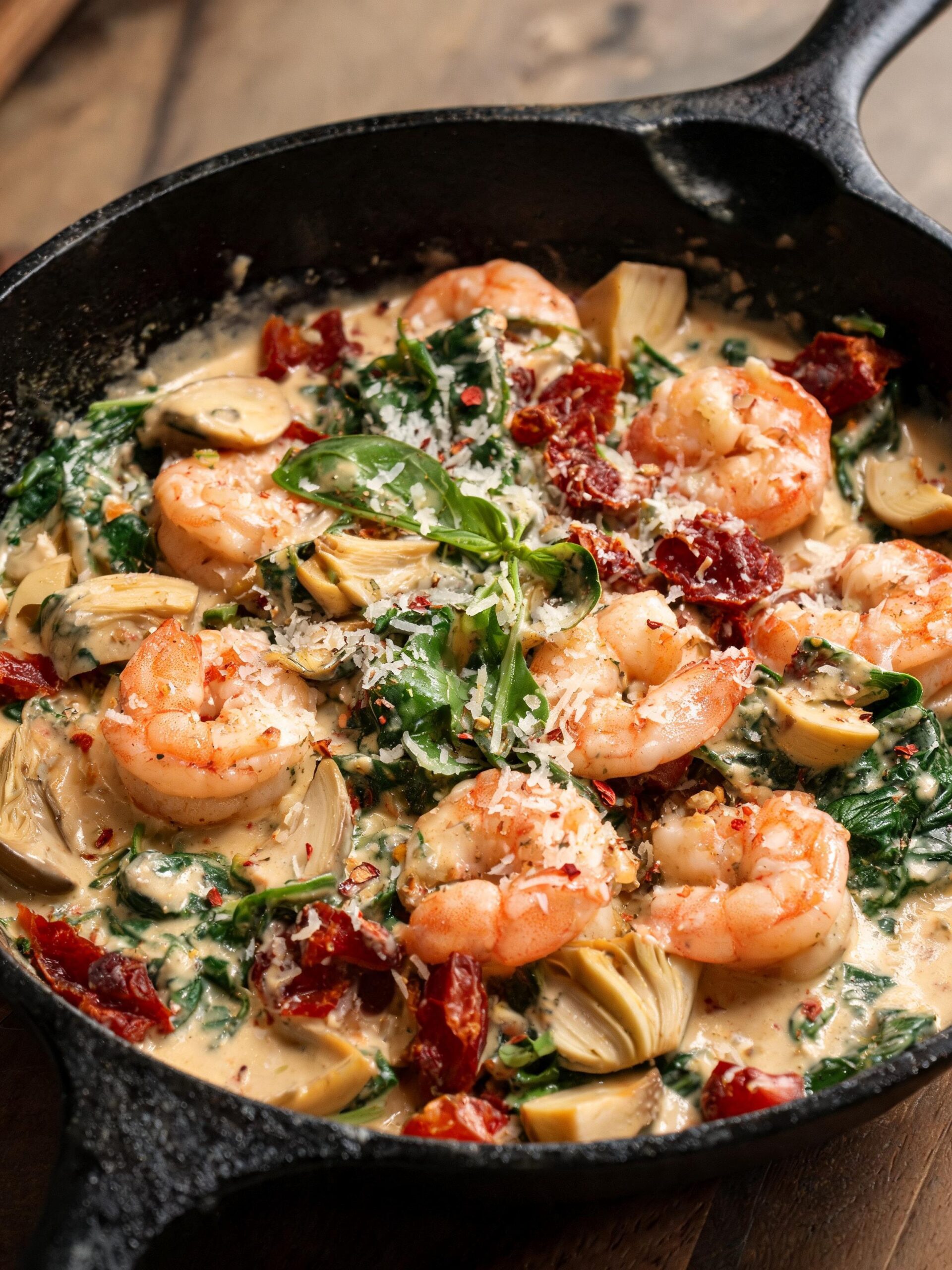
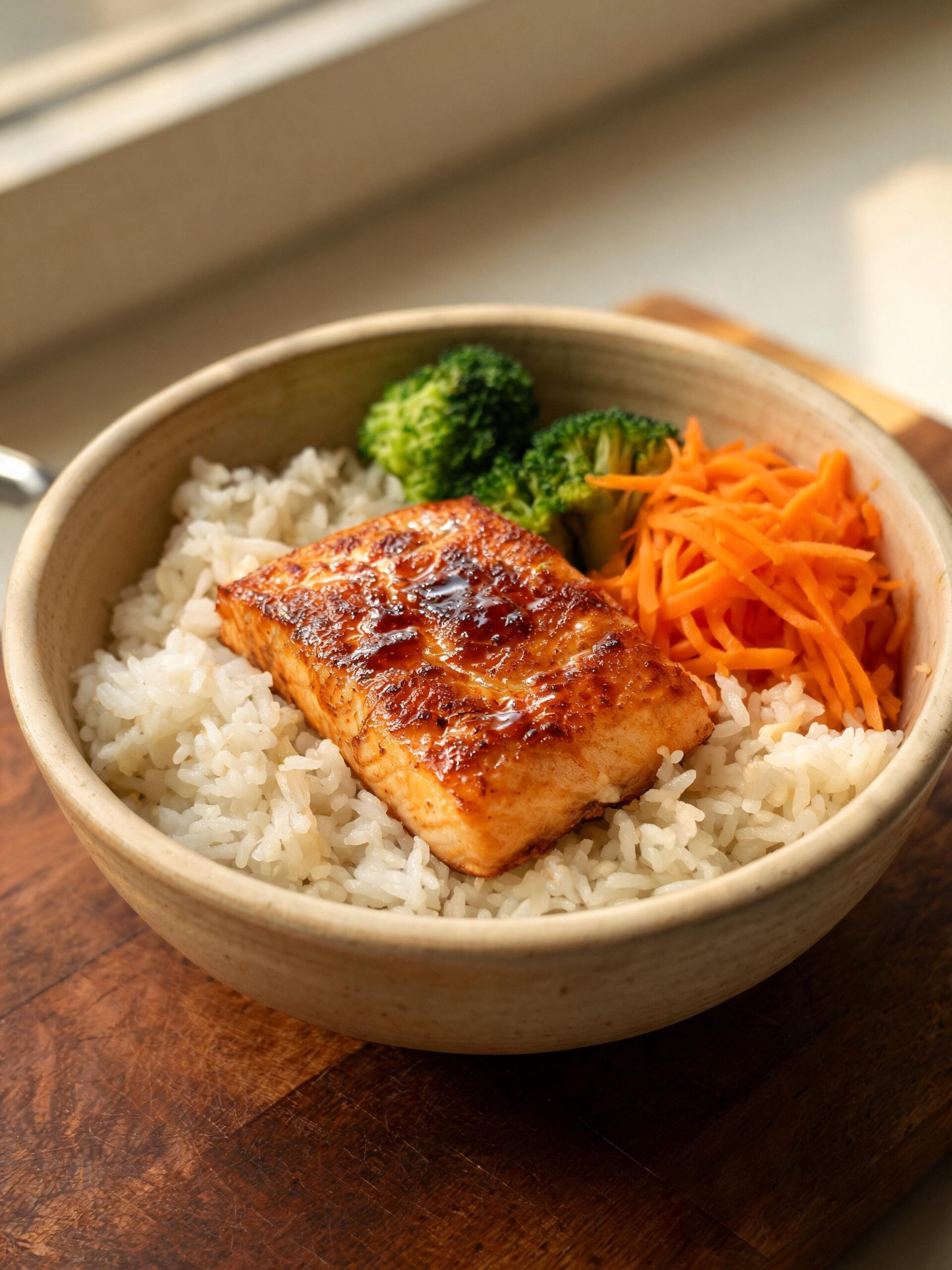
There are few dishes as consistently satisfying as a well-made teriyaki salmon bowl. It’s the kind of meal that hits all the right notes: sweet, savory, a little tangy, and packed with texture. After two decades of working with seafood on both coasts, I can tell you that the secret to a restaurant-quality bowl isn’t some unobtainable ingredient; it’s technique. It’s about understanding how to get that perfect, crispy skin on the salmon while keeping the inside tender and flaky. It’s about balancing the teriyaki sauce so it’s a rich glaze, not a sugary soup. This recipe isn’t just a list of steps. It’s a guide to mastering those techniques in your own kitchen. We’re going to build a bowl that’s not only delicious but also something you’ll be proud to serve, whether it’s for a quick weeknight dinner, much like our popular Quick Baked Garlic Butter Shrimp, or for guests. Forget the takeout menus. Let’s cook.
Why You’ll Love This Recipe
- Incredibly Fast: From start to finish, you can have this entire meal on the table in about 35 minutes. The sauce comes together while the rice cooks, and the salmon pan-sears in less than 10 minutes. It’s the definition of an efficient, high-reward weeknight dinner.
- Perfectly Balanced Flavor: We’re making the teriyaki sauce from scratch. This is non-negotiable for great flavor. It allows us to control the sweetness and saltiness, creating a glaze that perfectly complements the rich flavor of the salmon without overpowering it.
- Customizable and Healthy: This recipe is a blueprint. You can swap the vegetables based on what’s in season or what you have in the fridge. It’s packed with protein, healthy omega-3 fatty acids from the salmon, and complex carbs from the rice, making it a complete and nourishing meal.
Ingredients List
Precision is key in a recipe like this. Use quality ingredients, and you’re already halfway to a perfect result. This serves four people.
For the Salmon:
- Salmon Fillets: 4 (6-ounce) skin-on salmon fillets, about 1-inch thick. King, Coho, or Sockeye all work well.
- Avocado Oil: 1 tablespoon (or another high-smoke-point oil).
- Kosher Salt: ½ teaspoon.
- Black Pepper: ¼ teaspoon, freshly ground.
For the Homemade Teriyaki Sauce:
- Low-Sodium Soy Sauce: ½ cup. Using low-sodium gives you control over the final salt level.
- Mirin: ¼ cup. This Japanese sweet rice wine is essential for authentic flavor and shine.
- Sake: 2 tablespoons. It adds depth and helps balance the sweetness. If you don’t have it, you can substitute with dry sherry or just omit it.
- Brown Sugar: 2 tablespoons, packed. You can substitute with honey or maple syrup, but it will slightly change the flavor profile.
- Fresh Ginger: 1 tablespoon, grated. Use a microplane for the best texture.
- Fresh Garlic: 2 cloves, minced.
- Cornstarch: 1 teaspoon.
- Cold Water: 1 tablespoon.
For the Bowl Assembly:
- Jasmine or Sushi Rice: 1 ½ cups, uncooked (yields about 4 cups cooked).
- Broccoli Florets: 2 cups, steamed or blanched.
- Shredded Carrots: 1 cup.
- Edamame: 1 cup, shelled and steamed.
- Avocado: 1, sliced.
- Scallions: 2, thinly sliced for garnish.
- Toasted Sesame Seeds: 1 tablespoon for garnish.
Step-by-Step Instructions
Follow these steps methodically. The key is having everything prepped (mise en place) before you start cooking the salmon.
- Cook the Rice: Start by cooking your rice according to the package directions. This usually takes about 15-20 minutes, which is the perfect amount of time to prep everything else. Once cooked, fluff it with a fork and keep it covered.
- Prepare the Vegetables: While the rice cooks, steam or blanch your broccoli and edamame until they are tender-crisp. I prefer blanching: drop them in boiling salted water for 2-3 minutes, then immediately transfer to an ice bath to stop the cooking and lock in that bright green color. Set aside.
- Make the Teriyaki Sauce: In a small saucepan, combine the low-sodium soy sauce, mirin, sake, brown sugar, grated ginger, and minced garlic. Bring to a simmer over medium heat, stirring until the sugar dissolves. In a separate small bowl, whisk together the cornstarch and cold water to create a slurry. Pour the slurry into the simmering sauce, whisking constantly. Let it cook for another 1-2 minutes until the sauce thickens enough to coat the back of a spoon. Remove from heat and set aside.
- Prep the Salmon: Pat the salmon fillets completely dry with paper towels. This is the most critical step for achieving crispy skin. A dry surface allows for a proper sear. Season both sides generously with kosher salt and freshly ground black pepper.
- Sear the Salmon: Heat the avocado oil in a large non-stick or cast-iron skillet over medium-high heat. The oil should shimmer before you add the fish. Carefully place the salmon fillets skin-side down in the hot pan. Press down gently on each fillet with a fish spatula for about 10 seconds to ensure the entire surface of the skin makes contact with the pan. Cook for 4-6 minutes, undisturbed, until the skin is golden brown and crispy. You’ll see the color change as it cooks up the side of the fillet.
- Cook the Other Side: Flip the salmon and cook for another 2-4 minutes on the other side, depending on the thickness of your fillets. The salmon is done when it flakes easily with a fork or reaches an internal temperature of 130-135°F for medium. Avoid overcooking.
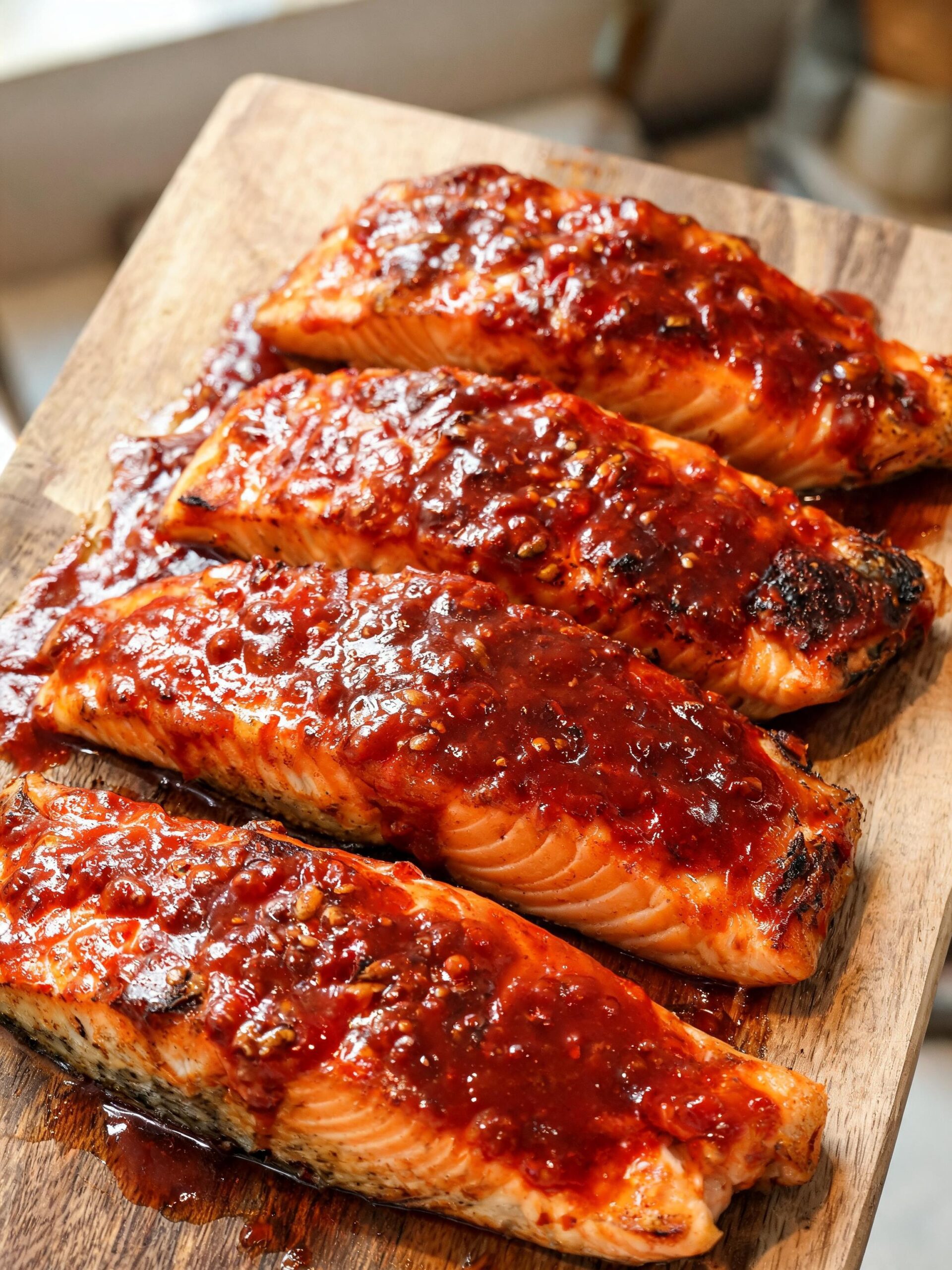
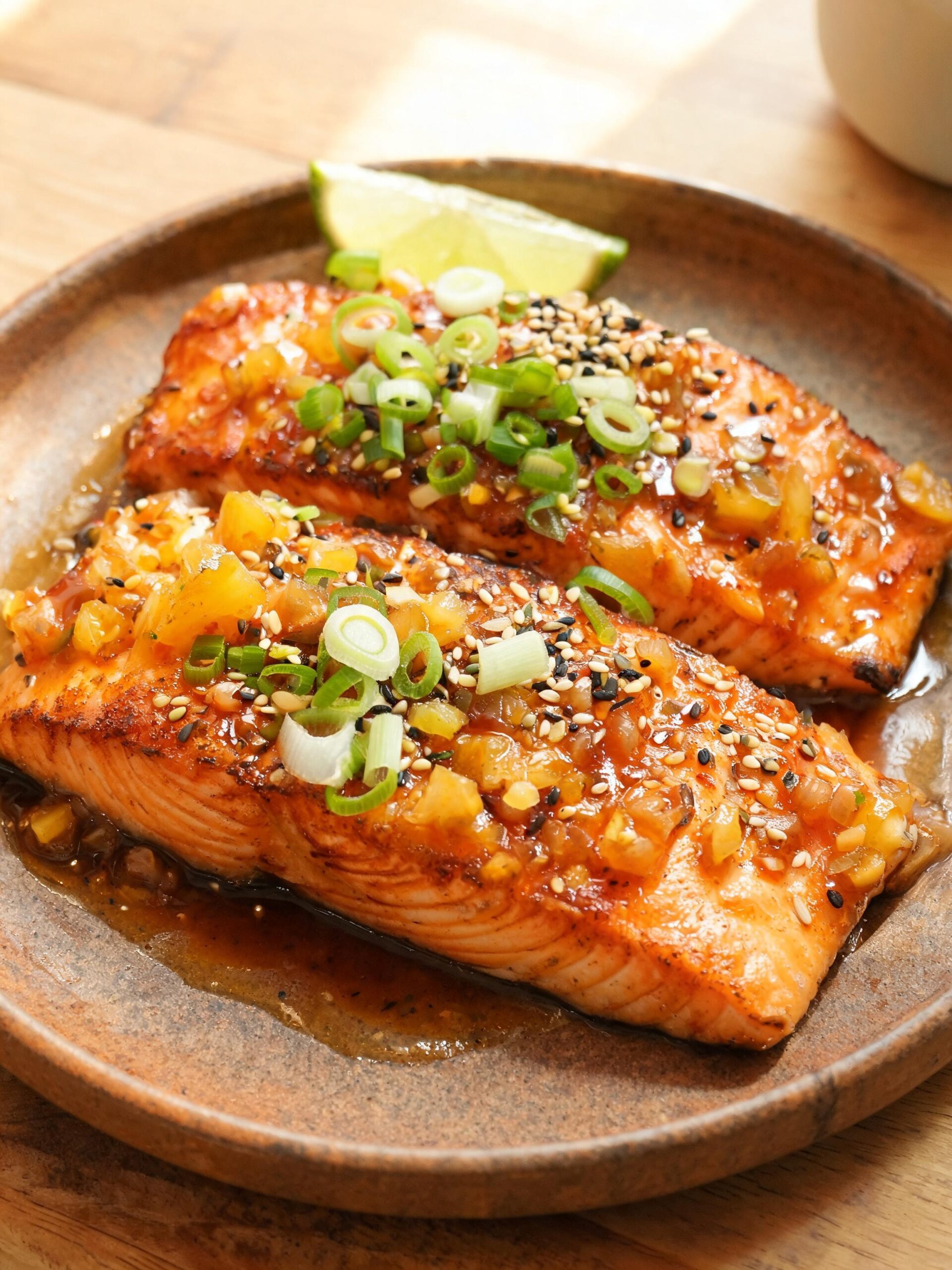
- Glaze the Salmon: In the last minute of cooking, spoon about 1-2 tablespoons of the prepared teriyaki sauce over each salmon fillet. Let it bubble and caramelize slightly in the pan. Be careful not to burn the glaze.
- Assemble the Bowls: Divide the cooked rice among four bowls. Top each bowl with a glazed salmon fillet. Arrange the steamed broccoli, shredded carrots, edamame, and sliced avocado around the salmon. Drizzle any remaining teriyaki sauce over the bowl. Garnish with sliced scallions and toasted sesame seeds before serving your perfect teriyaki salmon bowl.
Chef’s Pro Tips for Success
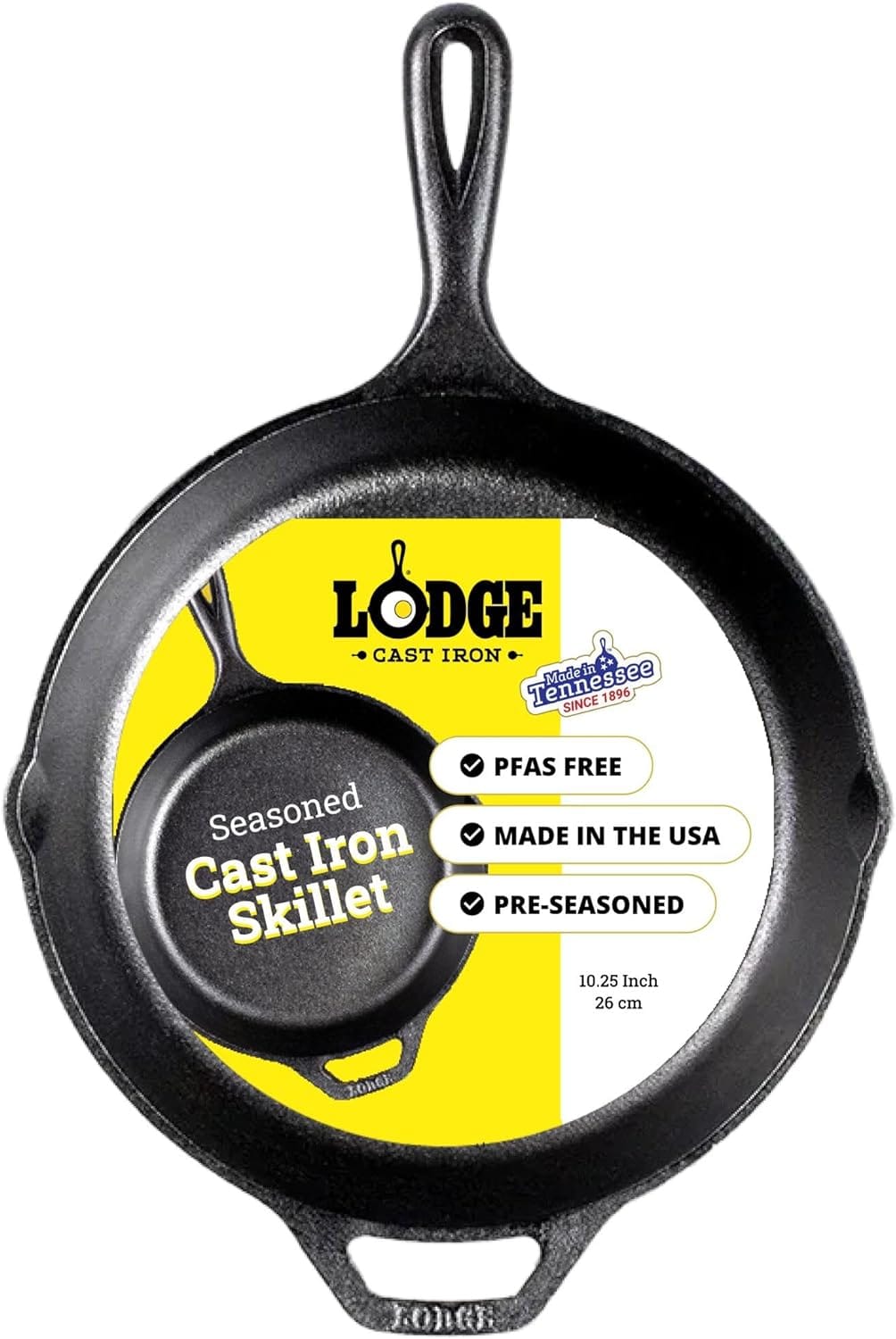
Speaking of mastering the sear, the right tool makes all the difference. In my kitchen, a well-seasoned cast-iron skillet is my non-negotiable for fish. The Lodge Cast Iron Skillet is my workhorse because its superior heat retention is the secret to getting that incredibly crispy, evenly-browned skin we’re aiming for. It creates a perfect, consistent sear that non-stick pans often struggle with, ensuring the skin releases beautifully every single time. This is the pan that turns good salmon into a truly unforgettable meal.
If you’re serious about upping your salmon game, this is the single best investment for your kitchen. Check it out on Amazon.
Lodge 10.25 Inch Cast Iron Skillet with Assist Handle
✓ prime
We earn a commission if you make a purchase, at no additional cost to you.
After years of cooking salmon, I’ve learned a few things that separate a good dish from a great one. Pay attention to these details.
- The Dry-Brine Technique: For exceptionally crispy skin, try a quick dry brine. After patting the salmon dry, season the skin side with a generous layer of kosher salt and let it sit on a wire rack in the fridge, uncovered, for 30 minutes before cooking. The salt draws out excess moisture, resulting in a skin that crisps up like a potato chip. Just be sure to scrape off any excess salt before cooking.
- Mastering the Sear: The secret to a non-stick sear, even in a stainless-steel pan, is heat management. Get the pan hot first, then add the oil, then get the oil hot (you’ll see it shimmer). Only then should you add the salmon, skin-side down. Do not move it. Let the Maillard reaction work its magic. The skin will release from the pan naturally when it’s properly seared and crispy. If it sticks, it’s not ready to be flipped.
- Sauce Consistency is Key: Your teriyaki sauce should be a glaze, not a watery liquid. The cornstarch slurry is your control valve. If your sauce is too thin, you can always add a tiny bit more slurry. If it gets too thick, whisk in a tablespoon of water or sake to thin it out. Remember, it will thicken more as it cools. The ideal consistency should coat the salmon beautifully without pooling at the bottom of the bowl. This is a crucial detail for a professional-grade teriyaki salmon bowl.
- Don’t Glaze Too Early: A common mistake is adding the teriyaki sauce to the pan too soon. The sugar in the sauce will burn quickly over high heat, creating an acrid, bitter taste and a smoky kitchen. Add the glaze only during the final minute of cooking, once the heat is slightly reduced. This is just enough time to caramelize the sugars and flavor the fish without burning.
- Rest Your Salmon: Just like a good steak, salmon benefits from a brief rest. After you remove it from the pan, let it sit for 2-3 minutes before placing it in the bowl. This allows the juices to redistribute throughout the fillet, ensuring every bite is moist and tender, not dry.
Common Mistakes to Avoid
I’ve seen these mistakes happen time and time again. Avoid them, and your results will improve dramatically.
- Overcooking the Salmon: This is the number one sin when cooking fish. Salmon goes from perfect to dry in less than a minute. Cook it until it’s just opaque in the center. Carryover cooking will finish the job as it rests. Use a thermometer if you’re unsure—pull it off the heat at 130°F. An overcooked fillet will ruin an otherwise perfect teriyaki salmon bowl.
- Not Patting the Salmon Dry: I mentioned this before, but it’s worth repeating. Moisture is the enemy of crispiness. If you put wet salmon in a hot pan, the water will steam the skin instead of searing it. You’ll get pale, rubbery skin. Take the extra 30 seconds to pat it bone-dry with paper towels.
- Using Bottled Teriyaki Sauce: While convenient, most store-bought sauces are overly sweet, full of corn syrup, and lack the fresh, aromatic punch of ginger and garlic. Making your own takes five minutes and elevates the dish from mediocre to memorable. You control the ingredients and the final flavor.
- Crowding the Pan: If you try to cook too many fillets at once, the pan’s temperature will drop significantly. This leads to the salmon steaming in its own juices rather than searing. Cook in batches if necessary, ensuring there’s at least an inch of space between each fillet. This guarantees each piece gets that beautiful, crispy skin.
Variations and Serving Ideas
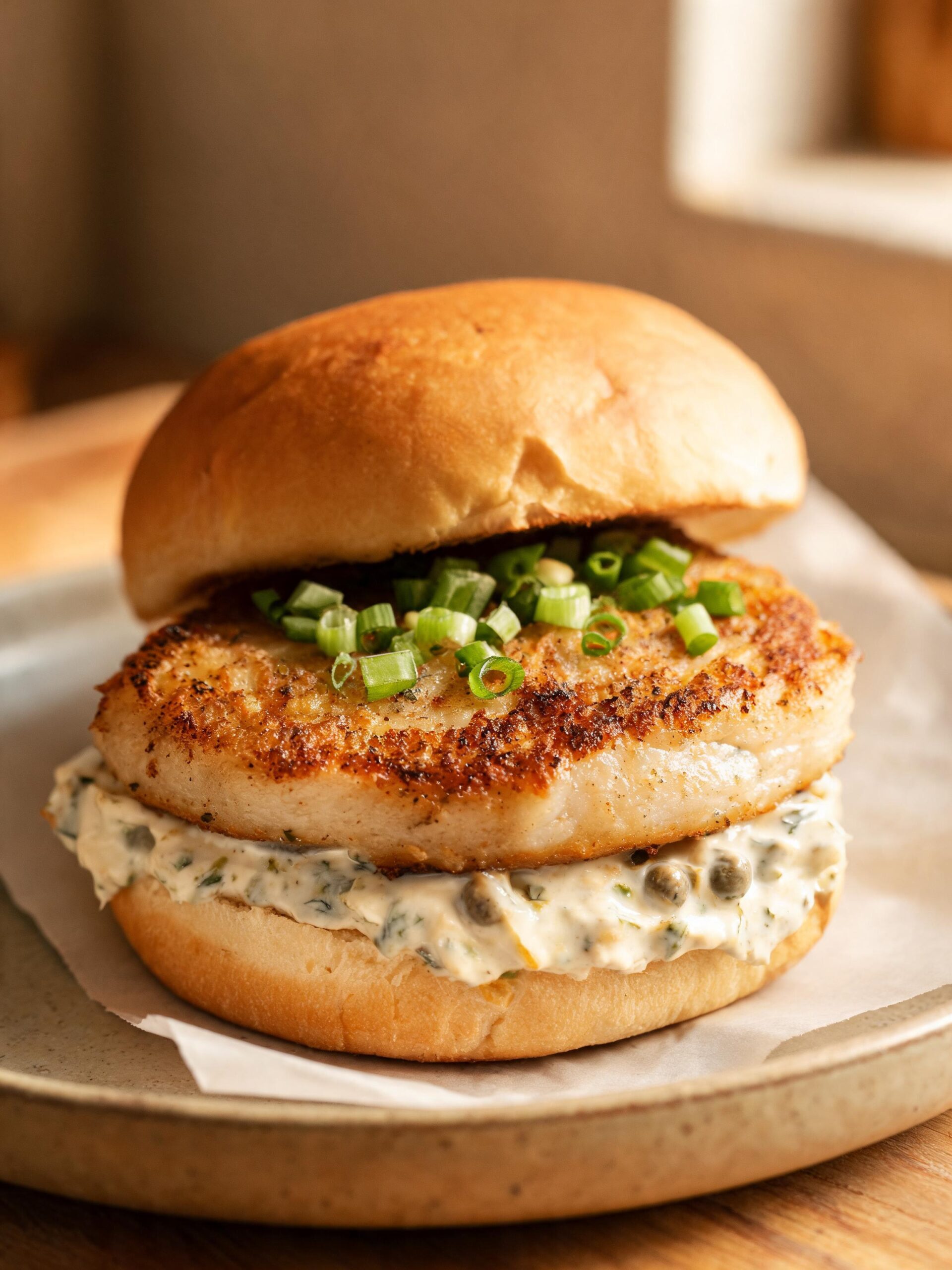
Once you’ve mastered the base recipe, you can get creative. This bowl is a fantastic canvas for different flavors and textures. If you’re exploring other quick and healthy seafood options, our homemade air fryer crab cakes are another fantastic choice to try.
- Protein Swaps: This exact method works beautifully with other firm fish like tuna steaks (sear them rare) or mahi-mahi. It’s also fantastic with chicken thighs (cook them through) or even firm tofu. For tofu, press it well to remove excess water, cube it, and pan-fry until golden before glazing.
- Grain Alternatives: While jasmine rice is classic, don’t hesitate to switch it up. Nutty quinoa adds extra protein and a different texture. Brown rice offers more fiber. For a low-carb version, serve the salmon and veggies over a bed of cauliflower rice or mixed greens. Soba noodles also make an excellent base.
- Vegetable Add-ins: The sky’s the limit here. Consider adding sautéed mushrooms, blanched snap peas, roasted sweet potatoes, or baby bok choy. A sprinkle of quick-pickled cucumbers or radishes on top can add a bright, acidic crunch that cuts through the richness of the salmon and sauce.
- Spicy Teriyaki Salmon Bowl: For a kick of heat, add a teaspoon of sriracha, a pinch of red pepper flakes, or some finely minced chili to your teriyaki sauce while it simmers. A spicy mayo drizzle (mayonnaise mixed with sriracha and a squeeze of lime) on top is also an excellent addition.
What to Serve With
While this teriyaki salmon bowl is a complete meal, a few small additions can round it out nicely for a more formal dinner.
- Miso Soup: A small bowl of classic miso soup served before the main course is a traditional and light starter that cleanses the palate.
- Seaweed Salad (Wakame): The fresh, slightly oceanic flavor and crunchy texture of a simple wakame salad provide a fantastic contrast to the warm, savory salmon bowl.
- Pickled Ginger (Gari): Serving a small amount of pickled ginger on the side offers a sharp, palate-cleansing bite between mouthfuls of the rich salmon.
- Chilled Sake or a Crisp White Wine: For a beverage pairing, a dry, chilled sake complements the Japanese flavors perfectly. If you prefer wine, a crisp Sauvignon Blanc or a dry Riesling will cut through the sweetness of the glaze and the richness of the fish.
Storage and Reheating
Handling leftover seafood requires a bit of care to maintain its quality. Here’s how to do it right.
- Storage: For the best results, store the components separately. Place the cooled salmon fillets in an airtight container. Store the rice, vegetables, and sauce in their own separate containers. Everything will last in the refrigerator for up to 2 days. Storing them separately prevents the rice from getting soggy and the vegetables from losing their texture.
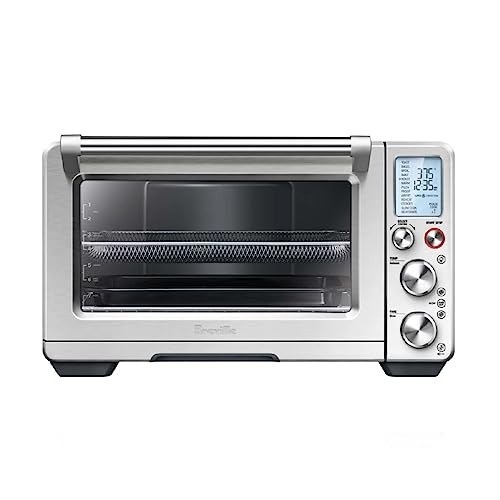
- Reheating: Avoid the microwave for the salmon at all costs; it will turn it into rubber. The best way to reheat the salmon is in an oven or toaster oven. Place it on a baking sheet and heat at 275°F for 10-15 minutes, or until just warmed through. This low, slow heat preserves its moisture and texture. You can microwave the rice and vegetables. To serve, assemble the reheated components into a bowl just as you did when it was fresh.
FAQs (People Also Ask)
- Can I use frozen salmon for this recipe?
- Absolutely. High-quality flash-frozen salmon can be just as good as fresh. The key is to thaw it properly. The best method is to let it thaw overnight in the refrigerator. If you’re in a hurry, you can place the vacuum-sealed fillet in a bowl of cold water for about an hour. Never use hot water or the microwave to thaw it, as this will start to cook the exterior and ruin the texture. Make sure it’s completely thawed and patted very dry before cooking.
- How do I know when the salmon is perfectly cooked?
- The most reliable way is with an instant-read thermometer. For a tender, moist fillet, you want an internal temperature of 130-135°F in the thickest part. If you don’t have a thermometer, use the fork test. Gently press the thickest part of the fillet with a fork. If it begins to flake easily into opaque sections, it’s done. If it’s still translucent and resistant, it needs another minute or two.
- What is a good substitute for mirin in the teriyaki sauce?
- Mirin has a unique sweetness and umami that’s hard to replicate perfectly, but you can get close. The best substitute is a dry sherry or marsala wine with a pinch of sugar (about ½ teaspoon of sugar per tablespoon of wine). In a pinch, you could also use rice vinegar, but you’ll need to increase the brown sugar in the recipe to balance the acidity.
- Can I make this teriyaki salmon bowl gluten-free?
- Yes, it’s a very simple substitution. The only ingredient containing gluten is the soy sauce. Simply replace the regular soy sauce with gluten-free tamari or coconut aminos at a 1:1 ratio. All other ingredients in this recipe are naturally gluten-free.
- Can I make the teriyaki sauce in advance?
- Yes, making the sauce ahead of time is a great way to speed up dinner prep. You can prepare the sauce and store it in an airtight container or jar in the refrigerator for up to a week. It may thicken slightly when chilled, but it will return to a pourable consistency once gently reheated in a saucepan.
Nutrition
Nutrition Facts
(Per serving. Estimates only, varies by exact ingredients used)
Conclusion
This teriyaki salmon bowl is more than just a recipe; it’s a foundation. It teaches you essential techniques for cooking seafood and balancing flavors that you can apply to countless other dishes. It’s a meal that proves you don’t need to spend hours in the kitchen or a fortune on ingredients to create something truly special. Give it a try, and I promise it will become a regular in your dinner rotation.
Teriyaki Salmon Bowl Recipe | Sweet and Savory Rice Bowl for Quick Dinner
Ingredients
- 4 (6-ounce) skin-on salmon fillets
- 1 tablespoon avocado oil
- ½ teaspoon kosher salt
- ¼ teaspoon black pepper, freshly ground
- ½ cup low-sodium soy sauce
- ¼ cup mirin
- 2 tablespoons sake
- 2 tablespoons brown sugar, packed
- 1 tablespoon fresh ginger, grated
- 2 cloves fresh garlic, minced
- 1 teaspoon cornstarch
- 1 tablespoon cold water
- 1 ½ cups jasmine or sushi rice, uncooked
- 2 cups broccoli florets, steamed or blanched
- 1 cup shredded carrots
- 1 cup edamame, shelled and steamed
- 1 avocado, sliced
- 2 scallions, thinly sliced
- 1 tablespoon toasted sesame seeds
Instructions
- Cook the rice according to package directions. Once cooked, fluff with a fork and keep covered.
- While the rice cooks, steam or blanch the broccoli and edamame until tender-crisp. Set aside.
- Make the Teriyaki Sauce: In a small saucepan, combine soy sauce, mirin, sake, brown sugar, ginger, and garlic. Bring to a simmer. In a small bowl, whisk together cornstarch and cold water to create a slurry. Pour the slurry into the simmering sauce, whisking until it thickens (1-2 minutes). Remove from heat.
- Prep the Salmon: Pat the salmon fillets completely dry with paper towels. Season both sides with kosher salt and black pepper.
- Sear the Salmon: Heat avocado oil in a large skillet over medium-high heat until shimmering. Place salmon skin-side down and press gently for 10 seconds. Cook for 4-6 minutes, undisturbed, until the skin is crispy and golden.
- Cook the Other Side: Flip the salmon and cook for another 2-4 minutes, or until it flakes easily with a fork (internal temp of 130-135°F).
- Glaze the Salmon: In the final minute of cooking, spoon 1-2 tablespoons of the teriyaki sauce over each fillet, allowing it to bubble and caramelize slightly.
- Assemble the Bowls: Divide rice among four bowls. Top with a salmon fillet. Arrange broccoli, carrots, edamame, and avocado around the salmon. Drizzle with remaining sauce and garnish with scallions and sesame seeds.