Introduction
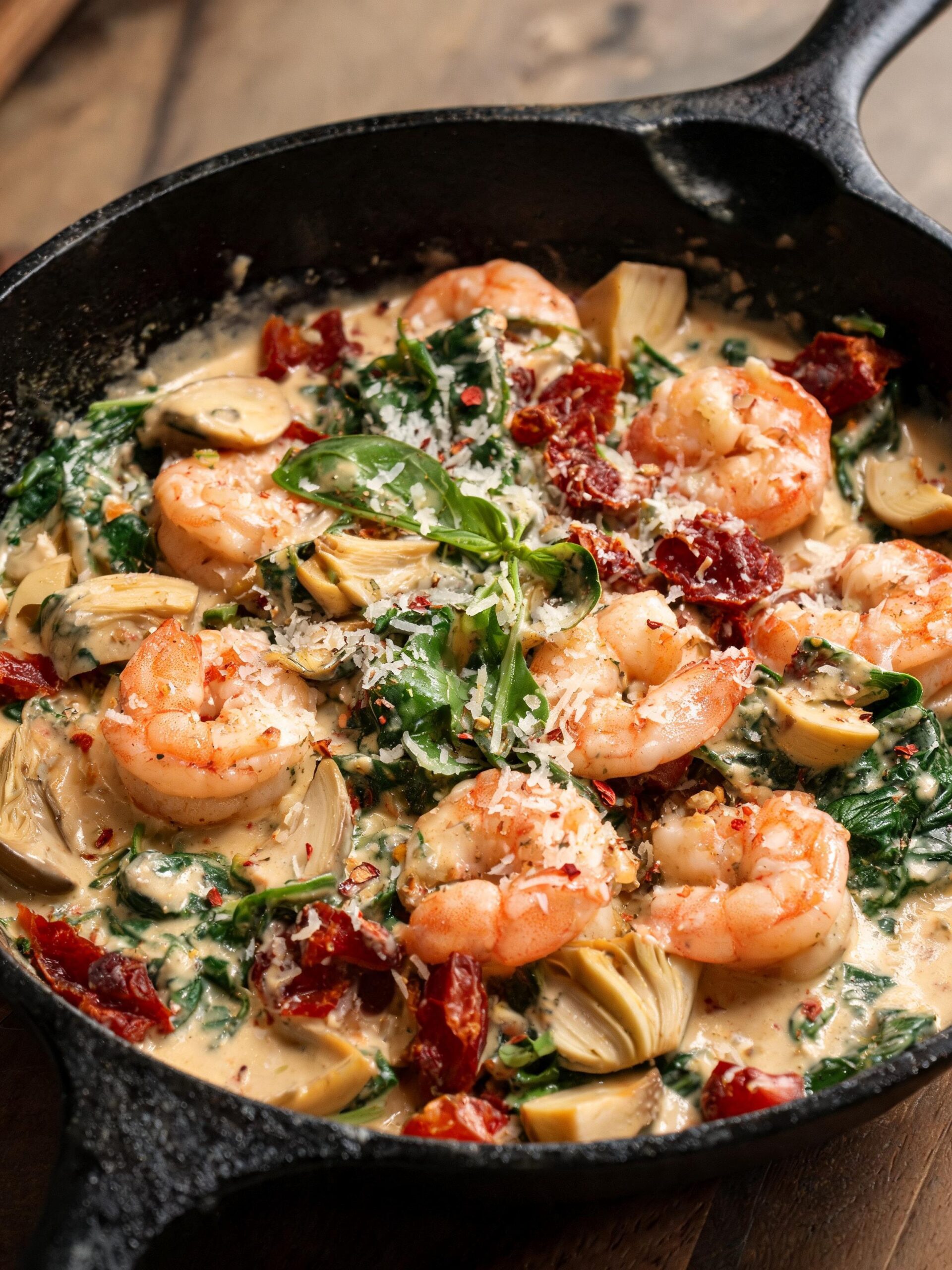
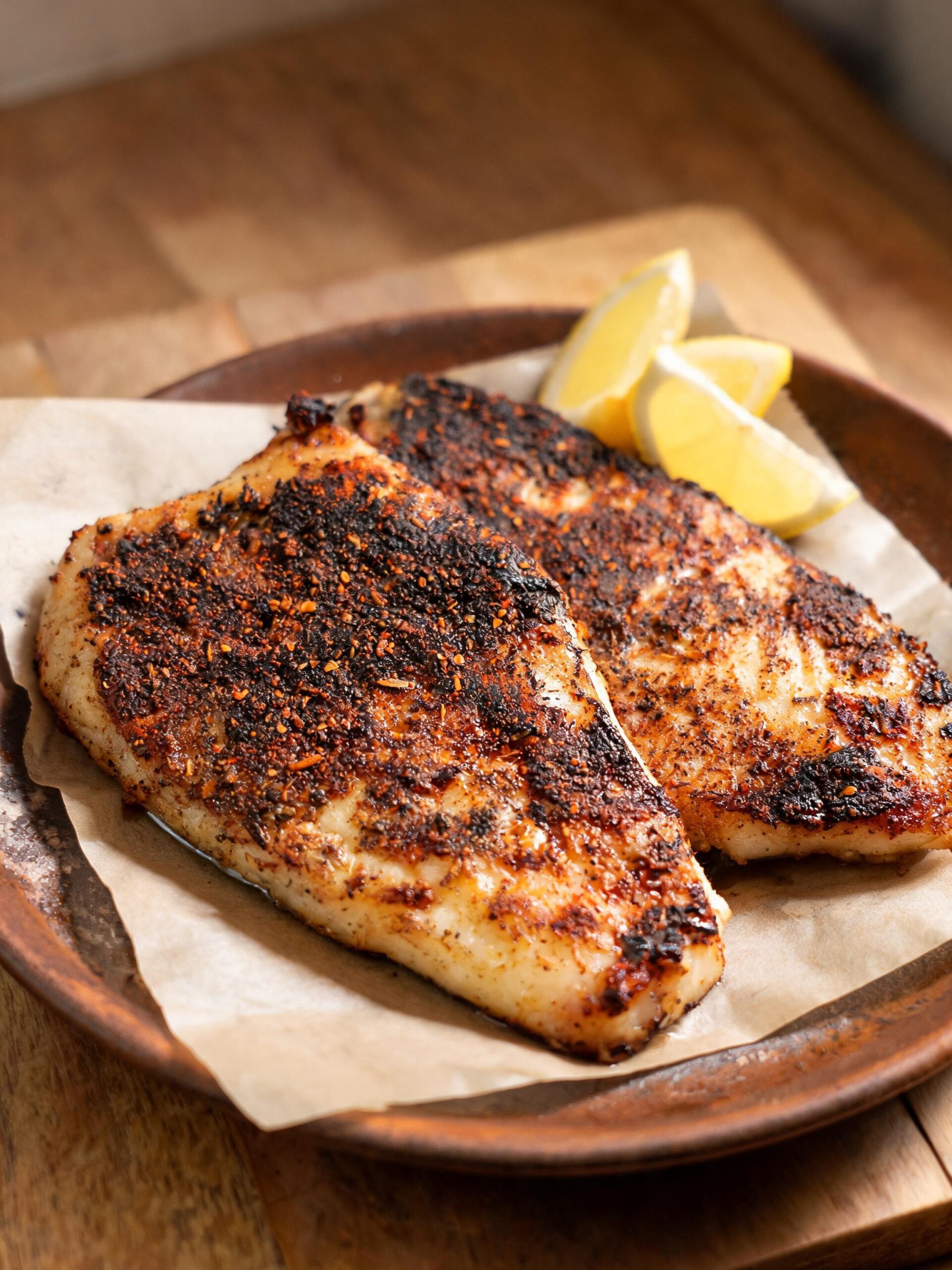
If you’re looking for a recipe that delivers huge flavor without spending hours in the kitchen, much like our popular Quick Baked Garlic Butter Shrimp, this blackened tilapia is your answer. For years in my restaurant kitchens, this was a go-to method for turning a simple fish fillet into something spectacular. Blackening isn’t about burning the fish; it’s a classic Cajun cooking technique where fish is dredged in a specific blend of herbs and spices and then seared in a screaming-hot cast-iron skillet. The intense heat toasts the spices and milk solids from the butter, creating a dark, intensely flavorful, and slightly crispy crust that seals in the moisture, leaving the inside tender and flaky. This method works beautifully with the mild, slightly sweet flavor of tilapia, making it the perfect canvas for the bold, smoky, and spicy notes of the seasoning. Forget bland, boring fish dinners; this recipe is a weeknight game-changer that tastes like it came from a professional kitchen.
Why You’ll Love This Recipe
- Incredibly Fast: From prepping the spice blend to plating the finished dish, you’re looking at about 20 minutes, tops. It’s the perfect solution for busy weeknights when you want something impressive without the time commitment.
- Explosive Flavor: The homemade blackening seasoning is the star of the show. It’s a perfectly balanced mix of smoky, spicy, and savory that creates a crust so good you’ll want to put it on everything. This isn’t just seasoned fish; it’s a full flavor experience.
- Simple and Accessible: You don’t need any fancy equipment or hard-to-find ingredients. A good skillet, some basic spices from your pantry, and fresh tilapia are all it takes to pull off this restaurant-quality meal at home.
Ingredients List
The key to a great blackened tilapia is a high-quality spice blend and fresh fish. Here’s exactly what you’ll need. Measurements are precise for four perfect servings.
For the Blackening Spice Blend:
- 2 tbsp Smoked Paprika: Do not substitute with sweet paprika. Smoked paprika is non-negotiable; it provides the foundational smoky flavor that defines this dish.
- 1 tbsp Onion Powder: Adds a deep, savory base note that complements the other spices.
- 1 tbsp Garlic Powder: Provides that aromatic, pungent kick essential to Cajun-style cooking.
- 1 tbsp Dried Thyme: Its earthy, slightly minty flavor cuts through the richness and adds complexity.
- 1 tsp Cayenne Pepper: This brings the heat. Adjust to your preference; use ½ tsp for mild or up to 2 tsp if you like it extra spicy.
- 1 tsp Black Pepper: Freshly ground is always best for a more potent, sharp flavor.
- 1 tsp Kosher Salt: Its coarse texture helps in forming the crust. If using fine sea salt, reduce the amount slightly to avoid over-salting.
For the Fish:
- 4 Tilapia Fillets: Look for fillets that are about 6 ounces each and relatively uniform in thickness. This ensures they cook evenly. Fresh is best, but if using frozen, they must be fully thawed.
- 4 tbsp Unsalted Butter, melted: This is for dredging the fish. The milk solids in the butter are what toast and char in the pan, creating the signature ‘blackened’ crust.
- 2 tbsp High-Smoke-Point Oil: Avocado, canola, or grapeseed oil are perfect. You need this in the pan to prevent the butter from scorching immediately and the fish from sticking.
- Lemon Wedges: For serving. A fresh squeeze of lemon at the end brightens all the flavors and cuts through the spice.
Step-by-Step Instructions
Follow these steps carefully for a perfect result. The process is fast, so have all your ingredients and tools ready before you start cooking.
- Prepare the Spice Blend: In a small bowl, combine the smoked paprika, onion powder, garlic powder, dried thyme, cayenne pepper, black pepper, and kosher salt. Whisk them together thoroughly until the color is uniform. This ensures every bite is perfectly seasoned.
- Set Up Your Dredging Station: Pour the melted butter into a shallow dish or pie plate. On a separate large plate, spread out your blackening spice blend in an even layer.
- Prep the Tilapia: Pat the tilapia fillets completely dry with paper towels. This step is critical. A dry surface is essential for the butter and spices to adhere properly and for a crispy crust to form. Any excess moisture will steam the fish instead of searing it.
- Coat the Fillets: Working with one fillet at a time, dip it entirely into the melted butter, letting any excess drip off. Then, press the butter-coated fillet firmly into the spice blend, coating both sides generously. Shake off any loose excess and set the coated fillet on a clean plate. Repeat with the remaining fillets.
- Heat the Skillet: Place a large cast-iron skillet over medium-high heat. Add the high-smoke-point oil. Let the skillet get very hot. You’ll know it’s ready when the oil begins to shimmer and you see faint wisps of smoke. Proper heat is the secret to true blackening.
- Sear the Fish: Carefully place two tilapia fillets in the hot skillet, making sure not to overcrowd the pan. Cook for 3-4 minutes on the first side. The spice crust should turn a very dark reddish-brown, almost black in spots. You will see smoke; this is normal. Use a thin metal spatula to flip the fillets.
- Finish Cooking: Cook on the second side for another 2-3 minutes, or until the fish is cooked through and flakes easily when tested with a fork. The internal temperature should reach 145°F. Remove the cooked fish and place it on a serving platter. Repeat the process with the remaining two fillets.
- Serve Immediately: Serve the hot blackened tilapia with fresh lemon wedges on the side for squeezing over the top.
Chef’s Pro Tips for Success
After cooking thousands of pounds of fish, I’ve learned a few things. These are the non-negotiable rules for making perfect blackened tilapia every single time.
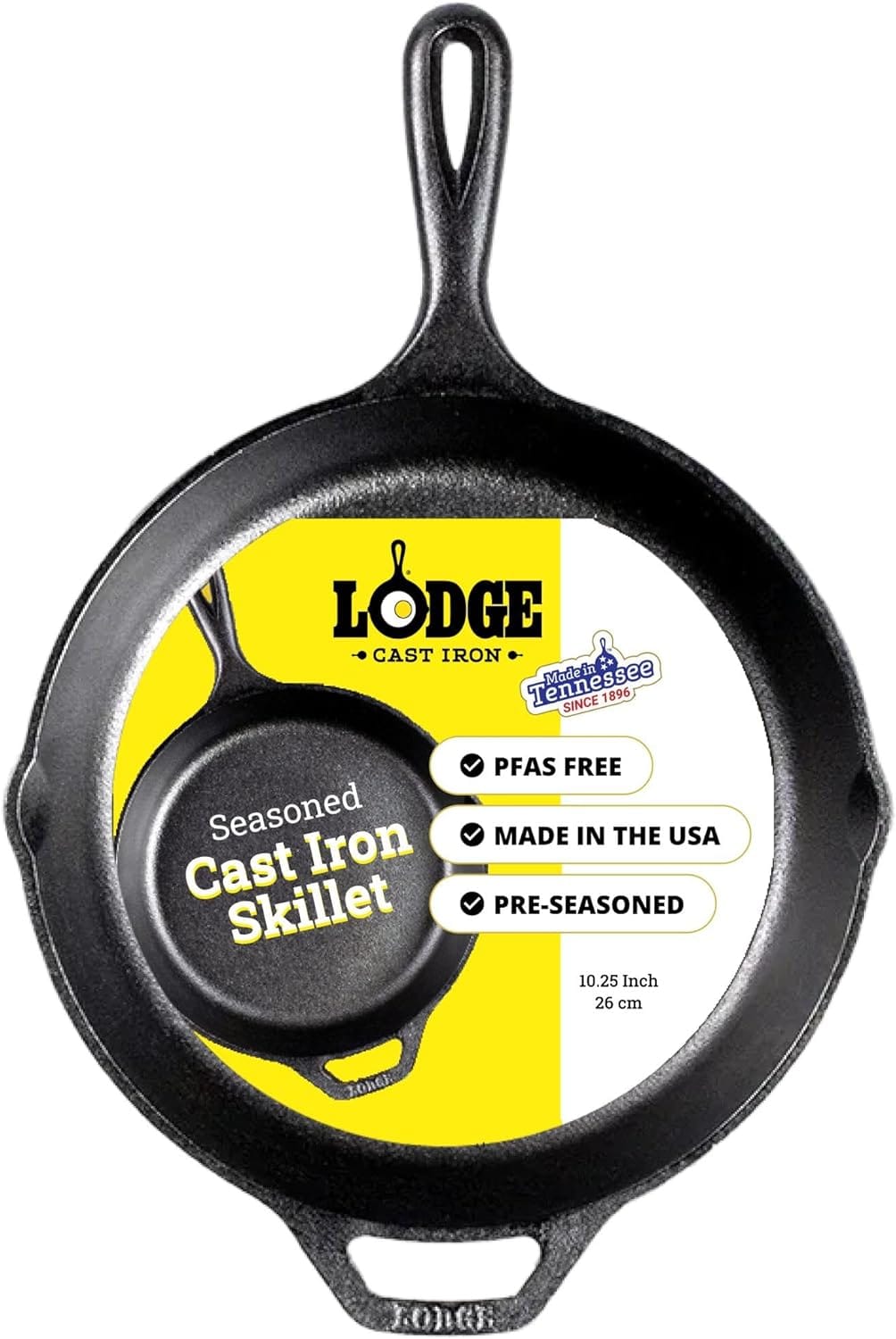
When I talk about a ‘screaming hot pan,’ I’m not just being dramatic—it’s the single most important factor for success. In all my years in professional kitchens and at home, my non-negotiable tool for blackening fish is a classic Lodge Cast Iron Skillet. It gets incredibly hot and, more importantly, stays hot, which is the secret to getting that perfect, dark, crispy crust without steaming the fish. It’s the workhorse that delivers restaurant-quality results every single time.
If you don’t have one, this is the single best investment you can make for your kitchen.
Lodge 10.25 Inch Cast Iron Skillet with Assist Handle
✓ prime
We earn a commission if you make a purchase, at no additional cost to you.
- Master Your Pan Temperature: The term is ‘blackened’, not ‘burnt’. This requires a screaming hot pan. A cast-iron skillet is your best tool because it retains heat incredibly well. Let it heat up for a good 5-7 minutes over medium-high heat before you even think about adding the fish. A simple test: flick a drop of water into the pan. If it sizzles and evaporates instantly, you’re ready. A cold pan will cause the fish to stick and the crust to steam, resulting in a soggy mess.
- The Dry Fillet Mandate: I cannot overstate this. Your tilapia fillets must be bone-dry. Pat them with paper towels until you can’t get any more moisture off. Water is the enemy of a good sear. It creates steam, which prevents the Maillard reaction and the toasting of the spices that you need for that signature crust. For an extra-dry surface, you can even let the patted-dry fillets sit on a rack in the fridge, uncovered, for 15-20 minutes before seasoning.
- Ventilate, Ventilate, Ventilate: This cooking method produces a lot of smoke. It’s an unavoidable part of the process. Before you start, open a window and turn your kitchen’s exhaust fan on its highest setting. If your smoke detector is particularly sensitive, you might want to temporarily disable it. Don’t be alarmed by the smoke; it means you’re doing it right. It’s the sign that your spices are toasting perfectly on the fish.
- Don’t Crowd the Pan: Unless you’re using a very large 12-inch skillet, cook the fish in batches (two fillets at a time). Overcrowding the pan immediately drops the temperature of the skillet. When the temperature drops, the fish begins to steam in its own juices instead of searing. This prevents the crust from forming. Give each fillet plenty of space to ensure the pan stays hot and the sear is even and consistent.
- The One-Flip Rule: Once you place the fish in the pan, leave it alone. Don’t nudge it, don’t peek, don’t move it. Let it sit for the full 3-4 minutes to develop a deep, dark crust. A proper crust will release itself from the pan when it’s ready. If you try to flip it too early and it sticks, it’s not ready. Resisting the urge to fuss with it is key to a beautiful presentation and a crust that stays on the fish, not in the pan.
Common Mistakes to Avoid
I’ve seen these mistakes happen time and again. Here’s how to recognize and fix them before you even start.
- The Mistake: A Soggy, Gray Crust. This is the most common failure. It happens for two reasons: your pan wasn’t hot enough, or your fish was wet. When the pan isn’t hot, the butter and spices don’t toast; they just get warm and create a pasty, unappealing coating. The Fix: Be patient with your pan. Let it preheat properly. And always, always pat your fish until it’s completely dry.
- The Mistake: Acrid, Burnt Spices. There’s a fine line between ‘blackened’ and ‘burnt’. Blackening toasts the spices; burning incinerates them, creating a bitter, harsh flavor. This is usually caused by using a fat with a low smoke point (like whole butter in the pan) or having the heat too high for too long. The Fix: Use a neutral, high-smoke-point oil in the pan. The butter should only be on the fish itself. Manage your heat; if the smoke is excessively thick and black, reduce the heat slightly from medium-high to medium.
- The Mistake: The Fish Sticks and Falls Apart. You go to flip your beautiful fillet, and half of it remains welded to the skillet. This is heartbreaking. It’s caused by an insufficiently heated pan, not enough oil, or trying to flip the fish before the crust has formed and released. The Fix: Ensure the pan is properly preheated and there’s a thin, even layer of shimmering oil. More importantly, be patient. The fish will tell you when it’s ready to be flipped. If you slide a spatula underneath and feel strong resistance, give it another 30-60 seconds.
- The Mistake: An Uneven, Patchy Spice Coating. You end up with some spots on the fish that are heavily seasoned and others that are bare. This leads to an inconsistent flavor. This happens when the fish isn’t coated properly in the butter or spices. The Fix: Make sure the fillet is fully submerged in the melted butter. Then, press it firmly into the spice mix on the plate. Don’t just sprinkle the spices on top. The pressing motion helps the seasoning adhere evenly to the butter, creating a uniform crust for your blackened tilapia.
Variations and Serving Ideas
While this classic blackened tilapia is fantastic on its own, it’s also incredibly versatile. You can easily adapt it to different tastes or use it as a base for other dishes.
- Fish Variations: This blackening technique is not limited to tilapia. It works wonderfully on other firm fish. Try it with catfish for a more traditional Southern meal, redfish (the original blackened fish), or even salmon for a richer, oilier version. You may need to adjust cook times slightly for thicker fillets.
- Spice Level Adjustment: The beauty of a homemade spice blend is total control. If you’re sensitive to heat, reduce the cayenne pepper to ¼ teaspoon or omit it entirely. If you’re a spice fanatic, double the cayenne or add a ½ teaspoon of crushed red pepper flakes for a different kind of heat.
- Blackened Fish Tacos: Flake the cooked fish into warm corn or flour tortillas. Top with a crunchy slaw (cabbage, lime juice, cilantro), some avocado crema or chipotle mayo, and a sprinkle of cotija cheese. This is one of the best ways to enjoy leftover blackened tilapia.
- Blackened Tilapia Salad: Let the cooked fillet cool slightly, then flake it over a bed of mixed greens. Add corn, black beans, cherry tomatoes, red onion, and avocado. A creamy cilantro-lime vinaigrette ties it all together for a healthy and satisfying lunch.
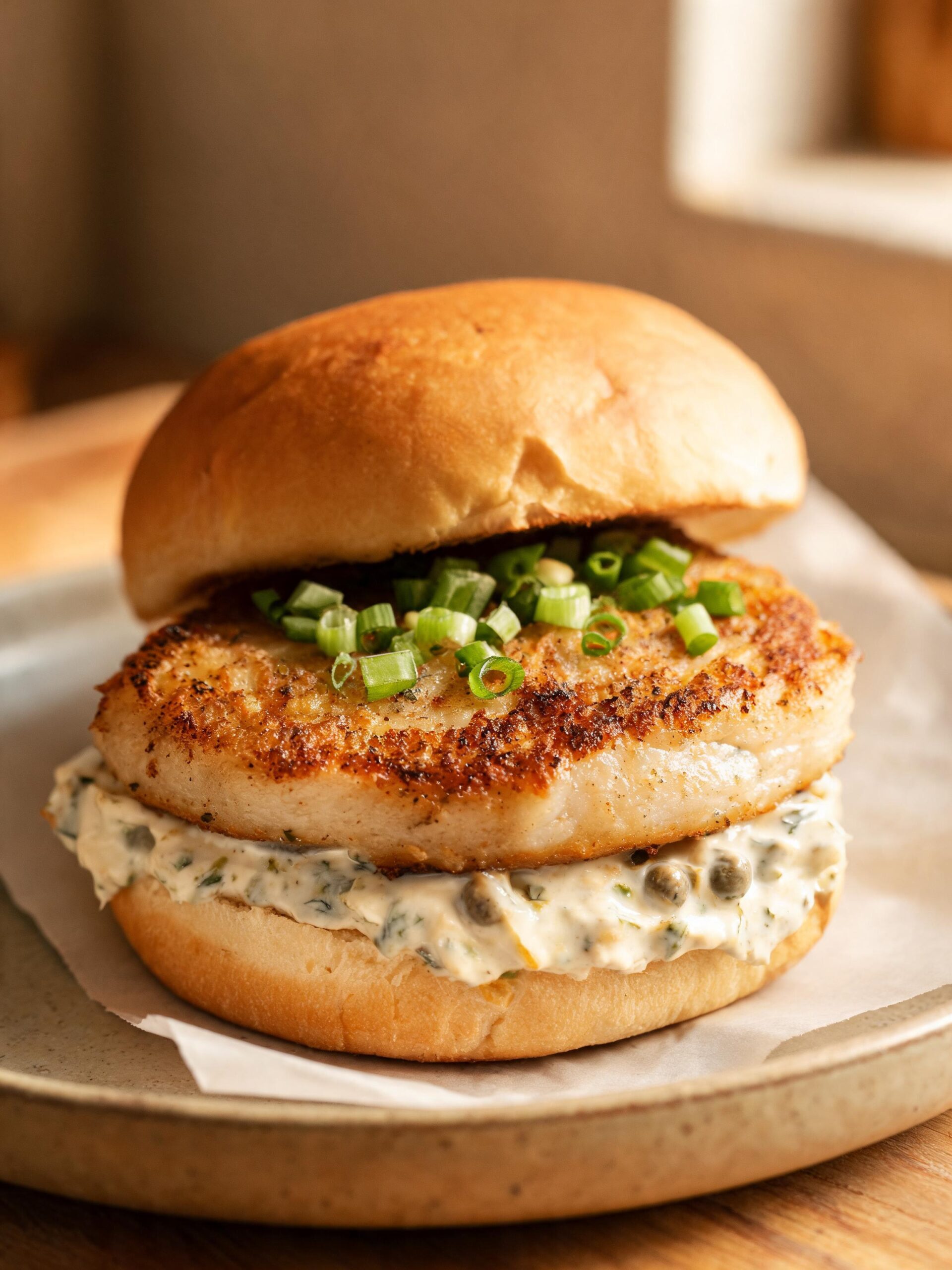
- Blackened Fish Sandwich: Serve a whole fillet on a toasted brioche bun with lettuce, tomato, and a generous smear of tartar sauce or remoulade. It’s a fantastic alternative to a burger.
What to Serve With
The bold flavor of the fish pairs well with sides that can either complement its richness or provide a cool, refreshing contrast.
- Dirty Rice: A classic Cajun pairing. The savory, spiced rice is a perfect base to soak up any juices and complements the seasoning on the fish.
- Mango or Pineapple Salsa: The sweet and tangy fruit provides a fantastic cooling contrast to the spicy crust of the fish. The acidity cuts through the richness and brightens the whole plate.
- Creamy Cheese Grits or Polenta: The smooth, creamy texture is a wonderful counterpoint to the slightly crispy fish. It’s a comforting and classic Southern-style combination.
- Roasted Vegetables: Simple roasted asparagus, broccoli, or bell peppers tossed in a little olive oil and salt provide a healthy, straightforward side that won’t compete with the main course.
- Cilantro Lime Rice: A simple and bright side that adds a fresh, zesty flavor to balance the smoky spices of the fish. These sides also pair wonderfully with other seafood favorites like these homemade air fryer crab cakes.
Storage and Reheating
Proper storage is key to enjoying leftovers. Fish can be tricky, but if you follow these steps, it will still be delicious the next day.
- Storage: Allow the cooked tilapia to cool to room temperature for no more than 30 minutes. Place it in an airtight container and store it in the refrigerator. It will keep for up to 3 days. Do not stack the fillets; arrange them in a single layer to prevent them from getting soggy.
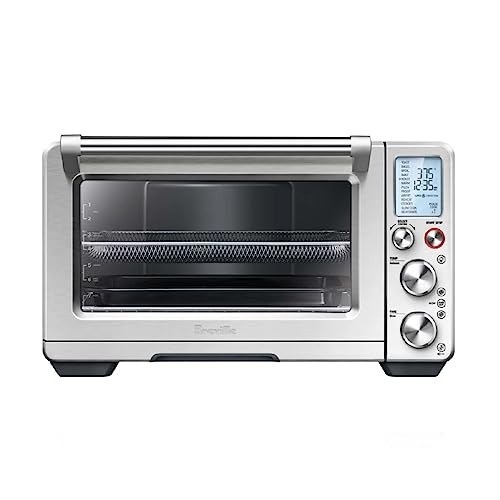
- Reheating: The microwave is your enemy here; it will make the fish rubbery and ruin the crust. The best way to reheat is in a skillet. Place a non-stick or cast-iron skillet over medium-low heat with a tiny splash of oil. Add the fish and heat for 2-3 minutes per side, until just warmed through. Alternatively, you can reheat it in an oven or toaster oven at 350°F for 5-7 minutes. This helps to crisp the crust back up.
FAQs (People Also Ask)
Here are answers to some of the most common questions about making this recipe.
1. Can I make the blackening spice blend ahead of time?
Absolutely. In fact, I recommend it. You can make a large batch of the spice blend and store it in an airtight container or spice jar in a cool, dark pantry. It will stay fresh and potent for up to 6 months. Having it on hand makes preparing this blackened tilapia recipe even faster.
2. Can I use frozen tilapia fillets?
Yes, you can. However, they must be thawed completely before you begin. The best way to do this is to let them thaw overnight in the refrigerator. Once thawed, it is absolutely critical that you pat them extremely dry with paper towels, as any residual ice crystals or water will prevent the crust from forming correctly.
3. Is blackened tilapia a healthy dish?
Yes, it is a very healthy option. Tilapia is a lean source of protein, low in fat and calories. The ‘blackening’ is a cooking method, not a heavy sauce. The dish is pan-seared with a minimal amount of oil, and the flavor comes from spices rather than heavy creams or fats. It’s a great choice for a low-carb, high-protein meal.
4. My smoke alarm always goes off when I try this. How can I prevent it?
This is the nature of the technique. The best defense is a good offense. Open your windows, turn your range hood fan to its highest setting *before* you put the pan on the heat, and close any doors to adjacent rooms. If you know your alarm is sensitive, it’s wise to be proactive and temporarily disable it or cover it while you cook the fish.
5. What is the best type of oil for blackening?
You need an oil with a high smoke point. This means it can get very hot before it starts to break down and burn. Excellent choices include avocado oil (smoke point ~520°F), canola oil, grapeseed oil, or clarified butter (ghee). Do not use extra virgin olive oil or whole butter in the pan, as they will burn and create an acrid taste.
Nutrition
Nutrition Facts
(Per serving. Estimates only, varies by exact ingredients used)
Conclusion
This blackened tilapia recipe is more than just a meal; it’s a technique that puts you in control of creating incredible flavor. Once you master it, you’ll have a reliable, impressive, and ridiculously fast dinner in your back pocket for good. Give it a try this week—I promise you won’t be disappointed.
Blackened Tilapia Recipe | Spicy Cajun-Style Fish Packed with Flavor
Ingredients
- 2 tbsp Smoked Paprika
- 1 tbsp Onion Powder
- 1 tbsp Garlic Powder
- 1 tbsp Dried Thyme
- 1 tsp Cayenne Pepper
- 1 tsp Black Pepper
- 1 tsp Kosher Salt
- 4 Tilapia Fillets (6 ounces each)
- 4 tbsp Unsalted Butter, melted
- 2 tbsp High-Smoke-Point Oil (e.g., avocado or canola)
- Lemon Wedges, for serving
Instructions
- In a small bowl, whisk together the smoked paprika, onion powder, garlic powder, dried thyme, cayenne pepper, black pepper, and kosher salt until well combined.
- Pour the melted butter into a shallow dish and spread the spice blend on a separate large plate.
- Pat the tilapia fillets completely dry with paper towels. This is a crucial step for a crispy crust.
- Dip each fillet first in the melted butter, coating it completely, then press it firmly into the spice blend on both sides.
- Heat the oil in a large cast-iron skillet over medium-high heat until it shimmers and begins to smoke lightly.
- Carefully place two fillets in the hot skillet. Cook for 3-4 minutes on the first side, until a dark crust forms. Do not overcrowd the pan.
- Flip the fillets once and cook for another 2-3 minutes on the second side, until the fish is opaque and flakes easily with a fork.
- Remove the fish from the skillet and repeat the process with the remaining two fillets.
- Serve immediately with fresh lemon wedges.