Introduction
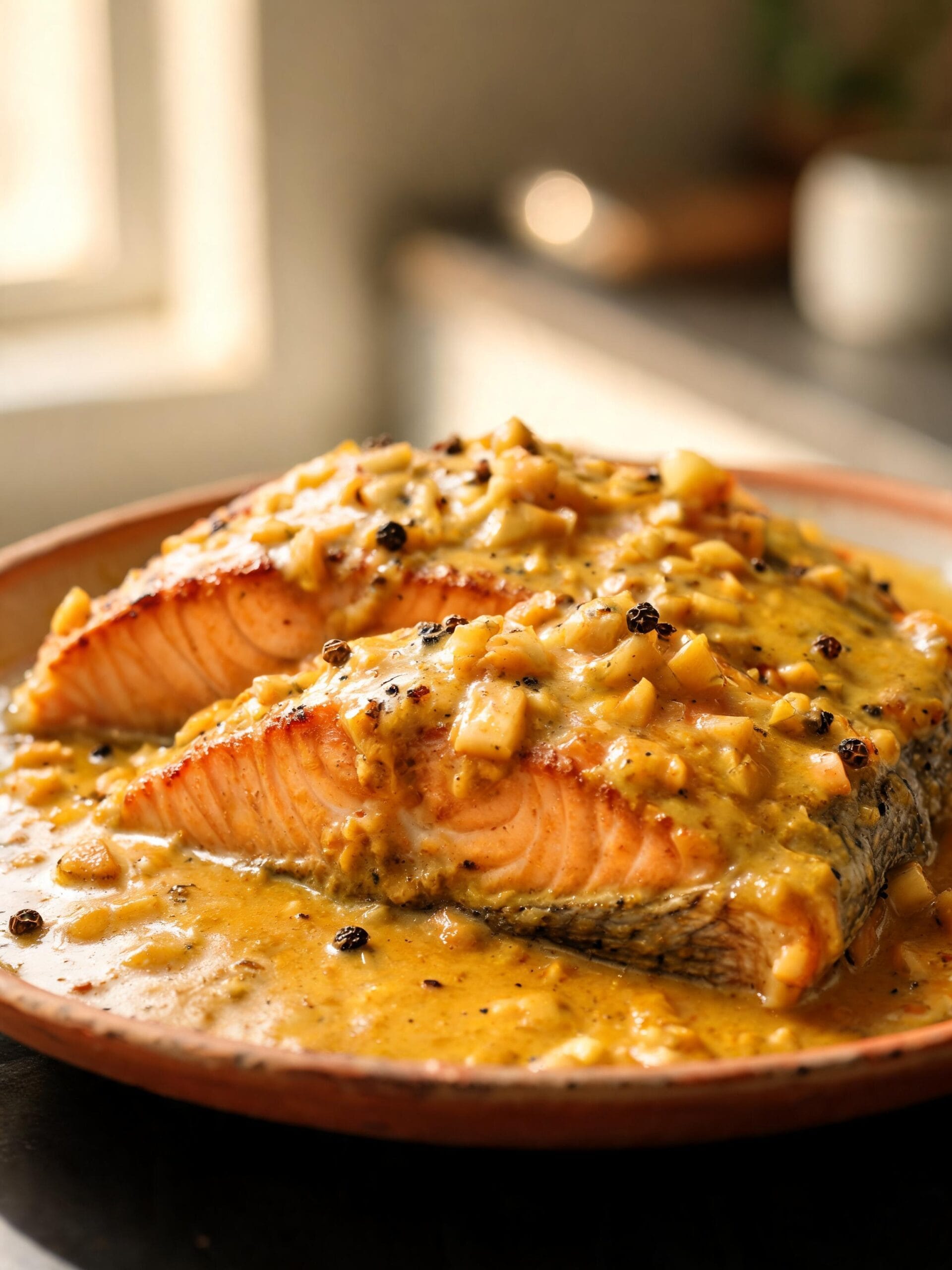
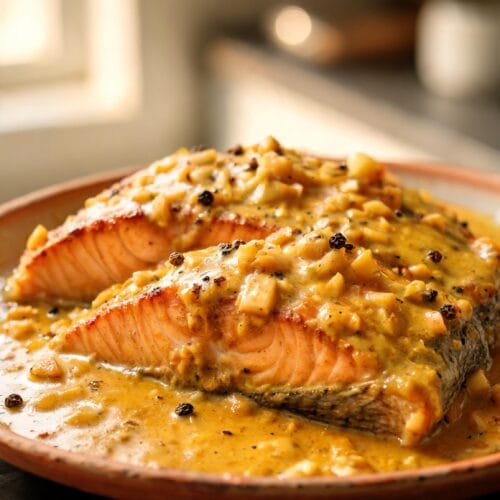
After two decades of working with seafood, I can tell you that few dishes deliver on speed and flavor quite like this one. This Indian Style Coconut Curry Salmon Recipe is a staple in my weeknight rotation because it hits all the right notes: rich, aromatic, slightly spicy, and incredibly satisfying. We’re talking perfectly pan-seared salmon with crispy skin, nestled in a luxuriously creamy coconut curry sauce that you can make faster than ordering takeout. This isn’t just another recipe; it’s a technique that balances the delicate flavor of salmon with the bold, warm spices of Indian cuisine, a delicious contrast to the tropical notes of a grilled pineapple teriyaki salmon. Forget bland, overcooked fish. I’m going to walk you through the process step-by-step, sharing the professional secrets to ensure your salmon is flaky and moist and your sauce is velvety smooth. This is the kind of meal that feels special enough for a Saturday night but is genuinely easy enough for a Tuesday.
Why You’ll Love This Recipe
- Ready in 35 Minutes: This entire dish comes together in one pan in just over half an hour. It’s the definition of an efficient, high-impact weeknight dinner.
- Restaurant-Quality Flavor: We’re using layers of fresh aromatics and blooming whole spices to build a sauce with incredible depth. The final result tastes like it came from a high-end kitchen, not your own.
- Healthy and Satisfying: Packed with Omega-3s from the salmon and healthy fats from the coconut milk, this is a meal that nourishes you while feeling incredibly indulgent. It’s naturally gluten-free and dairy-free.
Ingredients List
Precision is key in a recipe like this. The quality of your ingredients, especially the coconut milk and salmon, will directly impact the final result. Here’s exactly what you’ll need for four servings.
For the Salmon:
- Salmon Fillets: 4 (6-ounce) fillets, skin-on if possible. Look for center-cut pieces for even thickness.
- Avocado Oil: 1 tablespoon. Its high smoke point is perfect for searing.
- Kosher Salt: 1/2 teaspoon, for seasoning the fish.
- Black Pepper: 1/4 teaspoon, freshly cracked.
For the Coconut Curry Sauce:
- Coconut Oil: 1 tablespoon. You can use avocado oil here as well.
- Yellow Onion: 1 medium, finely chopped.
- Fresh Garlic: 4 cloves, minced.
- Fresh Ginger: 1 tablespoon, grated.
- Serrano Pepper: 1, finely minced (optional, for heat). Remove seeds for less spice.
- Ground Turmeric: 1 teaspoon.
- Garam Masala: 1 1/2 teaspoons. This is a key Indian spice blend.
- Ground Cumin: 1 teaspoon.
- Ground Coriander: 1 teaspoon.
- Crushed Tomatoes: 1 (15-ounce) can. Fire-roasted adds another layer of flavor if you can find it.
- Full-Fat Coconut Milk: 1 (13.5-ounce) can, unsweetened. Do not use light coconut milk.
- Lime: 1, juiced. For finishing the sauce.
- Fresh Cilantro: 1/2 cup, chopped, for garnish.
Step-by-Step Instructions
Follow these steps closely. The order of operations is designed to build maximum flavor and ensure the salmon is cooked perfectly.
- Prep the Salmon: Remove salmon from the refrigerator about 15-20 minutes before cooking. Pat the fillets completely dry with paper towels. This is the most critical step for crispy skin. Season both sides generously with kosher salt and black pepper.
- Sear the Salmon: Heat 1 tablespoon of avocado oil in a large, non-stick skillet or Dutch oven over medium-high heat. The oil should shimmer. Carefully place the salmon fillets skin-side down. Press gently on each fillet with a spatula for 10 seconds to ensure full contact with the pan. Cook for 4-5 minutes, undisturbed, until the skin is golden brown and crispy. Flip the salmon and cook for another 1-2 minutes on the other side. The salmon will not be fully cooked. Transfer it to a clean plate.
- Sauté Aromatics: Reduce the heat to medium. Add 1 tablespoon of coconut oil to the same skillet. Add the chopped onion and cook, stirring occasionally, until softened, about 5-6 minutes. Add the minced garlic, grated ginger, and serrano pepper (if using). Cook for another minute until fragrant, stirring constantly to prevent burning.
- Bloom the Spices: Add the turmeric, garam masala, cumin, and coriander to the skillet. Stir constantly for 30-45 seconds. The spices will become very fragrant. This step toasts the spices, deepening their flavor significantly.
- Build the Sauce: Pour in the can of crushed tomatoes, scraping up any browned bits from the bottom of the pan with your spoon. Bring to a simmer and cook for 2 minutes. Stir in the full-fat coconut milk. Bring the sauce to a gentle simmer (do not boil) and cook for 5 minutes to allow the flavors to meld. Season the sauce with a pinch of salt.
- Finish the Dish: Gently nestle the seared salmon fillets back into the curry sauce, skin-side up to keep it crispy. Spoon some of the sauce over the flesh of the salmon, but try to avoid the skin. Reduce heat to low, cover the skillet, and let the salmon gently poach in the sauce for 3-5 minutes, or until cooked to your desired doneness (it should flake easily with a fork).
- Serve: Remove the skillet from the heat. Squeeze the fresh lime juice over everything and garnish generously with chopped fresh cilantro. Serve immediately.
Chef’s Pro Tips for Success
After years in professional kitchens, I’ve seen firsthand that the right tool can make all the difference. To achieve that perfect, crispy-skinned salmon and build the flavorful ‘fond’ I talk about, you need a pan that provides consistent, high heat. My absolute workhorse for this is the Lodge Cast Iron Skillet. It retains heat like nothing else, ensuring a hard, even sear every single time. This is how you get that restaurant-quality crust and the deeply flavored pan drippings that become the soul of your sauce.
Get the skillet I trust in my own kitchen and see the professional-level results for yourself.
Lodge 10.25 Inch Cast Iron Skillet with Assist Handle
✓ prime
We earn a commission if you make a purchase, at no additional cost to you.

After years in professional kitchens, you learn that small details make a huge difference. Here are the five things that separate a good dish from a truly great Coconut Curry Salmon Recipe.
- The Dry Sear is Everything: I can’t stress this enough. Moisture is the enemy of a crispy sear. If your salmon is even slightly damp, it will steam instead of sear. Use multiple paper towels and press firmly. A hot pan is just as important. If the oil isn’t shimmering, wait. Don’t rush it. This initial sear not only creates crispy skin but also builds a flavorful fond (the browned bits) on the bottom of the pan, which becomes the foundation of your curry sauce.
- Only Use Full-Fat Coconut Milk: This is a non-negotiable rule. Light coconut milk has a higher water content and lacks the fat needed to create a stable, creamy emulsion. Using it will likely result in a thin, watery sauce that can easily separate or ‘break’ when simmered. Full-fat coconut milk provides the luxurious body and richness this dish demands. Always shake the can well before opening, as the cream and water can separate.
- Master the ‘Bloom’: The step where you toast the dry spices in oil before adding liquid is called blooming. It’s a fundamental technique in Indian cooking. The heat and fat unlock the spices’ fat-soluble flavor compounds, making them exponentially more aromatic and flavorful than just dumping them into the liquid. You’ll smell the difference immediately—the kitchen will fill with a rich, complex aroma. Don’t skip this; it takes less than a minute.
- Respect the Carryover Cooking: Salmon is a delicate protein that goes from perfectly cooked to dry and chalky in a matter of moments. Remember that the fish will continue to cook from residual heat even after you take the pan off the stove. I always pull it when the center is still slightly translucent, around 125°F on an instant-read thermometer for a perfect medium. It will finish cooking in the hot sauce on the way to the table.
- Finish with Acidity: The final squeeze of lime juice is not just a garnish; it’s a critical balancing act. The rich fat from the coconut milk and salmon coats your palate. The bright, sharp acidity from the lime cuts right through that richness, cleansing your palate and making every flavor in the dish pop. It wakes everything up. Without it, the dish can feel heavy and one-dimensional.
Common Mistakes to Avoid
I’ve seen home cooks make the same few errors when making this Coconut Curry Salmon Recipe. Here’s how to sidestep them for a flawless result every time.
- Using Ice-Cold Salmon Straight from the Fridge: Placing a cold piece of fish into a hot pan causes it to seize up, cooking unevenly and often sticking. Letting the salmon sit at room temperature for 15-20 minutes allows it to cook more gently and evenly from edge to center, and it helps achieve a better sear.
- Boiling the Coconut Milk: Coconut milk is a fat-in-water emulsion. Boiling it aggressively can cause the fats and liquids to separate, resulting in a greasy, broken sauce with a curdled texture. Once the coconut milk is in, maintain a gentle, low simmer. Never let it reach a rolling boil.
- Crowding the Pan: When you sear the salmon, each fillet needs space. If you cram them together, they will trap steam, and you’ll end up with pale, soggy skin instead of a golden, crispy crust. If your skillet isn’t large enough, sear the salmon in two batches. It’s an extra step that’s well worth it.
- Forgetting to Taste and Adjust: A recipe is a guide, not a strict command. Your can of tomatoes might be more acidic than mine, or your salt might be saltier. Always taste the sauce before you put the salmon back in. Does it need more salt? A little more garam masala? A touch more lime? Adjusting the seasoning at the end is what separates a cook from a chef.
Variations and Serving Ideas
This base Coconut Curry Salmon Recipe is a fantastic canvas. Once you’ve mastered the technique, feel free to experiment.
- Add Leafy Greens: For a one-pan meal, wilt in 5-6 ounces of fresh spinach or kale during the last few minutes of cooking. Just add it to the sauce before you return the salmon to the pan. The residual heat will cook it perfectly.
- Introduce More Vegetables: Add 1 cup of diced red bell pepper along with the onions for sweetness and color. A handful of frozen peas or chickpeas (canned, rinsed) can be stirred into the sauce during the last 5 minutes to add texture and fiber.
- Swap the Protein: This curry sauce is incredible with other proteins. Try it with large shrimp (add them during the last 3-4 minutes of cooking), cubed cod or halibut (sear lightly and handle gently), or even pan-seared chicken thighs (ensure they are cooked through to 165°F).
- Adjust the Heat: If you love spice, don’t de-seed the serrano pepper. For even more heat, add 1/4 teaspoon of cayenne pepper along with the other dry spices. For a milder version, omit the serrano entirely.
What to Serve With
While this curry is a fantastic evening meal, the versatility of salmon means you can enjoy it any time of day, even as a healthy breakfast on avocado toast. For this dinner, however, you need something to soak up every last drop of that incredible curry sauce. Here are my top recommendations:
- Steamed Basmati Rice: The classic pairing. Its fluffy texture and aromatic quality are the perfect neutral base for the rich curry.
- Warm Naan Bread: Essential for dipping. Garlic naan is particularly good here. Warm it in the oven or a dry skillet for a minute before serving.
- Quinoa: A great, higher-protein alternative to rice.
- Simple Cucumber Salad: To provide a cool, fresh contrast, toss sliced cucumber and red onion with a bit of rice vinegar and a pinch of salt. This simple side cuts through the richness beautifully.
Storage and Reheating
Seafood leftovers can be tricky, but you can absolutely enjoy this the next day if you handle it correctly.
- Storage: Allow the curry to cool to room temperature, then transfer it to an airtight container. Store in the refrigerator for up to 2 days. I don’t recommend storing it for longer, as the texture of the salmon will degrade.
- Reheating: The microwave is your enemy here; it will overcook the salmon and make it rubbery in seconds. The best method is to reheat it gently on the stovetop. Place the curry in a small saucepan over low heat. Let it warm up slowly, stirring the sauce occasionally, until just warmed through. Avoid simmering or boiling. If possible, remove the salmon, heat the sauce, and then return the salmon for the last minute to warm it.
FAQs (People Also Ask)
Can I use frozen salmon for this Coconut Curry Salmon Recipe?
Yes, you can, but proper thawing is crucial. Thaw the salmon completely in the refrigerator overnight. Once thawed, the most important step is to pat it exceptionally dry with paper towels. Frozen fish releases a lot of water, and any excess moisture will prevent you from getting that critical crispy skin.
Is this recipe dairy-free?
Yes, this recipe is naturally dairy-free. It gets its creaminess from coconut milk, and we use coconut oil or avocado oil for cooking instead of butter.
What is the best type of salmon to use?
You have options. King (Chinook) salmon has the highest fat content, making it rich and buttery. Sockeye is leaner with a firmer texture and deeper flavor. Coho is a good middle ground. Honestly, any good-quality fillet will work, but I prefer skin-on King or Coho for this dish because the fat in the skin renders beautifully during the sear.
Can I use light coconut milk to save calories?
I strongly advise against it. Light coconut milk has a much lower fat content and a higher water content. This will result in a thin, less flavorful sauce that is prone to separating or ‘breaking’ when heated. The full-fat version is essential for the creamy, luxurious texture that makes this dish special.
Can I make the curry sauce ahead of time?
Absolutely. This is a great time-saving trick. You can prepare the curry sauce through step 5 and store it in an airtight container in the refrigerator for up to 3 days. When you’re ready to eat, simply reheat the sauce gently on the stovetop, then proceed with searing the salmon and finishing the dish as directed. This turns it into a 15-minute meal.
Nutrition
Nutrition Facts
(Per serving. Estimates only, varies by exact ingredients used)
Conclusion
There you have it—a complete guide to making a truly exceptional weeknight meal. Once you’ve mastered this Coconut Curry Salmon Recipe, you’ll have a reliable, impressive dish in your back pocket for any occasion. It’s a recipe that proves you don’t need hours in the kitchen to create something deeply flavorful and satisfying. I hope you enjoy making it as much as I do. Let me know how it turns out.
Indian Style Coconut Curry Salmon Recipe | Creamy
Ingredients
- 4 (6-ounce) salmon fillets, skin-on
- 1 tbsp avocado oil
- 1/2 tsp kosher salt
- 1/4 tsp black pepper, freshly cracked
- 1 tbsp coconut oil
- 1 medium yellow onion, finely chopped
- 4 cloves fresh garlic, minced
- 1 tbsp fresh ginger, grated
- 1 serrano pepper, finely minced (optional)
- 1 tsp ground turmeric
- 1 1/2 tsp garam masala
- 1 tsp ground cumin
- 1 tsp ground coriander
- 1 (15-ounce) can crushed tomatoes
- 1 (13.5-ounce) can full-fat coconut milk, unsweetened
- 1 lime, juiced
- 1/2 cup fresh cilantro, chopped
Instructions
- Pat the salmon fillets completely dry with paper towels and season both sides with kosher salt and black pepper.
- Heat 1 tbsp of avocado oil in a large skillet over medium-high heat. Place salmon skin-side down and sear for 4-5 minutes until the skin is crispy. Flip and cook for another 1-2 minutes. Remove salmon from the pan and set aside.
- Reduce heat to medium, add 1 tbsp of coconut oil. Sauté the chopped onion for 5-6 minutes until softened. Add garlic, ginger, and optional serrano pepper, and cook for 1 minute until fragrant.
- Add the turmeric, garam masala, cumin, and coriander. Stir constantly for 30-45 seconds to bloom the spices.
- Pour in the crushed tomatoes and simmer for 2 minutes. Stir in the full-fat coconut milk, bring to a gentle simmer, and cook for 5 minutes. Season with salt.
- Return the seared salmon to the skillet, skin-side up. Spoon some sauce over the flesh. Cover, reduce heat to low, and cook for 3-5 minutes until the salmon is cooked through.
- Remove from heat. Squeeze fresh lime juice over the dish and garnish with fresh cilantro before serving.