Introduction
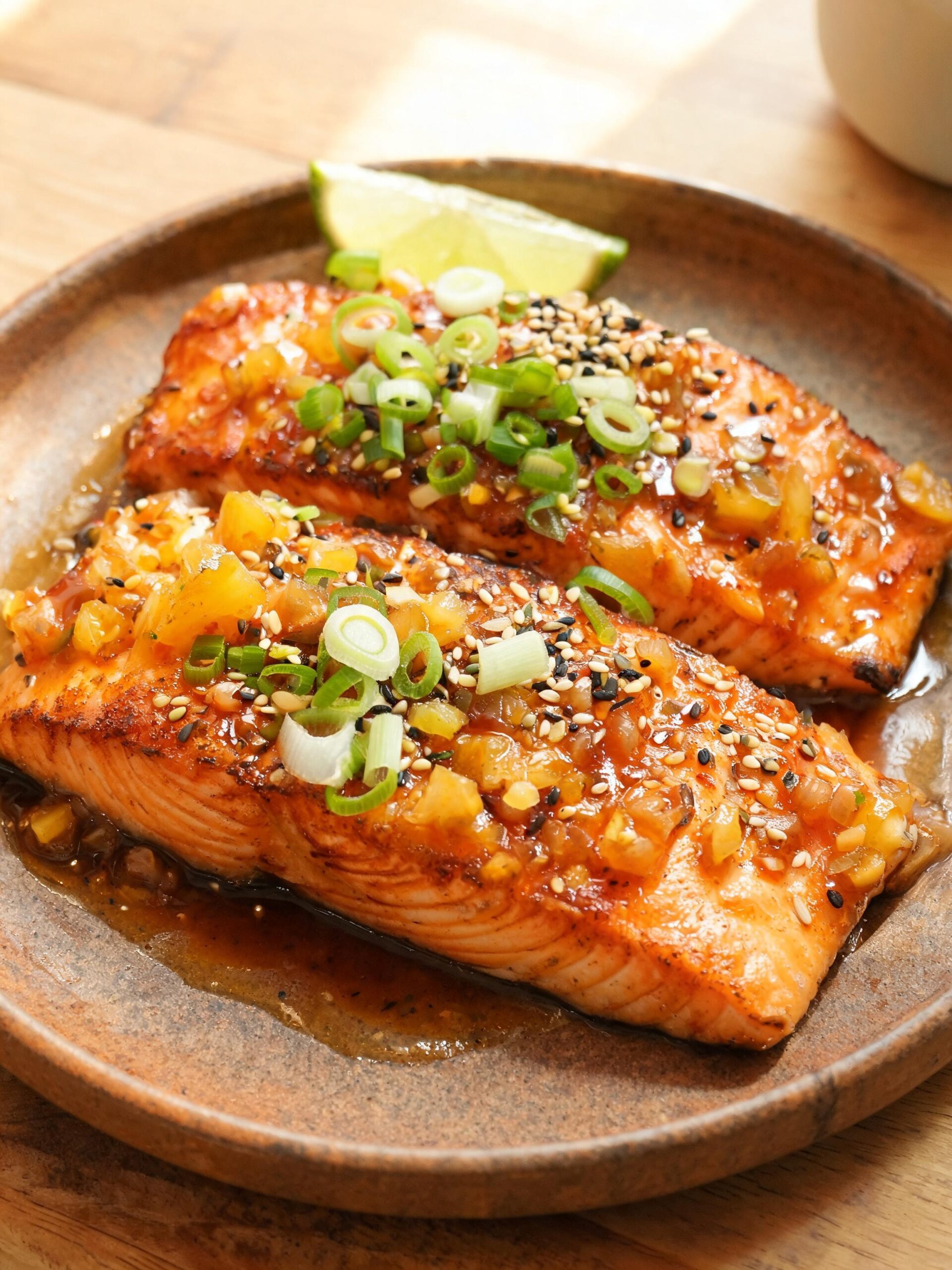
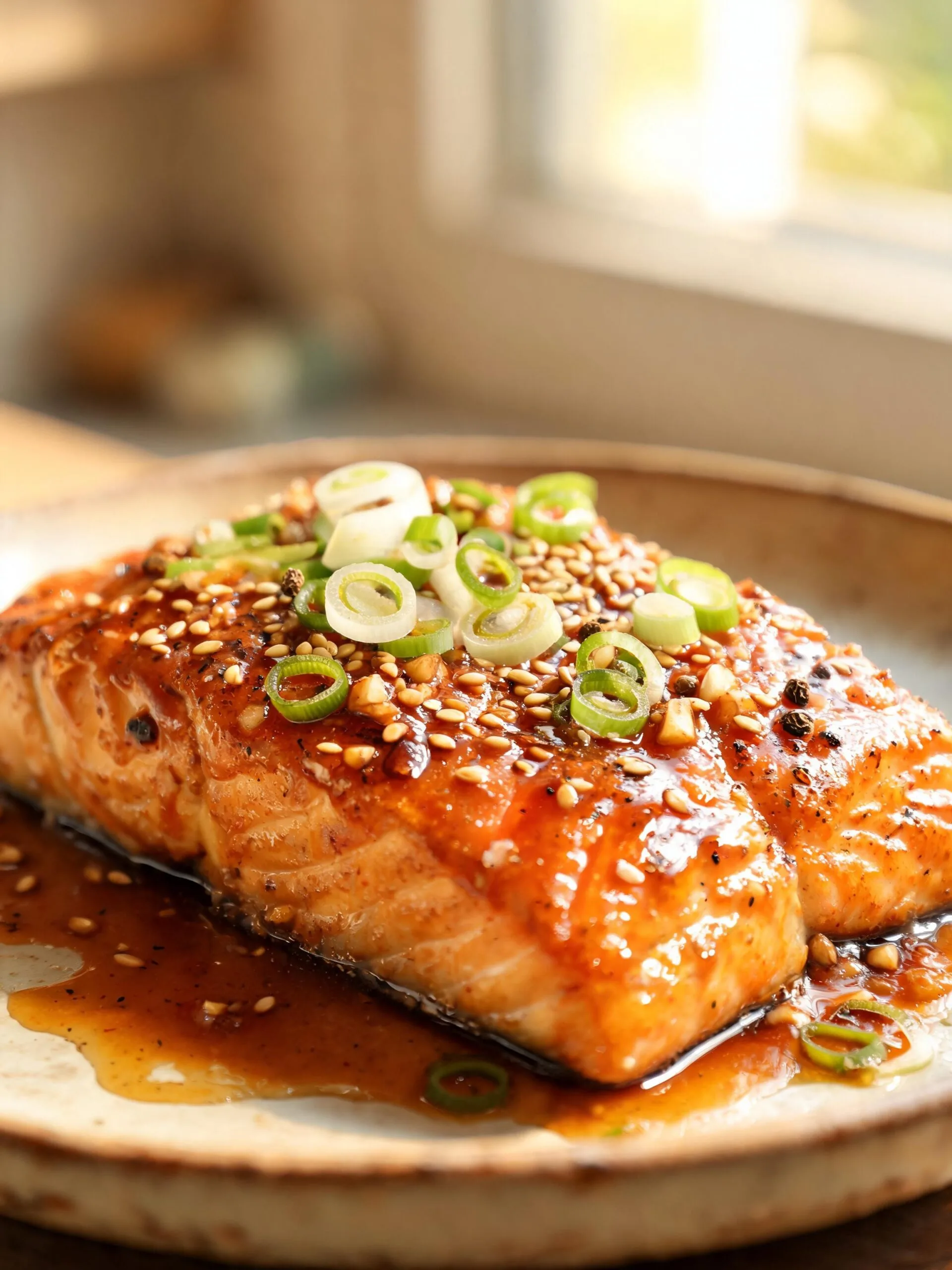
After two decades behind the line in professional seafood kitchens, I can tell you one thing for sure: teriyaki salmon is a classic for a reason. While I love a tropical, Grilled Pineapple Teriyaki Salmon in the summer, the stuff you get from a bottle or most restaurants is a sugar bomb. That’s why I developed this Sugar-Free Healthy Teriyaki Salmon recipe. It delivers that sticky, savory, umami-rich glaze you love without the sugar crash. We’re going to build a sauce from scratch that’s deeply flavorful, perfectly balanced, and clings to the salmon beautifully. This isn’t just a ‘healthy alternative’; it’s a genuinely better way to cook this dish. You get all the flavor, perfectly cooked fish, and a clean, satisfying meal that you can feel great about serving any night of the week. Forget takeout—this is the real deal, made right in your own kitchen.
Why You’ll Love This Recipe
- Restaurant Flavor, No Guilt: You get that authentic, rich, and glossy teriyaki glaze without a single gram of refined sugar. It’s a game-changer for healthy eating.
- Ready in 30 Minutes: This recipe is designed for busy weeknights. From prepping the sauce to searing the salmon, you can have a complete, impressive meal on the table in about 30 minutes.
- Incredibly Versatile: The salmon is fantastic on its own, but it’s also perfect for meal prep. Serve it over rice, quinoa, salads, or with a side of steamed vegetables.
Ingredients List
The key to a great dish is great ingredients. Here’s what you’ll need and why we’re using it. Precision matters, especially with the sauce.
For the Salmon:
- Salmon Fillets: 4 fillets, 6 ounces each, skin-on. The skin is crucial for protecting the flesh from overcooking and provides a wonderfully crispy texture. Ask your fishmonger for center-cut portions for even thickness.
- Avocado Oil: 1 tablespoon. It has a high smoke point, which is perfect for getting a hard sear on the salmon skin without burning.
- Kosher Salt: ½ teaspoon. For seasoning the salmon flesh before cooking.
- Black Pepper: ¼ teaspoon, freshly cracked.
For the Sugar-Free Teriyaki Sauce:
- Low-Sodium Tamari or Soy Sauce: ½ cup. Tamari is my preference as it’s typically gluten-free and has a richer, less harsh flavor than standard soy sauce. Low sodium is non-negotiable to control the saltiness.
- Water: ¼ cup. This helps balance the intensity of the tamari.
- Monk Fruit Sweetener with Erythritol (Granulated): 3 tablespoons. This is our sugar replacement. It mimics the sweetness and caramelization properties of sugar without the calories or glycemic impact. Start with 3 tablespoons and adjust if you prefer it sweeter.
- Rice Vinegar: 1 tablespoon. Provides a subtle acidic tang that cuts through the richness and balances the sauce. Make sure it’s unseasoned.
- Fresh Ginger: 1 tablespoon, finely grated. Use a microplane for the best results. Fresh ginger is bright and pungent; do not substitute with dried powder.
- Fresh Garlic: 2 cloves, finely minced or grated. Same as the ginger, fresh is essential for the aromatic depth of the sauce.
- Toasted Sesame Oil: 1 teaspoon. This is a finishing oil, not a cooking oil. It adds a powerful, nutty aroma that is characteristic of many Asian sauces. Add it at the end to preserve its flavor.
- Arrowroot Starch (or Cornstarch): 1 teaspoon, mixed with 1 tablespoon of cold water to create a slurry. This is our thickening agent. Arrowroot creates a clear, glossy glaze without any starchy taste.
For Garnish (Optional):
- Toasted Sesame Seeds: 1 tablespoon.
- Scallions: 2, thinly sliced on a bias.
Step-by-Step Instructions
Follow these steps carefully for a perfect result every time. Read through them once before you begin.
- Prepare the Salmon: Remove the salmon from the refrigerator about 15-20 minutes before cooking to let it come to room temperature. This promotes even cooking. Pat the fillets completely dry with paper towels, especially the skin side. Moisture is the enemy of a crispy skin. Season the flesh side with kosher salt and black pepper.
- Make the Teriyaki Sauce: In a small saucepan, combine the tamari, water, monk fruit sweetener, rice vinegar, grated ginger, and minced garlic. Whisk to combine. Bring the mixture to a simmer over medium heat, stirring occasionally until the sweetener has fully dissolved.
- Thicken the Sauce: While the sauce is simmering, mix the arrowroot starch and cold water in a small bowl until smooth. This is your slurry. Slowly pour the slurry into the saucepan while whisking constantly to prevent lumps. Continue to simmer for 1-2 minutes, until the sauce has thickened enough to coat the back of a spoon. Remove from the heat and stir in the toasted sesame oil. Set aside.
- Sear the Salmon: Heat the avocado oil in a large non-stick or cast-iron skillet over medium-high heat. The oil should shimmer before you add the fish. Carefully place the salmon fillets skin-side down in the hot pan. Press down gently on each fillet with a spatula for about 10 seconds to ensure the entire surface of the skin makes contact with the pan. This is the key to ultra-crispy skin.
- Cook the Salmon: Cook for 4-6 minutes on the skin side, depending on thickness. You can watch the color change as the salmon cooks up the side of the fillet. Do not move the fillets during this time. You want a deep, golden-brown crust.
- Flip and Glaze: Flip the salmon fillets. Immediately turn the heat down to low. Pour about half of the prepared teriyaki sauce over the salmon. Let it cook for another 2-3 minutes, spooning the glaze from the pan over the top of the fillets as it cooks. The salmon is done when it flakes easily with a fork or reaches an internal temperature of 130-135°F for medium. Be careful not to overcook.
- Serve Immediately: Remove the salmon from the pan and place it on a serving platter. Drizzle with the remaining warm teriyaki sauce. Garnish with toasted sesame seeds and sliced scallions before serving.
Chef’s Pro Tips for Success
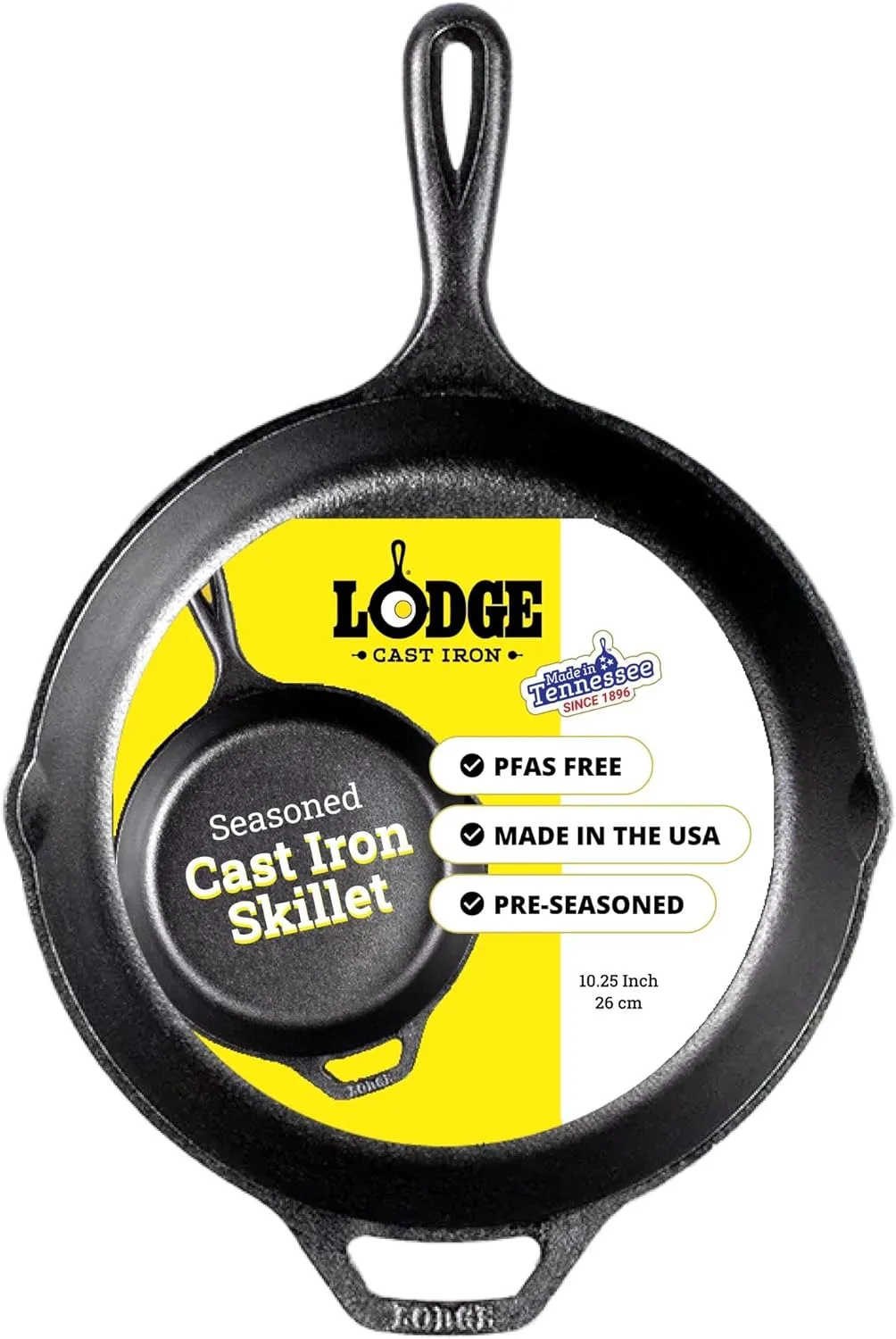
Speaking of getting a great sear, the pan you use is half the battle. For years, I’ve relied on my trusty Lodge Cast Iron Skillet. It gets screaming hot and holds that heat evenly, which is the absolute key to achieving that shatteringly crispy salmon skin we’re after. It delivers a sear that non-stick pans just can’t replicate, and it’s this precise tool that helps me nail this recipe every single time.
If you’re serious about cooking fish perfectly, this is the one pan you need in your arsenal.
Lodge 10.25 Inch Cast Iron Skillet with Assist Handle
✓ prime
We earn a commission if you make a purchase, at no additional cost to you.
After cooking thousands of pounds of salmon, I’ve learned a few things. These are the details that separate good from great.
- The Dry Sear is Everything: I cannot overstate the importance of patting the salmon skin completely dry. Use paper towels and press firmly. Any surface moisture will steam the skin instead of searing it, resulting in a soggy, rubbery texture. A dry surface allows the Maillard reaction to occur, creating that deep browning and crispy texture we all want.
- Control Your Pan Temperature: Start with a screaming hot pan (medium-high) to sear the skin, but immediately reduce the heat to low the moment you flip the salmon and add the sauce. The sugars (even from monk fruit) and soy in the teriyaki sauce can burn quickly over high heat, creating an acrid, bitter taste. Low heat allows the glaze to thicken and coat the fish without scorching.
- Don’t Drown the Fish: When you add the sauce to the pan, use only about half of it. This is enough to glaze the fish and create a pan sauce. Drowning the fillets will again steam the fish and soften that beautiful crispy skin you worked so hard for. Reserve the other half of the sauce for drizzling at the table, which provides a fresh, vibrant layer of flavor.
- Render the Fat: That 4-6 minute cook time on the skin side isn’t just about crisping the skin; it’s about rendering the fat. There’s a layer of fat right underneath the skin. By cooking it skin-down over steady heat, you melt this fat, which bastes the salmon from the bottom up, keeping it moist while also making the skin cracker-crisp. Don’t rush this step.
- Rest Your Salmon (Briefly): Just like a good steak, salmon benefits from a very brief rest. Once you pull it from the pan, let it sit on the cutting board for 1-2 minutes before serving. This allows the juices to redistribute throughout the fillet, ensuring every bite is moist and tender. This is a simple trick that makes a huge difference in the final texture of your Sugar-Free Healthy Teriyaki Salmon.
Common Mistakes to Avoid
Here are some common pitfalls I see home cooks make with salmon. Avoid these, and you’ll be in great shape.
- Starting with a Cold Pan: Placing salmon in a cold or lukewarm pan is a recipe for disaster. The fish will stick, the skin will tear when you try to flip it, and you’ll never achieve a proper sear. The oil must be hot and shimmering. This creates an instant crust that allows the fish to release easily from the pan.
- Overcooking the Salmon: This is the number one crime against good fish. Salmon cooks very quickly. The moment it starts to look opaque and flakes easily, it’s done. Carryover cooking will continue to raise the internal temperature even after you remove it from the heat. I pull my salmon at 130°F for a perfect medium. If you like it well-done, go to 145°F, but be aware it will be much firmer and less moist. An instant-read thermometer is your best friend here.
- Using a Sauce with No Body: If you just mix the sauce ingredients and pour them over, you’ll have a watery, disappointing result. The simmering and thickening step with the arrowroot slurry is absolutely critical. It transforms a thin liquid into a velvety glaze that actually clings to the fish, which is the entire point of a teriyaki dish.
- Crowding the Pan: If you squeeze too many fillets into one pan, you’ll lower the pan’s temperature and steam the fish instead of searing it. The fillets won’t get crispy, and they won’t brown properly. Cook in two batches if necessary. Give each fillet at least an inch of space around it.
Variations and Serving Ideas
This Sugar-Free Healthy Teriyaki Salmon recipe is a fantastic base. Once you’ve mastered it, feel free to experiment.
- Add Some Heat: Whisk ½ to 1 teaspoon of sriracha or a pinch of red pepper flakes into the sauce while it simmers. This adds a nice background heat that complements the sweet and savory notes.
- Citrus Kick: Add the zest of one orange or lime to the sauce at the very end (after removing from heat). The bright citrus oils will add a fresh, aromatic dimension that cuts through the richness of the salmon.
- Sheet Pan Version: For an even easier cleanup, you can make this on a sheet pan. Place the salmon on a parchment-lined baking sheet. Toss some broccoli florets and sliced red bell peppers with a little avocado oil, salt, and pepper, and arrange them around the salmon. Bake at 400°F for 10-12 minutes. In the last 2-3 minutes of cooking, brush the teriyaki glaze over the salmon and vegetables and broil for a minute to get a nice caramelization.
- Different Proteins: This sugar-free teriyaki sauce is excellent on more than just salmon. Try it with seared ahi tuna steaks, grilled chicken thighs, pork tenderloin, or even firm tofu. Adjust cooking times accordingly.
What to Serve With
A great main course deserves great sides. Here are some pairings that work perfectly with the savory glaze and rich salmon.
- Steamed Jasmine Rice: The classic pairing for a reason. The fluffy, fragrant rice is the perfect vessel for soaking up any extra teriyaki sauce. For a healthier option, use brown rice or quinoa.
- Cauliflower Rice: For a low-carb, keto-friendly meal, serve the salmon over a bed of cauliflower rice sautéed with a little garlic and sesame oil.
- Steamed or Roasted Vegetables: Simple is best. Steamed broccoli, blanched bok choy, or roasted asparagus with a squeeze of lemon provide a fresh, green contrast to the rich salmon.
- Creative Leftovers: Flake any leftover cooked salmon and save it for the next morning. It’s fantastic on our smoked salmon & avocado toast for a protein-packed breakfast idea.
- Sesame Cucumber Salad: A quick salad of thinly sliced cucumber, rice vinegar, and a few sesame seeds provides a cool, crisp, and tangy counterpoint that cleanses the palate between bites.
Storage and Reheating
Leftover salmon can be tricky, but if you handle it right, it can be just as delicious the next day.
Storage: Let the salmon cool completely to room temperature. Store it in an airtight container in the refrigerator for up to 2 days. Storing it while still warm will create condensation and make the fish soggy. The sauce can be stored separately in an airtight container for up to a week.
Reheating: The goal is to warm the salmon through without cooking it further. The microwave is your enemy here; it will dry out the fish and make it tough. The best method is to place the salmon in a small baking dish, add a splash of water or broth to the bottom, cover it tightly with foil, and heat it in a 275°F oven for 10-15 minutes, or until just warmed through. You can also flake the cold salmon and add it to salads or grain bowls.
FAQs (People Also Ask)
Here are answers to some questions you might have about this Sugar-Free Healthy Teriyaki Salmon recipe.
1. Can I use frozen salmon for this recipe?
Absolutely. Just make sure it’s fully thawed before you begin. The best way to thaw fish is to place it in the refrigerator overnight. Once thawed, the most important step is to pat it extremely dry with paper towels to remove any excess moisture from the freezing and thawing process. This is crucial for getting crispy skin.
2. Is there another sugar substitute I can use besides monk fruit?
Yes, you can use other 1:1 sugar substitutes like a stevia-erythritol blend or pure allulose. Allulose works particularly well as it caramelizes very much like real sugar. I would avoid pure stevia liquid or powder, as it doesn’t provide the bulk needed for the sauce and can sometimes have a bitter aftertaste. Start with a slightly smaller amount and adjust to your desired sweetness.
3. Why isn’t my sauce thickening?
There are two likely culprits. First, you might not have brought the sauce to a proper simmer after adding the slurry. The starch needs heat to activate and thicken. Second, make sure your slurry was made with cold water. Adding starch to hot liquid directly will cause it to clump instantly instead of dissolving and thickening the sauce evenly. Always mix your starch with a small amount of cold liquid first.
4. How do I know when my salmon is perfectly cooked without a thermometer?
Use a fork or the tip of a paring knife and gently press on the thickest part of the fillet. If the fish begins to separate into flakes easily, it’s done. You can also look at the color; it should be mostly opaque with just a hint of translucency in the very center for a perfect medium. If it’s opaque all the way through, it’s well-done.
5. Can I make the sugar-free teriyaki sauce ahead of time?
Yes, and it’s a great time-saver. You can prepare the entire sauce, including the thickening step, and store it in an airtight container or jar in the refrigerator for up to one week. It may thicken slightly more as it cools. Simply warm it gently in a saucepan over low heat before using it to glaze the salmon.
Nutrition
Nutrition Facts
(Per serving. Estimates only, varies by exact ingredients used)
Conclusion
This Sugar-Free Healthy Teriyaki Salmon proves that you never have to sacrifice flavor for health. With a few quality ingredients and the right technique, you can create a meal that tastes like it came from a high-end restaurant, right in your own kitchen. It’s a recipe that’s as satisfying to make as it is to eat. I truly hope this becomes a go-to favorite for you and your family.
Healthy Teriyaki Salmon | Low Sugar Dinner Recipe
Ingredients
- 4 (6 ounce) salmon fillets, skin-on
- 1 tbsp avocado oil
- ½ tsp kosher salt
- ¼ tsp black pepper, freshly cracked
- ½ cup low-sodium tamari or soy sauce
- ¼ cup water
- 3 tbsp monk fruit sweetener with erythritol, granulated
- 1 tbsp rice vinegar, unseasoned
- 1 tbsp fresh ginger, finely grated
- 2 cloves fresh garlic, finely minced
- 1 tsp toasted sesame oil
- 1 tsp arrowroot starch (or cornstarch)
- 1 tbsp cold water
- 1 tbsp toasted sesame seeds (for garnish)
- 2 scallions, thinly sliced (for garnish)
Instructions
- Pat salmon fillets completely dry with paper towels and season the flesh side with salt and pepper. Let sit at room temperature for 15 minutes.
- In a small saucepan, whisk together tamari, water, monk fruit sweetener, rice vinegar, ginger, and garlic. Bring to a simmer over medium heat until the sweetener dissolves.
- In a small bowl, mix the arrowroot starch with 1 tablespoon of cold water to create a smooth slurry. Whisk the slurry into the simmering sauce. Cook for 1-2 minutes until the sauce thickens. Remove from heat and stir in the toasted sesame oil.
- Heat avocado oil in a large non-stick skillet over medium-high heat until shimmering. Place salmon skin-side down and press gently with a spatula for 10 seconds.
- Cook for 4-6 minutes on the skin side, without moving, until the skin is golden brown and crispy.
- Flip the salmon, reduce heat to low, and pour about half of the teriyaki sauce over the fillets.
- Cook for another 2-3 minutes, spooning the glaze over the salmon, until cooked to your desired doneness (130-135°F for medium).
- Remove salmon from the pan, drizzle with remaining warm sauce, and garnish with sesame seeds and scallions before serving.