Introduction
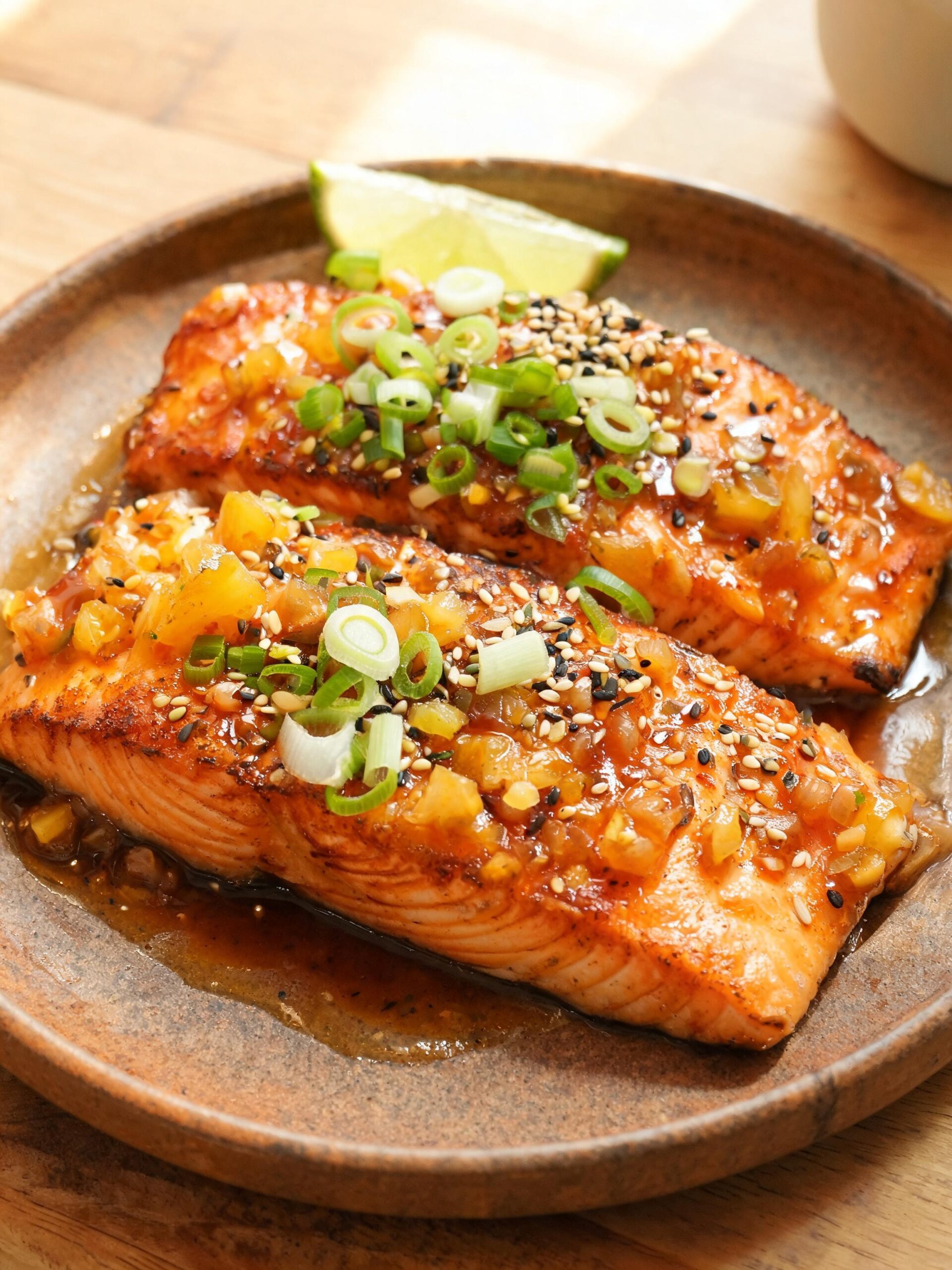
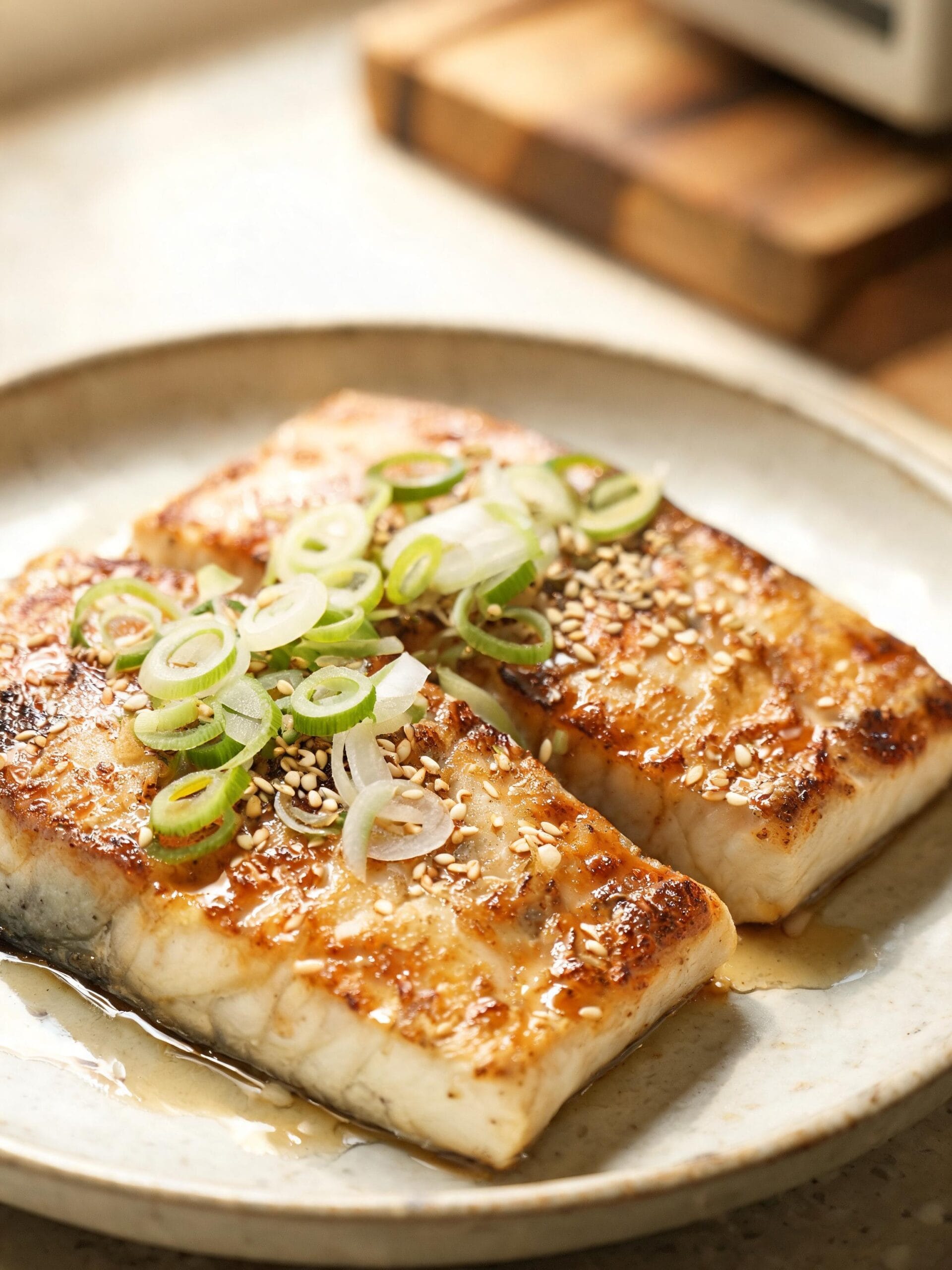
There are some meals that just stick with you, not because they’re complicated, but because they’re just right. This Soy Ginger Chilean Sea Bass With Scallions is one of those meals for me. I remember coming home after a long, cold day out on the water, hands stiff and smelling of brine. You don’t want a fussy dinner then. You want something that warms you from the inside out, something that tastes like comfort but also a little special. Chilean Sea Bass always felt like a treat. It’s got this rich, buttery texture that no other fish quite has. It flakes in these big, beautiful chunks and practically melts in your mouth. Pairing it with a simple soy-ginger sauce was just natural. It’s what we had in the pantry, and it’s what brought the fish to life without hiding it. This isn’t a restaurant dish; it’s a home dish, born from a need for something simple, quick, and deeply satisfying. It’s the kind of meal that makes a quiet Tuesday night feel like an occasion, especially when served with some warm, soft and buttery cheddar bay biscuits.
Why You’ll Love This Recipe
- Incredibly Fast: From fridge to table in about 30 minutes. It’s the perfect meal for when you’re tired but still want something amazing. No long marinating, no complicated steps.
- Unbelievable Flavor: The sauce is simple—soy, ginger, garlic, a touch of sweetness—but it hits all the right notes. It perfectly complements the rich, buttery fish without overpowering it.
- Feels Fancy, Cooks Easy: This is the kind of dish that impresses people. They’ll think you spent hours on it, but it’s honestly one of the easiest ways to cook a beautiful piece of fish.
Ingredients List
I like to keep things simple. You don’t need a hundred things to make fish taste good. Here’s what I always have on hand for this.
For the Chilean Sea Bass:
- Chilean Sea Bass: 4 fillets, about 6 ounces each, skin off. Try to get pieces that are about 1.5 inches thick. This helps them cook evenly.
- Neutral Oil: 2 tablespoons. Something like avocado, grapeseed, or even canola oil. Olive oil can smoke a bit too much for this.
- Kosher Salt: ½ teaspoon, for seasoning the fish.
- Black Pepper: ¼ teaspoon, freshly ground if you have it.
For the Soy Ginger Sauce and Garnish:
- Low-Sodium Soy Sauce: ½ cup. Using low-sodium gives you more control over the saltiness. You can always add more salt, but you can’t take it away.
- Mirin: ¼ cup. This is a sweet Japanese rice wine. It adds a beautiful gloss and a touch of sweetness that balances the soy sauce.
- Fresh Ginger: 2 tablespoons, peeled and grated finely. Don’t use the powdered stuff from a jar. The fresh stuff has a bright, zesty heat that is essential.
- Fresh Garlic: 3 cloves, minced very fine. Same as the ginger, fresh is the only way to go.
- Rice Vinegar: 1 tablespoon. Just a little splash to cut through the richness and brighten everything up.
- Sesame Oil: 1 teaspoon. A little goes a long way. We add this at the end for flavor, not for cooking.
- Scallions: 4-5, thinly sliced. I like to separate the white/light green parts from the dark green tops.
- Sesame Seeds: 1 tablespoon, for garnish. Toasted is best if you have them.
Step-by-Step Instructions
Take a deep breath. Cooking fish is easier than you think. Just watch it, feel it, and don’t walk away from the pan.
- Prep the Fish: Take the sea bass fillets out of the fridge about 15 minutes before you cook. Let them sit on a plate lined with paper towels. Just before cooking, pat them completely dry on all sides with more paper towels. This is the secret to a good sear. Sprinkle both sides with the kosher salt and black pepper.
- Mix the Sauce: While the fish is resting, grab a small bowl. Whisk together the low-sodium soy sauce, mirin, grated ginger, minced garlic, and rice vinegar. Set it aside. This way, you’re not scrambling for ingredients while the fish is in the hot pan.
- Sear the Sea Bass: Place a large skillet (cast iron or non-stick works well) over medium-high heat. Add the 2 tablespoons of neutral oil. When the oil is shimmering—you’ll see little waves in it—carefully place the sea bass fillets in the pan. Don’t crowd them. Cook them in two batches if you have to. Let them cook for about 4-5 minutes on the first side, undisturbed. You’re looking for a beautiful golden-brown crust.
- Flip and Cook Through: Gently flip the fillets with a fish spatula. Cook for another 3-4 minutes on the other side. The fish is done when it’s opaque and flakes easily with a fork. The exact time will depend on how thick your fillets are.
- Make the Glaze: Remove the fish from the skillet and set it on a plate. Turn the heat down to medium-low. Add the sliced white and light green parts of the scallions to the pan and cook for just 30 seconds until they’re fragrant.
- Simmer the Sauce: Pour the soy-ginger sauce mixture into the skillet. Let it bubble and simmer for 2-3 minutes, scraping up any tasty browned bits from the bottom of the pan. The sauce will thicken slightly into a glaze. Turn off the heat and stir in the teaspoon of sesame oil.
- Bring It All Together: Return the sea bass fillets to the pan. Spoon that beautiful glaze over each piece. Let them sit in the warm sauce for a minute. Serve immediately, topped with the fresh dark green parts of the scallions and a sprinkle of sesame seeds.
Small Tricks From Cooking Fish at Home
Speaking of secrets, one of the biggest isn’t a technique but a tool. To get that incredible, golden-brown crust we’re talking about, I always reach for my Lodge Cast Iron Skillet. Nothing holds and distributes heat quite like it, which is the key to searing fish perfectly without it sticking. It gives you that high, even temperature you need to follow the ‘Hot Pan, Cold Oil’ rule and get a crust that releases from the pan beautifully.
If you’re serious about elevating your home-cooked seafood, this is the one piece of equipment I’d say is non-negotiable. See for yourself why it’s a classic!
Lodge 10.25 Inch Cast Iron Skillet with Assist Handle
✓ prime
We earn a commission if you make a purchase, at no additional cost to you.

Over the years, you learn a few things standing over a stove. These aren’t chef secrets; they’re just things that work. Getting a perfect result with this Soy Ginger Chilean Sea Bass With Scallions is easy if you keep a few things in mind.
- The Dry Fish Rule: I mentioned it above, but it’s the most important thing. Moisture is the enemy of a good sear. If the fish is wet, it will steam in the pan instead of browning. It’ll still taste okay, but you’ll miss that beautiful crust and texture. Pat it dry, then pat it dry again.
- Hot Pan, Cold Oil: I always heat my pan up first, then add the oil right before the fish. When you add the oil to a hot pan, it heats up almost instantly and helps create a non-stick surface, even on stainless steel. You’ll know it’s ready when the oil shimmers. Don’t rush this part.
- Leave It Alone: When you place the fish in the pan, your first instinct is to poke it, move it, and check on it. Don’t. Let it sit there and form a crust. If you try to move it too early, it will stick and tear. After a few minutes, it will release itself from the pan naturally. Trust the process.
- Know Your Sauce: The sugar in the mirin can make this sauce go from a perfect glaze to a burnt mess in seconds. When you add it to the hot pan, keep the heat on medium-low and keep it moving. It only needs a couple of minutes to thicken up. If it gets too thick, you can always add a tablespoon of water to thin it out.
- Aromatics Last: Notice how we cook the fish first, then make the sauce? If you put the garlic and ginger in the pan with the fish, they would burn long before the fish is cooked through. By making the sauce separately in the same pan, you get all the flavor from the cooked fish (the fond) without burning the delicate aromatics.
Common Mistakes to Avoid
I’ve made every mistake in the book. Here are a few to watch out for so your dinner comes out perfect.
- Overcooking the Fish: This is the number one crime against good seafood. Chilean Sea Bass is forgiving because of its high fat content, but it can still get dry. The best way to check for doneness is to insert a fork into the thickest part and give it a gentle twist. If it flakes easily into big, moist chunks, it’s done. Take it off the heat immediately. It will continue to cook a little from the residual heat.
- Starting with a Cold Pan: If you put fish in a pan that isn’t hot enough, it will absorb oil, stick horribly, and never get that beautiful golden crust. You need to hear a sizzle the moment the fish touches the pan. Be patient and let the pan and oil get properly hot.
- Drowning the Fish in Sauce: This sauce is delicious, but the star is the fish. Don’t reduce the sauce so much that it’s a thick syrup, and don’t pour so much over the fish that you can’t taste its delicate, buttery flavor. It’s a glaze, not a gravy. A light coating is all you need. This is especially true when making Soy Ginger Chilean Sea Bass With Scallions, where balance is key.
- Using Bottled Ginger or Garlic: I know it’s convenient, but the stuff in jars just doesn’t taste the same. It often has a dull, sometimes slightly bitter or acidic taste from the preservatives. Freshly grated ginger and freshly minced garlic have a bright, pungent flavor that makes this simple dish sing. It takes two extra minutes and is worth every second.
Variations and Serving Ideas
Once you get the hang of this, you can play around with it. It’s a great base for other ideas.
- Add Some Heat: If you like a little kick, add a half teaspoon of red pepper flakes or a few thin slices of a fresh chili (like a Fresno or serrano) to the sauce when you’re simmering it.
- Citrus Twist: A squeeze of fresh lime or orange juice into the sauce at the very end can brighten it up even more. It adds another layer of flavor that works beautifully with the ginger.
- Mushroom Earthiness: Sauté some thinly sliced shiitake or cremini mushrooms in the pan after you remove the fish and before you make the sauce. They will soak up the flavor and add a wonderful, earthy element to the dish.
- Make it a Bowl: Serve the fish and sauce over a bowl of rice, and add some steamed or stir-fried vegetables like bok choy, broccoli, or snap peas. Drizzle a little extra sauce over everything. This turns a simple fillet into a complete, satisfying meal. This is my favorite way to enjoy Soy Ginger Chilean Sea Bass With Scallions.
What to Serve With
You don’t need to get complicated here. The fish is the main event. I almost always serve this with plain, simple steamed white rice. Jasmine rice is perfect. It’s a neutral base that’s perfect for soaking up every last drop of that incredible sauce. For a green, my go-to is steamed or sautéed baby bok choy with a little garlic. It’s quick, it’s easy, and the slight bitterness of the greens cuts through the richness of the fish. Steamed broccoli or asparagus also work great. The key is to keep the sides simple so they don’t compete with the main dish. If you’re planning another seafood night and want something a bit more decadent, our creamy seafood stuffed salmon is another fantastic choice.
Storage and Reheating
Honestly, this dish is at its absolute best the moment it comes out of the pan. Fish just doesn’t love being reheated. But, if you have leftovers, you can certainly save them.
- Storage: Let the fish cool to room temperature, then store it in an airtight container in the refrigerator for up to 2 days. Store any extra sauce separately if you can.
- Reheating: The microwave is not your friend here; it will make the fish rubbery and tough. The best way to reheat it is gently. Place the fillet in a small, oven-safe dish, add a splash of water or broth to create some steam, cover it with foil, and warm it in a 300°F (150°C) oven for about 10-15 minutes, or until just warmed through. You can also reheat it in a covered skillet over low heat with a splash of water.
FAQs (People Also Ask)
Can I use a different type of fish for this recipe?
Absolutely. While Chilean Sea Bass is special, this sauce is fantastic on other firm, white fish. Black cod (sablefish) is a great, equally buttery substitute. Halibut or even a thick cod fillet would also work well. You may need to adjust the cooking time depending on the thickness and leanness of the fish.
Can I make the soy ginger sauce ahead of time?
Yes, and it’s a great time-saver. You can whisk together all the sauce ingredients (soy sauce, mirin, ginger, garlic, rice vinegar) and store it in a sealed jar in the refrigerator for up to 3 days. Just leave out the sesame oil and scallions until you’re ready to cook.
My sauce is too salty. How can I fix it?
It happens! The easiest way to fix a sauce that’s too salty is to dilute it. Add a tablespoon or two of water or some unsalted broth. A squeeze of lemon or lime juice can also help balance the saltiness with acidity. In the future, always start with low-sodium soy sauce to give yourself more control.
Is Chilean Sea Bass a sustainable choice?
This is a really important question. It used to have a bad reputation, but things have improved a lot. When you’re buying it, look for fish that is certified by the Marine Stewardship Council (MSC). That blue MSC label means it comes from a fishery that is managed responsibly to prevent overfishing. Ask your fishmonger about their sourcing if you’re unsure.
Can I bake the fish instead of pan-searing it?
You can, though you’ll miss out on that crispy crust. To bake it, preheat your oven to 400°F (200°C). Place the seasoned fillets in a baking dish. Bake for 10-15 minutes, depending on thickness, until opaque and flaky. While the fish is baking, you can simmer the sauce on the stovetop. Then, just spoon the finished sauce over the baked fish to serve. It’s a great hands-off method for a delicious Soy Ginger Chilean Sea Bass With Scallions meal.
Nutrition
Nutrition Facts
(Per serving. Estimates only, varies by exact ingredients used)
Conclusion
This dish is more than just a recipe to me. It’s a reminder that the best meals don’t have to be the most complicated. It’s about taking a beautiful ingredient, treating it with respect, and letting it shine. It’s the taste of a quiet night, a special treat, and the comfort of a home-cooked meal. I hope you make it, and I hope it brings a little bit of that simple, coastal joy to your table. Enjoy.
Soy Ginger Chilean Sea Bass with Scallions – Easy Gourmet Dinner
Ingredients
- 4 (6-ounce) Chilean sea bass fillets, skin off, about 1.5 inches thick
- 2 tbsp neutral oil (like avocado or grapeseed)
- ½ tsp kosher salt
- ¼ tsp black pepper
- ½ cup low-sodium soy sauce
- ¼ cup mirin
- 2 tbsp fresh ginger, peeled and finely grated
- 3 cloves garlic, minced
- 1 tbsp rice vinegar
- 1 tsp toasted sesame oil
- 4-5 scallions, thinly sliced
- 1 tbsp sesame seeds, for garnish
Instructions
- Take fish out of the fridge 15 minutes prior to cooking. Pat fillets completely dry with paper towels and season both sides with salt and pepper.
- In a small bowl, whisk together the low-sodium soy sauce, mirin, grated ginger, minced garlic, and rice vinegar. Set aside.
- Heat a large skillet over medium-high heat. Add the neutral oil. Once shimmering, carefully place the sea bass fillets in the pan.
- Sear for 4-5 minutes on the first side without moving them, until a golden-brown crust forms.
- Gently flip the fillets and cook for another 3-4 minutes on the second side, or until the fish is opaque and flakes easily.
- Remove the fish from the skillet and set aside on a plate.
- Turn the heat down to medium-low. Add the white and light green parts of the scallions to the pan and cook for 30 seconds until fragrant.
- Pour the soy-ginger sauce into the skillet. Let it simmer and bubble for 2-3 minutes, stirring occasionally, until it thickens into a glaze.
- Turn off the heat and stir in the toasted sesame oil.
- Return the sea bass to the pan, spooning the glaze over each fillet.
- Serve immediately, garnished with the dark green parts of the scallions and sesame seeds.