Introduction
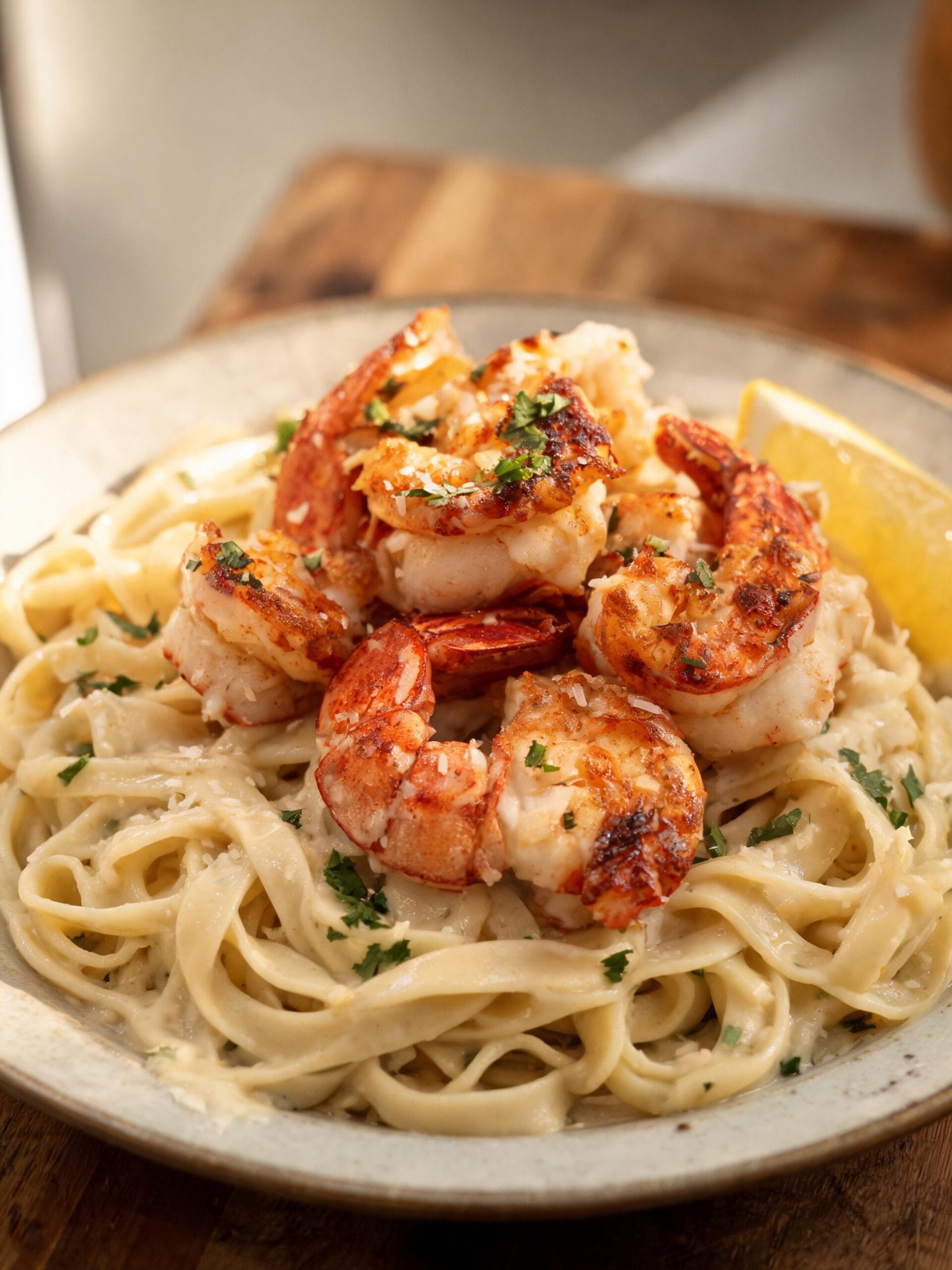
The first time I made Lobster Alfredo at home, I honestly wasn’t planning to. It was one of those evenings where the lobster tails had been sitting in the fridge since the day before — we’d gone out early, came back with more than we expected, and I just didn’t want to waste them. Much like my go-to recipe for Chilean sea bass, this dish came from a desire for an easy, yet elegant, dinner. I had pasta, I had cream, I had butter. That was enough.
What came out of that pan was one of the most quietly satisfying things I’ve ever put on the table. Not fancy. Not complicated. Just this easy lobster Alfredo that tasted like the sea somehow got folded into every bite. My youngest scraped the pot. That’s all the review I needed.
Why You’ll Love This Recipe
- It comes together fast — honestly under 40 minutes start to finish, even if you’re moving slow in the kitchen
- The flavor is genuinely rich — the lobster and the cream kind of melt into each other in a way that feels way more special than the effort involved
- You don’t need to know anything fancy — if you can boil pasta and stir a pan, you can make this
Quick Recipe Snapshot
Recipe: Lobster Alfredo
Serves: 4
Prep Time: 15 minutes
Cook Time: 20 minutes
Total Time: 35 minutes
Difficulty: Easy — beginner friendly
Best For: Weeknight dinner, date night at home, using up fresh or thawed lobster tails
Equipment: Large pot, wide skillet or sauté pan, tongs, grater
Ingredients List
For the lobster:
- 2 lobster tails (about 6–8 oz each) — fresh or thawed works fine, just make sure they’re fully defrosted
- 1 tablespoon unsalted butter — for cooking the lobster gently so it doesn’t toughen up
- 1 tablespoon olive oil
- Salt and black pepper to taste
For the Alfredo sauce:
- 3 tablespoons unsalted butter — this is the base of everything, don’t skip it
- 4 cloves garlic, minced — use fresh if you have it, the flavor is different
- 1 ½ cups heavy cream — the real stuff, not half and half, it needs the fat to hold together
- 1 cup freshly grated Parmesan cheese — pre-shredded from a bag tends to clump, fresh melts smoother
- ¼ teaspoon nutmeg — sounds odd but it does something quiet and warm to the sauce
- Salt and white pepper to taste
For the pasta:
- 12 oz fettuccine — the wide noodles hold the sauce better than thin ones
- 1 tablespoon salt for the pasta water
- ¼ cup reserved pasta water — save this before you drain, it helps loosen the sauce if needed
Optional garnish:
- Fresh parsley, chopped
- Extra Parmesan
- Lemon wedge on the side
Step-by-Step Instructions
- Start the pasta water first. Fill your biggest pot with water, salt it well, and get it on the heat. It takes longer than you think, and you want the pasta timing to line up with the sauce.
- Prep the lobster. If you’re using tails, use kitchen scissors to cut down the top of the shell and pull the meat out in one piece. Pat it dry with paper towels — wet lobster steams instead of searing and you lose that little bit of color on the outside.
- Cook the lobster. Heat the butter and olive oil in a wide skillet over medium-high heat. When it’s shimmering, lay the lobster tails in. Season with salt and pepper. Cook about 2–3 minutes per side depending on thickness. You’re looking for opaque and just firm — not rubbery. Pull them out and set aside on a cutting board. Don’t overcook here, they’ll go back into the warm sauce later.
- Make the sauce in the same pan. Drop the heat to medium. Add the 3 tablespoons of butter. Once it melts, add the garlic and let it go for about 60 seconds — just until it smells good, not until it browns. Pour in the heavy cream slowly and stir. Let it come up to a gentle simmer.
- Add the Parmesan. Take the pan off the heat for a second, then stir in the cheese a handful at a time. This keeps it from seizing up. Add the nutmeg, taste it, adjust salt and white pepper. If it feels too thick, a splash of pasta water loosens it right up. (This is why you save it.)
- Cook the pasta. Drop your fettuccine into the boiling water and cook to just under al dente — it’ll finish in the sauce. Before draining, scoop out about ¼ cup of that starchy water.
- Bring it all together. Add the drained pasta to the sauce and toss it over low heat for a minute or two. Slice the lobster into chunky pieces and fold it in gently. You don’t want to break it up too much. Serve right away.
Side note — I always taste the sauce one more time right before serving. The salt level changes slightly once the pasta goes in.
Small Tricks From Cooking Fish at Home
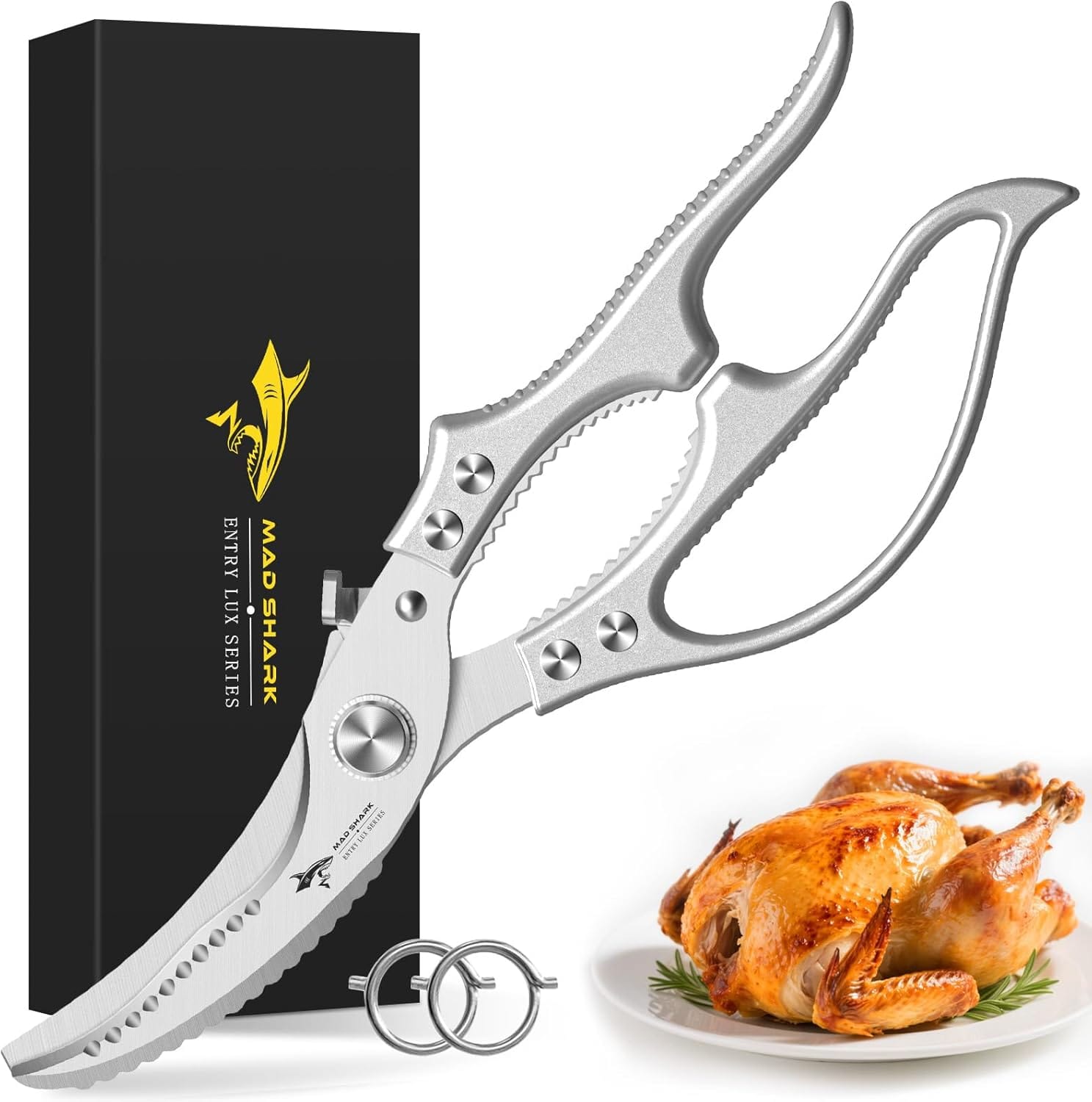
Before you can even think about the sauce, you have to get that lobster meat out of the shell cleanly. I’ve seen people wrestle with lobster tails using a big knife, which is dangerous, or flimsy kitchen scissors that just can’t handle the job. That’s why I always reach for a pair of heavy-duty shears. They slice right through the top of the shell with zero effort, giving me a perfect opening to pull the meat out in one beautiful, intact piece. It’s the difference between a messy prep and a clean, professional start.
Grab the same shears I rely on and make your next seafood dinner that much easier.
Heavy Duty Poultry Shears For Fish, Chicken, Vegetables, Spring Loaded
✓ prime
We earn a commission if you make a purchase, at no additional cost to you.
Dry your lobster before it hits the pan. I learned this the hard way after years of getting pale, sad-looking seafood. Moisture is the enemy of color, and color means flavor.
The pasta water thing is real. I used to dump it without thinking and then wonder why my sauce was gluey. That starchy water is basically free sauce insurance — keep a mug by the stove to remind yourself.
Don’t rush the garlic. Thirty seconds too long and it goes bitter and that bitterness follows the whole dish. I’ve ruined a sauce that way before. Medium heat, watch it, pull it when it smells sweet.
Fresh Parmesan matters more than you’d think. I’ve used the green can in a pinch and the sauce gets grainy and weird. A block of Parm from the store and a box grater takes two minutes and makes a real difference.
Let the lobster rest for a minute after cooking before you slice it. It holds the juices better. Same reason you’d rest any protein — the coast didn’t teach me that, a ruined lobster tail did.
Common Mistakes to Avoid
Overcooking the lobster. This is the one that hurts the most because there’s no fixing it. Lobster goes from perfect to rubbery in about 90 seconds. Pull it when it’s just opaque. It’ll carry over a little from the residual heat.
Adding the Parmesan to a screaming hot pan. The cheese seizes, clumps, and you end up with a stringy mess instead of a smooth sauce. Pull the pan off the heat, let it calm down, then stir the cheese in slowly.
Not salting the pasta water. The pasta is the base of everything and if it’s bland, the whole dish tastes flat no matter how good the sauce is. The water should taste like the sea — not quite, but close.
Skipping the pasta water entirely. I know I already mentioned it but I’ve watched people drain their pasta and immediately rinse it with cold water. Don’t do that. You wash off the starch that helps the sauce cling, and you cool everything down at the wrong moment.
Variations and Serving Ideas
Spicy version: Add a pinch of red pepper flakes to the butter when you cook the garlic. Just a pinch — it doesn’t need to be loud, just enough to feel it at the back of your throat. Some people add a little Cajun seasoning to the lobster before it hits the pan too.
Mild and simple: Skip the garlic entirely and just let the cream and Parmesan carry it. Some nights that’s exactly what you want. A little lemon zest stirred in at the end brightens it without adding any heat.
Coastal twist: Squeeze a lemon wedge over the finished bowl and add a few capers. It cuts through the richness and makes it feel lighter — more like something you’d eat at a picnic table near the water than a heavy pasta dinner.
What to Serve With
Crusty bread is the obvious one and it’s obvious for a reason. You need something to drag through the sauce at the bottom of the bowl. A good sourdough or a French baguette, nothing too soft. For a fantastic appetizer to start the meal, these easy stuffed mushrooms with crab are a perfect choice.
A simple green salad with a sharp vinaigrette helps balance the richness. Something with arugula and lemon dressing works well — the bitterness of the greens cuts through the cream in a way that makes you want another bite of pasta.
Roasted asparagus or broccolini on the side if you want something warm. Keep the seasoning plain so it doesn’t compete. Just olive oil, salt, a hot oven.
Storage and Reheating
Store leftovers in an airtight container in the fridge. It’ll keep for about 2 days — after that the lobster starts to get a little off and the sauce separates in a way that’s hard to fix.
DO NOT microwave this on high. The lobster turns into something chewy and sad and the sauce breaks into a greasy mess. Reheat it slowly in a pan over low heat with a splash of cream or a little water to bring it back together.
DO NOT freeze it. Cream-based sauces don’t survive the freezer. They separate completely when thawed and the lobster texture suffers badly. Make what you’ll eat.
FAQs (People Also Ask)
Can I use frozen lobster tails? Yes, absolutely. Just thaw them overnight in the fridge — don’t rush it under hot water or the texture gets weird. Pat them completely dry before cooking.
How do I know when the lobster is done? The meat will be opaque all the way through and feel just firm when you press it lightly. If it still looks translucent in the middle, give it another 30–60 seconds. If it’s curling up tight and feels hard, you’ve gone too far.
Can I substitute the heavy cream? You can use half and half but the sauce will be thinner and won’t cling to the pasta as well. Some people use cream cheese blended with a little milk — it works in a pinch but the flavor is different. For the best result, use the real cream.
How long does this take from start to finish? Realistically about 35 minutes if you’re moving at a normal pace. Maybe 40 if it’s your first time and you’re reading through the steps as you go. It’s genuinely one of the faster seafood dinners I make.
Can I make the sauce ahead of time? The sauce can be made a few hours ahead and kept warm on very low heat or reheated gently. But cook the lobster and pasta fresh — they don’t hold well and reheated lobster loses a lot of what makes it worth eating.
Nutrition Facts
(Per serving. Estimates only, varies by exact ingredients used)
Conclusion
There’s something about making a dish like this at home that feels a little like cheating — in the best way. It doesn’t take long, it doesn’t take training, and it tastes like something that should have cost you more effort than it did.
That first accidental batch I made with the leftover tails — I think about it sometimes when I’m standing at the stove. How the kitchen smelled. How quiet the house was. How something that started as not wanting to waste food turned into one of those meals people ask about later.
That’s the thing about cooking near the water. The ingredients do most of the work. You just have to stay out of their way.
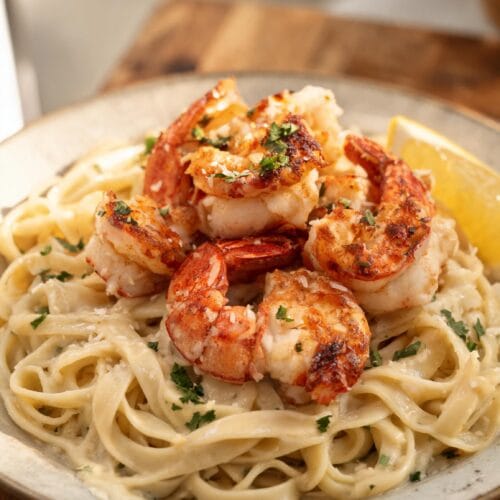
Lobster Alfredo That Tastes Like the Coast Made It
Ingredients
- 2 lobster tails (6–8 oz each)
- 1 tablespoon unsalted butter (for lobster)
- 1 tablespoon olive oil
- Salt and black pepper to taste
- 3 tablespoons unsalted butter (for sauce)
- 4 cloves garlic, minced
- 1 1/2 cups heavy cream
- 1 cup freshly grated Parmesan cheese
- 1/4 teaspoon ground nutmeg
- Salt and white pepper to taste
- 12 oz fettuccine
- 1 tablespoon salt (for pasta water)
- 1/4 cup reserved pasta water
- Fresh parsley, chopped (optional garnish)
- Lemon wedge (optional)
Instructions
- Fill a large pot with water, salt generously, and bring to a boil over high heat.
- Remove lobster meat from shells by cutting down the top of the shell with kitchen scissors. Pat the meat completely dry with paper towels.
- Heat 1 tablespoon butter and olive oil in a wide skillet over medium-high heat. Sear lobster tails 2–3 minutes per side until just opaque. Season with salt and pepper. Remove and set aside on a cutting board.
- Reduce heat to medium. Add 3 tablespoons butter to the same pan. Once melted, add minced garlic and cook for about 60 seconds until fragrant but not browned.
- Pour in the heavy cream slowly while stirring. Bring to a gentle simmer and let it cook for 2–3 minutes.
- Remove pan from heat briefly. Stir in Parmesan cheese a handful at a time until smooth. Add nutmeg, taste, and adjust salt and white pepper.
- Cook fettuccine in the boiling salted water to just under al dente. Before draining, scoop out 1/4 cup pasta water and set aside.
- Drain pasta and add it to the sauce. Toss over low heat for 1–2 minutes, adding a splash of pasta water if needed to loosen the sauce.
- Slice lobster into chunky pieces and fold gently into the pasta. Serve immediately with fresh parsley and a lemon wedge if desired.