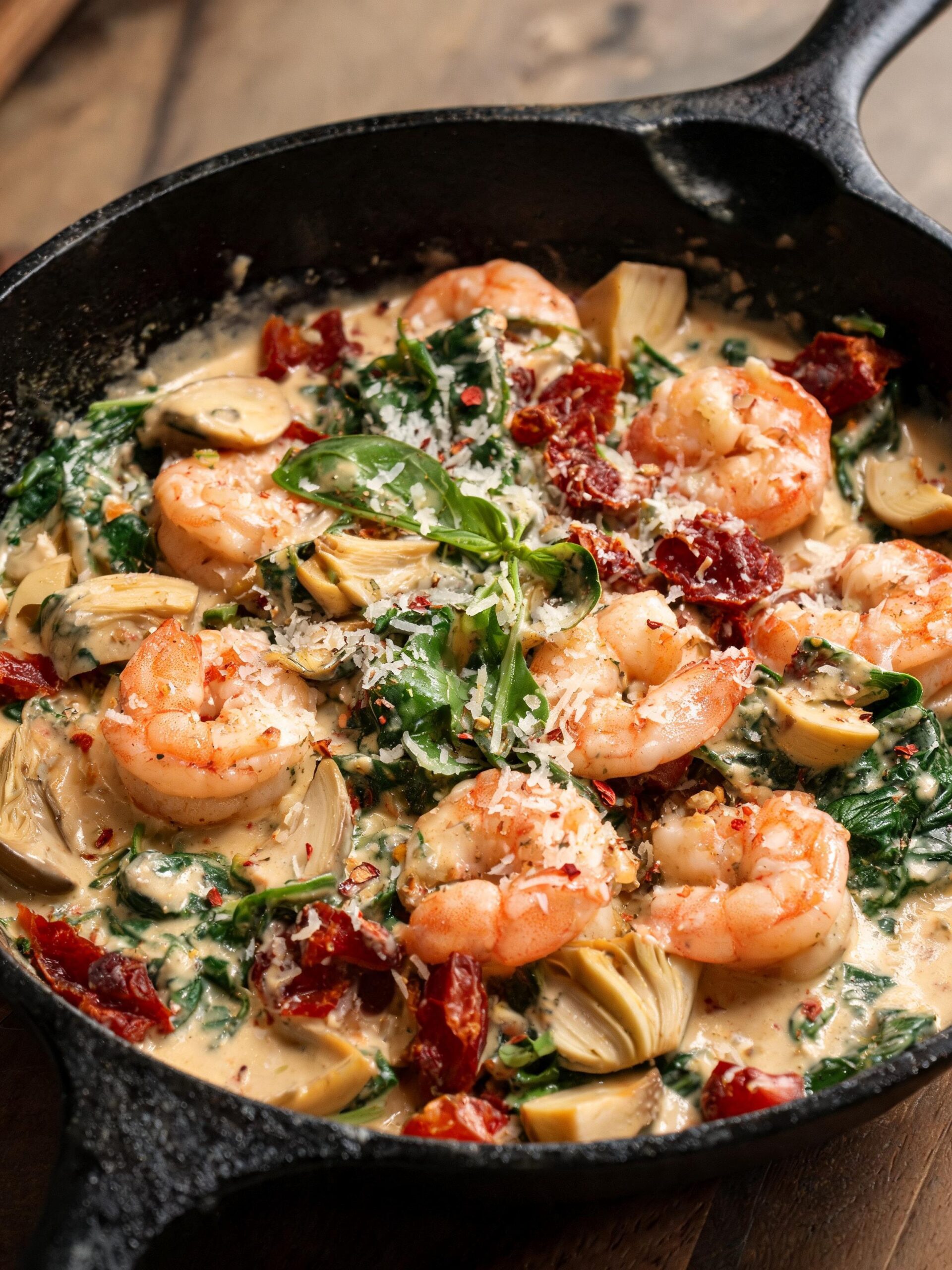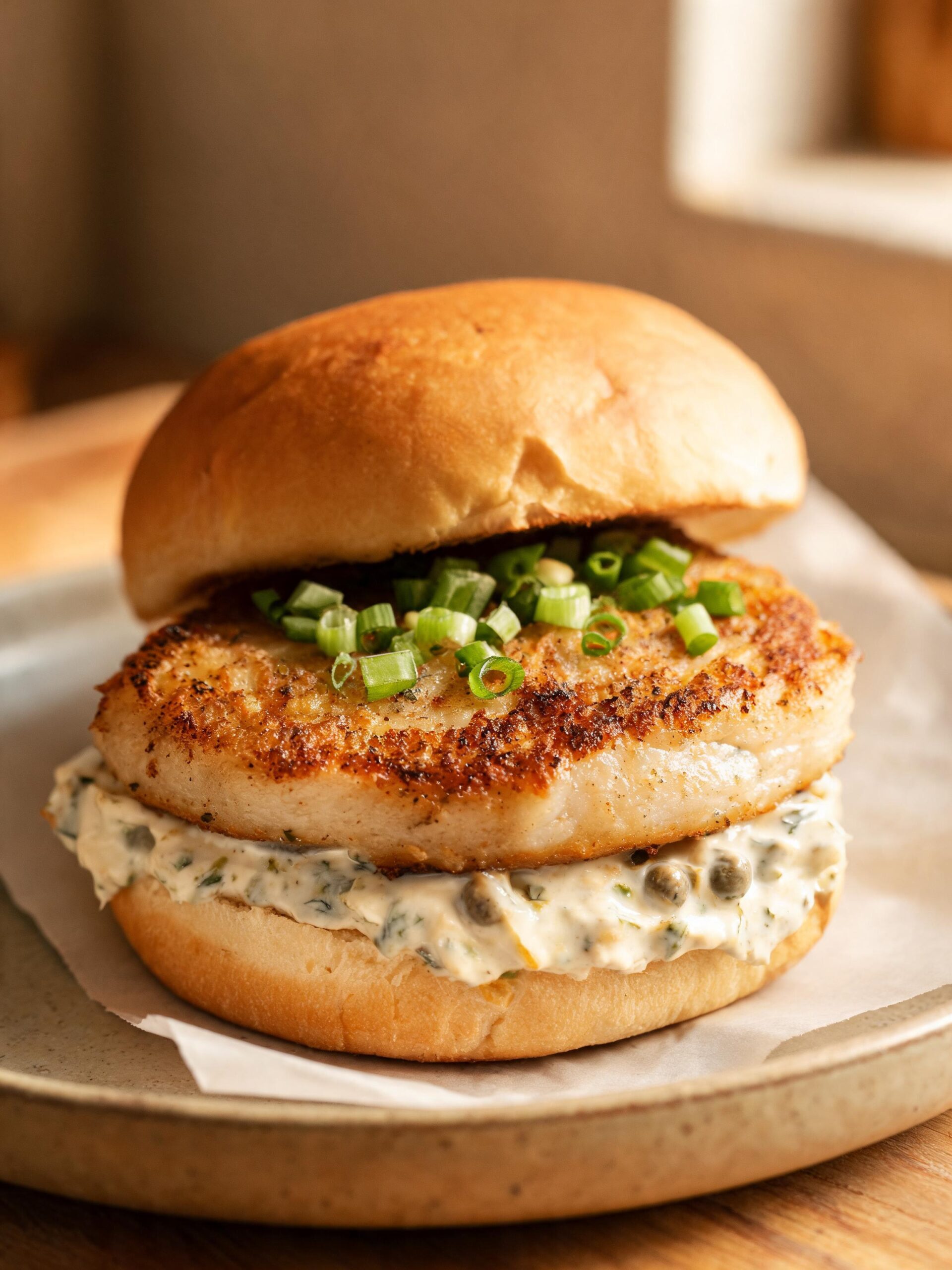
Introduction
Some of the best dinners just happen. You didn’t plan them or try to impress anyone. Much like how a perfect tuna salad sandwich can come together from pantry staples, this salmon pesto pasta first showed up in my kitchen from similar circumstances. There was leftover salmon from the night before, a half-used jar of pesto, and a box of pasta in the cabinet. It wasn’t from a formal recipe, just from being tired and hungry after a long day near the water.
And honestly? It was one of the best things I’d made in months. The kind of meal that makes you stop mid-bite and think, okay, I’m making this again on purpose next time.
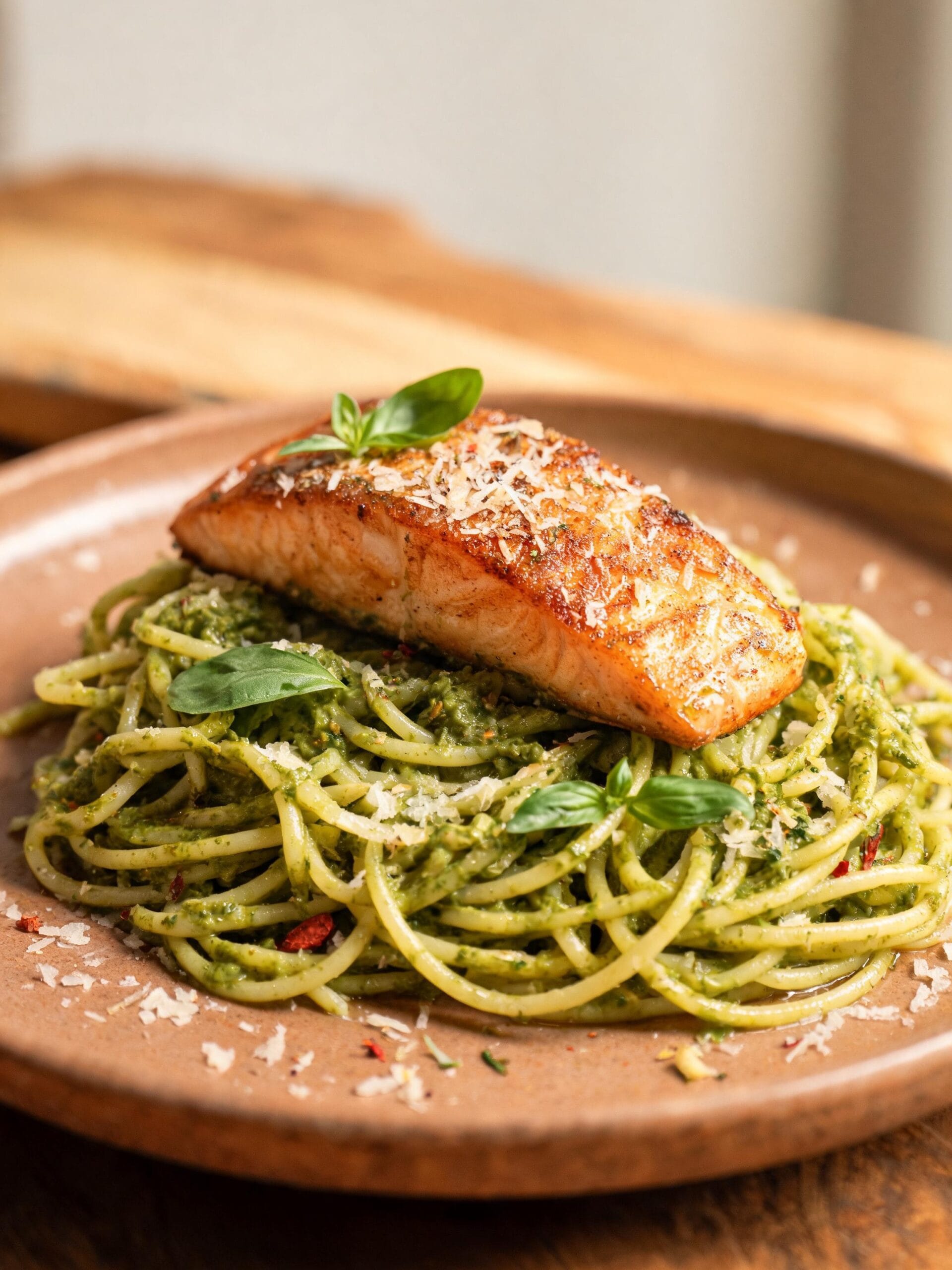
This easy salmon pesto pasta has become one of those reliable weeknight things I come back to over and over. It’s fast, it doesn’t ask much of you, and it tastes like something you’d eat at a little table outside near the ocean — even if you’re just sitting at your kitchen counter in bare feet.
Why You’ll Love This Recipe
- It comes together in about 30 minutes, start to finish — no complicated steps, no special equipment, nothing you need to babysit.
- The flavors are genuinely good. Flaky salmon, herby pesto, and pasta that soaks up just enough of the sauce to make every bite feel rich without being heavy.
- It works whether you’re cooking for yourself after a long day or throwing something together for a few people on a weeknight when nobody wants to wait long.
Quick Recipe Snapshot
Prep Time: 15 minutes
Cook Time: 20 minutes
Total Time: 35 minutes
Servings: 4
Difficulty: Easy — beginner friendly
Best For: Weeknight dinner, quick lunch, casual coastal meal
Ingredients List
For the Salmon:
- 1 lb salmon fillets, skin on or off — fresh is best but thawed frozen works fine
- 1 tablespoon olive oil — just enough to keep it from sticking
- ½ teaspoon salt
- ¼ teaspoon black pepper
- ½ teaspoon garlic powder — optional but it adds a nice background warmth
For the Pasta:
- 12 oz pasta — linguine, spaghetti, penne, or whatever you have; I usually use linguine because it holds the pesto well
- ½ cup basil pesto — store-bought is completely fine; homemade if you have it is even better
- ¼ cup pasta water — saved from cooking, this is the quiet secret that makes the sauce silky instead of clumpy
- 2 tablespoons olive oil
- 2 garlic cloves, minced — fresh garlic here makes a real difference
- Juice of half a lemon — brightens everything up, cuts through the richness
- Salt to taste
To Finish:
- ¼ cup grated Parmesan — or more, honestly, nobody’s watching
- Fresh basil leaves, a small handful
- Red pepper flakes, optional — a little heat is nice if you like it
- Lemon zest, optional but worth it
Step-by-Step Instructions
- Start by bringing a big pot of well-salted water to a boil. Don’t rush this part — properly salted pasta water is one of those small things that actually matters. While you wait, pat your salmon dry with a paper towel. Dry fish browns better. Wet fish kind of steams and goes a little sad in the pan.
- Season the salmon on both sides with salt, pepper, and garlic powder if you’re using it. Heat a skillet over medium-high heat and add your olive oil. Once it shimmers — not smoking, just shimmering — lay the salmon in gently. Cook about 3 to 4 minutes per side depending on thickness. You want it to flake easily when you press it lightly with a fork. Set it aside on a plate and let it rest for a few minutes.
- Drop your pasta into the boiling water and cook it according to the package. Before you drain it, scoop out about a half cup of that starchy pasta water. Don’t skip this. It looks like nothing but it does a lot of work in the sauce.
- In the same skillet you used for the salmon — don’t wash it, those little browned bits are flavor — add the two tablespoons of olive oil over medium-low heat. Add the minced garlic and let it soften for about a minute. Just until fragrant. If it starts to brown fast, pull the heat down.
- Add the drained pasta to the skillet and pour in the pesto. Toss it around. Add a splash of that pasta water and keep tossing until everything looks coated and glossy. If it seems dry, add a little more pasta water. The sauce should cling to the pasta, not pool at the bottom.
- Squeeze the lemon juice over everything. Flake the cooked salmon into big chunks directly into the pan. Fold it in gently — you want pieces, not mush. Taste for salt. Plate it up, scatter the Parmesan and fresh basil on top, and add red pepper flakes if you want that little kick.
That’s it. Thirty-something minutes and you’ve got a real dinner on the table.
Small Tricks From Cooking Fish at Home
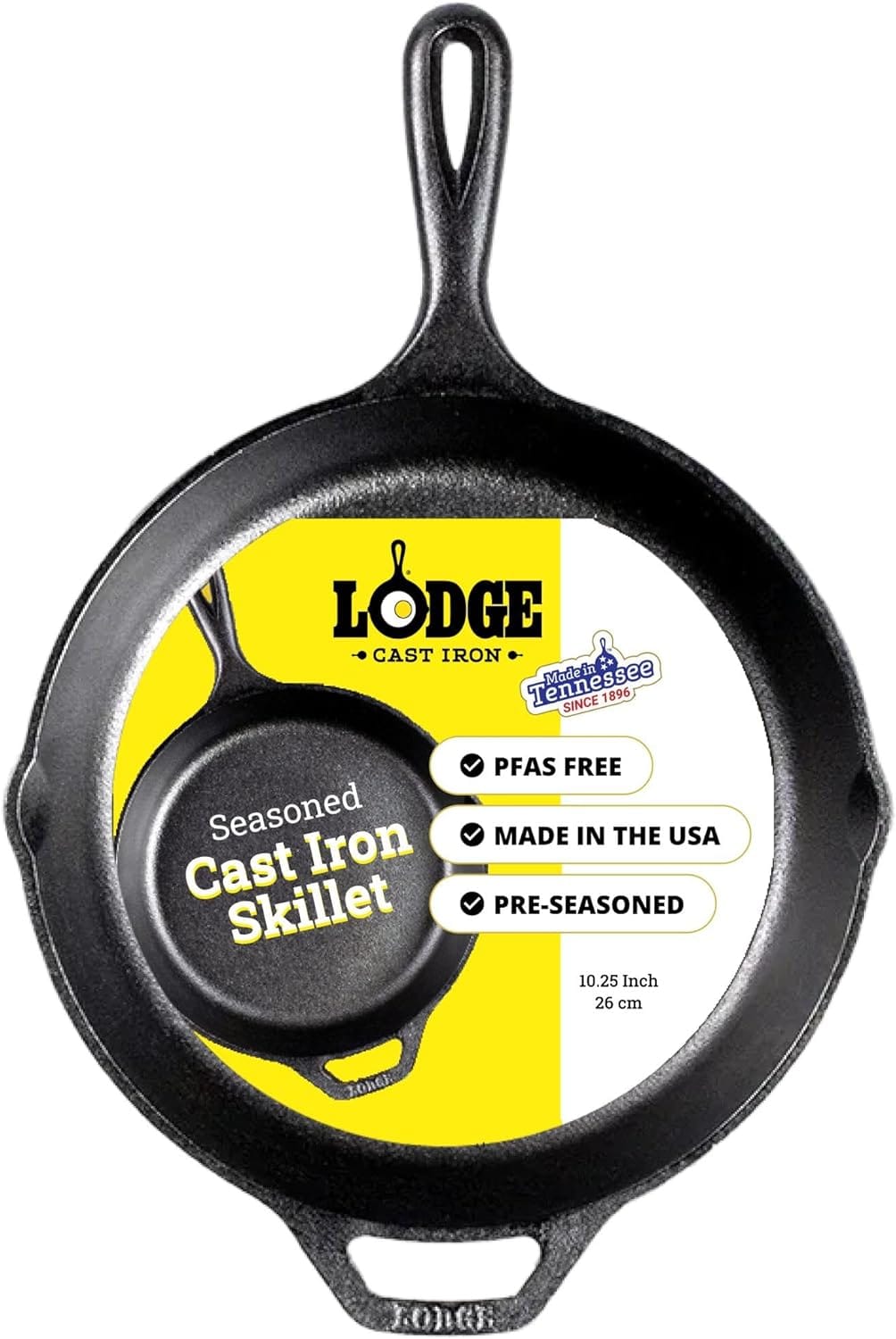
For a dish like this, where you need a perfect sear on the salmon without overcooking it, the right pan makes all the difference. I always reach for my Lodge Cast Iron Skillet. It gets incredibly hot and holds that heat evenly, which gives you that beautiful, crisp salmon skin and a perfectly cooked interior. The residual heat is also perfect for gently warming the garlic and pesto for the sauce without scorching them. It’s a workhorse that’s key to the texture and flavor of this dish.
If you don’t have a reliable cast iron skillet in your kitchen, this is the one to get. It’s an investment that will pay off in countless meals.
Lodge 10.25 Inch Cast Iron Skillet with Assist Handle
✓ prime
We earn a commission if you make a purchase, at no additional cost to you.
The pasta water thing sounds like something people say just to sound smart in the kitchen, but I’ve skipped it before and I’ve used it, and the difference is real. The starch in that water helps the pesto loosen and stick to the pasta instead of just sliding off. Use it.
Don’t flake the salmon too early. I used to break it up into the sauce while it was still in the pan cooking and it would turn into this kind of mushy pile. Now I cook it separately, let it rest, and fold it in at the very end. The texture stays in big satisfying pieces that way.
If you’re using store-bought pesto from a jar — and there is absolutely nothing wrong with that — taste it before you add it. Some jars are saltier than others, some are more garlicky. Adjust your seasoning after you add it, not before.
I learned the hard way that high heat and pesto don’t get along. If the pan is too hot when you add it, the pesto kind of seizes up and loses that bright green color and fresh herb flavor. Medium-low heat, let it warm through gently.
Lemon. Always lemon. Even just a squeeze at the end. Salmon and pesto are both rich and a little heavy on their own, and the lemon just lifts the whole thing. It doesn’t make it taste like lemon — it just makes it taste more like itself.
Common Mistakes to Avoid
Overcooking the salmon is probably the most common one. It goes from perfect to dry really fast, especially on higher heat. When it flakes when you press it gently, it’s done. You don’t need to cook it all the way through until it’s opaque and firm — that’s usually a minute or two past where you want to be.
Adding pesto to a screaming hot pan. I’ve done this. The color goes dull, the flavor goes flat, and suddenly your sauce smells more like cooked garlic than fresh basil. Keep the heat low when the pesto goes in.
Draining the pasta and immediately rinsing it under cold water. I know some people do this out of habit. Don’t do it here. The starch on the outside of the pasta is what helps the pesto sauce stick. Rinsing it off means your sauce slides right off and pools at the bottom of the bowl.
Using too much pesto. It sounds like more would be better but pesto is strong and oily and a little goes a long way. Half a cup for a pound of pasta is the right ratio. You can always add a little more at the table but you can’t take it back once it’s in there.
Variations and Serving Ideas
Spicy version: Add a generous pinch of red pepper flakes to the garlic oil before the pasta goes in. You can also use a spicy arrabbiata-style pesto if your store carries it. The heat plays really well against the richness of the salmon.
Mild version: Skip the garlic powder on the salmon and use a mild store-bought pesto. Add a little extra lemon and some baby spinach tossed in at the end — it wilts quickly and adds color and a gentle freshness without any heat at all.
Coastal twist: Add a handful of cherry tomatoes halved and thrown into the skillet with the garlic for a minute before the pasta comes in. Or stir in a few capers right at the end. Something about capers and salmon together just tastes like the sea in the best possible way.
What to Serve With
A simple green salad with an acidic dressing, like a lemon vinaigrette, is the perfect partner to balance the richness of this pasta. You want something fresh and sharp on the side. While this dish is a fantastic light meal, if you prefer a heartier seafood dinner, a Southern classic like shrimp sausage dirty rice is another excellent option for another night.
Crusty bread. Nothing fancy. Just something you can drag through any pesto that ends up on the plate. That’s the whole point.
If you want something warm on the side, roasted asparagus or blistered green beans take about the same amount of time as the pasta and they don’t compete with the flavors at all. They just sit there and make the plate feel complete.
Storage and Reheating
Store leftovers in an airtight container in the fridge. It keeps for about two days. The salmon will firm up a little overnight — that’s normal.
To reheat, add a small splash of water or olive oil to a pan over low heat and warm it slowly, tossing gently. The pasta will loosen back up. DO NOT microwave this at full power — the salmon turns rubbery and the pesto gets oily and separated. If you have to use the microwave, do it on 50% power in short 30-second bursts.
DO NOT freeze this. Pesto-based pasta doesn’t freeze well and salmon that’s been frozen, cooked, and frozen again has a texture that’s hard to come back from. Just eat the leftovers within two days and you’ll be fine.
FAQs (People Also Ask)
Can I use frozen salmon for this?
Yes, totally. Just make sure it’s fully thawed before you cook it. Pat it very dry — frozen salmon tends to hold more moisture and that extra water in the pan will steam it instead of sear it. The texture won’t be quite the same as fresh but it still works well in this dish.
How do I know when the salmon is cooked through?
Press the thickest part gently with a fork. If it starts to flake and separate, it’s done. The inside should look just barely opaque — not translucent and raw, but not dry and pale either. There’s a short window and you’ll learn to feel it after a couple of times.
Can I substitute the pesto?
If you don’t have basil pesto, sun-dried tomato pesto works and gives it a slightly sweeter, deeper flavor. You could also use a simple mix of olive oil, garlic, and fresh herbs in a pinch. It won’t be the same but it’ll still be good.
How long does this take from start to finish?
Honestly about 30 to 35 minutes if you’re moving at a normal pace. It’s genuinely one of the faster real dinners I know how to make. Nothing complicated, nothing that needs much attention.
Is this recipe okay for beginners?
Yes. If you can boil water and cook something in a pan, you can make this. The only part that trips people up is the salmon timing, and even if you go a minute over it’s still going to taste good. Don’t stress it.
Nutrition
Nutrition Facts
(Per serving. Estimates only, varies by exact ingredients used)
Conclusion
There’s something about a meal that came together by accident that always tastes a little better than one you planned. Maybe because there was no pressure. No expectation. Just hunger and whatever was around.
This quick salmon pesto pasta dinner started that way for me and it’s stayed in the rotation ever since. Some nights I make it exactly as written here. Other nights I throw in whatever’s in the fridge — a few cherry tomatoes, some leftover roasted vegetables, whatever’s about to turn. It holds up either way.
If you make it, I hope it does the same thing for you that it did for me that first time. Makes you stop mid-bite. Makes you feel like you’re somewhere near the water, even if you’re not.
Salmon Pesto Pasta That Tastes Like a Coastal Summer Night
Ingredients
- 1 lb salmon fillets skin on or off
- 1 tablespoon olive oil for salmon
- 1/2 teaspoon salt for salmon
- 1/4 teaspoon black pepper
- 1/2 teaspoon garlic powder optional
- 12 oz linguine or pasta of choice
- 1/2 cup basil pesto store-bought or homemade
- 1/4 cup reserved pasta water
- 2 tablespoons olive oil for sauce
- 2 garlic cloves minced
- Juice of half a lemon
- Salt to taste
- 1/4 cup grated Parmesan cheese
- Small handful fresh basil leaves
- Red pepper flakes optional
- Lemon zest optional
Instructions
- Bring a large pot of well-salted water to a boil. While waiting, pat salmon fillets dry with paper towels and season both sides with salt, pepper, and garlic powder if using.
- Heat a skillet over medium-high heat and add 1 tablespoon olive oil. Once shimmering, add salmon and cook 3 to 4 minutes per side until it flakes easily when pressed gently. Transfer to a plate and let rest.
- Cook pasta according to package directions. Before draining, scoop out about 1/2 cup of pasta water and set aside. Drain pasta.
- In the same skillet used for salmon over medium-low heat, add 2 tablespoons olive oil. Add minced garlic and cook about 1 minute until fragrant but not browned.
- Add drained pasta to the skillet and spoon in the pesto. Toss to combine. Add pasta water a splash at a time until the sauce is glossy and coats the pasta evenly.
- Squeeze lemon juice over the pasta. Flake the rested salmon into large chunks and fold gently into the pasta. Taste and adjust salt as needed.
- Plate and top with grated Parmesan, fresh basil leaves, red pepper flakes if using, and lemon zest if desired. Serve immediately.