Introduction
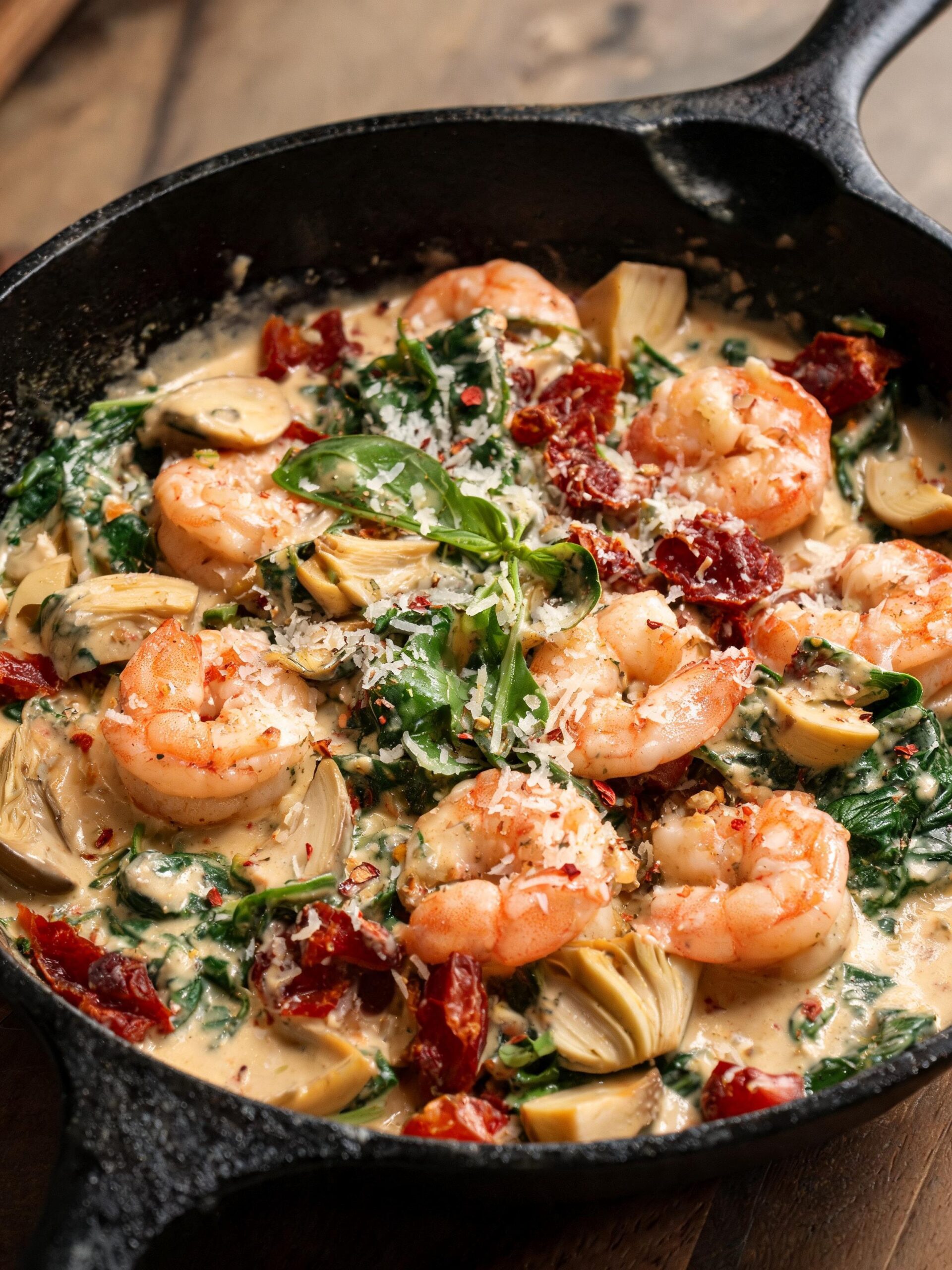
I’ll be honest — I almost didn’t try this combination. Pineapple on salmon sounded like something from a restaurant menu I’d scroll past without a second thought. But one weeknight, after recently making a delicious Tuscan shrimp with spinach and artichokes, I was feeling more adventurous. I had a couple of salmon fillets in the fridge, half a can of crushed pineapple, and absolutely zero interest in making the same old garlic butter version.
So I just went for it. A little pineapple, some sriracha, soy sauce, honey, garlic — thrown together in a bowl and spooned over the fish before it went into the oven. Twenty minutes later, I was standing at the counter eating straight off the pan because I didn’t want to wait to plate it properly.
That’s how this Sweet and Spicy Pineapple Salmon became a regular in my kitchen. It’s not complicated. It’s not fancy. It just works, and it works really well.
Why You’ll Love This Recipe
There are a lot of salmon recipes out there, and most of them are fine. But fine doesn’t make you want to cook something twice in one week. This one does.
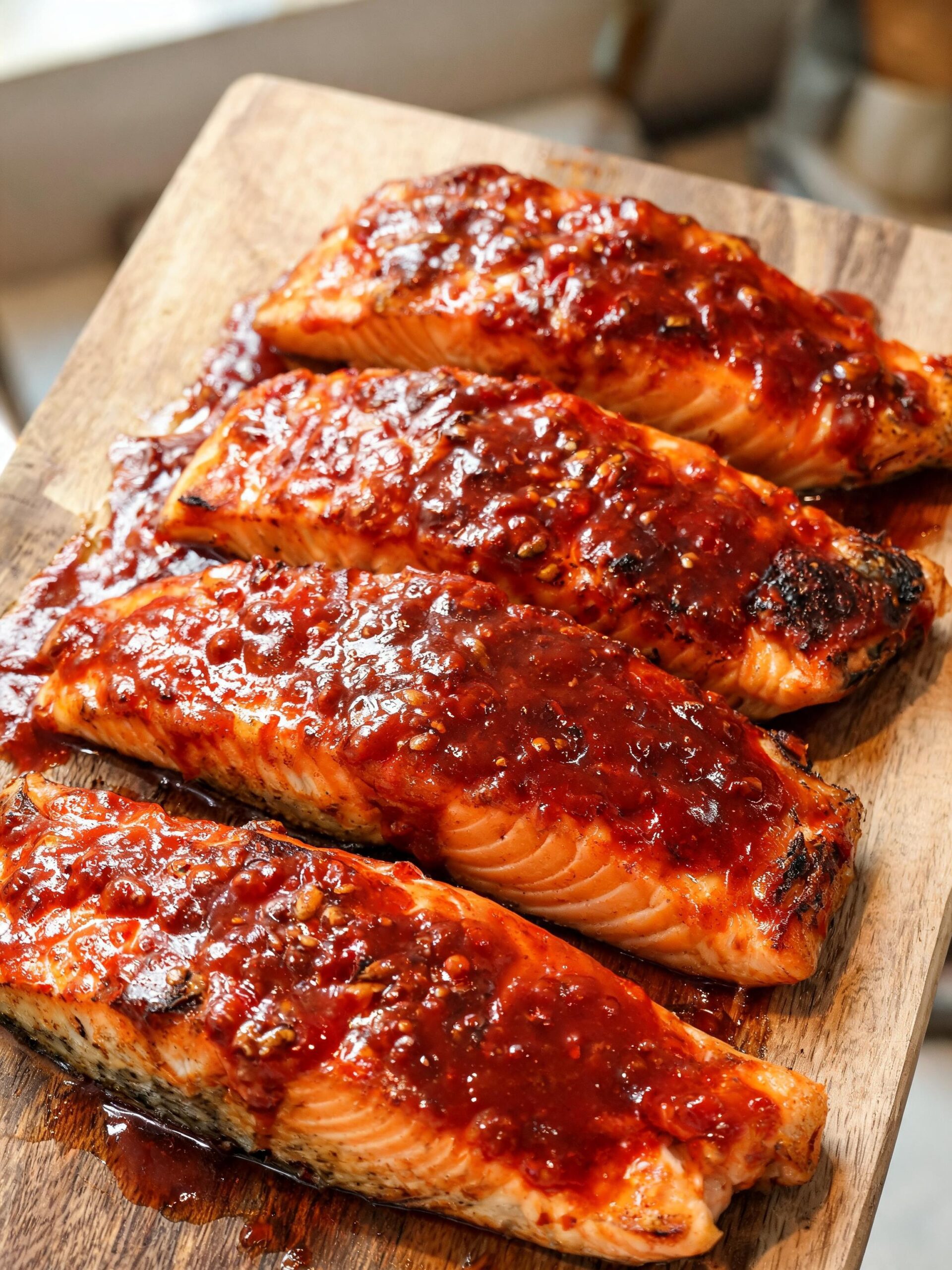
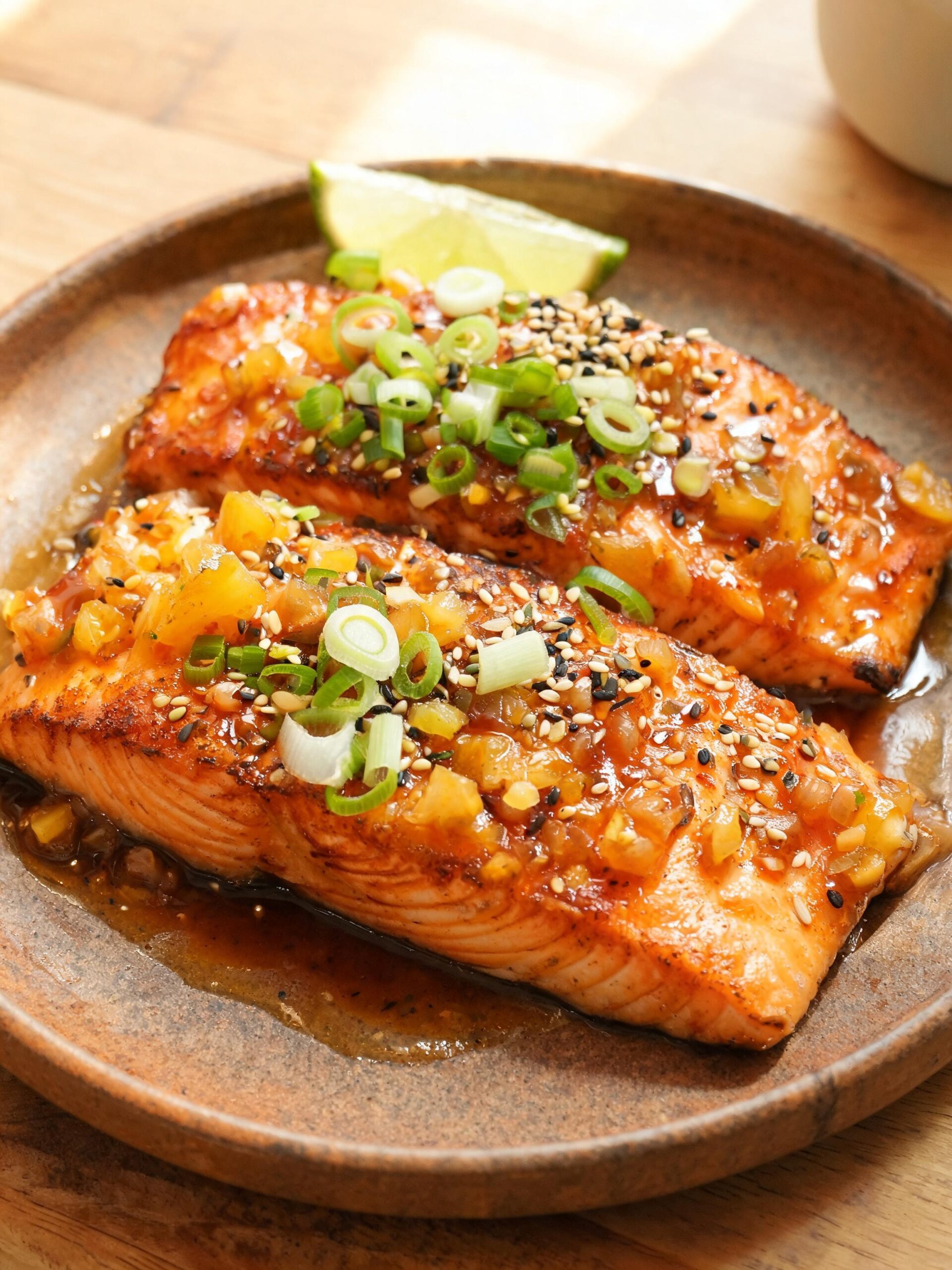
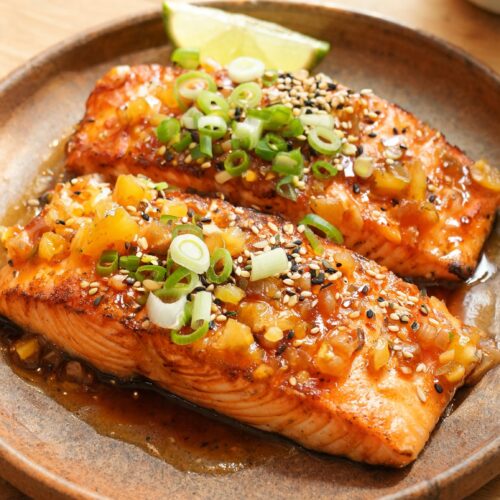
The pineapple does something interesting when it hits the heat. It caramelizes slightly around the edges of the fish, getting a little sticky and golden in a way that looks way more impressive than the effort involved. The sweetness from the pineapple and honey balances the heat from the sriracha without either one taking over completely. You get a little kick at the end, but nothing that’s going to scare off anyone at the table.
It’s also genuinely fast. From pulling the ingredients out to sitting down with a plate, you’re looking at about 35 minutes on a bad day. On a good day, closer to 25. For a weeknight dinner that feels like you actually put some thought into it, that’s hard to beat.
And cleanup is easy. One bowl for the glaze, one pan for the fish. That matters more than people admit.
Quick Recipe Snapshot
- Prep Time: 15 minutes
- Cook Time: 20 minutes
- Total Time: 35 minutes
- Servings: 4
- Calories: Approximately 350 per serving
- Difficulty: Easy — no special skills needed
- Best For: Weeknight dinners, family meals, meal prep
Ingredients List
Nothing unusual here. Most of this is probably already in your kitchen.
For the salmon:
- 4 salmon fillets, about 6 oz each, skin-on or skinless
- Salt and black pepper to taste
- 1 tablespoon olive oil
For the sweet and spicy pineapple glaze:
- 1 cup crushed pineapple, drained (canned works perfectly fine)
- 2 tablespoons soy sauce
- 1 tablespoon honey
- 1 tablespoon sriracha (adjust up or down based on your heat preference)
- 2 cloves garlic, minced
- 1 teaspoon fresh ginger, grated (or 1/4 teaspoon ground ginger if that’s what you have)
- 1 teaspoon rice vinegar
- 1/2 teaspoon sesame oil
Optional garnishes:
- Sliced green onions
- Sesame seeds
- Fresh cilantro
- Lime wedges
Step-by-Step Instructions
Step 1: Get your oven going.
Preheat to 400°F. Line a baking sheet with foil and give it a light brush of olive oil so nothing sticks. This also makes cleanup much easier later.
Step 2: Make the glaze.
In a small bowl, combine the drained crushed pineapple, soy sauce, honey, sriracha, minced garlic, ginger, rice vinegar, and sesame oil. Stir everything together until it looks like a cohesive sauce. Taste it. If you want more heat, add a little more sriracha. If it tastes too sharp, a tiny extra drizzle of honey smooths it right out.
Step 3: Season and arrange the salmon.
Pat your salmon fillets dry with a paper towel. This step actually matters — dry fish browns better and the glaze sticks more evenly. Season both sides lightly with salt and pepper, then place the fillets on your prepared baking sheet with a little space between them.
Step 4: Glaze the fish.
Spoon the pineapple mixture generously over the top of each fillet. Don’t be shy here. You want a good layer on top. If there’s extra glaze in the bowl, save it — you can spoon more over the fish halfway through cooking or serve it alongside.
Step 5: Bake.
Slide the pan into your preheated oven and bake for 18 to 22 minutes, depending on the thickness of your fillets. A good rule of thumb is about 10 minutes per inch of thickness at 400°F. The salmon is done when it flakes easily with a fork and the glaze has started to caramelize and darken slightly around the edges.
Step 6: Optional broil finish.
If you want that slightly charred, sticky top that looks great and tastes even better, switch your oven to broil for the last 2 to 3 minutes. Watch it closely — the honey in the glaze can go from perfectly caramelized to burnt faster than you’d expect.
Step 7: Garnish and serve.
Pull the pan out and let the salmon rest for a couple of minutes. Scatter some green onions and sesame seeds over the top, add a few lime wedges on the side, and serve it while it’s still warm.
Small Tricks From Cooking Fish at Home
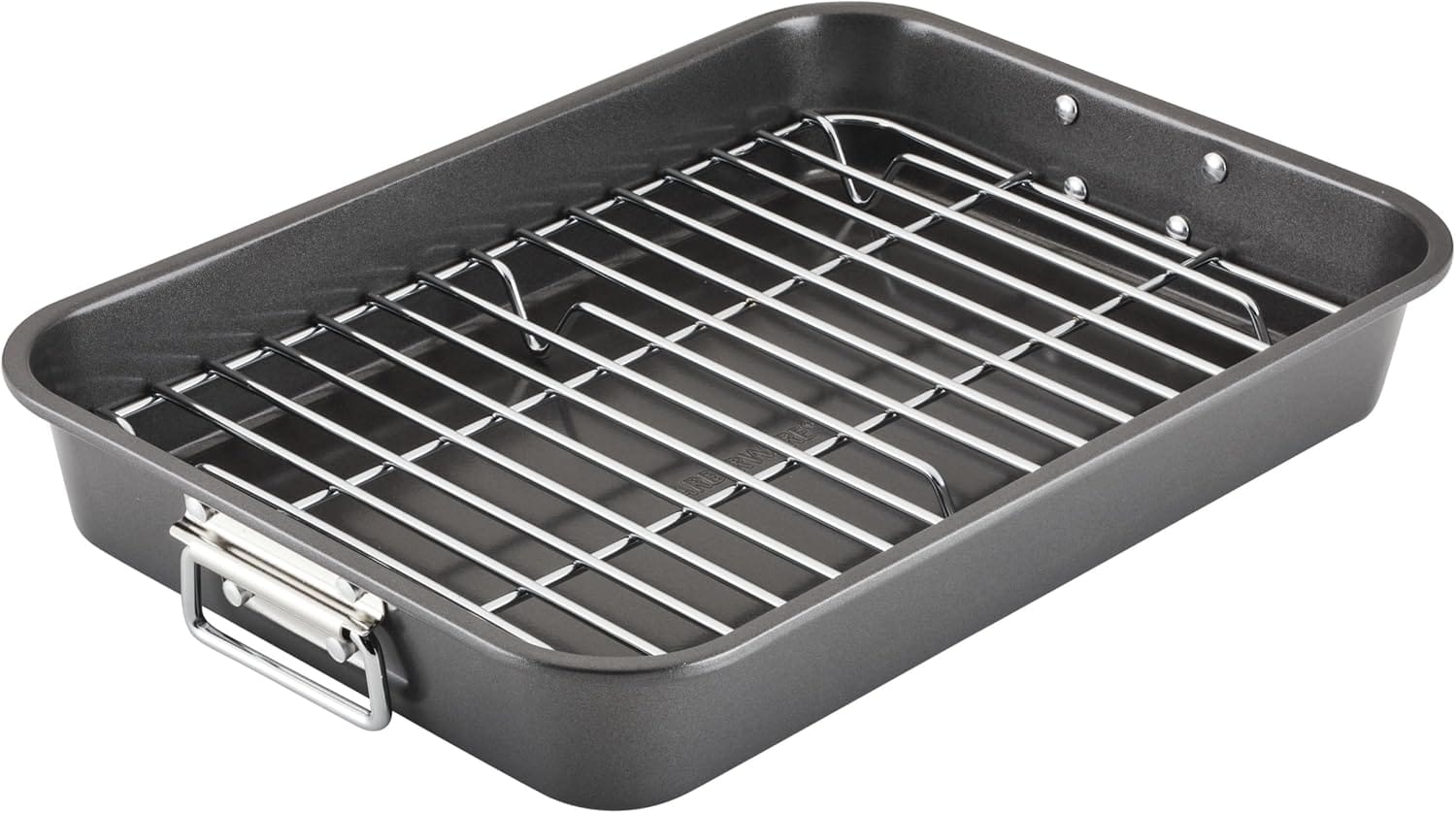
While I mention using foil to make cleanup easier, my real secret weapon for recipes with sticky glazes like this is a solid nonstick roasting pan. The glaze can caramelize directly on the surface without any risk of cementing itself to the pan, and the salmon gets a fantastic, even heat all around. It’s the difference between a simple cleanup and a dreaded twenty-minute scrub session.
If you want to upgrade from disposable foil and make your life easier, this Farberware roaster is the one I trust in my own kitchen. You can check it out on Amazon.
Farberware Nonstick Bakeware 11-Inch x 15-Inch Roaster with Flat Rack
✓ prime
We earn a commission if you make a purchase, at no additional cost to you.
I’ve made enough salmon over the years to have a few things that consistently make a difference, even in simple recipes like this one.
Dry the fish before you glaze it. I mentioned this in the instructions, but it’s worth repeating. Moisture on the surface of the fish creates steam in the oven, which works against browning and makes glazes slide off instead of sticking. A quick pat with paper towels takes ten seconds and genuinely improves the result.
Drain the pineapple well. Crushed pineapple holds a surprising amount of liquid. If you don’t drain it properly, the glaze ends up watery and doesn’t caramelize the way it should. Press it gently in a strainer or just tip the can and let it drain for a few minutes before using.
Don’t overcook it. Overcooked salmon is dry and a little chalky, which is a shame because perfectly cooked salmon is rich, tender, and almost buttery. Start checking at the 18-minute mark. If the thickest part flakes with a gentle press from a fork, it’s ready.
Room temperature fish cooks more evenly. If you have time, pull the salmon out of the fridge about 15 minutes before cooking. Cold fish straight from the fridge can end up cooked on the outside but still underdone in the center.
Common Mistakes to Avoid
Skipping the foil on the pan. The pineapple glaze is sticky and sweet, which means it will bond to your baking sheet like concrete if you don’t line it first. Foil makes the whole thing slide right off and saves you from scrubbing a pan for twenty minutes.
Using too much sriracha without tasting first. Heat tolerance varies a lot from person to person, and sriracha brands can differ in intensity. Mix the glaze, taste it, then decide if you want more kick. You can always add heat but you can’t take it away.
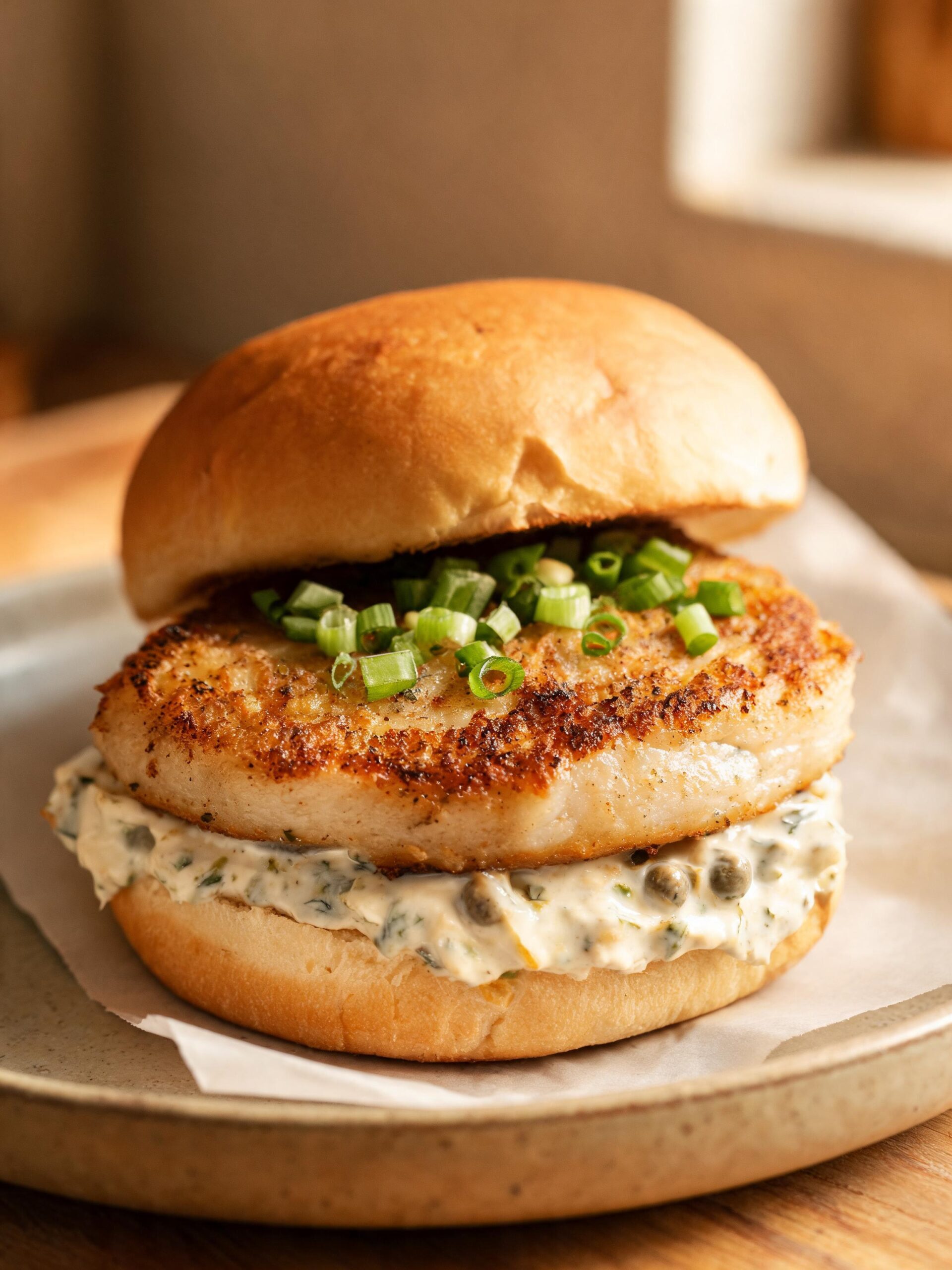
Not giving the fish enough space on the pan. Crowded fish steams instead of roasting. This is a crucial tip for many recipes, from simple fillets to an easy fish burger. Always leave at least an inch between pieces so the heat can circulate properly.
Opening the oven constantly. I know it’s tempting to check, but every time you open the oven you lose heat and extend the cooking time. Set a timer and let it do its job.
Variations and Serving Ideas
Once you’ve made this a couple of times, it’s easy to start playing around with it.
Grill it instead of baking. This glaze works beautifully on a grill. Cook the salmon over medium-high heat for about 4 to 5 minutes per side, brushing extra glaze on as you go. The char from the grill adds another layer of flavor that’s hard to replicate in the oven.
Make it a bowl. Serve the salmon over steamed jasmine rice or brown rice with some quick-pickled cucumbers, shredded carrots, and a drizzle of extra glaze. It turns a simple dinner into something that feels a bit more put together.
Use it for tacos. Flake the cooked salmon into warm corn tortillas with shredded cabbage, a little sour cream or Greek yogurt, and some fresh pineapple chunks. The sweet and spicy combination works really well in taco form.
Try it with shrimp. The same glaze works on large shrimp. Toss them in the sauce and cook in a hot skillet for 2 to 3 minutes per side. Fast, easy, and just as good.
What to Serve With
This salmon is bold enough that it pairs best with sides that are a little more neutral and let the glaze be the main event.
- Steamed jasmine rice — absorbs the extra glaze that runs off the fish and makes the whole plate feel complete
- Coconut rice — adds a subtle sweetness that plays nicely with the pineapple
- Roasted broccoli or green beans — a little char on the vegetables complements the caramelized glaze
- Simple cucumber salad — cool and crisp, which balances the heat from the sriracha
- Mango or avocado slices — fresh and creamy alongside the bold glaze
- Cauliflower rice — if you’re keeping things lighter or lower carb
Storage and Reheating
Leftover salmon keeps well in the fridge for up to 3 days in an airtight container. The glaze actually soaks into the fish a bit overnight, which makes the leftovers taste even better in some ways.
For reheating, the oven is your best option. Set it to 275°F and warm the salmon for about 10 to 12 minutes. This keeps it moist instead of drying it out the way a microwave tends to. If you’re in a hurry, a covered microwave at 50% power for 60 to 90 seconds works in a pinch — just don’t blast it on full power.
Leftover salmon also works great cold, flaked over a salad or stuffed into a wrap for lunch the next day. The glaze holds up well and the flavor is still there.
I wouldn’t recommend freezing it after cooking. Salmon that’s been glazed and baked doesn’t reheat well from frozen — the texture gets a little soft and the glaze loses its character. If you want to freeze salmon, freeze it raw and make the glaze fresh when you’re ready to cook.
FAQs
Can I use fresh pineapple instead of canned?
Absolutely. Fresh pineapple works great and gives the glaze a slightly brighter flavor. Just chop it finely or pulse it a few times in a food processor to get a crushed consistency, then drain off the excess juice the same way you would with canned.
What if I don’t have sriracha?
Red pepper flakes work as a substitute — start with about 1/4 teaspoon and adjust from there. Chili garlic sauce is another good option and adds a slightly different depth of flavor.
Can I make the glaze ahead of time?
Yes. The glaze keeps in the fridge in a sealed jar for up to 4 days. Having it ready to go makes this an even faster weeknight dinner.
What’s the best salmon to use for this recipe?
Atlantic salmon works well because of its higher fat content, which keeps it moist under the glaze. Sockeye is leaner and has a stronger flavor that also pairs nicely with the pineapple. Whatever looks good at your grocery store or fish counter will work fine.
Can I cook this in an air fryer?
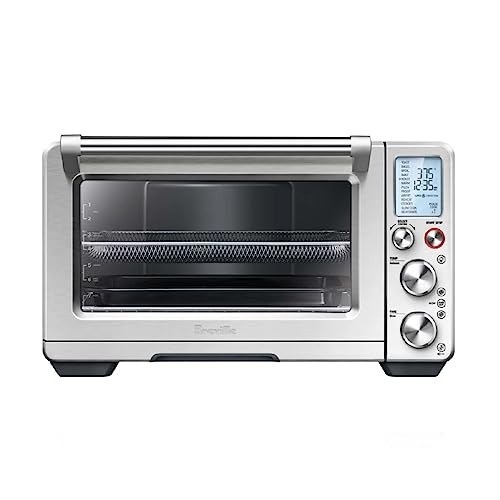
Yes. Set the air fryer to 400°F, place the glazed fillets in the basket, and cook for 10 to 12 minutes depending on thickness. The glaze gets nicely sticky and the edges caramelize well. Just keep an eye on it since air fryers can vary.
Is this recipe kid-friendly?
It depends on your kids and how much sriracha you use. With a full tablespoon it has a noticeable kick. For younger kids or anyone sensitive to heat, cut the sriracha down to a teaspoon or skip it entirely and add a pinch of mild chili powder instead. The pineapple and honey flavors still shine through.
Nutrition
These are approximate values per serving based on 4 servings from this recipe. Actual numbers will vary depending on the size of your fillets and specific ingredients used.
- Calories: ~350 kcal
- Protein: ~34g
- Fat: ~14g
- Carbohydrates: ~18g
- Sugar: ~14g
- Sodium: ~520mg
- Fiber: ~1g
Salmon is a genuinely good source of omega-3 fatty acids, which most people don’t get enough of. The pineapple adds natural vitamin C and manganese. This isn’t a low-sugar dish because of the honey and fruit, but the overall nutritional profile is solid for a satisfying dinner.
Conclusion
Some recipes earn their place in your regular rotation because they’re impressive. This homemade Sweet and Spicy Pineapple Salmon earns its place because it’s reliable, fast, and genuinely delicious without requiring anything complicated from you on a Tuesday night.
The glaze comes together in five minutes. The oven does the real work. And the result — caramelized edges, tender fish, that balance of sweet heat and savory — is the kind of thing that makes people ask what you put on it.
If you’ve been making the same salmon recipe on repeat and want something that feels a little different without adding much effort, this is a good place to land. Make it once and see what you think. I have a feeling it won’t be the last time.
Sweet and Spicy Pineapple Salmon
Ingredients
- 4 salmon fillets, about 6 oz each
- Salt and black pepper to taste
- 1 tablespoon olive oil
- 1 cup crushed pineapple, drained
- 2 tablespoons soy sauce
- 1 tablespoon honey
- 1 tablespoon sriracha
- 2 cloves garlic, minced
- 1 teaspoon fresh ginger, grated
- 1 teaspoon rice vinegar
- 1/2 teaspoon sesame oil
- Sliced green onions for garnish
- Sesame seeds for garnish
- Lime wedges for serving
Instructions
- Preheat your oven to 400°F. Line a baking sheet with foil and brush lightly with olive oil.
- In a small bowl, combine the drained crushed pineapple, soy sauce, honey, sriracha, minced garlic, grated ginger, rice vinegar, and sesame oil. Stir well and taste, adjusting heat or sweetness as needed.
- Pat the salmon fillets dry with paper towels. Season both sides lightly with salt and black pepper. Arrange on the prepared baking sheet with space between each fillet.
- Spoon the pineapple glaze generously over the top of each salmon fillet. Reserve any extra glaze in the bowl.
- Bake for 18 to 22 minutes, depending on the thickness of the fillets, until the salmon flakes easily with a fork and the glaze has caramelized around the edges.
- Optional: Switch the oven to broil for the final 2 to 3 minutes to get a stickier, slightly charred top. Watch closely to prevent burning.
- Remove from the oven and let rest for 2 minutes. Garnish with sliced green onions, sesame seeds, and lime wedges before serving.