Introduction
The first time I made Pan Seared Halibut in Garlic White Wine Sauce, it wasn’t planned at all. My dad had come back from a morning trip with more halibut than we knew what to do with, a happy problem to have for any seafood lover. It’s funny how spontaneous meals can turn out to be the best; it’s not unlike whipping up a quick Panera tuna salad sandwich when you need something delicious in a pinch. The halibut fillets were just sitting there on the counter, and I had half a bottle of white wine left from the night before, some garlic, and butter. That was pretty much it.
I didn’t follow a recipe. I just cooked the way you do when you’re hungry and the fish is right there in front of you. The pan got hot, the butter started foaming, and that garlic smell hit the whole kitchen in about thirty seconds. By the time the sauce came together, it smelled like something you’d get at a little seafood shack right on the water.
That’s the thing about this easy halibut dinner — it doesn’t ask much from you. Just a good piece of fish, a few pantry staples, and maybe twenty minutes of your evening. That’s honestly all it takes.
Why You’ll Love This Recipe
- It comes together in under 30 minutes, which means it works on a Tuesday night when you’re tired and just want something real to eat.
- The sauce is buttery and garlicky with just enough brightness from the wine — it makes the halibut taste way more special than the effort involved.
- You don’t need any fancy equipment or skills. If you can heat a pan and not walk away from it, you can make this.
Quick Recipe Snapshot
Prep Time: 15 minutes
Cook Time: 20 minutes
Total Time: 35 minutes
Servings: 4
Difficulty: Easy
Best For: Weeknight dinner, coastal-style home cooking
Main Flavor: Buttery, garlicky, slightly bright from white wine
Fish Texture: Flaky inside, golden crust outside
Ingredients List
For the Halibut:
- 4 halibut fillets (about 6 oz each) — fresh is best, but thawed frozen works fine too
- 1 teaspoon kosher salt
- ½ teaspoon black pepper
- ½ teaspoon garlic powder — just a light dusting, the real garlic in the sauce does the heavy lifting
- 2 tablespoons olive oil — for getting that golden sear without burning
For the Garlic White Wine Sauce:
- 3 tablespoons unsalted butter — gives the sauce that silky, rich finish
- 5 cloves garlic, minced — don’t be shy here, it mellows out as it cooks
- ¾ cup dry white wine — something you’d actually drink, nothing too sweet
- ½ cup low-sodium chicken broth — adds body without overpowering the fish
- 2 tablespoons fresh lemon juice — brightens everything up at the end
- 1 tablespoon capers, drained (optional) — adds a little briny pop if you like that
- 2 tablespoons fresh parsley, chopped — for a bit of color and freshness
- Salt and pepper to taste
Step-by-Step Instructions
- Pull your halibut fillets out of the fridge about 10 minutes before you cook them. Cold fish straight into a hot pan tends to seize up and cook unevenly. Just let them sit on the counter while you get everything else ready.
- Pat the fillets completely dry with paper towels. This is probably the most important step. Wet fish won’t sear — it’ll steam, and you’ll miss that golden crust entirely.
- Season both sides with salt, pepper, and a light dusting of garlic powder. Nothing complicated.
- Heat a large skillet — cast iron or stainless works great — over medium-high heat. Add the olive oil and let it get hot. You want it shimmering but not smoking.
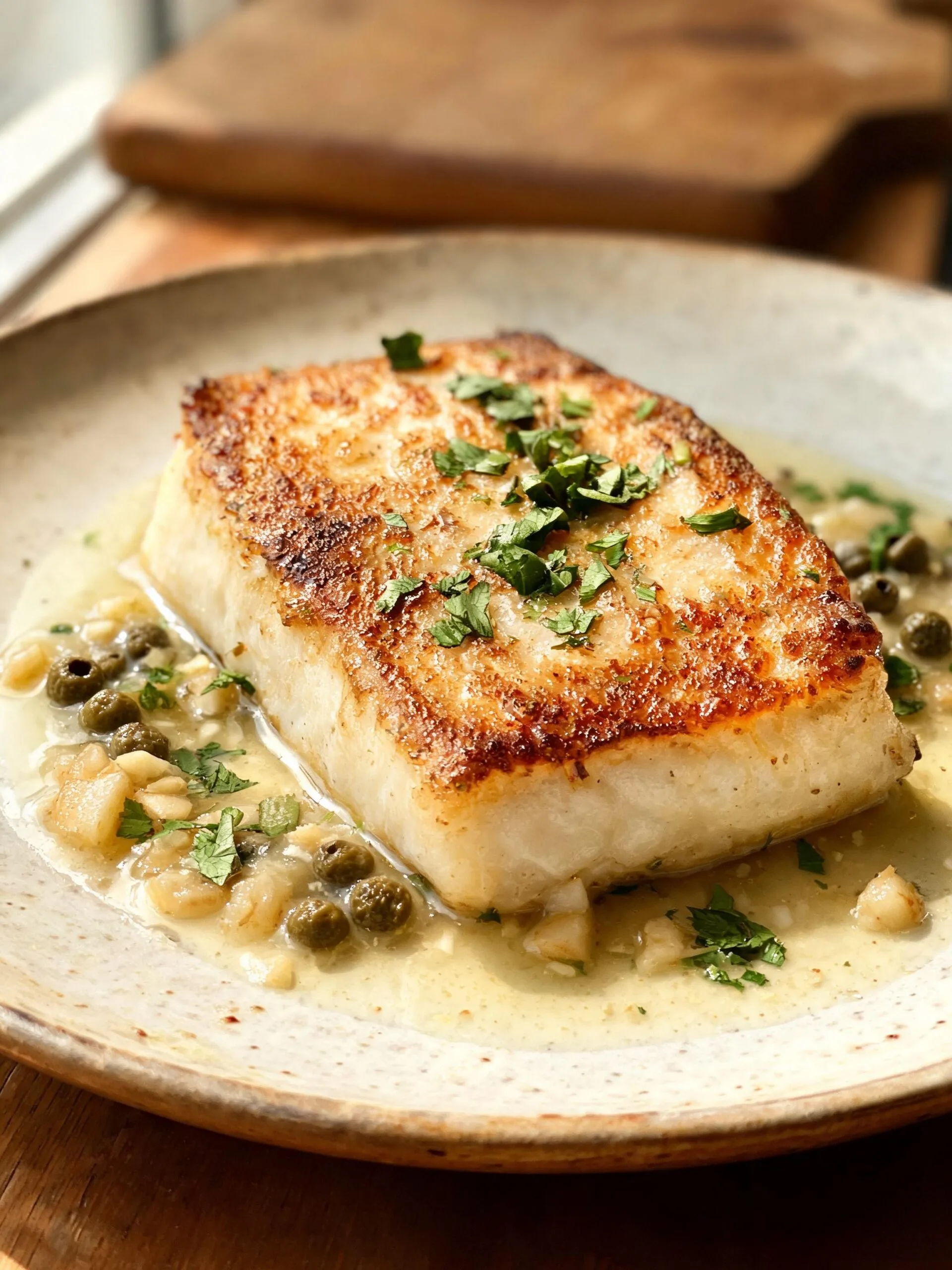
- Lay the fillets in carefully, presentation side down. Don’t move them. Let them cook for about 3 to 4 minutes until you can see the edges turning opaque and the bottom is golden. Flip once, cook another 2 to 3 minutes. The fish should flake easily when pressed gently with a fork. Set them aside on a plate and loosely cover with foil.
- Turn the heat down to medium. In the same pan, add 1 tablespoon of butter and let it melt. Add the minced garlic and cook for about 60 seconds, stirring so it doesn’t burn. It should smell incredible right about now.
- Pour in the white wine. It’ll sizzle and steam — that’s normal. Let it reduce for about 2 minutes, scraping up any brown bits from the bottom of the pan. Those bits are flavor.
- Add the chicken broth and let everything simmer together for another 3 to 4 minutes until the sauce reduces slightly and looks a little glossy.
- Stir in the remaining 2 tablespoons of butter, the lemon juice, and capers if you’re using them. Taste it. Adjust salt and pepper if needed.
- Nestle the halibut fillets back into the pan, spoon the sauce over them, and scatter the parsley on top. Serve right away.
Side note — if your sauce looks a little thin, just let it bubble for another minute or two. It’ll tighten up. Don’t panic and add flour. Just give it time.
Small Tricks From Cooking Fish at Home
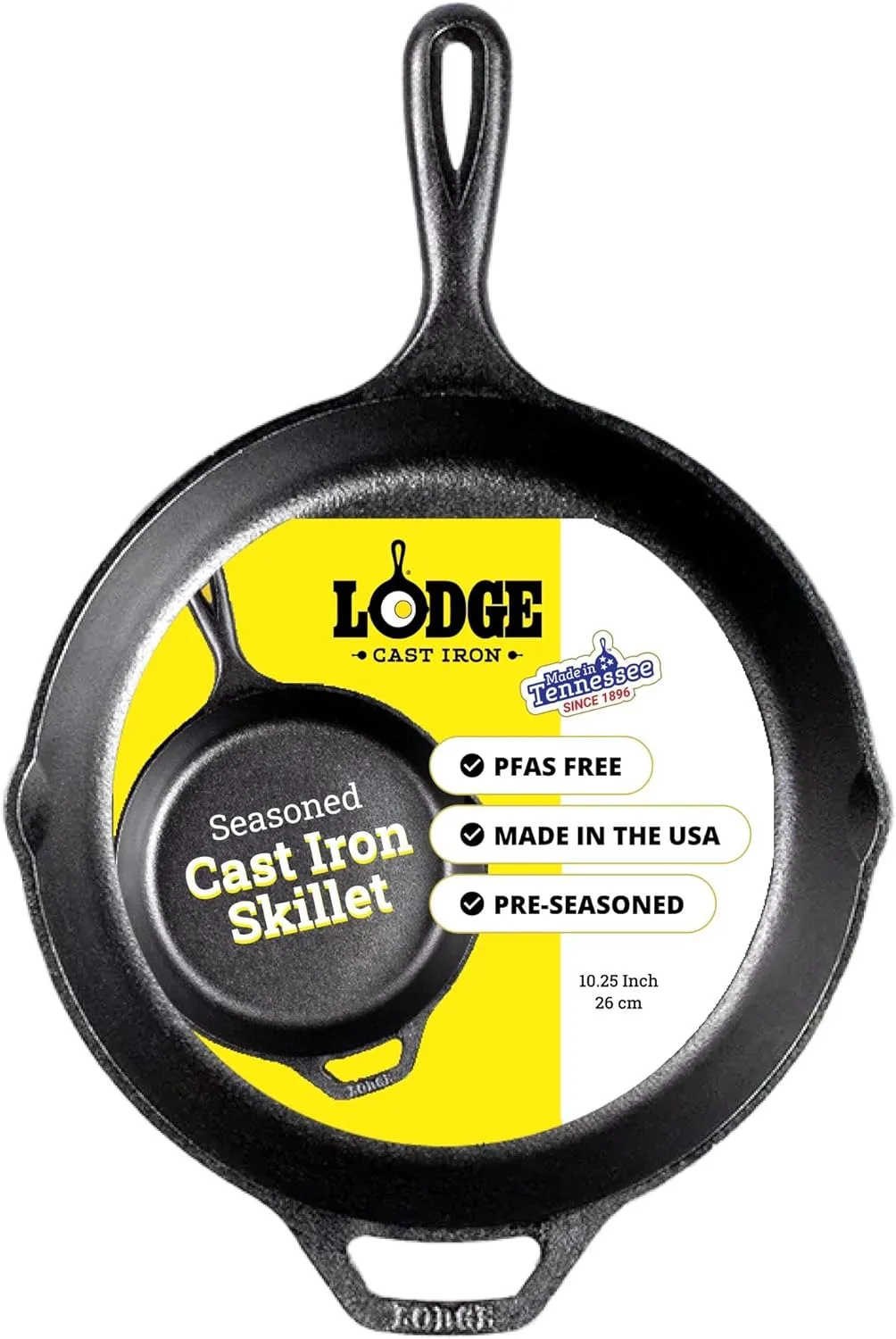
I’ve talked about getting the pan hot and building flavor, and honestly, nothing does that better for me than a classic cast iron skillet. For this halibut, I always reach for my Lodge. It holds a steady, high heat that’s absolutely critical for getting that perfect golden-brown crust without overcooking the fish. Plus, the fond—those amazing brown bits left after searing—develops beautifully in cast iron, and that’s the real secret to a deep, flavorful pan sauce.
If you don’t have one in your kitchen, it’s the single best investment for a home cook. Grab one and see the difference for yourself!
Lodge 10.25 Inch Cast Iron Skillet with Assist Handle
✓ prime
We earn a commission if you make a purchase, at no additional cost to you.
Dry the fish. I know I already said it in the instructions, but I’m saying it again because I skipped this step once and ended up with pale, sad-looking fish that stuck to the pan. Paper towels are your friend.
My dad always said the pan tells you when it’s ready. You drop a tiny bit of water in — if it dances and evaporates immediately, the pan is hot enough. If it just sits there, wait longer. Putting fish in a pan that isn’t hot enough is how you end up with fish that sticks and tears.
Don’t use a wine you wouldn’t drink. I made this once with a cheap cooking wine from the back of the cabinet and the sauce tasted sharp and off. A basic sauvignon blanc or pinot grigio — something dry and simple — makes a real difference.
Halibut is a lean fish, which means it can dry out fast. Once it flakes when you press it, it’s done. You don’t need to cook it until it’s completely opaque all the way through — there’s some carryover heat that finishes the job after you pull it from the pan.
The brown bits stuck to the bottom of the pan after searing the fish? Don’t wash those away. When you pour in the wine, those bits lift right up and dissolve into the sauce. That’s where a lot of the flavor lives.
Common Mistakes to Avoid
Moving the fish too early. I’ve done this more times than I want to admit. You put the fillet down and then you get nervous and try to peek at the bottom. If it’s sticking, it’s not ready. When it’s properly seared, it releases on its own. Just leave it alone.
Using too much heat for the garlic. After you pull the fish out, the pan is still really hot. If you throw garlic straight into a screaming hot pan, it burns in seconds and turns bitter. Turn the heat down first. Give the pan a moment. Then add the butter and garlic.
Skipping the lemon at the end. The sauce without it tastes heavy and flat. That squeeze of lemon at the finish lifts everything — it makes the butter taste lighter and the garlic taste more rounded. Don’t skip it.
Reheating leftovers in the microwave. Halibut reheated in the microwave turns rubbery and sad. Low and slow in a covered pan with a splash of broth is the only way to go if you have leftovers. More on that below.
Variations and Serving Ideas
Spicy version: Add a pinch of red pepper flakes to the garlic while it’s cooking. Not a lot — just enough to feel a little warmth at the back of your throat. It plays really well against the butter and wine.
Mild version: Skip the capers and lemon, and stir in a small splash of heavy cream right at the end. The sauce becomes softer and more mellow — good for kids or anyone who finds the wine flavor a little sharp.
Coastal twist: Add a handful of cherry tomatoes to the sauce while it simmers. They blister and burst and give the whole thing a slightly sweet, summery feel — like something you’d eat outside near the water on a warm evening.
What to Serve With
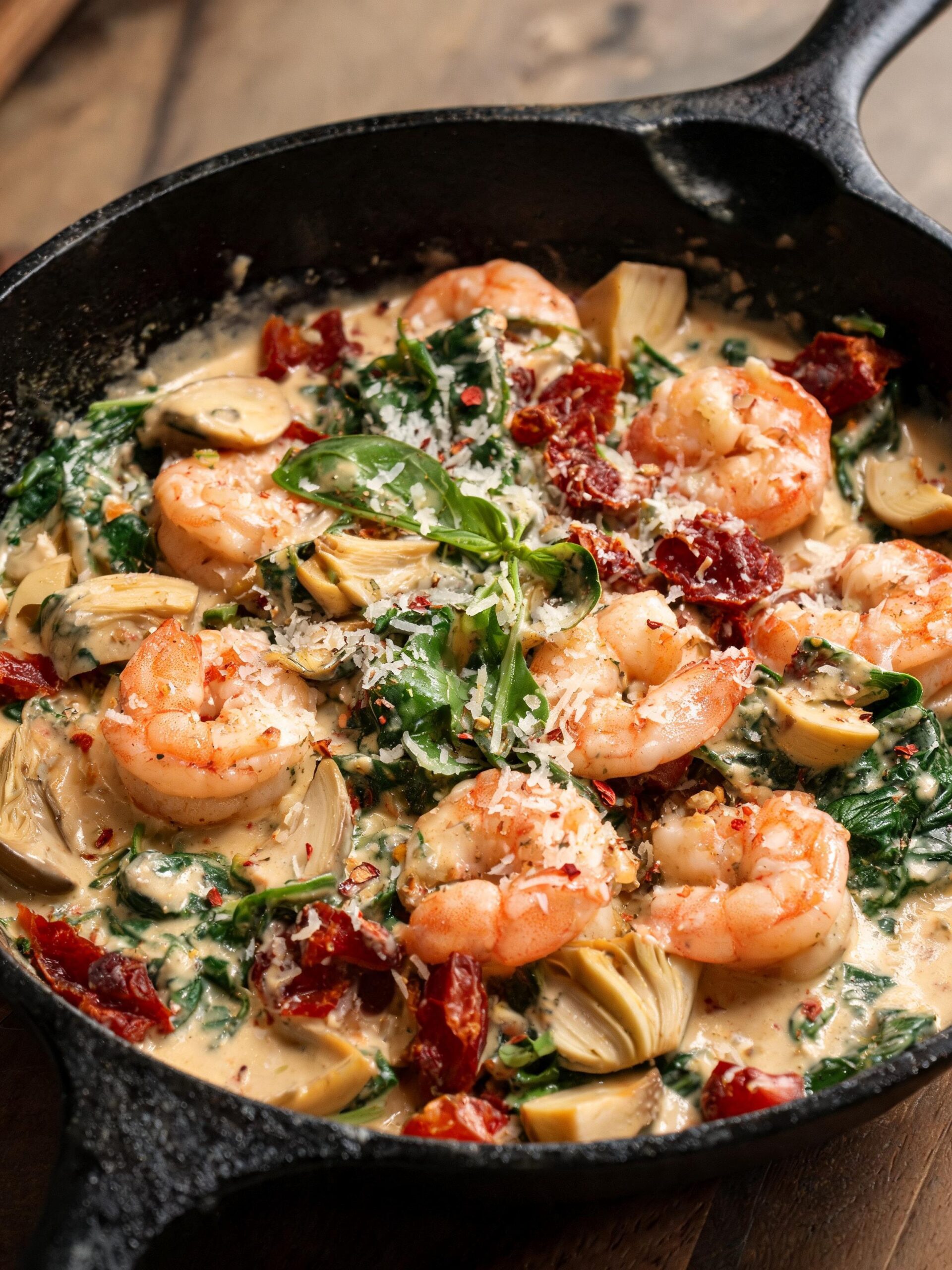
Crusty bread is the obvious answer. That sauce needs something to soak into, and a good piece of sourdough or a simple baguette does exactly that. For a more substantial meal, a flavorful rice dish like this shrimp and sausage dirty rice would also be an incredible pairing.
Roasted asparagus or green beans work really well on the side — something with a little bite to balance out how silky the fish and sauce are. Soft mashed potatoes are good too, especially if you want something more filling.
If it’s summer and you want to keep things light, a simple green salad with lemon vinaigrette is all you need. The brightness of the dressing echoes the lemon in the sauce without competing with it.
Storage and Reheating
Leftover halibut keeps in the fridge for up to 2 days in a sealed container. After that, the texture starts to go. It’s a delicate fish and it doesn’t hold up as long as something like salmon.
DO NOT reheat this in the microwave. Seriously. It turns the fish tough and rubbery and the sauce breaks into a greasy mess. Instead, put it in a covered skillet over low heat with a small splash of broth or water and warm it slowly. It takes a few extra minutes but it’s worth it.
DO NOT freeze the cooked fish once the sauce is on it. The sauce doesn’t survive freezing well — it separates and the texture gets weird. If you want to freeze halibut, do it before cooking.
FAQs (People Also Ask)
Can I use frozen halibut for this recipe?
Yes, absolutely. Just make sure it’s fully thawed and dried really well before you cook it. Frozen halibut that still has moisture on it will steam instead of sear, and you’ll lose that golden crust. Thaw it overnight in the fridge if you can.
What can I substitute for white wine?
If you don’t cook with wine, you can use extra chicken broth with a small splash of white wine vinegar or apple cider vinegar to get some of that acidity back. It won’t be identical but it works well enough for a weeknight dinner.
How do I know when the halibut is done?
Press it gently with a fork or your finger. If it flakes apart easily and the flesh looks opaque most of the way through, it’s done. Halibut cooks fast — usually 3 to 4 minutes per side depending on thickness. Don’t wait until it looks completely white all the way through or it’ll be overcooked.
Is this recipe difficult for beginners?
Not at all. If you can manage a hot pan and keep an eye on things, this is very doable. The only part that trips people up is the searing — just don’t move the fish and don’t rush it. The sauce comes together quickly once the fish is out of the pan.
How long does this take start to finish?
About 30 to 35 minutes total. Fifteen minutes of prep — patting the fish dry, mincing garlic, measuring things out — and about 20 minutes of actual cooking. It’s genuinely a quick weeknight dinner.
Nutrition Facts
(Per serving. Estimates only, varies by exact ingredients used)
Conclusion
There’s something about this dish that always takes me back to that afternoon in my dad’s kitchen, fish on the counter, wine already open, no real plan. Some of the best meals I’ve ever eaten came out of moments exactly like that.
This simple halibut dinner doesn’t need a special occasion. It just needs a good piece of fish and a little bit of time. Make it on a weeknight. Eat it with bread and something green. Let the sauce do what it does.
That’s coastal cooking. Nothing fancy. Just honest and good.
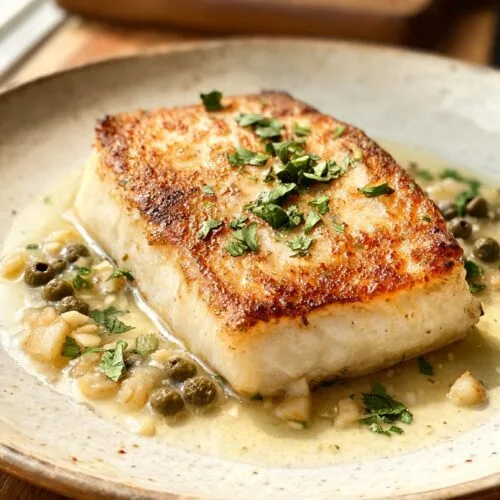
Pan Seared Halibut in Garlic White Wine Sauce
Ingredients
- 4 halibut fillets (about 6 oz each)
- 1 teaspoon kosher salt
- 1/2 teaspoon black pepper
- 1/2 teaspoon garlic powder
- 2 tablespoons olive oil
- 3 tablespoons unsalted butter
- 5 cloves garlic, minced
- 3/4 cup dry white wine
- 1/2 cup low-sodium chicken broth
- 2 tablespoons fresh lemon juice
- 1 tablespoon capers, drained (optional)
- 2 tablespoons fresh parsley, chopped
- Salt and pepper to taste
Instructions
- Remove halibut fillets from the fridge 10 minutes before cooking to take the chill off.
- Pat the fillets completely dry on both sides with paper towels.
- Season both sides with salt, pepper, and garlic powder.
- Heat a large skillet over medium-high heat. Add olive oil and let it get hot and shimmering.
- Place fillets presentation side down. Cook without moving for 3 to 4 minutes until the edges turn opaque and the bottom is golden. Flip once and cook another 2 to 3 minutes until the fish flakes easily. Transfer to a plate and cover loosely with foil.
- Reduce heat to medium. Add 1 tablespoon of butter to the same pan. Once melted, add minced garlic and cook for about 60 seconds, stirring constantly.
- Pour in the white wine. Let it sizzle and reduce for 2 minutes, scraping up any browned bits from the bottom of the pan.
- Add the chicken broth and simmer for 3 to 4 minutes until the sauce reduces slightly and looks glossy.
- Stir in the remaining 2 tablespoons of butter, lemon juice, and capers if using. Taste and adjust salt and pepper.
- Return the halibut to the pan, spoon the sauce over the fillets, and scatter parsley on top. Serve immediately.