Introduction
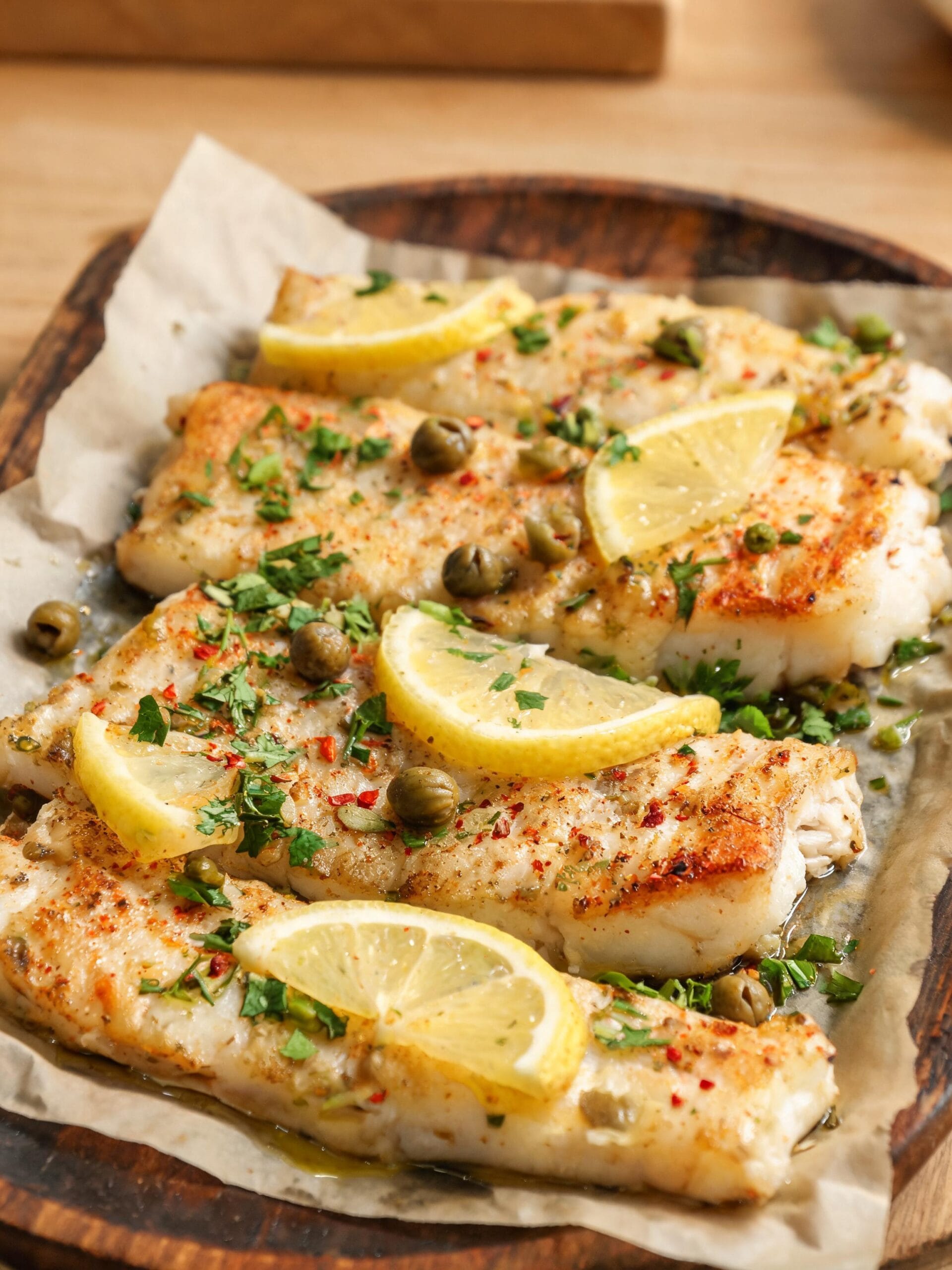
There’s a specific kind of tired that hits you after a long day near the water. Not bad tired — just the kind where you don’t want to think too hard about dinner. That’s exactly when I first figured out my go-to baked fish recipes oven method. It wasn’t planned. I had two cod fillets in the fridge, half a lemon rolling around, and about zero patience. I slid everything into the oven and sat down on the porch. Twenty minutes later, dinner was done.
That was maybe six years ago. I’ve made some version of this easy baked fish oven dinner probably a hundred times since. Different fish, different nights, same basic idea. It works every single time.
If you’ve ever stood in the kitchen after a fishing trip or a long Tuesday and thought — I just need something simple — this is that recipe.
Why You’ll Love This Recipe
- It’s genuinely fast. From fridge to table in about 30 minutes, and most of that time you’re not even in the kitchen.
- The flavor is clean and real. Lemon, garlic, olive oil — nothing fancy, nothing that covers up the fish. You actually taste it.
- You don’t need to know much about cooking. If you can turn on an oven and squeeze a lemon, you’ve got this.
Quick Recipe Snapshot
Quick Recipe Snapshot
| Prep Time | 15 minutes |
| Cook Time | 20 minutes |
| Total Time | 35 minutes |
| Servings | 4 |
| Best Fish | Cod, tilapia, halibut, snapper |
| Oven Temp | 400°F |
| Difficulty | Easy — beginner friendly |
Ingredients List
For the fish:
- 4 white fish fillets (about 6 oz each) — cod, tilapia, or halibut all work great here
- 3 tablespoons olive oil — this keeps the fish moist and helps the edges get a little golden
- 4 garlic cloves, minced — fresh makes a real difference, don’t skip it
- 1 teaspoon paprika — adds color and a gentle warmth without overpowering
- 1 teaspoon dried oregano
- ½ teaspoon onion powder
- ½ teaspoon salt
- ¼ teaspoon black pepper
- 1 lemon, sliced into rounds — the slices go right on top and kind of steam the fish from above
- 2 tablespoons fresh parsley, chopped — for finishing, mostly for color and a little freshness
Optional but good:
- ¼ teaspoon red pepper flakes if you want a little heat
- 1 tablespoon capers — if you’ve got them around, they add a nice briny punch
Step-by-Step Instructions
- Pull your fish out of the fridge about 10 minutes before you cook it. Cold fish straight into a hot oven can cook unevenly — the outside gets done before the inside catches up. I learned this the hard way with a thick halibut fillet.
- Preheat your oven to 400°F. Line a baking dish or sheet pan with foil or parchment — not just for easy cleanup, but because fish can stick badly and fall apart when you try to lift it.
- In a small bowl, mix together the olive oil, minced garlic, paprika, oregano, onion powder, salt, and pepper. It’ll smell really good at this point. That’s normal.
- Pat your fish fillets dry with paper towels. This step matters more than it sounds — wet fish steams instead of baking, and you lose that slightly firm, flaky texture that makes this dish worth making.
- Lay the fillets in your prepared pan. Spoon or brush the olive oil mixture evenly over each one. Don’t rush this — you want every part of the fillet coated.
- Lay two or three lemon slices on top of each fillet. They’ll release juice as they cook and keep things from drying out.
- Slide the pan into the oven. Bake for 18 to 22 minutes depending on how thick your fillets are. A good rule of thumb is about 10 minutes per inch of thickness, but honestly I just check at 18 minutes and go from there.
- The fish is done when it flakes easily with a fork and the flesh has turned from translucent to opaque all the way through. Scatter fresh parsley over the top and bring it straight to the table.
That’s it. No sauce to make, no extra pans to wash. Just good fish.
Small Tricks From Cooking Fish at Home
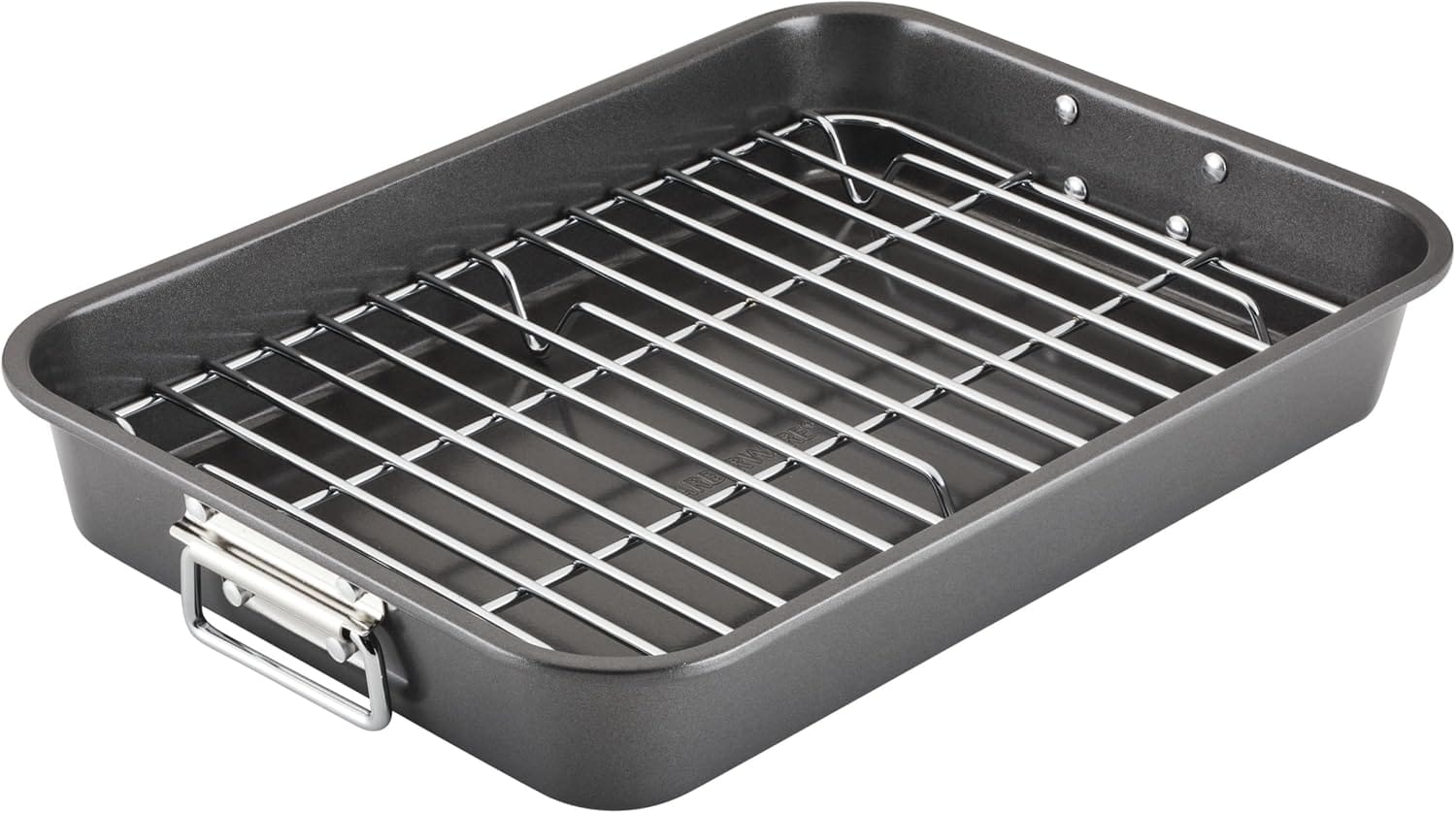
I’ve mentioned that using a shallow pan is crucial, and honestly, this is the one I pull out almost every time. The Farberware Roaster is the perfect depth – it lets the heat circulate properly so the fish bakes instead of steams. The real game-changer, though, is the flat rack. It elevates the fillets just enough, like my grandmother’s onion trick, ensuring the bottoms get cooked perfectly instead of sitting in their own juices. It’s a simple piece of gear that guarantees that flaky, golden-edged result we’re all after.
If you want to take the guesswork out of baked fish, this is the pan to get.
Farberware Nonstick Bakeware 11-Inch x 15-Inch Roaster with Flat Rack
✓ prime
We earn a commission if you make a purchase, at no additional cost to you.
The biggest thing I’ve noticed over the years is that fish is more forgiving than people think — but only if you don’t overcook it. Once it goes dry, there’s no coming back. Check it early. You can always add a minute or two. You can’t undo five extra minutes.
Use a shallow baking dish, not a deep casserole. Deep dishes trap steam and you end up with fish that’s almost poached rather than baked. A sheet pan or a low-sided baking dish gives you better results every time.
My grandmother used to put a thin layer of sliced onions under the fish before baking. The fish sits up off the pan a little, and the onions get soft and sweet underneath. I still do this sometimes when I have an onion going soft in the pantry.
If your fillets are uneven in thickness — one end thin, one end thick — fold the thin end under slightly. It sounds fussy but it takes two seconds and means the whole fillet cooks evenly instead of the thin end turning rubbery.
Don’t open the oven door more than once. Every time you open it, you lose heat and the cooking time shifts. Set a timer and trust the process.
Common Mistakes to Avoid
Skipping the pat-dry step. I know it feels like a small thing, but wet fish in a hot oven creates steam inside the pan. The fish ends up soft and pale instead of that nice slightly-golden baked look. Takes ten seconds. Worth it.
Using too much lemon juice too early. Acid starts to break down the proteins in fish — if you pour lemon juice directly over raw fish and let it sit for 20 minutes before baking, you’re basically starting to cook it before it hits the oven. Use lemon slices on top instead, or squeeze fresh juice on after it comes out.
Overcrowding the pan. If the fillets are touching or overlapping, they steam each other. Leave a little space between each one. Use two pans if you need to.
Pulling it out too early and then putting it back in. Once you’ve broken the surface of the fillet to check it and it needs more time, it dries out faster on the second pass. Better to wait until you’re pretty confident it’s close, then check once.
Variations and Serving Ideas
Spicy version: Double the paprika, add a full teaspoon of red pepper flakes, and swap the oregano for cumin. Squeeze lime instead of lemon at the end. It’s a completely different dish — more heat, more depth, works really well with tilapia or snapper.
Mild and buttery version: Replace the olive oil with melted butter, skip the paprika, and add a teaspoon of fresh thyme. This one is gentler, almost delicate. Good for anyone who finds fish a little strong — the butter softens everything.
Coastal twist: Add a handful of cherry tomatoes and a few olives to the pan before it goes in the oven. They roast alongside the fish and by the time everything’s done, you’ve got this loose, briny little sauce pooling around the fillets. I make this version when I want something that feels a little more like a real meal without actually doing more work, sometimes even pairing it with simple garlic butter shrimp bites.
What to Serve With
Roasted potatoes are the obvious choice and honestly still the right one. They go in the oven at the same temp, take about 25 minutes, and you can do both at once. Crispy outside, soft inside — they hold up well next to the delicate fish.
A simple green salad with something acidic in the dressing — lemon vinaigrette or even just red wine vinegar — cuts through the richness of the olive oil nicely. You want something fresh and a little sharp to balance the baked fish.
Steamed rice works if you want something more filling. White rice especially, because it doesn’t compete with the flavor of the fish. Just a bowl of it alongside, maybe with a little butter stirred in.
Crusty bread for the table. Always. You’ll want something to drag through whatever juices are left in the pan.
Storage and Reheating
Leftover baked fish keeps in the fridge for up to two days in a sealed container. After that, the texture really starts to go and the smell gets stronger. Don’t push it past two days.
DO NOT reheat fish in the microwave if you can help it. It dries out almost instantly and the smell fills the whole kitchen. If you have to use the microwave, cover it with a damp paper towel and use 50% power in short bursts.
The better option is a low oven — 275°F, covered loosely with foil, for about 10 minutes. It warms through without cooking further and stays much closer to how it tasted fresh.
DO NOT freeze already-baked fish. The texture after thawing is pretty unpleasant — watery and soft in a way that’s hard to fix. If you want to freeze fish, freeze it raw and bake it fresh.
FAQs (People Also Ask)
Can I use frozen fish fillets?
Yes, but thaw them completely first and pat them very dry before seasoning. Frozen fish holds a lot of water and if you skip the thawing step, you’ll end up with a watery pan and fish that steams instead of bakes. Thaw overnight in the fridge if you can.
How do I know when the fish is done?
The easiest way is the fork test — press a fork gently into the thickest part and twist slightly. If it flakes apart easily and the flesh is white all the way through (no translucent or glassy center), it’s done. An internal temperature of 145°F is the safe benchmark if you have a thermometer.
Can I substitute the fish?
Absolutely. This works with cod, tilapia, halibut, snapper, sea bass, grouper — basically any mild white fish. Thicker fillets like halibut will need a few extra minutes. Thinner ones like tilapia cook fast, so check at 15 minutes.
How long does this take start to finish?
About 35 minutes total. 15 minutes to prep and season, 20 minutes in the oven. It’s a real weeknight dinner — nothing about it is complicated or slow.
Can I make this ahead of time?
You can mix the seasoning oil and prep the pan a few hours ahead. But I wouldn’t season the raw fish more than 30 minutes before baking — salt draws moisture out and you’ll lose some of that texture. Bake it fresh when you’re ready to eat.
Nutrition
Nutrition Facts
(Per serving. Estimates only, varies by exact ingredients used)
Conclusion
I still make this on the nights when I don’t want to think. When the day was long and the kitchen feels like one more thing to deal with. There’s something about the smell of garlic and lemon hitting a hot oven that just settles everything down a little.
It’s not a fancy dish. It never was. But it’s the kind of thing that ends up meaning something — not because of what’s in it, but because of how many times you’ve made it and how reliably it shows up for you.
Hope it does the same for you.
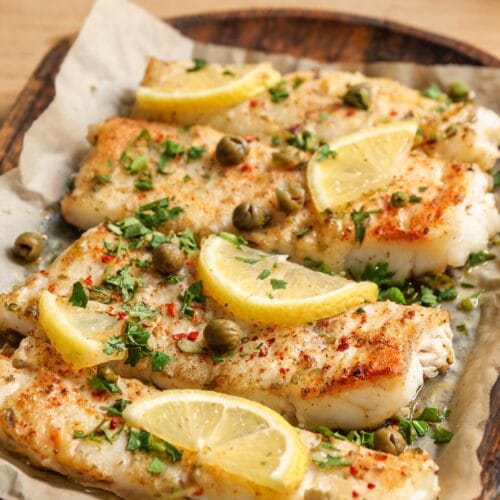
Easy Coastal Baked Fish with Lemon and Garlic
Ingredients
- 4 white fish fillets (about 6 oz each), such as cod, tilapia, or halibut
- 3 tablespoons olive oil
- 4 garlic cloves, minced
- 1 teaspoon paprika
- 1 teaspoon dried oregano
- 1/2 teaspoon onion powder
- 1/2 teaspoon salt
- 1/4 teaspoon black pepper
- 1 lemon, sliced into rounds
- 2 tablespoons fresh parsley, chopped
- 1/4 teaspoon red pepper flakes (optional)
- 1 tablespoon capers (optional)
Instructions
- Remove fish fillets from the fridge about 10 minutes before cooking to take the chill off.
- Preheat your oven to 400°F. Line a baking dish or sheet pan with foil or parchment paper.
- In a small bowl, mix together olive oil, minced garlic, paprika, oregano, onion powder, salt, and black pepper.
- Pat the fish fillets completely dry with paper towels on both sides.
- Lay the fillets in the prepared pan with a little space between each one. Spoon or brush the olive oil seasoning mixture evenly over each fillet.
- Place two or three lemon slices on top of each fillet.
- Bake in the preheated oven for 18 to 22 minutes, depending on the thickness of the fillets, until the fish flakes easily with a fork and is opaque all the way through.
- Remove from the oven, scatter fresh parsley over the top, and serve immediately.