Introduction
There’s a specific kind of evening I keep coming back to in my memory. The cooler was still dripping on the back porch, the sun had barely gone down, and I had more cod than I knew what to do with. It was a simpler meal than some of our other favorites, like the big, messy fun of our easy seafood boil recipes, but it was perfect for that moment. That’s when I first really figured out my go-to fried cod fish recipes — not from a cookbook, not from watching some cooking show. Just from standing over a cast iron pan, a little tired, a little sunburned, and really hungry.
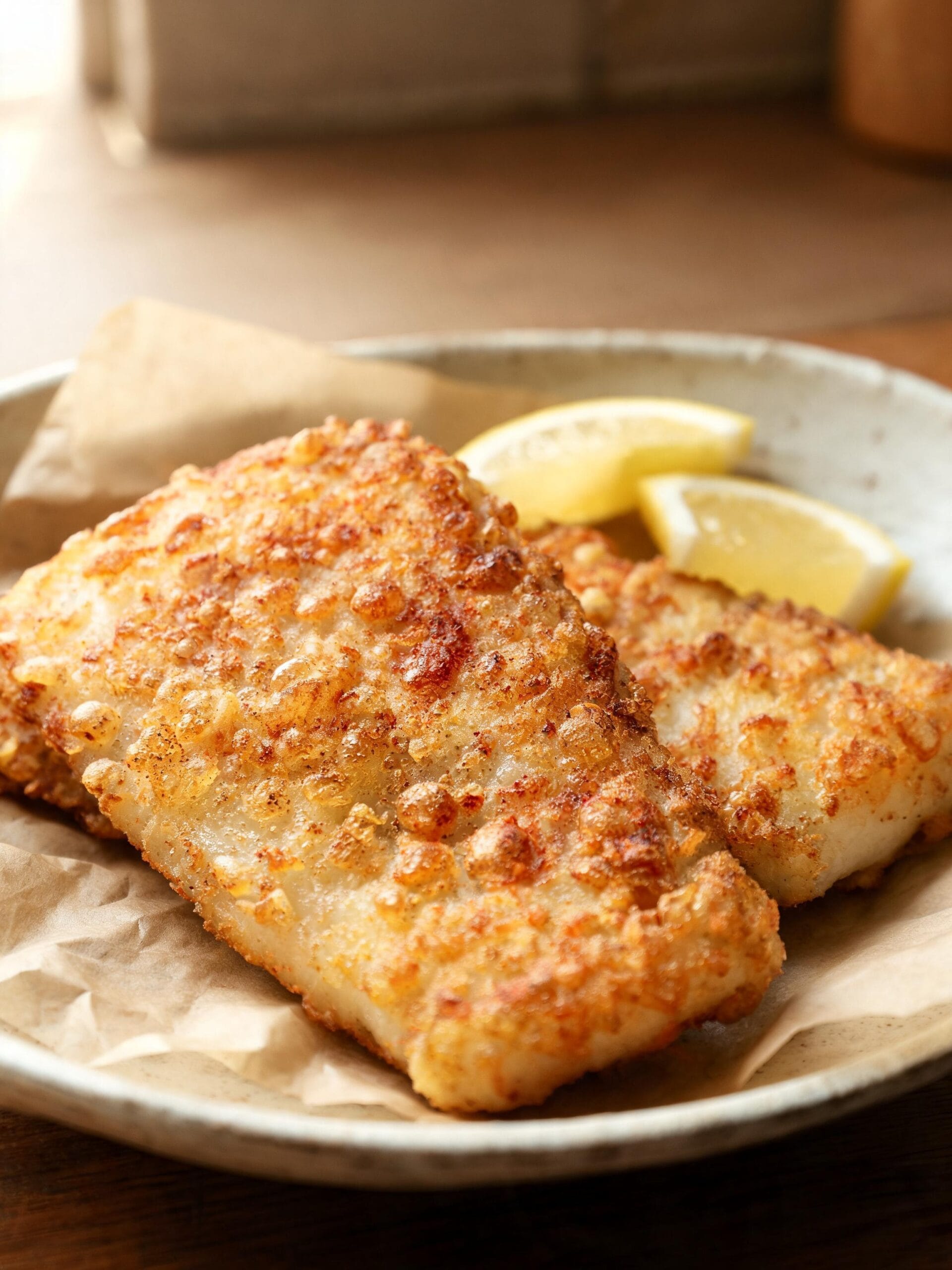
Cod is one of those fish that doesn’t fight you. It’s forgiving. It fries up clean and white and flaky, and when you get the coating right, there’s this crunch that just makes everything feel okay. Easy fried cod fish recipes have been a staple in my kitchen for years now, and honestly, they never get old. Whether it’s a Tuesday night or you just got back from the water, this one comes together fast and doesn’t ask much of you.
Why You’ll Love This Recipe
- It’s genuinely quick — from fridge to plate in about 30 minutes, which matters on a real weeknight when nobody wants to wait.
- The flavor is clean and honest. Cod has this mild sweetness that plays perfectly with a simple seasoned crust. Nothing fancy, just really good.
- You don’t need any special equipment. A heavy pan, some oil, and a little patience is all it takes.
Quick Recipe Snapshot
Recipe: Crispy Coastal Fried Cod
Prep Time: 15 minutes
Cook Time: 20 minutes
Total Time: 35 minutes
Servings: 4
Difficulty: Easy — beginner friendly
Best For: Weeknight dinner, casual lunch, family table
Equipment: Heavy skillet or cast iron pan, tongs, paper towels
Ingredients List
For the Fish:
- 1 ½ lbs cod fillets — fresh is best, but thawed frozen works fine too
- 1 teaspoon salt — seasons the fish itself before the coating goes on
- ½ teaspoon black pepper
- ½ teaspoon garlic powder — just enough to add depth without taking over
- ½ teaspoon smoked paprika — this is what gives it that warm golden color in the pan
For the Coating:
- ¾ cup all-purpose flour
- ½ cup fine yellow cornmeal — adds that real crunch that flour alone can’t give you
- 1 teaspoon Old Bay seasoning — because it belongs on anything that came from the water
- 2 eggs, beaten
- 2 tablespoons whole milk
For Frying:
- ¾ cup vegetable oil — or canola, something with a high smoke point
- Lemon wedges for serving
Step-by-Step Instructions
- Pat your cod fillets completely dry with paper towels. This step matters more than people think. Wet fish steams instead of fries, and you lose that crust you’re working toward. Take an extra minute here.
- Season both sides of the fillets with salt, pepper, garlic powder, and smoked paprika. Let them sit for about 5 minutes while you set up your coating station.
- In one shallow bowl, mix together the flour, cornmeal, and Old Bay. In a second bowl, whisk the eggs and milk together until combined.
- Dip each fillet into the egg wash first, letting the excess drip off. Then press it into the flour-cornmeal mixture, making sure it’s coated evenly on both sides. Don’t rush this part — any bare spots will show up later as soggy patches.
- Heat the oil in a heavy skillet over medium-high heat. You want it hot before the fish goes in. I usually drop a tiny pinch of flour in — if it sizzles right away, you’re ready. If it just sits there, give it another minute.
- Carefully lay the fillets in the pan, leaving space between them. Don’t crowd the pan. I’ve made that mistake more times than I’d like to admit — when you stack them in too close, the temperature drops and everything gets greasy instead of crispy.
- Cook for about 4 to 5 minutes per side depending on thickness. You’re looking for deep golden brown on the outside and fish that flakes easily when you press the center gently with a fork. Don’t flip them more than once.
- Transfer to a plate lined with paper towels. Give them a minute to drain. Serve with lemon wedges right away — cod is best hot, straight from the pan.
Small Tricks From Cooking Fish at Home
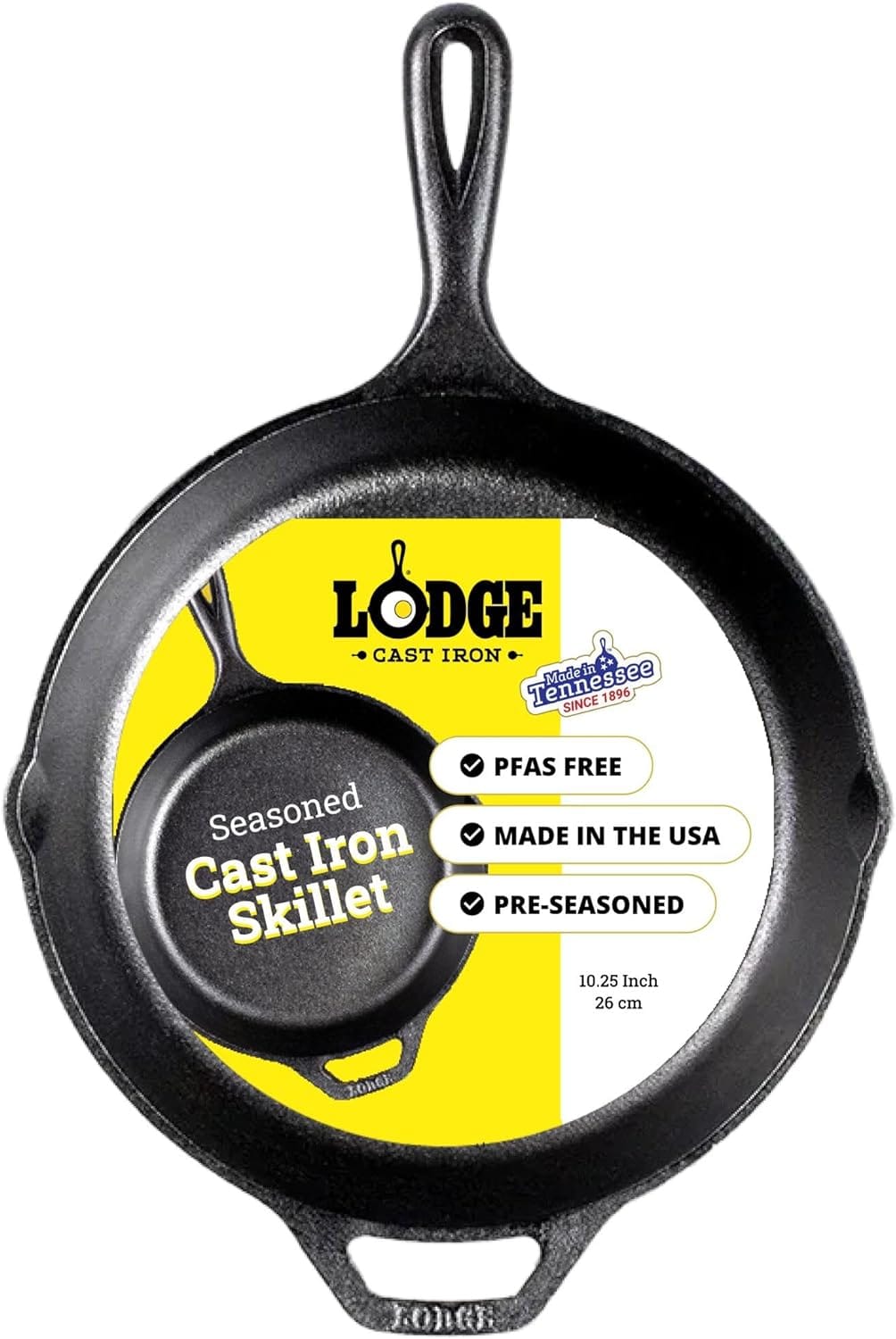
I mentioned that oil temperature is everything, and the tool I trust most to get it right is my Lodge Cast Iron Skillet. It’s a workhorse. It heats up evenly and, more importantly, it holds that heat steady, which is the real secret to a crust that sizzles the second it hits the pan instead of getting soggy. You don’t get hot spots, you just get a perfect, deep golden-brown crust from edge to edge on every single fillet.
If you’re serious about getting that perfect fry, this is the one piece of equipment I’d say you absolutely need. Grab one and see the difference for yourself!
Lodge 10.25 Inch Cast Iron Skillet with Assist Handle
✓ prime
We earn a commission if you make a purchase, at no additional cost to you.
The single thing that changed everything for me was drying the fish properly. I used to skip it when I was in a hurry, and every single time, the crust would slide off or turn soft before I even got it to the table. Now I dry it like it’s the most important step, because honestly, it kind of is.
Oil temperature is everything. Too cool and the fish absorbs the oil and turns heavy. Too hot and the outside burns before the inside is done. Medium-high on most home stoves is the sweet spot, but every stove is different. Trust the sizzle, not the dial.
Cornmeal in the coating isn’t just texture — it also helps the crust hold together better than flour alone. I figured this out by accident one night when I ran low on flour and grabbed the cornmeal bag to stretch it. Turned out to be the best batch I’d made in months.
Don’t season the coating and skip seasoning the fish itself. The coating sits on the outside. The fish needs its own salt to taste like something from the inside out.
Let the coated fillets rest for a couple minutes before they go in the oil. It helps the coating stick. I started doing this after watching a piece of crust float off into the pan one too many times and feeling genuinely annoyed about it.
Common Mistakes to Avoid
Skipping the drying step. I know I already said it, but it really is the most common reason a batch goes wrong. Moisture is the enemy of a good crust. Dry the fish.
Flipping too early — or too often. When the fish is ready to flip, it will release from the pan naturally. If you’re forcing it and it’s sticking, it’s not ready yet. Give it another minute. Pulling it too soon tears the crust and leaves half of it behind in the pan.
Using oil that’s not hot enough. Cold oil means the fish just sits in it and soaks it up. You want that immediate sizzle the second the fish hits the surface. That’s what creates the crust.
Crowding the pan. Four fillets in a pan built for two means none of them fry properly. Cook in batches if you need to. It’s worth the extra few minutes.
Variations and Serving Ideas
Spicy version: Add ½ teaspoon cayenne to the flour mixture and a dash of hot sauce into the egg wash. It builds heat slowly and pairs really well with a cool slaw on the side.
Mild version: Drop the Old Bay and paprika, use just salt, pepper, and a little lemon zest in the coating. It lets the cod’s natural flavor come through without any competition. Good for kids or anyone who likes things simple.
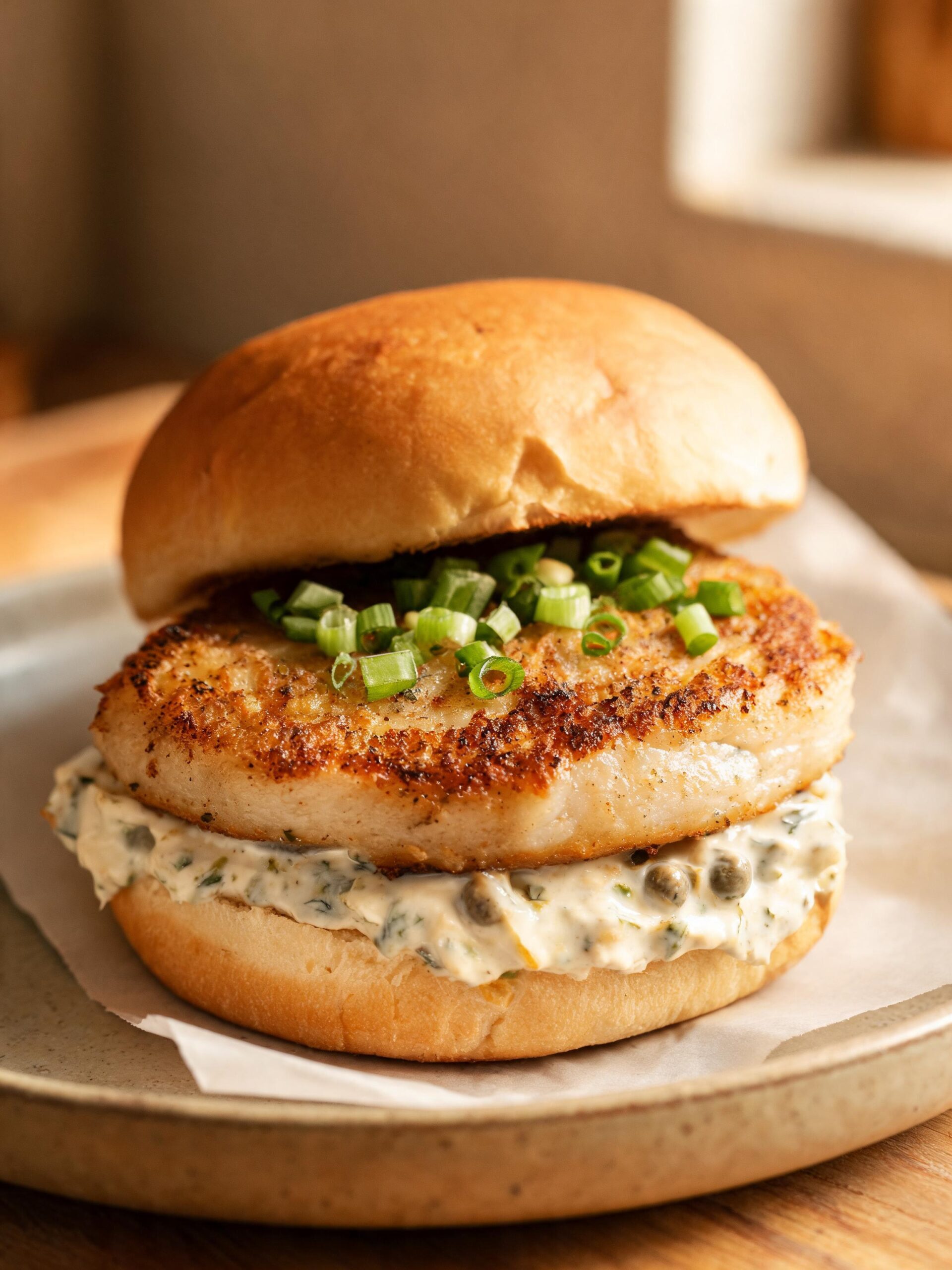
Coastal twist: Mix a tablespoon of dried dill and some fine breadcrumbs into the coating alongside the cornmeal. Serve with a quick tartar sauce made from mayo, pickles, and a squeeze of lemon. It tastes like something you’d get at a little fish shack on the water, which is exactly the point.
What to Serve With
Before you even think about sides, sometimes a great meal starts with a simple starter. Our garlic butter shrimp bites are a perfect example of easy seafood appetizers. For the main event, coleslaw is the obvious one, and it’s obvious for a reason. The cool crunch against the hot crispy fish is just right. I make mine simple — shredded cabbage, a little apple cider vinegar, mayo, salt. Nothing complicated.
Roasted potatoes or oven fries work well if you want something more filling. They can go in the oven while you fry the fish so everything finishes around the same time.
A green salad with something acidic in the dressing — lemon or vinegar — cuts through the richness of the fried coating and keeps the meal from feeling heavy.
Corn on the cob in summer. Hush puppies if you’re feeling ambitious. Sliced tomatoes with a little salt if you want to keep it really easy. Cod is flexible. It doesn’t need much around it to make a good plate.
Storage and Reheating
Fried cod is honestly best eaten the same day. The crust starts to soften pretty quickly once it sits. If you have leftovers, store them in an airtight container in the fridge and eat within 2 days.
To reheat, use a dry skillet over medium heat or a few minutes in an air fryer if you have one. Either way, the crust comes back reasonably well. DO NOT microwave fried cod. It turns the coating into something sad and rubbery and the fish gets a strange texture. It’s just not worth it.
DO NOT freeze already-fried cod. The coating breaks down completely when frozen and thawed, and you end up with something mushy and disappointing. Freeze the raw fillets instead and fry fresh when you’re ready.
FAQs (People Also Ask)
Can I use frozen cod instead of fresh?
Yes, absolutely. Just make sure it’s fully thawed and dried very well before coating. Frozen cod releases a lot of water as it thaws, so the drying step is even more important here.
How do I know when the cod is fully cooked?
The fish should flake easily when you press the center with a fork and the flesh should be opaque all the way through — no translucent or glassy-looking parts. If you have a thermometer, internal temp should hit 145°F.
Can I substitute another fish if I don’t have cod?
Haddock works almost identically. Pollock is another good option. Tilapia can work too, though it’s thinner so it cooks faster. Just adjust your timing and watch it closely.
How long does this take start to finish?
About 35 minutes total. It’s genuinely a quick weeknight dinner. Most of that time is just the frying itself — the prep is fast.
Can I make this ahead of time?
You can coat the fish and keep it in the fridge for up to an hour before frying. That’s about as far ahead as I’d go. Frying fresh is always going to give you the best crust.
Nutrition
Nutrition Facts
(Per serving. Estimates only, varies by exact ingredients used)
Conclusion
Some of the best meals I’ve ever eaten came from the simplest moments. A tired evening, a good piece of fish, a hot pan. There’s something about the smell of cod frying in a cast iron skillet that just feels like home to me — like the coast, like summer, like the end of a good day on the water.
This is the kind of cooking that doesn’t need to be perfect to be really, really good. Make it your own. Adjust the seasoning to what your family likes. Serve it however feels right that night. The fish will do most of the work for you.
Crispy Coastal Fried Cod
Ingredients
- 1 1/2 lbs cod fillets
- 1 tsp salt
- 1/2 tsp black pepper
- 1/2 tsp garlic powder
- 1/2 tsp smoked paprika
- 3/4 cup all-purpose flour
- 1/2 cup fine yellow cornmeal
- 1 tsp Old Bay seasoning
- 2 eggs beaten
- 2 tbsp whole milk
- 3/4 cup vegetable oil
- Lemon wedges for serving
Instructions
- Pat cod fillets completely dry with paper towels on both sides.
- Season both sides of the fillets with salt, pepper, garlic powder, and smoked paprika. Let rest 5 minutes.
- In a shallow bowl mix flour, cornmeal, and Old Bay. In a second bowl whisk eggs and milk together.
- Dip each fillet in the egg wash letting excess drip off, then press firmly into the flour-cornmeal mixture coating both sides evenly.
- Heat oil in a heavy skillet over medium-high heat until a pinch of flour sizzles immediately on contact.
- Carefully place fillets in the pan with space between each one. Do not crowd the pan.
- Cook 4 to 5 minutes per side until deep golden brown and fish flakes easily when pressed with a fork. Flip only once.
- Transfer to a paper towel-lined plate to drain for one minute. Serve immediately with lemon wedges.