Introduction
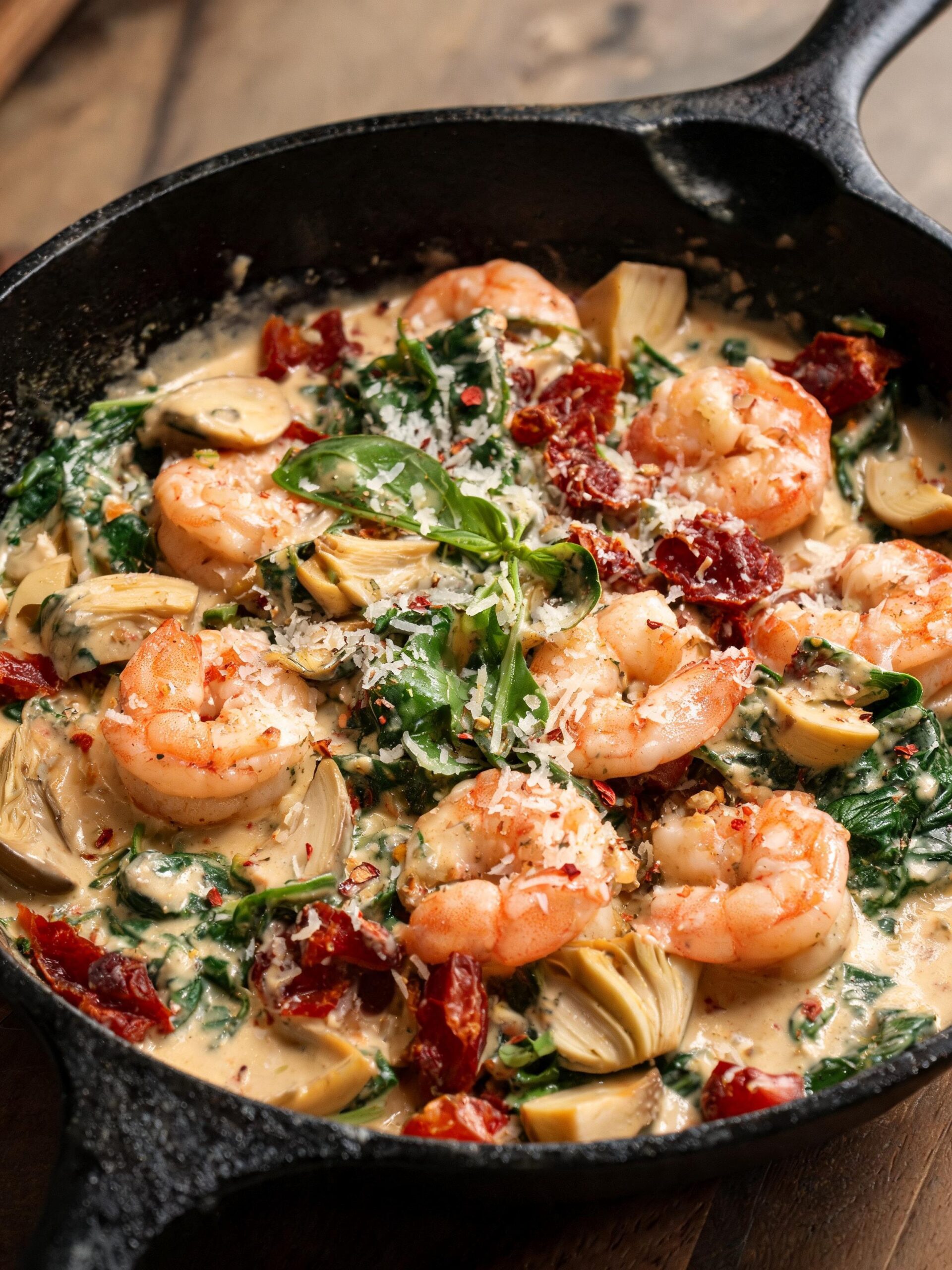
It was one of those evenings where the fridge had almost nothing left in it. I’m talking a lemon, half an onion, and a can of mackerel sitting in the back of the pantry that I’d honestly forgotten about. I almost ordered takeout. Instead, I pulled that can out, and what came together was one of the best quick seafood dinners I’ve made in a long time, rivaling even a classic shrimp alfredo recipe. That’s the thing about a good canned mackerel recipe — it doesn’t need much. It just needs a little patience and the right handful of ingredients.
I grew up near the water. My uncle used to bring back mackerel from early morning runs before most people were even awake. We’d eat it simply — pan-fried, with bread, maybe some sliced tomatoes if my grandmother had them. That flavor stuck with me. And honestly, a well-made easy canned mackerel dinner brings me right back to that table.
This isn’t fancy. It’s not supposed to be. It’s the kind of meal you make when you’re tired, when the week has been long, and when you just want something that actually tastes like something.
Why You’ll Love This Recipe
- It comes together in under 25 minutes — start to finish, no stress, no mess
- The flavor is deep and coastal without needing a long list of ingredients or special equipment
- It works for beginners — if you can open a can and heat a pan, you can make this
Quick Recipe Snapshot
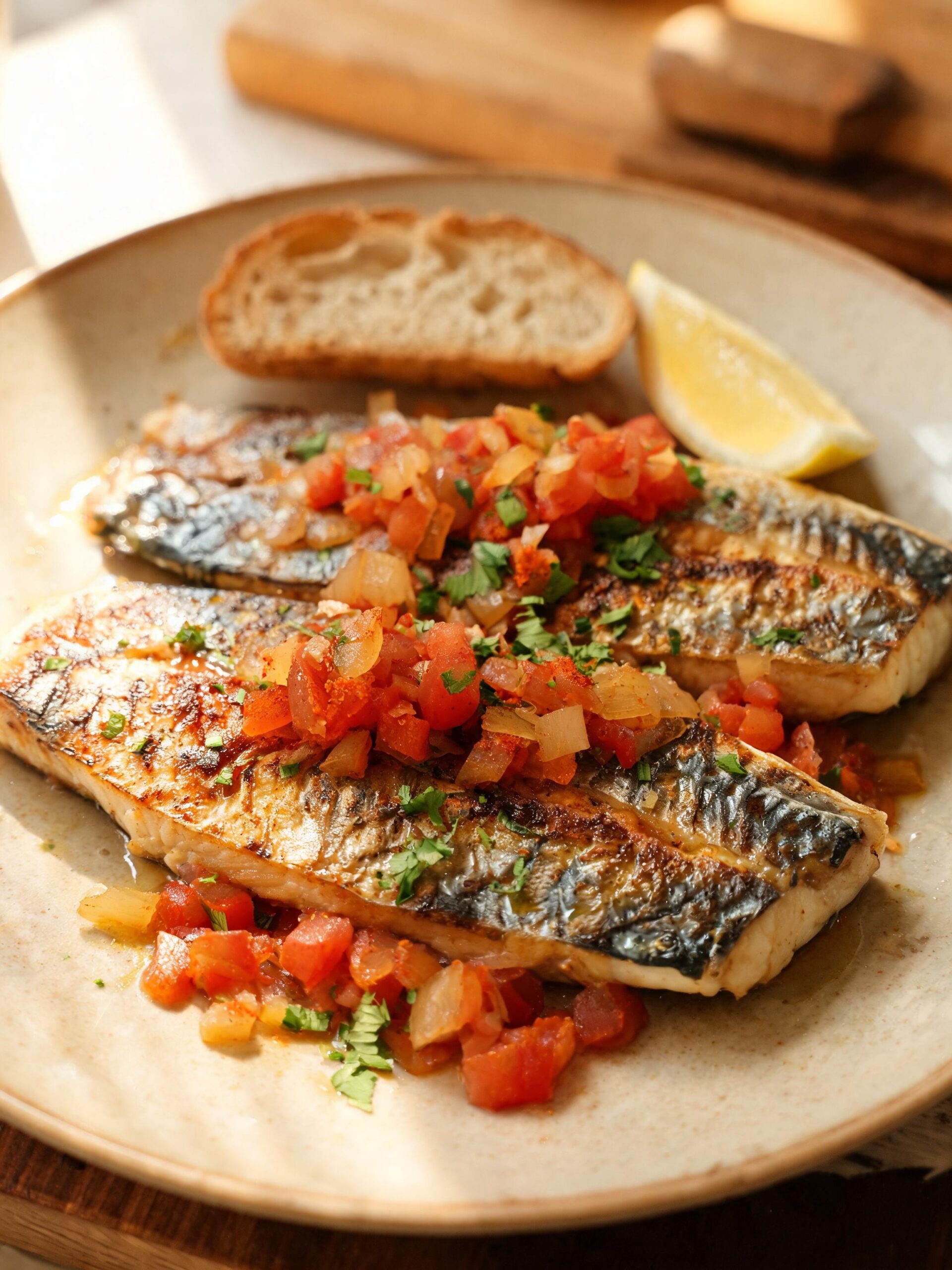
Canned Mackerel Skillet with Garlic and Tomatoes
⏱ Prep Time: 10 minutes
🍳 Cook Time: 15–20 minutes
🍽 Servings: 4
📦 Main Ingredient: Canned mackerel in olive oil
🔥 Skill Level: Beginner-friendly
🌊 Vibe: Coastal home kitchen, weeknight dinner
Ingredients List
The Main Stuff
- 2 cans (4–5 oz each) mackerel in olive oil — the oil in the can is actually useful, don’t throw it away
- 1 can (14 oz) diced tomatoes — adds body and a little acidity to balance the fish
- 4 garlic cloves, thinly sliced — the whole dish kind of leans on this
- 1 medium yellow onion, diced
- 2 tablespoons olive oil
- 1 teaspoon smoked paprika
- ½ teaspoon red pepper flakes — optional, but I usually add them
- Salt and black pepper to taste
- Juice of half a lemon — brightens everything at the end
To Serve
- Crusty bread or cooked rice
- Fresh parsley, roughly chopped
- Extra lemon wedges on the side
Step-by-Step Instructions
- Heat a wide skillet over medium heat. Add the olive oil and let it warm up for about a minute — you want it shimmering, not smoking.
- Add the diced onion. Cook it low and slow for about 5 to 6 minutes, stirring occasionally. You want it soft and a little golden at the edges, not browned and bitter.
- Add the garlic slices. This is where it starts smelling like something worth eating. Give it another 2 minutes, keeping the heat medium-low so the garlic doesn’t burn. Burnt garlic will ruin the whole pan — I’ve done it more than once.
- Pour in the diced tomatoes with all their juice. Add the smoked paprika and red pepper flakes if you’re using them. Stir everything together and let it simmer for about 5 minutes until the sauce thickens slightly.
- Open your cans of mackerel. Drain most of the oil but save a little — maybe a teaspoon — and add it to the pan. It carries flavor. Gently break the mackerel into large chunks and nestle them into the tomato sauce. Try not to stir too aggressively here. You want pieces, not mush.
- Let everything cook together for another 4 to 5 minutes on low heat. The fish just needs to warm through and absorb some of that sauce. Squeeze the lemon over the top right at the end.
- Taste it. Adjust salt if needed. Scatter parsley over the top and serve straight from the pan with bread or rice.
Side thought — I always serve this with thick crusty bread because scooping the sauce up with it is honestly the best part of the whole meal.
Small Tricks From Cooking Fish at Home
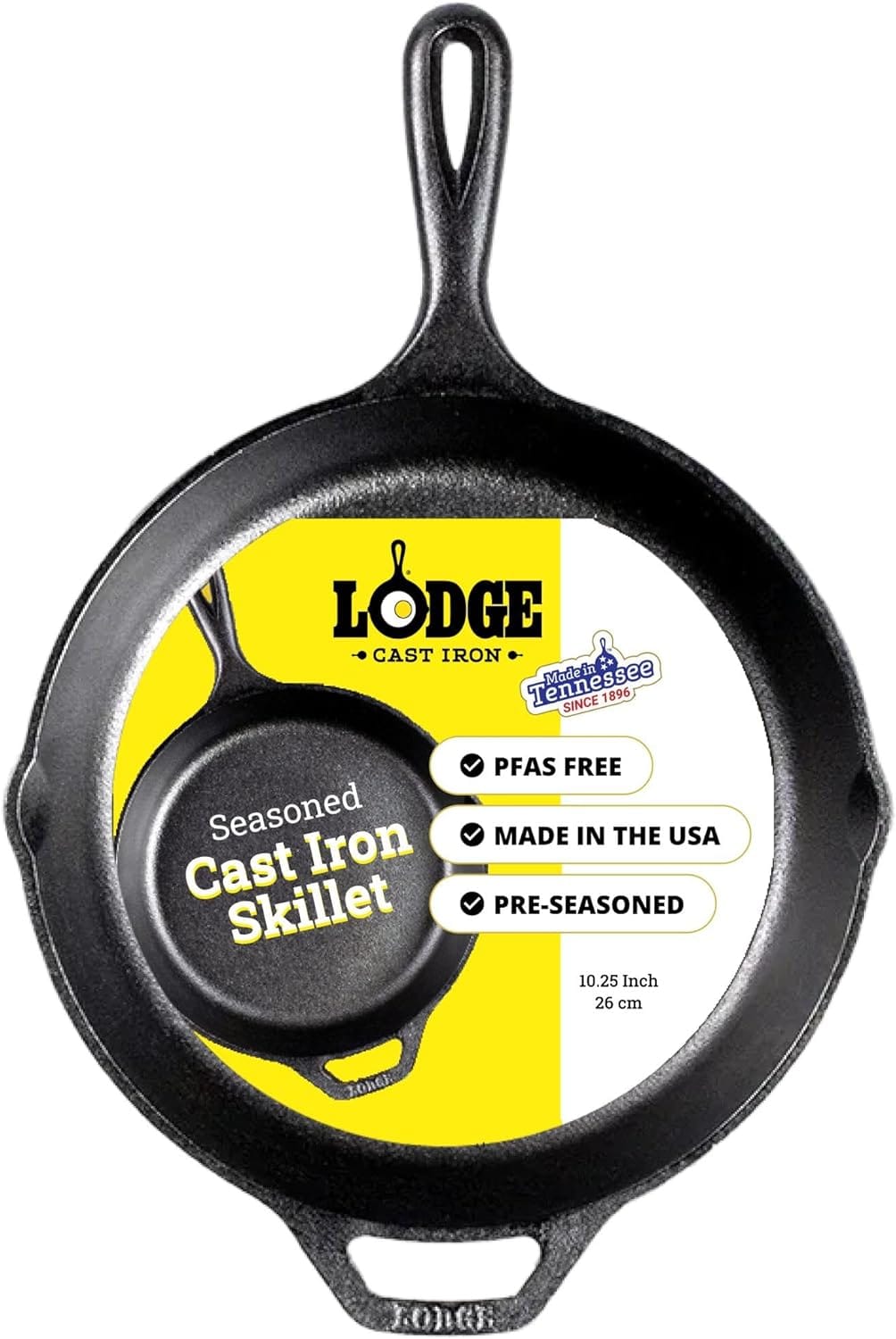
Speaking of gentle heat, the absolute key to this dish is a skillet that distributes it evenly. I rely on my Lodge Cast Iron Skillet for this. Its heat retention is incredible, meaning once I get it to that perfect medium-low temperature for the onions and garlic, it stays there without any hot spots. This prevents bitterness and ensures the mackerel chunks warm through perfectly without getting grainy or tough. It’s the kind of reliable pan that makes simple recipes like this truly sing.
For a pan that will last a lifetime and give you consistent results, take a look at the one I count on.
Lodge 10.25 Inch Cast Iron Skillet with Assist Handle
✓ prime
We earn a commission if you make a purchase, at no additional cost to you.
Don’t drain the can completely. That olive oil inside has been sitting with the fish and it carries real flavor. A little splash of it into the pan makes a difference you’ll actually notice.
My grandmother always said low heat is the friend of fish. She was right. High heat turns canned mackerel grainy and dry almost immediately. Keep it gentle and patient.
If your tomatoes are very acidic — sometimes canned ones can be sharp — a tiny pinch of sugar stirred in during the simmering stage smooths everything out. I learned this by accident one night when I grabbed the sugar instead of salt. Ended up being a happy mistake.
Let the onion go longer than you think it needs to. Soft, slightly caramelized onion is what gives this dish its quiet sweetness underneath all the bold fish flavor. Rushing the onion is where most people lose the depth.
Fresh parsley at the end isn’t just decoration. It cuts through the richness of the fish and the oil and gives the whole dish a lift. Dried parsley won’t do the same thing — it just kind of disappears into the sauce.
Common Mistakes to Avoid
Breaking the fish up too small too early. Once mackerel turns to flakes, it sort of disappears into the sauce and you lose that satisfying chunky texture. Add it late and handle it gently.
Cranking the heat trying to speed things up. I get it — it’s a weeknight and you’re hungry. But fish on high heat gets tough and chalky fast. The whole point of this meal is that it’s simple and good, not fast and disappointing.
Skipping the lemon at the end. It sounds minor. It isn’t. The acid wakes everything up. Without it the dish can taste a little flat and heavy. Don’t skip it.
Using mackerel packed in water when you have the choice. The olive oil version has so much more flavor and the texture holds better in the pan. Water-packed works in a pinch but it’s not the same experience.
Variations and Serving Ideas
Spicy version: Double the red pepper flakes and add a small chopped fresh chili with the garlic. A little drizzle of chili oil at the end takes it somewhere really good.
Mild version: Skip the pepper flakes entirely and add a handful of baby spinach in the last two minutes of cooking. It wilts down into the sauce and makes the whole thing feel a little lighter and more balanced.
Coastal twist: Add a handful of halved cherry tomatoes instead of canned, a few capers, and a couple of olives. Serve it over thick slices of toasted sourdough rubbed with garlic. That’s the version I make when I want it to feel like summer by the water even when it’s raining outside.
What to Serve With
Crusty bread is the obvious choice and, honestly, the best one. You’ll want something with a thick crust that can hold up to the sauce without going soggy immediately. It’s a classic pairing for a simple skillet, much like how a fresh cabbage slaw is the perfect complement for crispy fish tacos.
Plain steamed rice works really well too — it soaks up the tomato and oil without competing with the fish. Brown rice if you want something with a little more texture and nuttiness.
A simple green salad on the side — arugula with lemon and olive oil — cuts through the richness nicely. Nothing complicated. Just something fresh and slightly bitter to balance the bold, oily fish.
If you’re going the bread route, a cold glass of something sparkling or a light white wine makes this feel like a proper coastal dinner even if you’re just eating at the kitchen counter.
Storage and Reheating
Store leftovers in a sealed container in the fridge. It keeps well for up to 2 days. The flavors actually deepen overnight — it’s sometimes better the next day eaten cold on toast, honestly.
To reheat, use a small pan over low heat with a splash of water to loosen the sauce. Cover it and let it warm slowly. DO NOT microwave it on high — the fish gets rubbery and the whole texture falls apart. Low and slow even for reheating.
DO NOT freeze this. Canned fish that’s been cooked in a tomato sauce doesn’t freeze well. The texture when thawed is unpleasant and watery. Just make what you’ll eat in two days.
FAQs (People Also Ask)
Can I use a different canned fish if I don’t have mackerel?
Yes — canned sardines work really well in this exact recipe and the flavor is similar. Canned tuna works too but it’s a little drier and milder, so you might want to add a touch more olive oil and seasoning.
How long does this keep in the fridge?
Two days is the safe window. After that the fish starts to get a little soft and the flavor gets too strong. It’s best eaten fresh or the next day.
How do I know when it’s done?
The fish is already cooked inside the can, so you’re really just warming it through and letting it absorb the sauce. When it’s hot all the way through and the sauce has thickened a little, it’s ready. About 4 to 5 minutes on low heat after adding the fish.
Can I use fresh mackerel instead of canned?
You can, but fresh mackerel needs longer cooking and a slightly different approach — it needs to be fully cooked through, which takes more time and attention. Canned is what makes this recipe so quick and easy for a weeknight.
Is this recipe hard to make?
Not at all. If you can dice an onion and not burn garlic, you can make this. The whole thing takes about 25 minutes and most of that is just letting things simmer. It’s genuinely one of the easier seafood dinners you can put together at home.
Nutrition Facts
(Per serving. Estimates only, varies by exact ingredients used)
Conclusion
There’s something about a meal that comes together from almost nothing that feels more satisfying than one you planned for days. That can of mackerel sitting in the back of the pantry — the one you almost ignored — turned into dinner that tasted like it had a story behind it.
That’s what coastal cooking has always been for me. Not complicated. Not impressive. Just honest, simple food that tastes like where it came from. This is that kind of meal. I hope it finds you on one of those evenings when you need it most.
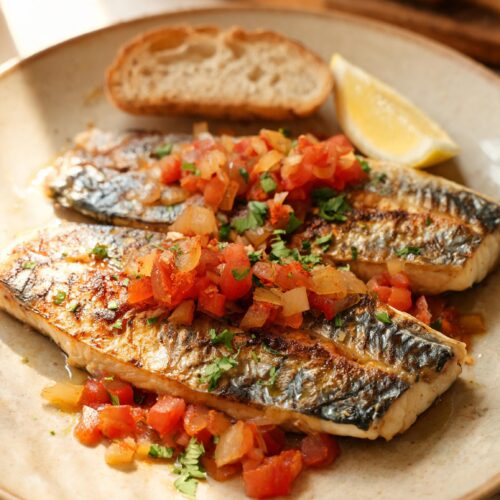
Canned Mackerel Skillet with Garlic and Tomatoes
Ingredients
- 2 cans (4–5 oz each) mackerel in olive oil
- 1 can (14 oz) diced tomatoes
- 4 garlic cloves, thinly sliced
- 1 medium yellow onion, diced
- 2 tablespoons olive oil
- 1 teaspoon smoked paprika
- 1/2 teaspoon red pepper flakes (optional)
- Salt and black pepper to taste
- Juice of half a lemon
- Fresh parsley, roughly chopped
- Crusty bread or cooked rice for serving
Instructions
- Heat a wide skillet over medium heat. Add olive oil and let it warm until shimmering.
- Add diced onion and cook for 5 to 6 minutes over medium-low heat until soft and slightly golden.
- Add sliced garlic and cook for 2 more minutes, keeping heat low to avoid burning.
- Pour in diced tomatoes with their juice. Add smoked paprika and red pepper flakes. Stir and simmer for 5 minutes until sauce thickens slightly.
- Open canned mackerel, drain most of the oil but reserve about 1 teaspoon and add it to the pan. Gently break mackerel into large chunks and nestle into the sauce.
- Cook on low heat for 4 to 5 minutes until fish is warmed through and has absorbed the sauce. Squeeze lemon juice over the top.
- Taste and adjust salt. Scatter fresh parsley over the top and serve straight from the pan with crusty bread or rice.