Introduction
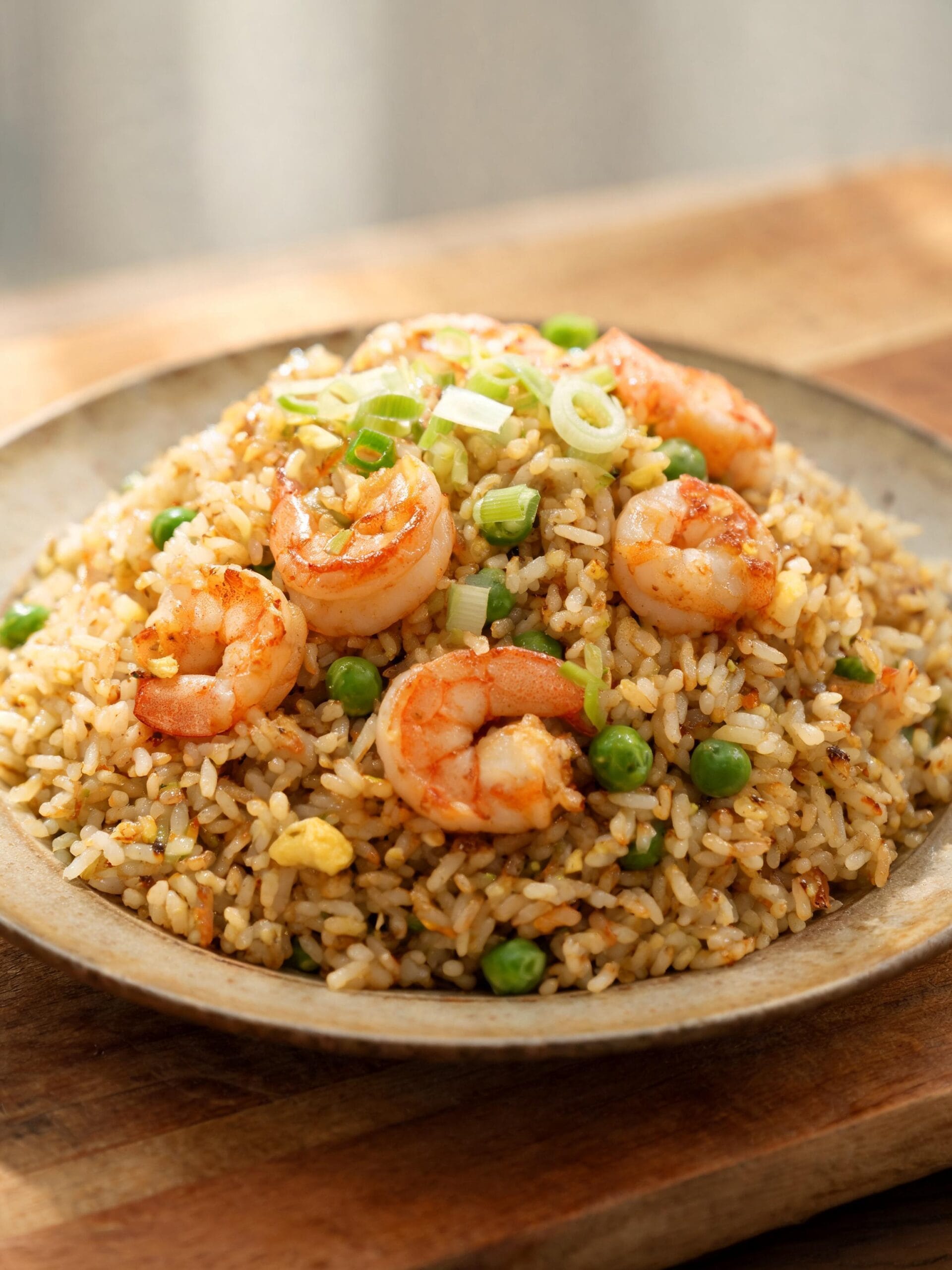
Some nights the fridge just tells you what to make. Last Tuesday it was leftover rice, a half-stick of butter, and a bag of shrimp I’d pulled from the freezer without a plan. That simple, buttery approach is how this Butter Shrimp Fried Rice happened, and it works just as well for other seafood, like in our popular buttery Chilean sea bass recipe. It was born not from a recipe, but from being hungry and tired after a long day near the water.
I’ve made fried rice a hundred times. But the night I added a generous knob of butter right at the end, let it melt slow into the hot pan and coat every grain and every piece of shrimp — that changed things. It became something I actually craved instead of just something I made to use up rice.
This easy Butter Shrimp Fried Rice is the kind of dinner that feels like more than it is. It’s simple. It’s coastal in spirit. And it tastes like you put in way more effort than you actually did.
Why You’ll Love This Recipe
- It comes together fast. From cold rice to dinner on the table in about 35 minutes, sometimes less if you’re moving.
- The butter makes it. Not fancy, not complicated — just real butter doing what butter does best, making everything taste richer and more satisfying.
- It works with what you have. Frozen shrimp, day-old rice, a couple of eggs, some soy sauce. That’s really all you need to make something genuinely good.
Quick Recipe Snapshot
Prep Time: 15 minutes
Cook Time: 20 minutes
Flavor Profile: Rich, savory, slightly nutty, with a gentle sweetness from the shrimp
Best Served With: A cold drink, a simple cucumber salad, or honestly just on its own
Skill Level: Easy — if you can scramble an egg and stir a pan, you’ve got this
Ingredients List
For the rice and shrimp:
- 3 cups cooked white rice, day-old if possible — fresh rice holds too much moisture and turns mushy in the pan
- 1 lb medium shrimp, peeled and deveined — fresh or thawed frozen both work fine here
- 4 tablespoons unsalted butter, divided — this is the heart of the whole dish, don’t skimp
- 1 tablespoon neutral oil like vegetable or canola — helps keep the butter from burning too fast
- 3 cloves garlic, minced — fresh garlic matters more than you’d think in a dish this simple
- 3 large eggs, lightly beaten
- 3 tablespoons soy sauce — low sodium if you’re watching salt, regular if you’re not
- 1 teaspoon sesame oil — just a small drizzle at the end, it adds something warm and nutty
- 1 cup frozen peas, thawed — or whatever vegetable you have around, honestly
- 3 green onions, sliced thin — for the top, adds freshness and a little color
- Salt and black pepper to taste
Optional but good:
- A pinch of red pepper flakes if you want a little heat
- A squeeze of fresh lemon at the end — sounds strange, tastes right
Step-by-Step Instructions
- Get your shrimp ready first. Pat them dry with a paper towel. This matters more than it sounds — wet shrimp steam instead of sear, and you lose that little bit of color and flavor you want. Season lightly with salt and pepper and set aside.
- Heat the pan until it’s actually hot. Use a large skillet or a wok if you have one. Medium-high heat. Add 1 tablespoon of butter and the oil together. When the butter foams and settles, you’re ready.
- Cook the shrimp. Add them in a single layer. Don’t move them for about 90 seconds — let them get a little color on the bottom. Flip, cook another minute until just pink through. Pull them out and set them aside. They’ll finish cooking when they go back in later, so don’t overdo it here.
- In the same pan, add another tablespoon of butter and the garlic. Stir it around for about 30 seconds. You want it fragrant but not brown — burnt garlic in fried rice is a hard thing to come back from.
- Add the cold rice. Break up any clumps with a spatula and spread it out across the pan. Let it sit without stirring for a minute or two — you want it to get a little toasty on the bottom. Then stir and repeat. This is what gives fried rice that slightly chewy, almost crispy texture that makes it worth eating.
- Push the rice to the sides and scramble the eggs in the center. Let them cook mostly through before folding them into the rice. It’s okay if they’re a little soft still — they’ll keep cooking.
- Add the peas, soy sauce, and sesame oil. Stir everything together. Taste it. Adjust the soy sauce if needed.
- Add the shrimp back in. Stir gently to combine and let everything warm through together for about a minute.
- This is the part that matters. Turn the heat down to low and add the last 2 tablespoons of butter. Let it melt slowly over the rice and shrimp, stirring gently as it does. That butter coating everything at the end is what makes this homemade Butter Shrimp Fried Rice taste the way it does. Don’t rush it.
- Serve immediately. Top with green onions and a squeeze of lemon if you’re using it. Eat it while it’s hot.
Chef’s Pro Tips for Success
I’ve made this dish in a lot of different pans, but nothing gives you that perfectly toasted, slightly crispy rice like a heavy cast iron skillet. You need that high, even heat to get the job done right, and that’s why my Lodge skillet is my workhorse for any fried rice. It holds its temperature when you add the cold rice, preventing it from steaming, and gives the shrimp a beautiful, fast sear. It’s the simplest way to take your homemade fried rice from good to great.
This is an essential, buy-it-for-life piece of cookware that I recommend to every home cook. Grab one and see the difference it makes.
Lodge 10.25 Inch Cast Iron Skillet with Assist Handle
✓ prime
We earn a commission if you make a purchase, at no additional cost to you.

Day-old rice is not optional, it’s the difference. I’ve tried making fried rice with fresh-cooked rice more times than I should admit. It always ends up sticky and clumped together in a way that no amount of stirring fixes. If you’re planning ahead, cook the rice the night before and leave it uncovered in the fridge. It dries out just enough.
If you forget and only have fresh rice — spread it on a sheet pan and put it in the freezer for 20 minutes. It’s not perfect but it helps.
The butter goes in at the end, not the beginning. I learned this the wrong way. When I first started making this, I’d melt all the butter at the start and wonder why the dish felt heavy and a little greasy. Finishing with butter is different — it coats instead of soaks, and the flavor is brighter somehow.
One thing I always do: taste the rice before adding any extra salt. Soy sauce carries a lot of sodium already, and it’s easy to over-season without realizing it until you’re halfway through the bowl.
Don’t crowd the shrimp. If your pan isn’t big enough to lay them all flat without overlapping, cook them in two batches. Crowded shrimp steam each other and turn rubbery. A little space gives you better texture and better color.
I also keep a lemon on the counter when I’m making any shrimp dish. A small squeeze over the finished plate cuts through the richness of the butter in a way that feels almost necessary once you’ve tried it.
Common Mistakes to Avoid
Using fresh rice straight from the pot. It’s too wet. The steam that’s still in fresh-cooked rice turns your fried rice into something closer to a sticky clump than the loose, slightly crispy dish you’re going for. Cold, dry rice breaks apart in the pan and toasts properly. This is probably the single most common reason homemade fried rice doesn’t taste like you want it to.
Overcooking the shrimp. Shrimp cook fast — faster than most people expect. They go from perfect to rubbery in about 60 seconds. The trick is pulling them out of the pan while they still look slightly underdone, because they’ll finish cooking when you add them back at the end. If they’re fully cooked when you remove them, they’ll be overcooked by the time you serve.
Cooking on heat that’s too low. Fried rice needs real heat. Medium-high, sometimes closer to high depending on your stove. Low heat means the rice steams instead of toasts, the eggs get rubbery, and the whole thing ends up soft and a little sad. If your pan isn’t making some noise when the rice hits it, turn up the heat.
Adding the soy sauce too early. If you pour soy sauce in before the rice has had a chance to toast a little, it makes everything wet and dark before you’ve built any texture. Add it after the rice has been in the pan for a few minutes and you’ve gotten some color going. It absorbs better and the flavor distributes more evenly.
Variations and Serving Ideas
Spicy version: Add a teaspoon of chili garlic sauce or sambal oelek when you add the garlic. You can also finish with red pepper flakes and a drizzle of sriracha. The heat works well against the richness of the butter.
Mild version: Skip any heat entirely and add a small splash of oyster sauce with the soy sauce. It makes the whole dish a little sweeter and deeper without being spicy at all — good for kids or anyone who doesn’t love heat.
Coastal twist: If you have some bay scallops or leftover crab meat sitting around, throw them in with the shrimp. It changes the character of the dish in a good way — more layered, more like something you’d eat sitting outside near the water. A little Old Bay in with the seasoning doesn’t hurt either.
What to Serve With
This dish is rich and filling on its own, so I usually keep the sides simple and fresh. A cucumber salad with a little rice vinegar and sesame seeds is probably my favorite pairing — the cool crunch cuts through the butter in a way that feels right.
Miso soup works well too if you want something warm alongside it. Or just a simple green salad with a light dressing. Honestly, I’ve eaten this dish straight out of the pan more times than I can count and it didn’t need a single thing next to it.
If you’re feeding a group, a plate of steamed edamame on the table gives people something to snack on while the rice finishes and it fits the whole feel of the meal.
Storage and Reheating
Leftover fried rice keeps well in the fridge for up to two days in a sealed container. The rice actually gets a little better overnight — the flavors settle and it reheats nicely in a hot skillet with just a tiny bit of butter or oil.
The shrimp is the part to be careful about. Don’t reheat it more than once. Shrimp that’s been reheated twice gets tough and a little off in flavor. If you know you’ll have leftovers, you can pull the shrimp out before storing and add fresh shrimp when you reheat — it takes an extra five minutes but it’s worth it.
Do not microwave this if you can help it. The rice gets unevenly hot, the shrimp turns rubbery, and the butter just kind of disappears. A hot pan is always the better move.
FAQs (People Also Ask)
Can I use frozen shrimp for this recipe?
Yes, absolutely. Most of the shrimp I use comes from the freezer. Just make sure it’s fully thawed and patted dry before it goes in the pan. Frozen shrimp that’s still a little wet will steam instead of sear and you’ll lose the texture you want.
How do I know when the shrimp is done?
When it curls into a loose C shape and turns pink and opaque, it’s done. If it curls into a tight O, it’s overcooked. Pull it off the heat a little earlier than you think you need to — it’ll keep cooking from the residual heat in the pan.
Can I substitute the butter with something else?
You can use ghee if you want a slightly nuttier flavor and a higher smoke point. Olive oil works in a pinch but the dish loses some of what makes it feel rich and satisfying. The butter really is the point of this one — I wouldn’t skip it entirely.
How long does leftover Butter Shrimp Fried Rice last in the fridge?
Two days is the honest answer for best quality. The rice holds up fine but the shrimp starts to lose its texture after that. If you’re meal prepping, store the shrimp separately and combine when reheating.
Is this recipe hard to make?
Not at all. The only real technique involved is managing your heat and not overcooking the shrimp. If you’ve made scrambled eggs and stirred a pan before, you can make this. It moves fast once you start, so having everything prepped and ready before you turn on the stove makes it easier.
Conclusion
There’s something about a dish that comes together from whatever’s left in the kitchen that always feels more satisfying than something you planned out. This coastal style Butter Shrimp Fried Rice started that way for me — a tired Tuesday, a bag of shrimp, cold rice, and a stick of butter. Now it’s one of those meals I actually look forward to making.
It’s not fancy. It doesn’t need to be. It just needs to be hot, buttery, and eaten while it’s still steaming. That’s enough.
Butter Shrimp Fried Rice
Ingredients
- 3 cups cooked white rice, day-old and cold
- 1 lb medium shrimp, peeled and deveined
- 4 tablespoons unsalted butter, divided
- 1 tablespoon neutral oil (vegetable or canola)
- 3 cloves garlic, minced
- 3 large eggs, lightly beaten
- 3 tablespoons soy sauce
- 1 teaspoon sesame oil
- 1 cup frozen peas, thawed
- 3 green onions, thinly sliced
- Salt and black pepper to taste
- Optional: pinch of red pepper flakes
- Optional: squeeze of fresh lemon juice
Instructions
- Pat shrimp dry with paper towels and season lightly with salt and black pepper. Set aside.
- Heat a large skillet or wok over medium-high heat. Add 1 tablespoon butter and the oil. When the butter foams and settles, the pan is ready.
- Add shrimp in a single layer. Cook without moving for 90 seconds until lightly colored on the bottom. Flip and cook another 60 seconds until just pink. Remove from pan and set aside.
- Add another tablespoon of butter to the same pan. Add minced garlic and stir for about 30 seconds until fragrant but not browned.
- Add cold rice to the pan. Break up clumps with a spatula and spread across the pan. Let it sit undisturbed for 1 to 2 minutes to toast slightly, then stir and repeat.
- Push rice to the sides of the pan. Pour beaten eggs into the center and scramble until mostly set, then fold into the rice.
- Add thawed peas, soy sauce, and sesame oil. Stir everything together and taste for seasoning.
- Return shrimp to the pan. Stir gently and let everything warm together for about 1 minute.
- Reduce heat to low. Add the remaining 2 tablespoons of butter and let it melt slowly over the rice and shrimp, stirring gently as it coats everything.
- Serve immediately topped with sliced green onions and an optional squeeze of fresh lemon juice.