Introduction
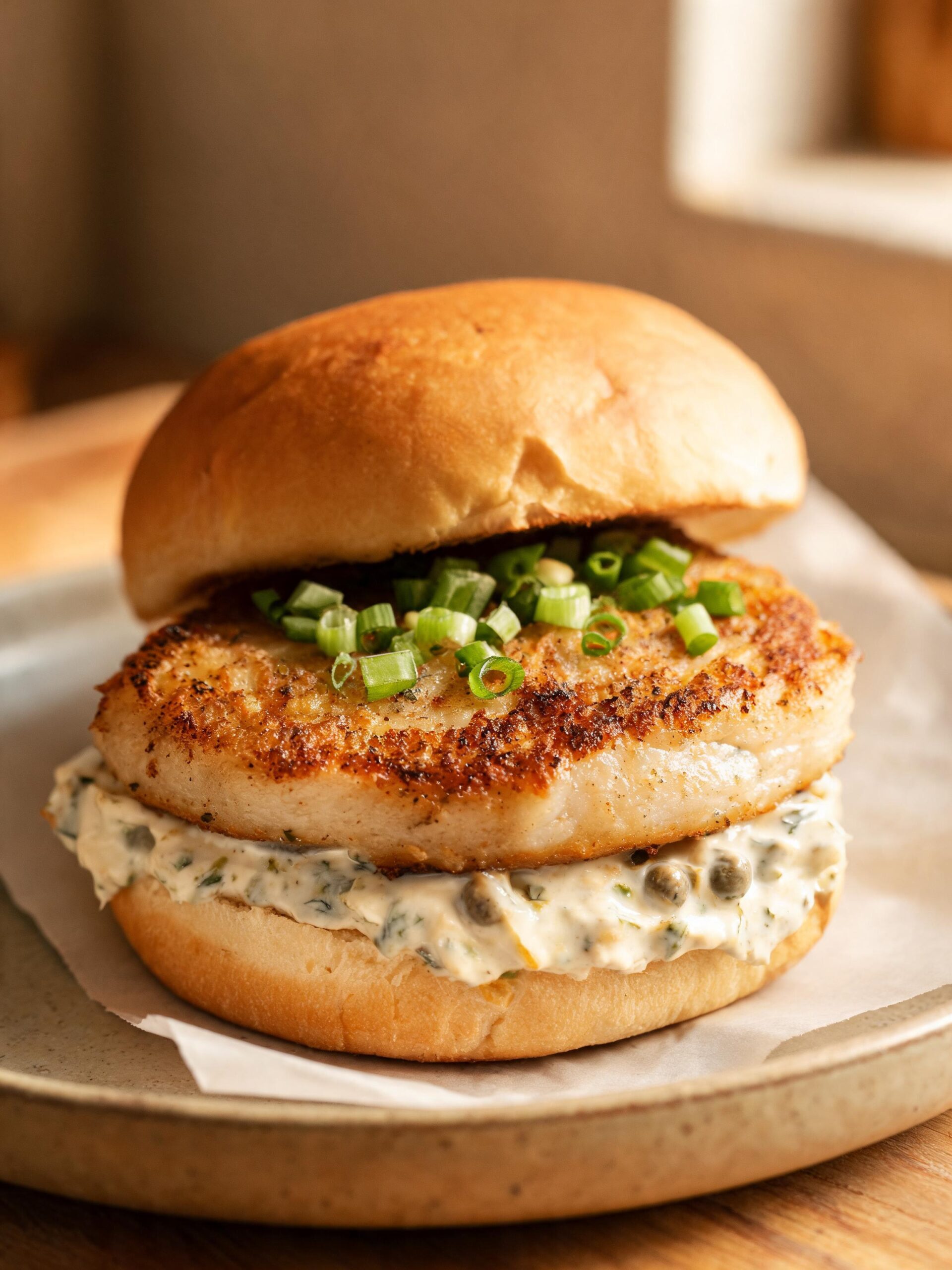
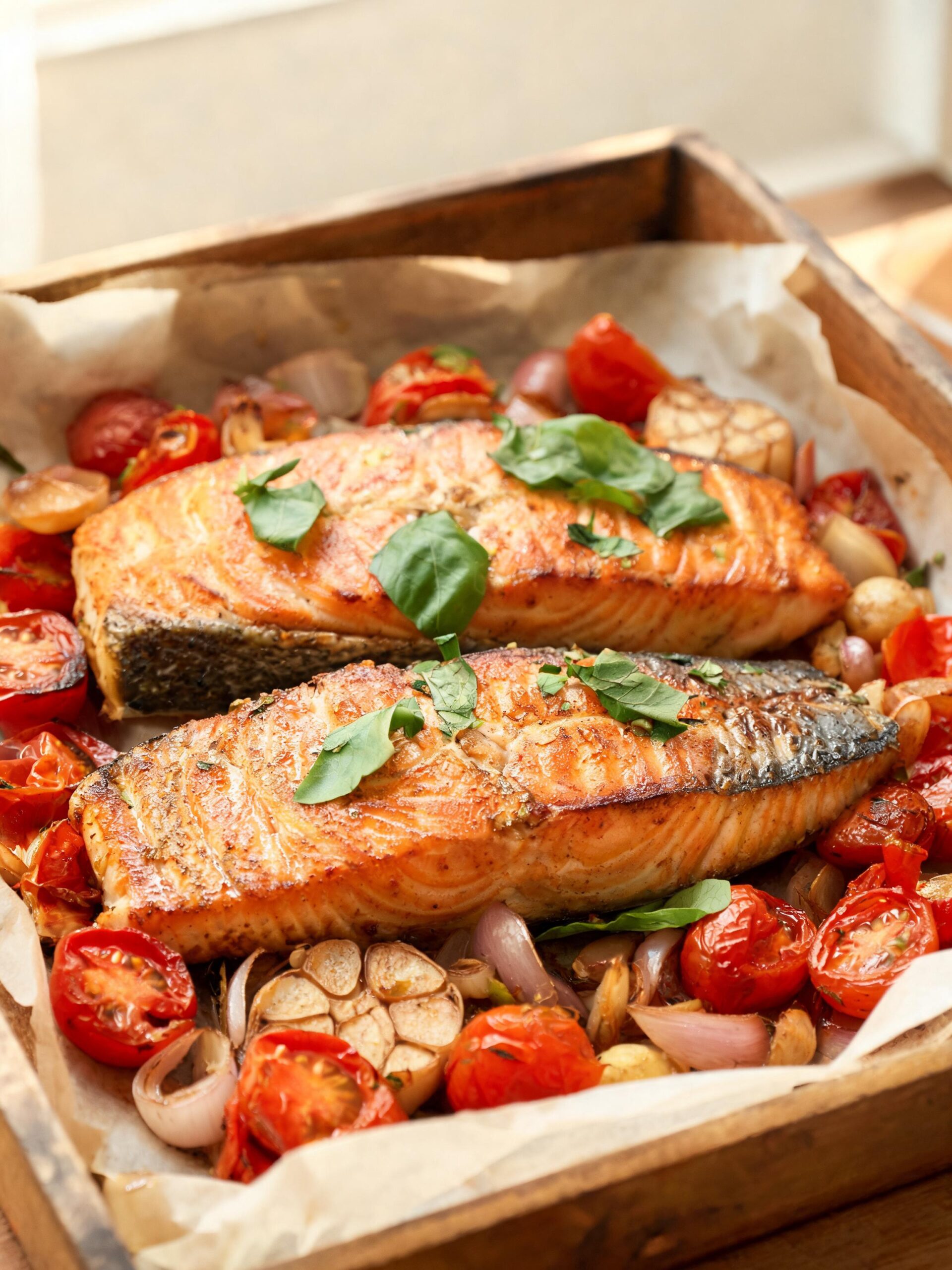
After 20 years behind the line in professional kitchens, I’ve seen countless food trends come and go, but the demand for simple, reliable baked salmon recipes has never faded. It’s the one dish everyone wants to master at home. This Cherry Tomato and Basil Baked Salmon is the recipe I give to friends and family. It’s straightforward, uses fresh ingredients, and delivers a restaurant-quality meal with minimal effort. It’s less about a rigid set of rules and more about a technique that lets high-quality ingredients do the work. The oven roasts the sweet cherry tomatoes until they burst, creating a rustic, savory sauce that perfectly complements the rich salmon. This isn’t just another fish dinner; it’s a complete, vibrant meal on one pan that truly respects the ingredients. While this recipe is a favorite, salmon is also fantastic for making baked healthy salmon patties for another easy meal. It stands as a testament to how fantastic simple cooking can be.
Why You’ll Love This Recipe
- Fast and Efficient: This entire meal comes together in about 30 minutes. It’s designed for busy weeknights when you want something impressive and healthy without spending hours in the kitchen.
- Huge Flavor, Minimal Effort: The combination of sweet, jammy roasted tomatoes, pungent garlic, and fresh basil creates a complex flavor profile. The oven does all the heavy lifting, concentrating the flavors while you relax.
- Healthy and Adaptable: Packed with Omega-3 fatty acids from the salmon and vitamins from the tomatoes, this is a meal you can feel good about. It’s naturally gluten-free, low-carb, and fits perfectly into a Mediterranean diet.
Ingredients List
Precision is key in a professional kitchen, and it should be in yours too. Using the right amount of each ingredient ensures the final dish is balanced. This recipe serves four.
For the Salmon:
- Salmon Fillets: 4 (6-ounce) fillets, about 1 to 1.5 inches thick. I prefer skin-on King or Coho salmon for extra moisture, but skinless works perfectly fine.
- Extra Virgin Olive Oil: 2 tablespoons. Use a good quality oil; its flavor will shine through.
- Kosher Salt: 1 teaspoon. Kosher salt’s texture adheres to the fish better than table salt.
- Coarsely Ground Black Pepper: 1/2 teaspoon. Freshly ground pepper has a much more potent flavor.
For the Tomato and Basil Topping:
- Cherry or Grape Tomatoes: 2 pints (about 4 cups), halved. Halving them helps them release their juices and cook down into a sauce.
- Garlic: 4-5 cloves, thinly sliced. Slicing prevents the garlic from burning, allowing it to turn sweet and aromatic in the oven.
- Shallot: 1 small, thinly sliced. A shallot provides a milder, more delicate onion flavor that won’t overpower the fish.
- Fresh Basil Leaves: 1/2 cup, loosely packed, torn by hand. Tearing basil instead of chopping prevents bruising and keeps the flavor fresh.
- Red Pepper Flakes: 1/4 teaspoon (optional). This adds a subtle background heat that cuts through the richness of the salmon.
Step-by-Step Instructions
Follow these steps exactly for a flawless result. The visual cues are what we use in a professional kitchen to know when something is cooked perfectly.
- Preheat and Prep: Position a rack in the center of your oven and preheat to 400°F (205°C). Line a large, rimmed baking sheet with parchment paper for easy cleanup. This also prevents the fish from sticking.
- Prepare the Salmon: Take the salmon fillets out of the refrigerator and pat them completely dry with paper towels. A dry surface is critical for getting the seasoning to stick and for proper cooking. Rub the fillets all over with 1 tablespoon of olive oil, then season generously with 1 teaspoon of Kosher salt and 1/2 teaspoon of black pepper.
- Mix the Topping: In a medium bowl, combine the halved cherry tomatoes, sliced garlic, sliced shallot, the remaining 1 tablespoon of olive oil, and the optional red pepper flakes. Add about half of your torn basil leaves to this mixture and toss gently to combine.
- Assemble the Dish: Place the seasoned salmon fillets on the prepared baking sheet, leaving some space between each one. Spoon the tomato mixture over and around the salmon fillets. Make sure the tomatoes are in a single layer as much as possible to encourage roasting rather than steaming.
- Bake to Perfection: Transfer the baking sheet to the preheated oven. Bake for 15-20 minutes. The exact time will depend on the thickness of your fillets. The salmon is done when it is opaque and flakes easily when gently pressed with a fork. The tomatoes should be soft and bursting, creating a rustic sauce in the pan.
- Garnish and Serve: Carefully remove the baking sheet from the oven. Let the salmon rest on the pan for 3-5 minutes. Just before serving, scatter the remaining fresh basil leaves over the top. Serve immediately.
Chef’s Pro Tips for Success
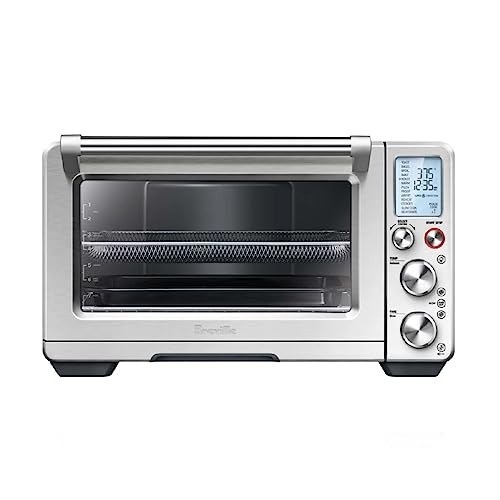
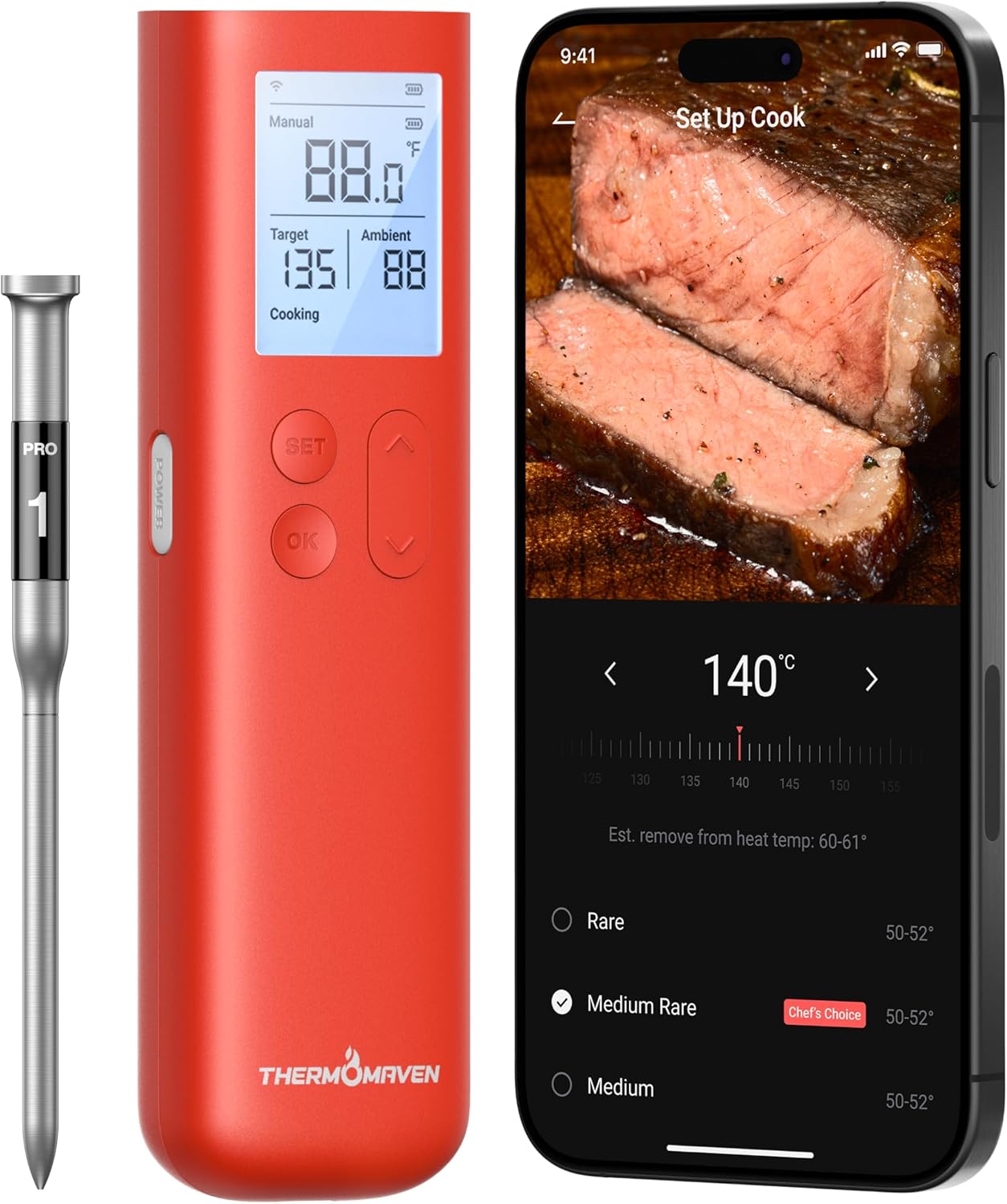
I can’t stress this enough: the line between perfectly flaky salmon and dry, disappointing fish is razor-thin, and it’s measured in degrees. For years, my secret weapon in both professional and home kitchens has been a reliable wireless meat thermometer. The ThermoMaven Smart Thermometer is the one I trust because it eliminates all guesswork. I can monitor the salmon from my phone without opening the oven door, pulling it out the second it hits that perfect 125°F mark for carryover cooking. It’s how you guarantee that restaurant-quality, buttery texture every time.
Stop guessing and start getting perfect results. You can grab the exact thermometer I use on Amazon.
ThermoMaven Smart Wireless Meat Thermometer
✓ prime
We earn a commission if you make a purchase, at no additional cost to you.
After making thousands of fish dishes, I’ve learned a few non-negotiable rules. These tips separate a good home-cooked meal from a great one and are essential for mastering baked salmon recipes.
- Don’t Cook a Cold Fish: Never take your salmon directly from the ice-cold fridge and throw it into a hot oven. This temperature shock causes the muscle fibers to seize up, resulting in uneven cooking and a tougher texture. Let your fillets sit at room temperature for 15-20 minutes before seasoning and baking. This small step allows the fish to cook more evenly from edge to center.
- The Internal Temperature is Law: The single biggest mistake home cooks make is overcooking salmon. The window for perfectly cooked salmon is small. Invest in a good instant-read digital thermometer. For a tender, moist, medium-rare fillet, pull the salmon out of the oven when the thickest part reads 125-130°F (52-54°C). The fish will continue to cook from residual heat (carryover cooking) as it rests, reaching a perfect 135°F (57°C).
- Skin-On is Your Moisture Insurance: Even if you don’t plan on eating the skin, consider cooking with it on. The skin provides a crucial layer of fat and acts as an insulator, protecting the delicate salmon flesh from the direct, intense heat of the pan. This results in a significantly more moist and tender piece of fish. You can easily remove it after cooking if you prefer.
- Give Your Ingredients Space: Do not overcrowd the baking sheet. When ingredients are packed too tightly, they trap moisture and steam instead of roasting. This is especially important for the tomatoes. You want them to get a little bit of color and collapse into a jammy sauce, not turn into a watery mess. Use a large enough pan or two smaller ones if necessary.
- Don’t Waste the Pan Juices: The liquid released by the tomatoes, garlic, olive oil, and salmon during cooking is pure gold. When you serve the fish, spoon this flavorful, rustic sauce from the bottom of the pan directly over the salmon and any side dishes. It’s packed with flavor and ties the entire meal together.
Common Mistakes to Avoid
I see these same mistakes over and over. Avoid them, and your results will improve dramatically. Understanding why they happen is key to making better baked salmon recipes every time.
- The Overcooking Tragedy: The result is dry, chalky, and frankly, a waste of a beautiful piece of fish. This happens because people rely solely on time or visual cues like the white albumin (protein) seeping out. By the time a lot of albumin is visible, the fish is often overcooked. The only foolproof way to prevent this is with an instant-read thermometer. Trust the temperature, not the clock.
- Under-seasoning the Star: Salmon is a rich, oily fish with a robust flavor. It can, and should, be seasoned assertively. A tiny sprinkle of salt isn’t enough. You need to season the entire surface of the fillet—top, bottom, and sides—with enough Kosher salt and pepper to form a light crust. This doesn’t just add flavor; it also helps draw out a bit of moisture from the surface for better texture.
- Forgetting to Pat the Salmon Dry: This is a fundamental step for any protein. Moisture on the surface of the fish will turn to steam in the hot oven. Steam is the enemy of a good texture. It prevents the seasonings from adhering properly and results in a slightly mushy exterior. Take 10 seconds to pat it bone-dry with a paper towel. It makes a world of difference.
- Using the Wrong Pan: Using a pan without a rim is a recipe for disaster. As the tomatoes and salmon cook, they will release delicious juices. A flat cookie sheet will allow those juices to run right off the side and burn on the bottom of your oven, creating a smoky, acrid mess. Always use a sturdy, rimmed baking sheet.
Variations and Serving Ideas
This recipe is a fantastic template. Once you’ve mastered the basic technique, you can adapt it endlessly. Here are a few ideas to get you started.
- Mediterranean Twist: Add 1/2 cup of pitted Kalamata olives and 1/4 cup of drained capers to the tomato mixture before baking. In the last 2-3 minutes of cooking, sprinkle 1/2 cup of crumbled feta cheese over the top and let it melt slightly.
- Citrus and Herb Infusion: Lay thin slices of lemon or orange directly on the baking sheet underneath the salmon fillets. Swap the basil for fresh dill or oregano for a completely different flavor profile.
- Spicy and Smoky: Add 1/2 teaspoon of smoked paprika and increase the red pepper flakes to 1/2 teaspoon for a deeper, spicier kick. A few dashes of your favorite hot sauce in the tomato mixture also works well.
- Add Some Crunch: After the salmon is cooked, top it with 1/4 cup of toasted pine nuts or coarse, garlic-infused breadcrumbs (panko works great) for a wonderful textural contrast.
What to Serve With
You need something to soak up the incredible pan sauce from this Mediterranean-style dish. Don’t let it go to waste! While this version begs for crusty bread, other flavor profiles call for different sides. For example, our popular Soy Ginger Baked Salmon Recipe pairs beautifully with steamed rice to complement its Asian-inspired sauce. This flexibility is what makes baked salmon recipes so great for weekly meal planning.
- Grains: Creamy Parmesan polenta is my top choice. Its soft texture is perfect with the rustic tomato sauce. Other great options include a simple lemon-dill orzo, fluffy quinoa, or even just a scoop of high-quality white rice.
- Vegetables: Roasted asparagus is a classic pairing. Toss it with olive oil, salt, and pepper, and you can often cook it on the same pan if there’s room. Steamed green beans with toasted almonds or a simple arugula salad with a sharp lemon vinaigrette also work beautifully to cut through the richness.
- Bread: A loaf of crusty sourdough or a good ciabatta is non-negotiable. Use it to mop up every last drop of the tomato and garlic-infused juices from your plate.
Storage and Reheating
Handling leftover seafood requires care to maintain its quality. Follow these instructions precisely.
- Storage: Allow the salmon and tomatoes to cool completely to room temperature. This is important to prevent condensation inside the container. Store in an airtight glass container (glass is less likely to absorb odors than plastic) in the refrigerator for up to 2 days.
- Reheating: The microwave is the fastest way to ruin leftover salmon, making it rubbery and dry. The best method is to reheat it low and slow. Place the salmon and sauce in an oven-safe dish, cover loosely with foil, and warm in a 275°F (135°C) oven for 10-15 minutes, or until just warmed through. This gentle heat preserves its moisture and texture.
FAQs (People Also Ask)
1. How can I tell if salmon is cooked without a thermometer?
While a thermometer is best, you can use visual cues. Look at the side of the fillet; the color should change from translucent pink/orange to an opaque, lighter pink. Then, take a fork and gently press on the thickest part of the fish. If it separates easily into large flakes, it’s done. If it resists or looks raw in the center, it needs more time.
2. Can I use frozen salmon fillets for this recipe?
Absolutely. The key is to thaw it properly. The best way is to transfer the frozen fillets from the freezer to the refrigerator and let them thaw overnight. For a quicker method, you can place the vacuum-sealed fillets in a bowl of cold water for about an hour. Never use hot water or the microwave to thaw fish. Once thawed, pat it very dry and proceed with the recipe.
3. What’s the best type of salmon for baking?
Different types of salmon offer different experiences. King (Chinook) salmon has the highest fat content, making it rich, buttery, and very forgiving to cook. Coho is a great middle-ground with a firmer texture and milder flavor. Sockeye is much leaner and has a very deep, traditional salmon flavor, but it can dry out more easily if overcooked. For this recipe, King or Coho are excellent choices.
4. Can I add a splash of white wine to the sauce?
Yes, that’s a fantastic idea. A dry white wine like a Sauvignon Blanc or Pinot Grigio works well. After you’ve mixed your tomatoes, garlic, and shallots, add about 1/4 cup of white wine and toss to combine before spooning it over the salmon. It will add a wonderful layer of acidity and complexity as it cooks down in the oven.
5. My basil turned black in the oven. What did I do wrong?
You did nothing wrong! Fresh basil is a very delicate herb that doesn’t stand up well to direct, high heat; it will oxidize and turn black. This is precisely why the recipe instructs you to add only half the basil to the tomato mixture before baking and reserve the other half to sprinkle on fresh at the end. The basil added before baking will still impart its flavor into the sauce, while the fresh basil at the end provides that bright, aromatic finish.
Nutrition
Nutrition Facts
(Per serving. Estimates only, varies by exact ingredients used)
Conclusion
This is more than just a recipe; it’s a technique you can rely on. I truly believe this is one of those baked salmon recipes that will end up in your weekly rotation. It’s healthy, fast, and consistently delicious. Give it a try, and don’t be afraid to make it your own. Happy cooking.
Cherry Tomato & Basil Baked Salmon
Ingredients
- 4 (6-ounce) salmon fillets, skin-on or off
- 2 tablespoons extra virgin olive oil, divided
- 1 teaspoon Kosher salt
- 1/2 teaspoon coarsely ground black pepper
- 2 pints cherry or grape tomatoes, halved
- 4-5 cloves garlic, thinly sliced
- 1 small shallot, thinly sliced
- 1/2 cup fresh basil leaves, loosely packed, torn
- 1/4 teaspoon red pepper flakes (optional)
Instructions
- Position a rack in the center of your oven and preheat to 400°F (205°C). Line a large, rimmed baking sheet with parchment paper.
- Pat the salmon fillets completely dry with paper towels. Rub all over with 1 tablespoon of olive oil and season generously with Kosher salt and black pepper.
- In a medium bowl, combine the halved cherry tomatoes, sliced garlic, sliced shallot, the remaining 1 tablespoon of olive oil, optional red pepper flakes, and about half of the torn basil leaves. Toss to combine.
- Arrange the seasoned salmon fillets on the prepared baking sheet, leaving space between them. Spoon the tomato mixture over and around the salmon.
- Bake for 15-20 minutes, or until the salmon is opaque and flakes easily with a fork (an internal temperature of 125-130°F is ideal for medium-rare). The tomatoes should be soft and bursting.
- Remove from the oven and let rest for 3-5 minutes. Garnish with the remaining fresh basil leaves before serving.