Introduction
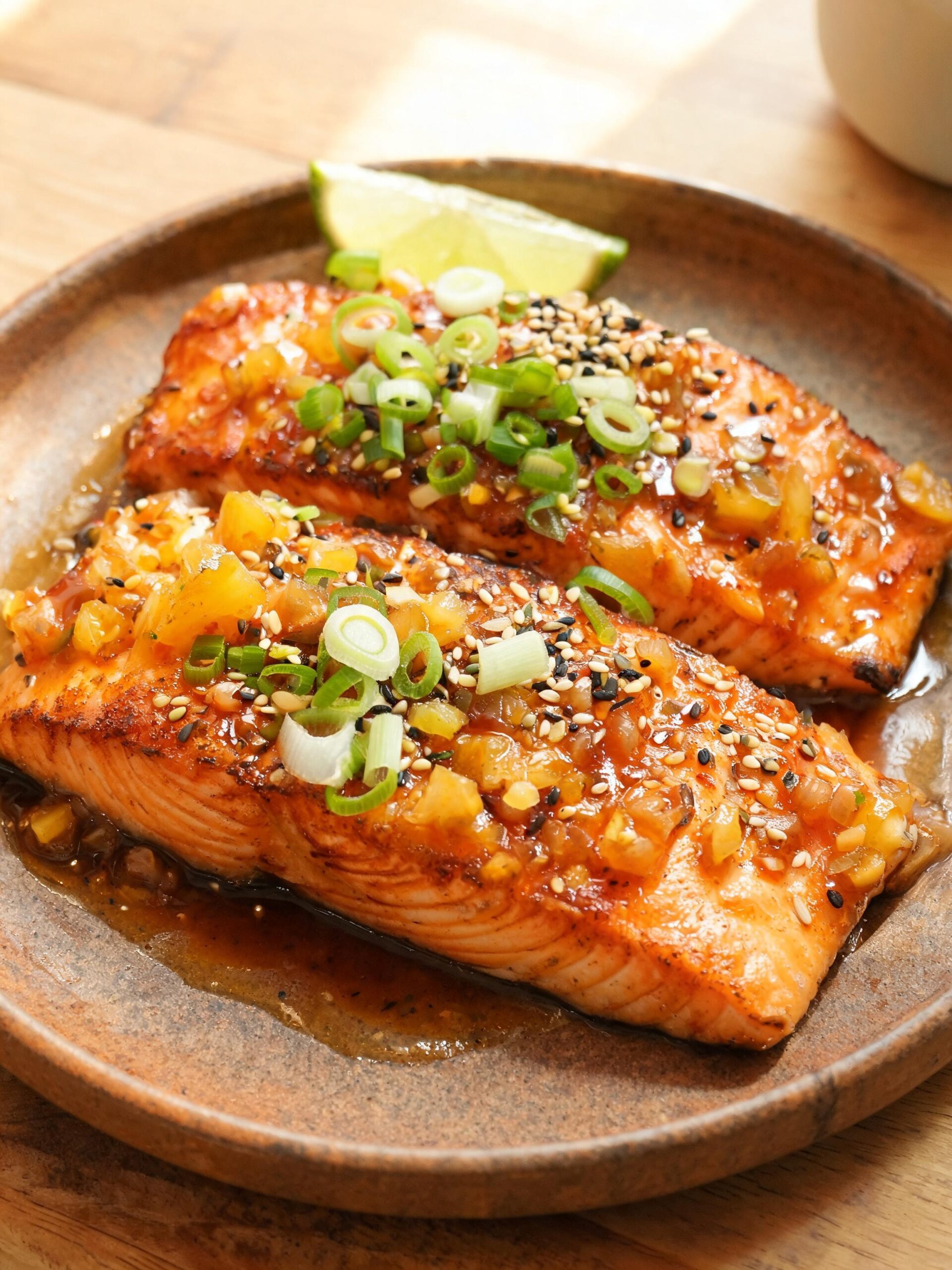
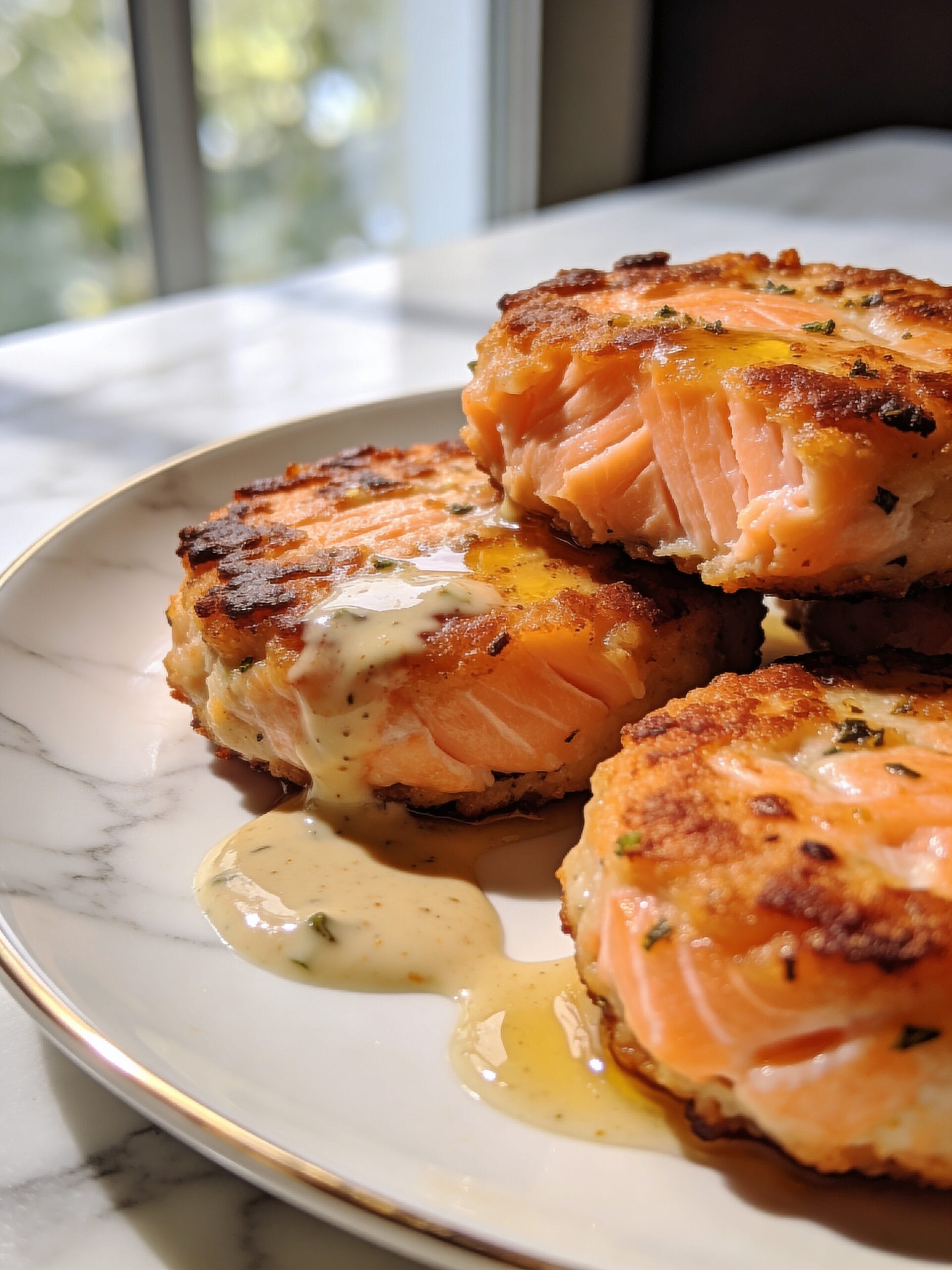
For years, I’ve seen home cooks struggle to make good salmon patties. They often end up too dry, too greasy, or they crumble apart. This recipe changes all that. Instead of frying, we use the oven’s consistent heat, a technique that works wonders for everything from a Soy Ginger Baked Salmon fillet to these patties. The result is incredibly moist, flavorful, and healthy salmon patties with a golden-brown crust that holds together flawlessly. This isn’t just another recipe; it’s a reliable method you’ll use for years. Forget what you thought you knew about making this classic dish—this is how you do it right.
Why You’ll Love This Recipe
- Incredibly Easy: This is a mix-and-bake recipe. There’s no hot oil splattering on your stove, no tricky flipping, and minimal cleanup. It’s a perfect weeknight meal that feels special without the stress.
- Healthy and Flavorful: Baking eliminates the need for excess oil, significantly cutting down on fat and calories. We’re using fresh herbs, lemon, and Dijon mustard to pack in flavor, not fat, letting the rich taste of the salmon shine.
- Versatile and Meal-Prep Friendly: These patties are fantastic on their own, in a sandwich, or on top of a salad. You can also make a double batch and freeze them for a quick, high-protein meal down the road.
Ingredients List
Getting the right ingredients is half the battle. Here’s exactly what you’ll need. Pay close attention to the notes on the salmon and the binders—they’re critical.
For the Salmon Patties:
- Canned Salmon: 2 (7.5-ounce) cans of wild-caught pink or sockeye salmon, drained very well. You should have about 15 ounces total. Make sure it’s packed in water, not oil, and drain it thoroughly.
- Panko Breadcrumbs: 1 cup, plus 1/4 cup for coating (optional, for extra crispiness). Panko is lighter and airier than regular breadcrumbs, creating a less dense patty.
- Mayonnaise: 1/4 cup. Use a good quality, full-fat mayonnaise. This is a key binder and adds essential moisture.
- Large Egg: 1, lightly beaten. The primary binder that holds everything together.
- Dijon Mustard: 1 tablespoon. Adds a tangy depth that cuts through the richness of the salmon.
- Fresh Chives: 2 tablespoons, finely chopped. Provides a delicate onion flavor.
- Fresh Parsley: 2 tablespoons, finely chopped. Adds a bright, fresh note.
- Lemon: 1, for 1 tablespoon of fresh juice and 1 teaspoon of zest. The zest and juice are non-negotiable for that fresh seafood flavor.
- Kosher Salt: 1/2 teaspoon.
- Black Pepper: 1/4 teaspoon, freshly ground.
For the Lemon-Dill Yogurt Sauce (Optional but Recommended):
- Plain Greek Yogurt: 1/2 cup. Full-fat or 2% works best for a creamy texture.
- Fresh Dill: 1 tablespoon, chopped.
- Lemon Juice: 1 tablespoon.
- Garlic: 1 small clove, minced or grated.
- Kosher Salt: A pinch, to taste.
Step-by-Step Instructions
Follow these steps precisely. The chilling time is crucial for structure, so don’t skip it.
- Preheat and Prep: Position an oven rack in the center of the oven and preheat to 400°F (200°C). Line a large baking sheet with parchment paper for easy cleanup and to prevent sticking.
- Prepare the Salmon: Open and drain the canned salmon completely. Place the drained salmon in a medium bowl. Use a fork to gently flake it into small pieces, making sure to remove any skin or large bones you find.
- Combine Wet Ingredients: In a separate small bowl, whisk together the lightly beaten egg, mayonnaise, Dijon mustard, lemon juice, and lemon zest. Combining these first ensures they are evenly distributed throughout the mixture without overworking the salmon.
- Mix the Patties: Pour the wet ingredient mixture over the flaked salmon. Add the 1 cup of panko, chopped chives, parsley, 1/2 teaspoon of salt, and 1/4 teaspoon of pepper. Use a rubber spatula or your hands to gently fold everything together until just combined. Be careful not to overmix, or the patties will be dense.
- Chill the Mixture: This is the most important step for structure. Cover the bowl with plastic wrap and refrigerate for at least 30 minutes, or up to 4 hours. This allows the panko to hydrate and the fats to firm up, which helps the patties bind together.
- Form the Patties: Once chilled, scoop the mixture using a 1/3-cup measuring cup for uniform size. Form into 8 patties, each about 3/4-inch thick. If you want an extra-crispy exterior, you can gently press each side into the remaining 1/4 cup of panko before placing them on the prepared baking sheet.
- Bake to Perfection: Arrange the patties on the parchment-lined baking sheet, leaving about an inch of space between each one. Bake for 18-20 minutes, flipping them carefully with a thin spatula halfway through. They are done when they are firm to the touch and golden brown on both sides.
- Make the Sauce and Serve: While the patties are baking, whisk together all the ingredients for the Lemon-Dill Yogurt Sauce in a small bowl. Serve the hot salmon patties immediately with the cool, tangy sauce on the side.
Chef’s Pro Tips for Success
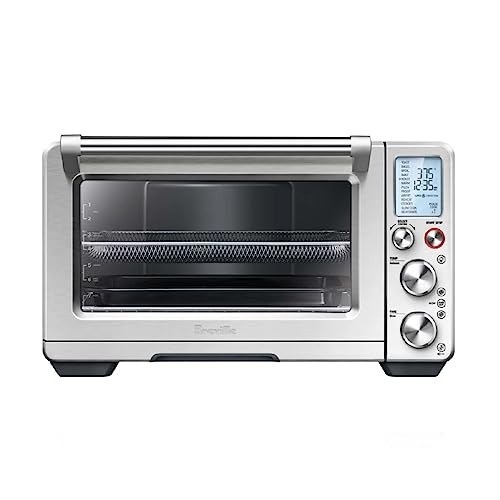
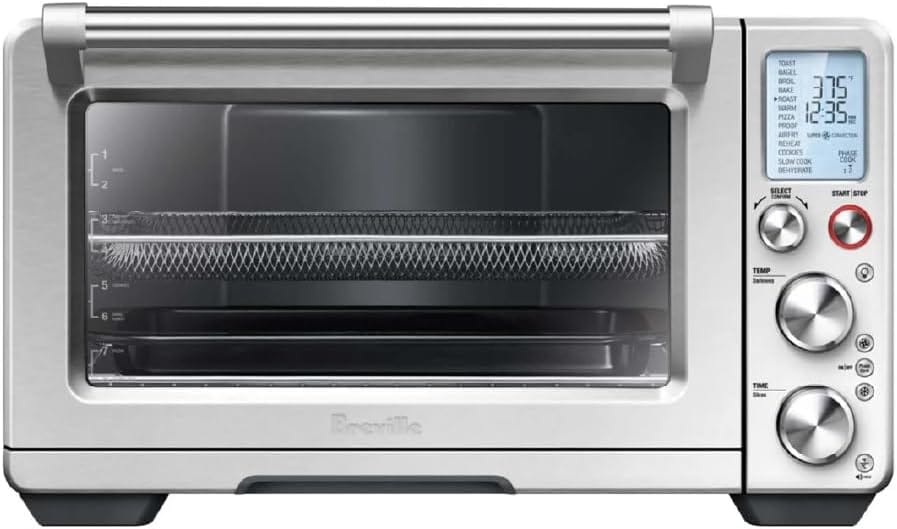
To get that perfectly even, golden-brown crust every single time, I rely on a high-quality countertop convection oven. The consistent, circulating heat is far more reliable than many full-sized ovens, which can have hot spots. For this recipe, I use my Breville Smart Oven because it gives me precise temperature control, ensuring the patties cook through and crisp up beautifully without becoming dry. It’s my go-to for everything from reheating leftovers to baking these exact patties.
If you’re serious about getting restaurant-quality results at home, investing in a great countertop oven is a game-changer. You can check out the exact model I use below.
Breville BOV900BSS Smart Oven Air Fryer Pro
✓ prime
We earn a commission if you make a purchase, at no additional cost to you.
I’ve made thousands of crab cakes and salmon patties in my career. These are the non-negotiable techniques that separate a decent patty from a restaurant-quality one.
- The Chill is Absolutely Critical: I can’t stress this enough. Chilling the mixture does two things. First, it allows the panko breadcrumbs to fully absorb the moisture from the egg and mayonnaise. This swells the starches, creating a cohesive internal structure. Second, it solidifies the fats from the salmon and mayo. When the cold patty hits the hot oven, the exterior begins to set before the internal fats have a chance to melt and cause the patty to spread. A 30-minute chill is the minimum; an hour is even better.
- Binder Ratios are Everything: The ratio of wet binders (egg, mayo) to dry binders (panko) is a science. Too much egg and you get a rubbery, eggy texture. Too much mayo and the patty becomes greasy and may fall apart. Too much panko and it’s dry and bready. This recipe is balanced: the egg provides protein structure, the mayo provides moisture and fat, and the panko provides a light, airy framework. Don’t be tempted to add another egg if it looks a little loose before chilling—trust the process.
- Don’t Overwork the Mixture: Treat salmon patty mixture like you would a good meatball or burger mix. The goal is to combine, not to knead. Overmixing breaks down the delicate flakes of salmon into a paste. This results in a dense, heavy, and unpleasantly uniform texture. You want to see distinct flakes of salmon in the finished product. Use a gentle folding motion with a spatula until the ingredients are just incorporated.
- Moisture Management is Key: The enemy of a good patty is excess water. Canned salmon is packed in water, and if you don’t drain it thoroughly, you’ll have a soggy mess. After draining, I like to gently press the salmon with the back of a fork against the side of a colander to squeeze out any remaining liquid. This ensures your binder ratios work as intended and your patties crisp up nicely instead of steaming in the oven.
- Uniformity for Even Cooking: Use a measuring cup (like the 1/3-cup scoop I recommend) or a food scale to portion your patties. This ensures they are all the same size and thickness. If you have some thick and some thin, the thin ones will be dry and overcooked by the time the thick ones are cooked through. Consistent size means consistent results across the entire batch.
Common Mistakes to Avoid
Here are some real-world scenarios I’ve seen go wrong and how to make sure they don’t happen to you.
- Mistake 1: The Soggy, Shapeless Mess. You mixed everything together, but the mixture is wet and loose, impossible to form into a patty. This happens because you didn’t drain the canned salmon well enough. That excess water has thrown off the entire binder ratio. The Fix: If you’ve already mixed it, you can try to salvage it by adding more panko, a tablespoon at a time, until it’s firm enough to handle. But the best fix is prevention: next time, drain, drain, and drain again.
- Mistake 2: The Patties That Spread into Flat Discs. You formed perfect-looking patties, but in the oven, they melted and spread out. This is a direct result of skipping the chilling step. The fats were too warm when they went into the oven, and the structure wasn’t set. The Fix: There’s no fixing this once they’re baked. But you’ve learned a valuable lesson. Never skip the chill. It’s the single most important step for ensuring your salmon patties hold their shape.
- Mistake 3: The Bland Patty. They look good, but they taste like… nothing. Just fishy. This usually comes down to seasoning and a lack of acid. Salt is a flavor enhancer, and acid (lemon juice) brightens everything up and cuts through the richness. The Fix: Always use fresh lemon juice and zest—it’s much more potent than the bottled stuff. Don’t be shy with salt and pepper. And the Dijon mustard and fresh herbs aren’t just suggestions; they are essential layers of flavor that make the patties taste complex and delicious.
- Mistake 4: The Dry, Crumbly Patty. You take a bite, and it’s Sahara-desert dry. This can be caused by two things: using a low-quality, fat-free mayonnaise (or skipping it), or overbaking. The fat in the mayonnaise is crucial for creating a moist interior. The Fix: Use full-fat, good-quality mayo. And watch your oven. Ovens vary, so start checking the patties at the 15-minute mark. They should be firm and golden, not dark brown and hard. Remember, they will continue to cook a little from residual heat after you pull them out.
Variations and Serving Ideas
These baked salmon patties are a great base for customization. Once you master the basic technique, feel free to get creative.
- Spicy Chipotle Salmon Patties: Add 1-2 teaspoons of minced chipotle peppers in adobo sauce to the wet mixture, along with 1/2 teaspoon of smoked paprika. Serve with a lime-cilantro crema instead of the dill sauce.
- Mediterranean-Style Patties: Swap the parsley and chives for fresh dill and mint. Add 2 tablespoons of crumbled feta cheese and 1 tablespoon of chopped Kalamata olives to the mix. Serve with a dollop of tzatziki.
- Low-Carb/Keto Salmon Patties: Replace the panko breadcrumbs with 1/2 cup of almond flour. The texture will be slightly denser but still delicious and it will hold together well. Serve over a bed of zucchini noodles or with a side of steamed asparagus.
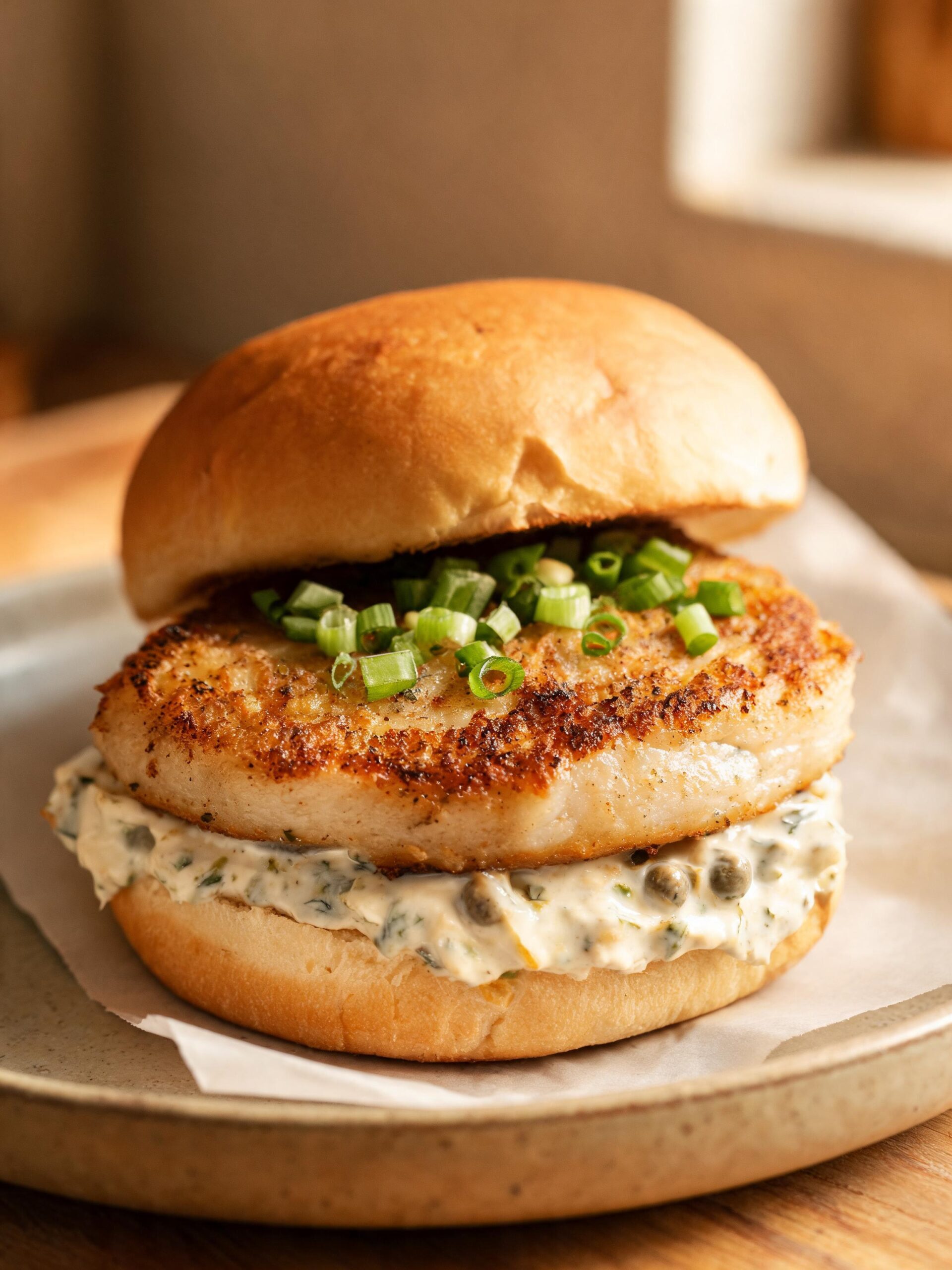
- As a Salmon Burger: Form the mixture into 4 larger patties instead of 8 small ones. Bake for 22-25 minutes, or until cooked through. Serve on toasted brioche buns with lettuce, tomato, and your favorite sauce.
- As a Salad Topper: Crumble a cooked patty over a bed of arugula or mixed greens. Drizzle with a simple lemon vinaigrette for a light, protein-packed lunch.
What to Serve With
A great main course deserves great sides. The pairings below work beautifully with these patties and complement other salmon dishes as well, like our popular Cherry Tomato and Basil Baked Salmon. Here are some of our top suggestions:
- Roasted Vegetables: The 400°F oven is already on, so it’s efficient to roast some vegetables. Asparagus tossed with olive oil, salt, and pepper needs only 10-12 minutes. Broccoli florets or green beans work great, too.
- Crisp Salads: A simple arugula salad with shaved Parmesan and a lemon vinaigrette provides a fresh, peppery contrast. A creamy cucumber salad is also a classic pairing.
- Starches: For a heartier meal, serve the patties with roasted sweet potato wedges, a fluffy quinoa pilaf, or a simple side of wild rice.
- Sauces: While the Lemon-Dill Yogurt Sauce is my top choice, a classic tartar sauce, a spicy sriracha aioli, or even a simple squeeze of fresh lemon are all excellent options.
Storage and Reheating
Proper storage is key to enjoying leftovers that taste just as good the next day.
- Refrigeration: Store leftover cooked patties in an airtight container in the refrigerator for up to 3 days. I like to place a small piece of paper towel in the container to absorb any excess moisture and prevent them from getting soggy.
- Freezing Cooked Patties: Let the patties cool completely. Place them on a baking sheet in a single layer and ‘flash freeze’ them for 1-2 hours until solid. Transfer the frozen patties to a zip-top freezer bag or airtight container. They will last for up to 3 months. This method prevents them from sticking together.
- Freezing Uncooked Patties: Form the patties as directed in the recipe. Place them on a parchment-lined baking sheet and flash freeze until solid. Transfer to a freezer bag. You can bake them directly from frozen; just add 5-7 minutes to the total baking time.
- Reheating: The best way to reheat these is in the oven or an air fryer to bring back the crispy exterior. Place them on a baking sheet and heat in a 375°F (190°C) oven for 10-12 minutes (or 15-18 minutes from frozen) until warmed through. Avoid the microwave at all costs, as it will make them rubbery and tough.
FAQs (People Also Ask)
1. Can I use fresh salmon instead of canned?
Absolutely. You’ll need about 12 ounces of fresh salmon fillet. Season it with salt and pepper, then bake it at 400°F for 12-15 minutes, or until it’s cooked through. Let it cool slightly, then use a fork to flake it, discarding the skin. From there, proceed with the recipe as written. The texture will be slightly different but equally delicious.
2. Why are my salmon patties falling apart?
This is the most common issue, and it’s almost always due to one of three things: 1) The mixture is too wet from not draining the salmon properly. 2) The binder ratio is off (not enough egg or panko). 3) You skipped the crucial chilling step. Chilling solidifies the fats and hydrates the breadcrumbs, creating a natural glue that holds everything together during cooking.
3. Can I make these salmon patties gluten-free?
Yes, it’s an easy swap. Simply substitute the panko breadcrumbs with gluten-free panko breadcrumbs in a 1:1 ratio. You could also use crushed gluten-free crackers or almond flour for a low-carb option, though the texture will be a bit denser.
4. Can I pan-fry these instead of baking?
You can, but the goal of this recipe is a healthier, less messy version. If you want to pan-fry, heat 1-2 tablespoons of a neutral oil (like avocado or canola) in a large non-stick skillet over medium heat. Cook the patties for 3-4 minutes per side, until golden brown and cooked through. Don’t overcrowd the pan.
5. Are these salmon patties actually healthy?
Yes. By baking instead of frying, we drastically reduce the amount of added fat. Salmon itself is a nutritional powerhouse, packed with high-quality protein and heart-healthy omega-3 fatty acids. This recipe uses whole, fresh ingredients to create a balanced and nutritious main course that’s both satisfying and good for you.
Nutrition
Nutrition Facts
(Per serving. Estimates only, varies by exact ingredients used)
Conclusion
You now have a reliable, foolproof recipe for making perfect salmon patties every single time. They’re quick enough for a Tuesday night but impressive enough for company on a Saturday. Give this recipe a try, and I promise it will become a staple in your seafood rotation. Enjoy your meal.
Baked Healthy Salmon Patties
Ingredients
- 2 (7.5-ounce) cans wild-caught pink or sockeye salmon, drained well
- 1 cup Panko breadcrumbs, plus 1/4 cup for coating (optional)
- 1/4 cup good quality mayonnaise
- 1 large egg, lightly beaten
- 1 tablespoon Dijon mustard
- 2 tablespoons fresh chives, finely chopped
- 2 tablespoons fresh parsley, finely chopped
- 1 tablespoon fresh lemon juice
- 1 teaspoon lemon zest
- 1/2 teaspoon Kosher salt
- 1/4 teaspoon freshly ground black pepper
Instructions
- Position an oven rack in the center and preheat to 400°F (200°C). Line a large baking sheet with parchment paper.
- In a medium bowl, flake the well-drained salmon with a fork, removing any skin or large bones.
- In a separate small bowl, whisk together the egg, mayonnaise, Dijon mustard, lemon juice, and lemon zest.
- Pour the wet mixture over the salmon. Add 1 cup of panko, chives, parsley, salt, and pepper. Gently fold until just combined. Do not overmix.
- Cover the bowl and refrigerate for at least 30 minutes to allow the mixture to firm up.
- Scoop the chilled mixture using a 1/3-cup measure and form into 8 patties, about 3/4-inch thick. If desired, gently press each side into the remaining 1/4 cup of panko.
- Arrange the patties on the prepared baking sheet, leaving space between them.
- Bake for 18-20 minutes, flipping halfway through, until golden brown and firm to the touch.
- Serve immediately with your favorite sauce, like a lemon-dill yogurt sauce.