Introduction
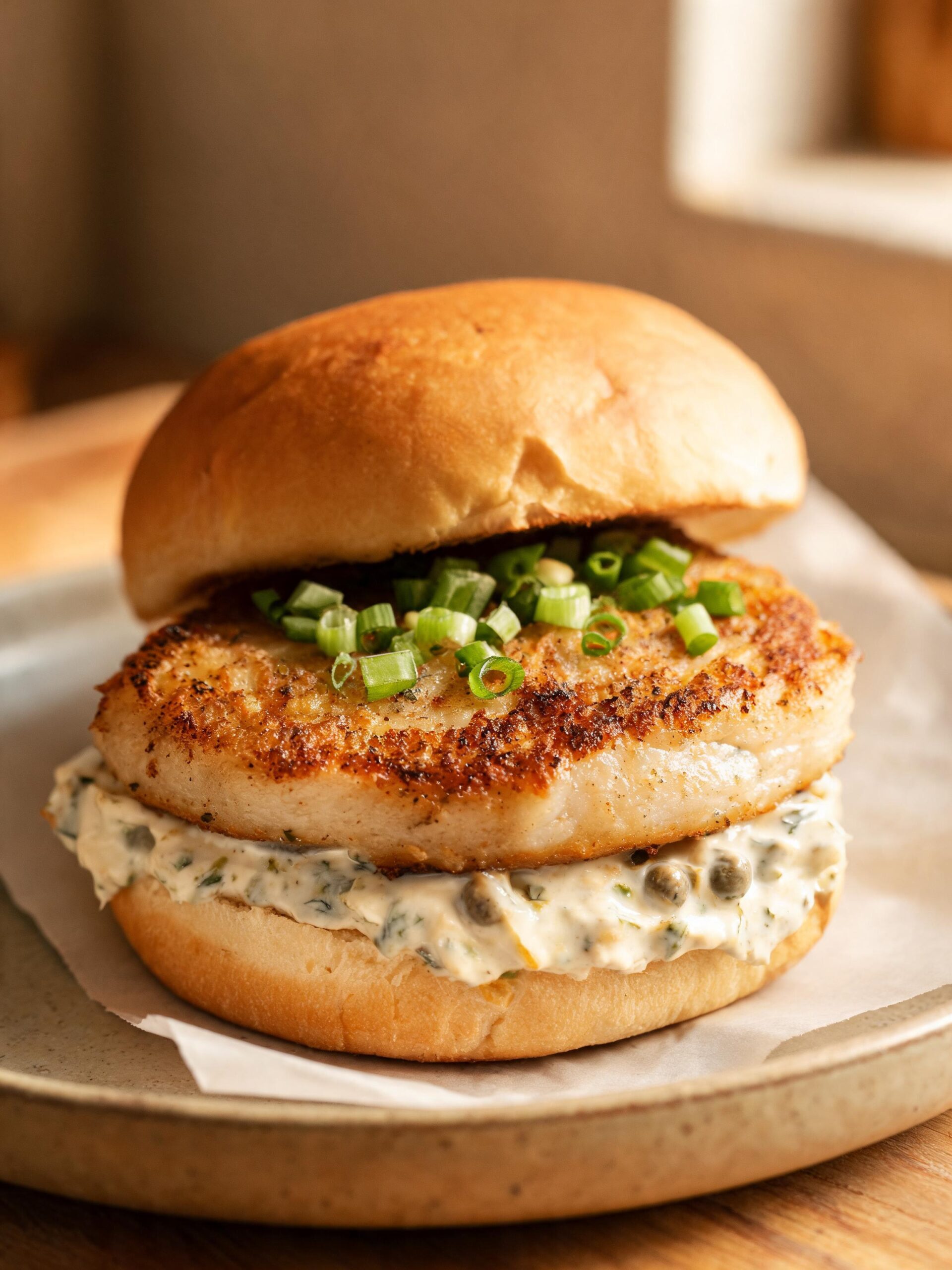
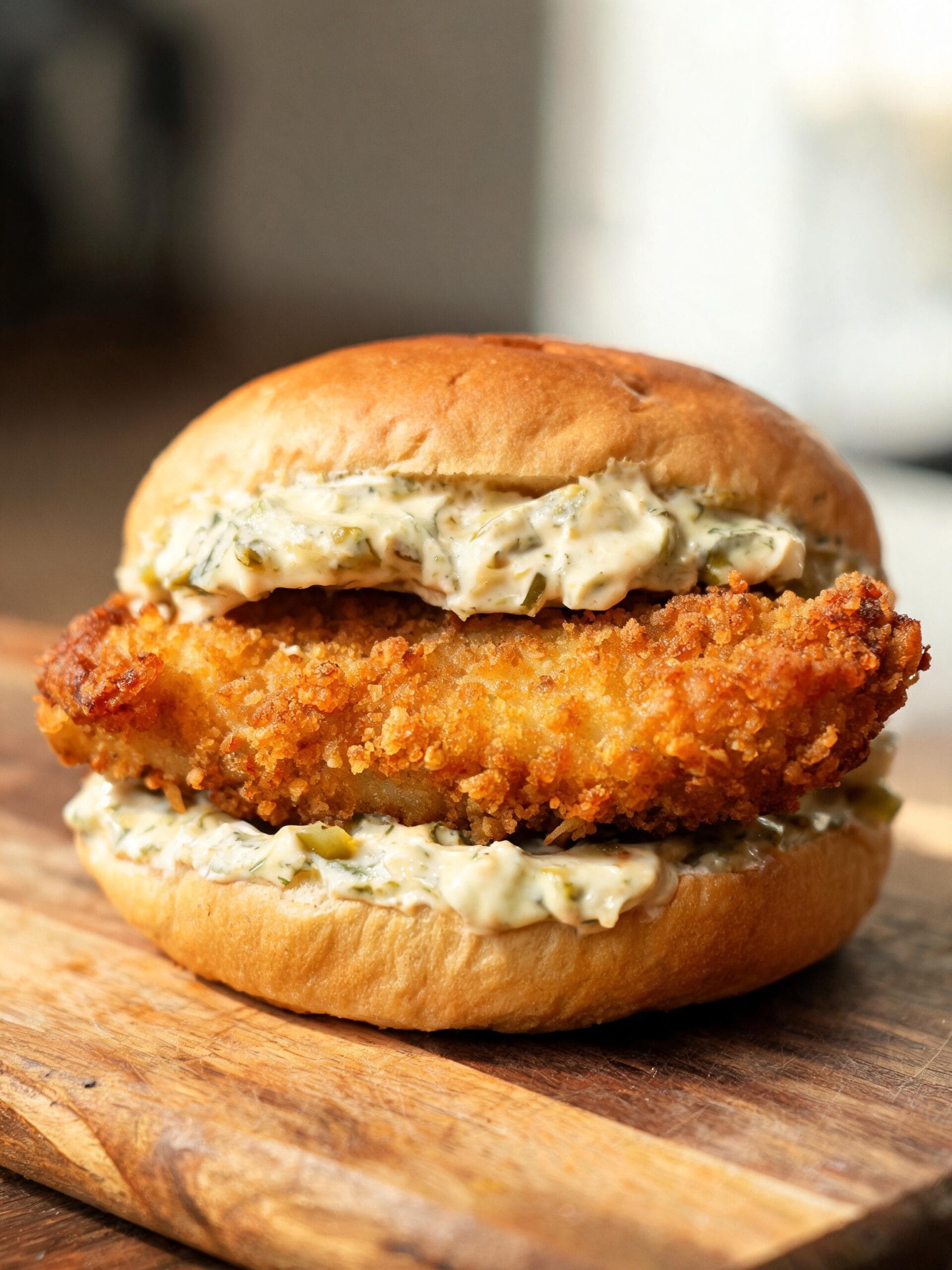
Some evenings just call for a crispy fish sandwich. Not a fancy one. Not something that takes an hour. Just golden, crunchy fish tucked into a soft bun with something cold and creamy on top. While we also love a good feast like an easy seafood boil, sometimes simple is best. That’s it.
I remember the first time I made this at home after a long afternoon out on the water. We hadn’t caught much — honestly, we barely caught anything — but I had a couple of cod fillets in the fridge from the market down the road, and the sun was already going down. I didn’t want to think too hard. I just wanted something good.
That easy crispy fish sandwich I threw together that night became one of those recipes I keep coming back to. It’s the kind of thing that feels simple but somehow always hits exactly right. Especially when you’re tired, a little salty from the wind, and just want to eat something that tastes like the coast.
Why You’ll Love This Recipe
- It’s genuinely fast. From fridge to plate in about 30 minutes, maybe less if you’re not distracted by the water outside.
- The crunch is real. That golden crust on the fish — the kind that crackles when you press down — it happens every time with this method.
- No special skills needed. Seriously. If you can heat oil in a pan and flip something without panicking, you can make this.
Quick Recipe Snapshot
Recipe: Homemade Crispy Fish Sandwich
Serves: 4
Prep Time: 15 minutes
Cook Time: 20 minutes
Total Time: 35 minutes
Difficulty: Easy
Best For: Weeknight dinner, casual lunch, post-fishing meal
Fish Used: Cod, haddock, or any firm white fish
Cooking Method: Pan-fried in a skillet
Ingredients List
For the Fish:
- 4 white fish fillets (about 5–6 oz each) — cod or haddock work great, but use what you have or what’s fresh
- 1 cup all-purpose flour — this is the base of the crust, don’t skip it
- 1 cup panko breadcrumbs — panko gives you that real crunch, regular breadcrumbs go softer
- 2 large eggs, beaten
- 1 tsp garlic powder
- 1 tsp smoked paprika — adds a little warmth without heat
- ½ tsp onion powder
- ½ tsp salt
- ¼ tsp black pepper
- Vegetable oil for frying — enough to coat the bottom of your pan generously
For the Sauce (Simple Tartar):
- ½ cup mayonnaise
- 2 tbsp dill pickle relish — or just chop up a pickle, same thing
- 1 tsp lemon juice
- ½ tsp hot sauce (optional but worth it)
For Assembly:
- 4 brioche or soft sandwich buns, toasted
- 4 leaves of green leaf lettuce
- 4 slices of tomato
- Lemon wedges for serving
Step-by-Step Instructions
- Pat the fish dry. This step matters more than people think. Wet fish steams instead of crisping. Use paper towels and press gently on both sides. Set the fillets aside on a plate.
- Set up your dredging station. Three shallow bowls — flour in the first, beaten eggs in the second, panko mixed with the garlic powder, paprika, onion powder, salt, and pepper in the third. Line them up in order.
- Coat the fish. Dredge each fillet in flour first, shake off the extra, then dip in egg, then press into the panko mixture. Press the crumbs on firmly — don’t be shy about it. You want full coverage.
- Heat your oil. Pour enough vegetable oil into a heavy skillet to coat the bottom by about ¼ inch. Heat over medium-high until it shimmers. You can test it by dropping a pinch of panko in — if it sizzles right away, you’re ready.
- Fry the fish. Lay the fillets in carefully, away from you so the oil doesn’t splash. Don’t crowd the pan — two at a time if your skillet isn’t huge. Cook 3 to 4 minutes per side until deep golden brown. The fish should feel firm when you press it lightly in the center. (This is the part where I usually steal a corner piece to taste. Old habit.)
- Drain on paper towels. Let them rest for a minute or two. That crust will stay crunchier if you don’t rush straight to the bun.
- Make the sauce. Mix the mayo, relish, lemon juice, and hot sauce together in a small bowl. Taste it. Adjust if you want more tang or more heat. This takes about 90 seconds and it’s worth making fresh.
- Build the sandwich. Toast your buns lightly — this keeps them from going soggy. Spread sauce on both halves, add lettuce, tomato, then the fish. Squeeze lemon over the top before closing it up. Eat it while it’s hot.
Small Tricks From Cooking Fish at Home
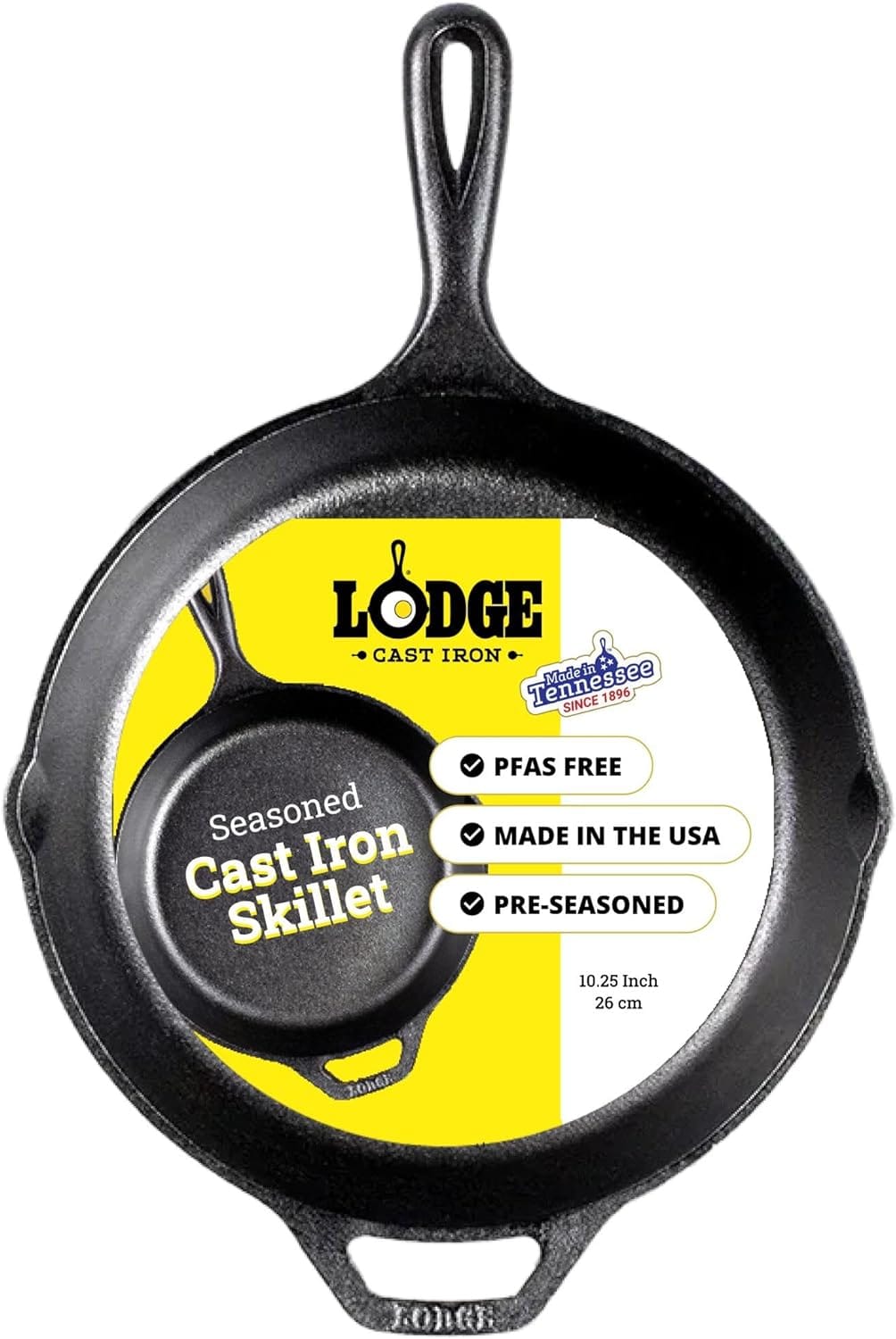
Speaking of getting the oil temperature just right, one piece of gear in my kitchen does the heavy lifting for me every single time: my Lodge Cast Iron Skillet. A good, heavy skillet is non-negotiable for this recipe. Cast iron holds heat incredibly well, which means when you lay that cold fish in, the oil temperature doesn’t plummet. That steady, even heat is the real secret to getting that deep golden, shatteringly crisp crust without a single soggy spot. It’s the difference between a good fish sandwich and a great one.
If you’re serious about that crunch, this is the one piece of equipment I’d tell you to invest in. Get yours and see the difference it makes!
Lodge 10.25 Inch Cast Iron Skillet with Assist Handle
✓ prime
We earn a commission if you make a purchase, at no additional cost to you.
Panko is not optional if you want real crunch. Regular breadcrumbs get soft fast. Panko stays crispy longer and gives you that shatter when you bite in. I learned this the hard way after a few disappointing sandwiches that went limp before I even sat down.
The oil temperature is everything. Too cool and the fish absorbs oil and gets greasy. Too hot and the outside burns before the inside cooks. Medium-high heat, let the pan warm up properly before you add anything, and you’ll be fine.
Don’t move the fish around once it’s in the pan. Put it down and leave it alone. Every time you move it, you risk pulling the crust off. Just let it sit until it releases naturally — when it’s ready, it’ll lift without sticking.
My grandfather used to say that cold fish straight from the fridge hits hot oil wrong. He wasn’t wrong. Let your fillets sit out for 10 minutes before cooking. They cook more evenly and the crust sets better.
Toast the buns. I know it sounds like a small thing but a soft untoasted bun turns into a soggy mess the second that fish hits it. Even just 60 seconds in a dry pan or under the broiler makes a real difference.
Common Mistakes to Avoid
Skipping the pat-dry step. This one gets people every time. Surface moisture is the enemy of crunch. If there’s water on that fillet when it hits the flour, the coating gets gummy and falls apart in the oil. Dry it well. Every time.
Using too little oil is another one. You don’t need to deep fry it, but a shallow pool of oil is necessary. If the pan looks almost dry, the fish will stick and the crust will tear when you try to flip it. Don’t be stingy with the oil.
Overcrowding the pan drops the oil temperature fast. When the temperature drops, the fish starts absorbing oil instead of crisping. Cook in batches if you need to. It’s worth the extra few minutes.
And please — don’t press down on the fish with a spatula while it’s cooking. I’ve seen people do this thinking it helps it cook faster. It just squeezes the moisture out and ruins the texture. Leave it alone and let the heat do the work.
Variations and Serving Ideas
Spicy version: Add ½ tsp cayenne to the panko mixture and a full teaspoon of hot sauce to the tartar. You can also spread a little sriracha mayo on the bun instead of the regular sauce. It gets warm and a little smoky.
Mild version: Skip the paprika and hot sauce entirely. Use plain mayo with just lemon and a little dill. This is the version I make when kids are eating with us. Still really good, just gentler.
Coastal twist: Use fresh flounder or snapper if you caught some or found it at a good fish market. Add a thin layer of coleslaw right on the sandwich instead of plain lettuce. Something about the creamy slaw against the hot fish just works. It’s the kind of thing you’d get at a little shack near the water, and you can make it at home without any trouble.
What to Serve With
Simple coleslaw is the obvious one and it earns its place. The cool crunch against the hot fish is exactly what you want. You don’t need anything fancy — just shredded cabbage, a little mayo, apple cider vinegar, salt, and maybe a pinch of sugar. If you want to make it a full meal, consider starting with some simple seafood appetizers.
Thick-cut fries or even just oven fries work well. Something starchy and salty on the side balances the lightness of the fish.
If you want something fresher, a cucumber and tomato salad with a little red onion and vinegar dressing is perfect. It cuts through the richness of the fried coating and makes the whole plate feel less heavy.
Lemon wedges on the side always. Always. A squeeze of fresh lemon right before you eat changes everything.
Storage and Reheating
Fried fish is best eaten the day you make it. That’s just the truth. The crust softens overnight no matter what you do, and there’s no getting that original crunch back completely.
If you do have leftovers, store the fish separately from the buns and toppings. Wrap the fillets loosely in foil and refrigerate. They’ll keep for about 2 days.
DO NOT reheat fried fish in the microwave. It turns the crust into something soft and sad and the fish gets rubbery. Use the oven at 375°F for about 10 minutes, or better yet, a dry skillet over medium heat for a few minutes per side. The crust comes back close to what it was.
DO NOT store the assembled sandwich. The sauce and tomato will soak into the bun and by the next day it’s just a soggy mess. Keep everything separate and build it fresh when you’re ready to eat.
FAQs (People Also Ask)
Can I use frozen fish for this? Yes, but thaw it completely first and dry it very well. Frozen fish holds more water and if you rush the thawing, that moisture will ruin the crust. I usually thaw overnight in the fridge.
What’s the best fish to use? Cod is my go-to because it’s firm, mild, and holds up well to frying. Haddock is close behind. Tilapia works in a pinch. Avoid anything too thin or too delicate — it’ll fall apart in the pan.
How do I know when the fish is cooked through? It should flake easily when you press the thickest part with a fork. The inside will look opaque, not translucent. If you want to be exact, internal temperature should hit 145°F. But honestly, after a few times making this, you’ll just know by feel and look.
How long does this take start to finish? About 30 to 35 minutes total. It’s a real weeknight dinner. Nothing about it is complicated or slow.
Can I substitute the mayo in the sauce? Greek yogurt works if you want something lighter. It’s tangier and a little thinner but still good. Some people use sour cream too. The flavor changes slightly but it’s still a solid sauce.
Nutrition
Nutrition Facts
(Per serving. Estimates only, varies by exact ingredients used)
Conclusion
There’s something about eating a sandwich like this at home — standing at the counter or sitting near an open window with the smell of salt air still on your jacket — that just feels right. It doesn’t need to be perfect. It just needs to be good and honest and made with something real.
This is the kind of meal that doesn’t ask much of you. A little fish, a hot pan, a soft bun. Some evenings that’s exactly enough.
The Best Crispy Fish Sandwich You'll Ever Make at Home
Ingredients
- 4 white fish fillets (5–6 oz each), cod or haddock preferred
- 1 cup all-purpose flour
- 1 cup panko breadcrumbs
- 2 large eggs, beaten
- 1 tsp garlic powder
- 1 tsp smoked paprika
- ½ tsp onion powder
- ½ tsp salt
- ¼ tsp black pepper
- Vegetable oil for frying (enough to coat pan ¼ inch deep)
- ½ cup mayonnaise
- 2 tbsp dill pickle relish
- 1 tsp lemon juice
- ½ tsp hot sauce (optional)
- 4 brioche or soft sandwich buns, toasted
- 4 leaves green leaf lettuce
- 4 slices tomato
- Lemon wedges for serving
Instructions
- Pat the fish fillets completely dry with paper towels on both sides. Set aside on a plate.
- Set up three shallow bowls: flour in the first, beaten eggs in the second, and panko mixed with garlic powder, smoked paprika, onion powder, salt, and pepper in the third.
- Dredge each fillet in flour and shake off the excess, then dip in egg, then press firmly into the seasoned panko mixture coating all sides.
- Pour vegetable oil into a heavy skillet to about ¼ inch depth. Heat over medium-high until shimmering and a pinch of panko sizzles immediately on contact.
- Carefully lay fillets into the oil away from you. Cook 2 at a time to avoid crowding. Fry 3 to 4 minutes per side until deep golden brown and fish flakes easily when pressed.
- Transfer cooked fillets to a paper towel-lined plate and let rest for 1 to 2 minutes.
- Mix mayonnaise, dill pickle relish, lemon juice, and hot sauce together in a small bowl. Taste and adjust seasoning.
- Toast buns lightly in a dry pan or under the broiler. Spread sauce on both halves, layer with lettuce and tomato, place fish on top, squeeze fresh lemon over the fish, and close the sandwich. Serve immediately.