Introduction
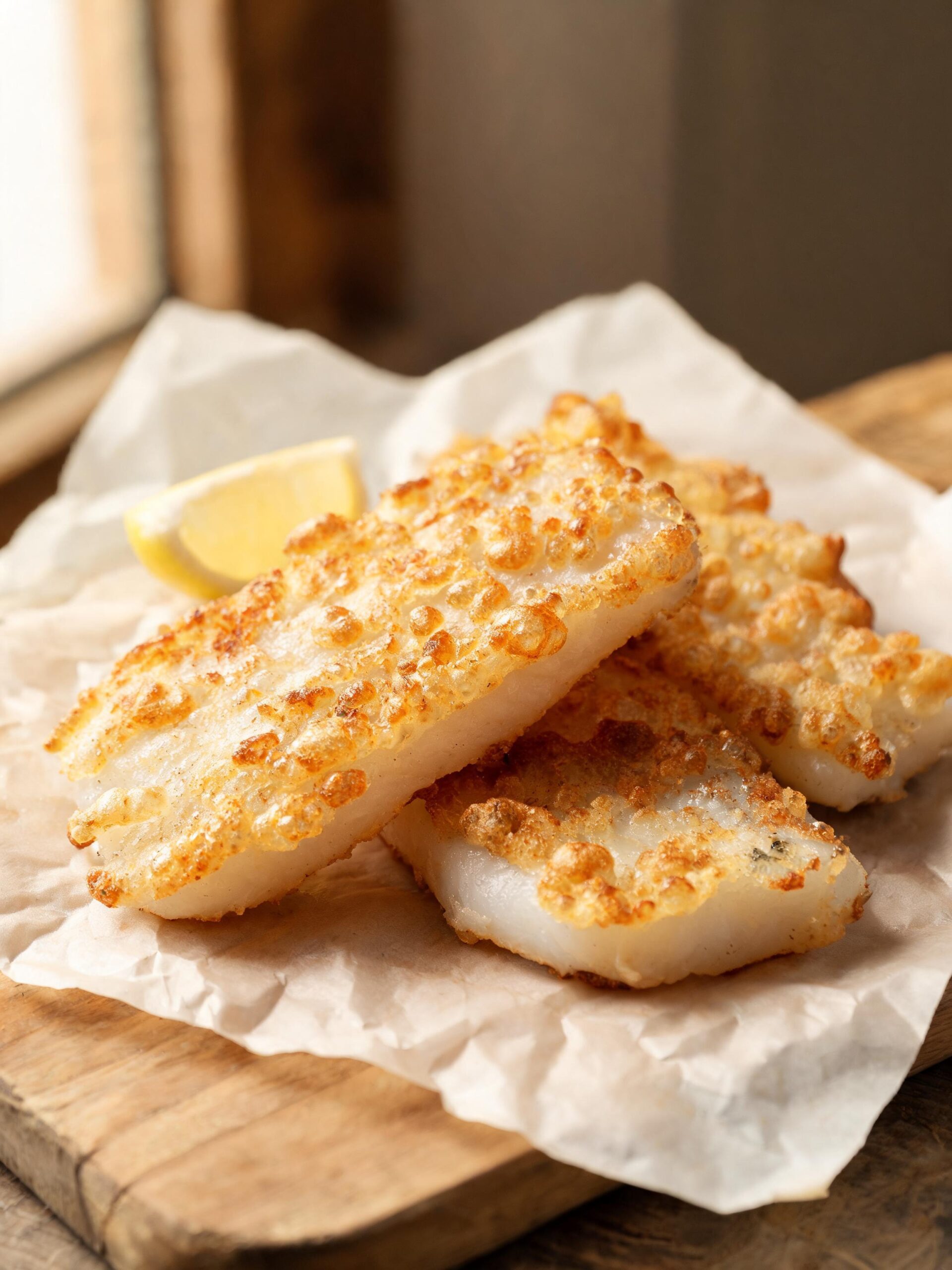
Some evenings just call for crispy fried fish and nothing else. It’s a different kind of craving than, say, a creamy shrimp alfredo recipe; this is about pure simplicity. No fancy sides, no complicated sauce, just that sound — that crack when you bite through the crust and hit the soft, steaming fish underneath. I still remember the first time I made this after a long day out on the water. We hadn’t caught much, just a few fillets worth keeping, and I was tired. I didn’t want to think. I just wanted to eat something warm and real.
So I threw together a simple coating, heated up some oil in my old cast iron, and made what turned out to be the best easy crispy fried fish I’d had in years. Not because I did anything special. Because I kept it simple and didn’t overthink it.
That’s kind of the whole point of this recipe.
Why You’ll Love This Recipe
- It’s genuinely fast — from fridge to table in about 30 minutes, even on a tired weeknight when you have almost nothing left in you.
- The crust actually holds — there’s a small trick with the coating that keeps it from going soggy the second it hits the plate.
- Any white fish works — cod, tilapia, catfish, flounder, whatever you have. This recipe doesn’t care. It’s forgiving like that.
Quick Recipe Snapshot
Recipe: Homemade Crispy Fried Fish
Yield: 4 servings
Prep Time: 15 minutes
Cook Time: 20 minutes
Total Time: 35 minutes
Difficulty: Easy — beginner friendly
Best Fish: Cod, tilapia, catfish, flounder
Method: Pan-fried in cast iron or heavy skillet
Serve With: Coleslaw, lemon wedges, hot sauce, hush puppies
Ingredients List
For the Fish:
- 1 ½ lbs white fish fillets (cod, tilapia, or catfish work great — cut into pieces if large)
- 1 teaspoon salt
- ½ teaspoon black pepper
- ½ teaspoon garlic powder
- ½ teaspoon paprika (adds a little warmth and color)
- Juice of half a lemon (just enough to brighten the fish before coating)
For the Coating:
- ¾ cup all-purpose flour (the base — gives structure to the crust)
- ¼ cup cornmeal (this is what makes it actually crispy instead of just crunchy)
- ½ teaspoon onion powder
- ½ teaspoon cayenne pepper (optional, but I usually add it)
- 2 large eggs, beaten
- 2 tablespoons water (to thin the egg wash slightly)
For Frying:
- 1 cup vegetable oil or canola oil (enough for about ½ inch depth in the pan)
Step-by-Step Instructions
- Pat the fish completely dry. This is the step most people skip and then wonder why their crust slides off. Use paper towels and press gently. Moisture is the enemy of a good crust.
- Season the fish. Sprinkle the salt, pepper, garlic powder, and paprika over both sides. Squeeze a little lemon juice on top. Let it sit for about 5 minutes while you get the coating ready.
- Mix the coating. In a shallow bowl or plate, combine the flour, cornmeal, onion powder, and cayenne. Stir it together so it’s even. In a separate bowl, beat the eggs with the water until smooth.
- Heat the oil. Pour the oil into a heavy skillet — cast iron if you have it — and heat over medium-high. You want the oil around 350°F. If you don’t have a thermometer, drop a tiny pinch of flour in. If it sizzles right away, you’re ready. If it just sits there, give it another minute.
- Coat the fish. Dip each piece into the egg wash first, let the excess drip off, then press it into the flour-cornmeal mixture on both sides. Press gently so the coating sticks. Don’t rush this part.
- Fry in batches. Lay the coated fish into the hot oil carefully. Don’t crowd the pan — I learned that the hard way. Too many pieces at once drops the oil temperature and you end up with greasy, soft fish instead of something golden. Fry 3 to 4 minutes per side depending on thickness. You’re looking for deep golden brown.
- Drain and rest. Pull the fish out and set it on a wire rack over a baking sheet if you have one. A paper towel works too, but the rack keeps the bottom from steaming and going soft. Give it 2 minutes before serving.
That’s really it. Simple as that.
Small Tricks From Cooking Fish at Home
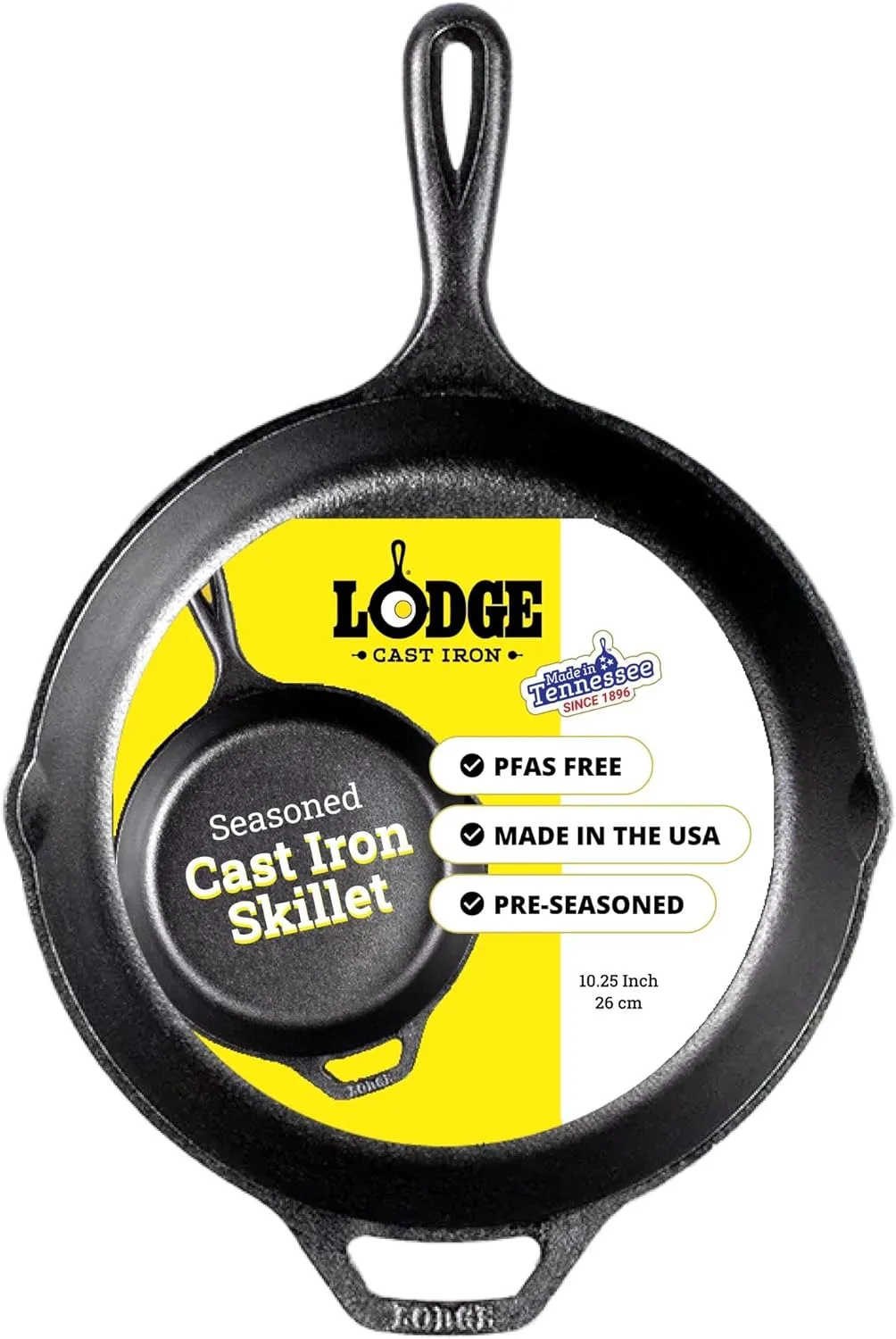
I’ve mentioned using a cast iron skillet a few times, and honestly, it’s not just a suggestion. For a crust this perfect, you need consistent, unwavering heat that a thin pan just can’t provide. My go-to for years has been the Lodge 10.25-inch skillet. It holds that 350°F oil temperature like a champ, even when you add the fish, which is the secret to a crust that sizzles golden instead of soaking up oil. It’s the difference between good fried fish and great fried fish. If you don’t have one in your kitchen, it’s the single best investment you can make for recipes like this.
Lodge 10.25 Inch Cast Iron Skillet with Assist Handle
✓ prime
We earn a commission if you make a purchase, at no additional cost to you.
The cornmeal is not optional in my kitchen. Flour alone gives you a crust that goes soft within minutes. The cornmeal holds. It creates little air pockets in the coating that stay crisp even after the fish sits on the plate for a bit. My grandmother used to say the cornmeal is what separates fried fish from just cooked fish in a pan. She wasn’t wrong.
Don’t skip the drying step. I know I already said it in the instructions but it’s worth saying again here because I have skipped it when I was in a hurry and every single time I regretted it. Wet fish = coating that slides around and falls apart in the oil.
Medium-high heat, not high. There’s a temptation to crank the heat up to get things moving faster. What actually happens is the outside burns before the inside cooks through. Medium-high is the sweet spot for white fish fillets.
Let the fish come to room temperature for about 10 minutes before frying if you can. Cold fish straight from the fridge hits the hot oil and the temperature drop can make the coating absorb more oil than it should. Not a disaster, but the crust ends up a little heavier.
Season the coating, not just the fish. Both layers need flavor. If you only season the fish and leave the coating plain, you’ll notice it — there’s this bland outer shell and then a burst of flavor underneath. Season everything.
Common Mistakes to Avoid
Crowding the pan. I’ve done this probably a hundred times and it never works out. You put too many pieces in, the oil temperature crashes, and instead of frying you’re basically steaming the fish in oil. It gets greasy and soft. Fry in two or three batches. It takes a little longer but it’s worth it every time.
Using oil that isn’t hot enough. Cold or lukewarm oil soaks into the coating before the crust has a chance to set. The fish ends up heavy and oily instead of light and golden. Wait for the oil to be properly hot before anything goes in.
Flipping too early or too often. I used to flip constantly because I was nervous. The coating sticks to the pan and tears. Let it cook undisturbed until it releases naturally — usually around 3 minutes. If it’s still sticking when you try to flip, it’s not ready yet. Give it another 30 seconds.
Skipping the rest after frying. Pulling fish straight off the pan and eating it immediately means the steam trapped inside the crust softens it from the inside out. Two minutes on a rack makes a real difference in how it holds together.
Variations and Serving Ideas
Spicy version: Double the cayenne in the coating and add a teaspoon of hot sauce to the egg wash. Serve with a cooling slaw on the side to balance it out. This is my go-to when I want something with a little more edge to it.
Mild version: Leave out the cayenne entirely and add a pinch of dried thyme or dill to the coating instead. It stays savory but gentle — good for kids or anyone who doesn’t love heat.
Coastal twist: Mix a little Old Bay seasoning into the flour-cornmeal coating. About a teaspoon is enough. It gives the whole thing that salt-air, dockside flavor that reminds me of eating fried fish out of a paper basket near the water. Squeeze extra lemon over the top before eating.
What to Serve With
Creamy coleslaw is the classic pairing and there’s a reason for that. The cool, slightly tangy slaw cuts right through the richness of the fried crust. It’s a balance thing — the crispy fish needs something soft and fresh next to it.
Hush puppies if you want to go full coastal. They fry up in the same oil so it makes sense timing-wise.
Simple tartar sauce — just mayo, a little relish, lemon juice, and salt. It takes five minutes to make and it’s better than anything from a jar. While it’s perfect for this fried fish, a similar creamy sauce is the secret to great crispy fish tacos with cabbage slaw.
Sliced white bread or a soft roll. Sometimes that’s all you want. The bread soaks up the juices and it’s one of those humble combinations that just works.
Hot sauce on the table. Always.
Storage and Reheating
Leftover fried fish keeps in the fridge for up to 2 days in an airtight container. After that the texture starts to go and the smell gets stronger than you want.
To reheat: oven at 375°F on a wire rack for about 10 minutes. This brings the crust back to life. It won’t be exactly like fresh but it’s close enough.
DO NOT microwave it. I know it’s tempting when you’re hungry and tired. The microwave turns the crust into something soft and sad and the fish gets rubbery. It’s not worth it.
DO NOT store it in a sealed container while it’s still warm. The steam trapped inside destroys the crust before you even get to the next day. Let it cool completely on a rack first.
Freezing cooked fried fish is possible but honestly not great. The coating gets soggy when it thaws. If you want to freeze fish, freeze it raw and coat it fresh when you’re ready to cook.
FAQs (People Also Ask)
Can I use frozen fish for this recipe?
Yes, but thaw it completely first and dry it very well before coating. Frozen fish releases a lot of water as it thaws and if you don’t get that moisture off, the coating won’t stick properly and the crust won’t crisp up the way it should.
How do I know when the fish is done cooking?
The crust should be deep golden brown and the fish should flake easily when you press it gently with a fork. If you want to be exact, internal temperature should hit 145°F. But honestly, after a few times you just know by the color and the sound of the sizzle.
Can I substitute the cornmeal with something else?
Panko breadcrumbs work well if you don’t have cornmeal. The texture is a little different — slightly lighter and more airy — but still crispy. Regular breadcrumbs are okay but they don’t hold the crunch as long. Cornmeal is still my first choice.
Is this recipe difficult for beginners?
Not at all. If you can heat oil in a pan and watch a timer, you can make this. The only real skill involved is learning to read the oil temperature and not crowding the pan. Both of those things come naturally after the first time.
How long does the whole thing take start to finish?
About 30 to 35 minutes total. Fifteen minutes of prep — drying, seasoning, mixing the coating — and about 20 minutes of actual cooking time depending on how many batches you fry.
Can I make this in an air fryer?
You can. Spray the coated fish with a little cooking spray and air fry at 400°F for about 10 to 12 minutes, flipping halfway. The crust won’t be quite as golden or rich as pan-fried but it’s still good and a lot less oil.
Nutrition Facts
(Per serving. Estimates only, varies by exact ingredients used)
Conclusion
There’s something about a plate of golden fried fish that feels like it belongs to a specific kind of evening. Tired hands. Salt still in the air somehow. The kitchen smelling like something good is finally happening after a long day.
This recipe has been on my table more times than I can count. It’s not complicated. It doesn’t need to be. The best food I’ve ever eaten near the water was always the simplest — just good fish, a real crust, and enough time to sit down and eat it slowly.
I hope it finds its way onto your table too.
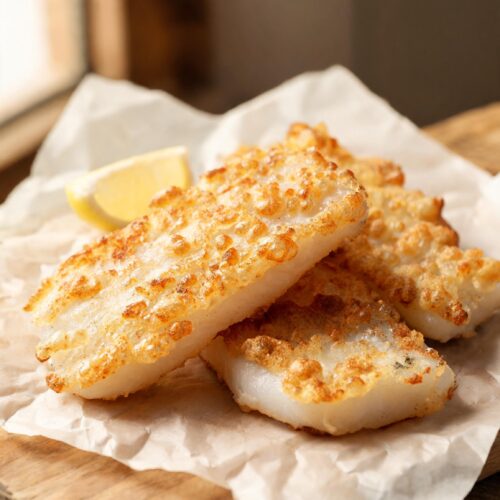
Crispy Fried Fish That Actually Stays Crunchy
Ingredients
- 1 1/2 lbs white fish fillets (cod, tilapia, or catfish)
- 1 teaspoon salt
- 1/2 teaspoon black pepper
- 1/2 teaspoon garlic powder
- 1/2 teaspoon paprika
- Juice of half a lemon
- 3/4 cup all-purpose flour
- 1/4 cup cornmeal
- 1/2 teaspoon onion powder
- 1/2 teaspoon cayenne pepper (optional)
- 2 large eggs, beaten
- 2 tablespoons water
- 1 cup vegetable oil or canola oil
Instructions
- Pat the fish fillets completely dry on both sides using paper towels. Press gently to remove all surface moisture.
- Season both sides of the fish with salt, black pepper, garlic powder, and paprika. Squeeze lemon juice over the top and let the fish rest for 5 minutes.
- In a shallow bowl, mix together the flour, cornmeal, onion powder, and cayenne pepper until evenly combined. In a separate bowl, beat the eggs with the water until smooth.
- Pour the oil into a heavy skillet or cast iron pan to about half an inch depth. Heat over medium-high until the oil reaches approximately 350 degrees F. Test by dropping a pinch of flour into the oil — it should sizzle immediately.
- Dip each fish piece into the egg wash and let the excess drip off. Then press both sides firmly into the flour and cornmeal coating until well covered.
- Carefully place the coated fish into the hot oil in a single layer without crowding the pan. Fry in batches if needed. Cook for 3 to 4 minutes per side until deep golden brown.
- Remove the fish and place on a wire rack over a baking sheet or on paper towels. Let rest for 2 minutes before serving.