Introduction
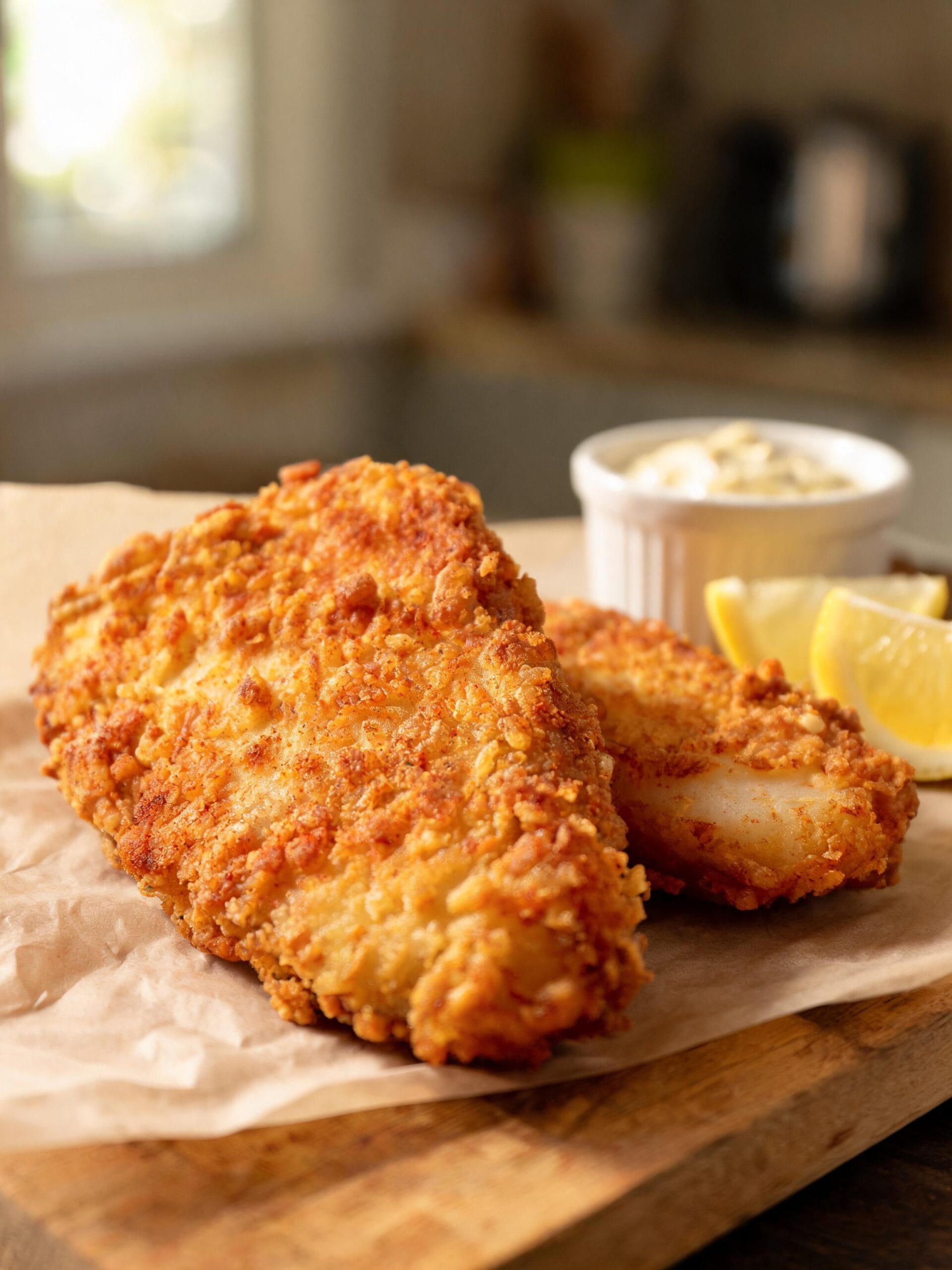
There’s a specific kind of hunger that hits after a long day on the water. You’re tired, your hands smell like brine, and while sometimes you crave the communal feast of an easy seafood boil, tonight the only thing that makes sense is crispy fried fish sizzling in a pan. That sound alone — that deep, steady crackle when the fillet hits hot oil — it does something to you. Resets you, almost.
I grew up watching my uncle fry fish in a cast iron skillet that probably hadn’t been fully washed since the early nineties. He never measured anything. Just eyeballed the cornmeal, shook in some seasoning, and somehow every single piece came out golden and perfect. I spent years trying to figure out what he was doing that I wasn’t.
This easy crispy fried fish recipe is what I landed on after a lot of trial and a lot of soggy failures. It’s nothing fancy. No special equipment. No ingredients you have to hunt down. Just honest, simple cooking that tastes like it came from somewhere real.
Why You’ll Love This Recipe
- It’s genuinely quick — from fridge to table in under 35 minutes, even on a weeknight when you’re already running low on patience.
- The crust actually stays crispy. Not for five minutes. Long enough to eat it at the table like a normal person.
- You don’t need to know anything about cooking fish to pull this off. If you can heat oil and flip something without panicking, you’ve got this.
Quick Recipe Snapshot
Recipe: Crispy Fried Fish
Prep Time: 15 minutes
Cook Time: 20 minutes
Total Time: 35 minutes
Servings: 4
Difficulty: Easy
Best Fish: Cod, tilapia, catfish, or whatever’s fresh
Method: Pan-fried on stovetop
Cuisine: American / Coastal Home Cooking
Ingredients List
For the Fish:
- 1 ½ lbs white fish fillets (cod, tilapia, or catfish work great — pat them dry before anything else)
- 1 teaspoon salt
- ½ teaspoon black pepper
- ½ teaspoon garlic powder
- ½ teaspoon paprika (smoked if you have it — adds a little depth without doing too much)
- ¼ teaspoon cayenne pepper (optional, but it wakes the whole thing up)
For the Coating:
- ½ cup all-purpose flour (this is the first layer — helps everything else stick)
- ½ cup fine yellow cornmeal (this is what actually makes the crust crunch)
- 1 teaspoon Old Bay seasoning
- 2 large eggs
- 2 tablespoons whole milk or water
For Frying:
- ¾ cup vegetable oil or canola oil (enough to come about halfway up the fillet — you’re not deep frying, just pan frying)
To Serve:
- Lemon wedges
- Hot sauce or tartar sauce
Step-by-Step Instructions
- Pat your fish fillets completely dry with paper towels. I mean really dry. This is the step most people skip and then wonder why their coating slides off or steams instead of crisps. Moisture is the enemy here.
- Mix together the salt, pepper, garlic powder, paprika, and cayenne in a small bowl. Sprinkle it over both sides of the fish and let it sit for about 5 minutes while you set up your coating station.
- Set out three shallow dishes. First one: flour. Second one: eggs whisked together with the milk. Third one: cornmeal mixed with Old Bay.
- Dredge each fillet through the flour first — shake off the extra. Then dip it in the egg wash. Then press it into the cornmeal mixture. Press gently but firmly. You want it to stick.
- Heat your oil in a heavy skillet — cast iron if you have one — over medium-high heat. Give it a few minutes. You want the oil around 350°F. If you don’t have a thermometer, drop a tiny pinch of cornmeal in. If it sizzles immediately, you’re ready. If it just sits there, wait.
- Lay the fillets in carefully, away from you. Don’t crowd the pan. Two at a time if your skillet isn’t huge. Crowding drops the oil temperature and you end up with something sad and greasy instead of golden.
- Cook 3 to 4 minutes per side without moving them around. Let the crust form. When you can see the edges turning golden and the fillet releases easily from the pan, flip it once. That’s it. One flip.
- Transfer to a wire rack over a baking sheet. Not a plate lined with paper towels — a rack. Paper towels trap steam underneath and soften the crust. A rack keeps air moving around the whole thing. (This one small change made a big difference for me.)
- Squeeze lemon over the top and eat it while it’s hot.
Honestly the hardest part is not eating the first batch before the second one is done.
Small Tricks From Cooking Fish at Home
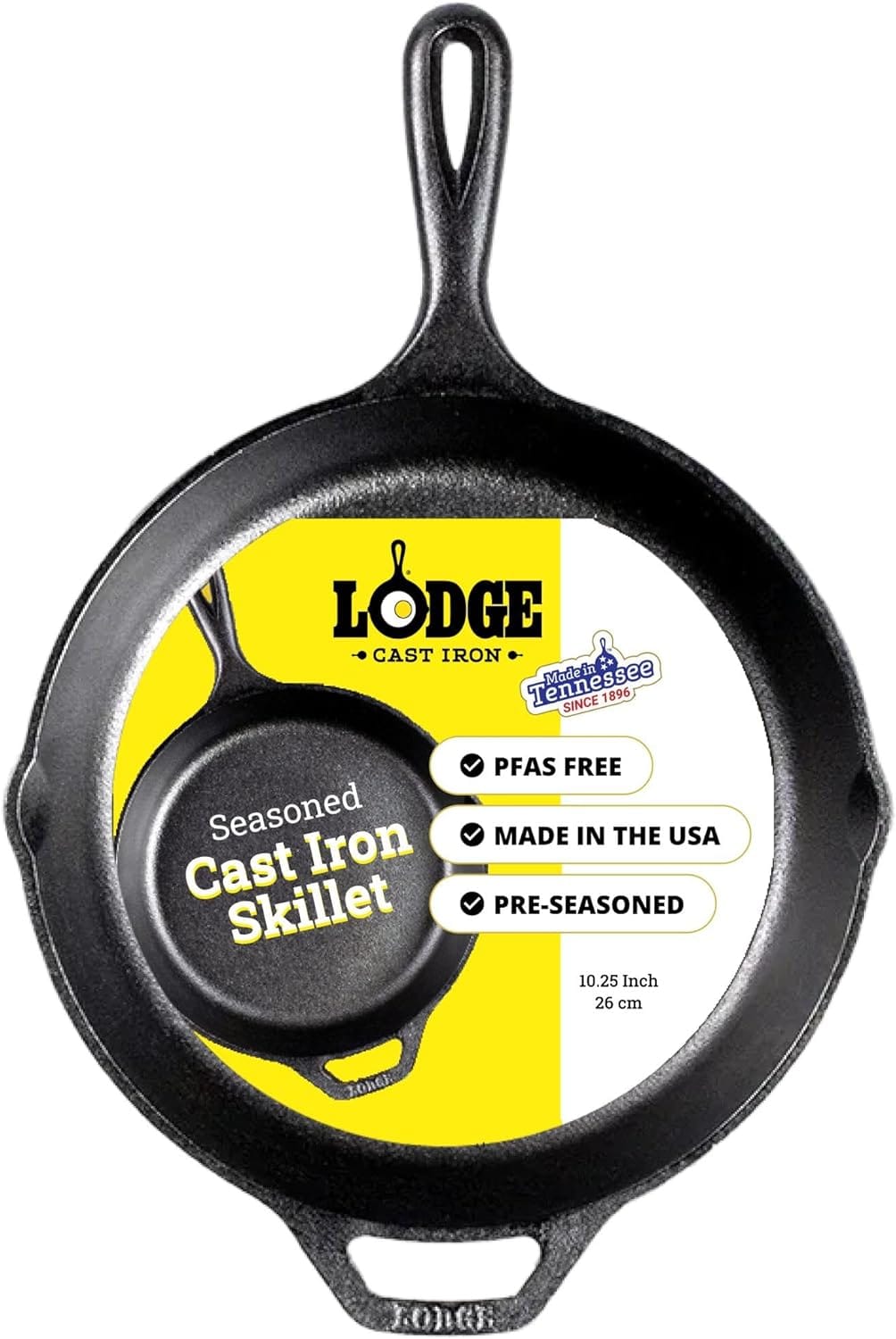
I talked a lot about my uncle’s old skillet, and for good reason. The secret to that perfect, non-greasy crust isn’t some fancy technique—it’s the pan. A good cast iron skillet, like the Lodge 10.25 Inch, holds heat incredibly well, so the temperature doesn’t drop when you add the fish. That steady, even heat is what gives you that immediate sizzle and creates a crust that seals the fillet perfectly, keeping it flaky and moist inside. This is the modern version of what my uncle used, and it’s the one I trust in my kitchen to get this recipe right every single time.
If you’re serious about getting that perfect fry, this is the single best tool you can have. Get the same skillet I use and see the difference for yourself.
Lodge 10.25 Inch Cast Iron Skillet with Assist Handle
✓ prime
We earn a commission if you make a purchase, at no additional cost to you.
The wire rack thing I mentioned — I learned that from a mistake. Made a beautiful batch one evening, set them on paper towels to drain, walked away for two minutes to grab plates, came back and the whole bottom crust had gone soft. Rack from then on, always.
Cornmeal is what gives you that real crunch. Breadcrumbs are fine but they go soft faster. The cornmeal holds up longer, especially if you’re making a big batch and the last pieces have to wait a few minutes.
Don’t skip drying the fish. I know I already said it but I’m saying it again because it matters more than almost anything else. Wet fish = steaming in the pan = no crust. Five seconds with a paper towel changes everything.
Oil temperature is everything. Too cool and the fish absorbs oil and gets heavy. Too hot and the outside burns before the inside cooks through. Medium-high heat, preheated properly, is the sweet spot for most home stoves.
Let the fish come closer to room temperature before it hits the pan. Not fully — you’re not leaving it out for an hour. But straight from the fridge into hot oil can cause uneven cooking. Ten minutes on the counter is enough.
Common Mistakes to Avoid
Using too much oil and then turning the heat up to compensate for a pan that wasn’t hot enough to begin with. You end up with greasy fish and a mess on your stove. Get the oil hot first, then add the fish.
Flipping too early. I know it’s tempting. The fish looks like it might be sticking and your instinct is to move it. But if the crust is still forming, it will stick. Wait. When it’s ready to flip, it lets go on its own. Trust that.
Coating the fish and then letting it sit too long before frying. The coating starts absorbing moisture from the fish and gets gummy. Coat it and fry it. Don’t let it sit on the counter for twenty minutes while you do other things.
Using fillets that are too thick without adjusting your heat or time. A thick piece of cod needs a little more time at a slightly lower heat than a thin tilapia fillet. They’re not the same and you can’t cook them exactly the same way. Pay attention to what’s in the pan.
Variations and Serving Ideas
Spicy version: Double the cayenne, add a teaspoon of hot sauce directly into the egg wash, and use a spicy seasoning blend instead of Old Bay. Serve with cooling coleslaw to balance the heat.
Mild version: Skip the cayenne entirely, use plain seasoned salt instead of Old Bay, and serve with a simple squeeze of lemon and a little butter melted over the top. Clean and simple, good for kids or anyone who doesn’t want a lot of heat.
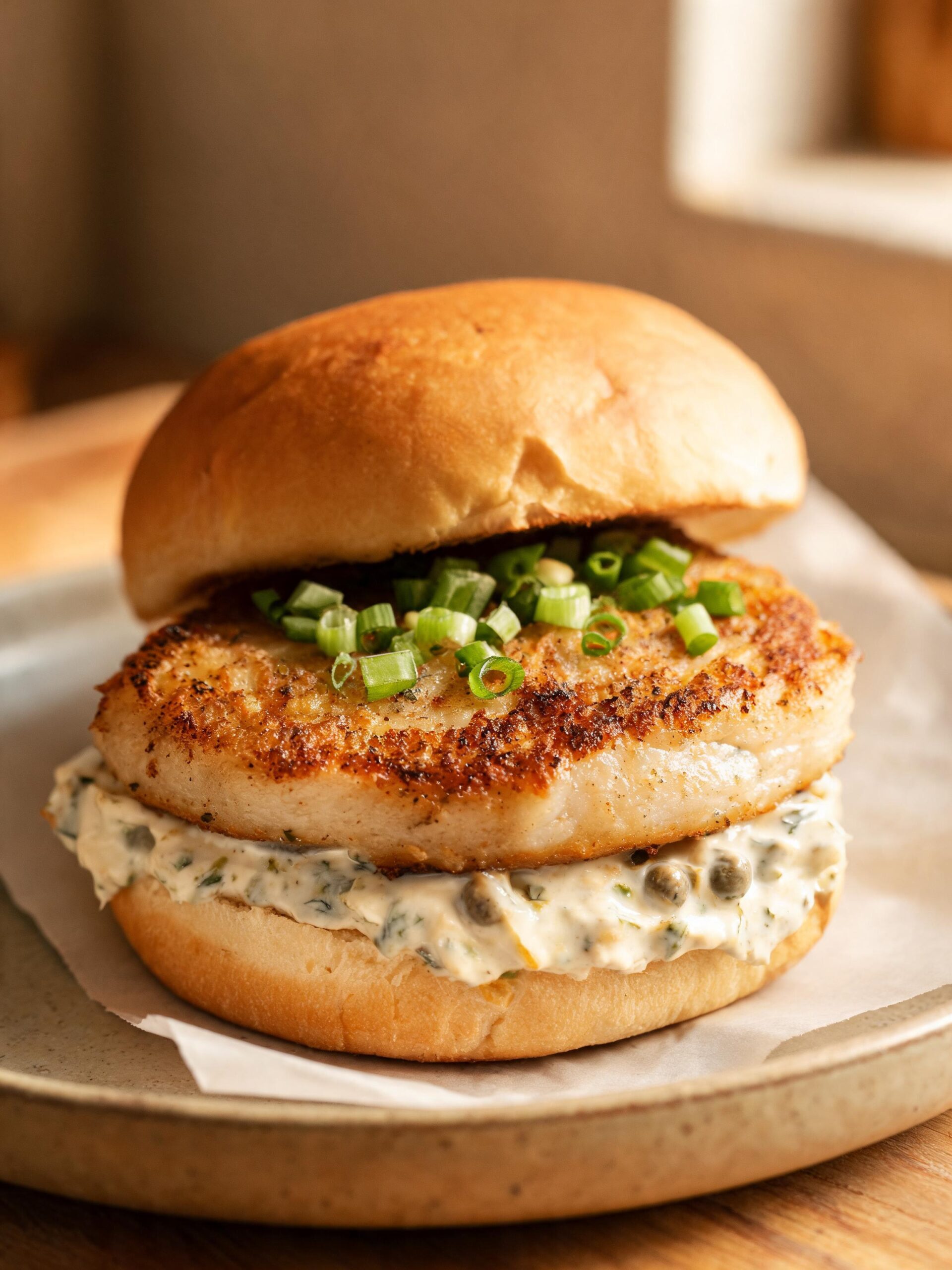
Coastal twist: Add a tablespoon of dried dill and a pinch of Old Bay to the cornmeal coating. Serve on a toasted hoagie roll with shredded cabbage and a lemon-mayo sauce. It tastes like something you’d get from a little fish shack near the water, and for more quick coastal flavors, these easy seafood appetizers are perfect for starting any meal.
What to Serve With
You want something soft and creamy against all that crunch. Mashed potatoes work. Coleslaw is the classic for a reason — the cool crunch of the cabbage against the hot crispy fish is just right. Baked beans if you’re eating outside. Corn on the cob in summer.
For something lighter, a simple green salad with a sharp vinaigrette cuts through the richness nicely. Or just sliced tomatoes with salt. Sometimes that’s all you need.
Hush puppies if you want to commit fully to the coastal fish fry experience. Cornbread on the side if hush puppies feel like too much work. Hot sauce on the table no matter what.
Storage and Reheating
Leftover fried fish keeps in the fridge for up to 2 days in an airtight container. After that the texture just isn’t worth it.
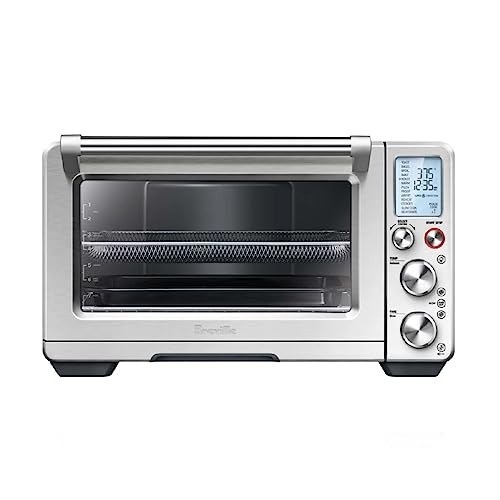
To reheat: oven at 375°F on a wire rack for about 10 minutes. That’s it. It won’t be exactly like fresh but it’ll be close.
DO NOT microwave it. I’m serious. The microwave turns crispy fried fish into something steamed and soft and kind of sad. It deserves better than that.
DO NOT stack the pieces on top of each other in the fridge. The steam trapped between them softens the crust. Single layer, or parchment paper between layers.
Freezing cooked fried fish is possible but I honestly don’t recommend it. The texture changes too much. If you want to freeze something, freeze the raw fish before coating it.
FAQs (People Also Ask)
Can I use frozen fish instead of fresh?
Yes, but thaw it completely first and dry it very well. Frozen fish holds more water and if you don’t get rid of that moisture before coating, the crust won’t stick properly and the whole thing steams instead of fries. Fresh is better when you can get it, but frozen works fine if you’re careful about drying.
How do I know when the fish is done?
The outside should be deep golden brown and the fish should flake easily when you press it gently with a fork. If it’s still holding together in a rubbery way, give it another minute. Internal temperature should hit 145°F if you’re using a thermometer, but honestly most home cooks just go by color and flake.
Can I substitute the cornmeal for something else?
You can use all breadcrumbs — panko gives a good crunch. Or all flour if that’s what you have. The cornmeal just gives a specific texture and flavor that I prefer, but it’s not the only way. Each coating behaves a little differently so watch your first piece carefully.
How long does this take start to finish?
About 35 minutes total. 15 minutes of prep, 20 minutes of cooking. It’s genuinely a weeknight dinner. Nothing about it requires planning ahead or special timing.
Is this recipe difficult for beginners?
Not at all. If you’ve ever fried anything in a pan — eggs, chicken, even just bacon — you can do this. The main things to get right are dry fish, hot oil, and not flipping too early. That’s really it.
Nutrition
Nutrition Facts
(Per serving. Estimates only, varies by exact ingredients used)
Conclusion
My uncle passed a few years ago. I still have his cast iron skillet. It still hasn’t been fully washed.
Every time I fry fish in it I think about standing in his kitchen as a kid, watching him work without measuring anything, somehow knowing exactly when to flip, exactly when it was done. I don’t have his instincts yet. But I’m getting closer.
This recipe is just how I do it now. Nothing complicated. Nothing that requires more than a regular home kitchen and fish that’s worth cooking. Make it on a Tuesday. Make it after a long day. Make it for someone you want to feed something real.
That’s what this kind of cooking is for.
Crispy Fried Fish That Actually Stays Crunchy
Ingredients
- 1 1/2 lbs white fish fillets (cod, tilapia, or catfish)
- 1 teaspoon salt
- 1/2 teaspoon black pepper
- 1/2 teaspoon garlic powder
- 1/2 teaspoon paprika (smoked preferred)
- 1/4 teaspoon cayenne pepper (optional)
- 1/2 cup all-purpose flour
- 1/2 cup fine yellow cornmeal
- 1 teaspoon Old Bay seasoning
- 2 large eggs
- 2 tablespoons whole milk or water
- 3/4 cup vegetable oil or canola oil
- Lemon wedges for serving
- Hot sauce or tartar sauce for serving
Instructions
- Pat fish fillets completely dry with paper towels on both sides.
- Mix salt, pepper, garlic powder, paprika, and cayenne together and season both sides of the fish. Let sit 5 minutes.
- Set up three shallow dishes: flour in the first, eggs whisked with milk in the second, cornmeal mixed with Old Bay in the third.
- Dredge each fillet in flour and shake off excess, dip in egg wash, then press firmly into the cornmeal mixture to coat.
- Heat oil in a heavy skillet over medium-high heat until a pinch of cornmeal sizzles immediately when dropped in (about 350°F).
- Add fillets to the pan two at a time without crowding. Cook 3 to 4 minutes without moving them.
- Flip each fillet once when the edges are golden and the fillet releases easily from the pan. Cook another 3 to 4 minutes.
- Transfer cooked fillets to a wire rack over a baking sheet to keep the crust crispy.
- Squeeze fresh lemon over the top and serve immediately with hot sauce or tartar sauce.