Introduction
It was one of those evenings where the fridge was half-empty and I was tired in that specific way you get after a long day near the water. I had a piece of salmon sitting there, not a fancy filet like you’d use for our Buttery Chilean Sea Bass recipe, just a simple piece. With a jar of Dijon mustard and twenty minutes before everyone got hungry, this Dijon Baked Salmon happened. Not planned. Not fancy. Just real.
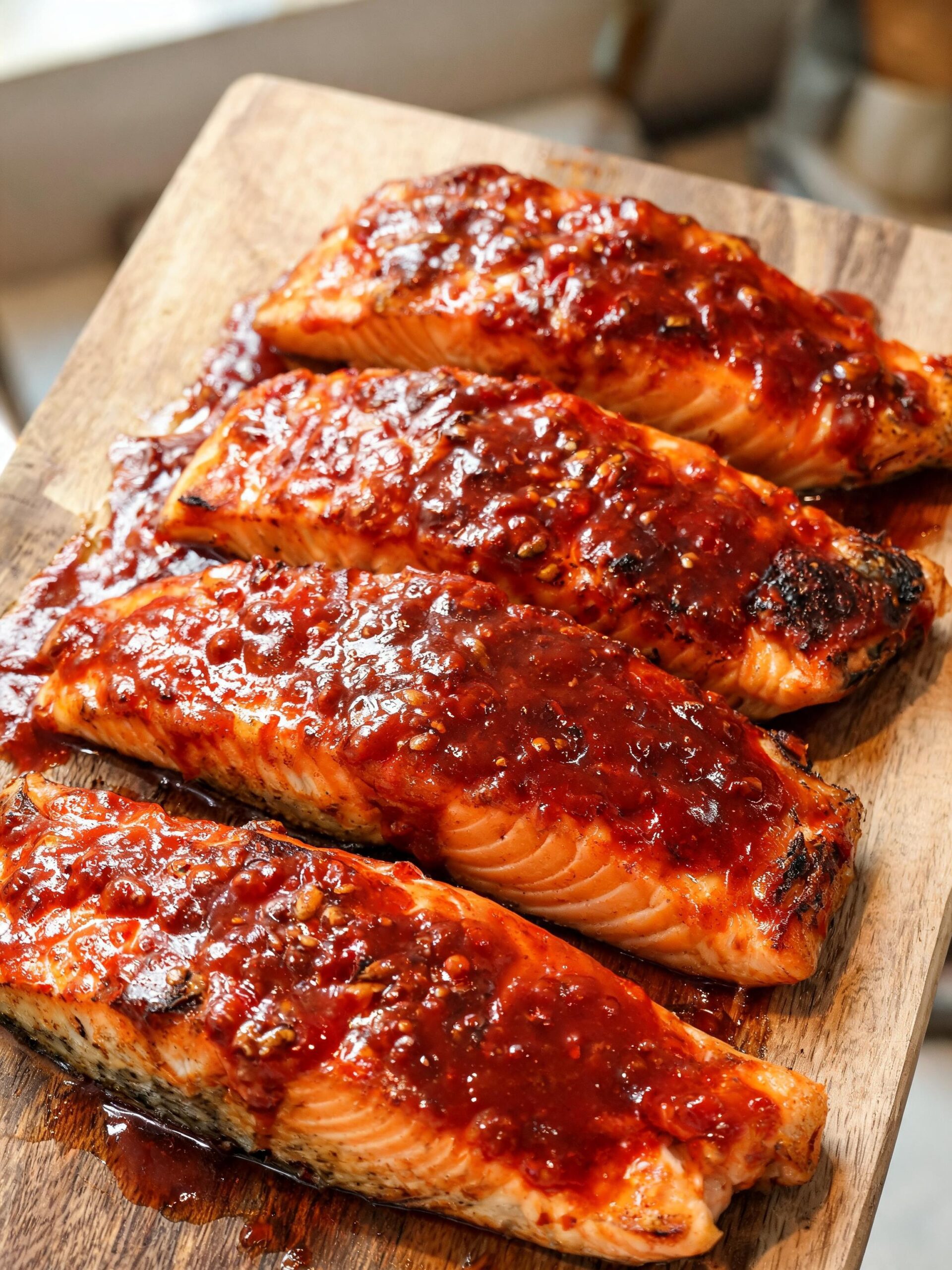
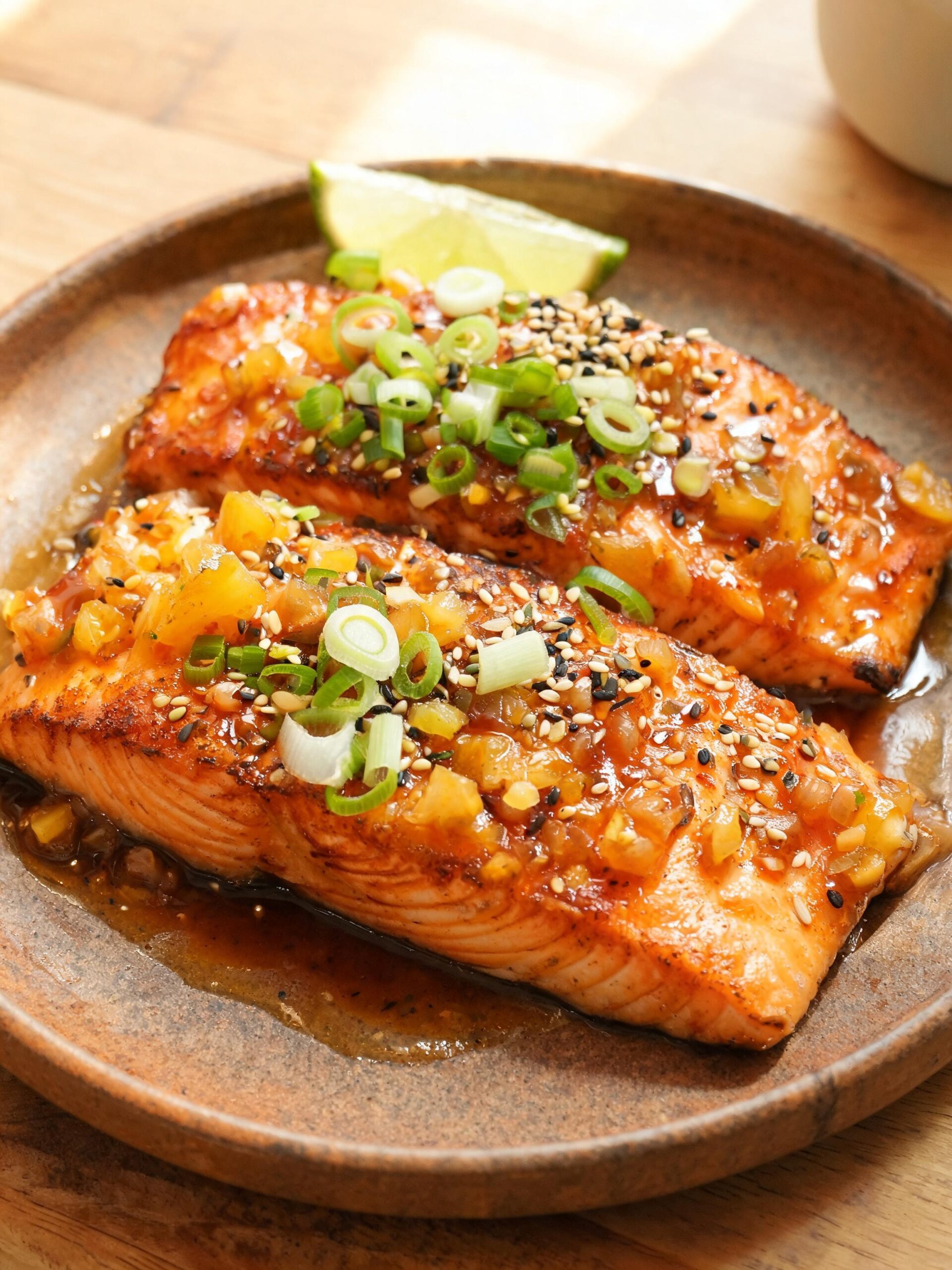
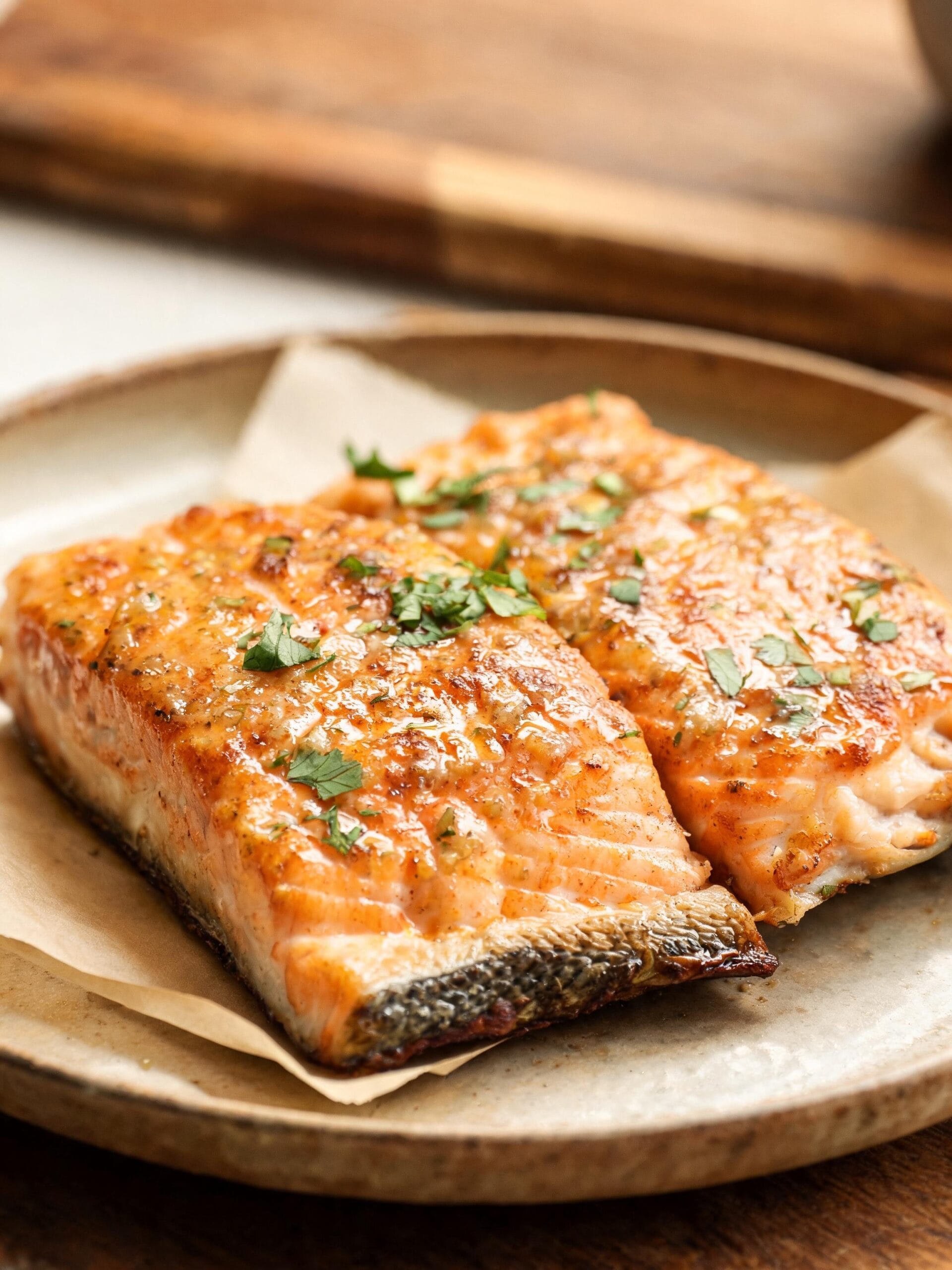
I spread the mustard on, threw it in the oven, and stood there kind of hoping for the best. What came out was this glossy, slightly tangy fillet with edges that had just started to caramelize — the kind of thing that makes people think you spent way more effort than you did. This easy Dijon Baked Salmon has been on my table more times than I can count since that night.
Why You’ll Love This Recipe
- It’s genuinely fast — from fridge to table in under 30 minutes, which on a weeknight feels like a small miracle.
- The mustard does most of the flavor work. You don’t need a long list of spices or anything complicated.
- Even if you’ve never cooked salmon before, this one is forgiving. The coating kind of protects the fish and keeps it from drying out too fast.
Quick Recipe Snapshot
Prep Time: 15 minutes
Cook Time: 18–20 minutes
Total Time: About 35 minutes
Servings: 4
Difficulty: Easy — beginner friendly
Best For: Weeknight dinner, quick lunch, meal prep
Main Flavor: Tangy, savory, slightly herby
Oven Temp: 400°F
Ingredients List
For the Salmon:
- 4 salmon fillets (about 6 oz each) — skin-on holds together better in the oven
- 3 tablespoons Dijon mustard — the whole point, use a good one you’d actually eat on a sandwich
- 1 tablespoon olive oil — helps the mustard spread and keeps things from sticking
- 2 cloves garlic, minced — adds a little depth without taking over
- 1 tablespoon honey — just enough to balance the sharpness of the mustard
- 1 teaspoon lemon zest — this wakes everything up, don’t skip it
- 1 tablespoon fresh lemon juice
- 1 teaspoon dried thyme — or fresh if you have it
- Salt and black pepper to taste
Optional Topping:
- 2 tablespoons breadcrumbs — adds a little texture on top if you want it
- 1 tablespoon fresh parsley, chopped — for the end, mostly for color
Step-by-Step Instructions
- Pull your salmon out of the fridge about 10 minutes before cooking. Cold fish straight into a hot oven tends to cook unevenly — the outside gets done before the inside catches up. Just let it sit on the counter while you get everything else ready.
- Preheat your oven to 400°F. Line a baking sheet with foil or parchment. I use foil most of the time because cleanup is easier and I’m not trying to make more work for myself.
- In a small bowl, mix together the Dijon mustard, olive oil, minced garlic, honey, lemon zest, and lemon juice. Stir it until it’s smooth. Taste it — it should be tangy with just a hint of sweetness. Add a pinch of salt and the thyme and stir again.
- Pat the salmon fillets dry with a paper towel. This matters more than it sounds. Wet fish steams instead of roasting, and you lose that slightly firmer texture on the outside. Dry it off, then place the fillets skin-side down on your prepared baking sheet.
- Spoon the mustard mixture over each fillet and spread it out with the back of the spoon. Be generous. If you’re using breadcrumbs, press a small amount on top of the mustard layer now — they’ll toast up as the salmon bakes.
- Slide the pan into the oven. Bake for 18 to 20 minutes depending on how thick your fillets are. You’re looking for the flesh to flake easily when you press it gently with a fork. The mustard coating should look set and slightly golden at the edges.
- Let it rest for two or three minutes before serving. I know it’s hard to wait but it makes a difference — the juices settle back in and it doesn’t fall apart when you plate it. Scatter fresh parsley on top if you have it.
That’s really it. The whole thing happens fast and the oven does most of the work.
Small Tricks From Cooking Fish at Home
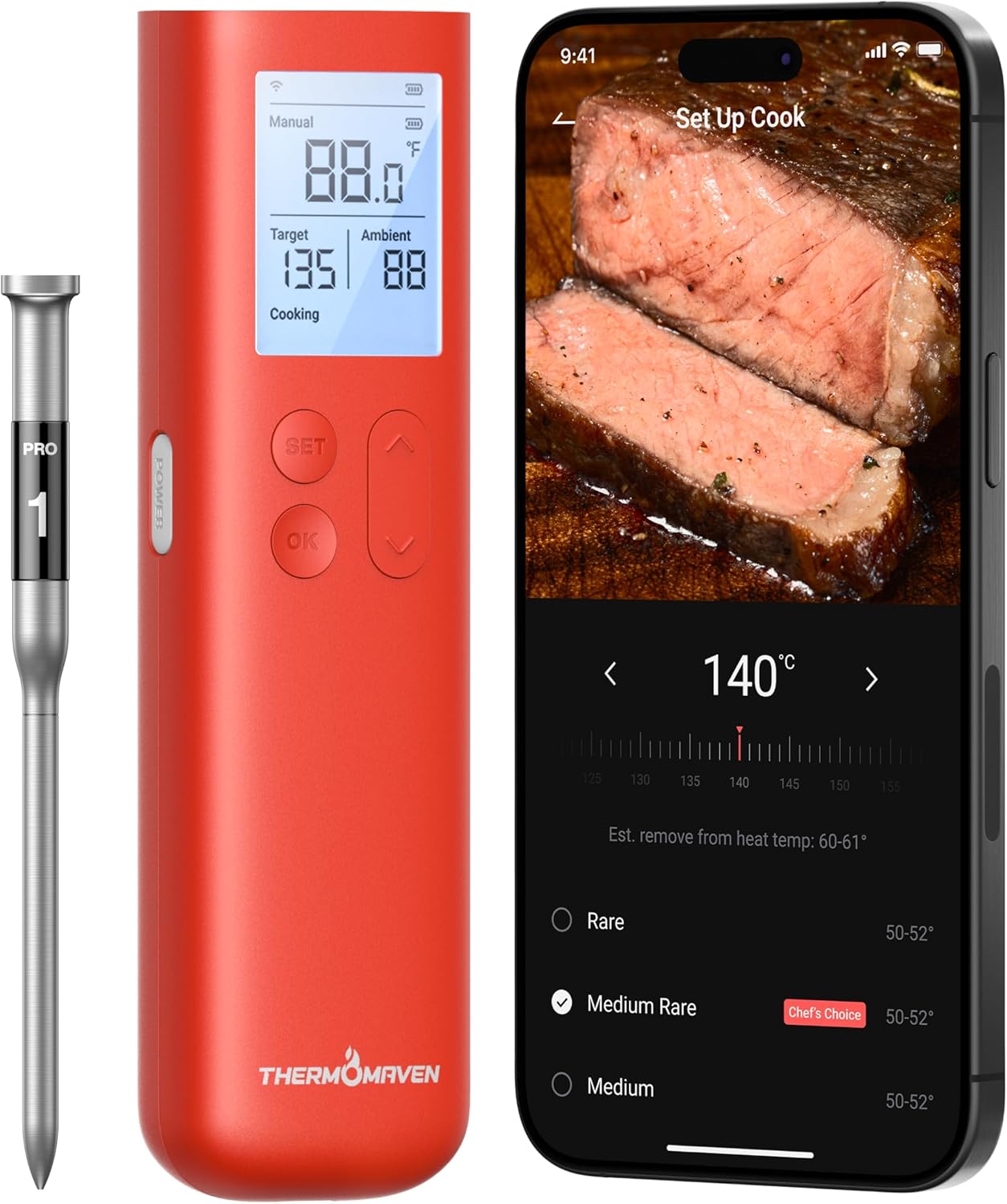
One of the biggest anxieties I hear about cooking fish is the fear of overcooking it. We’ve all had that dry, chalky salmon, and it’s a tragedy. That’s why I’ve stopped guessing and now rely on a good wireless meat thermometer. The ThermoMaven is my secret weapon for this recipe. I can set my target temp to a perfect 125°F, and it alerts me the second it’s ready. It guarantees that juicy, flaky result every single time, letting the mustard glaze shine without any risk of a dry-out.
Stop the guesswork and get perfect salmon every time. Check out the thermometer I trust in my own kitchen.
ThermoMaven Smart Wireless Meat Thermometer
✓ prime
We earn a commission if you make a purchase, at no additional cost to you.
The first time I made something like this, I used way too much mustard and it kind of pooled around the fish and burned on the pan edges. A thin, even layer is better than a thick glob — you want it coating the fish, not drowning it.
Room temperature fish actually cooks more evenly. I learned this by accident after leaving a fillet out while I got distracted doing something else. It came out noticeably better than the ones I’d been rushing straight from the fridge.
If your salmon has a really thick end and a thin tail end, fold the thin part under slightly. It sounds fussy but it takes two seconds and keeps the thin part from overcooking while the thick part finishes.
Honey and mustard together can burn quickly if the heat is too high. 400°F works well here. I’ve tried 425°F and the coating got a little too dark before the fish was done inside.
Fresh lemon zest in the mustard mix makes a bigger difference than I expected. I used to skip it when I didn’t have a lemon handy and the dish always felt like something was missing. The zest adds this bright top note that cuts through the richness of the salmon.
Don’t press down on the fish while it’s baking or right after it comes out. I did this once trying to check if it was done and all the juices ran out. Just use a fork to gently test the flake.
Common Mistakes to Avoid
Skipping the pat-dry step is probably the most common one. It seems like a small thing but wet salmon in the oven just steams and you end up with a pale, soft fillet instead of something with a little texture and color on top.
Overcooking is easy to do with salmon because people get nervous about fish being underdone. But salmon that’s been in the oven too long gets dry and chalky and no amount of sauce fixes that. Pull it when it just starts to flake — there should still be a tiny bit of translucency in the very center and it’ll finish from the residual heat.
Using too little mustard mixture and then wondering why there’s no flavor. The coating is the whole recipe here. Be generous enough that every bite has some of that tangy, garlicky layer on it.
Putting cold salmon directly from the fridge onto a hot pan and expecting it to cook evenly. The outside rushes ahead and by the time the center catches up, the edges are already overdone. Ten minutes on the counter makes a real difference.
Variations and Serving Ideas
Spicy Version: Add a teaspoon of sriracha or a pinch of cayenne to the mustard mix. The heat plays really well with the honey and gives the whole thing more of an edge.
Mild Version: If you’re cooking for kids or someone who finds Dijon too sharp, mix it half and half with regular yellow mustard. Still tasty, just a little softer in flavor.
Coastal Twist: Add a tablespoon of capers to the mustard mixture and finish with a squeeze of fresh lemon right at the table. It gives the whole dish this briny, seaside quality that feels right if you’re eating it near the water or just wishing you were.
You can also do this same recipe with a whole side of salmon if you’re feeding more people — just increase the mustard mixture and add a few extra minutes to the cook time.
What to Serve With
Roasted asparagus or green beans work really well here — something with a little char and crunch balances the soft, flaky fish. I usually just throw them on the same pan for the last ten minutes.
Simple rice or crusty bread is perfect for soaking up the pan juices. For another great appetizer idea, our Easy Stuffed Mushrooms with Crab and Cheese are a fantastic choice. The mustard and honey drippings that collect on the foil are honestly worth chasing.
A light salad with something acidic — arugula with lemon dressing, or even just sliced tomatoes with a little salt. The richness of the salmon needs something fresh next to it or the whole plate feels heavy.
Mashed potatoes if it’s cold out and you want something more filling. The mustard flavor in the fish goes surprisingly well with buttery potatoes.
Storage and Reheating
Leftover salmon keeps in the fridge for up to two days in a sealed container. After that it starts to smell stronger than it tastes and it’s just not worth it.
DO NOT reheat salmon in the microwave if you can help it. It dries out fast and the smell fills the whole kitchen. If you have to use the microwave, cover it with a damp paper towel and go in short 30-second bursts on low power.
The best way to reheat it is low and slow in the oven — 275°F for about 10 minutes, loosely covered with foil. It won’t be exactly like fresh but it stays moist enough to eat.
DO NOT freeze cooked salmon with the mustard coating already on it. The texture gets strange and watery when it thaws. If you want to freeze salmon, do it raw and make the coating fresh when you’re ready to cook.
Cold leftover salmon flaked over a salad the next day is genuinely one of the better lunches I’ve had. Don’t sleep on it.
FAQs (People Also Ask)
Can I use frozen salmon for this recipe?
Yes, but thaw it completely first and pat it very dry before adding the mustard coating. Frozen salmon holds more water and if you don’t dry it well, the coating slides off and the fish steams instead of baking properly.
How do I know when the salmon is done?
Press it gently with a fork — it should flake apart in layers without resistance. The color changes from deep pink to a lighter, more opaque shade. If you have a thermometer, 125°F to 130°F is where I pull it. It keeps cooking a little after it comes out.
Can I substitute the Dijon mustard with something else?
Whole grain mustard works well and gives it a slightly different texture — more rustic looking with the seeds. Yellow mustard is milder and a bit sweeter. I wouldn’t use dry mustard powder alone here because the wet mustard is part of what keeps the fish moist during baking.
Is this recipe difficult for someone who doesn’t cook fish much?
It’s honestly one of the easier fish recipes I make. The mustard coating is forgiving and the oven does everything. If you can spread something on bread and set a timer, you can make this.
How long does it actually take start to finish?
About 35 minutes including the time to let the fish come to room temperature and the oven preheat. Active hands-on time is maybe 10 minutes. The rest is just waiting.
Nutrition
Nutrition Facts
(Per serving. Estimates only, varies by exact ingredients used)
Conclusion
Some of the best things I’ve ever cooked came from not having a plan. That jar of mustard sitting in the door of the fridge, the salmon that needed to be used, the hunger that didn’t want to wait — that’s where this one came from.
It’s not a fancy recipe. It doesn’t need to be. It’s the kind of thing you make on a Tuesday when the day was long and you just want something good on the table without a lot of fuss. And somehow, every time, it delivers.
I hope it does the same for you.
Dijon Baked Salmon That Tastes Like You Actually Tried
Ingredients
- 4 salmon fillets (about 6 oz each), skin-on
- 3 tablespoons Dijon mustard
- 1 tablespoon olive oil
- 2 cloves garlic, minced
- 1 tablespoon honey
- 1 teaspoon lemon zest
- 1 tablespoon fresh lemon juice
- 1 teaspoon dried thyme
- Salt and black pepper to taste
- 2 tablespoons breadcrumbs (optional)
- 1 tablespoon fresh parsley, chopped (optional)
Instructions
- Remove salmon from the fridge 10 minutes before cooking and let it sit at room temperature.
- Preheat oven to 400°F. Line a baking sheet with foil or parchment paper.
- In a small bowl, mix together Dijon mustard, olive oil, minced garlic, honey, lemon zest, lemon juice, thyme, salt, and pepper until smooth.
- Pat salmon fillets completely dry with paper towels, then place them skin-side down on the prepared baking sheet.
- Spread the mustard mixture evenly over each fillet. Press breadcrumbs on top if using.
- Bake for 18 to 20 minutes until the salmon flakes easily with a fork and the coating looks set and slightly golden at the edges.
- Rest for 2 to 3 minutes before serving. Top with fresh parsley if desired.