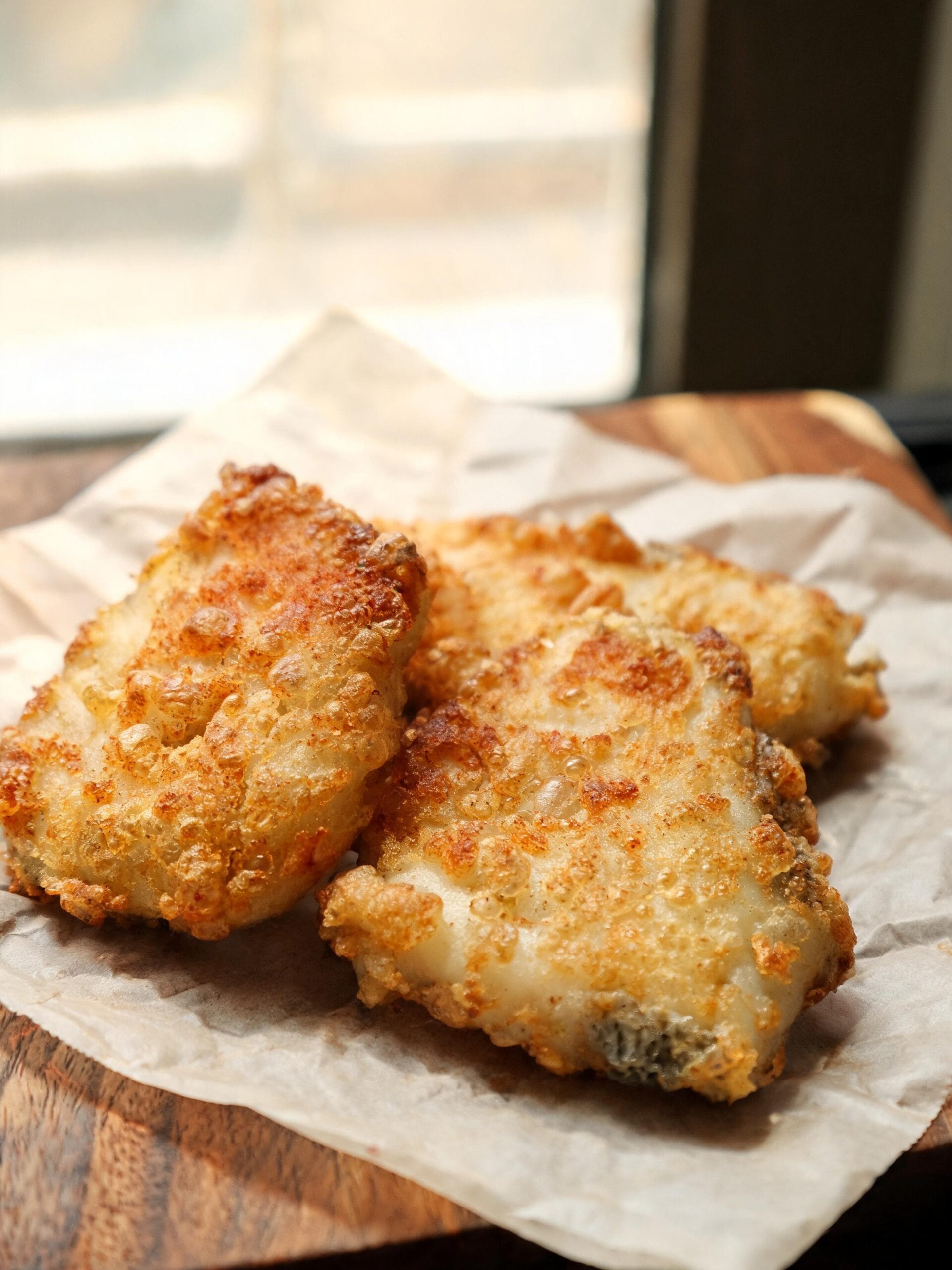
Introduction
The first time I got a fish batter recipe crispy enough to actually crack when you bit into it, I wasn’t even trying that hard. It was a Tuesday evening, wind still coming off the water, and I had a bag of flounder fillets from the weekend. Unlike the big get-togethers that call for easy seafood boil recipes, this was a simple affair. Nothing fancy in the fridge. Just flour, a cold beer, and a bottle of sparkling water I’d been meaning to drink for three days.
I threw it together the way my uncle used to — no measuring cups, just feel — and when that first piece hit the hot oil, the sound alone told me something was different. That low, steady sizzle. Not the sad, wet kind that means your oil wasn’t hot enough. The real kind.
That night I stood at the stove eating pieces straight off the paper towel, burning my fingers a little, not caring at all. That’s the version I’m sharing here. The easy homemade fish batter that doesn’t require anything you don’t already have, and doesn’t ask you to be a professional anything.
Why You’ll Love This Recipe
- It comes together in under 10 minutes of actual prep — no marinating, no complicated steps, just mix and fry
- The texture is genuinely crispy, not just coated — the carbonation in the batter creates these tiny air pockets that go golden and crunchy in the oil
- It works on almost any white fish you have on hand, whether that’s fresh off the boat or something you grabbed at the market on the way home
Quick Recipe Snapshot
Recipe: Crispy Fish Batter
Prep Time: 15 minutes
Cook Time: 20 minutes
Total Time: 35 minutes
Servings: 4
Difficulty: Easy — beginner friendly
Best Fish to Use: Cod, flounder, haddock, tilapia, pollock
Key Technique: Cold batter + hot oil = crispy every time
Ingredients List
For the Batter:
- 1 cup all-purpose flour — the base, nothing special needed
- 1/4 cup cornstarch — this is what pushes it from just coated to actually crispy, don’t skip it
- 1 teaspoon baking powder — helps the batter puff slightly and stay light
- 1 teaspoon salt
- 1/2 teaspoon black pepper
- 1/2 teaspoon garlic powder
- 1/4 teaspoon paprika — just a little warmth and color
- 3/4 cup cold sparkling water or cold light beer — the cold and the carbonation both matter here
For the Fish:
- 1.5 lbs white fish fillets — cod, flounder, haddock, or whatever you’ve got — cut into pieces roughly 3 to 4 inches
- 1/4 cup all-purpose flour — for dusting the fish before battering
- Salt and pepper to season the fish itself
For Frying:
- Vegetable oil or canola oil — enough to fill your pan about 2 inches deep
Step-by-Step Instructions
- Pat your fish fillets completely dry with paper towels. This step matters more than people think. Any moisture on the surface makes the batter slide right off or go soggy fast. Dry fish, good batter. That’s the deal.
- Season the fish pieces lightly with salt and pepper on both sides. Set aside on a plate.
- Pour your oil into a heavy-bottomed pan — cast iron works great if you have it — and start heating it over medium-high. You want it to reach around 375°F. If you don’t have a thermometer, drop a tiny bit of batter in. If it sizzles and floats up immediately, you’re ready.
- While the oil heats, make your batter. In a bowl, whisk together the flour, cornstarch, baking powder, salt, pepper, garlic powder, and paprika. Then pour in your cold sparkling water or beer and stir just until it comes together. It should look a little lumpy. That’s fine. Overmixing makes it tough and flat — I learned that the hard way one night when I kept stirring trying to get it smooth and ended up with something closer to paste.
- Dust each piece of fish lightly in the plain flour first. Just a thin coat. This gives the batter something to grip onto.
- Dip each floured piece into the batter, let the excess drip off for a second, then lower it gently into the hot oil. Don’t crowd the pan — two or three pieces at a time depending on your pan size. Crowding drops the oil temperature and you lose the crispiness.
- Fry for about 3 to 4 minutes per side, depending on thickness. You’re looking for a deep golden color and the batter should feel firm when you look at it. Pull it out onto a wire rack or paper towels.
- Season with a pinch of salt the moment it comes out of the oil. That’s when it sticks best.
Small Tricks From Cooking Fish at Home
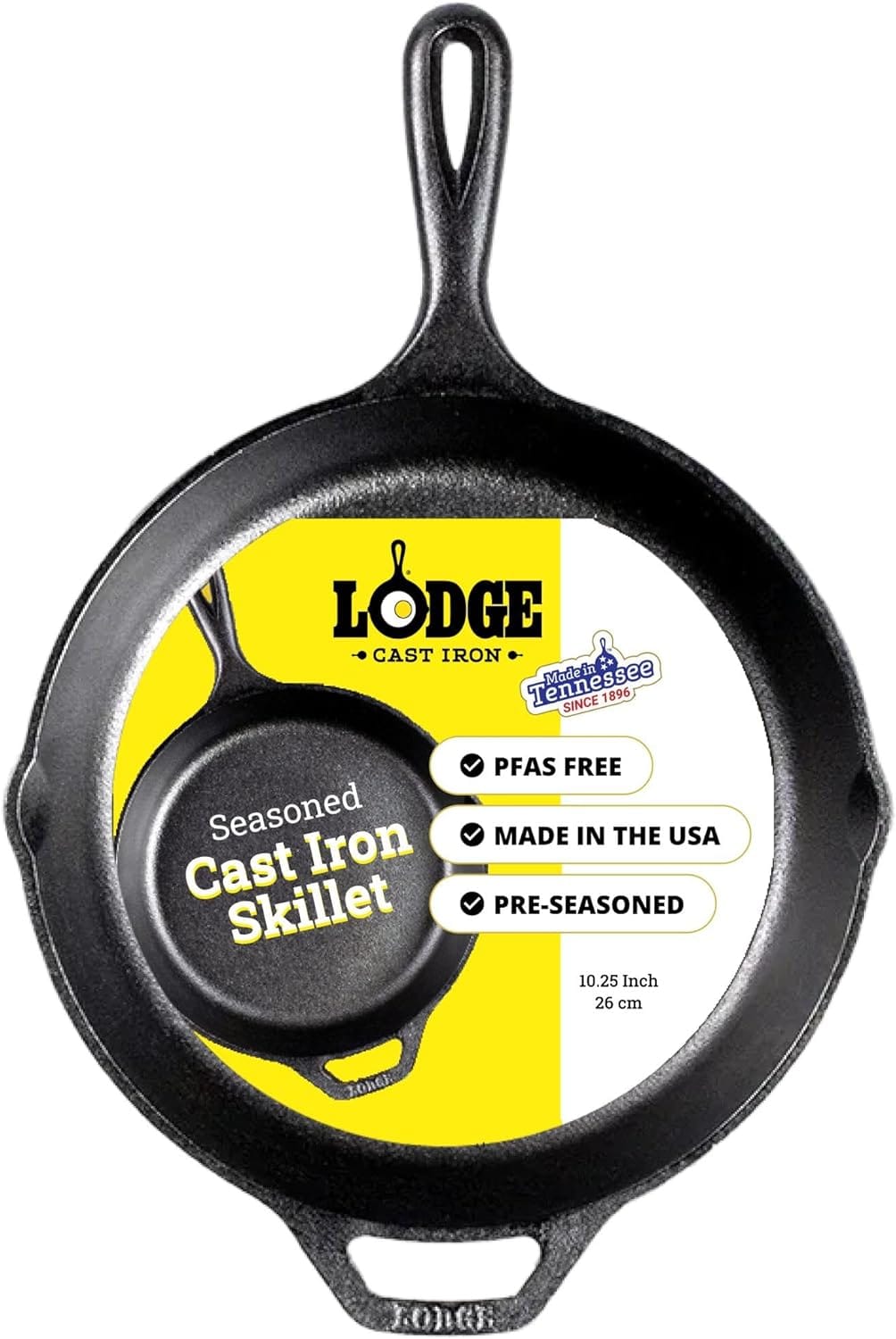
I mentioned cast iron works great, and if I’m being honest, it’s the only thing I use for this recipe now. The real secret to that perfect, non-greasy crunch isn’t just hot oil—it’s steadily hot oil. This Lodge skillet is a workhorse; its heavy bottom holds heat like nothing else, so the temperature doesn’t plummet when you add the cold, battered fish. That’s how you get that instant, shattering crust instead of a soggy, oil-logged coating. It’s the one pan that guarantees the results I’m talking about.
Get the pan that will change your frying game and make every batch perfect.
Lodge 10.25 Inch Cast Iron Skillet with Assist Handle
✓ prime
We earn a commission if you make a purchase, at no additional cost to you.
Keep your batter cold the whole time. I sometimes set the bowl in a bigger bowl of ice while I’m frying in batches. Warm batter goes soft and thick and doesn’t behave the same way. The cold is doing real work here.
The cornstarch is not optional if you want that genuine crunch. Flour alone gives you a coating. Flour plus cornstarch gives you a shell. My grandmother never used cornstarch and her fish was good, but it wasn’t crispy the way this is. I only figured out why years later.
Don’t flip too early. I used to flip fish the second I got nervous it was burning. But if you let it go until the edges look golden and it releases naturally from the pan, it comes out in one piece and perfectly colored. Forcing it early tears the batter.
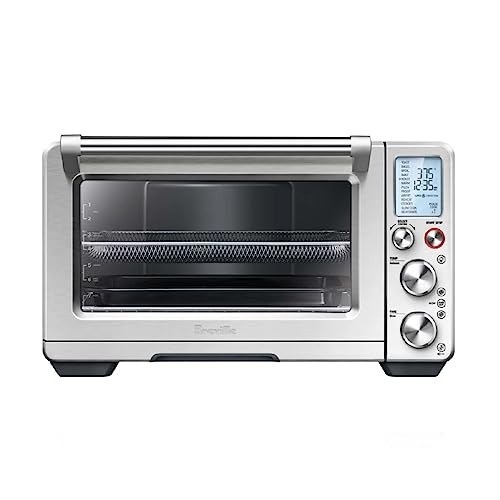
Rest it on a rack, not a flat plate. A flat plate traps steam underneath and softens the bottom. Even a cooling rack set over a baking sheet makes a real difference. I use the rack from my toaster oven when I’m in a hurry.
Season the fish before battering AND season it again right when it comes out of the oil. Two rounds of salt sounds like too much but it’s not. The batter itself needs seasoning and so does the fish inside it. They’re separate things.
Common Mistakes to Avoid
Using warm or room temperature liquid in the batter. I’ve done it when I forgot to chill the beer ahead of time and the difference is noticeable. The batter gets heavy and kind of gummy instead of light and airy. Cold liquid is not a suggestion.
Wet fish going into the batter. You’d think it wouldn’t matter but it really does. The water creates steam between the fish and the batter and the whole thing separates. Dry your fish like you mean it.
Oil that isn’t hot enough. This is probably the most common reason homemade fried fish turns out greasy. When the oil is too cool, the batter absorbs it instead of frying in it. The fish ends up heavy and sad. Get that oil properly hot before the first piece goes in.
Making the batter too far ahead. This isn’t something you mix up an hour before dinner. The baking powder starts working right away and if you wait too long the bubbles are gone and so is the lift. Mix it close to when you’re ready to fry.
Variations and Serving Ideas
Spicy version: Add 1/2 teaspoon cayenne pepper and a pinch of chili flakes to the dry batter mix. It doesn’t make it overwhelmingly hot, just gives it a real kick that works especially well with cod or haddock.
Mild version: Leave out the garlic powder and paprika and just go with salt and pepper. Sometimes the fish is fresh enough that you don’t want anything competing with it. This is the version I make when I’ve just come back from fishing and the fillets are same-day fresh.
Coastal twist: Add a teaspoon of Old Bay seasoning to the batter instead of the individual spices. It tastes like the coast smells — a little briny, a little herby, completely right for any white fish pulled from Atlantic waters.
What to Serve With
Coleslaw is the obvious answer and it’s obvious for a reason. The cool crunch of it against the hot crispy fish is one of those combinations that just makes sense. While some simple seafood appetizers can get the meal started, coleslaw is the perfect side. I make mine simple — shredded cabbage, a little mayo, apple cider vinegar, salt, and a pinch of sugar.
Tartar sauce from a jar is fine. Homemade is better but I’m not going to pretend I always make it. A squeeze of lemon over the fish right before eating does more than people give it credit for.
Thick-cut fries if you want a full fish and chips situation. Or just some bread and butter and a cold drink. Honestly the fish is the main event and it doesn’t need much else around it.
If you want something fresher on the plate, a simple green salad with a sharp vinaigrette cuts through the richness really well. That’s what I serve when I’m trying to make the meal feel a little lighter without actually making it lighter.
Storage and Reheating
Fried fish is best eaten the day you make it. That’s just the truth. The batter starts losing its crunch within a couple of hours and by the next day it’s gone soft. It still tastes good, just not the same.
If you do have leftovers, store them in the fridge in a single layer on a plate loosely covered. DO NOT stack pieces on top of each other — the steam trapped between them turns everything soggy overnight.
To reheat, use an oven or an air fryer at around 375°F for 8 to 10 minutes. DO NOT microwave fried fish. I know it’s tempting when you’re hungry and tired but the microwave turns the batter into something soft and almost rubbery. The oven brings back at least some of the crunch and makes it worth eating again.
DO NOT freeze already-fried fish. Freeze the raw fillets instead and make fresh batter when you’re ready to cook. Frozen fried fish thaws into a texture that’s genuinely unpleasant.
FAQs (People Also Ask)
Can I substitute the beer or sparkling water with regular water?
You can, but the result will be noticeably less airy. The carbonation in sparkling water or beer creates small bubbles in the batter that expand in the hot oil and give you that light, crispy texture. Plain water works in a pinch but the batter will be denser. If you use regular water, make sure it’s very cold and add an extra tablespoon of cornstarch to compensate.
How do I know when the fish is fully cooked inside?
The batter being golden is a good sign but not the only one. The fish should flake easily when you press it gently. If you’re unsure, cut into the thickest piece — the flesh should be opaque all the way through, not translucent in the center. With thinner fillets like flounder, 3 minutes per side is usually plenty. Thicker pieces like cod might need closer to 4 to 5 minutes per side.
Can I use frozen fish for this recipe?
Yes, but thaw it completely first and dry it very thoroughly. Frozen fish releases a lot of water as it thaws and if you don’t get that moisture off the surface, the batter won’t stick properly. I thaw mine overnight in the fridge and then pat it dry two or three times before battering.
How long does it take start to finish?
About 35 minutes total. The prep is maybe 15 minutes — mixing the batter, cutting and drying the fish, heating the oil. Then frying in batches takes another 15 to 20 minutes depending on how much fish you’re making. It’s genuinely a quick weeknight dinner once you’ve done it a couple of times.
What’s the best oil for frying fish in batter?
Vegetable oil or canola oil are both good choices — they have a high smoke point and a neutral flavor that doesn’t compete with the fish. I’ve used peanut oil before and it’s great too. Avoid olive oil for deep frying. It smokes at a lower temperature and the flavor can get bitter when it gets that hot.
Nutrition
Nutrition Facts
(Per serving. Estimates only, varies by exact ingredients used)
Conclusion
There’s something about standing at the stove with a pan of hot oil and a pile of fresh fish that feels like the most honest kind of cooking. No reservations, no presentation, no audience. Just you and the sizzle and the smell of something going golden.
This recipe came from a Tuesday evening and a cold beer and not enough patience to do anything complicated. And it turned out to be one of those things I keep coming back to, season after season, whenever I’ve got fish and a little time and the windows open to the water.
I hope it does the same for you.
The Best Crispy Fish Batter — Coastal Home Style
Ingredients
- 1 cup all-purpose flour
- 1/4 cup cornstarch
- 1 teaspoon baking powder
- 1 teaspoon salt
- 1/2 teaspoon black pepper
- 1/2 teaspoon garlic powder
- 1/4 teaspoon paprika
- 3/4 cup cold sparkling water or cold light beer
- 1.5 lbs white fish fillets (cod, flounder, haddock, or tilapia), cut into 3–4 inch pieces
- 1/4 cup all-purpose flour (for dusting)
- Salt and pepper to season fish
- Vegetable or canola oil for frying (enough for 2 inches depth in pan)
Instructions
- Pat fish fillets completely dry with paper towels on both sides. Season lightly with salt and pepper and set aside.
- Pour oil into a heavy-bottomed pan to about 2 inches deep. Heat over medium-high until it reaches 375°F. Test by dropping a small bit of batter in — it should sizzle and float up immediately.
- In a bowl, whisk together 1 cup flour, cornstarch, baking powder, salt, pepper, garlic powder, and paprika. Pour in cold sparkling water or beer and stir just until combined. The batter should be slightly lumpy — do not overmix.
- Dust each fish piece lightly in the plain 1/4 cup flour, shaking off any excess.
- Dip each floured piece into the batter, let excess drip off for a moment, then gently lower into the hot oil. Fry in batches of 2–3 pieces — do not crowd the pan.
- Fry for 3–4 minutes per side until deep golden and the batter feels firm. Thicker pieces may need up to 5 minutes per side.
- Remove to a wire rack or paper towels. Season immediately with a pinch of salt while still hot. Serve right away.