Introduction
There was this one evening — late fall, wind coming off the water hard enough to rattle the kitchen window — when I had a piece of salmon sitting in the fridge and absolutely no plan for it. I’d picked it up from the guy down at the dock who always has a cooler in the back of his truck on Fridays. Good fish. It deserved better than me just throwing butter on it and calling it done, which is sometimes all you need for a classic like a creamy tuna salad sandwich. But this salmon needed a special touch.
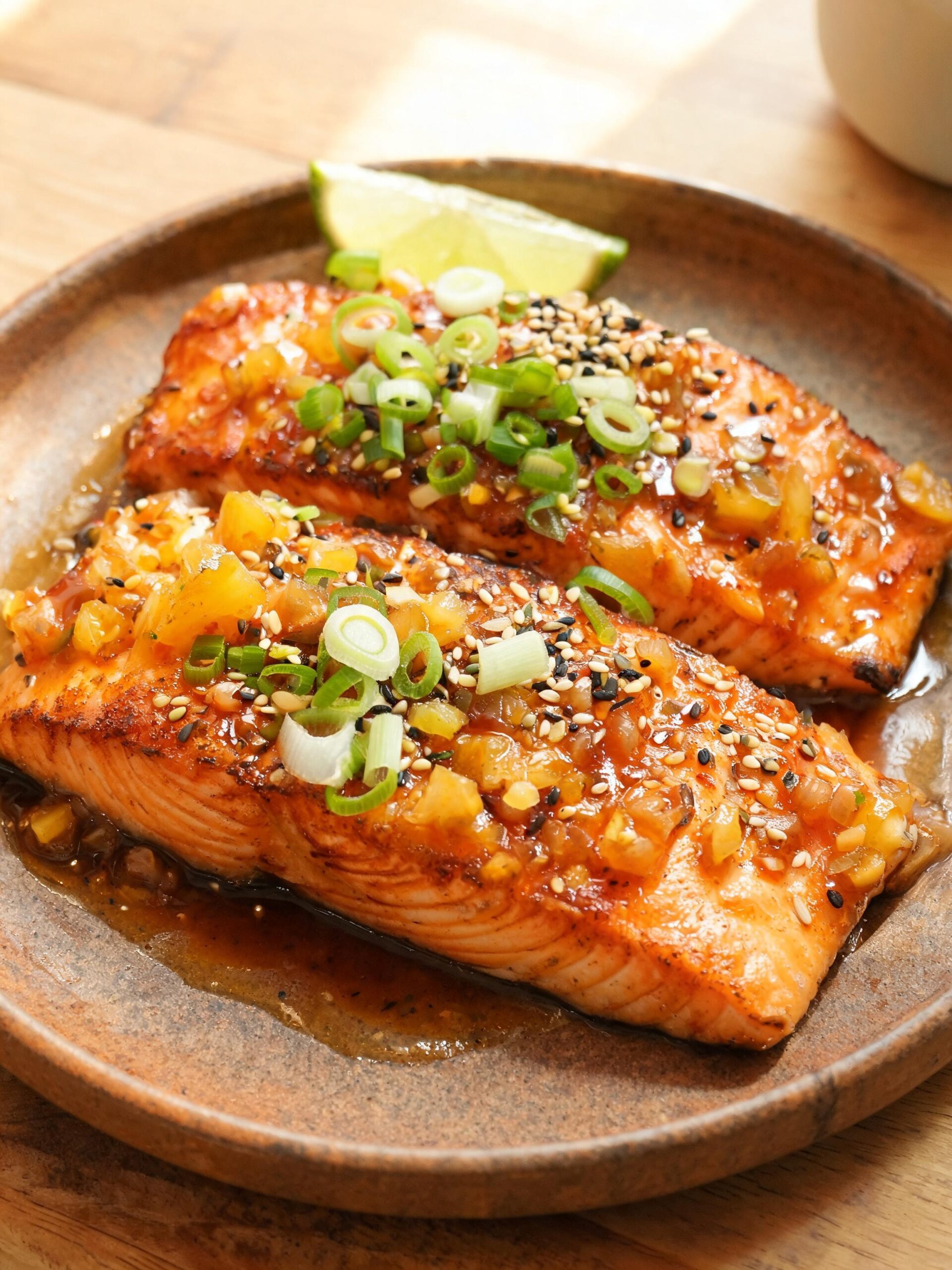
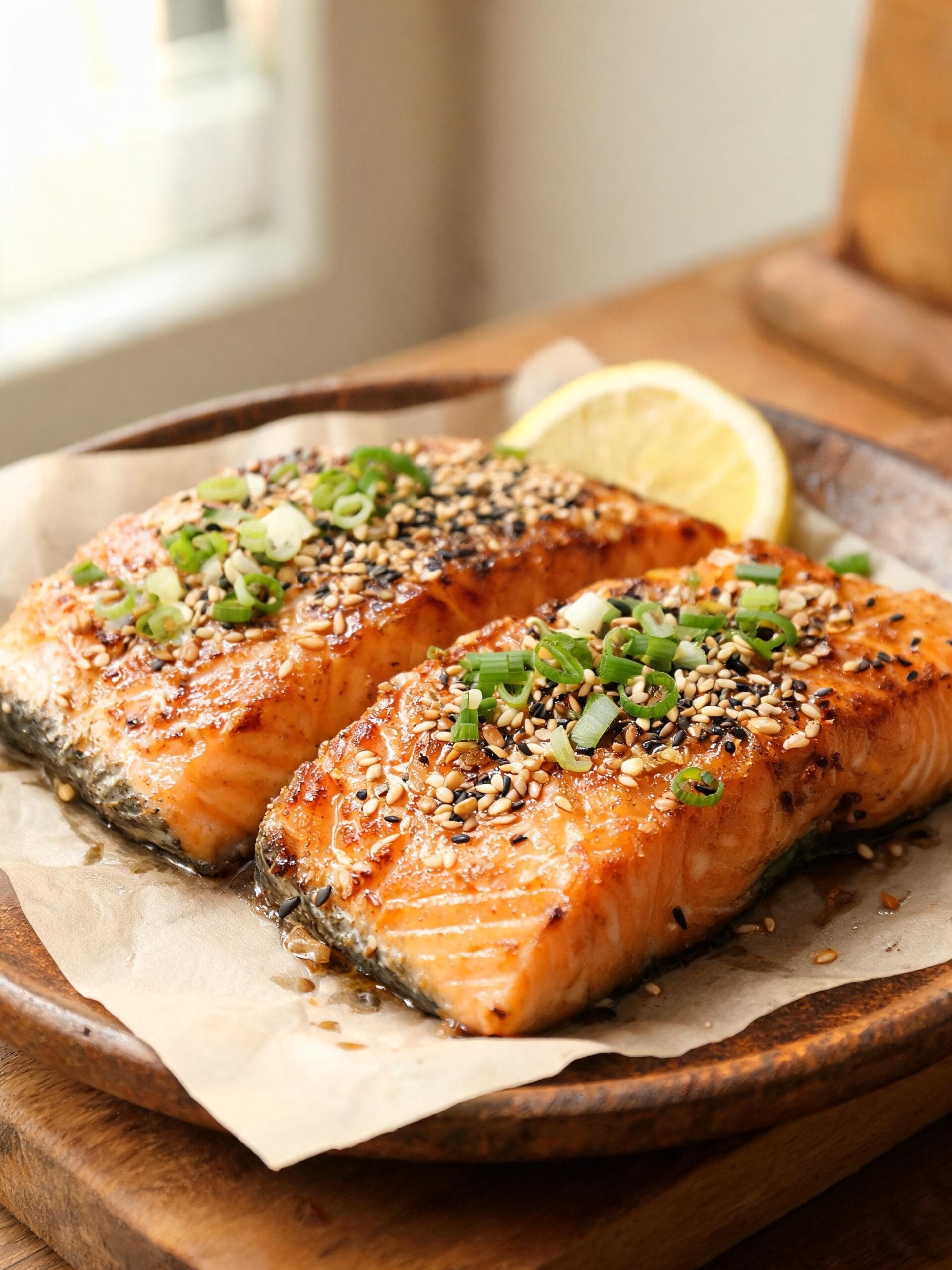
So I started pulling things from the cabinet. Soy sauce. Sesame oil. A knob of ginger I almost forgot I had. A little honey. And somehow, that night, this easy Ginger Sesame Baked Salmon was born — not from a recipe I read anywhere, just from standing in my kitchen in a flannel shirt trying to make something that felt warm and real.
It’s been my go-to ever since. And I mean that. When I don’t know what to cook, when the week has been long, when I just want something that smells incredible coming out of the oven — this is what I make.
Why You’ll Love This Recipe
- It’s genuinely fast. You can have this on the table in about 30 minutes, start to finish. No marinating overnight, no complicated steps.
- The flavor is deep and layered. Ginger, sesame, soy, and a little sweetness — it hits every part of your mouth without being heavy.
- You don’t need to know much about cooking fish. If you’ve ever been nervous about baking salmon, this recipe is forgiving enough that it’ll still turn out great.
Quick Recipe Snapshot
Recipe: Ginger Sesame Baked Salmon
Prep Time: 15 minutes
Cook Time: 18–20 minutes
Total Time: ~35 minutes
Servings: 4
Difficulty: Easy — beginner friendly
Best For: Weeknight dinner, quick lunch, meal prep
Oven Temp: 400°F (204°C)
Ingredients List
For the Salmon:
- 4 salmon fillets (about 6 oz each) — skin-on holds together better in the oven
- 1 tbsp sesame oil — this is what gives the whole dish that nutty, toasty backbone
- 2 tbsp low-sodium soy sauce
- 1 tbsp fresh ginger, grated — fresh makes a real difference here, don’t skip it
- 2 cloves garlic, minced
- 1 tbsp honey — balances the salt and helps the glaze caramelize
- 1 tbsp rice vinegar
- 1 tsp sriracha (optional, but I usually add it)
- Salt and black pepper to taste
For Topping:
- 1 tbsp sesame seeds (white or mixed)
- 2 green onions, thinly sliced
- Optional: thin slices of fresh lemon for serving
Step-by-Step Instructions
- Preheat your oven to 400°F. Line a baking sheet with foil and give it a light spray or brush of oil so nothing sticks. I’ve skipped this step before. I regretted it.
- Make the marinade. In a small bowl, whisk together the sesame oil, soy sauce, grated ginger, garlic, honey, rice vinegar, and sriracha if you’re using it. Give it a taste. It should be savory, a little sweet, with a warm ginger kick at the end.
- Prep the salmon. Pat the fillets dry with a paper towel — this really matters. Wet fish steams instead of roasting and you lose that slight edge on the outside. Season lightly with salt and pepper.
- Coat the fillets. Lay the salmon skin-side down on the prepared baking sheet. Spoon the marinade generously over each piece. Don’t be shy. Make sure it gets into any crevices in the flesh.
- Bake for 18–20 minutes. The salmon is done when it flakes easily with a fork and the glaze has gone slightly sticky and golden around the edges. If your oven runs hot, check at 16 minutes. (Mine runs hot. I learned this the hard way with a very dry piece of fish one Tuesday.)
- Finish and serve. Pull it out, scatter sesame seeds and green onions over the top, and let it sit for just a minute before serving. That small rest makes a difference.
Small Tricks From Cooking Fish at Home
People ask me all the time for my number one secret to cooking fish perfectly, and it’s not some fancy technique—it’s precision. The line between flaky, moist salmon and a dry, chalky mess is incredibly thin, especially with a glaze that can burn. That’s why I stopped guessing years ago and started using a reliable meat thermometer. With something like the ThermoMaven, I can pull the salmon out the exact second it hits that perfect 130°F, ensuring it’s succulent and tender every single time. It’s the one tool that completely removes the anxiety from cooking fish.
If you’re ready to stop worrying about overcooked fish and start serving perfect salmon, this is the tool that’ll get you there.
ThermoMaven Smart Wireless Meat Thermometer
✓ prime
We earn a commission if you make a purchase, at no additional cost to you.

Dry the fish before anything else touches it. I know I already said this in the instructions but it’s worth saying again. A paper towel and thirty seconds of your time completely changes the texture of the outside. Wet fish in a hot oven just kind of steams and goes pale. Dry fish gets that slight golden edge that makes it look and taste like you actually knew what you were doing.
Fresh ginger versus the stuff in the jar — I’ve used both. The jar version works fine in a pinch, but fresh ginger has this almost floral sharpness that the pre-minced stuff just doesn’t have. If you keep a knob of ginger in your freezer, you can grate it straight from frozen and it’s actually easier to work with.
Don’t walk away from the oven in the last few minutes. The honey in this marinade will go from perfectly caramelized to slightly burnt faster than you’d expect. I’ve scorched the glaze more than once because I got distracted. Keep an eye on it.
Room temperature salmon cooks more evenly. I pull mine out of the fridge about 10–15 minutes before it goes in the oven. Cold fish straight from the fridge tends to cook unevenly — overdone on the outside before the center catches up.
The skin is your friend. Even if you don’t eat it, cooking salmon skin-side down keeps the whole fillet from falling apart when you try to move it. It acts like a little protective layer. You can always peel it off before eating.
Common Mistakes to Avoid
Overcooking is the big one. Salmon doesn’t need as long as people think. If you’re pulling it out at 25 or 30 minutes, it’s probably already past where you want it. Dry, chalky salmon is a sad thing. Check it early.
Using too much soy sauce and not enough of the other flavors. The soy is important but it can take over if you’re not careful. The honey and rice vinegar are there to keep everything in balance — don’t skip them or reduce them just because they seem like small amounts.
Crowding the pan. If you’re making more than four fillets, use two pans. Salmon packed too close together on one sheet creates steam between the pieces and they end up soft and pale instead of getting any color or texture on the outside.
Skipping the rest time. I know you’re hungry. I know it smells incredible. But giving the fish even just two minutes to sit after it comes out of the oven makes the texture noticeably better. The juices settle back in instead of running out the second you cut into it.
Variations and Serving Ideas
Spicy version: Double the sriracha and add a pinch of red pepper flakes to the marinade. You can also drizzle a little chili oil over the top right before serving if you want real heat.
Mild version: Leave out the sriracha entirely and add an extra half teaspoon of honey. The ginger still gives it warmth but nothing that’ll bother someone who doesn’t like spice.
Coastal twist: Add a tablespoon of miso paste to the marinade. It deepens the whole thing in a way that feels more coastal, more umami-forward. I started doing this after a trip up the coast where everything seemed to have miso in it and I couldn’t stop thinking about it when I got home.
What to Serve With
Steamed jasmine rice is the obvious choice and honestly the right one. The rice soaks up any extra glaze that runs off the salmon and it’s just a comfortable, complete meal.
If you want something with more texture contrast, roasted broccoli or bok choy alongside it works really well. The slight char on the vegetables plays against the soft, flaky fish in a way that feels balanced. For an even heartier meal, a side of shrimp sausage dirty rice offers a fantastic blend of flavors and textures.
For something lighter — especially in summer — a simple cucumber salad with rice vinegar, a little sesame oil, and some red onion is perfect. Cool and crisp against the warm, savory salmon.
And if you’re going low-carb, cauliflower rice or just a pile of sautéed greens does the job without making the meal feel like it’s missing anything.
Storage and Reheating
Leftover salmon keeps in the fridge for up to 2 days in a sealed container. After that, the texture starts to go and it’s just not worth eating.
When you reheat it, go low and slow. A low oven at around 275°F for about 10 minutes is the gentlest way. DO NOT microwave salmon on high — it turns rubbery and the smell will haunt your kitchen for the rest of the day. If you must use the microwave, cover it and use 50% power in short bursts.
Honestly, leftover salmon is often better eaten cold over a salad the next day than reheated. Something about the cold temperature with the sesame and ginger flavors — it actually works really well.
DO NOT freeze cooked salmon if you can help it. The texture when it thaws is never quite right. Freeze it raw if you need to, not after it’s been cooked.
FAQs (People Also Ask)
Can I use frozen salmon for this recipe?
Yes, but thaw it completely first and pat it very dry before adding the marinade. Frozen salmon that hasn’t been fully thawed will release a lot of water in the oven and the glaze won’t stick the way it should.
How do I know when the salmon is done?
The easiest way is the fork test — press a fork gently into the thickest part and twist slightly. If it flakes apart cleanly, it’s done. The internal temperature should be around 125–130°F if you like it slightly soft in the center, or 145°F if you prefer it fully cooked through.
Can I substitute the sesame oil with something else?
You can use a neutral oil like avocado oil, but you’ll lose that nutty sesame flavor that makes this recipe what it is. If you’re out of sesame oil, add an extra sprinkle of sesame seeds on top to try to get some of that flavor back.
How long can I store leftovers?
Up to 2 days in the fridge in a sealed container. After that the fish starts to smell stronger and the texture gets soft in a way that isn’t pleasant.
Is this recipe difficult for beginners?
Not at all. If you can mix a few things in a bowl and set a timer, you can make this. The marinade takes about three minutes to put together and the oven does the rest of the work. It’s one of the most beginner-friendly fish recipes I know.
Nutrition
Nutrition Facts
(Per serving. Estimates only, varies by exact ingredients used)
Conclusion
I still think about that windy Friday evening sometimes. The window rattling. The smell of sesame and ginger filling up the kitchen. It was one of those accidental meals that turned into something I keep coming back to, season after season.
Good fish doesn’t need much. It just needs a little attention and flavors that make sense together. This recipe is exactly that — nothing fancy, nothing complicated, just honest coastal home cooking that tastes like you meant every bit of it.
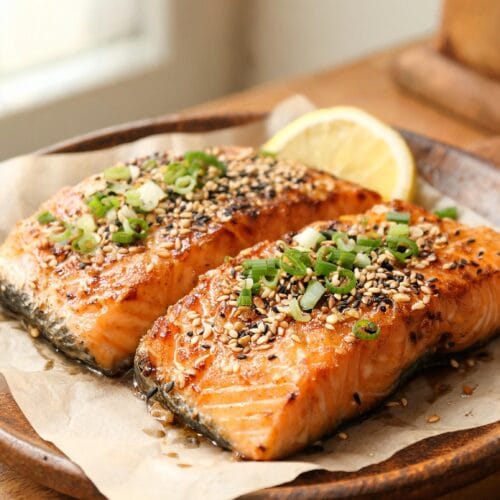
Ginger Sesame Baked Salmon That Tastes Like It Took All Day
Ingredients
- 4 salmon fillets (about 6 oz each), skin-on
- 1 tbsp sesame oil
- 2 tbsp low-sodium soy sauce
- 1 tbsp fresh ginger, grated
- 2 cloves garlic, minced
- 1 tbsp honey
- 1 tbsp rice vinegar
- 1 tsp sriracha (optional)
- Salt and black pepper to taste
- 1 tbsp sesame seeds (white or mixed)
- 2 green onions, thinly sliced
- Lemon slices for serving (optional)
Instructions
- Preheat oven to 400°F. Line a baking sheet with foil and lightly grease it.
- In a small bowl, whisk together sesame oil, soy sauce, grated ginger, garlic, honey, rice vinegar, and sriracha if using.
- Pat salmon fillets completely dry with paper towels. Season lightly with salt and black pepper.
- Place salmon skin-side down on the prepared baking sheet. Spoon the marinade generously over each fillet.
- Bake for 18–20 minutes, until the salmon flakes easily with a fork and the glaze is slightly caramelized at the edges. Check at 16 minutes if your oven runs hot.
- Remove from oven, scatter sesame seeds and sliced green onions over the top, and let rest for 2 minutes before serving.