Introduction
There’s a particular kind of Tuesday evening I know well. The kind where the wind has been blowing all day, the house smells faintly of salt air, and you’ve got a piece of cod sitting in the fridge that needs to be used tonight. It’s not a night for elaborate easy seafood boil recipes, but something simpler. Just you, a white fillet, and whatever’s left in the pantry.
That’s honestly where most of my healthy cod fish recipes come from. Not from cookbooks. Not from watching someone on TV. Just from standing at the stove barefoot, figuring it out as I go.
Cod is one of those fish that’s forgiving in a way not many are. It doesn’t fight you. It flakes clean, absorbs whatever you put near it, and somehow manages to taste like a real meal even when you’ve barely tried. If you’ve been looking for easy healthy cod fish recipes that don’t require a culinary degree or a pantry full of specialty ingredients — you’re in the right place.
This one has become a weeknight staple in my house. Lemon, garlic, a little olive oil, some herbs from the windowsill pot that’s barely surviving. It’s simple. It’s real. And it comes together faster than most people expect.
Why You’ll Love This Recipe
- It’s genuinely fast. From fridge to table in about 30 minutes, and that’s if you’re moving slow.
- The flavor is clean and bright — not bland, not heavy. Just the kind of thing that actually makes you feel good after eating it.
- You don’t need experience. If you can heat a pan and squeeze a lemon, you can make this work.
Quick Recipe Snapshot
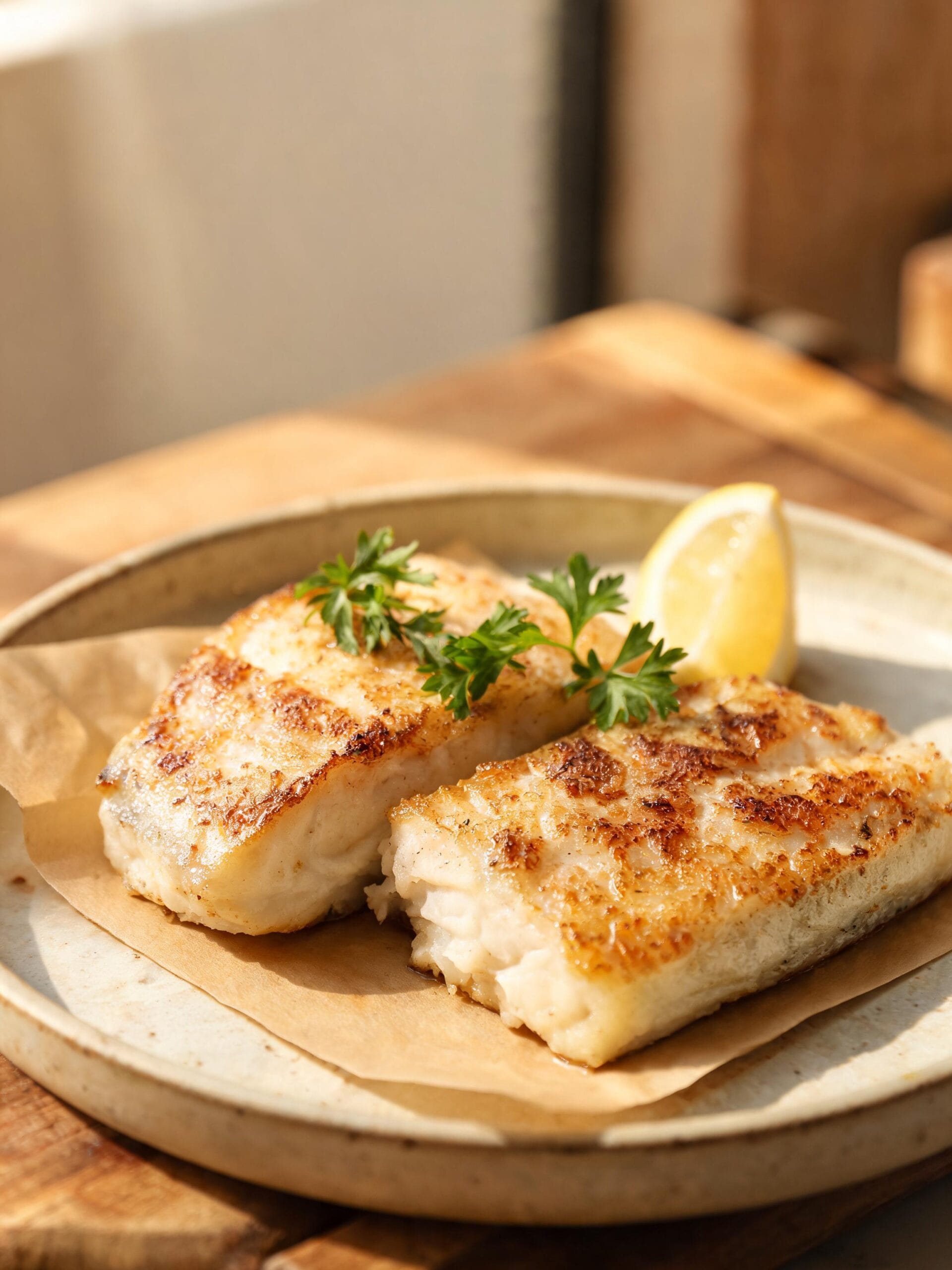
Recipe: Lemon Herb Baked Cod
Prep Time: 15 minutes
Cook Time: 20 minutes
Total Time: 35 minutes
Servings: 4
Calories: ~350 kcal per serving
Difficulty: Easy — beginner friendly
Best For: Weeknight dinner, light lunch, meal prep
Equipment Needed: Baking dish, small bowl, oven
Ingredients List
For the Cod:
- 4 cod fillets (about 6 oz each) — fresh if you can get it, thawed frozen works fine too
- 2 tablespoons olive oil — this keeps the fish from drying out in the oven
- 3 cloves garlic, minced — cod loves garlic, don’t be shy
- 1 teaspoon sea salt
- ½ teaspoon black pepper
- ½ teaspoon smoked paprika — adds a little warmth without overpowering the fish
- 1 teaspoon dried oregano
- 1 teaspoon dried thyme
- Juice of 1 large lemon — the acid is what makes the whole thing wake up
- Zest of half a lemon
For Serving (Optional but Recommended):
- Fresh parsley, roughly chopped
- Lemon wedges on the side
- A drizzle of extra olive oil right before serving
Step-by-Step Instructions
- Pull your cod out of the fridge about 10 minutes before you plan to cook it. Cold fish straight into a hot oven tends to cook unevenly — the outside gets done before the middle catches up.
- Preheat your oven to 400°F. While it’s heating, pat the fillets dry with a paper towel. This matters more than people think. Wet fish steams instead of baking, and you lose that slightly golden edge that makes it actually good.
- In a small bowl, mix together the olive oil, minced garlic, salt, pepper, smoked paprika, oregano, thyme, lemon juice, and lemon zest. Give it a stir. It’ll smell incredible immediately.
- Lay your cod fillets in a lightly oiled baking dish — something that fits them without too much extra space around the edges. If they’re swimming in a big dish, the juices spread too thin and the fish dries out faster.
- Spoon the herb mixture over each fillet. Use your fingers or a spoon to press it gently into the fish. Don’t rush this part. Every bit of that coating is flavor.
- Slide the dish into the oven. Bake for 18 to 20 minutes depending on thickness. You’re looking for the fish to flake easily when you press it gently with a fork. If it resists, give it another two minutes.
- Pull it out, scatter some fresh parsley over the top, and serve it immediately. Cod doesn’t hold heat the way a thick steak does — it cools fast, so eat it while it’s still steaming.
Side note: I’ve made this exact recipe after coming in from a cold morning on the water, still in my jacket, and it still turned out well. That’s how forgiving it is.
Small Tricks From Cooking Fish at Home
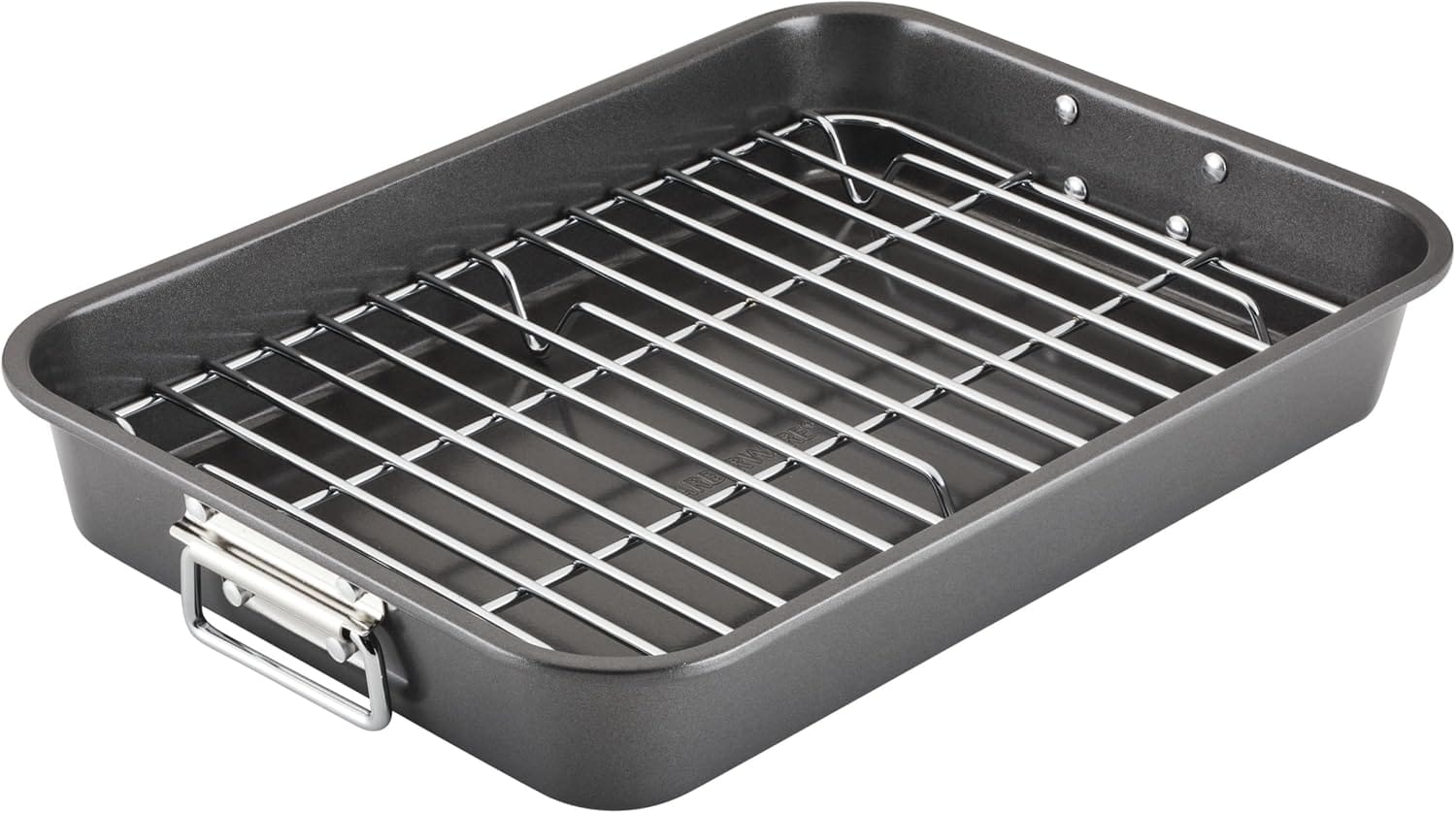
People ask me how I get that perfect, even bake without the bottom of the fish getting soggy. It’s not a secret, it’s the pan. I rely on a solid nonstick roaster like the Farberware. The heavy-duty build ensures even heat, and the included rack is a game-changer—it lifts the fillets just enough for the hot air to circulate underneath, preventing that dreaded steaming effect we want to avoid. It’s the difference between good cod and great cod.
If you’re serious about getting that perfect flaky texture every time, this is the pan to get. Check it out on Amazon.
Farberware Nonstick Bakeware 11-Inch x 15-Inch Roaster with Flat Rack
✓ prime
We earn a commission if you make a purchase, at no additional cost to you.
The first time I overcooked cod, it turned into something resembling dry cotton. I didn’t understand then that fish keeps cooking even after you pull it from the oven. Now I take it out just before I think it’s done and let it rest for two minutes. It finishes on its own.
Dry the fish. I know I already said it in the instructions but it’s worth saying again here because it’s the thing most people skip. A dry surface means better texture. Wet fish in a hot oven just steams in its own moisture and you miss that slight bite on the outside.
Don’t skip the lemon zest. The juice gives you brightness but the zest is where the real lemon flavor lives. It’s more concentrated, more fragrant. A little goes a long way and it changes the whole dish.
If your fillets are uneven in thickness — which they usually are — tuck the thin tail end underneath itself. Fold it like a little package. That way the whole piece cooks at roughly the same rate instead of the thin end turning rubbery while the thick part is still raw.
One thing I learned the hard way: garlic burns fast in a hot oven. If you’re going for a really high heat roast, mix the garlic into the oil rather than leaving big pieces sitting on top of the fish. Burnt garlic on cod is a sad, bitter thing.
Common Mistakes to Avoid
Cooking it straight from frozen without thawing. I’ve done this in a rush and regretted it every time. The outside gets overcooked before the inside is even warm. Thaw it overnight in the fridge or under cold running water for 20 minutes. It makes a real difference.
Using too much liquid. Some people add broth or wine to the baking dish thinking it’ll keep the fish moist. What actually happens is the fish poaches instead of baking and you lose all the texture. The olive oil and lemon juice in the coating is enough.
Overcrowding the pan. If you’re making this for a crowd and you pile the fillets on top of each other or cram them too close, they steam each other. Give each piece its own space.
Waiting too long to eat it. Baked cod is best the moment it comes out of the oven. I’ve tried saving it for 20 minutes and it just isn’t the same. The texture gets soft in a way that’s not pleasant. Make it last, eat it first.
Variations and Serving Ideas
Spicy version: Add ½ teaspoon of cayenne or a full teaspoon of red pepper flakes to the herb mixture. A little hot sauce drizzled over right before serving works too. The heat plays well against the clean flavor of the cod.
Mild version: Drop the smoked paprika and swap the oregano for fresh dill. This is the version I make when I want something that tastes like it came straight off a dock somewhere cold and clean. Simple, almost delicate.
Coastal twist: Add a handful of cherry tomatoes and a few sliced olives to the baking dish alongside the fish. As everything roasts together, the tomatoes burst and create a kind of loose sauce at the bottom of the pan. Spoon it over the fish when you plate it. It’s the kind of thing that makes people ask what you did differently, especially when served after some simple seafood appetizers.
What to Serve With
Roasted potatoes are the obvious answer and they work perfectly — something crispy against the soft, flaky fish. I usually throw them in the oven about 15 minutes before the cod goes in so everything finishes around the same time.
A simple green salad with a sharp vinaigrette cuts through the richness of the olive oil nicely. Arugula with lemon dressing is a personal favorite alongside this.
If you want something more filling, a scoop of white beans warmed with a little garlic and olive oil on the side makes the whole plate feel substantial without being heavy. That combination is one of those things that just works.
Crusty bread for soaking up whatever’s left in the pan. Always.
Storage and Reheating
If you have leftovers, store them in an airtight container in the fridge. They’ll keep for two days. After that, the texture really starts to go and it’s not worth it.
To reheat, use a low oven — around 275°F — for about 10 minutes. Cover the dish loosely with foil so it doesn’t dry out further. DO NOT microwave cod if you can help it. It turns rubbery and the smell fills the whole kitchen in a way that nobody enjoys.
DO NOT freeze cooked cod. The texture when thawed is soft and watery and it won’t flake cleanly. If you want to freeze fish, freeze it raw and cook it fresh.
Leftover cod actually works really well flaked cold into a salad the next day. Toss it with some greens, a squeeze of lemon, and whatever vegetables you have around. It’s a different meal entirely and a good one.
FAQs (People Also Ask)
Can I use frozen cod for this recipe?
Yes, absolutely. Just make sure it’s fully thawed before it goes in the oven. Pat it extra dry because frozen fish releases more moisture as it thaws. The result is just as good as fresh when you handle it right.
How do I know when cod is done cooking?
Press the thickest part gently with a fork. If it flakes apart easily and the flesh looks opaque all the way through — no translucent center — it’s done. Internal temperature should be around 145°F if you want to be precise about it.
Can I substitute another fish if I can’t find cod?
Haddock is the closest swap and works perfectly with this recipe. Tilapia works too, though it’s a bit thinner so reduce the cook time by 4 or 5 minutes. Halibut is thicker and will need a few extra minutes.
Is this recipe difficult for a beginner?
Not at all. If you can mix ingredients in a bowl and use an oven, you can make this. The whole process is straightforward and the fish tells you when it’s done. Start to finish it’s about 35 minutes.
How long does cooked cod last in the fridge?
Two days is the honest answer. It’s technically safe for up to three but the texture starts declining after day two. Eat it fresh when you can.
Nutrition Facts
Nutrition Facts
(Per serving. Estimates only, varies by exact ingredients used)
Conclusion
Some meals don’t need a story behind them. They just need to be good, and honest, and ready before you’re too tired to care anymore.
That’s what this is. A piece of cod, some lemon, a handful of herbs, a hot oven. It tastes like the coast on a clear evening — clean and simple and exactly enough.
I hope it becomes one of those recipes you stop thinking about and just make. The kind that lives in your hands after a while, not in a recipe card.
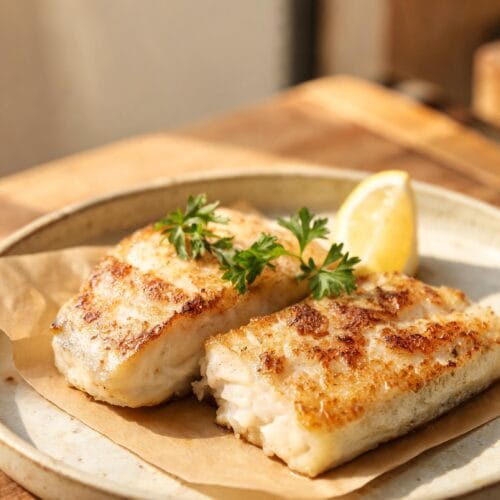
Lemon Herb Baked Cod
Ingredients
- 4 cod fillets (about 6 oz each)
- 2 tablespoons olive oil
- 3 cloves garlic, minced
- 1 teaspoon sea salt
- ½ teaspoon black pepper
- ½ teaspoon smoked paprika
- 1 teaspoon dried oregano
- 1 teaspoon dried thyme
- Juice of 1 large lemon
- Zest of half a lemon
- Fresh parsley for serving
- Lemon wedges for serving
Instructions
- Remove cod fillets from the fridge 10 minutes before cooking. Preheat oven to 400°F.
- Pat fillets completely dry with paper towels on both sides.
- In a small bowl, mix olive oil, minced garlic, salt, pepper, smoked paprika, oregano, thyme, lemon juice, and lemon zest.
- Place fillets in a lightly oiled baking dish with space between each piece.
- Spoon herb mixture evenly over each fillet and press gently to coat.
- Bake for 18 to 20 minutes until fish flakes easily with a fork and is opaque throughout.
- Remove from oven, scatter fresh parsley over the top, and serve immediately with lemon wedges.