Introduction
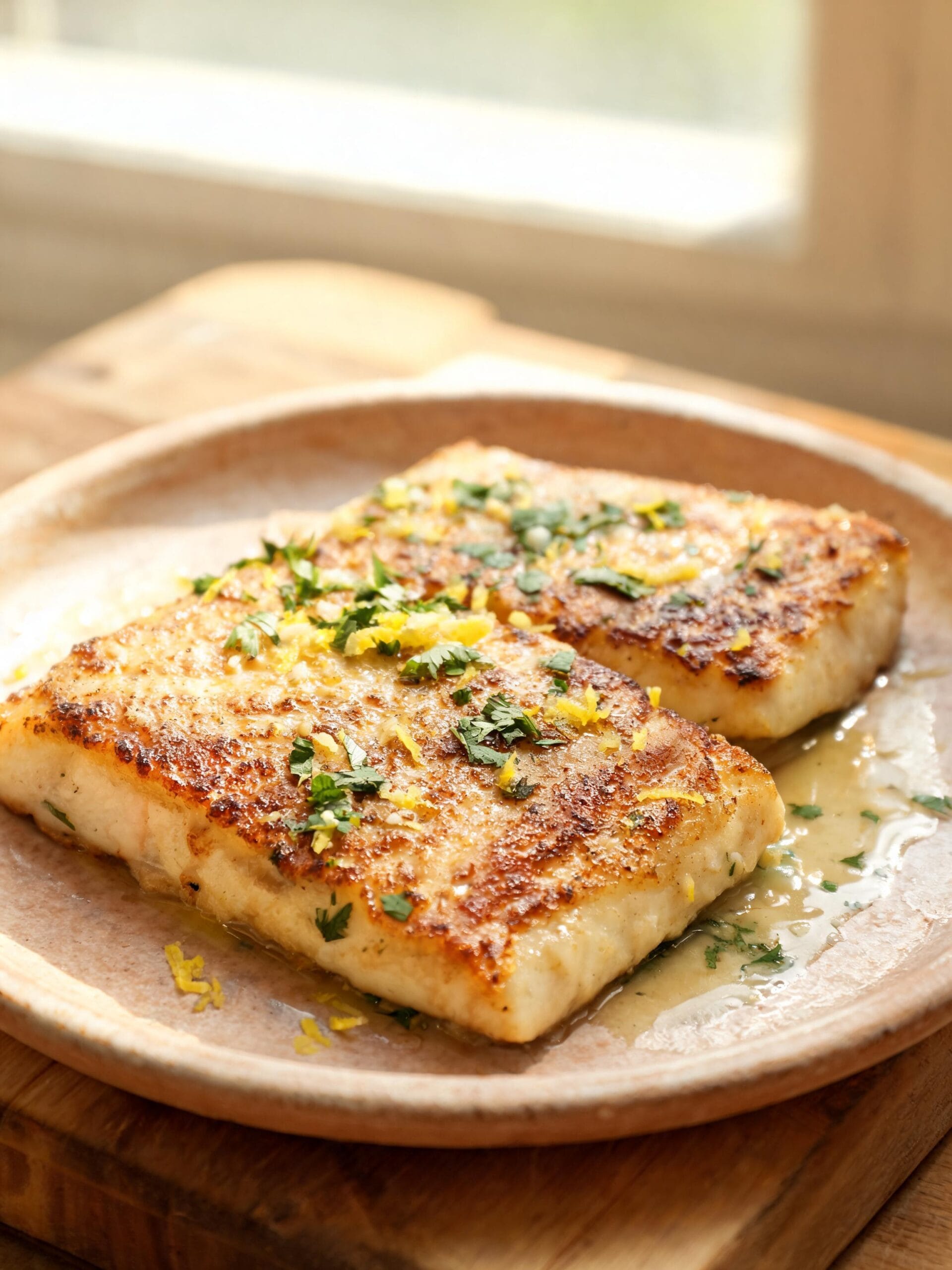
There’s a specific kind of evening I keep coming back to. The kind where the cooler’s still wet from the day, the sun’s already dropping behind the water, and you’ve got a couple of mahi fillets sitting on the counter with no real plan. That’s exactly how this Lemon Garlic Mahi Mahi came to be. It wasn’t a meticulously planned meal like our best buttery Chilean sea bass recipe; it was simply born from being hungry, a little tired, and having a lemon that needed to be used.
Mahi is one of those fish that doesn’t ask much of you. It’s firm, it holds together in the pan, and it takes on flavor fast. Add garlic and lemon and a little butter and honestly — it’s hard to mess up. If you enjoy simple, buttery fish dinners like this one, our best buttery Chilean sea bass recipe is another fantastic option for a long day on the water or even just a regular Tuesday when you want something that feels like more than it cost you in effort.
If you’ve never cooked mahi at home before, this is a good place to start. It’s forgiving. It’s fast. And it tastes like somewhere you’d rather be.
Why You’ll Love This Recipe
- It’s done in about 20 minutes, start to finish — no marinating, no complicated steps, no mess you’ll regret later.
- The lemon and garlic do all the heavy lifting. The flavor is bright and real without needing a long ingredient list.
- Mahi mahi is a sturdy fish, so even if your timing is slightly off, it still comes out good. It’s one of the most beginner-friendly fish you can cook at home.
Quick Recipe Snapshot
Prep Time: 15 minutes
Cook Time: 20 minutes
Total Time: 35 minutes
Servings: 4
Difficulty: Easy
Best For: Weeknight dinner, quick lunch, coastal-style home cooking
Main Flavor: Bright, buttery, garlicky with a clean citrus finish
What You’ll Need: A skillet, a lemon, garlic, butter, and your fish
Ingredients List
For the Fish:
- 4 mahi mahi fillets (about 6 oz each) — fresh is best, but thawed frozen works fine
- 1 teaspoon kosher salt
- ½ teaspoon black pepper
- ½ teaspoon paprika — just a little warmth and color
- 2 tablespoons olive oil — for the sear
For the Lemon Garlic Butter Sauce:
- 3 tablespoons unsalted butter — this is what makes it feel like a real meal
- 5 cloves garlic, minced — don’t be shy here, garlic mellows fast in butter
- 3 tablespoons fresh lemon juice (about 1½ lemons) — fresh only, the bottled stuff tastes flat
- 1 teaspoon lemon zest — this is where the real brightness lives
- 2 tablespoons chicken broth or dry white wine — adds a little depth without overpowering
- 1 tablespoon fresh parsley, chopped — optional but it adds color and a clean finish
- Pinch of red pepper flakes — optional, just a little heat in the background
Step-by-Step Instructions
- Dry the fillets. Pat each piece of mahi dry with a paper towel. This is the step most people skip and then wonder why the fish steams instead of sears. Dry fish browns. Wet fish doesn’t. Takes five seconds.
- Season simply. Sprinkle both sides of each fillet with salt, pepper, and paprika. Press it in lightly. You’re not coating it heavily — just giving it a base.
- Heat your pan. Get a skillet — cast iron if you have it, stainless works too — over medium-high heat. Add the olive oil and let it get hot. You’ll know it’s ready when a drop of water flicks off your fingers and hits the pan with a sharp sizzle.
- Sear the fish. Lay the fillets in the pan away from you. Don’t move them. Let them cook for about 4 minutes on the first side. You’ll see the color change creeping up the sides of the fish. Flip once, cook another 3 to 4 minutes. The fish should feel firm but not hard when you press the center lightly. Pull them out and set them on a plate.
- Make the sauce in the same pan. Turn the heat down to medium. Drop in the butter. Once it melts, add the garlic. Let it cook for about a minute — just until it smells incredible and starts turning golden. Don’t walk away here. Garlic goes from perfect to burnt fast.
- Add the lemon and broth. Pour in the lemon juice, zest, and broth (or wine). It’ll bubble up and start reducing almost immediately. Stir it around and scrape up anything stuck to the bottom of the pan — that’s flavor. Let it cook for 2 minutes until it thickens just slightly.
- Bring it together. Slide the fish back into the pan. Spoon the sauce over the top. Let everything sit together for about a minute over low heat. Scatter the parsley over the top if you’re using it.
- Serve immediately. This is not a dish that waits well. Get it to the table while the butter sauce is still glossy and the fish is still hot.
Side note — I’ve made this sauce with wine and with broth and honestly both are good. The wine gives it a little more complexity. The broth keeps it simpler. Either way, don’t skip the lemon zest. That’s the part that makes it taste coastal.
Small Tricks From Cooking Fish at Home
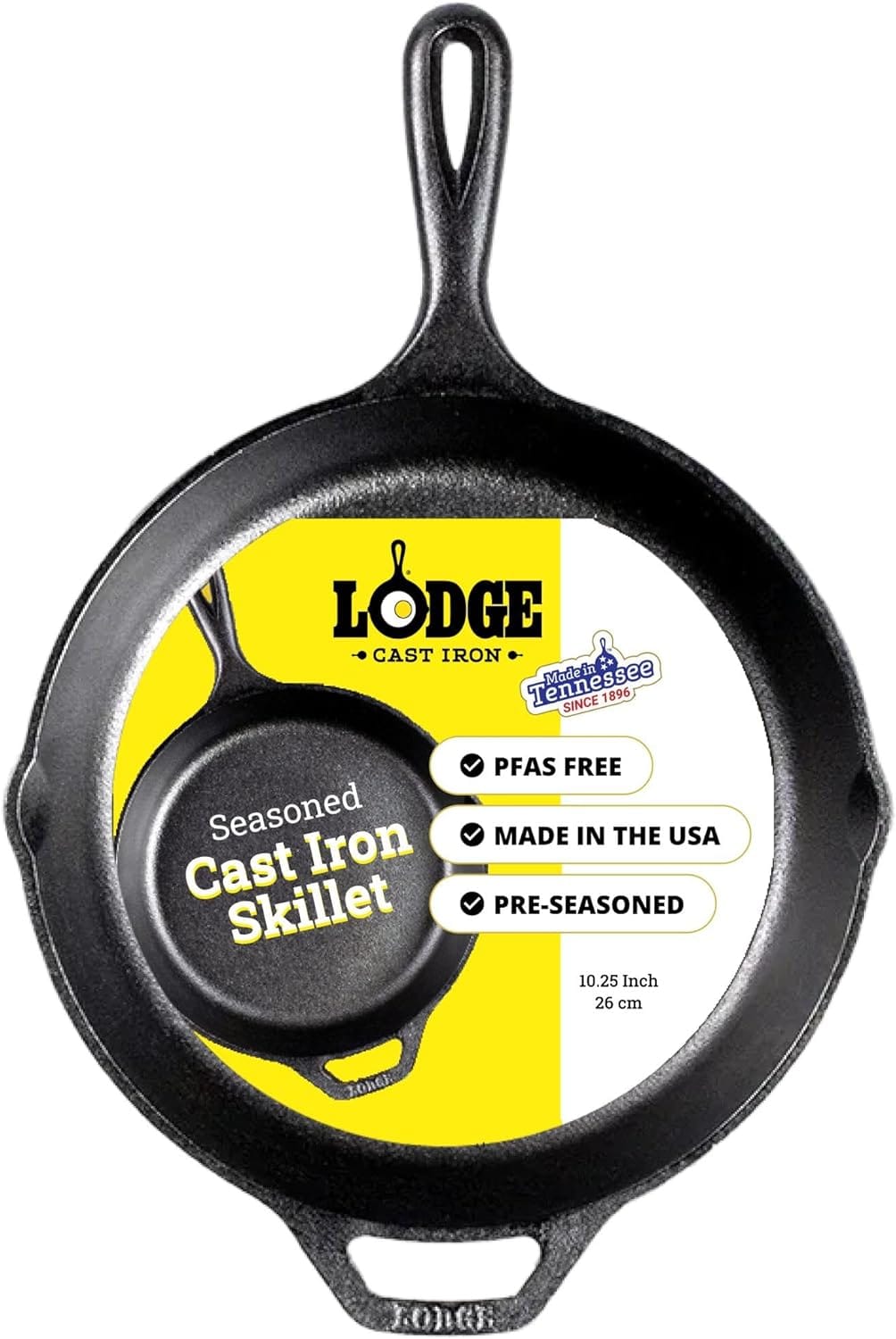
I mentioned how crucial a hot pan is, and for me, that always means cast iron. For this very recipe, my go-to is the Lodge 10.25 inch skillet. It gets screaming hot and holds that heat evenly, which is the whole secret to getting that perfect golden-brown sear without the fish sticking. That’s not just a pan; it’s your ticket to a perfect crust and flaky, moist fish every single time.
If you’re ready to stop worrying about sticking and start searing like a pro, this is the skillet you need in your kitchen.
Lodge 10.25 Inch Cast Iron Skillet with Assist Handle
✓ prime
We earn a commission if you make a purchase, at no additional cost to you.
The first time I cooked mahi at home, I put it in a cold pan. The whole thing stuck and fell apart when I tried to flip it. Learned that one the hard way. A hot pan before the fish goes in is not optional.
Room temperature fish cooks more evenly. I pull the fillets from the fridge about ten minutes before I cook them. Not a long time, but it makes a difference in how the center cooks versus the outside.
Don’t press down on the fish while it’s cooking. I know it’s tempting — especially if the fillet curls up a little at the edges. But pressing squeezes out moisture and dries the fish out faster than anything else.
Lemon zest and lemon juice are doing two different jobs. The juice gives you the acid and the brightness. The zest gives you the actual lemon flavor — that almost floral, slightly bitter edge that makes the whole dish smell alive. Use both.
If your garlic is browning too fast, your heat is too high. Pull the pan off the burner for a few seconds, let it calm down, then continue. Burnt garlic in the sauce will ruin the whole thing and there’s no fixing it once it’s done.
Common Mistakes to Avoid
Skipping the pat-dry step. I know I already said this, but it’s the mistake I see most often. Wet fish won’t sear. It’ll steam in its own moisture and come out pale and soft instead of golden. Dry it. Every time.
Overcooking is the other big one. Mahi mahi is done when it flakes easily and the center is just barely opaque. If it’s pulling apart on its own and looking dry, it went too long. The window between perfect and overcooked is maybe two minutes. Watch it.
Using bottled lemon juice. I’ve done it in a pinch and it works but it tastes noticeably flatter. Fresh lemon juice has a brightness that the bottled version just doesn’t have. If you’re making this dish, it’s worth using real lemons.
Crowding the pan. If you’re cooking four fillets and your pan is small, cook in two batches. Crowding drops the pan temperature and you end up with fish that steams instead of sears. Two good pieces at a time beats four mediocre ones all at once.
Variations and Serving Ideas
Spicy version: Double the red pepper flakes in the sauce and add a teaspoon of sriracha or a few dashes of hot sauce when you add the lemon juice. It gives the whole thing a slow heat that works really well against the butter.
Mild version: Skip the pepper flakes entirely and add a teaspoon of honey to the sauce. It softens everything and makes it a little sweeter — good if you’re cooking for kids or someone who doesn’t love heat.
Coastal twist: Add a handful of cherry tomatoes to the pan when you make the sauce. Let them blister and burst in the butter and lemon. They get jammy and sweet and it turns the whole dish into something that feels like it came from somewhere near the water.
What to Serve With
Rice is the easy answer and it’s the right one. Plain white rice or coconut rice soaks up the lemon garlic butter sauce and nothing goes to waste. For another excellent side dish or appetizer, our easy stuffed mushrooms with crab and cheese are a perfect pairing.
Roasted asparagus or green beans on the side adds something crispy and green to balance the richness of the butter sauce. For another fantastic seafood appetizer to start the meal, consider our easy stuffed mushrooms with crab and cheese. Roast your veggies while the fish cooks and dinner comes together without much fuss.
If you want something heartier, garlic mashed potatoes work well. The sauce doubles as a gravy almost. Or a simple green salad with something acidic in the dressing — a vinaigrette — to cut through the butter.
Crusty bread is never wrong when there’s a pan sauce involved. Something to drag through what’s left on the plate.
Storage and Reheating
Leftover mahi mahi keeps in the fridge for up to 2 days in an airtight container. After that, the texture starts to suffer and it gets a little funky smelling. Don’t push it past two days.
To reheat, use a skillet over low heat with a splash of water or broth to keep it from drying out. Cover it loosely and heat it gently — maybe 3 to 4 minutes. It won’t be exactly the same as fresh but it’s still good.
DO NOT microwave fish if you can help it. It dries out the edges, makes the center rubbery, and fills your kitchen with a smell that lingers. If you have to use the microwave, go low power and short bursts.
DO NOT freeze cooked mahi mahi. The texture breaks down badly after freezing and thawing. If you want to freeze it, freeze the raw fillets before cooking.
FAQs (People Also Ask)
Can I use frozen mahi mahi for this recipe?
Yes, absolutely. Thaw it completely in the fridge overnight or under cold running water. Then dry it really well before seasoning. Frozen mahi works fine — just make sure it’s fully thawed and not still icy in the center or it won’t cook evenly.
How do I know when mahi mahi is done cooking?
It should flake easily when you press it gently with a fork and the center should look just barely opaque — not glassy or translucent. If you have a thermometer, internal temp of 137°F is where you want it. But honestly, the flake test works fine.
Can I substitute another fish if I can’t find mahi mahi?
Swordfish or halibut work well with the same method — they’re both firm and hold up in the pan. Tilapia is softer but still doable. Salmon works too, though the flavor profile is different. The lemon garlic butter sauce is flexible enough to work with most white fish.
How long does this take from start to finish?
Realistically, about 30 to 35 minutes. The prep is maybe 15 minutes if you’re mincing garlic and zesting a lemon. The cooking is around 20 minutes. It’s a genuinely fast weeknight dinner.
Is this recipe hard to make?
No. If you can heat a pan and watch a clock, you can make this. The only part that needs attention is not overcooking the fish and not burning the garlic. Both of those are just about keeping an eye on things. It’s one of the more forgiving fish recipes I know.
Nutrition
Nutrition Facts
(Per serving. Estimates only, varies by exact ingredients used)
Conclusion
Some recipes stick around because they’re complicated and impressive. This one sticks around because it’s the opposite. It’s the kind of thing you make when you’re tired but you still want dinner to feel like something. When the fish is good and the lemon is fresh and the butter hits the pan and the whole kitchen smells like somewhere near the water.
That’s really all this is. A simple homemade lemon garlic mahi mahi that doesn’t ask much and gives back more than you expect. Make it once and you’ll know what I mean.
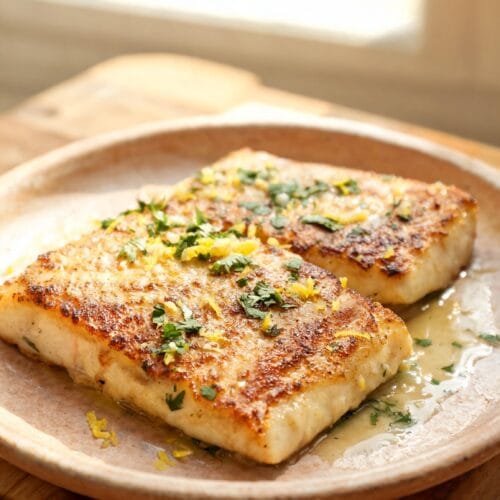
Lemon Garlic Mahi Mahi
Ingredients
- 4 mahi mahi fillets (about 6 oz each)
- 1 teaspoon kosher salt
- 1/2 teaspoon black pepper
- 1/2 teaspoon paprika
- 2 tablespoons olive oil
- 3 tablespoons unsalted butter
- 5 cloves garlic, minced
- 3 tablespoons fresh lemon juice (about 1 1/2 lemons)
- 1 teaspoon lemon zest
- 2 tablespoons chicken broth or dry white wine
- 1 tablespoon fresh parsley, chopped (optional)
- Pinch of red pepper flakes (optional)
Instructions
- Pat each mahi mahi fillet completely dry with paper towels on both sides.
- Season both sides of each fillet with kosher salt, black pepper, and paprika.
- Heat a skillet over medium-high heat and add the olive oil. Let it get fully hot before adding the fish.
- Place fillets in the pan and sear without moving for 4 minutes. Flip once and cook another 3 to 4 minutes until the fish flakes easily and the center is just opaque. Remove fillets to a plate.
- Reduce heat to medium. Add butter to the same pan and let it melt.
- Add minced garlic and cook for about 1 minute until fragrant and just starting to turn golden. Watch it closely.
- Pour in the lemon juice, lemon zest, and chicken broth or white wine. Stir and scrape up any bits from the pan bottom. Let the sauce simmer for 2 minutes until slightly reduced.
- Return the fish to the pan and spoon the sauce over the fillets. Let everything warm together for 1 minute over low heat.
- Scatter chopped parsley over the top if using and serve immediately.