Introduction
The first time I made Pan Seared Halibut with Lemon Caper Sauce at home, I honestly wasn’t planning to cook anything special. It was a Tuesday, a day usually reserved for simpler meals like our copycat Panera Tuna Salad Sandwich. We’d come back from a morning out on the water with more halibut than I knew what to do with, and the fillets were just sitting there on the counter. I had a lemon rolling around in the fridge, half a jar of capers, and maybe twenty minutes before everyone got hungry and impatient.
That’s kind of how the best home fish meals happen, right? Not planned. Just real.
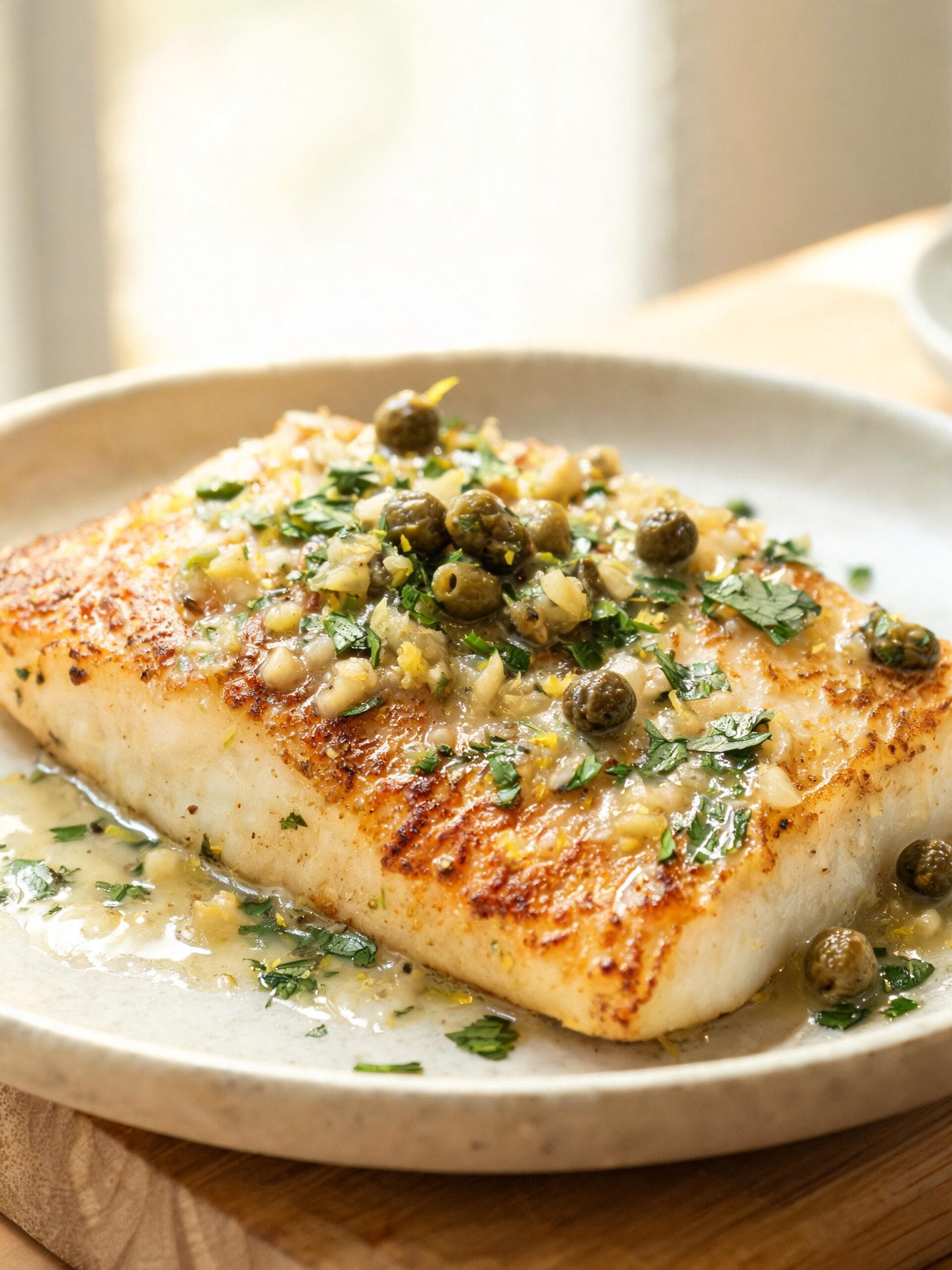
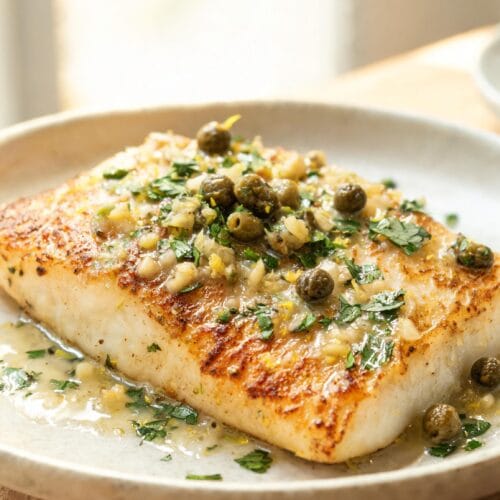
This easy pan seared halibut with lemon caper sauce has become one of those go-to dinners I make whenever I get my hands on good halibut. The sauce is bright and a little briny, the fish gets this golden crust that almost crackles when you press a fork through it, and the whole thing comes together faster than most people expect. No fancy technique. No restaurant tricks. Just a hot pan, good fish, and a sauce that tastes like it belongs near the ocean.
Why You’ll Love This Recipe
- It’s genuinely fast – from fridge to table in under 30 minutes, which matters on a real weeknight when everyone’s already hovering around the kitchen.
- The flavor is bright and clean – the lemon and capers cut right through the richness of the fish without overpowering it. It tastes light but satisfying in the best way.
- You don’t need to be good at cooking fish – this method is forgiving enough that even if you’ve overcooked fish before, you’ll feel confident here.
Quick Recipe Snapshot
Quick Recipe Snapshot
Simple coastal dinner, any night of the week.
| Prep Time | 15 minutes |
| Cook Time | 20 minutes |
| Total Time | 35 minutes |
| Servings | 4 |
| Difficulty | Easy |
| Best For | Weeknight dinner, quick lunch |
Ingredients List
For the Halibut:
- 4 halibut fillets (about 6 oz each) – fresh is best, but thawed frozen works fine too
- 1 teaspoon kosher salt
- ½ teaspoon black pepper
- ½ teaspoon garlic powder
- 2 tablespoons olive oil – for getting that golden sear without burning
- 1 tablespoon unsalted butter – added near the end, it gives the crust a little richness
For the Lemon Caper Sauce:
- 2 tablespoons unsalted butter
- 3 garlic cloves, minced
- 3 tablespoons capers, drained – the brininess is kind of the whole point here
- 3 tablespoons fresh lemon juice (about 1 large lemon)
- 1 teaspoon lemon zest – don’t skip this, it adds a brightness that juice alone doesn’t give you
- ¼ cup low-sodium chicken broth or dry white wine – helps loosen the sauce and adds a little depth
- 2 tablespoons fresh flat-leaf parsley, chopped
- Salt and pepper to taste
Step-by-Step Instructions
- Dry the fish first. Pat the halibut fillets dry with paper towels. Both sides. This step matters more than people think – wet fish steams instead of sears, and you lose that crust entirely. Season both sides with salt, pepper, and garlic powder.
- Get the pan hot. Heat a large skillet (cast iron or stainless steel works great) over medium-high heat. Add the olive oil and let it shimmer. You want it hot enough that the fish sizzles the second it touches the pan.
- Sear the halibut. Lay the fillets in the pan away from you. Don’t touch them. Let them cook undisturbed for about 4 to 5 minutes until the bottom is deep golden and the fish releases naturally from the pan. If it’s sticking, it’s not ready to flip yet. Add the tablespoon of butter, flip gently, and cook another 3 to 4 minutes. The fish is done when it flakes easily and the center is just opaque. Transfer to a plate and tent loosely with foil.
- Make the sauce in the same pan. Turn the heat down to medium. Add the 2 tablespoons of butter. Once it melts, add the garlic and cook for about 30 seconds – just until it smells good, not until it browns. Add the capers and stir them around for another 30 seconds. (This is one of my favorite moments in the whole recipe, honestly. The smell changes completely.)
- Add the liquid. Pour in the broth or white wine and the lemon juice. Let it bubble and reduce for about 2 minutes, scraping up any brown bits from the bottom of the pan. Those bits are flavor. Stir in the lemon zest and parsley. Taste it. Adjust salt and pepper if needed.
- Plate and pour. Spoon the lemon caper sauce generously over the halibut fillets and serve right away. The sauce will keep soaking in as it sits, which is a good thing.
Small Tricks From Cooking Fish at Home
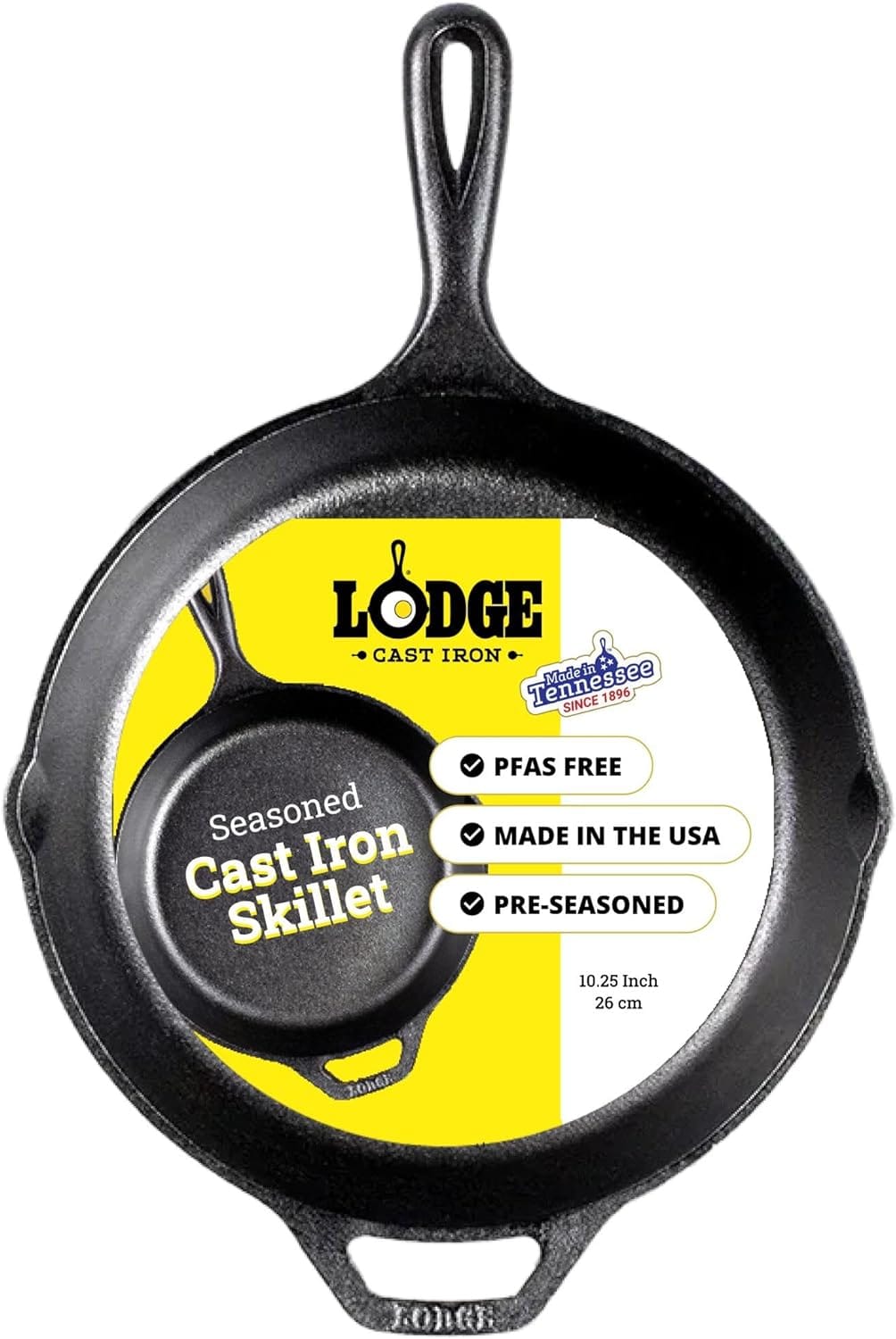
I talk a lot about getting that pan genuinely hot, and for me, the most reliable tool for the job is a classic cast iron skillet. My Lodge skillet is my go-to for fish because it holds heat so evenly and creates that beautiful, deeply golden crust you see in restaurants. It’s the real difference-maker between a fish that steams and sticks and one that sears perfectly and releases from the pan with ease.
If you want to take the guesswork out of searing and get that perfect crust every time, this is the skillet that will do it for you.
Lodge 10.25 Inch Cast Iron Skillet with Assist Handle
✓ prime
We earn a commission if you make a purchase, at no additional cost to you.
Room temperature fish sears better. I pull the fillets out of the fridge about 10 minutes before cooking. Cold fish straight into a hot pan tends to cook unevenly – the outside gets done while the inside is still cold and dense. It’s a small thing but it actually makes a difference.
The pan has to be genuinely hot before the fish goes in. Not warm. Hot. I test it by flicking a drop of water in – if it dances and evaporates immediately, it’s ready. I learned this the hard way after years of pale, sad-looking fish that stuck to everything.
Don’t crowd the pan. If you’re cooking for four people, you might need to do two batches. Crowding drops the pan temperature and you end up steaming the fish instead of searing it. The crust disappears and the texture gets soft in a way that doesn’t feel right.
Fresh lemon zest is worth the extra thirty seconds. The juice gives you acidity but the zest gives you that floral, almost perfumey brightness that makes the sauce taste alive. I’ve made this without it when I was in a rush and it’s just not the same.
Let the fish rest for a minute or two before you pour the sauce on. It helps hold the crust a little longer and the fish finishes cooking gently from its own heat. I usually use that time to finish the sauce.
Common Mistakes to Avoid
Moving the fish too early. This is probably the most common one. People get nervous and start poking and lifting the fillet before it’s ready. Halibut will tell you when it’s ready to flip – it releases cleanly from the pan. Force it and you’ll tear the fillet and lose the crust. Just trust the pan.
Using too much lemon juice and not enough zest. The sauce can tip into sour territory if you go heavy on juice without the zest to balance it. They do different things. Juice = acid. Zest = brightness and aroma. You need both.
Overcooking. Halibut goes from perfect to dry pretty fast. It doesn’t have the fat content to forgive extra time the way salmon does. When the center just turns opaque and the fish flakes with gentle pressure, it’s done. Pull it off the heat.
Skipping the deglazing step. Those brown bits stuck to the pan after searing the fish are concentrated flavor. When you add the broth or wine and scrape them up, they dissolve into the sauce and make it taste like something you actually worked on. Don’t rinse the pan. Don’t wipe it. Use it.
Variations and Serving Ideas
Spicy version: Add a pinch of red pepper flakes to the butter when you’re cooking the garlic. Just a pinch. It gives the sauce a quiet heat that sneaks up on you and works really well against the brininess of the capers.
Mild version: Leave out the capers entirely and double the lemon zest. The sauce becomes softer and more buttery, which is great if you’re cooking for kids or anyone who finds capers too sharp. Still really good.
Coastal twist: Add a handful of halved cherry tomatoes to the sauce after the broth reduces. They burst and get jammy and add a sweetness that makes the whole dish feel more summery and coastal. I’ve made this version after August fishing trips and it just fits.
What to Serve With
Something crispy alongside the fish balances the softness of the halibut really well. Roasted potatoes or a simple green salad with a sharp vinaigrette both work. The acid in the salad dressing actually echoes the lemon in the sauce without competing with it.
If you want something more filling, a scoop of plain white rice is a great choice, but for a truly flavorful side, our Shrimp Sausage Dirty Rice is a fantastic pairing. A piece of crusty bread to soak up the extra lemon caper sauce is also a must—the sauce is too good to leave on the plate.
Steamed asparagus or sautéed spinach are easy sides that don’t take any real effort and keep the meal feeling light. On a warm evening near the water, that’s usually exactly what you want.
Storage and Reheating
Cooked halibut keeps in the fridge for up to 2 days in a sealed container. After that it starts to smell stronger and the texture gets a little soft and sad. Store the sauce separately if you can – it keeps better that way.
DO NOT microwave the fish on high heat. It dries out almost instantly and the texture turns rubbery and unpleasant. If you need to reheat it, do it low and slow in a covered skillet with a tiny splash of water or broth over medium-low heat.
DO NOT freeze cooked halibut. The texture breaks down when it thaws and you end up with something watery and flaky in a bad way. If you have extra raw halibut, freeze that instead before cooking.
The sauce reheats fine in a small saucepan over low heat. Add a small splash of broth or water if it looks thick.
FAQs (People Also Ask)
Can I use frozen halibut for this recipe?
Yes, absolutely. Just make sure it’s fully thawed and patted very dry before it goes in the pan. Frozen halibut that’s been properly thawed overnight in the fridge cooks almost identically to fresh. The key is getting rid of the extra moisture.
How do I know when the halibut is done?
The fish will flake when you press it gently with a fork and the center will look just opaque – not translucent, but not chalky white either. If you have an instant-read thermometer, 130°F to 135°F internal temperature is the sweet spot. It’ll carry over a few degrees after you pull it from the heat.
Can I substitute the capers with something else?
If you don’t have capers or don’t love them, finely chopped green olives give you a similar briny quality. Some people use a small spoonful of Dijon mustard for a different kind of sharpness. It won’t taste exactly the same but it still works.
How long does this take from start to finish?
Realistically about 30 to 35 minutes including prep. It’s a genuinely quick weeknight dinner. The sauce comes together while the fish is resting so there’s no waiting around.
Is this recipe good for beginners?
It really is. The steps are straightforward and the biggest skill is just learning to leave the fish alone in the pan. Once you get that part, the rest follows naturally. The sauce is almost impossible to mess up.
Nutrition Facts
Nutrition Facts
(Per serving. Estimates only, varies by exact ingredients used)
Conclusion
Some recipes stick around not because they’re complicated or impressive but because they’re honest. This one started on a Tuesday with leftover fish and a half-used jar of capers, and it’s never really left my kitchen since.
Halibut is a generous fish when you treat it right. The lemon and capers don’t try to hide it – they just make it taste more like itself, which is all you really want from a sauce. Bright, a little salty, warm from the butter.
If you’ve got good fish and twenty minutes, that’s enough. That’s always been enough.
Pan Seared Halibut with Lemon Caper Sauce
Ingredients
- 4 halibut fillets (about 6 oz each)
- 1 teaspoon kosher salt
- 1/2 teaspoon black pepper
- 1/2 teaspoon garlic powder
- 2 tablespoons olive oil
- 1 tablespoon unsalted butter (for searing)
- 2 tablespoons unsalted butter (for sauce)
- 3 garlic cloves, minced
- 3 tablespoons capers, drained
- 3 tablespoons fresh lemon juice (about 1 large lemon)
- 1 teaspoon lemon zest
- 1/4 cup low-sodium chicken broth or dry white wine
- 2 tablespoons fresh flat-leaf parsley, chopped
- Salt and pepper to taste
Instructions
- Pat the halibut fillets dry with paper towels on both sides. Season with salt, pepper, and garlic powder.
- Heat a large skillet over medium-high heat. Add the olive oil and let it shimmer until hot.
- Place the halibut fillets in the pan and cook undisturbed for 4 to 5 minutes until the bottom is golden and the fish releases naturally. Add 1 tablespoon butter, flip gently, and cook another 3 to 4 minutes until the fish flakes easily and the center is just opaque. Transfer to a plate and tent loosely with foil.
- Reduce heat to medium. Add 2 tablespoons butter to the same pan. Once melted, add minced garlic and cook for 30 seconds until fragrant.
- Add the capers and stir for 30 seconds. Pour in the broth or white wine and lemon juice. Let the sauce bubble and reduce for about 2 minutes, scraping up any brown bits from the pan.
- Stir in the lemon zest and chopped parsley. Taste and adjust salt and pepper as needed.
- Spoon the lemon caper sauce over the halibut fillets and serve immediately.